A narrow plurality of college students say they trust the news while an overwhelming majority of them aren't willing to pay money for it, according to a new poll of more than 3,000 students by College Reaction.
Data: College Reaction survey of 3,268 U.S. college students conducted July 17–Aug. 21. ; Chart: Axios Visuals
Why it matters: Lack of trust in media by the next generation of news consumers and their overwhelming opposition to paying for news could have big consequences for news operations that are looking to subscriptions for funding.
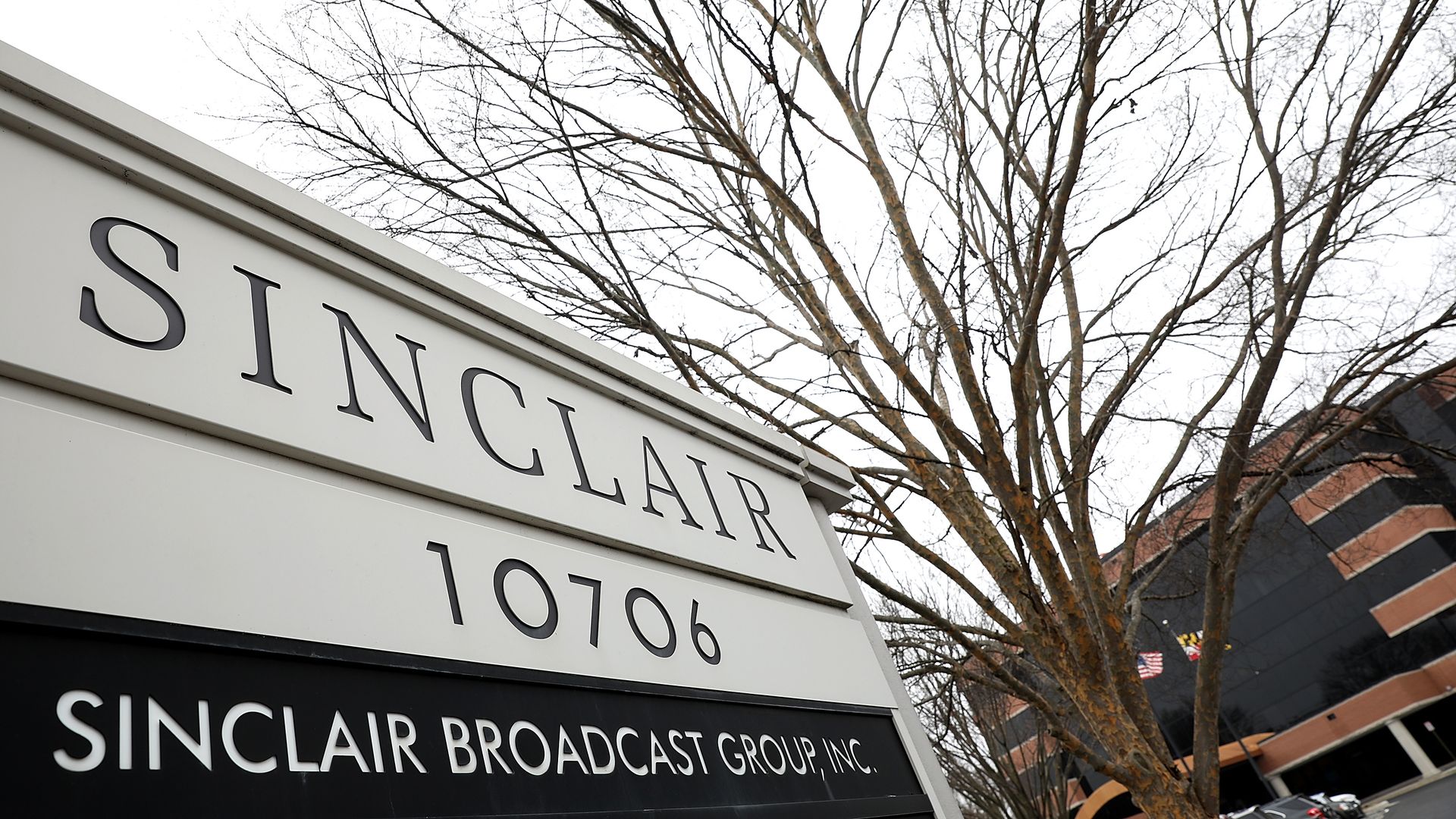
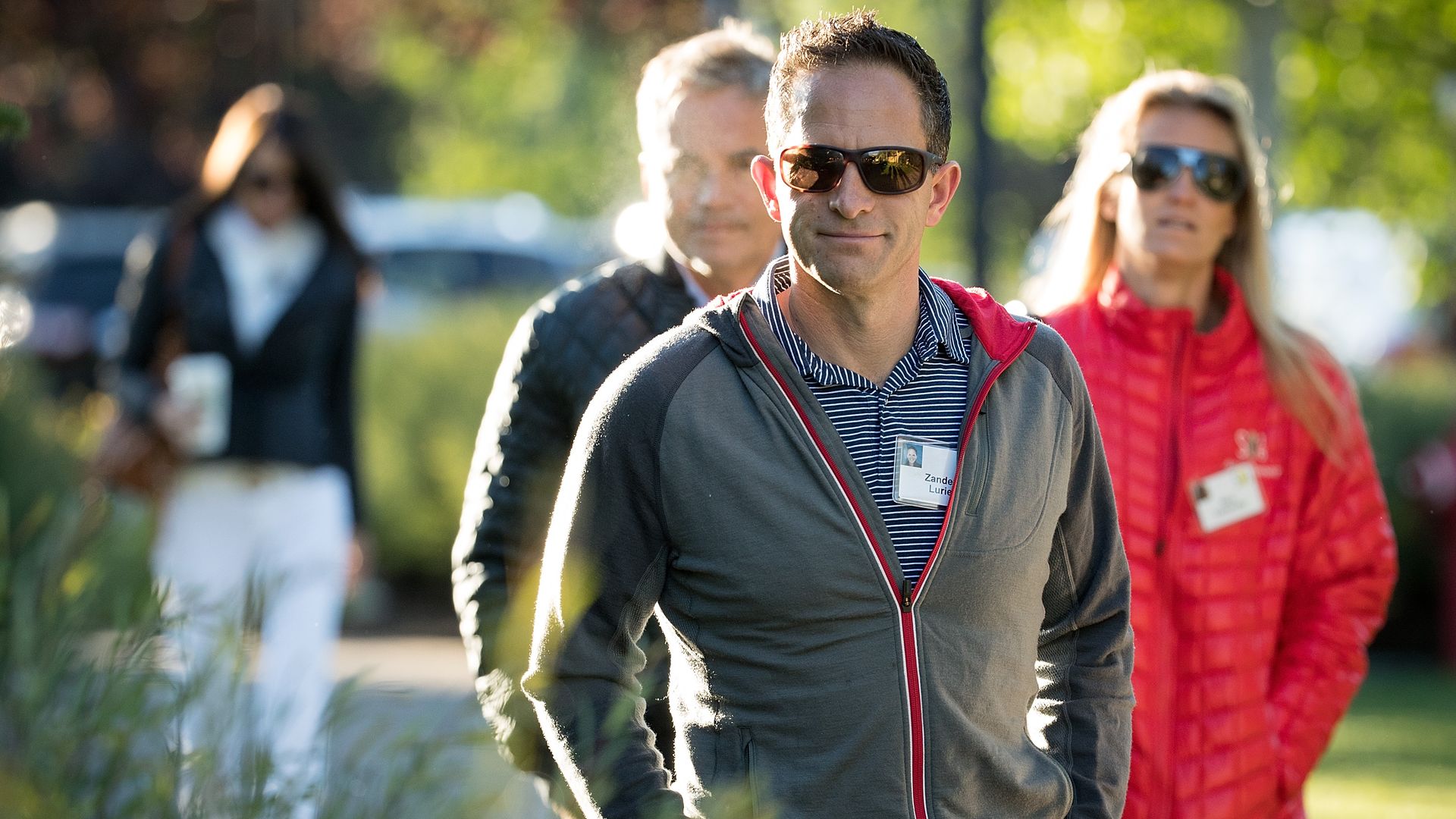
Sinclair Broadcast Group is counter-suing Tribune Media, saying the company backed out of its intention to complete a $3.9 billion merger without doing everything in its power to see the deal through, reports The Hill.
Why it matters from Axios' Sara Fischer: It will be difficult for Sinclair to win a legal battle with Tribune, given the lawsuit is occurring, in part, as a result of Sinclair’s malpractice in disclosures around the merger, which was affirmed by the FCC.
SurveyMonkey, the Silicon Valley maker of survey software, on Wednesday filed for a $100 million IPO (likely a placeholder amount).
The bottom line: The company has been prepping a public listing for years, but it shelved those plans in 2015 when longtime CEO Dave Goldberg unexpectedly passed away, which was later followed by layoffs and business strategy changes.
Dan looks into the severance pay fight for former workers of the now defunct Toys "R" Us with Carrie Gleason, policy director at OUR. In the "Final Two" he dives into self diving car accidents and the latest on Trump vs. Google.
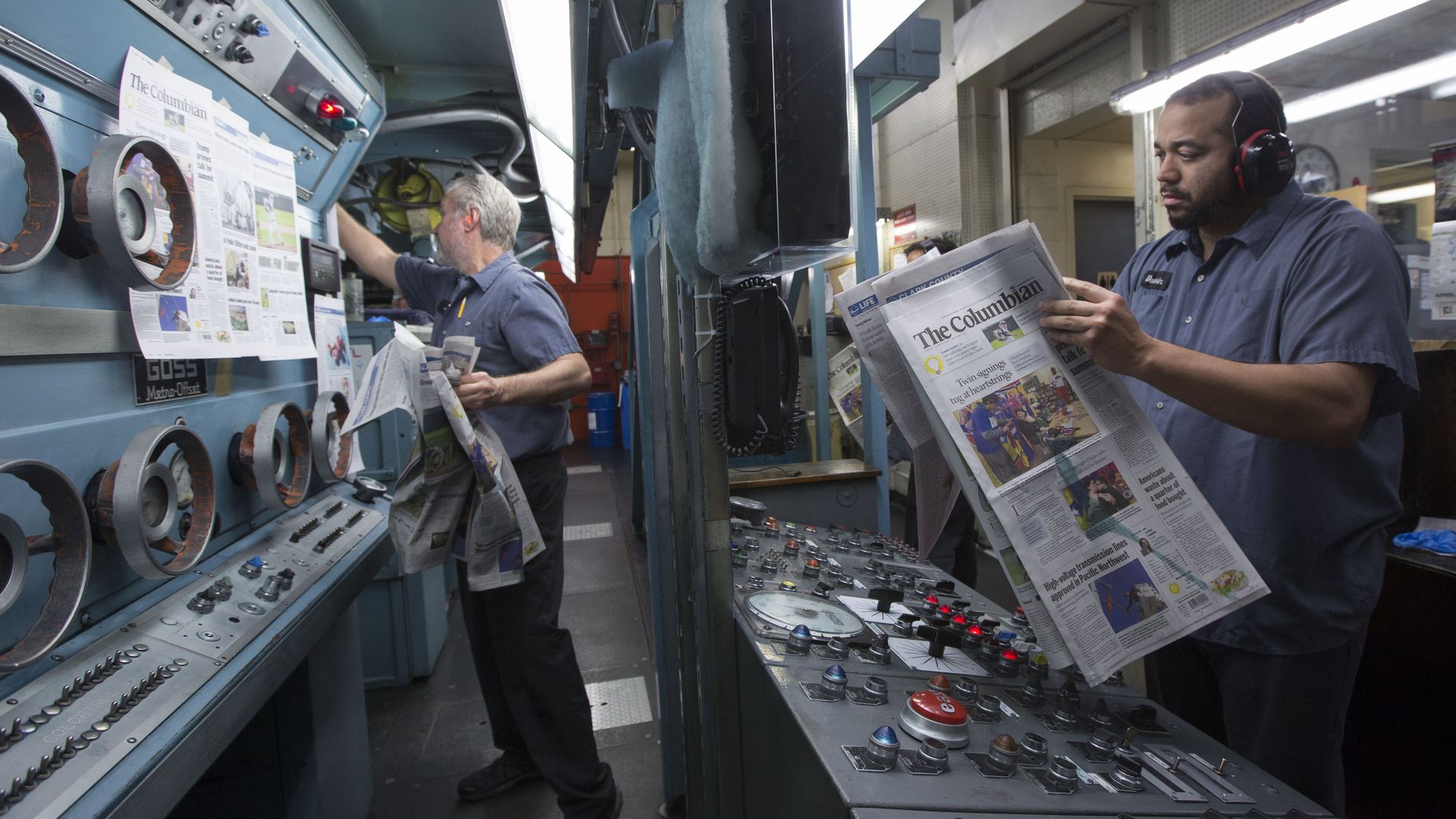
The International Trade Commission (ITC) announced Wednesday that it reversed newsprint tariffs after concluding that Canadian imports of uncoated groundwood paper do not cause material harm to the U.S. paper industry.
Why it matters: Newspapers were aching under the tariffs, and in many cases were forced to lay off dozens of people due to the burden the tariffs put on their businesses.
The U.S. is embroiled in a full-on trade war, but markets continue to notch new highs. For the most part, investors have shrugged off the trade drama. But it’s not because investors don’t care about trade.
The bottom line: The markets view bad news on trade fights as just part of President Trump's bluster and negotiation strategy while good news is seen as actual progress. "Any de-escalation is a victory," says James Liu, founder of Clearnomics, a research firm.
President Trump railed against "anonymous sources" in a pair of Wednesday tweets, urging his supporters to "stop reading" a news story if they see an anonymous source cited.
"'Anonymous Sources are really starting to BURN the media.' @FoxNews The fact is that many anonymous sources don’t even exist. They are fiction made up by the Fake News reporters. Look at the lie that Fake CNN is now in. They got caught red handed! Enemy of the People! ... When you see 'anonymous source,' stop reading the story, it is fiction!"
The big picture: Trump is referring to the revelation that Michael Cohen's lawyer Lanny Davis served as an anonymous source for CNN's report on Cohen's claim that Trump knew about the 2016 Trump Tower meeting in advance. CNN's issue isn't that Davis doesn't exist — he does — it's that he confirmed a story for the network, as well as multiple other news outlets, that he now states that he can't verify.
The number of people with pre-existing medical conditions varies substantially between metropolitan areas, according to Kaiser Family Foundation data. That means even within a single state, different locations would see different results under legislation that erodes the Affordable Care Act's protections
Why it matters: The more people who have a pre-existing condition, the more likely health care is to resonate as an issue in the midterm elections in that state or district.
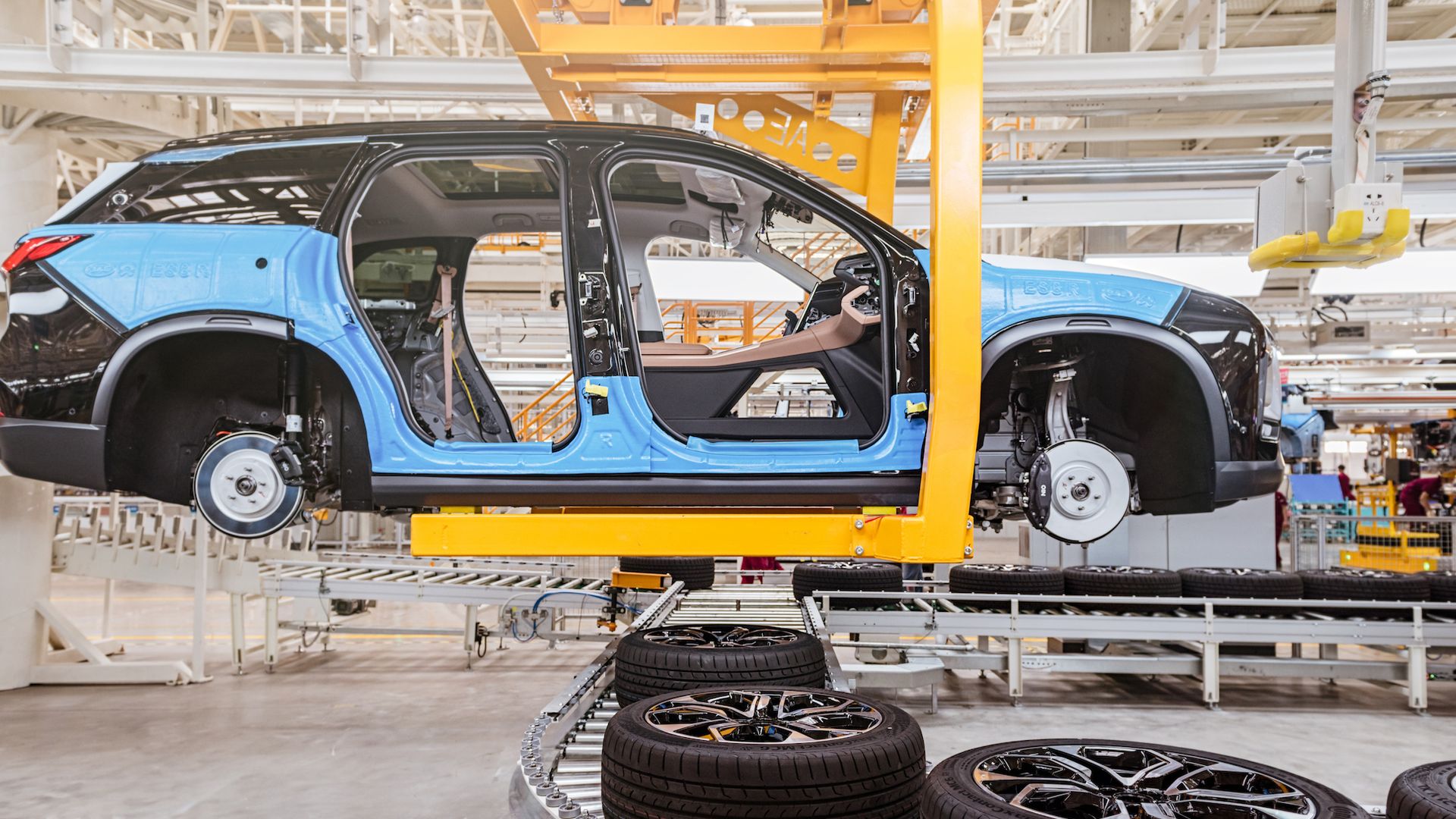
NIO, a Chinese electric car maker, is seeking to raise up to $1.3 billion from a U.S. initial public offering that would give it a valuation as high as $8.5 billion, according to an SEC filing.
Why it matters: NIO, formerly known as NextEV, competes with Tesla — not to mention the scores of electric vehicle companies in China — and is hoping to go public before it has turned a profit. NIO began delivering its first cars earlier this summer and is planning a second model next year.