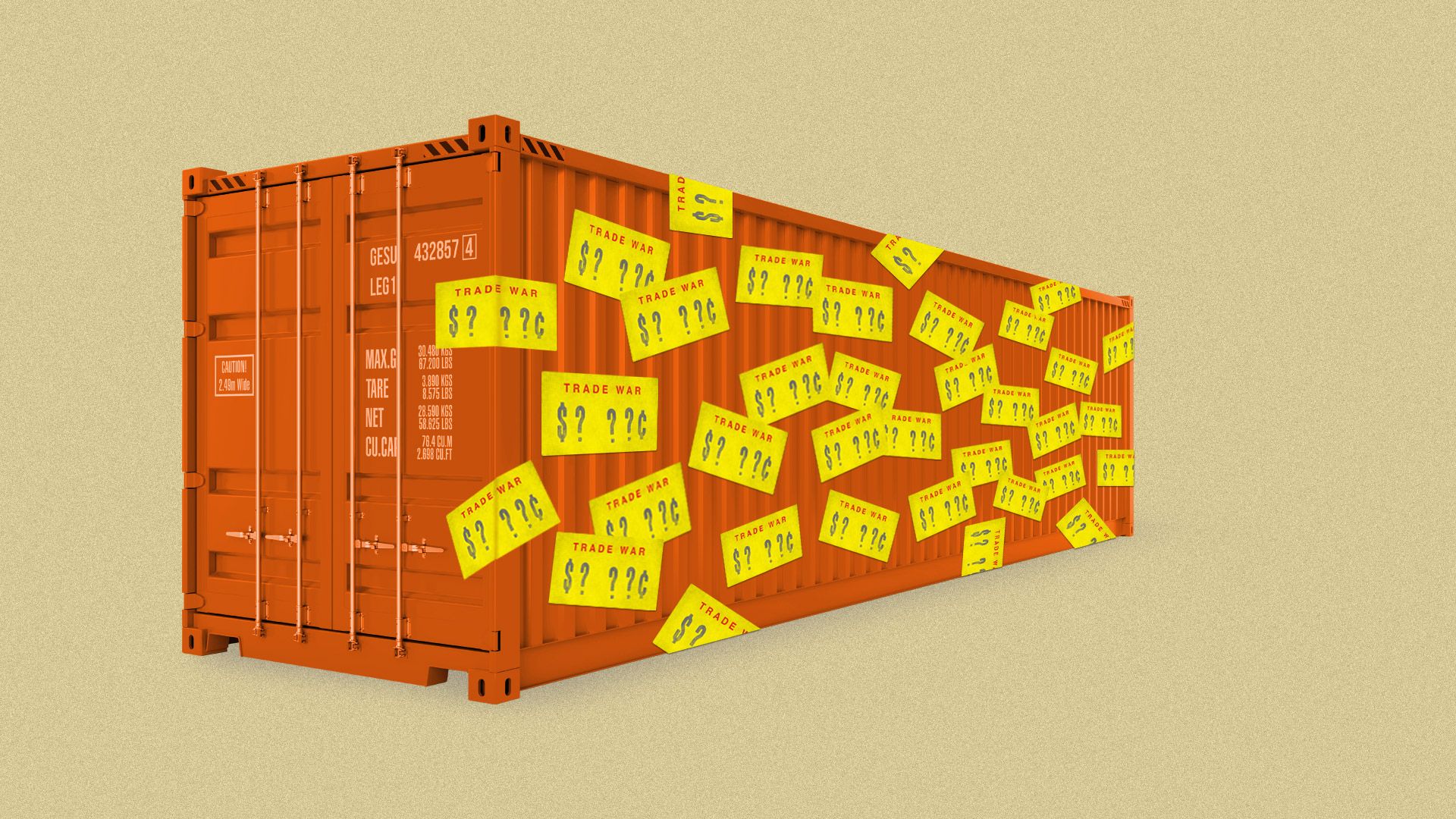
The U.S. Department of Agriculture announced details Monday of its "temporary relief" plan to help farmers who have been hit hard by retaliatory tariffs.
The details: The department will make up to $4.7 billion available to help offset the costs of the trade war. U.S. soybean farmers are expected to receive the bulk of the payments at $3.6 billion.
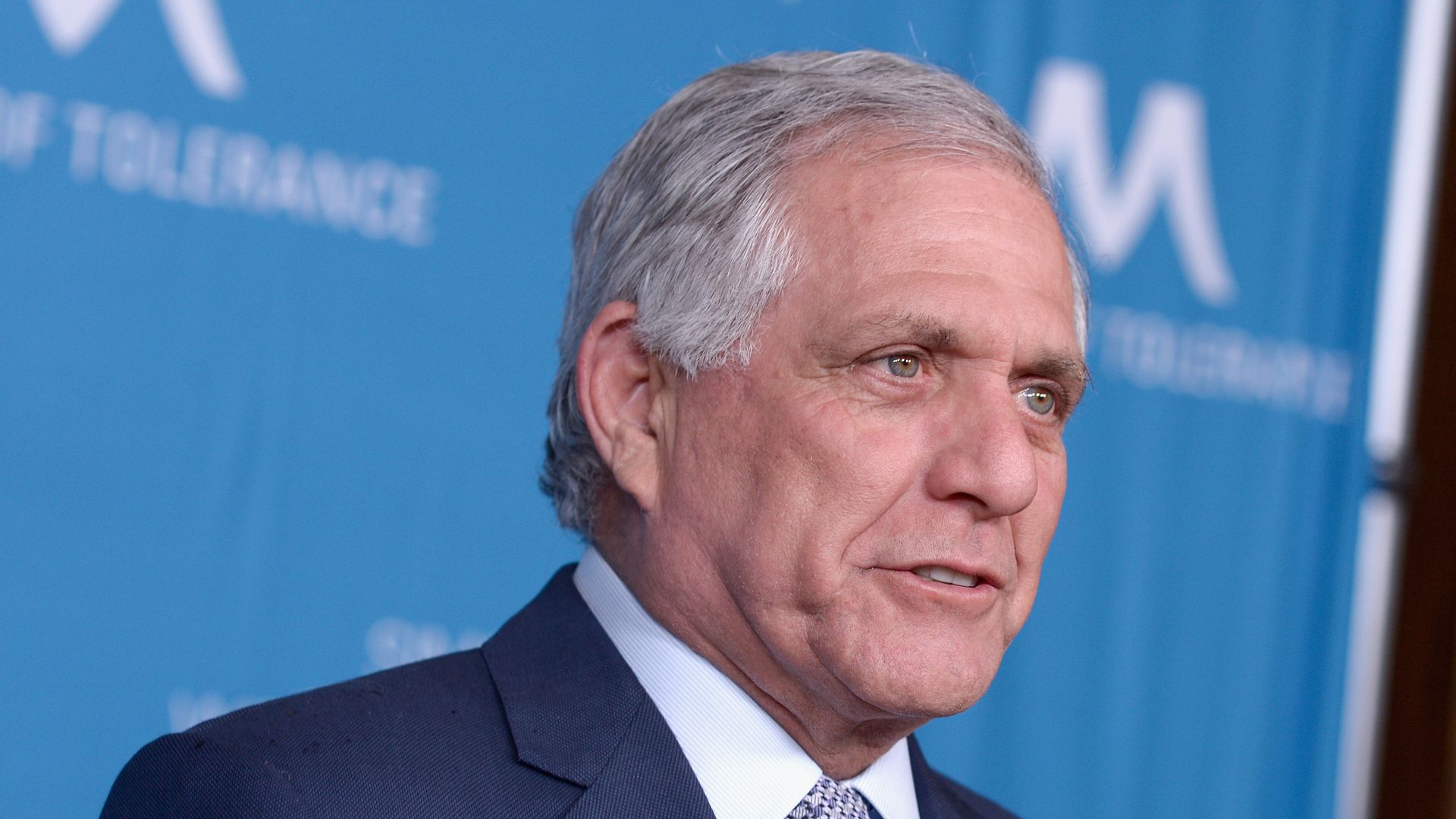
CBS was hit with a class action shareholder lawsuit on Monday, which argues that the media giant made a material omission and misled shareholders when it failed to disclose sexual harassment allegations against its Chairman and CEO Leslie Moonves, Variety reports.
The context: Six women accused Moonves of sexual misconduct during the 1980s in a Ronan Farrow-authored piece in The New Yorker in July, which featured dozens of current and former CBS employees stating that Moonves' problematic behavior was well-known at the network.
Saudi Arabia’s King Salman made the decision to to nix the plan to list a portion of Saudi Aramco, Saudi Arabia’s national oil company, on the stock market, according to Reuters.
Why it matters: The expected IPO was a project of the king’s son, Crown Prince Mohammed bin Salman, who is working to overhaul the country’s economy and society to be more open under his "Vision 2030" program. But, per Reuters, some believe that Salman's move away from the IPO shows that — as long as he remains in control — Saudi Arabia may not be truly committed to an open and transparent economy.
Dan discusses the bull and bear cases for Bitcoin with CNBC's Melissa Lee. Plus talk of Elon Musk and Warren Buffett. All in 10 minutes, to make you smarter faster.
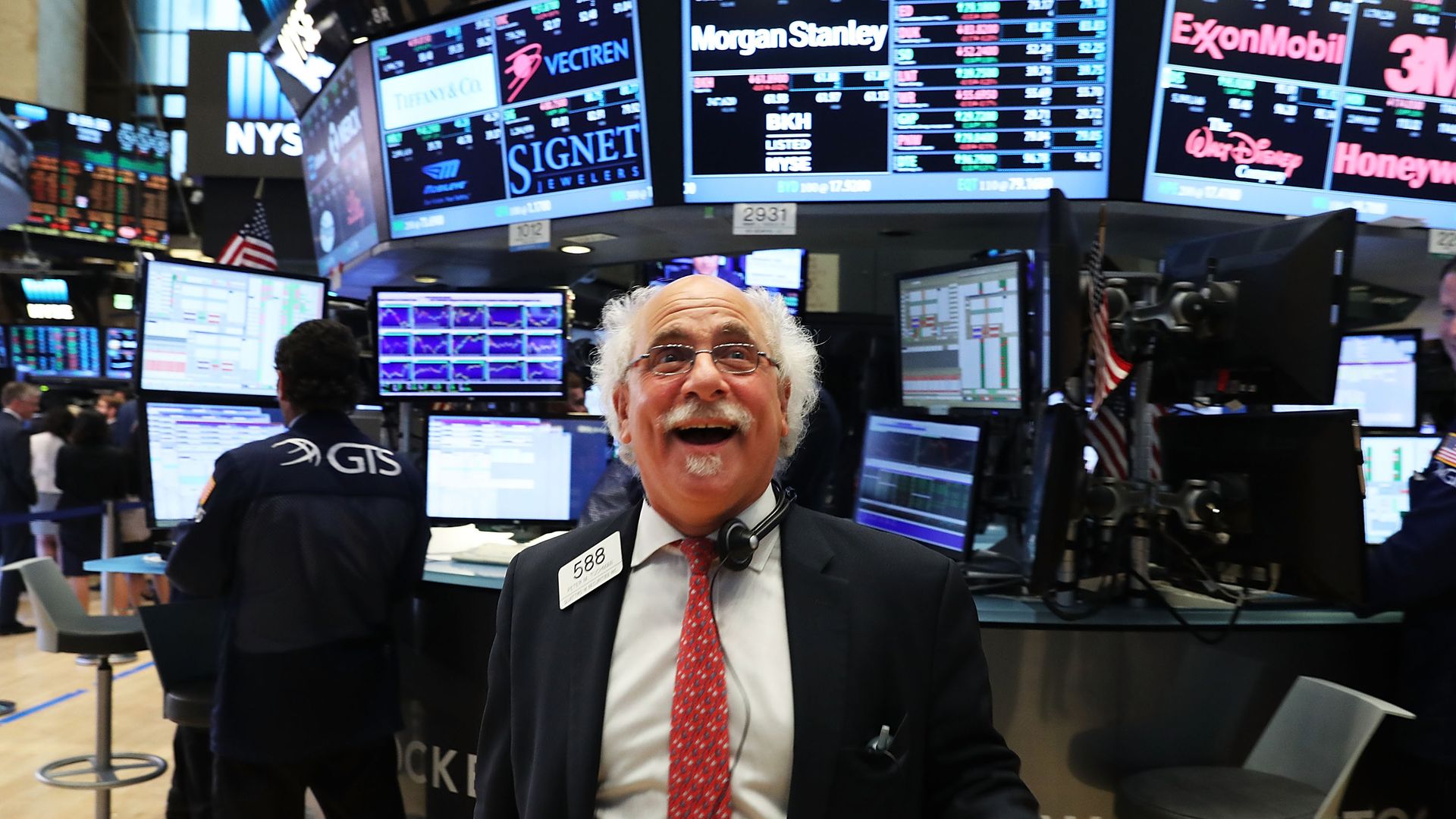
The tech-laden Nasdaq broached the 8,000 mark for the first time ever after reports that the U.S. and Mexico struck a partial NAFTA deal. The Dow also rose above 26,000 for the first time since February, CNBC reports.
Why it matters: This is the latest example of investors reacting to good news on the trade front, which has been considered a headwind for the markets.
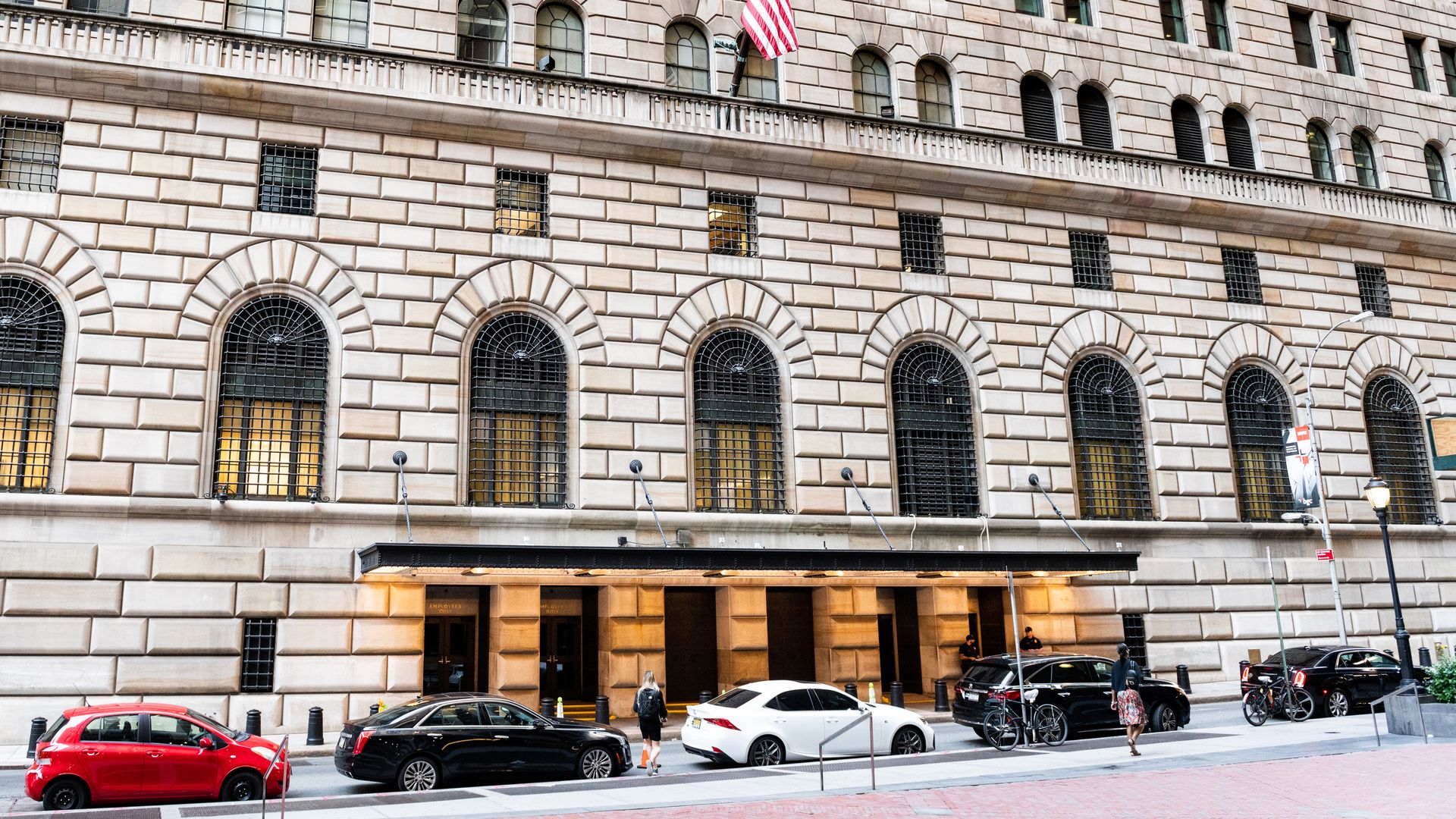
Federal Reserve leaders and other central banks are examining whether mounting concentrations of corporate power may be the root causes of low inflation, productivity, wage growth and investment spending in the U.S. for years, reports The New York Times.
Why it matters: Jason Furman, an economist at Harvard’s Kennedy School of Government, told the Times that "questions of monopoly power were studied by specialists in a very technical way, without linking them to the broader issues that animate economic policy." If found to be true, the Times explains that the Fed may lower interest rates for a longer period of time and policymakers refuse to abruptly enact in response to short-term swings in consumer prices.
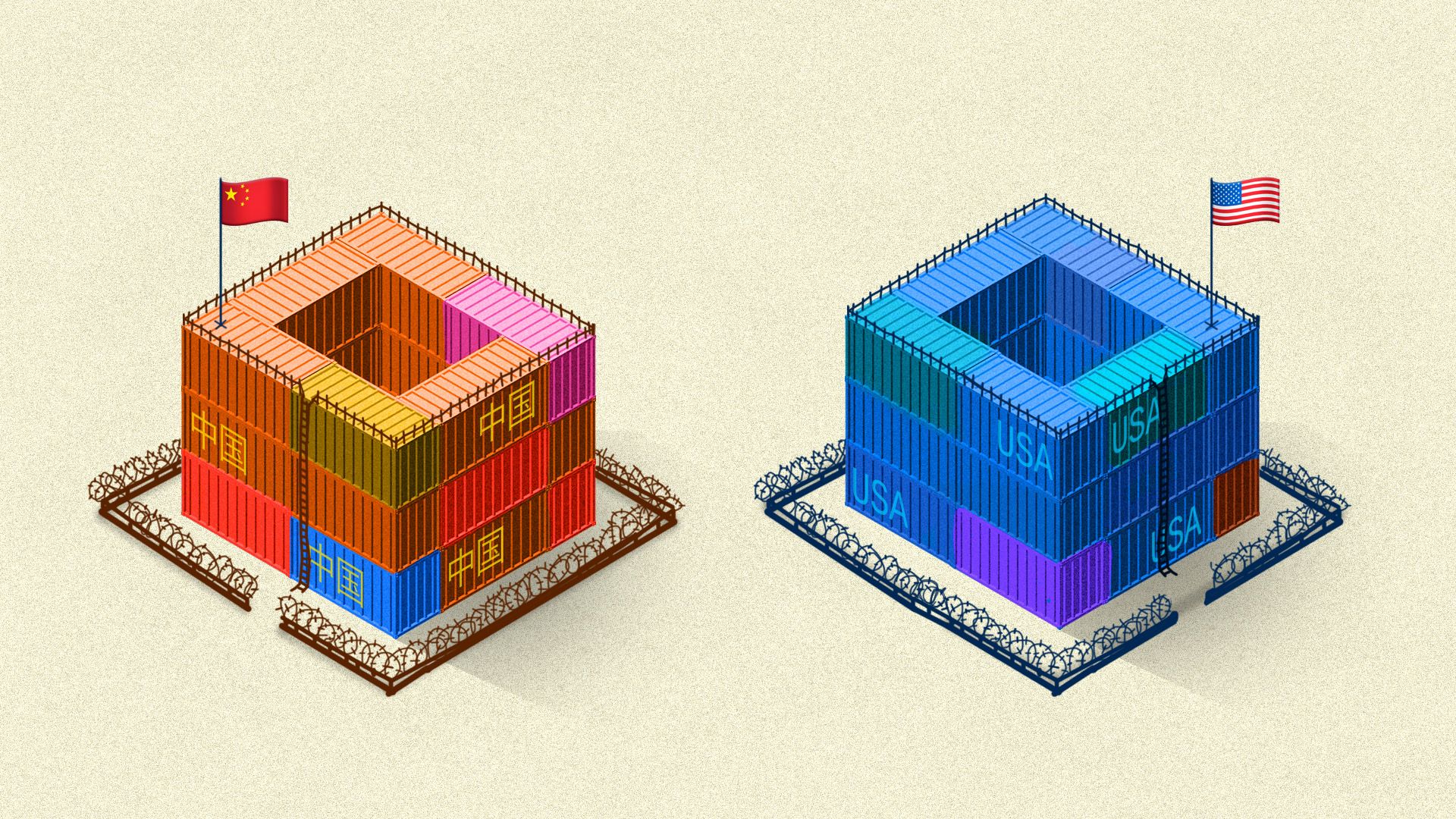
The United States' trade war with China is likely to last much longer than originally thought — extending well into the second half of next year and perhaps beyond, experts say.
The main reason: Neither side is prepared to appear politically weak at home, and both are ready to absorb economic pain.
Amid a gaping shortage of skilled cybersecurity hands, a cottage industry has sprung up to fill the demand, with some of the biggest U.S. companies and agencies paying freelance bounties for detecting website vulnerabilities.
What's going on: There are currently some 301,000 cyber industry openings in the U.S., according to Cyber Seek, a firm seeking to close the shortage, forcing unorthodox solutions on the most strategically important employers.
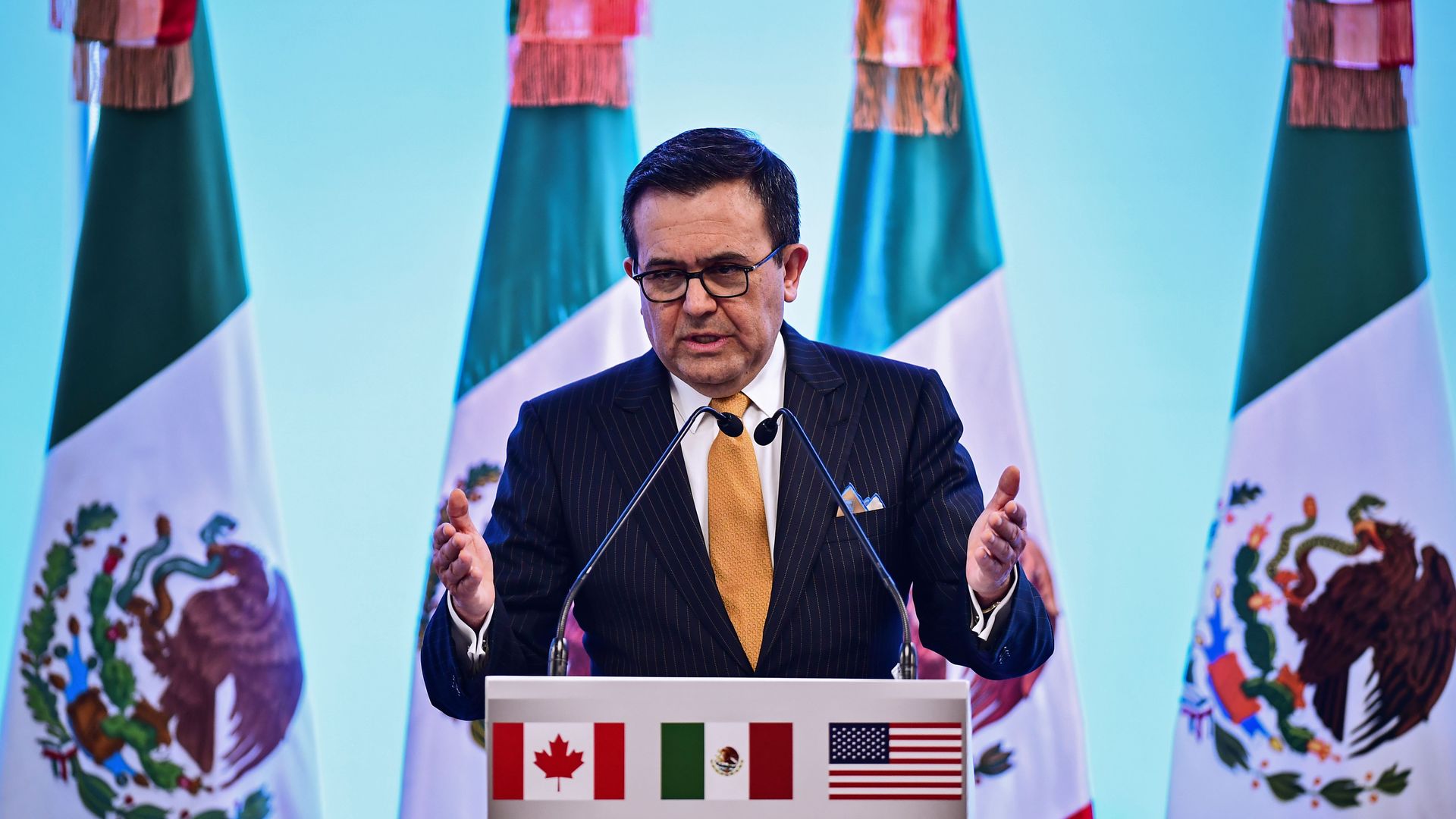
The U.S. and Mexico have achieved breakthroughs after five weeks of NAFTA talks and could soon reach a deal, paving the way for Canada to re-enter negotiations to formally update the trade agreement, administration officials tell Axios.
The big picture: Bloomberg reports that a deal could come as soon as Monday, and that sticking points on automobiles and energy are among those that have been resolved.
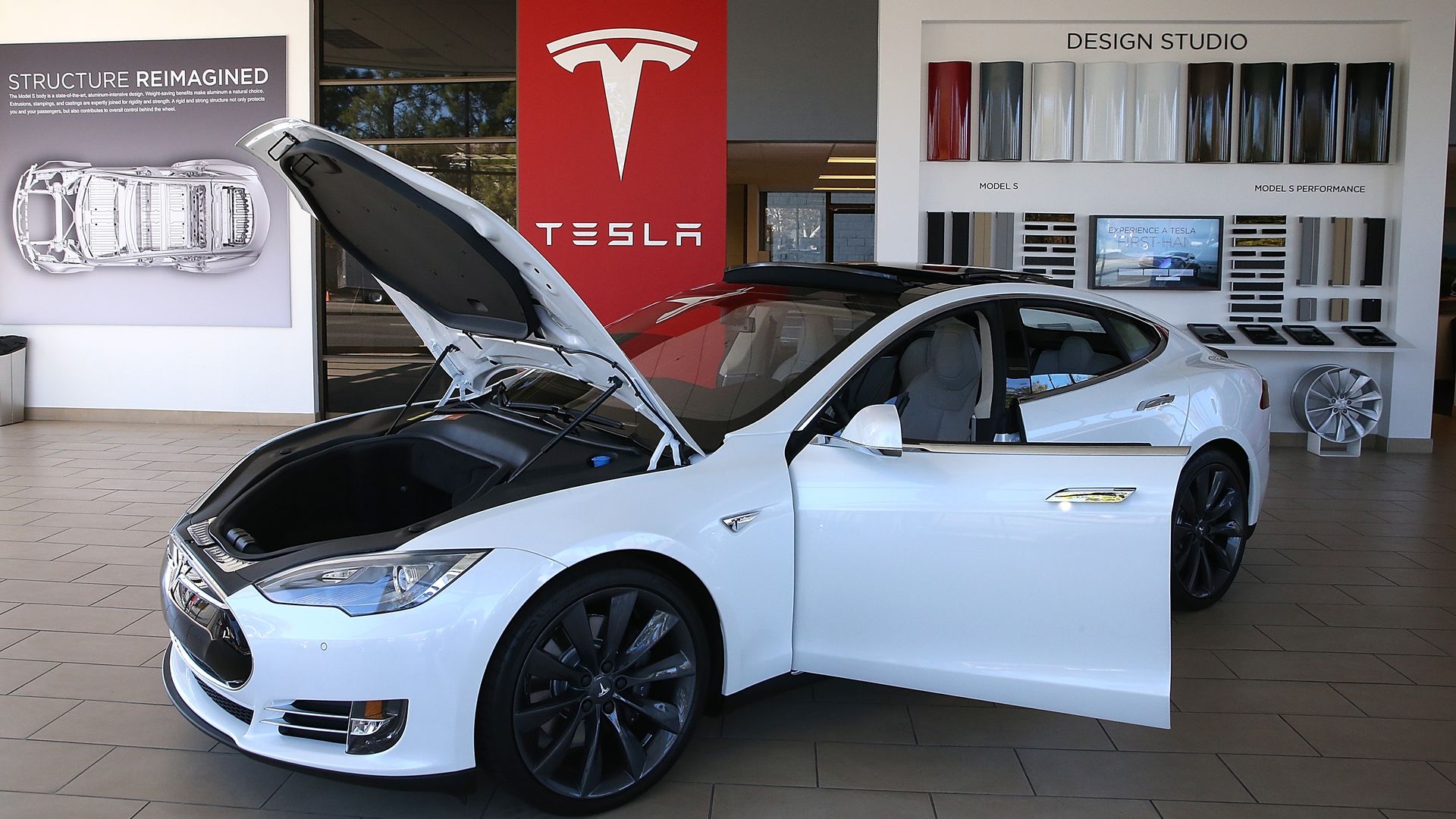
In the process of setting up the framework to take Tesla private, CEO Elon Musk began to realize his thinking was "overly simplistic," and that the difficulties privatization posed would cause unnecessary distractions at a time when Model 3 production is vital to the company's success, reports the The New York Times.
The details: Besides the factors explained in last Friday's blog post, Musk was reportedly concerned about the contradictions of having an electric car company backed by a Saudi wealth fund that had made its fortune on fossil fuels. It also became clear that the Saudis, other foreign funds and even bigger carmakers might expect more than just equity in exchange for an investment, including proposals to set up production in their countries.
In their quarterly conference calls with investors last week, retail CEOs were sounding the alarm about how a proposed round of tariffs on $200 billion worth of Chinese products — on top of earlier rounds — could damage their businesses.
Despite accusations of frivolous avocado toast purchases, young adults today are spending less on entertainment and food and far more on health care and education than Baby Boomers did at their age, according to data from the Bureau of Labor Statistics.
Between the lines: The money spent on health care and education does not include costs for employer-based health insurance or student debt repayment — median household student debt tripled between 1989 and 2013. Even without those factors, millennials still spend more out of pocket in these areas than Boomers did — especially on education.