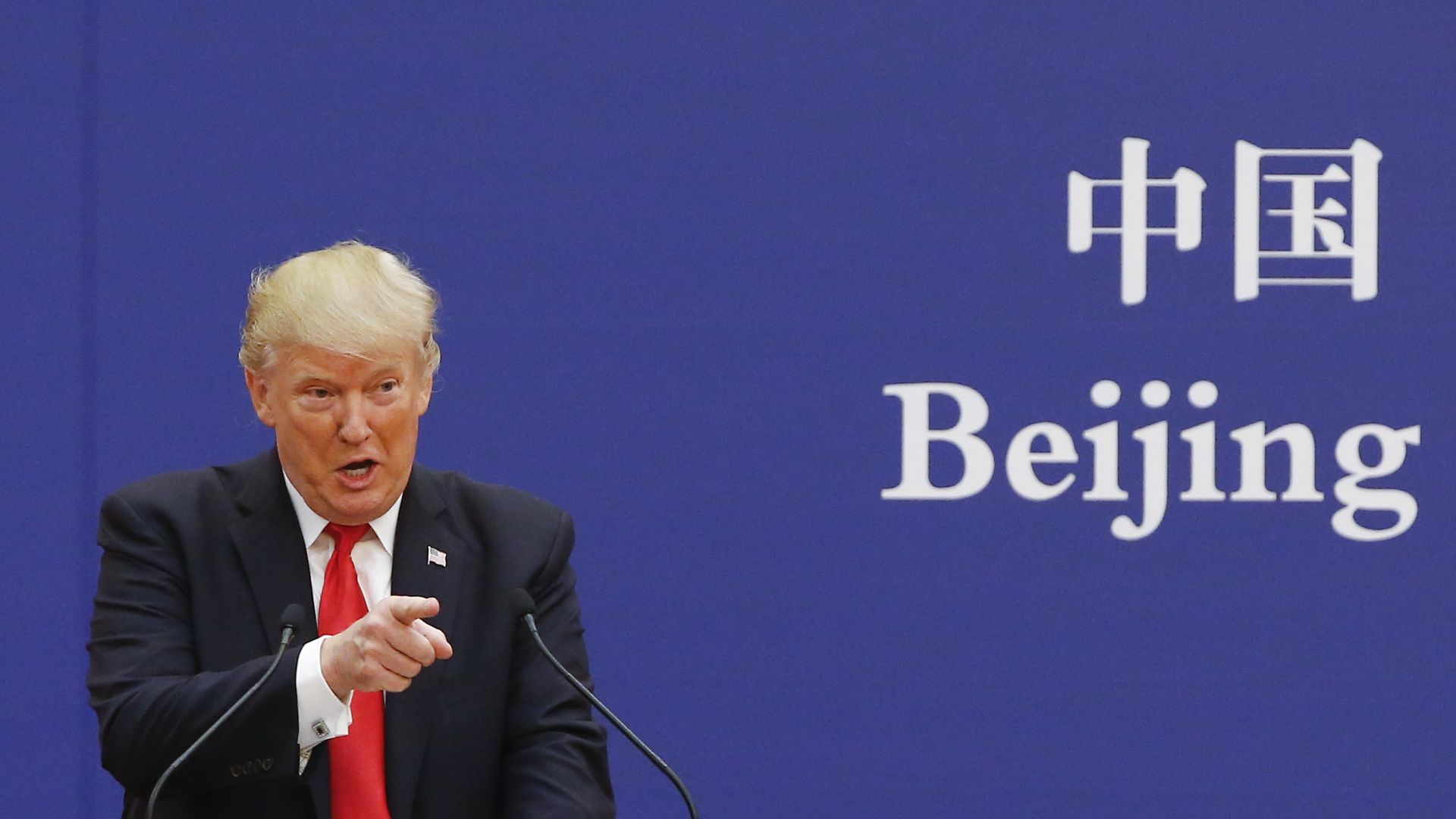
Why it matters: This is the latest move in the U.S.-Chinese trade war and could bring the amount of tariffs the U.S. has slapped on China up to $234 billion.
Univision Communications Inc., which owns the largest Spanish broadcasting network in America, announced Tuesday that it has initiated a formal process to explore the sale of some of its largest digital assets, including the Gizmodo Media Group and The Onion.
Why it matters: Univisionpurchased the group of millennial websites within Gizmodo Media Group just a little over a year ago, but rumors of a sale have been circulating for months. Univision has also scrapped its IPO plans, citing "prevailing market conditions."
BMW, the largest auto exporter from the U.S., says it will be raising its prices on SUVs built in the U.S. and imported to China because of President Trump's tariffs, according to Kenn Sparks, the head of U.S. Corporate Communications for BMW of North America, LLC. BMW says “all announced expansions for the BMW Spartanburg plant are continuing.”
The big picture: Many foreign auto companies choose to produce cars in the U.S. to keep their manufacturing costs in dollars to avoid currency fluctuations. But Trump’s battle on tariffs with China is starting to eclipse that benefit, and American employment could take a hit.
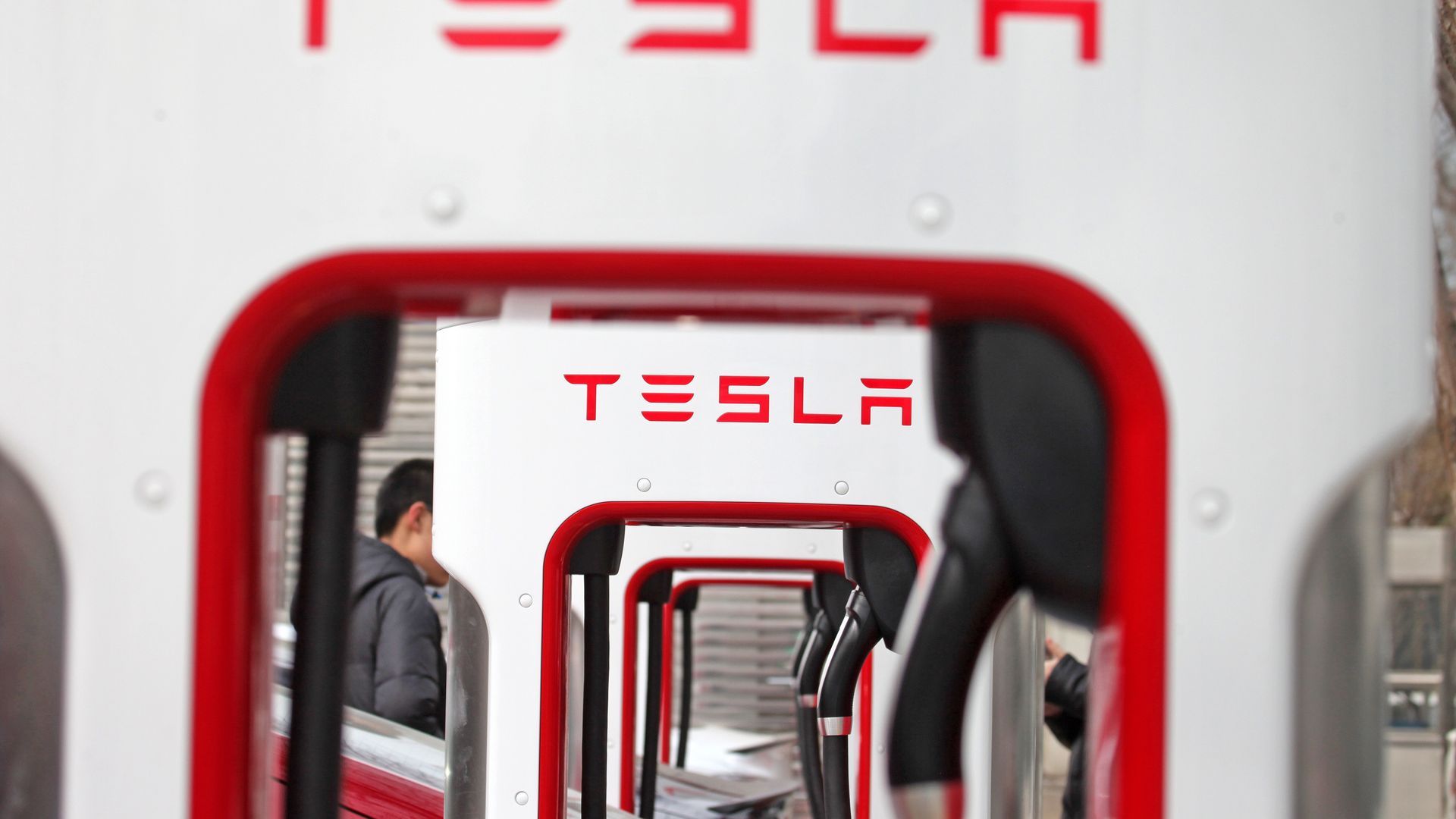
Tesla is upping the price of its cars in China after Beijing hit American auto imports in its retaliatory tariffs on $34 billion worth of U.S. goods.
The big picture: Tesla is the latest company to take a hit in President Trump's trade war, which economists say could hurt American farmers and other automakers around the world.
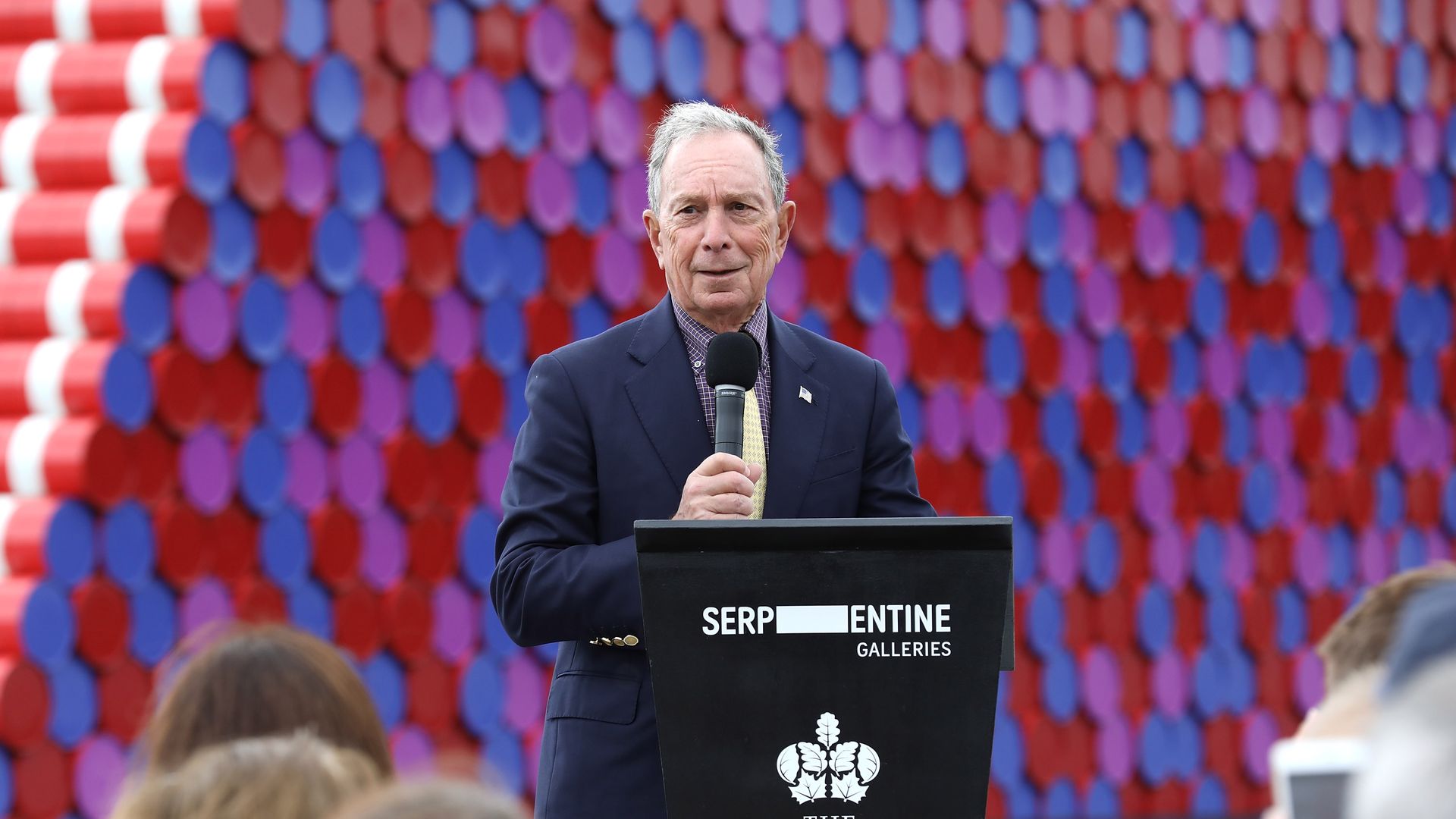
For the second year in a row, former New York Mayor Michael Bloomberg will convene world leaders and CEOs for a Bloomberg Global Business Forum in New York on September 26 during the United Nations General Assembly.
“The Forum comes at a critical time as tensions around tariffs create economic uncertainty in many industries."
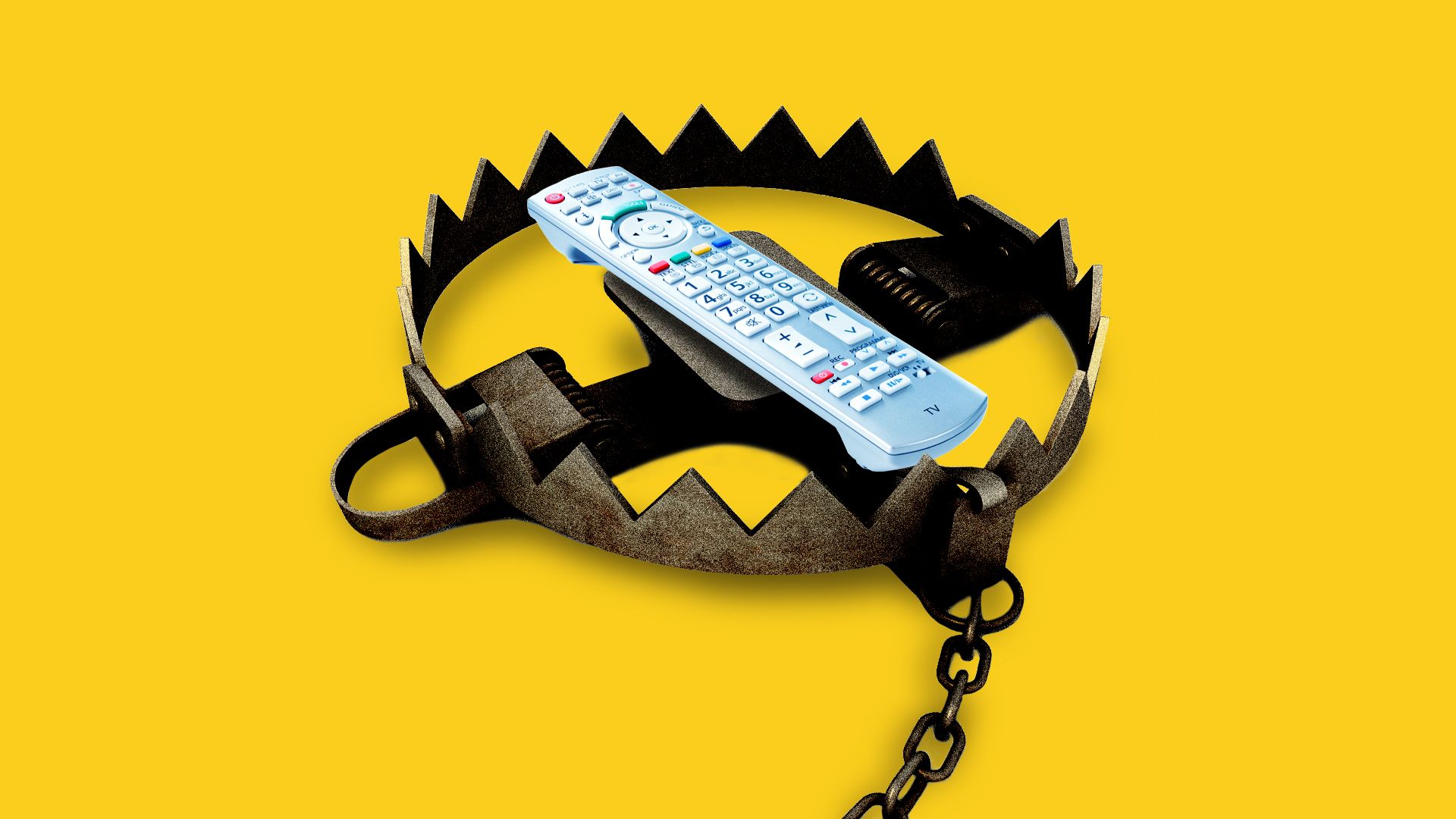
Most of the digital content bundles that Americans are using in the place of costly cable packages are significantly hiking their prices as they grow and hook consumers.
Why it matters: Bundled content packages are an increasingly popular way for consumers to watch video content, but there is little regulation around pricing, consolidation and distribution fees to protect consumers from long-term price inflation.
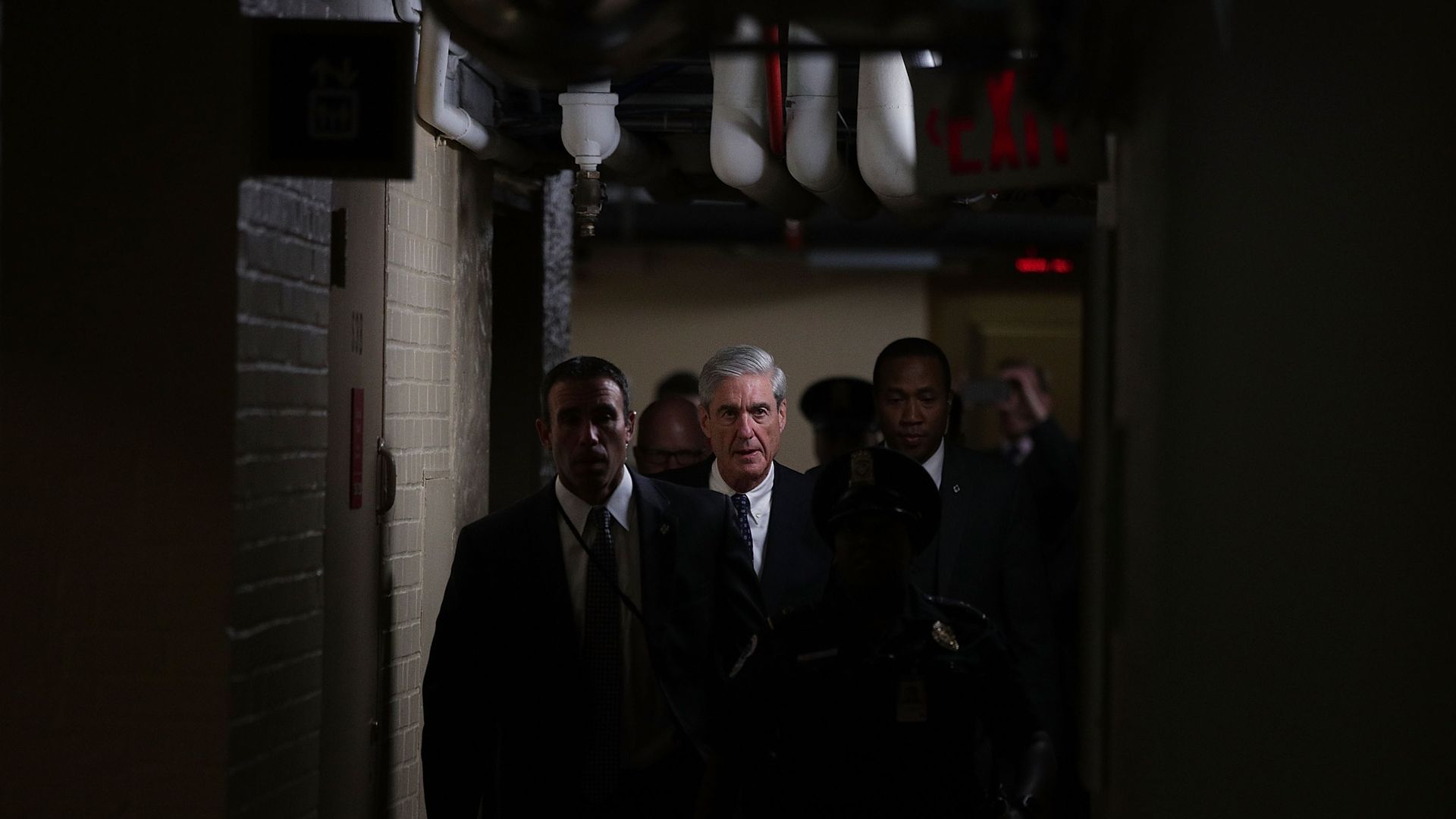
Special Counsel Robert Mueller's investigation — and the reporting around it — is raising new questions about journalistic ethics in an era rife with fake news.
Why it matters: Protecting the relationship between reporter and source is a tenet of good journalism, but secrets and opacity can be tricky in times like these, when public distrust in politics and the media is ever-increasing.
Smart speaker maker Sonos on Friday filed for a $100 million IPO.
Why it's a big deal: Because this will be a test of market appetite for a pure-play hardware maker, at a time when service providers (and Sonos "partners") like Apple, Amazon and Google are also offering smart speakers.
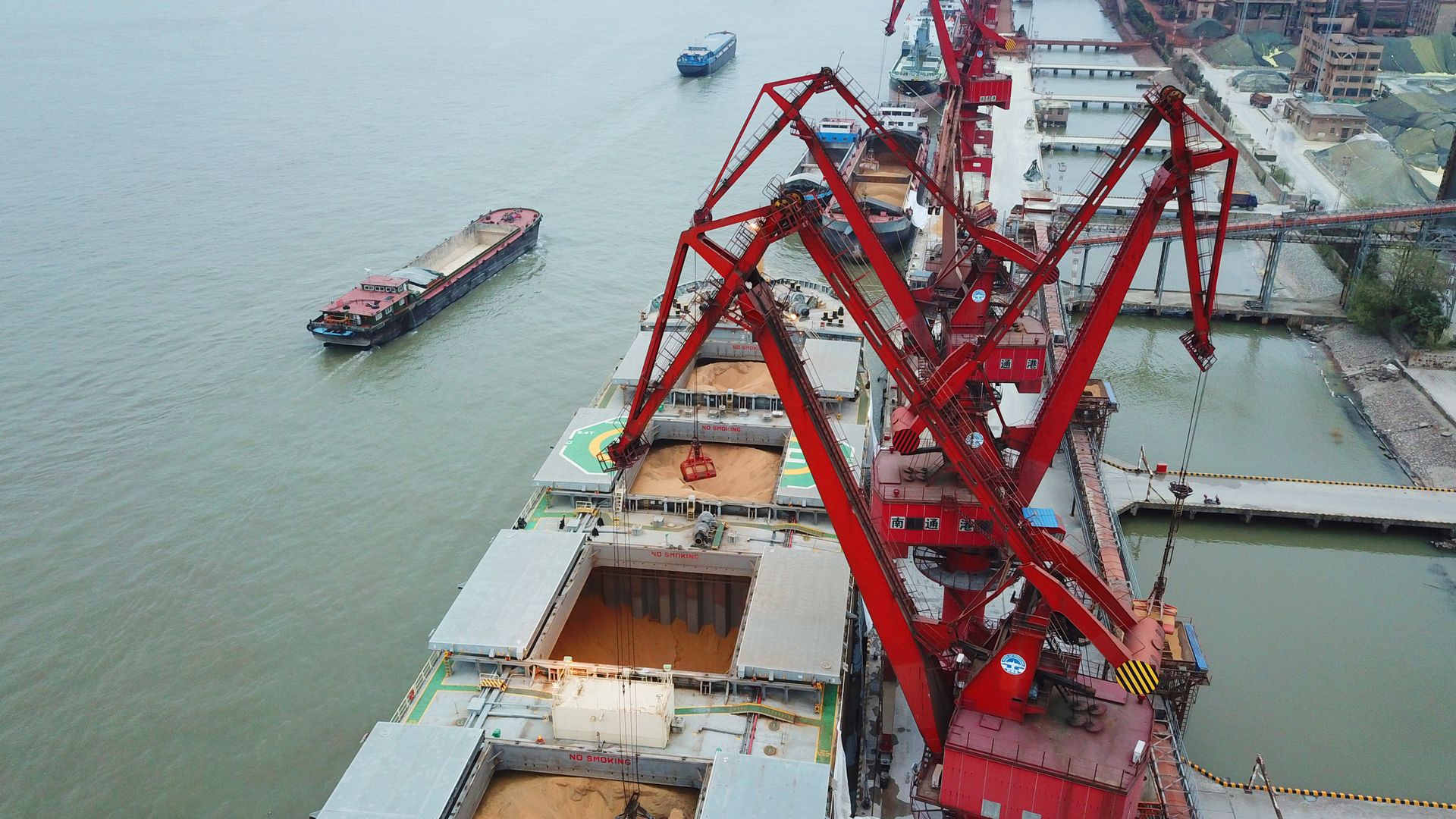
China's sharpest weapon against the U.S. is the volume of soybeans it imports, but it'll be difficult to maintain the war against American agriculture for too long given China's demand for the product.
The big picture: The Chinese are reliant on U.S. soybeans for animal feed — primarily for pigs — and cooking oil. Last year, China spent $14 billion on American soybeans, reports the New York Times' Raymond Zhong.