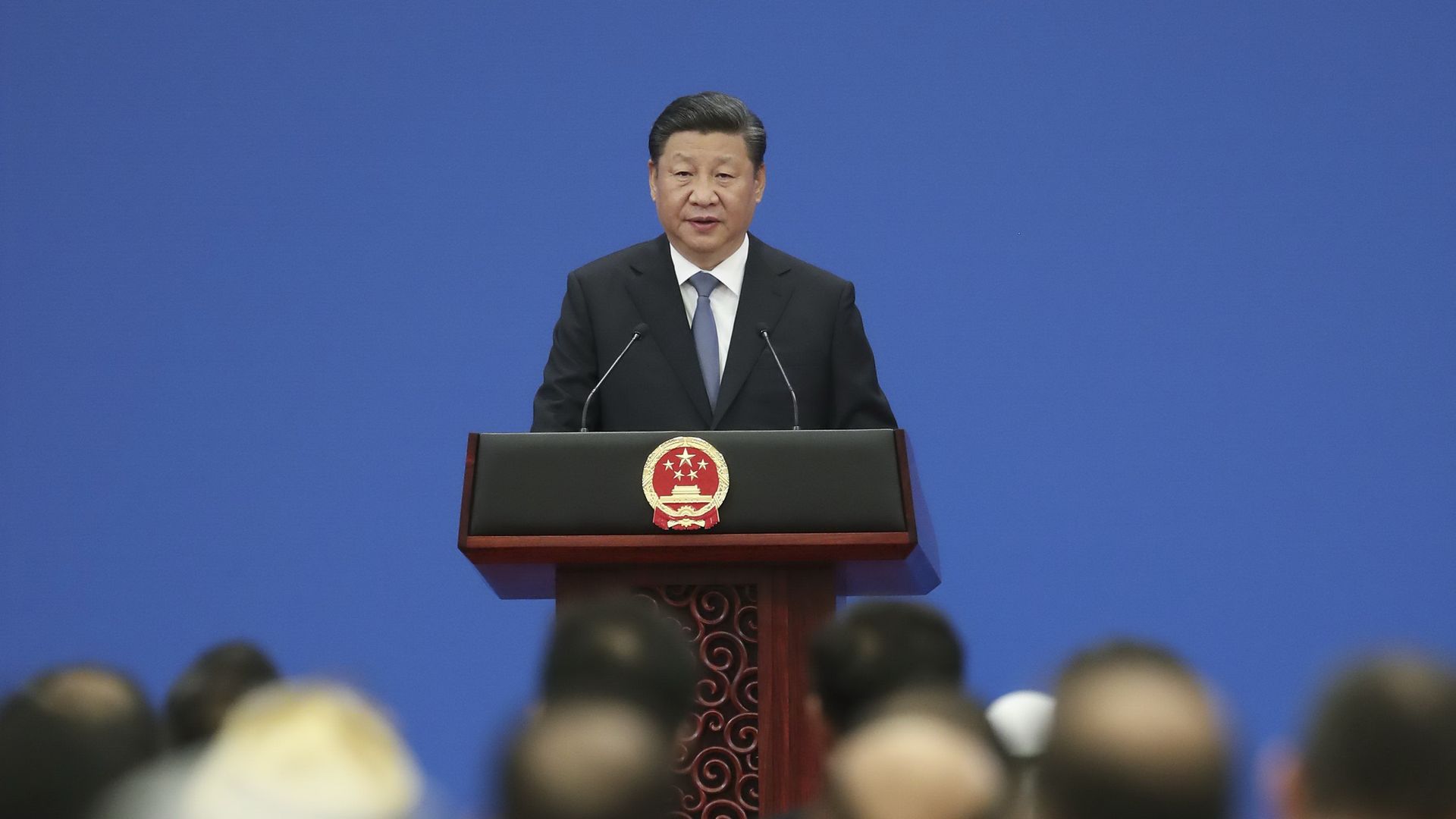
Trade talks between China and the United States have come to a halt following the Trump administration's announcement to move forward in the process of instating tariffs on $200 billion worth of Chinese goods, reports Bloomberg.
The big picture: An impasse makes it unlikely that the implementation of additional tariffs and retaliation between two of the world's largest economies will cease anytime soon.
The highest median salary in the U.S. if you're a millennial is San Jose, Calif., and the area around it at about $50,000 a year, according to a new study by the Brookings Institution's Hamilton Project.
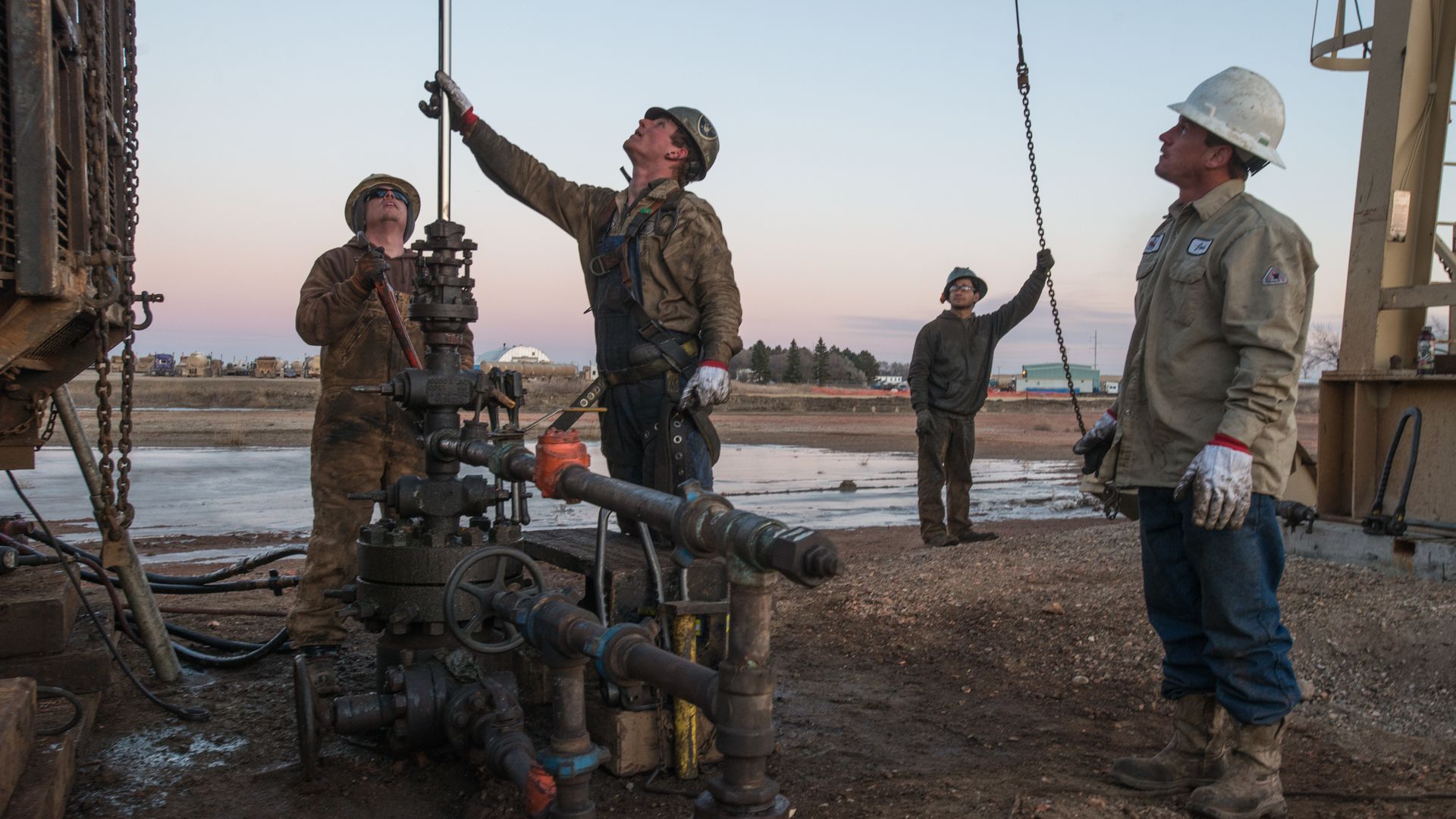
But once you figure in the cost of living and taxes, Silicon Valley doesn't look as great. You'd be better off — at least from a financial standpoint — moving to Bismarck, N.D., or Midland, Texas, where you'd only earn about $33,000, but would have more in your pocket at the end, the study's authors say.
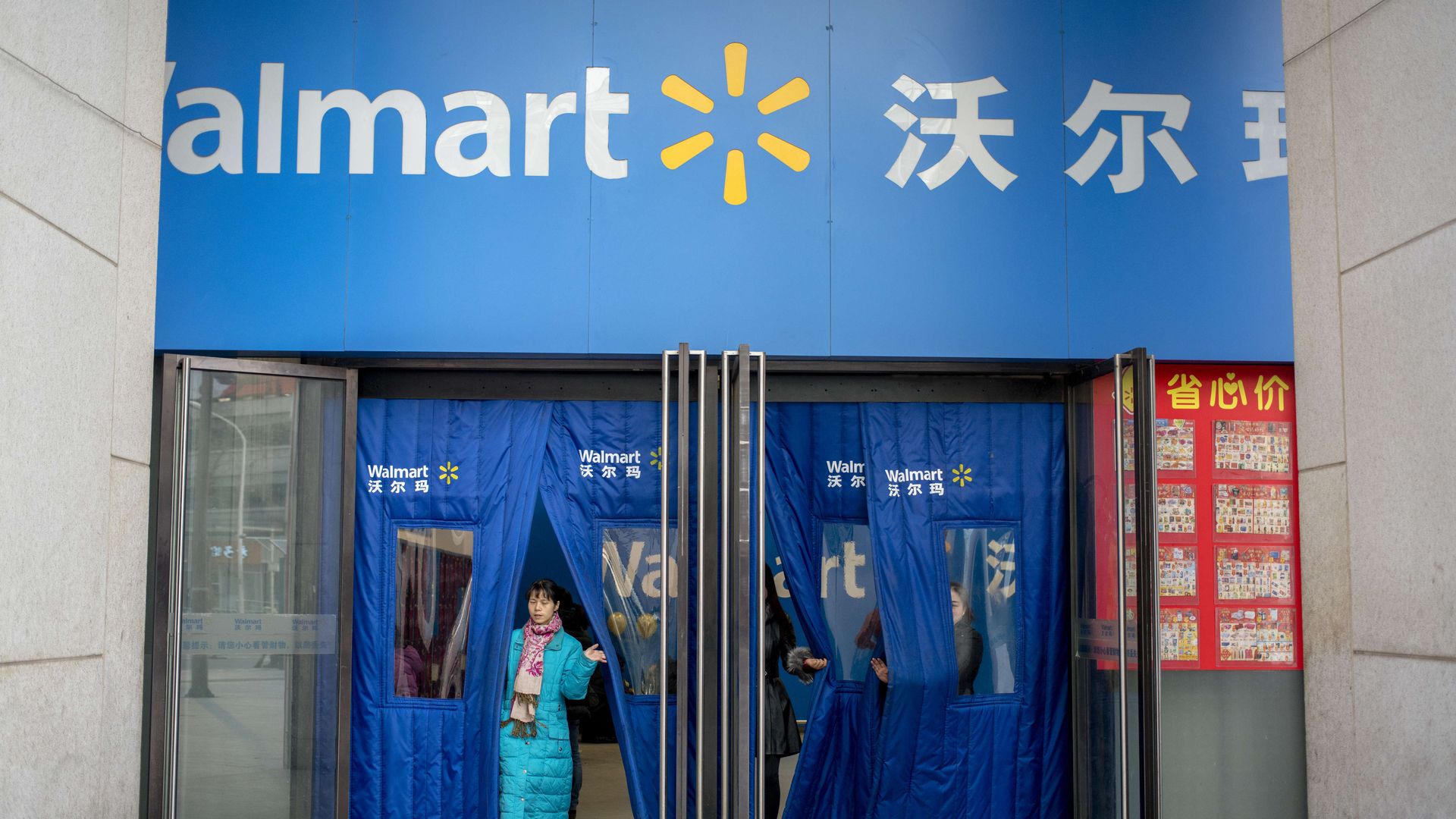
In terms of dollar value, the U.S. imports nearly four times as many goods from China as China does from the U.S., but Beijing has an arsenal of trade war weapons beyond tariffs that it could implement if the fight escalates, reports Bloomberg.
Why it matters: President Trump's latest threat of an additional $200 billion in tariffs could prompt China to unleash its non-tariff weapons.
President Trump reassured his farm voters in a pair of Wednesdaytweets from Brussels, saying he is "fighting for a level playing field for our farmers, and will win!"
"I am in Brussels, but always thinking about our farmers. Soy beans fell 50% from 2012 to my election. Farmers have done poorly for 15 years. Other countries’ trade barriers and tariffs have been destroying their businesses. I will open ... things up, better than ever before, but it can’t go too quickly. I am fighting for a level playing field for our farmers, and will win!"
— President Trump
Why it matters: Economists predict that soybean farmers are going to be among those hit hardest by China's retaliatory tariffs in Trump's trade war.
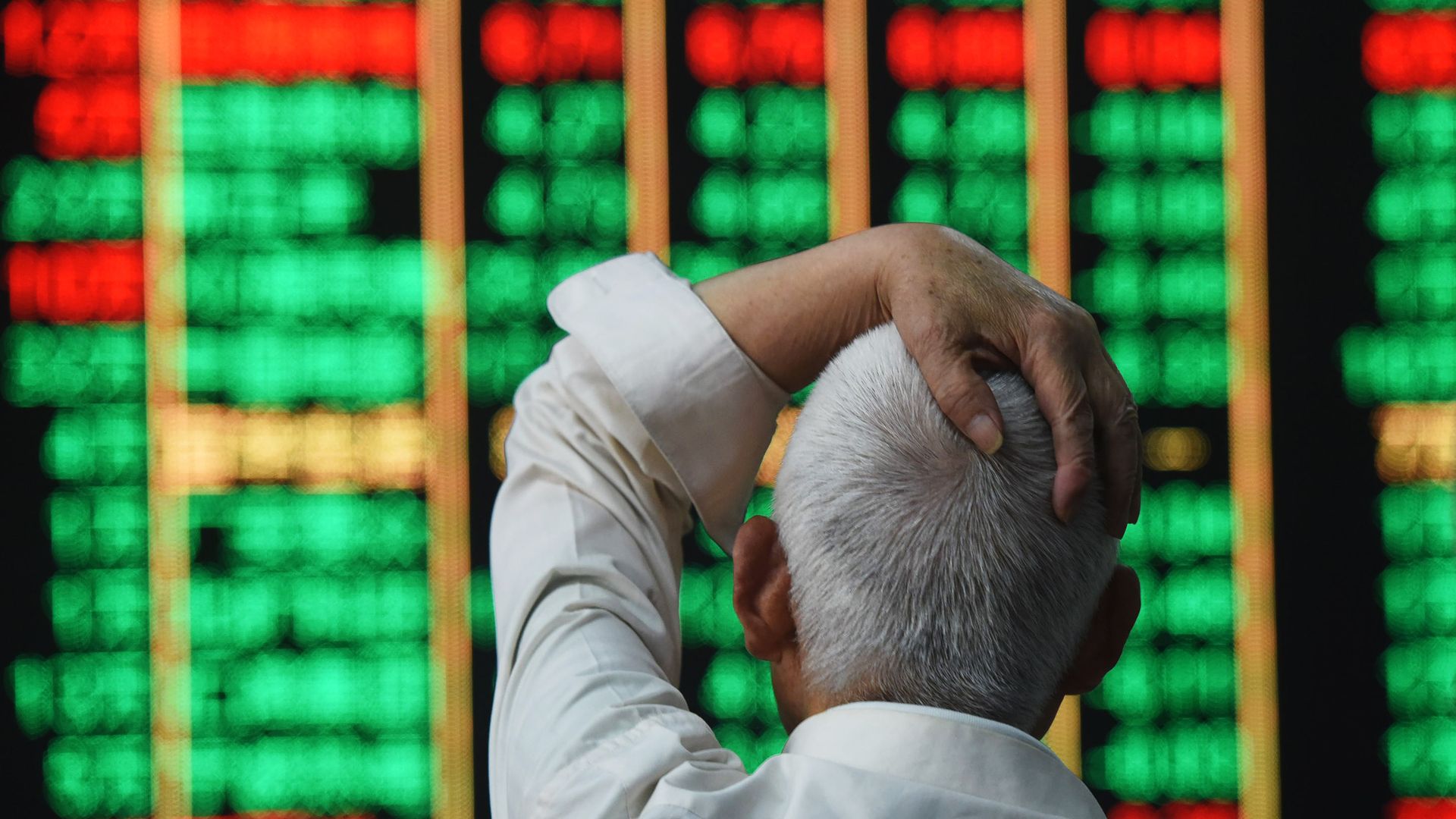
The state of play: Hong Kong's Hang Seng index dropped by nearly 500 points after the news despite market gains over the last two sessions. Japan's Nikkei fell by 1.7%, per CNN Money.