After banning them in January, Facebook says it will now allow select ads for cryptocurrencies, but not for initial coin offerings.
Why it matters: Facebook's selectivity is telling—it will require advertisers to submit an application, including licenses and whether they are traded on exchanges, using these outside signals to filter out scams. ICOs, however, likely still seem too risky for the company to allow.
President Trump's policies have pushed Harley-Davidson to change its business, resulting in tangible effects on the manufacturing economy and people's jobs.
Correction: A previous version of this video incorrectly linked Harley-Davidson's decision to close its Kansas City plant to Trump's decision to pull out of TPP. In fact, the TPP decision only prompted the company to invest in a Thailand plant.
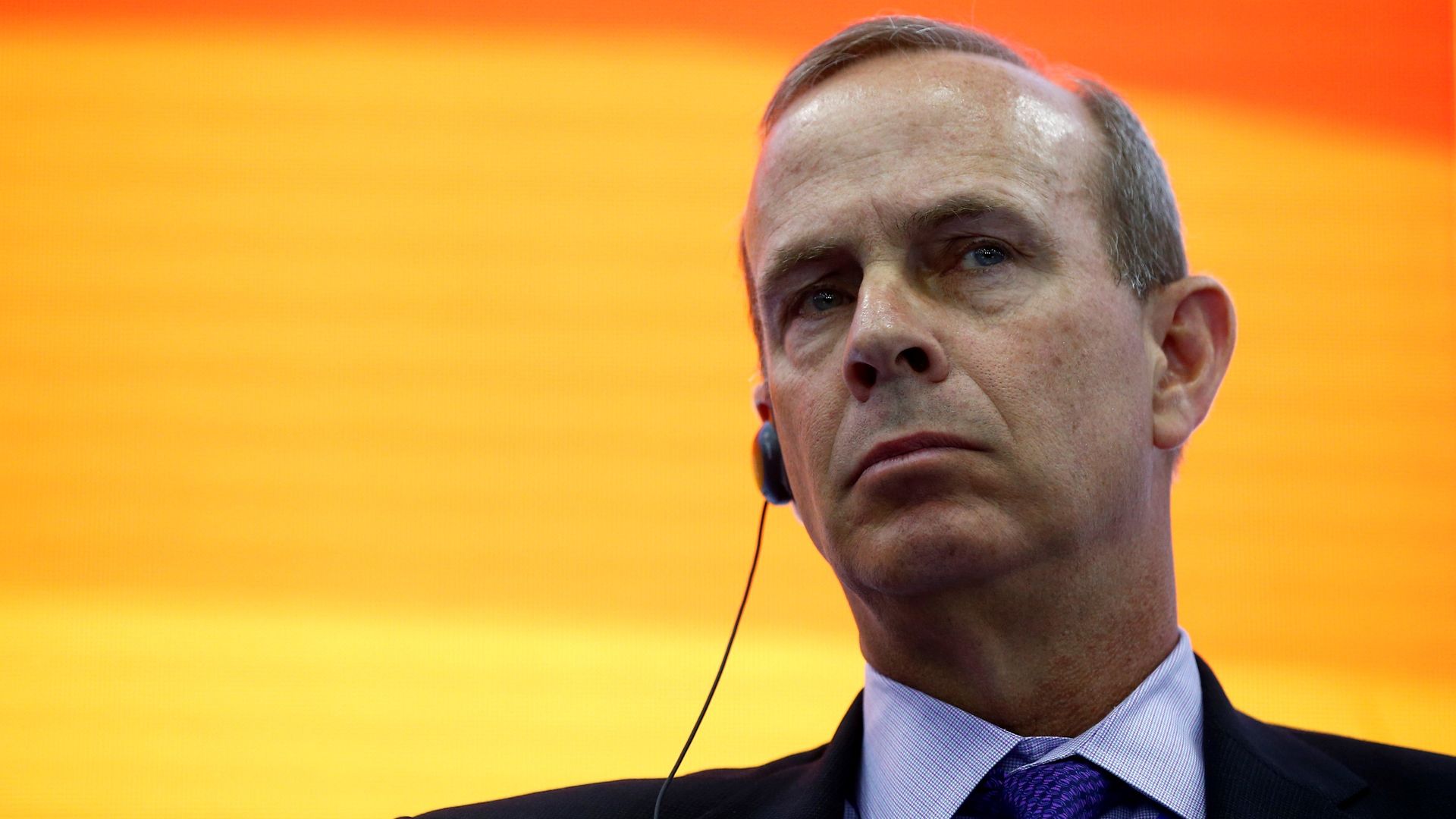
Speaking at the World Gas Conference Tuesday morning, Chevron CEO Michael Wirth said that President Trump's trade policies could be a "drag" on his company and Exxon CEO Darren Woods added that NAFTA has largely benefited the energy industry.
Why it matters: Big energy companies can have significant impacts on policy — and with Trump's burgeoning trade war and Energy Secretary Rick Perry pushing bailouts for coal and nuclear plants, their allegiances could begin to shift. However, these companies usually stay out of lobbying when they can. For example despite plenty of buzz about their support for a carbon tax, they've thus far avoided directly lobbying for it in Congress.
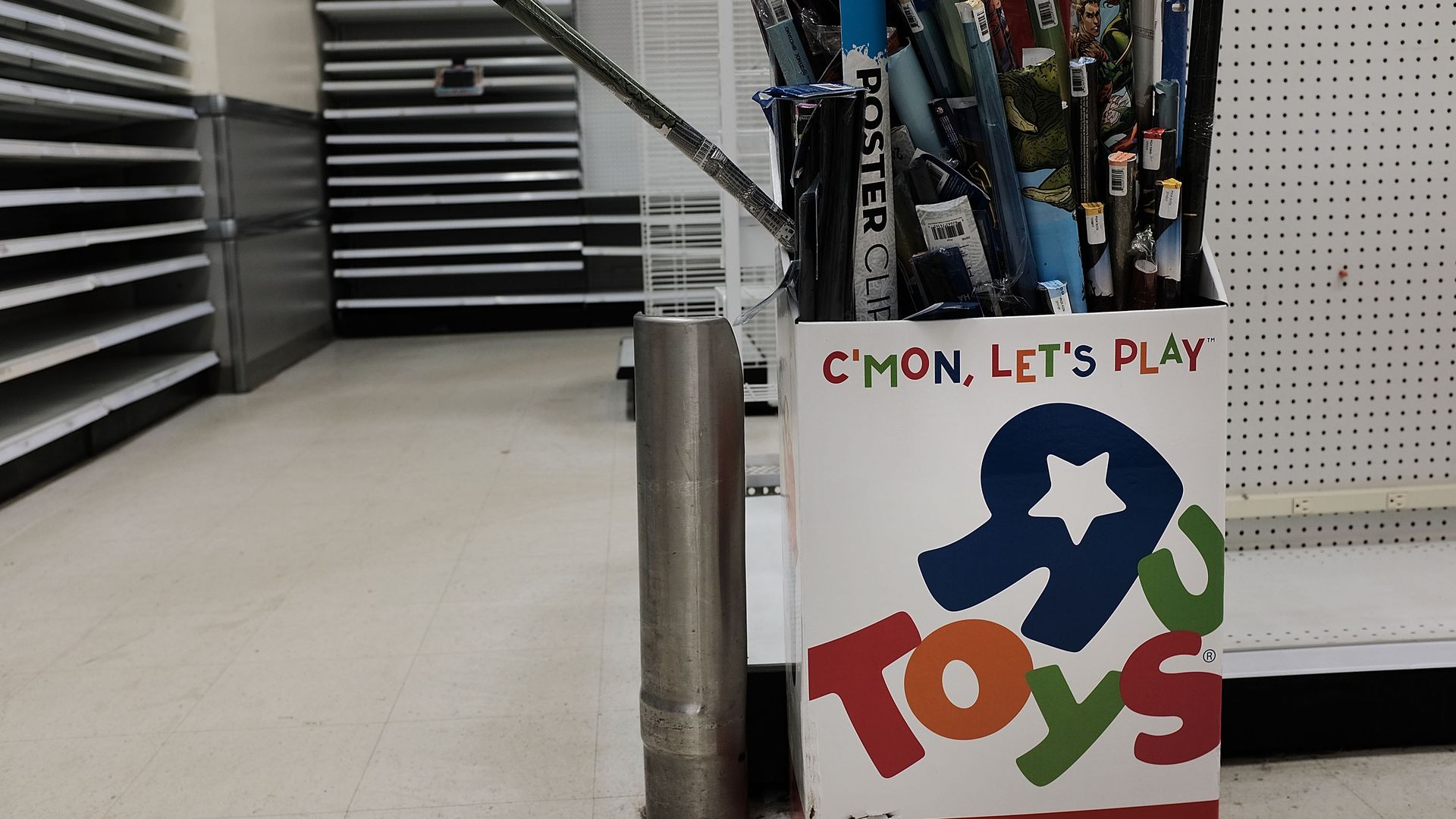
Should the former private equity owners of Toys "R" Us pay around $70 million in severance to the company's 33,000 laid-off employees?
Why it matters: This is not an academic question. It's been debated by big public pension funds that invest in private equity, prompted by a lobbying campaign by left-leaning nonprofit advocacy groups.
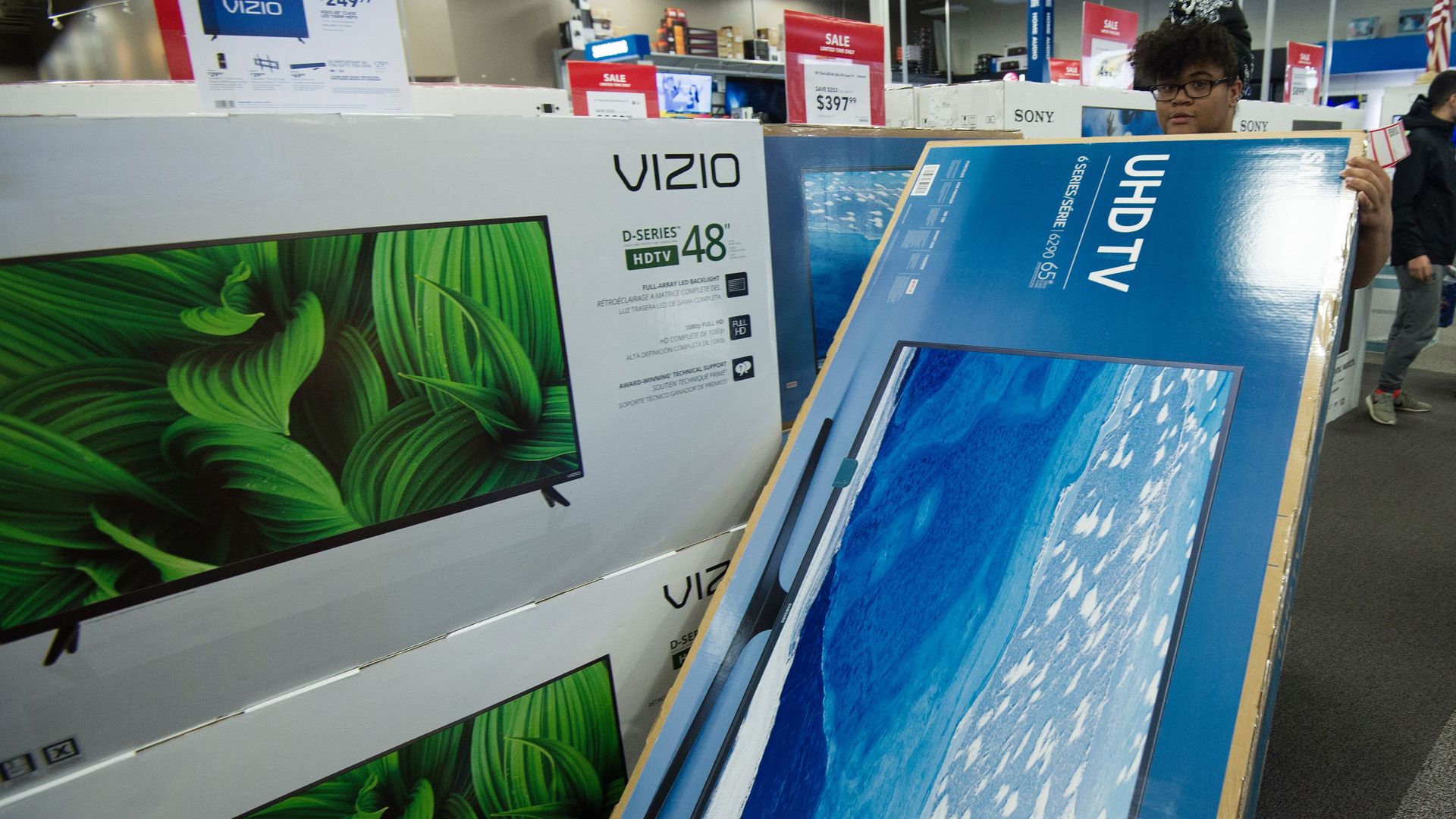
More than half (57%) of American television households (roughly 120 million in total) now own internet-enabled TV's, according to the Consumer Technology Association's 20th Ownership and Market Potential study.
By the numbers: Roughly a third (31%) own 4K UHD (ultra-high definition) TV's, up from just 7% two years ago. More than two thirds (78%) of American television households own flat panel TV's — and one in five (19%) of households owns a TV with a screen size of 60 inches or bigger.
President Trump is going after Harley-Davidson — once one of his favorite companies — after the motorcycle maker announced it will move some production out of the U.S. to relieve the burden of the EU's retaliatory tariffs. On Monday, Trump tweeted he was surprised Harley-Davidson was "the first to wave the White Flag."
Reality check: Harley-Davidson's shift to Thailand was also due to one of the Trump administration's trade moves. CEO Matt Levatich told Bloomberg that the decision to invest in a plant in Thailand was made after the company realized Trump's exit from the Trans-Pacific Partnership would make exporting motorcycles to Asia more expensive.
While CMO's sipped champaign at Cannes last week, Gen Z geeked out on the latest viral video trends at VidCon, the world's largest online video conference.
What they're saying: I asked three of the smartest people in the industry on video tech and culture about the biggest trends they saw on the ground this year.
Publishers that spent years investing in making dozens of viral social media videos every day are pivoting their production efforts to creating high-quality, episodic video series that can be sold or licensed across many different video channels.
The big picture: For many publishers, viral video — the holy grail of traffic just a few years ago — has now mostly become a marketing tool, due to changing consumption habits and tech platform dynamics. Now, series and shows are being created and leveraged for better revenue and audience development opportunities.
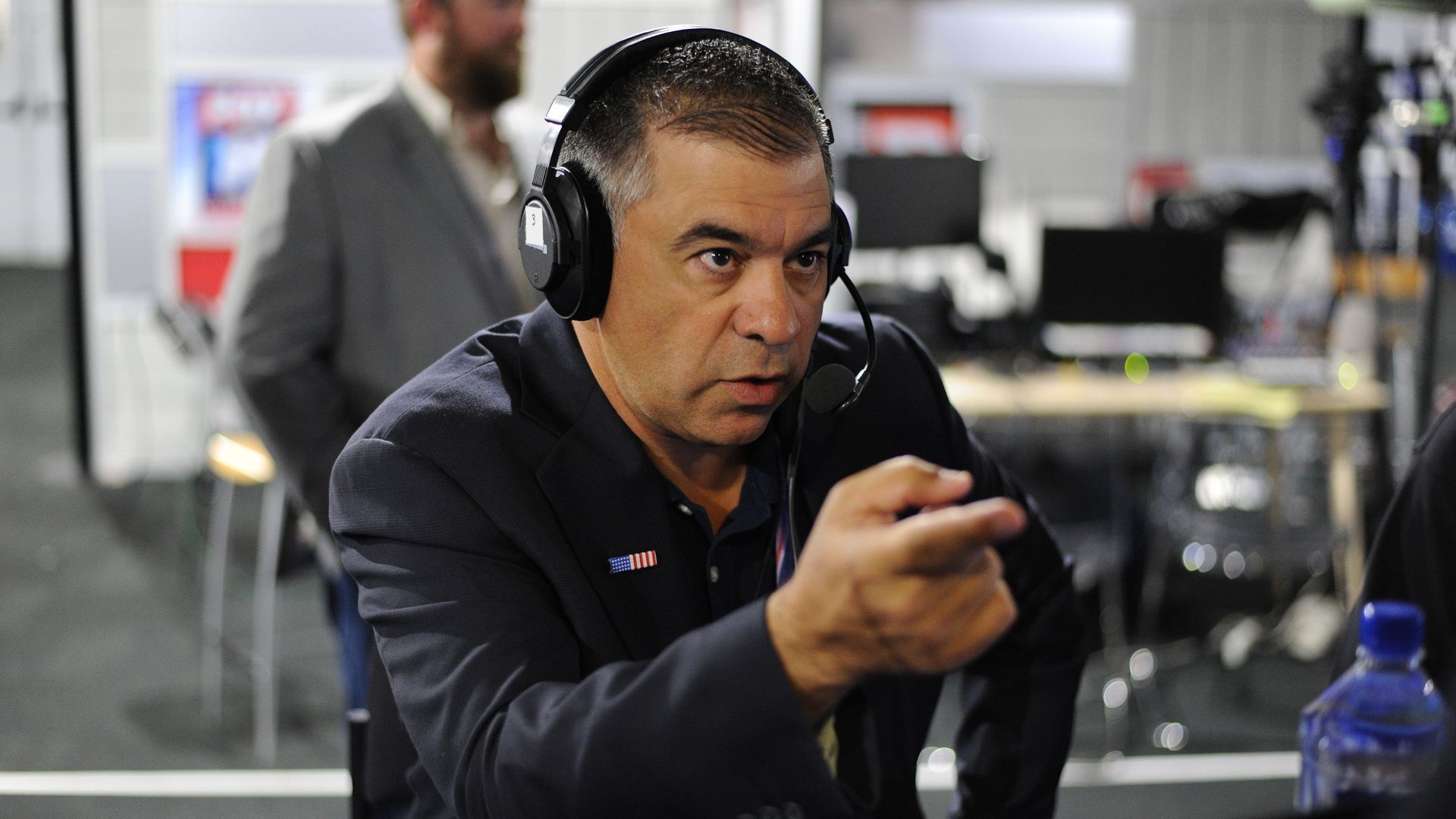
The details: Bossie, a veteran conservative activist and paid Fox News commentator, made the remarks Sunday on Fox & Friends Weekend. Host Ed Henry condemned the comments after a commercial break, saying: “I want to make clear that Fox News and this show, myself, we don’t agree with that particular phrase. It was obviously offensive.” Bossie also tweeted an apology.
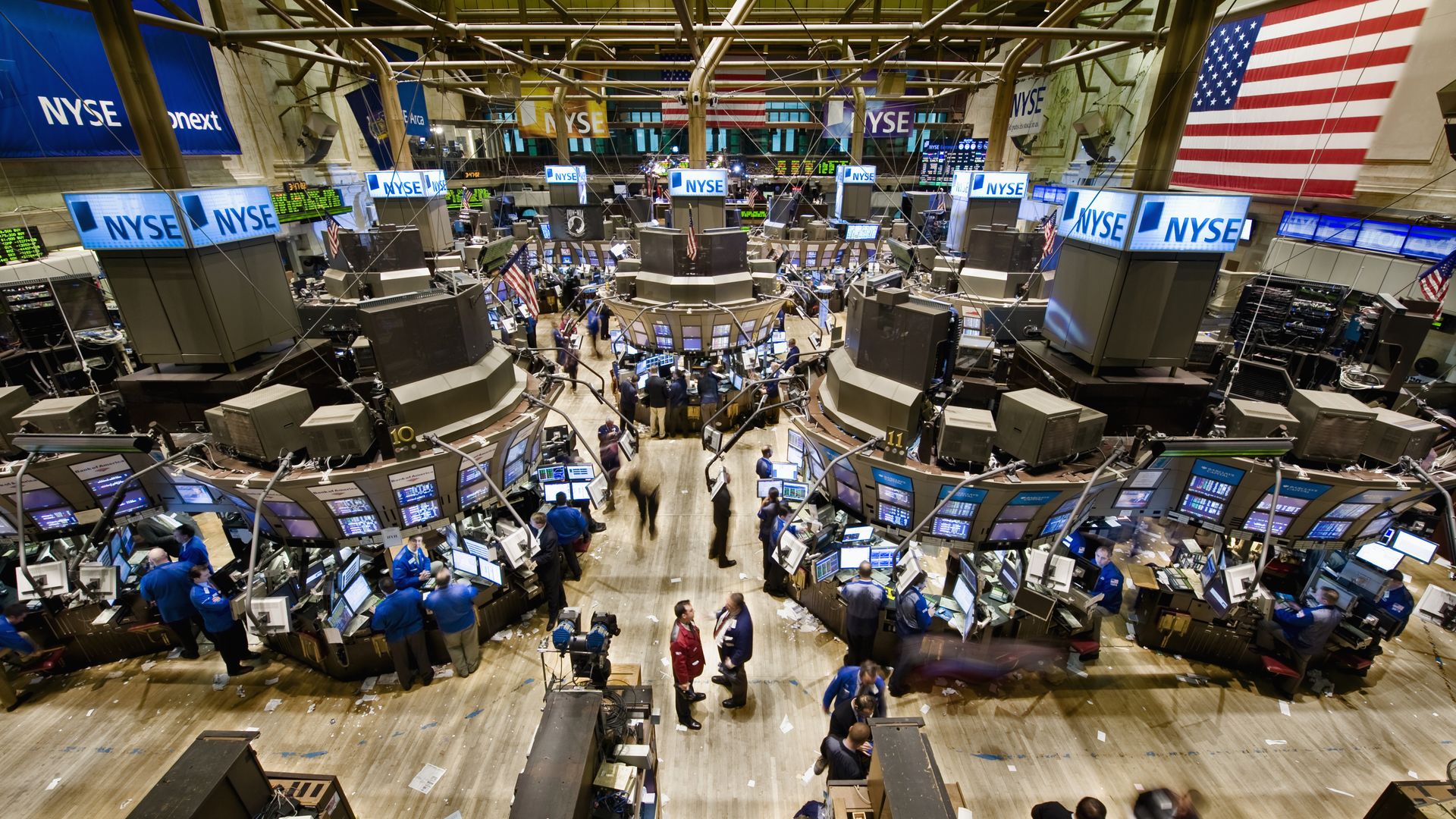
The Dow closed down 328 points Monday, following news that President Trump plans to further crack down on Chinese investment in major U.S. tech companies by blocking additional technology exports to Beijing.
Yes, but: Trump's trade adviser Peter Navarro told CNBC that the market overreacted to the news, adding: “There’s no plans to impose investment restrictions on any countries that are interfering in any way with our country. This is not the plan.”
Treasury Secretary Steven Mnuchin tweeted that reports from Bloomberg and The Wall Street Journal that the Trump administration plans to block Chinese investment in U.S. tech are "fake news," saying the restrictions will apply to other countries, too.
Why it matters: It's a disingenuous slam of the media given everything the White House has said so far about its trade moves. The Trump administration has cited China — and only China — in official statements about intellectual property theft.
The IPO window is no longer just open. It's been shattered, had its frame removed and is now a chasmal cavity for capital.
Bottom line: This should be the year's busiest week for new U.S. listings, with the boom being driven by factors like political uncertainty and increased M&A activity.
AT&T has announced it will acquire AppNexus, one of the largest privately-owned ad exchanges. Terms of the deal were not disclosed, but The Wall Street Journal reports that the price tag is around $1.6 billion.
Why it matters: The acquisition will help AT&T build its automated digital advertising business that could compete with Google and Facebook’s massive duopoly.
Harley-Davidson is set to move some of its motorcycle production out of the United States as a result of President Trump's burgeoning trade war with the European Union, reports Bloomberg.
The details: The EU's tariffs on Harleys will raise their prices by about $2,200, but, according to an SEC regulatory filing, the company plans to eat the $90 million to $100 million increase itself rather than pass costs along to customers.
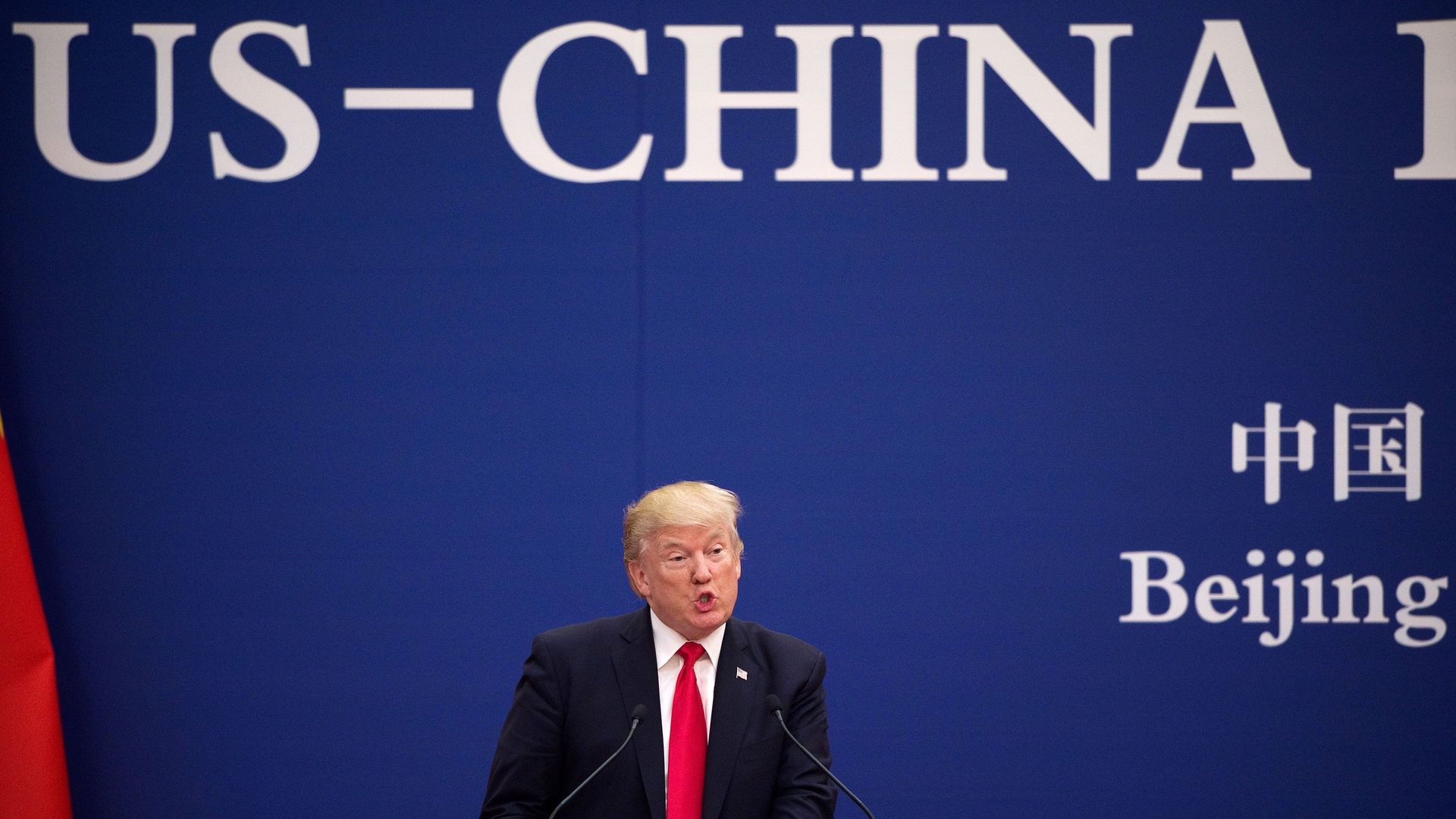
"President Donald Trump, already embroiled in a trade battle with China, plans to ratchet commercial tensions higher by barring many Chinese companies from investing in U.S. technology firms, and by blocking additional technology exports to Beijing," The Wall Street Journal's Bob Davis reports.
Why it matters, from Chris Krueger of Cowen Washington Research Group: "Of all the strands of U.S. trade and sanctions policy against China, perhaps least appreciated by markets is the potential for significant investment restrictions and export controls to be recommended by Treasury by the end of [this] week, ... and implemented soon thereafter by President Trump. This opens a major new front in the U.S.-China conflict, adding fuel to the ongoing trade war with potentially wide-ranging effects on financing markets."