eBay, the first major marketplace that revolutionized how people viewed the usefulness of the internet in the 1990s, pioneered both the promise and pitfalls of online platforms, including the dynamics that plague the largest forces on the internet today, argues New York Times reporter John Herrman.
Why it matters: The influence of internet platforms — primarily Google and Facebook — have grown exponentially since eBay's heyday, when only half of U.S. adults used the internet. Regulators and consumers alike are trying to sort out how news, information, data and ads are peddled on these platforms — and how it all impacts competition and general discourse.
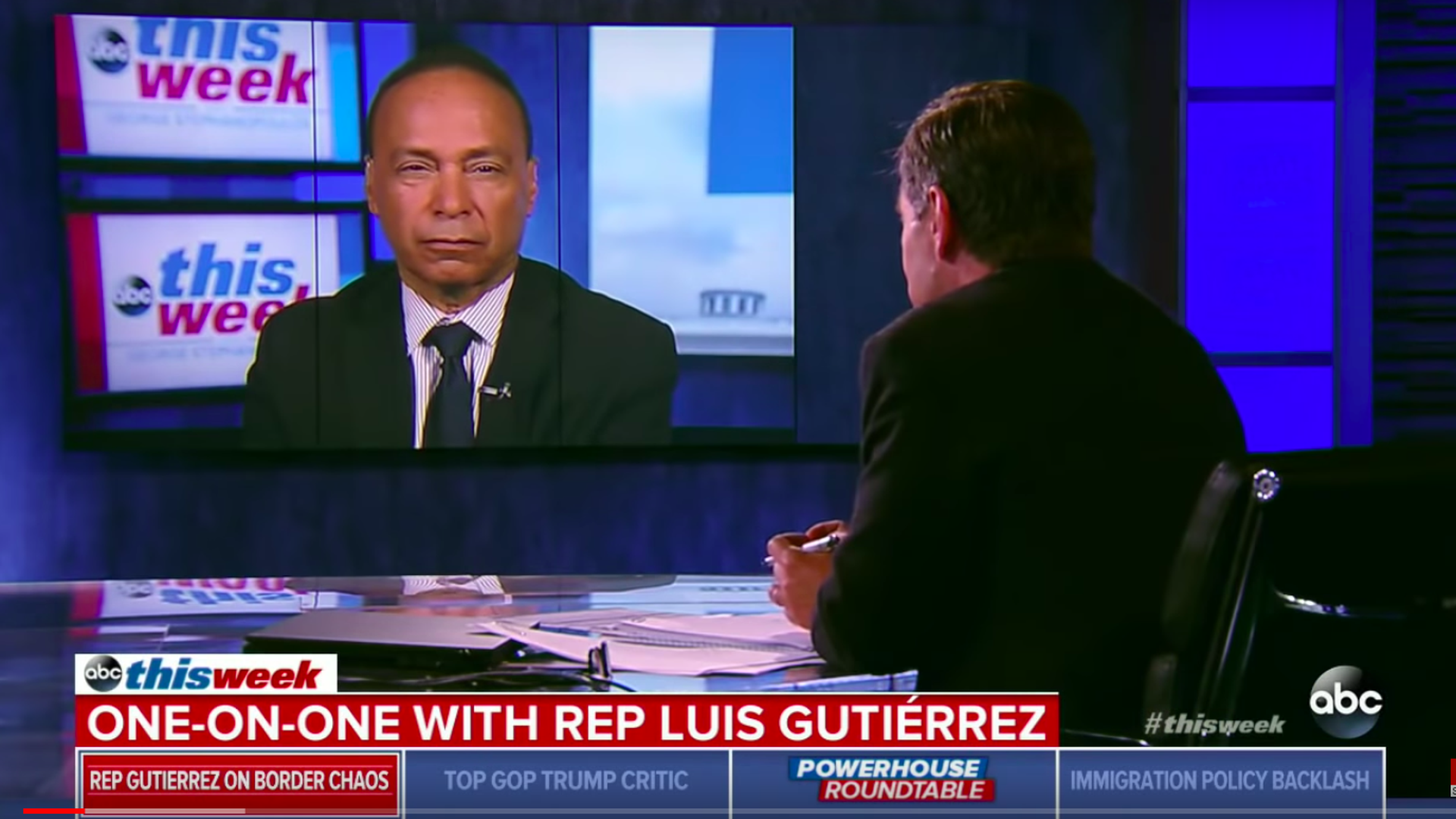
The harrowing images of children in detention centers and President Trump's flip-flop on his administration's "zero tolerance" family separation policy dominated last week’s news cycle, but the lineup of Sunday’s five major morning news programs had just one Hispanic headliner, Rep. Luis Gutierrez (D-Ill.) on ABC's "This Week," per the Daily Beast.
Why it matters: The lack of diversity — all of the shows' 12 main guests were male — on the Sunday shows highlights the need for a more nuanced and wider range of perspectives, especially after such a tumultuous week of news.
It's well-known that after his mornings of "Executive Time" in the White House residence, President Trump spends a good chunk of his workdays camped in the private dining room adjoining the Oval Office.
The big picture: I asked a former senior administration official who spent plenty of time in that dining room to paint the scene — with some since-departed characters — to the best of their recollection: "Sitting in the private dining room. Stack of newspapers on the table. Landline telephone sitting beside them. Briefing papers and/or documents to sign also there on the table."
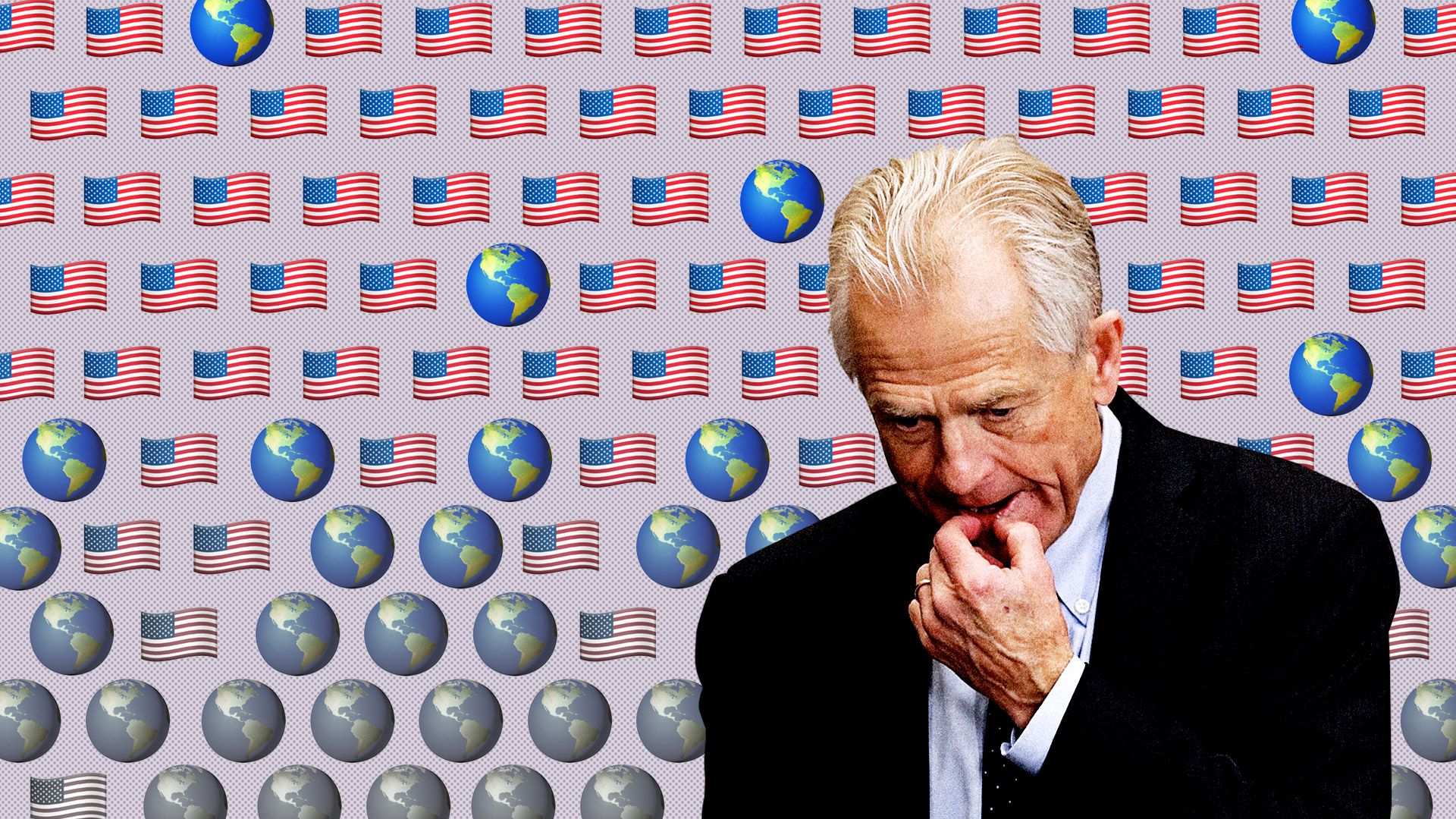
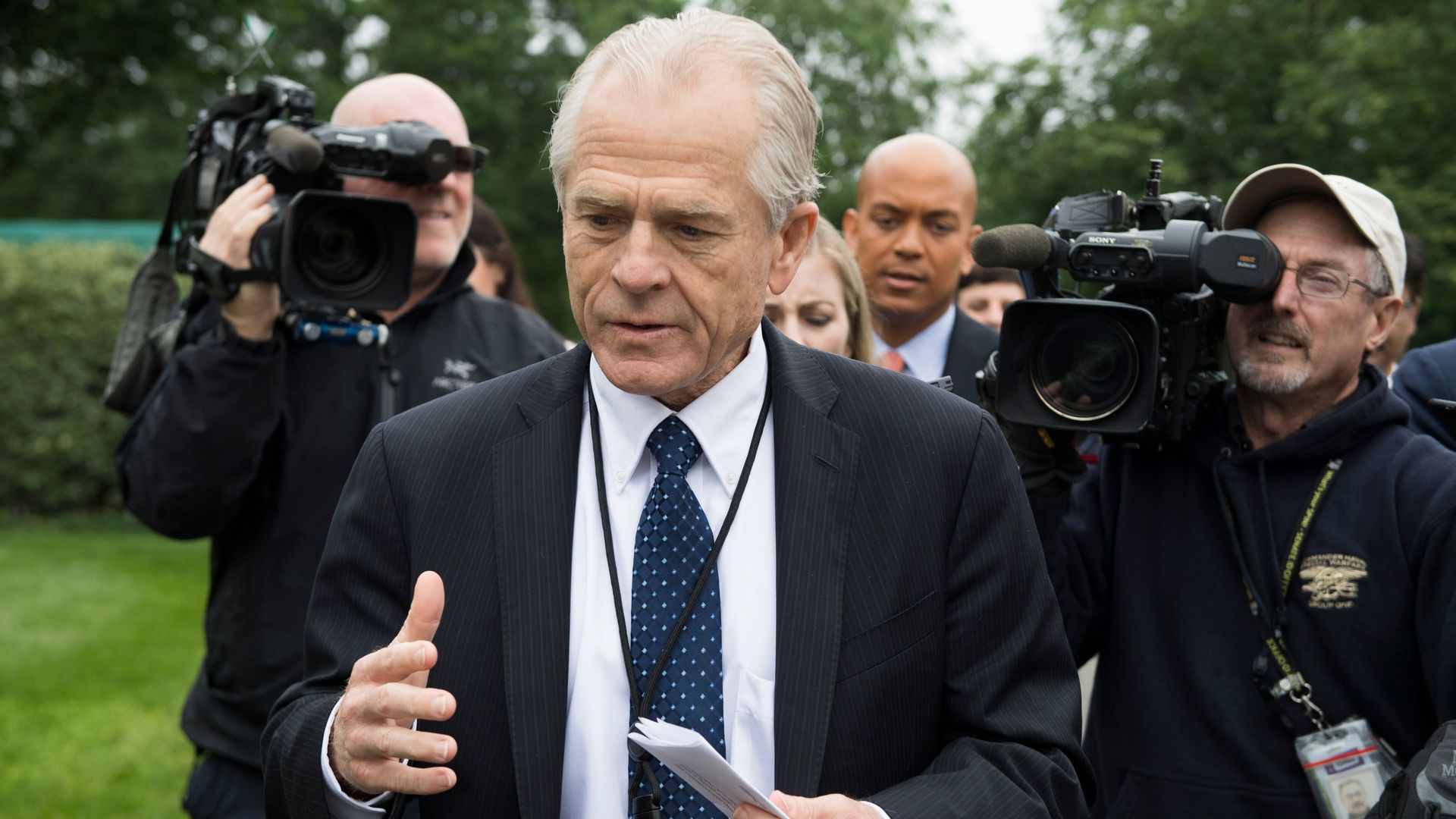
People think of Peter Navarro, the top White House trade adviser, as President Trump’s mind-meld on tariffs — the most hardline protectionist in the White House. But Navarro used to preach very different ideas in his early career as an economist.
The bottom line: In his 1984 book, "The Policy Game: How Special Interests and Ideologues are Stealing America," that's no longer in print — Axios got a copy from a university library — Navarro sounds a lot like the very administration officials he's sparred with on trade policy. And he argues that tariffs will inevitably send the global economy into crisis.
Peter Navarro is considered to be the closest to President Trump when it comes to tariffs. He's the most hardline protectionist in the White House.
But as we revealed, Navarro used to preach the views of globalists, advocating for free trade and warning against the economic and national security risks of protectionism. We asked Navarro why he changed his tune so dramatically given the underlying economics haven't changed. He wrote lengthy responses to our questions and below we quote him in full.
Venture capitalists, corporations and the federal government are investing in quantum computers, a powerful new generation of machines that one day could help develop new drugs and decrypt secrets.
The big picture: The problems such devices can solve today are still limited. But the technologies are advancing and as China invests heavily in the field, some researchers and policymakers in the U.S. are calling for a national plan to develop fundamental research into commercial products
David Bossie, the former deputy campaign manager for President Trump in 2016, told Democratic strategist and fellow Fox News panelist Joel Payne, who is black, that he was "out of [his] cotton-picking mind" during an immigration discussion on "Fox & Friends" this morning.
The response: After a commercial break, Fox News anchor Ed Henry said, "Bossie used a phrase that clearly offended Joel Payne and offended many others. ... But I want to make sure that Fox News and this show, myself, we don’t agree with that particular phrase. It was obviously offensive and these debates get fiery, that’s unfortunate. We like to have honest and spirited debates, but not phrases like that, obviously.”
While other political issues are embroiled in controversy — immigration, trade, and foreign policy, to name a few — the United States' economy seems to be in good shape, causing President Trump to often tout positive economic indicators:
The big picture: Unemployment is dropping, applications for disability benefits are plunging, and millennials are finally moving out on their own. But with the threat of a trade war on the horizon and signs that the economy may be soon slowing, there are worries about how long the boom can last.