While other political issues are embroiled in controversy — immigration, trade, and foreign policy, to name a few — the United States' economy seems to be in good shape, causing President Trump to often tout positive economic indicators:
The big picture: Unemployment is dropping, applications for disability benefits are plunging, and millennials are finally moving out on their own. But with the threat of a trade war on the horizon and signs that the economy may be soon slowing, there are worries about how long the boom can last.
As I learned in China last week, U.S. and European companies are being seriously out-smarted while China's Big Tech rivals compete to pull traditional retail businesses into their exclusive, online corporate universes.
Why it matters: Retail is the largest single source of American jobs — and, in the U.S. and most other countries, one of the biggest parts of the overall economy. That Chinese companies are aggressively exploring how to save Main Street and middle-class jobs is terrific; that the U.S. and Europe seem all but flat-footed is not.
Fuel cell maker Bloom Energy recently filed to go public, but the beneficiaries may include two men who defrauded Bloom investors nearly a decade ago, according to a note in its IPO filing.
Bottom line: The Silicon Valley-based company won't explain why it will issue new shares to the co-founder of a now-defunct "placement agent" that was fined by the federal regulators over its Bloom-related activities.
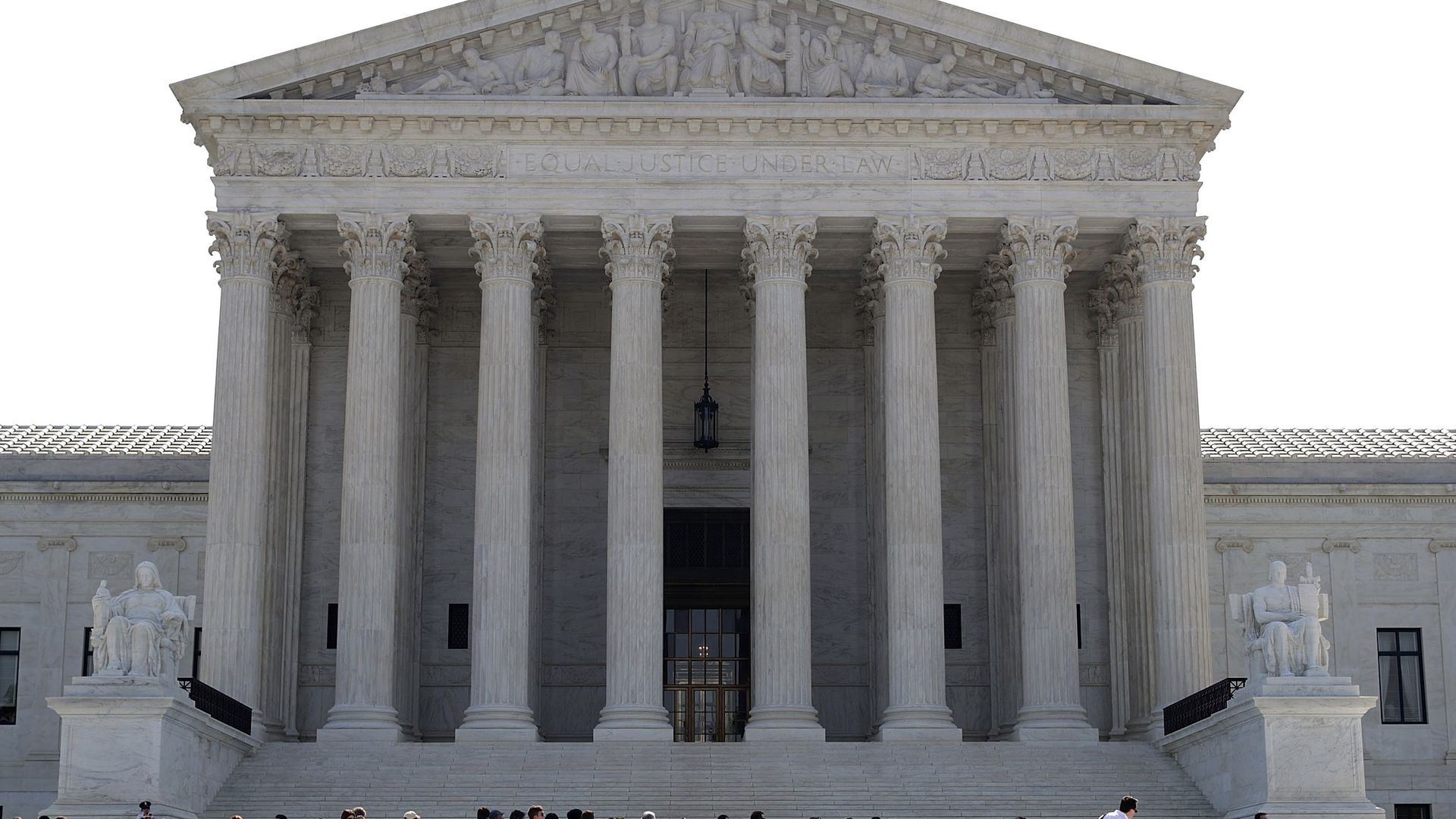
The Supreme Court ruled 5-4 Thursday to allow states to collect sales tax from online and out-of-state retailers.
Why it matters: As the U.S. tries to catch up with digital companies that operate without a physical presence, the ruling allowing states to tax e-commerce providers outside their state borders has created an extra hurdle for companies handling online transactions. The ruling may prompt Congress to introduce new legislation for an overhaul on unifying e-commerce for all 50 states.