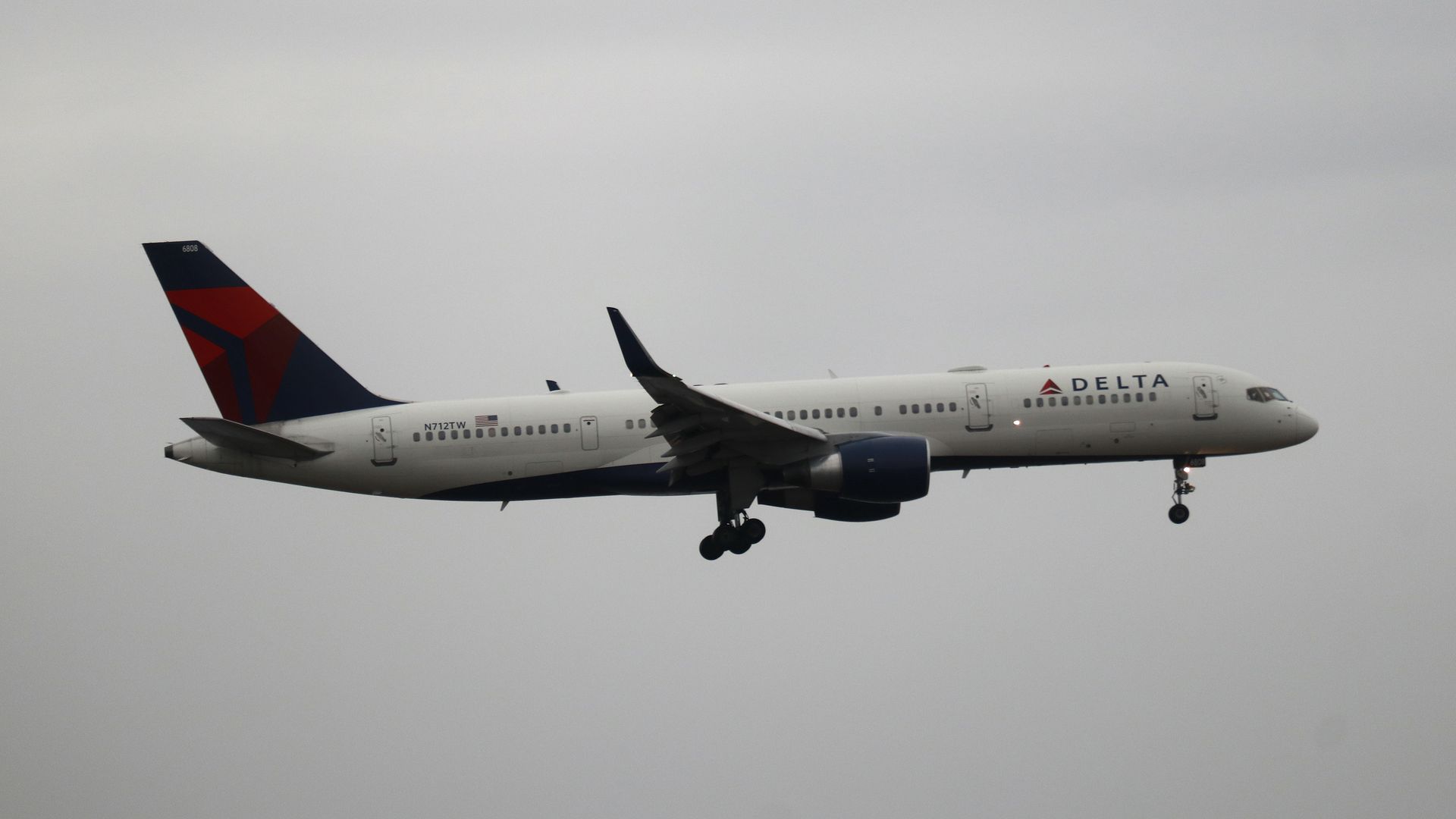
[24]7.ai, an automated customer service provider used by Delta and Sears, announced Thursday that it had been breached last year.
Why it matters: Though details are currently scant, payment information for under 100,000 Sears customers and, via the New York Post, a "small subset" of Delta travelers' information may have been taken.
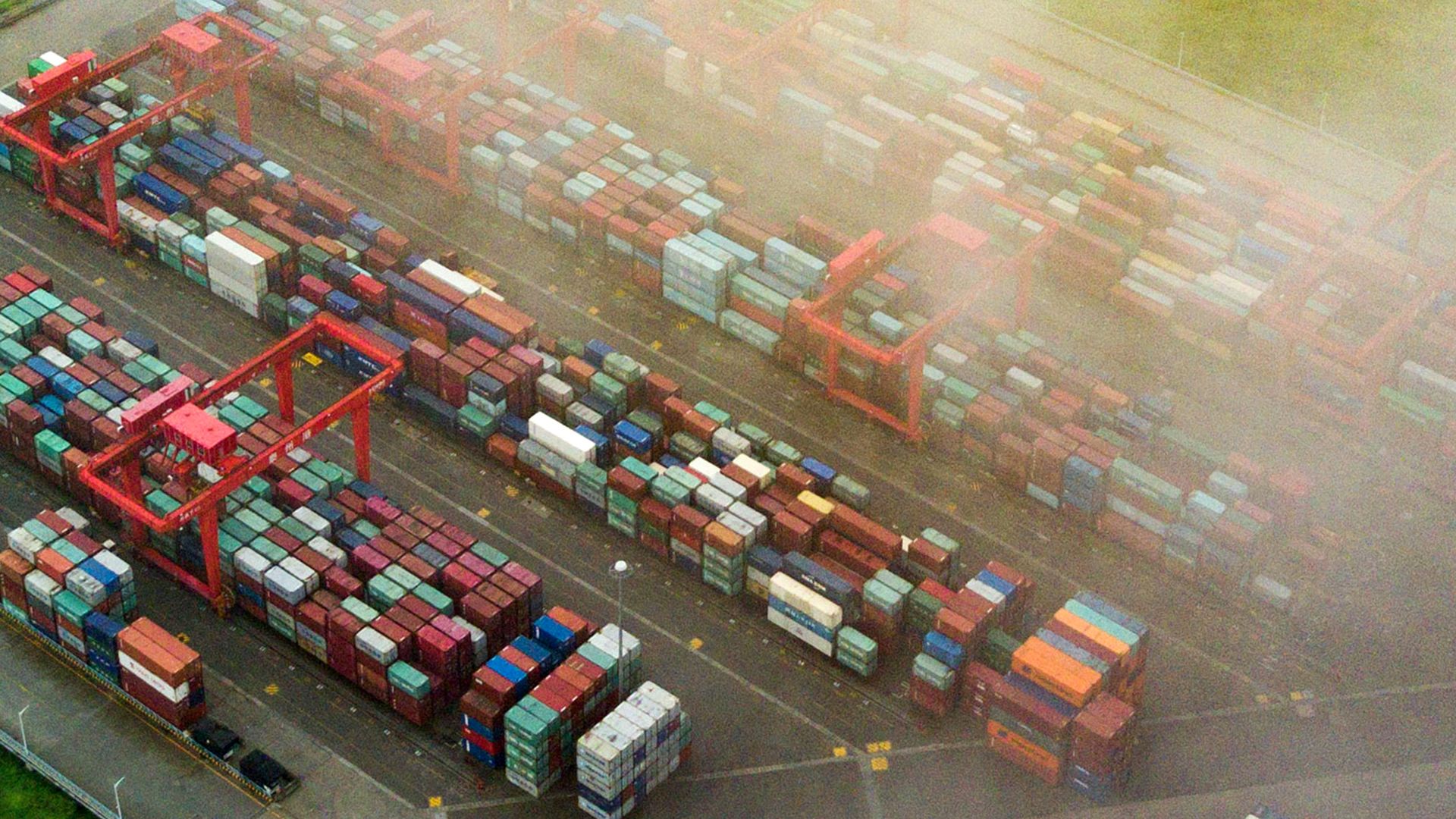
Soybeans, a crop almost exclusively produced by farmers in the GOP's rural base who voted overwhelmingly for President Trump in the 2016 election, are a key inclusion on China's list of 106 U.S. products that will be subject to retaliatory tariffs.
The bottom line: In 2016, soybeans accounted for 12% of U.S. exports to China, per MIT's data. And American farmers ramped up production of soybeans in part because the Chinese were buying in such massive quantities. Now, that source of revenue is in jeopardy.
Today marks six months since the N.Y. Times posted its Harvey Weinstein bombshell ... Since then, #MeToo has left a lasting impact, AP's David Crary reports. The movement "has toppled scores of men from prominent positions and fueled a national conversation about workplace sexual harassment."
Why it matters: "There is ... ample evidence that the movement has some staying power ... as lawmakers across the nation enact an array of anti-harassment legislation, corporate America roots out bad behavior in the workplace and more women feel emboldened to speak out ... And the movement has the potential to guide the conversation surrounding the midterm elections, as evidenced by the record number of women getting into politics in 2018."
NBCUniversal announced Thursday a new advertising metric called CFlight, which will measure all advertising impressions across every NBCU viewing platform — whether those ads were consumed live, on-demand, on linear TV or digital platforms. The network hopes this new way of measuring viewership will be eventually adopted by the entire industry as a new currency for buying and selling ads.
Why it matters: The industry group that traditionally creates and enforces uniform measurement standards for all media companies, The Media Rating Council (MRC), has proposed a similar standard — and competitors have tested similar ideas. However, that's taken some time to implement, so the industry has taken things into its own hands to speed up the process.
"The impact of retaliation by China could drown out the GOP message that tax cuts are delivering prosperity, which the party is counting on to save their majorities in the House and Senate," per Bloomberg's Sahil Kapur.
The bottom line: China's threats of retaliation are scaring farmers in the GOP's rural base and across Trump country, creating a potential drag for Republicans in November's midterms.
To White House insiders, this is the most dangerous phase of Donald Trump's presidency so far, from the brewing trade war with China that he denies is a trade war, to the perilously spontaneous summit with North Korea.
The big picture: Checks are being ignored or have been eliminated, and critics purged as the president is filling time by watching Fox, and by eating dinner with people who feed his ego and conspiracy theories, and who drink in his rants. Both sides are getting more polarized and dug in — making the daily reality more absurd, and the potential consequences less urgent and able to grab people’s serious attention.
The Financial Times reports that AMC has signed a deal with Saudi Arabia to bring movie theaters to the kingdom for the first time since a cinema ban was applied 35 years ago. Per the FT, the plan is to open "30-40 cinemas in approximately 15 cities in Saudi Arabia over the next five years," and have 50-100 theaters open by 2030 in around 25 cities.
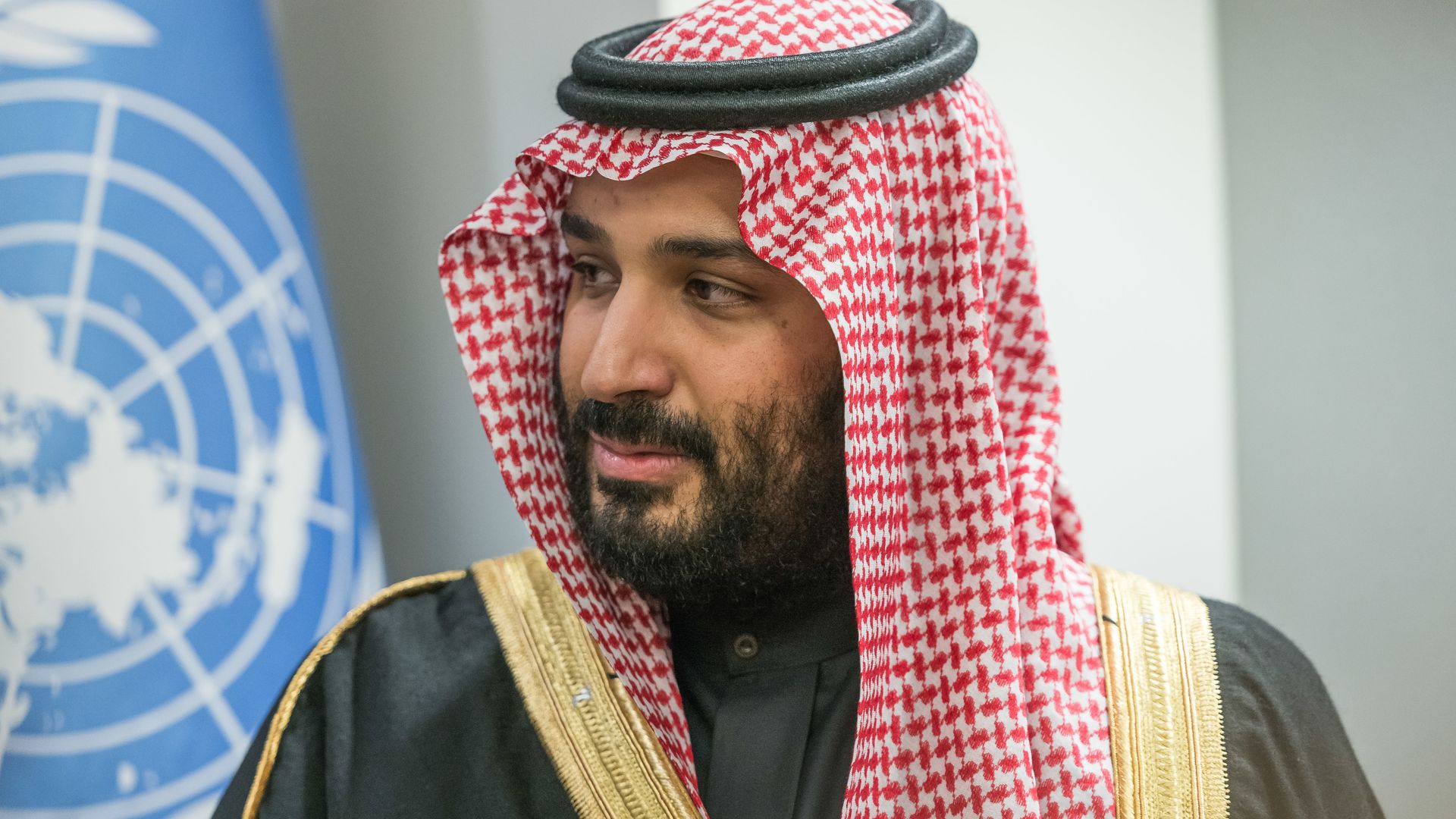
The big picture: The deal will allow the first AMC theater to open on April 18, FT reports. This joins a number of other reforms in Saudi Arabia, as Crown Prince Mohammed bin Salman pushes to attract international favor for Saudi Arabia.
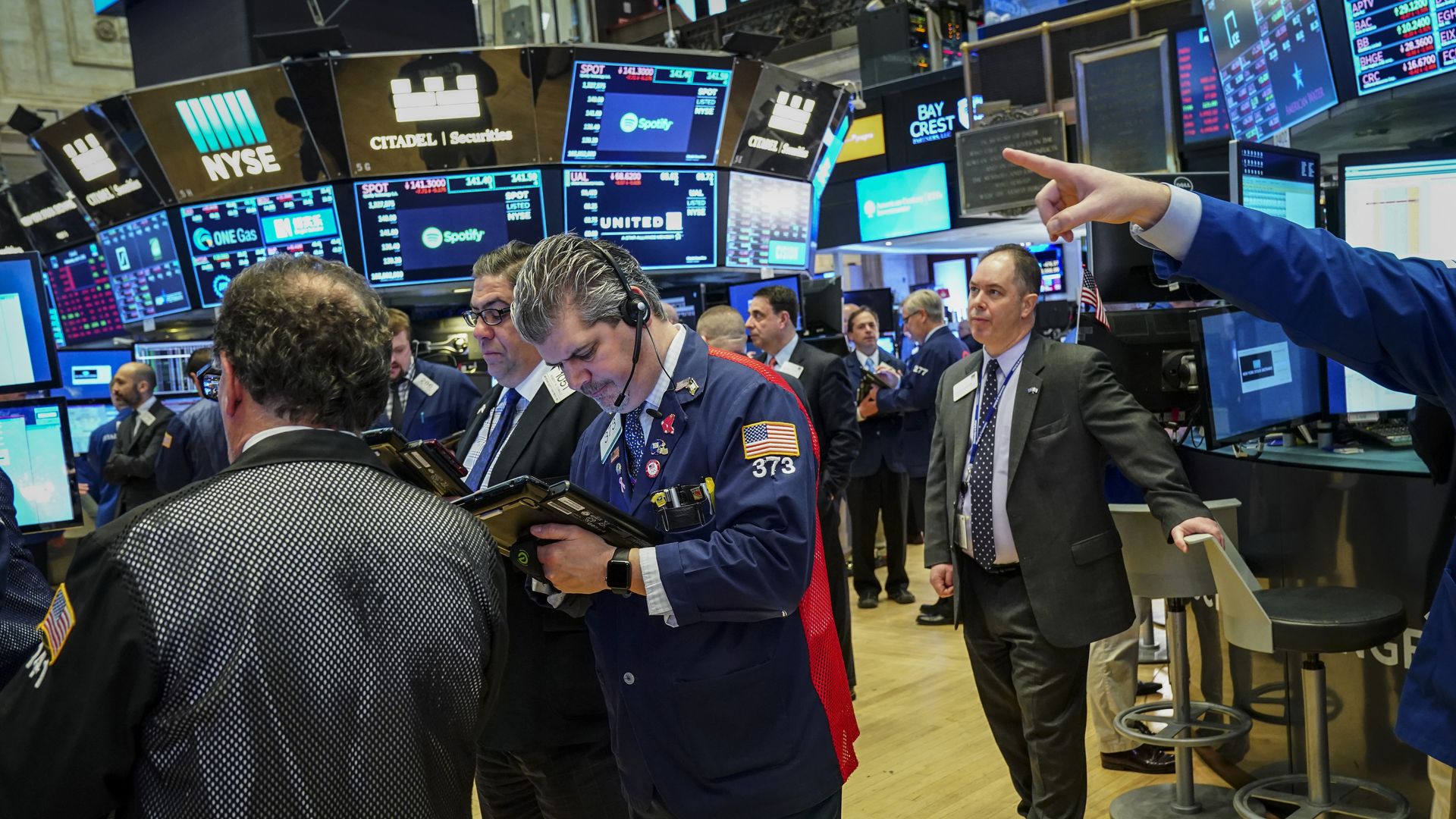
The Dow closed up nearly 750 points from Wednesday's lows, erasing morning losses on fears of a trade war with China after representatives from the Trump administration suggested that there could be a negotiated solution to the tariff proposals.
Why it matters: The swing marks a third volatile day in the market after stocks took a hit amid issues in the tech sector and China’s tariffs announcement.
In addition to the multi-day bloodbath on Wall Street, the U.S.-China tariffs war will cost 190,000 American jobs thus far and shave a smidgen of GDP growth from the economy, projects Mark Zandi, chief economist at Moody's Analytics.
What they're saying: For months, President Trump has continued to gripe about the cost to U.S. workers of the U.S.-China trade imbalance. But, if Zandi is more or less right, the tit-for-tat trade attacks that he set off last week will cut close to a month's average growth in U.S. jobs, and 0.14% from this year's growth in GDP. "And the economic costs will mount quickly if the back-and-forth tariff hikes continue," he tells Axios.
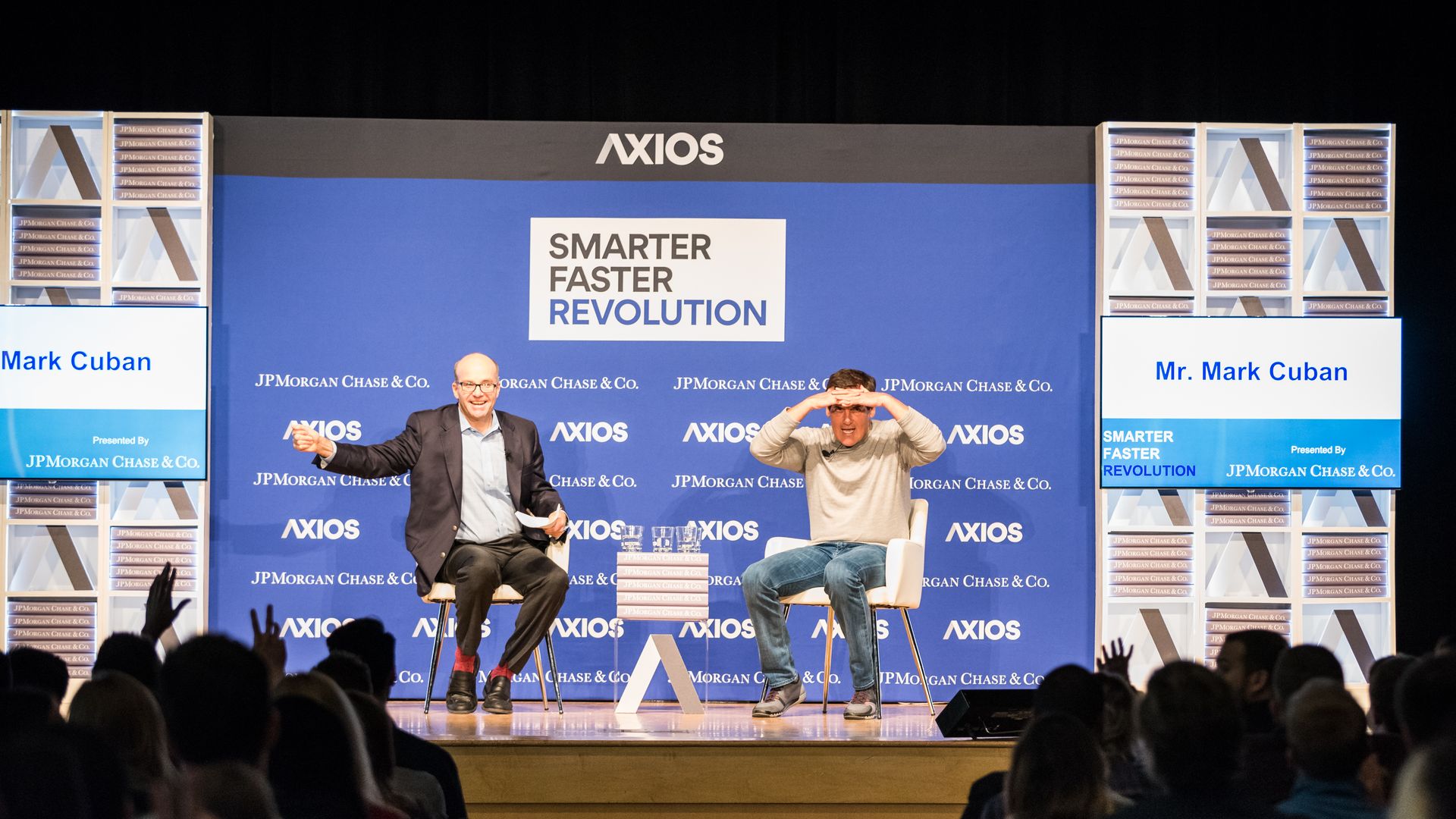
Over 400 students joined Axios co-founders Mike Allen and Jim VandeHei at the Ohio State University for the fifth leg of the Smarter Faster Revolution college tour. They discussed the Future of Work, how to counteract job displacement, and how to succeed in the workplace with:
T.H. John Kasich, Governor, Ohio
Ms. Amy Bonitatibus, Chief Marketing & Communications Officer of Home Lending, JPMorgan Chase & Co.
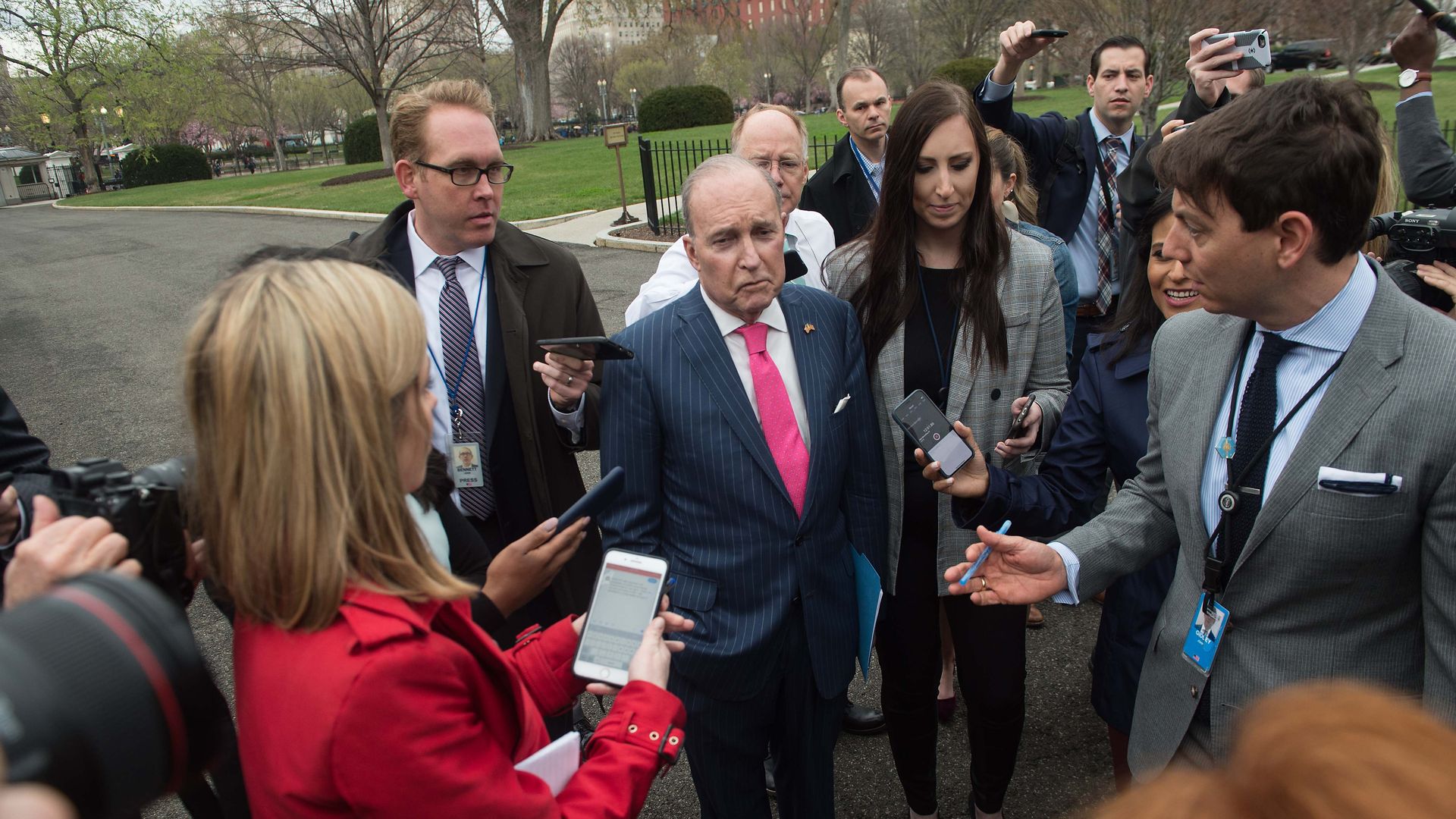
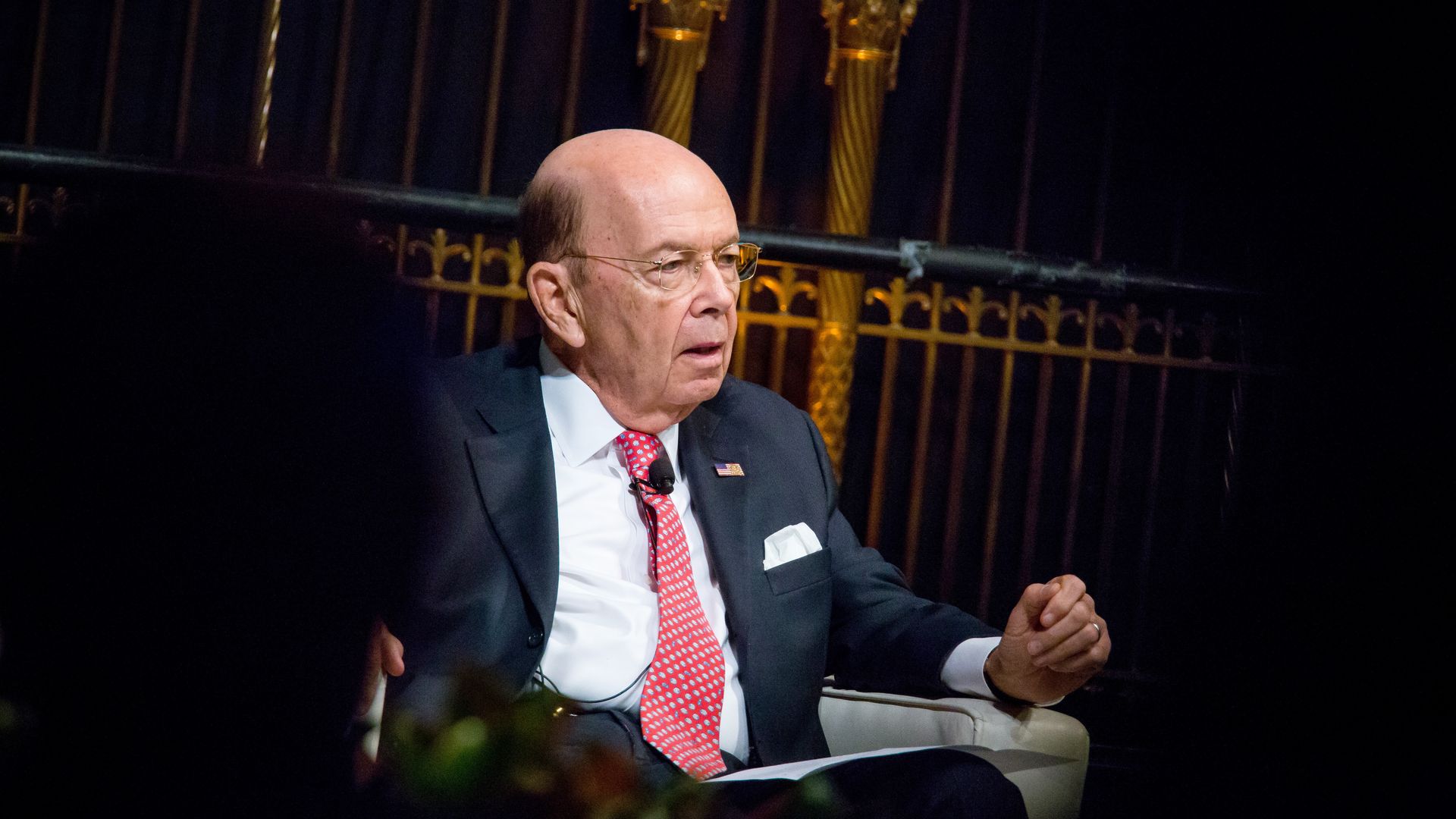
Commerce Secretary Wilbur Ross said on CNBC this morning that the Chinese tit-for-tat tariffs against U.S. autos, chemicals, planes, soybeans and whiskey would only affect "a fraction of a percent of GDP."
"I'm a little surprised that Wall Street is surprised by [Chinese retaliation]. This has been telegraphed for weeks."
As U.S. stock futures plummet Wednesday morning on the news that China has responded to U.S. tariffs by targeting autos, chemicals, planes, soybeans and whiskey, President Trump denied the existence of a trade war — though he claimed just last month that "trade wars are good, and easy to win."
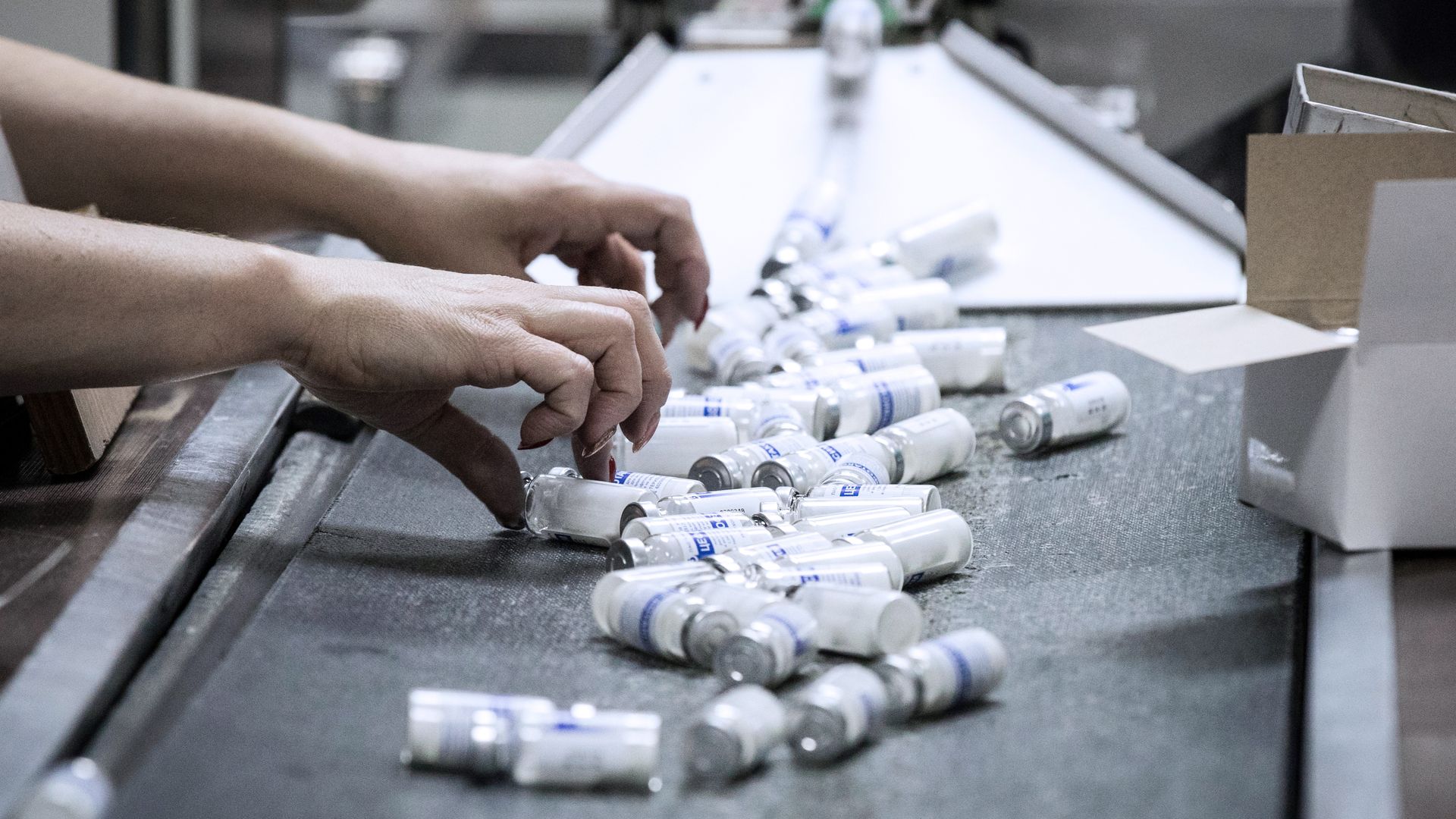
There are a lot of medical products on the Trump administration’s list of candidates for the new 25% tariffs it wants to impose on China, including vaccines; insulin products; MRI machines, surgical tools and other medical devices; and a host of raw ingredients for pharmaceuticals.
Why it matters: An enormous amount of the ingredients in American pharmaceuticals are made in China. As those prices rise, the cost of drugs could rise, too — and the impact could be especially dramatic for generics.