The U.S. is headed for a potentially dangerous new social rift, this time between millennials and baby boomers, each wrestling for diminishing jobs and shrinking government assistance, according to a new paper.
Quick take: In the next decade or so, automation and demographics will become a new dimension to the economic and social pressures already roiling the U.S. and societies around the world, according to the study released today by Bain. This new conflict will pit millennial workers displaced by machines against boomers living on Social Security and Medicare. "Who votes, who wins, and who goes to the polls become a highly politicized issue potentially," says Karen Harris, managing director of Bain's Macro Trends Group.
Experts say a new labor accord granting German metals and electrical workers the right to a 28-hour week reflects a generational shift in how people balance their professional and outside lives.
Why it matters: "IG Metall’s agreements tend to be seen as benchmarks for the whole of German industry, and it is now expected to be rolled out in other sectors," writes the FTs Guy Chazan.
George Feldenkreis, the founder of Perry Ellis International, and Fortress Investment Group have offered to buy the apparel company for $430 million, or $27.50 per share (18.6% premium to yesterday’s closing price).
The backstory: Feldenkreis was ousted as executive chairman just six months ago, despite having installed his son as CEO (following activist pressure to split the chairman and CEO roles).
The stock market continued to fall at market open Wednesday morning, marking the fourth straight day of losses. Trump's response:
Why it matters: As Axios' Mike Allen reported yesterday, Trump made what many White House veterans considered the rookie mistake of repeatedly boasting about the peppy stock market, making the current losses a tricky spot for messaging. Meanwhile, Treasury Secretary Steve Mnuchin said yesterday, "The markets look like they're functioning normally."
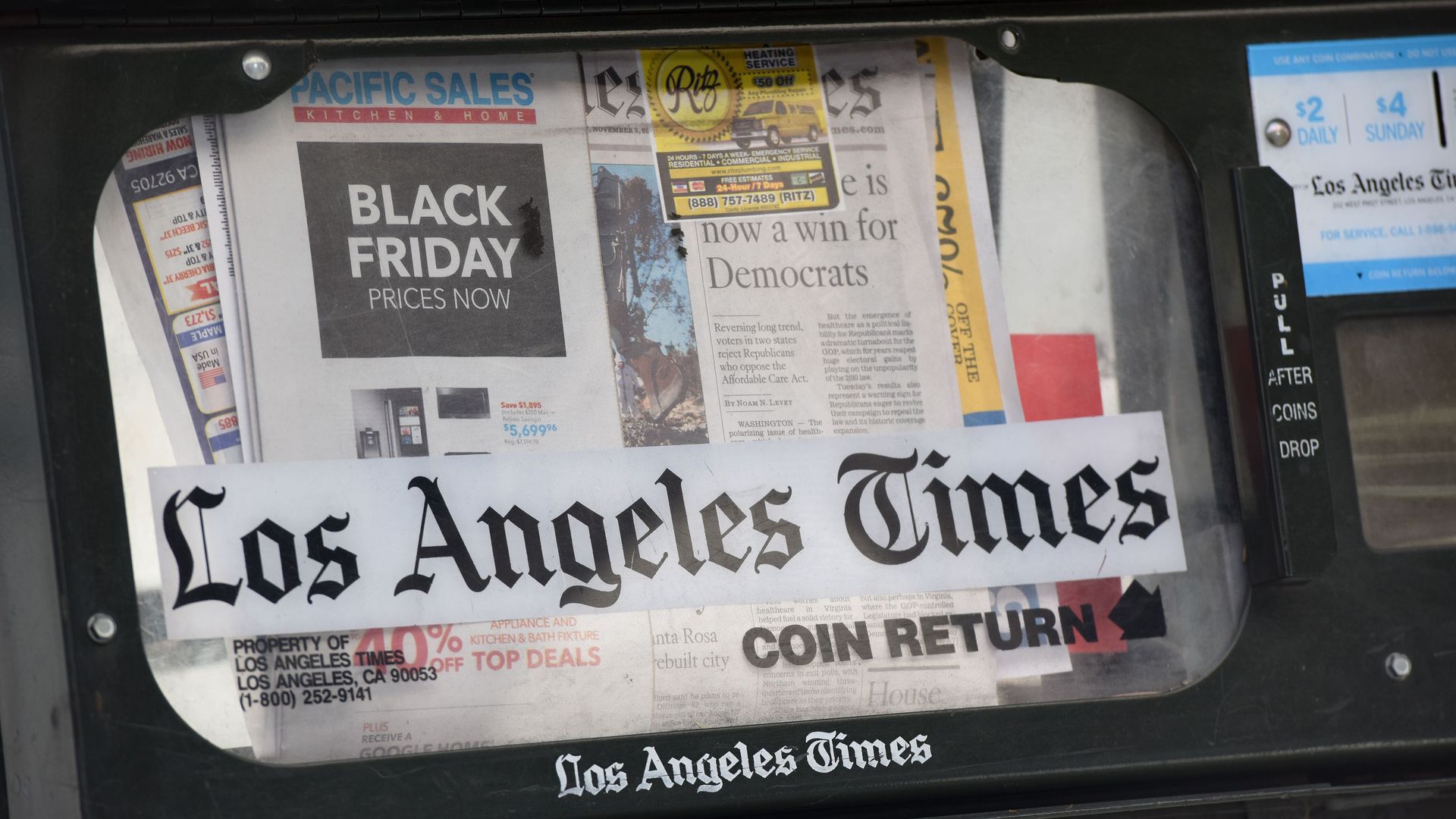
Newspaper owner Tronc sold the Los Angeles Times to Dr. Patrick Soon-Shiong for $500 million, according to the AP. Soon-Shiong is also buying the publication's sister newspaper, the San Diego Union-Tribune.
The backdrop: The deal comes on the heels of ongoing tensions between the paper’s top ranks and journalists that has spilled into public view in recent weeks.
Riding the mania over Bitcoin, crypto-currency specialists — from developers to technical writers — have emerged as the hottest new field in the United States, according to Upwork, the freelance job listing site.
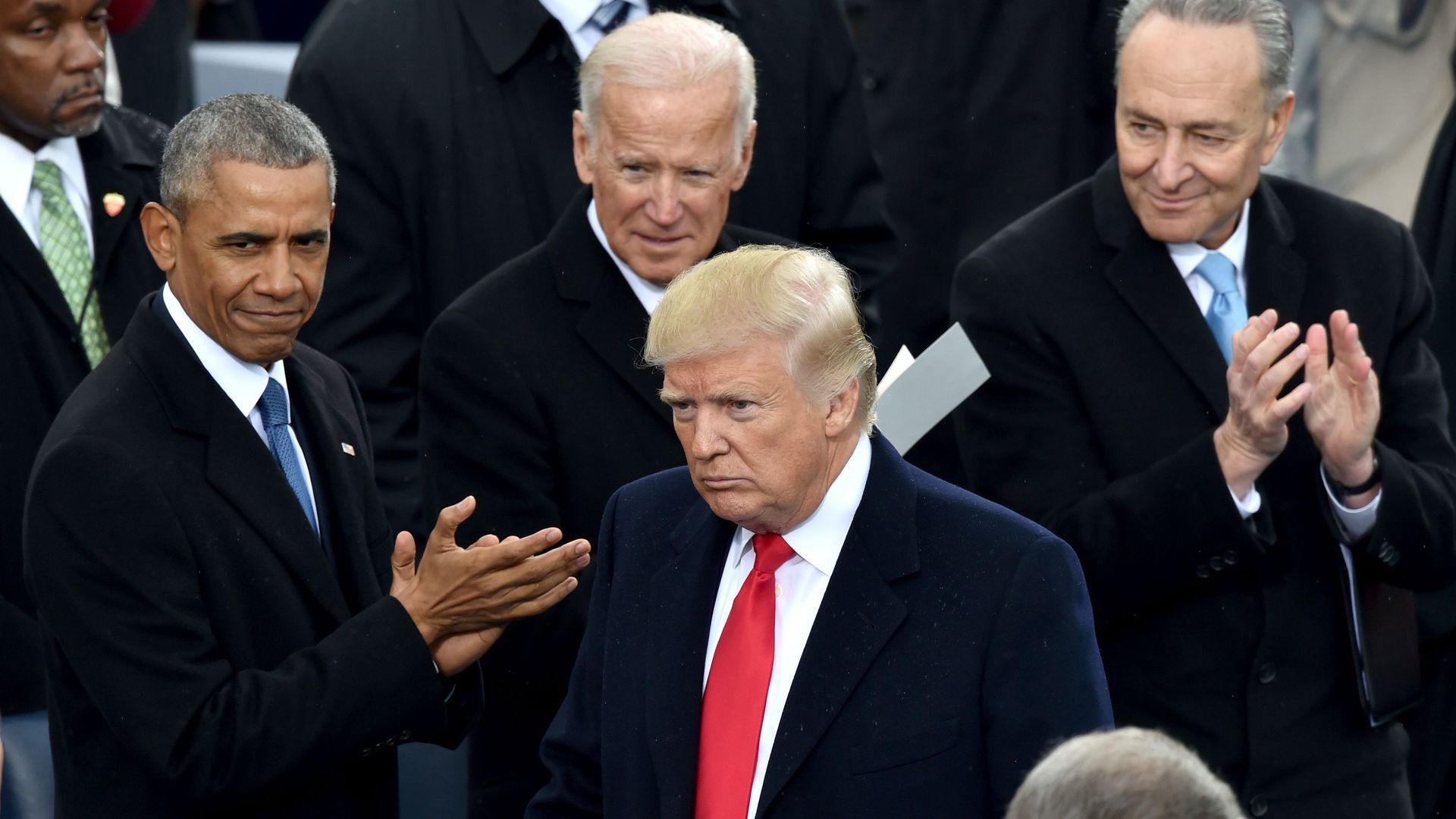
Former Vice President Joe Biden told CNN's Chris Cuomo in an interview on Tuesday that President Trump is "a joke."
Why it matters: He was responding to Sarah Sanders' remarks at her press briefing on Tuesday that Trump was "joking" when he called Democrats treasonous for their glum reactions during his State of the Union. Biden also told Cuomo he'd tell Trump not to talk to special counsel Robert Mueller if he were one of the president's lawyers: "The President has some difficulty with precision."
Billionaire investor Carl Icahn said on CNBC Tuesday that the stock market is "way over leveraged" and will one day "implode" because of it.
Why it matters: Markets plunged more than 500 points on Tuesday after open, following a massive drop on Monday. Icahn said he doesn't believe "this is the explosive time" for the stock market, however its turbulent state is a sign of "things to come."
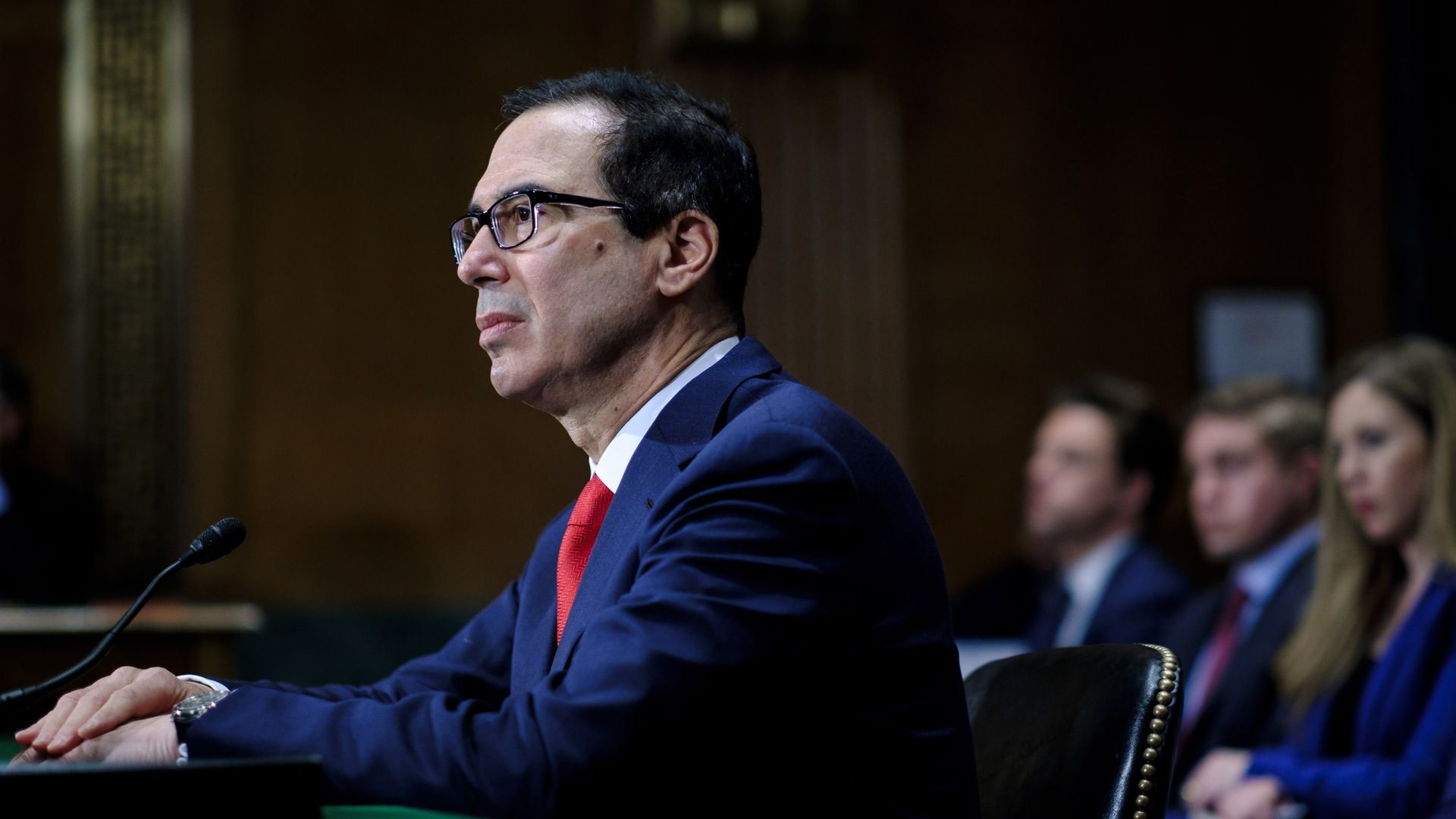
Treasury Secretary Steve Mnuchin said Tuesday that the White House is "monitoring the situation" after markets fell sharply on Monday.
"The markets look like they're functioning normally in terms of liquidity and other things ... The fundamental economics are very strong. The economy is doing very well. Tax reform is clearly helping earnings a lot."
— Mnuchin to House lawmakers at a hearing on financial stability.
The backdrop: The Dow Jones Industrial Average plummeted 1,175 points Monday — the largest one-day point decline in history. And global markets took a beating too. Tuesday morning, the DJIA opened 300 points down and continues to be volatile.
Credit Suisse announced the last day of trading for volatility-related security XIV would be Feb. 20, reports CNBC. Trading was halted Tuesday morning after the security plunged 85% in aftermarket hours.
Why it matters: Near-record volatility can have implications far beyond what happens to individual stocks, wiping out investments that had been viewed as safe just days ago.
Grocery giant Kroger has agreed to sell its 784 convenience stores, including brands like Kwik Shops, to UK-based EG Group, whose backers include TD Capital, for $2.15 billion.
Why it matters: This is part of a broader Kroger revamp initiative to fend off growing rivals like Walmart and Amazon/Whole Foods, and comes shortly after reports that it could be working on some sort of partnership with Alibaba.
Slack today will announce its first-ever chief financial officer: Allen Shim, who had been serving as the company's senior VP of finance and operations. Shim has been with Slack almost since its founding (employee #20), and has former Wall Street experience as an equity research analyst with both Sanford C. Bernstein and Citigroup.
Why it matters: This comes on top of Slack's addition of Sarah Friar last year as its first independent board member, and reads like the sort of internal professionalization that can set up an IPO.
The U.S. stock market is all over the place today after yesterday's historic drop. Markets opened down today, plunging more than 500 points after open before recovering to more than 300 points above open. The market has suffered major losses during the last two days of trading.
President Trump — who made what many White House veterans considered the rookie mistake of repeatedly boasting about the peppy stock market — now owns the largest-ever single-day point plunge for the Dow Jones Industrial Average (and worst percentage drop — 4.1% — for the S&P in more than six years).
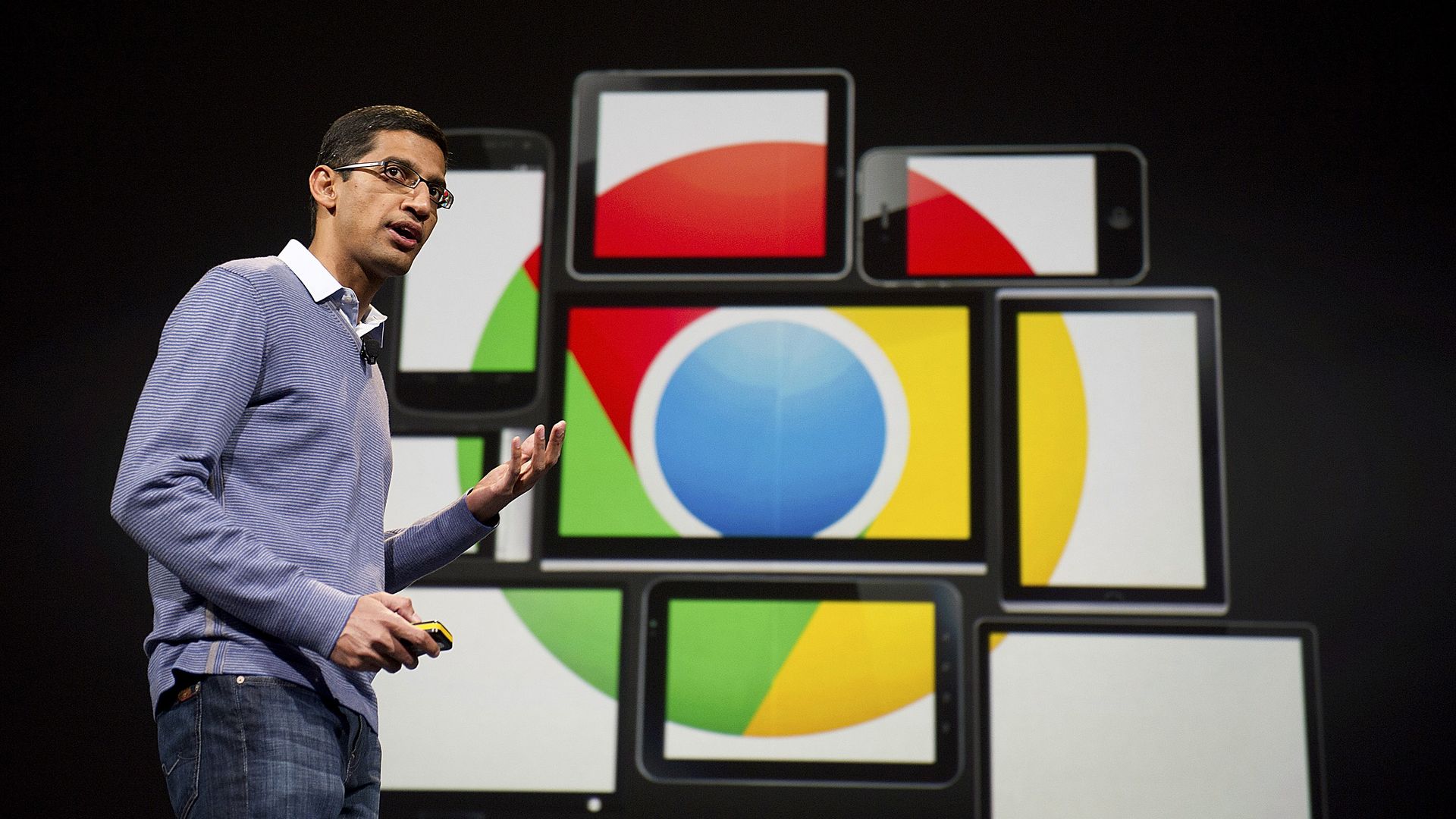
Google says that roughly 1% of publishers aren't compliant with third-party ad blocking standards, meaning the vast majority of web-publishers will not be impacted by the ad blocker the tech giant will install in its latest version of the Google Chrome web browser next week.
Why it matters: Publishers were initially worried when the ad blocker was announced eight months ago that compliance would be difficult, hindering their ability to make ad revenue. This data should mitigate those concerns.