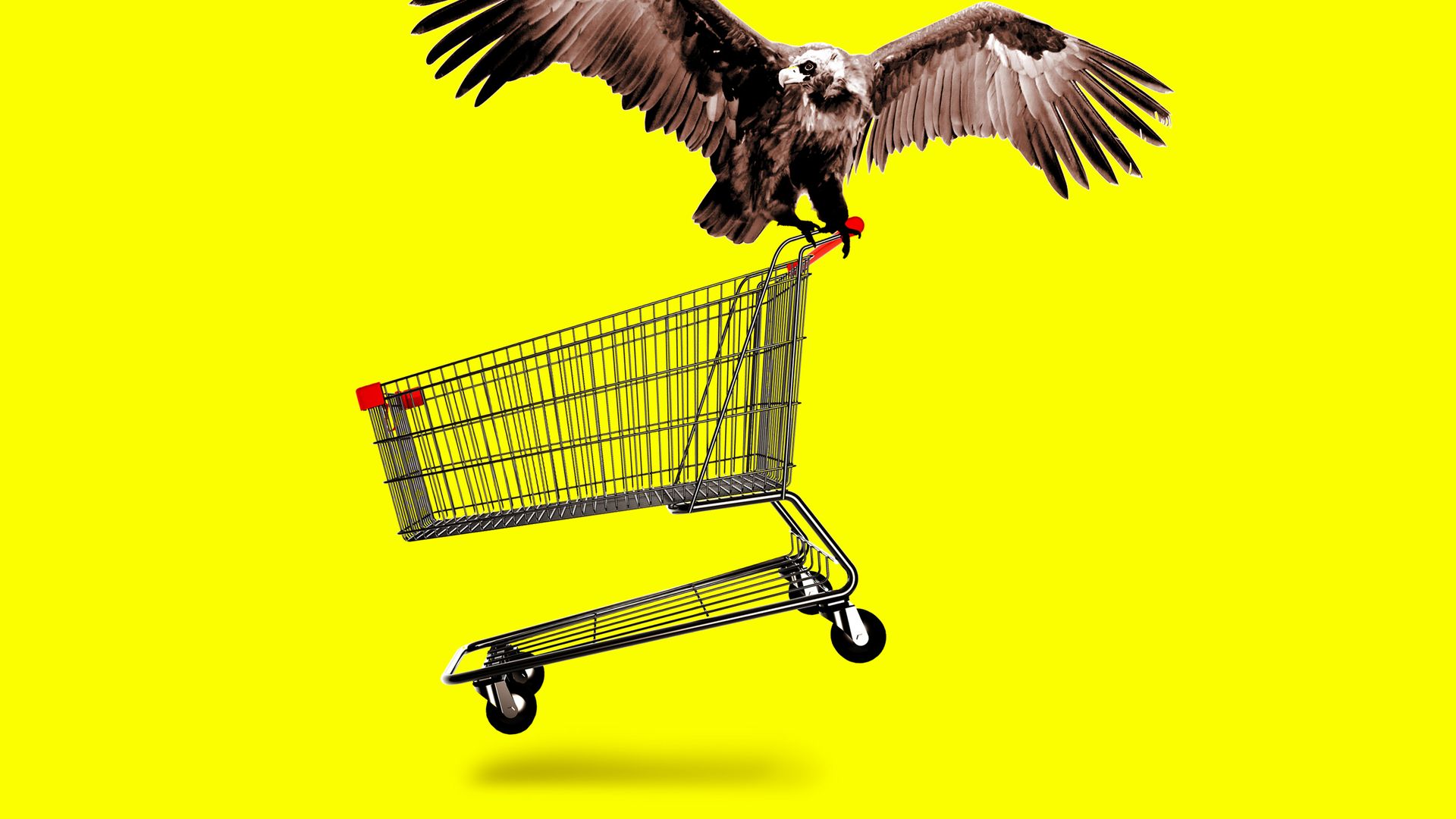
Private equity buyouts account for 61% of the jobs lost and planned for elimination in the 2016 and 2017 retail apocalypse, according to a new study.
Quick take: Private equity snapped up retail chains like Sears and Toys 'r Us in more benign times. Amazon wasn't yet such a potent force, and buyout firms like Bain Capital and KKR — bursting with cash from institutional investors seeking high returns — saw strong profit possibilities in retail.
But when buyers massively turned to on-line shopping, many of these now-private equity-owned chains, laden with interest payments on the buyout debt, lacked free cash to pivot and compete, said Thomas Paulson of Inflection Capital Management.
Last week we reported that government data may be seriously understating the scale of e-commerce. Now a paper sent by an FoW reader reinforces the appearance of a hugely underestimated e-commerce sector.
David Evans, chairman of GlobalEconomics Group, and Richard Schmalensee, former dean of MIT's Sloan School of Management, say in their 2016 paper that e-commerce is a third larger than reported by U.S. Census data. By 2016, they said, it had been undercounted for five straight years. The Census Bureau has challenged their data, but they say the larger point still stands.
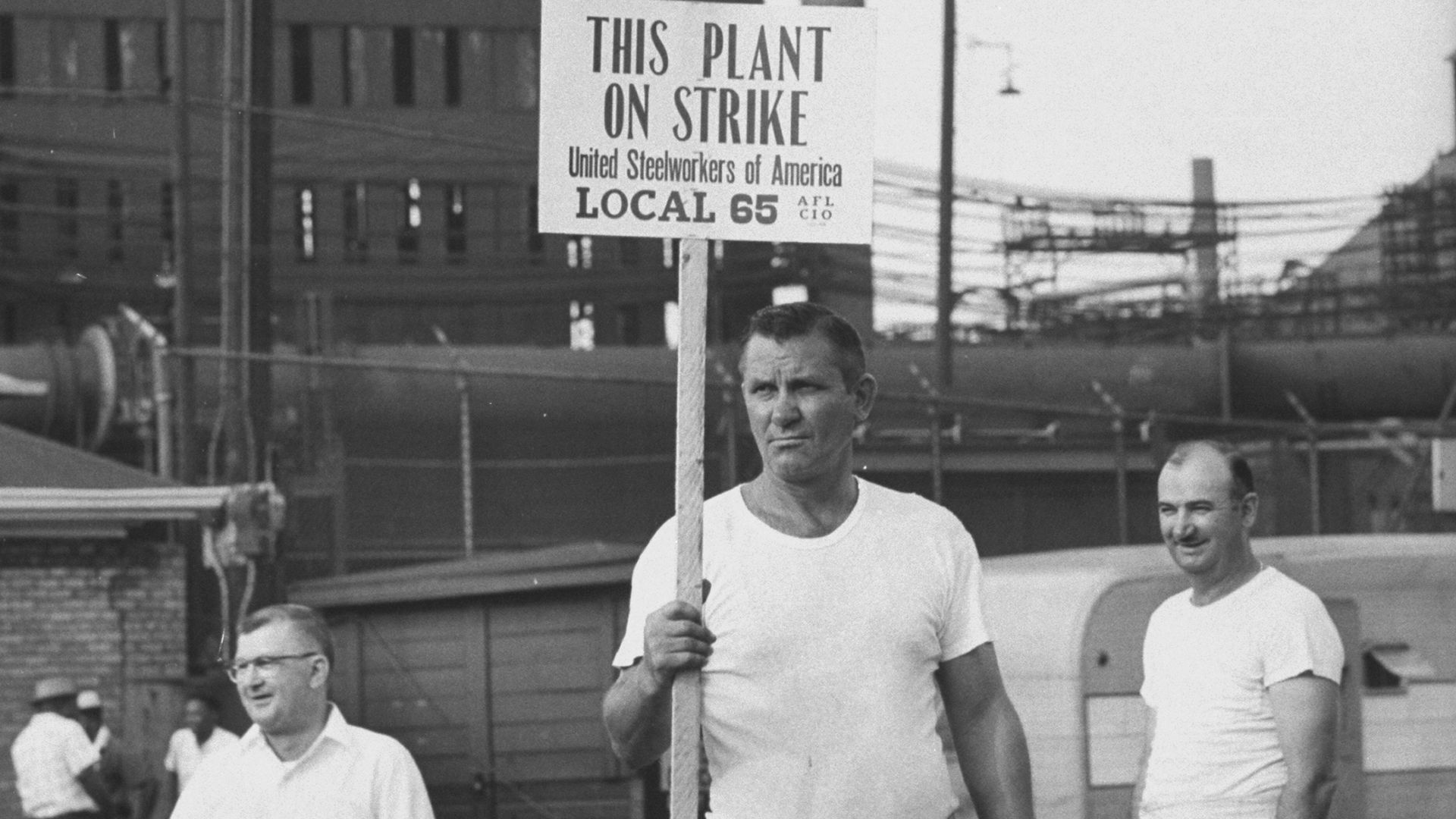
Three decades after Ronald Reagan broke the air traffic controllers union, organized labor is still trying to regain its footing. Just 10% of American workers belong to unions, half the percentage of the Reagan era.
What's happening: Later this month, the AFL-CIO, the largest U.S. labor group, will convene a closed conference call of the leaders of its 55 associated unions to start figuring out how to climb back, Elizabeth Shuler, the AFL-CIO's secretary-treasurer, tells Axios. Later this year, they will gather in Washington, DC, to advance the process.
Ikea is expanding the number of markets in which it offers online sales, and opening dozens of new, urban small-format stores (roughly 1/4 the size of a typical 80,000 square foot outlets, and which won't feature the company's famous meatball-serving cafeterias).
Why it matters: Ikea CEO Jesper Brodin tells Bloomberg that his company is moving at "revolutionary speed" to adapt to the future of retail. Foot traffic at Ikea stores has been flat for a number of years, suggesting that the rising share of young people — Ikea's key demographic — are choosing to live in urban areas far from a typical Ikea's exurban location.
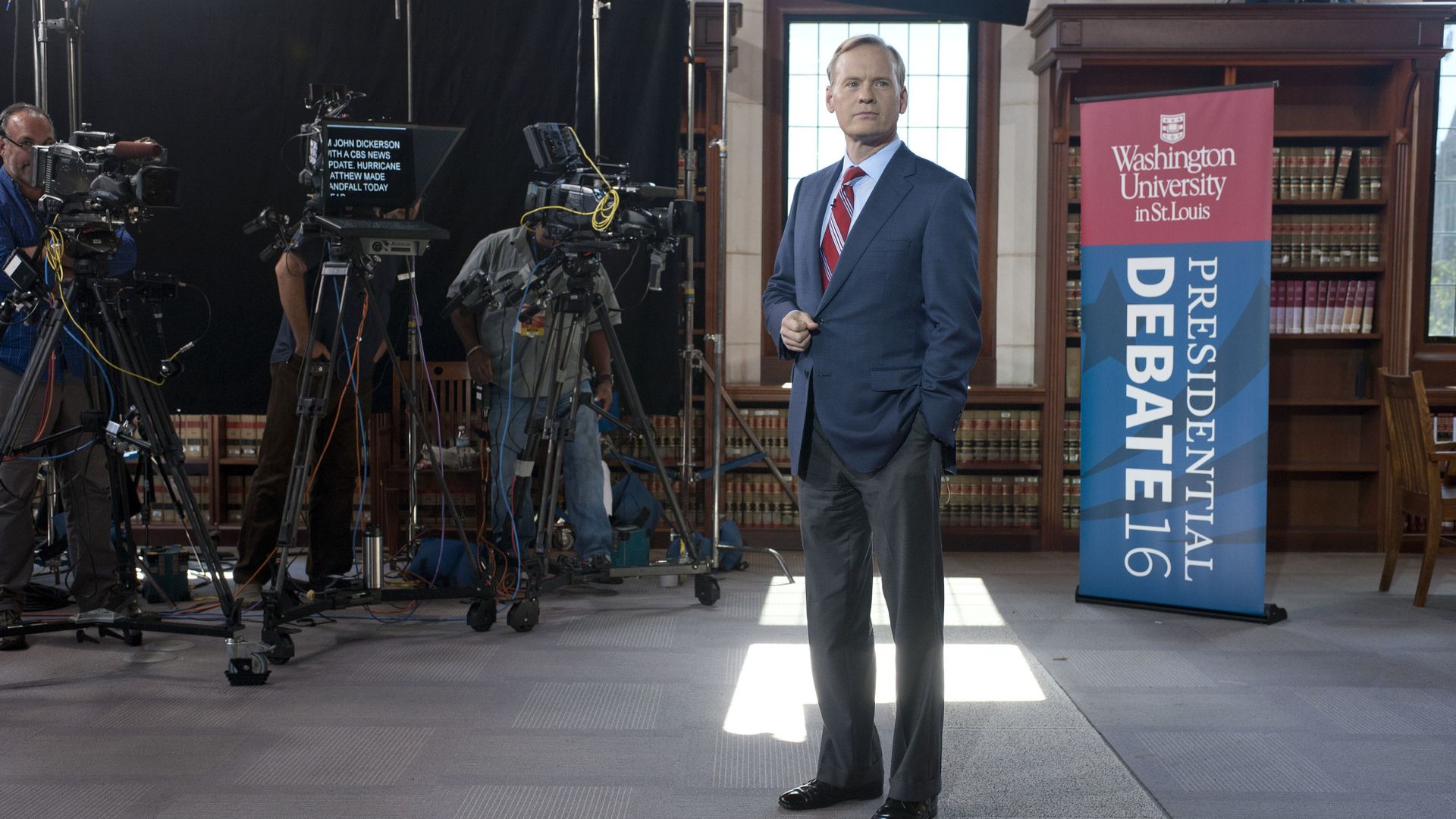
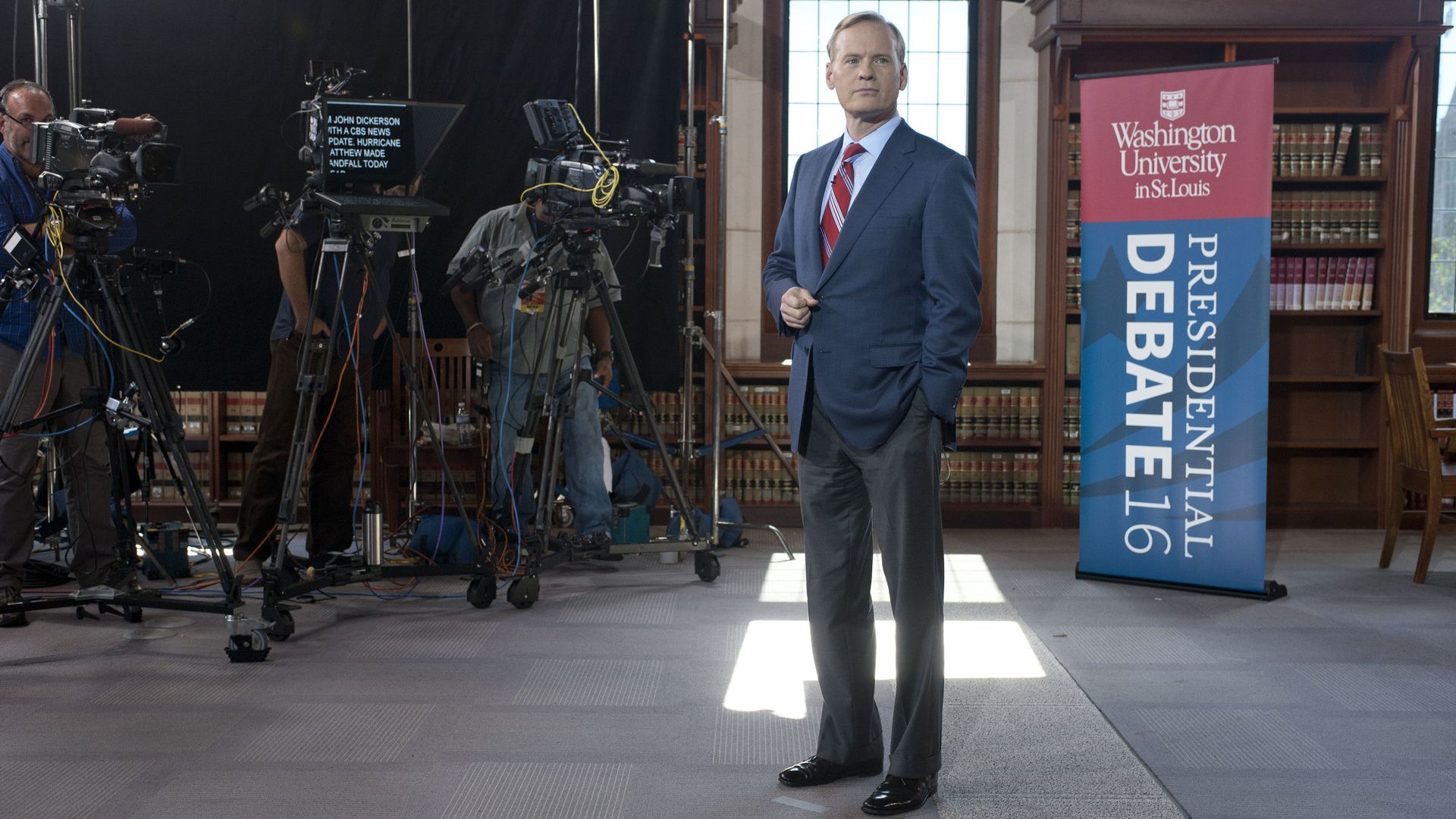
"Face the Nation" anchor John Dickerson will move to New York to replace Charlie Rose as co-host of "CBS This Morning," joining Gayle King and Norah O’Donnell beginning today, CBS News President David Rhodes announced.
Why it matters: Dickerson plans to leave the network's Sunday show "Face the Nation" to take on his new role, setting off what the New York Times describes as "a horse race for one of television’s most influential political roles." All of the current "Big Five" Sunday shows — "Face the Nation," NBC's "Meet the Press," Fox News' "Fox News Sunday," ABC's "This Week" and CNN's "State of the Union" — are led by white men.
The Associated Press reports that Alabama has been selected as the location for a $1.6 billion manufacturing plant for Japanese automakers Mazda and Toyota.
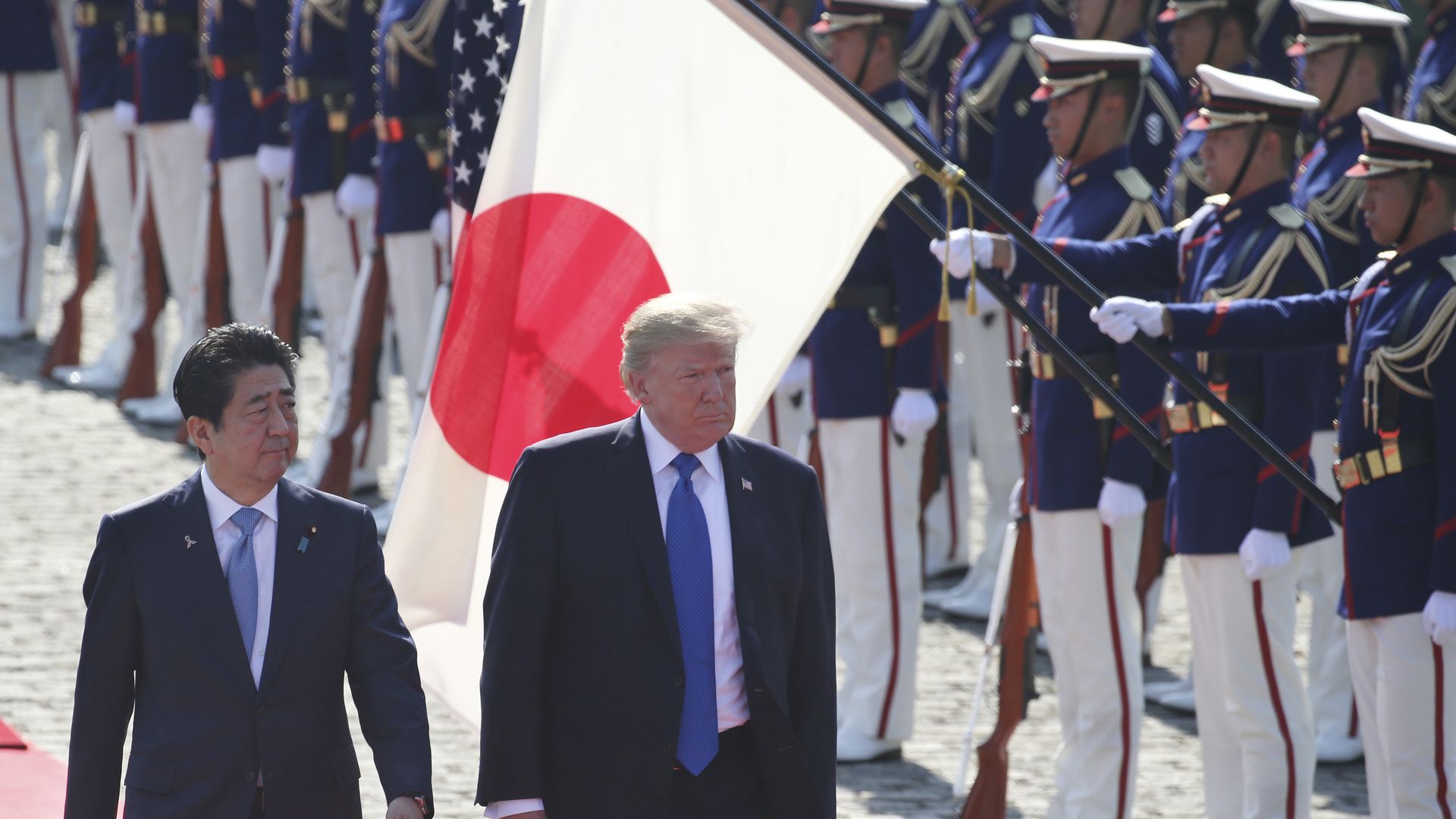
Flashback: Trump praised the decision back in August to bring the plant to the U.S., and said in November during a trip in Japan: "Try building your cars in the United States instead of shipping them over. Is that possible to ask? That's not rude. Is that rude? I don't think so."
Change Healthcare, a billing and data analytics company, will file for an initial public offering soon, McKesson CEO John Hammergren said at the J.P. Morgan Healthcare Conference. McKesson, a drug and device distributor, owns 70% of Change Healthcare. The IPO could happen as soon as this year, or in 2019.
Flashback: Change Healthcare used to be publicly traded when it was known as Emdeon. Blackstone then took Emdeon private in 2011 in a $3 billion deal. A return to the public markets builds on the growing appetite from hospitals and health insurers that want to comb through patient data.
Goods once transported by land and sea are now being loaded onto airplanes, as e-commerce companies and manufacturers are increasingly expected to meet shorter delivery windows, the Wall Street Journal reports.
Why it matters: The global demand for shipping larger goods via air cargo (like manufacturing and automotive parts) is creating competition for companies and motivating them to ship everyday items as quickly as possible.
Amazon quietly became the biggest player in cosmetics retailing last year, with a 21% share of the market — and big-name makeup manufacturers are taking notice, Bloomberg Businessweek reports.
Why it matters: Manufacturers like Estee Lauder are preventing their high-end brands from appearing on Amazon, but not because they think it would hurt profits in the short term. While mass-market products earn higher margins on Amazon sales, these firms worry that selling their luxury brands there will tarnish their brands and decrease their price-setting power.
Europe's Altice NV said Tuesday that it will spin-off its U.S. unit, which owns both Cablevision and Suddenlink.
Why it matters: Because Altice USA went public last summer, largely to give it a public currency to make acquisitions. But those ambitions have been slowed by its parent company's balance sheet brambles, and today's move could finally clear its path.
John Dickerson is slated to fill Charlie Rose’s empty role with "CBS This Morning,” HuffPost reports, citing “three sources familiar with the decision.” Dickerson will be co-anchoring with Norah O’Donnell and Gayle King.
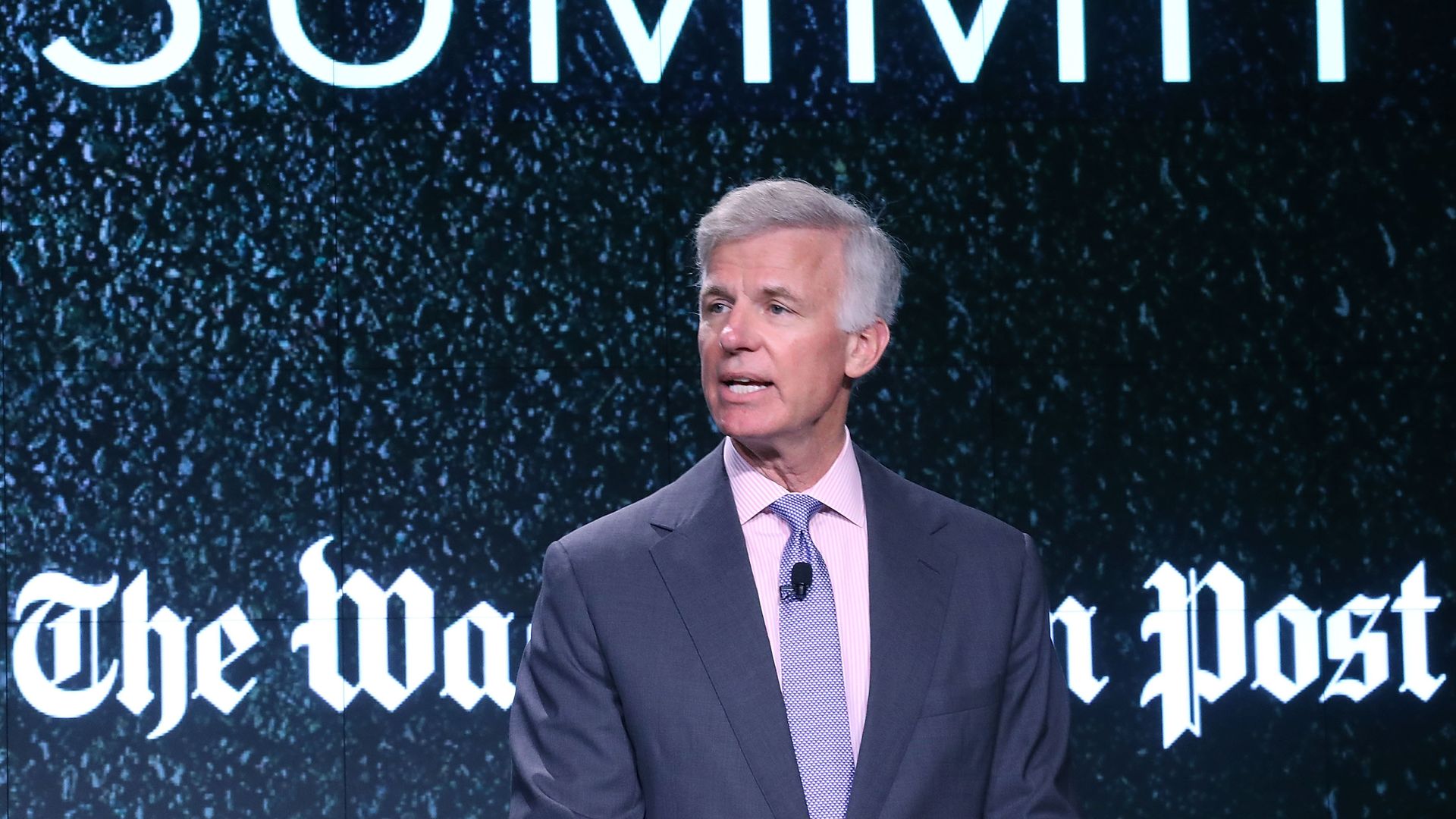
The Washington Post will celebrate its second consecutive year as a profitable company by adding to its business and technology teams in 2018, according to a memo to staff from Post Publisher Fred Ryan obtained by Axios.
The team of nearly 800 journalists will be acquiring additional space in its headquarters building in downtown Washington in 2018. "This expansion will meet our needs in the coming year and accommodate anticipated growth in the future," Ryan says.
Mediaocean, the 50-year-old TV-buying platform that is used to purchase an estimated 75% of all TV ads in the U.S, is partnering with Adobe's Advertising Cloud to integrate digital ad buying with TV.
Why it matters: Just a fraction of TV ads today are bought digitally, even though the technology is there to serve digital TV ads to more than half of Americans. This is largely because until now, media buyers haven’t had access to the buying infrastructure that would allow them to buy TV ads in a way that could integrate all of the data sets they need to buy the ads digitally.
Chinese internet giants like Tencent, Baidu and Alibaba are ramping up investments in U.S. tech and media companies. They're also building data servers and acquiring ad tech businesses in the U.S. that can help them monetize media engagement from citizens living in America, like students or tourists.
Why it matters: There's a misconception that the Chinese push into the Western media tech market is to target new American users or to compete directly with U.S. tech companies. In reality, they're looking to expand their Chinese user base abroad and make money from Chinese expats who would rather use their own social, messaging, and commerce apps in the U.S.