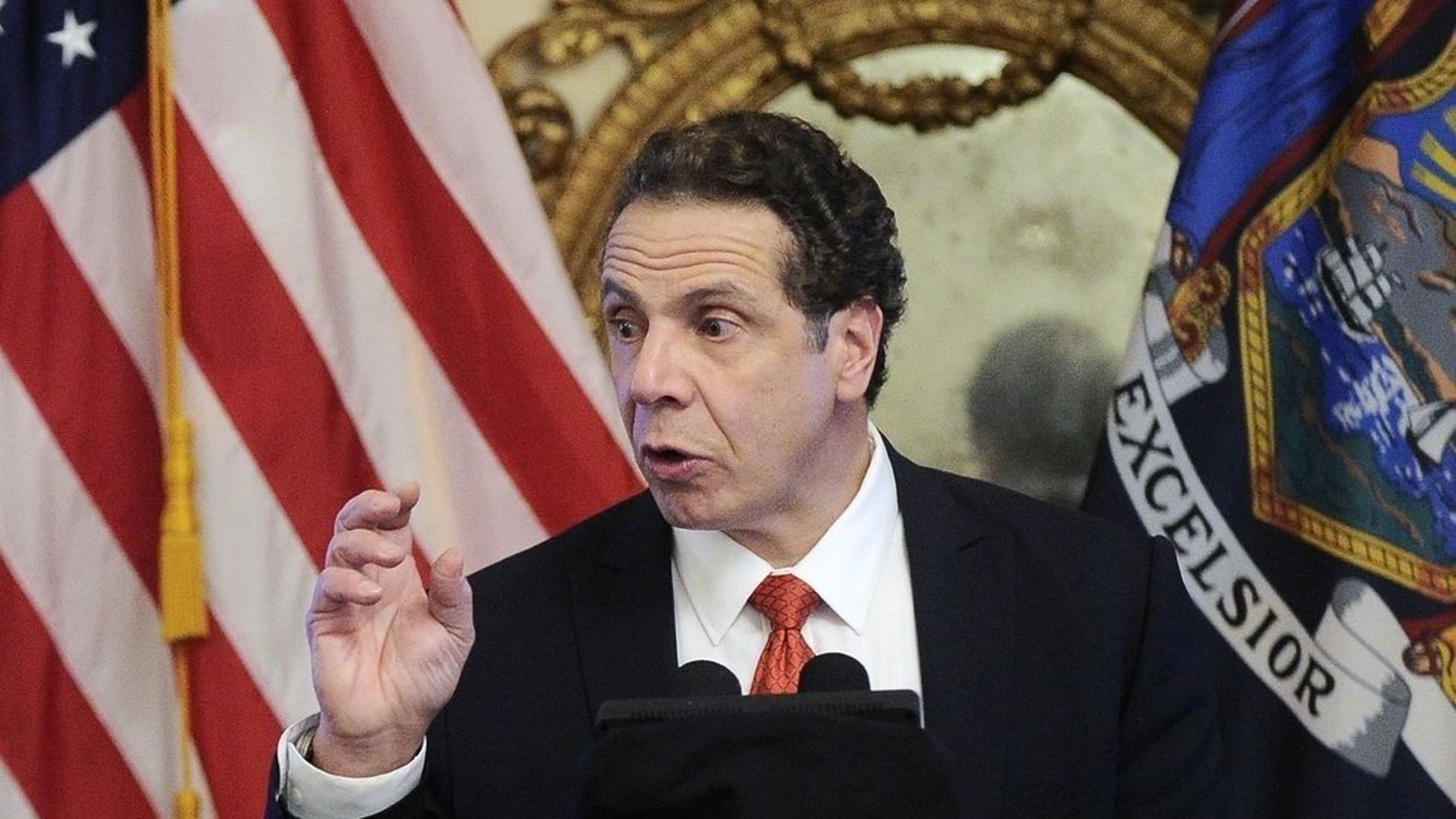
New York Gov. Andrew Cuomo announced Thursday a new initiative called the Democracy Project to protect the integrity of New York elections. In a release, Cuomo's office says the reform is the "strongest and most comprehensive regulation of online political advertisements."
Why it matters: Election transparency has become a hot-button issue in light of revelations about the way Russian operatives used tech platforms to meddle in last year's general election. Cuomo, who's been rumored as a 2020 candidate, is being vocal about the issue as it picks up steam across the country.
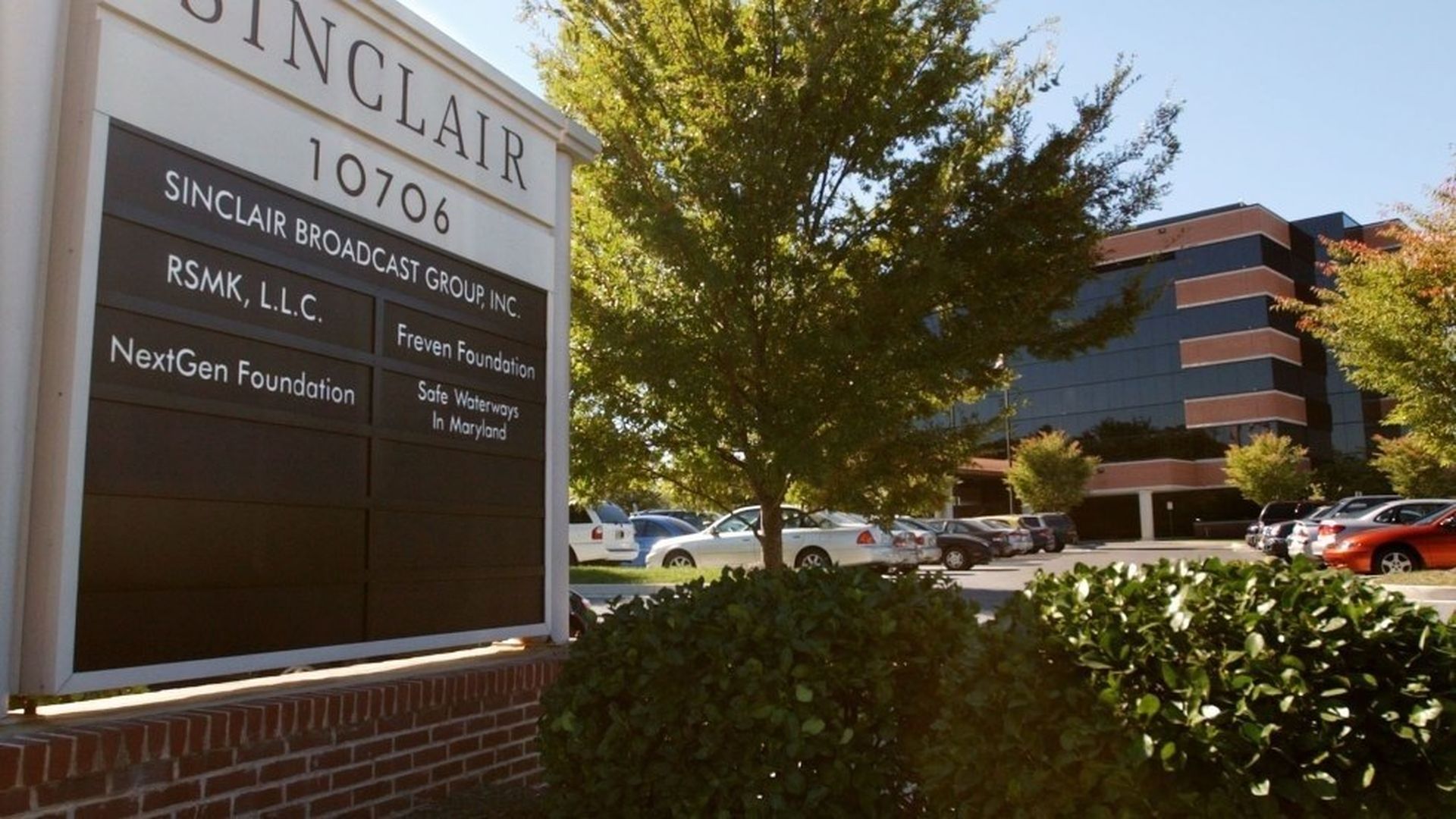
The FCC plans to fine Sinclair Broadcasting group more than $13 million for failing to make the required disclosures related to programming sponsored by a third party. It's the largest fine the FCC has ever proposed for violation of its ad disclosure rules, which require broadcasters to disclose who is paying for sponsored programming.
Why it matters: In an era of fake news concerns, the FCC is signaling that it will act against media outlets that don't properly disclose the origin of information or mislead the public into thinking paid material is a station's own independent news coverage.
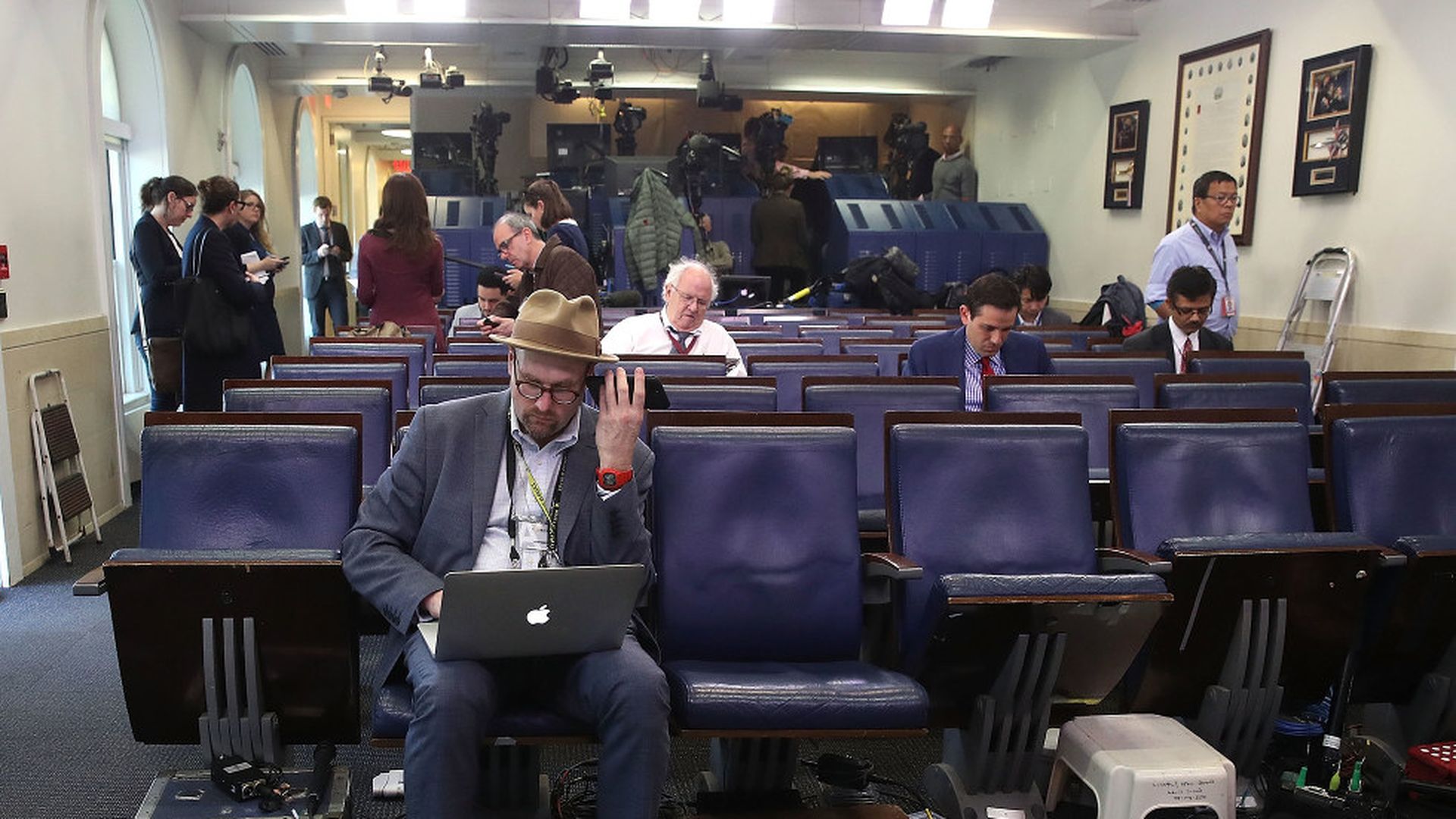
Glenn Thrush, a prominent political reporter for the New York Times, will remain with the Times after being suspended for sexual harassment allegations, the paper says.
"We understand that our colleagues and the public at large are grappling with what constitutes sexually offensive behavior in the workplace and what consequences are appropriate ... each case has to be evaluated based on individual circumstances. We believe this is an appropriate response to Glenn's situation." — Times Executive Editor Dean Baquet.
Thrush has been suspended without pay since November. He will remain suspended until late January, per the Times, and when he returns won't cover the White House.
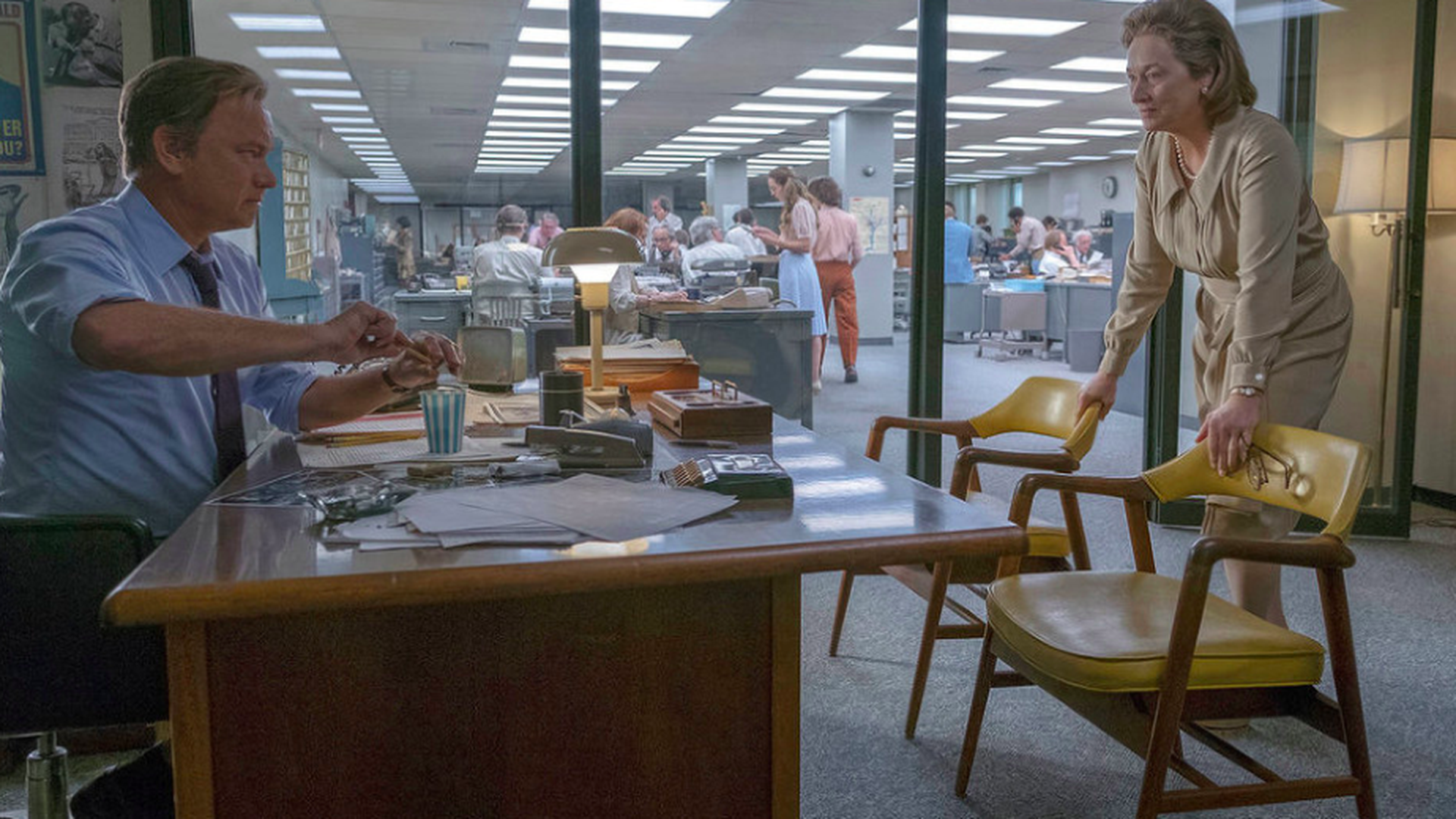
Tom Hanks told The Hollywood Reporter that he was drawn to the script of "The Post" because of the parallels the story draws to today. Hanks plays Watergate-era Washington Post executive editor Ben Bradlee in the upcoming film.
The big picture: Hanks said that the people currently in power are attacking the First Amendment by trying to dispute facts and denigrate the truth, just as they did under the Nixon administration. He also said he wouldn't attend a White House screening of the movie if there was one, adding, "This is the moment where ... our personal choices are going to have to reflect our opinions."
The painful truth about the retail bloodletting is that it's been a long time coming. Since about 2003, when they went on a construction tear, American builders have lived by the Field of Dreams rule: build it and customers will come. Now, there are way too many stores, and way too much space devoted to them: Credit Suisse says a quarter of American malls — up to 275 of them — will shut over the next five years; CoStar, the real estate research firm, tells Axios that the excess is more like 150.
Quick take: "What we are seeing going on is Darwinism at play," says CoStar's Ryan McCullough. "We believe that all these closures will have a healthy impact on the industry, but there will be a disruptive process till we get there."
For months, we have seen reports that Americans are far less mobile than they used to be — even if jobs await in another part of the country, a lot of people just don't want to, or feel they cannot, move. But they are pretty flexible at least in one respect, the willingness to change jobs. And a big reason is that many are rewarded handsomely for doing so, according to ADP, the payroll firm.
By the time Walmart reached the level of sales that Amazon enjoys today, it had become the focus of a buy-local movement that accused the company of hollowing out local economies and labor markets. Amazon has so far avoided a similar backlash, but it has had a similar impact on local communities, say mom-and-pop retailers, manufacturers, and industry observers.
Why it matters: Small retailers say Amazon is their No. 1 threat, surpassing big-box chains and rising health insurance costs, according to a recent poll by Advocates for Independent Business and the Institute for Local Self Reliance.
Google is rolling out an ad blocker in its Chrome web browser on February 15th, the company announced Tuesday. The blocker would filter out ads that are deemed intrusive based on standards that have been mapped out by a third-party group called the Coalition for Better Ads, which includes some of the biggest advertising heavyweights, like Facebook, Google, Group M, Procter and Gamble and The Washington Post.
Why it matters: The move is meant to help clean up the web, and create better ad experiences for all Chrome users, but some see it as an antitrust problem, because the world's biggest advertiser will have the ability to block ads through a browser it owns.
Walmart's NYC-based innovation center is experimenting with a cashier-less store concept called Project Kepler, which "aims to reimagine the in-store shopping experience with the help of technologies like computer vision," Recode reports.
Project Kepler is in part aimed at creating a store that would feature no checkout lines or cashiers, but use computer vision to detect which products customers leave the store with and then charge their accounts accordingly.
Why it matters: Amazon is also experimenting without cashiers, while roughly 3.5 million Americans operate cash registers for a living.
Recode also reports that Walmart's new start-up subsidiary, called Code 8, is experimenting with "high personalised, one-to-one shopping experiences," that will be marketed to "busy NYC moms."
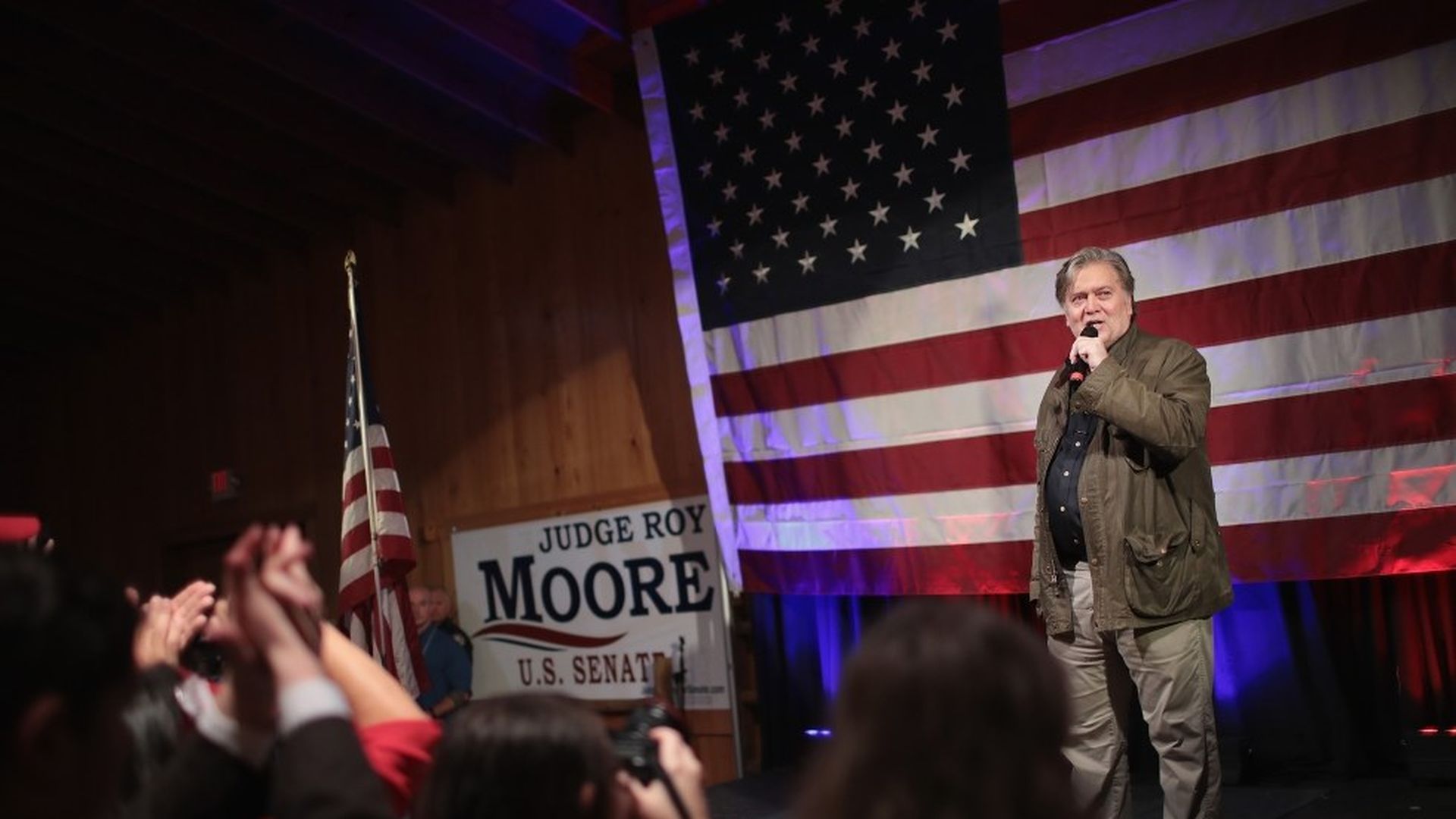
Breitbart News editor-in-chief Alex Marlow told CNN that his website's attempts to discredit the sexual assault allegations against Roy Moore aimed to protect President Trump against similar claims. Marlow said, "I think part of it is because it's not just about Judge Moore, it is not even just about establishment, anti-establishment. It's about what's coming next for President Trump."
Marlow further blamed mainstream media coverage of the Moore allegations for creating an environment that left Trump vulnerable:
"I think they want to create a standard where President Trump either from past or future accusations, will not be able to match whatever standard is now in place for who can be a United States senator. Based off not any sort of conviction or any sort of admission of guilt, but based off of purely allegations."
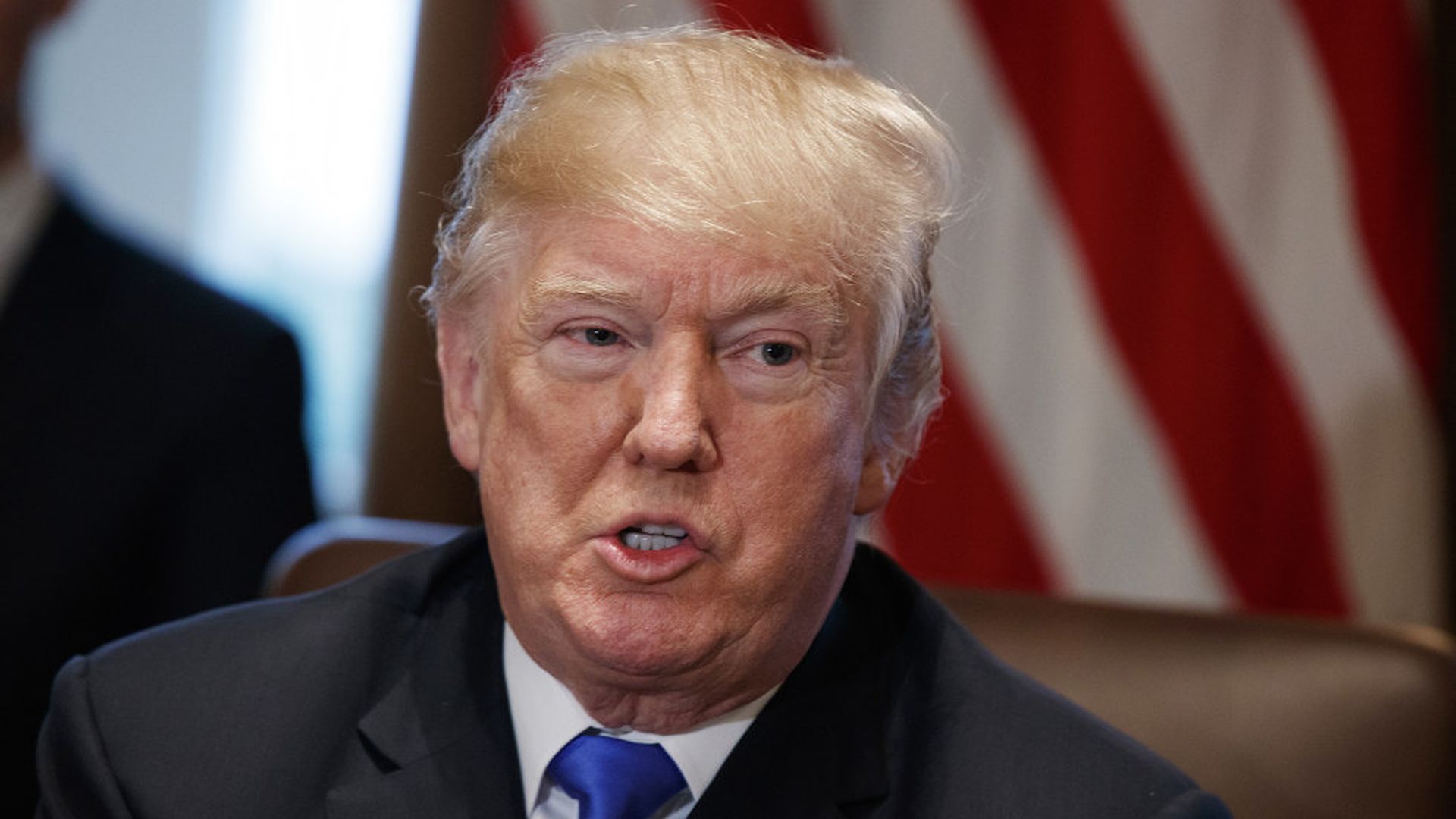
Trump told reporters before a cabinet meeting Wednesday, "I don't think the market's even begun to realize how good" the tax cuts are. "The market hasn't fully digested" the tax bill yet, he said.
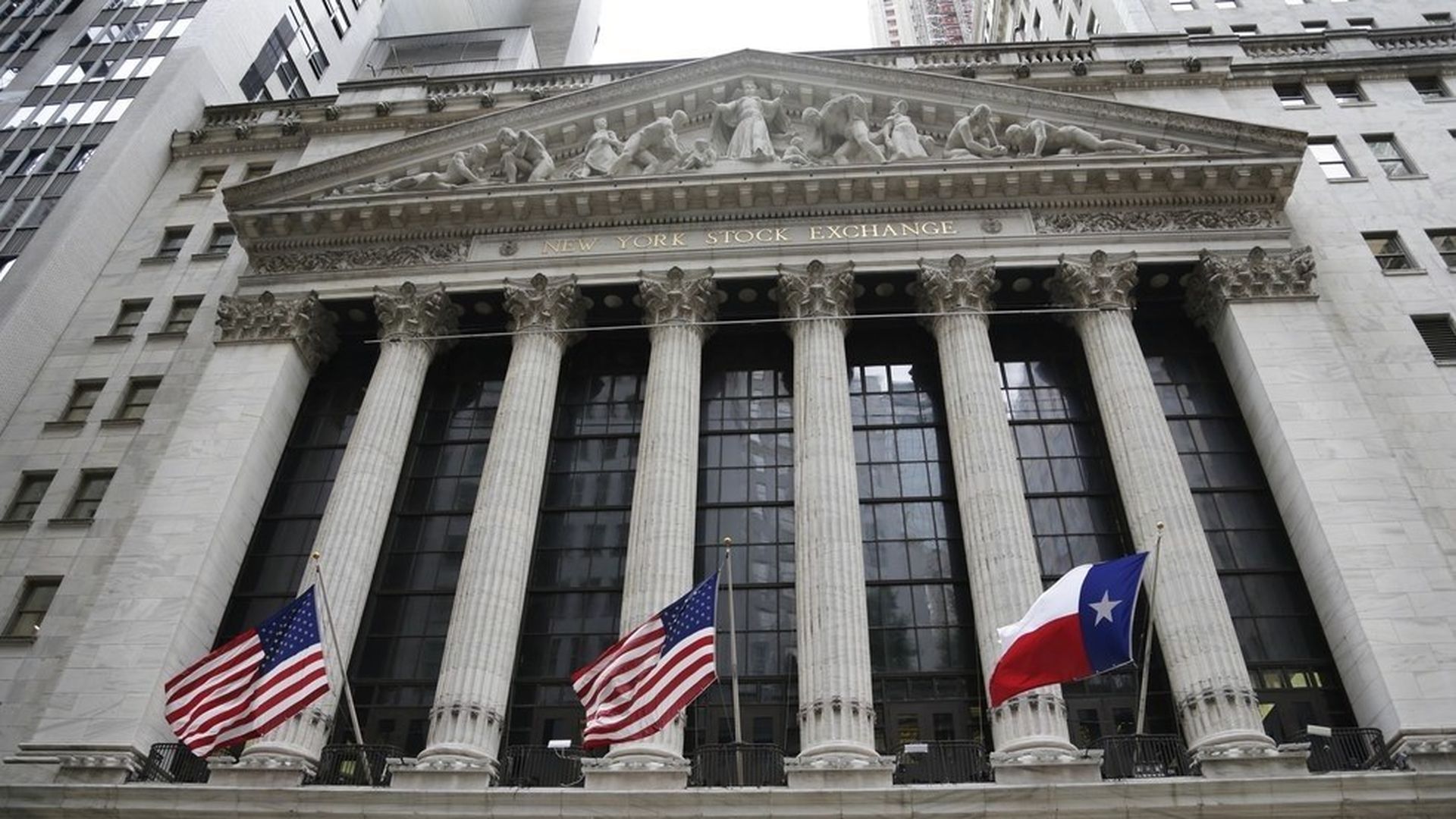
The S&P 500 is trading at 2.3 times sales, it's highest level since the 2000 peak that preceded the bursting of the Internet bubble, Bloomberg reports. One strategist tells Bloomberg "a market correction of about 10 percent is overdue."
Why it matters: Stocks have risen to record highs throughout the Trump presidency, partially buoyed by the promise of tax cuts which are finally passing today. White House economic adviser Gary Cohn said an Axios event earlier today stocks are poised to go even higher because of the strong U.S. economy and the full benefit of tax cuts "are not priced in."
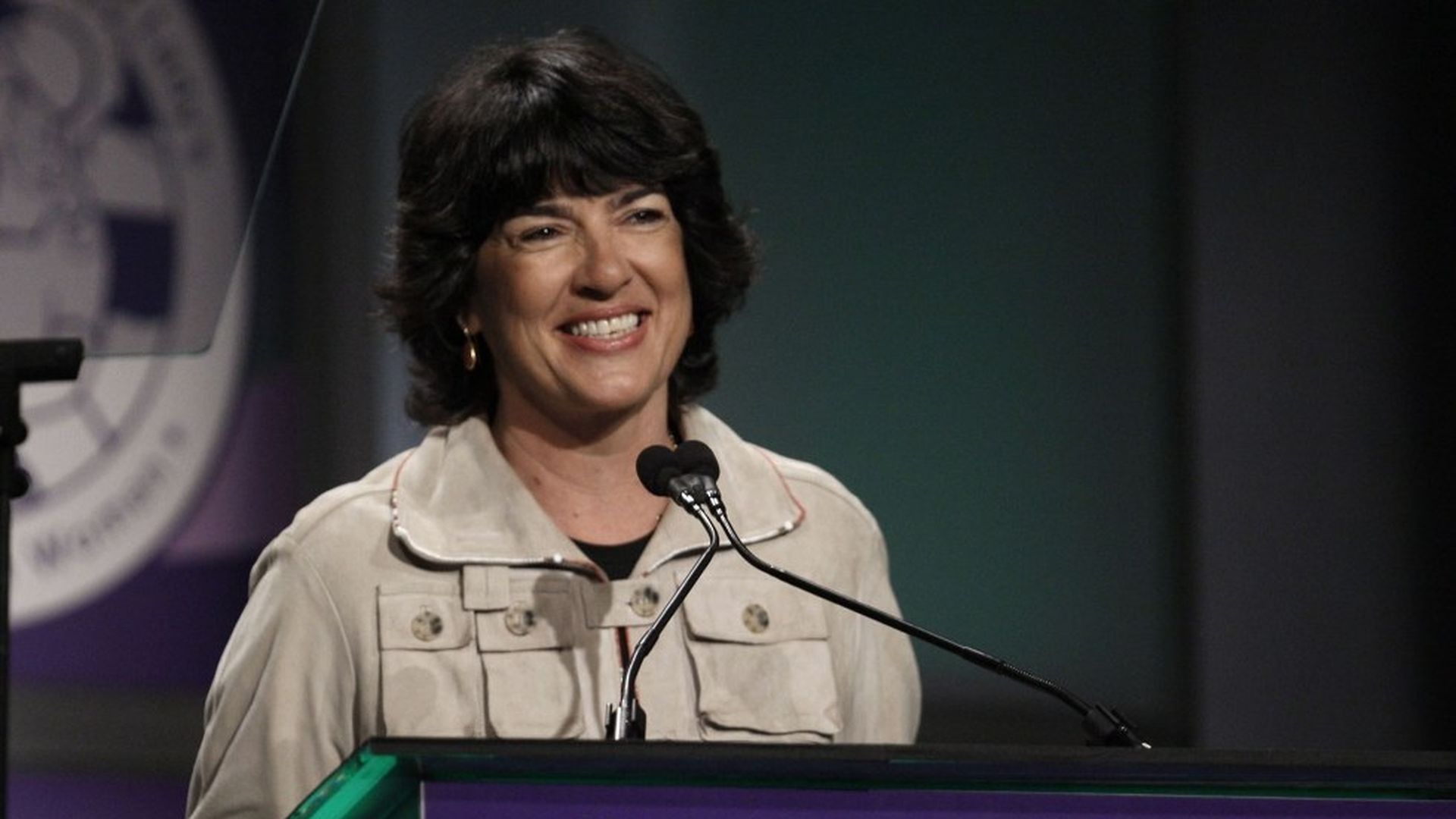
"PBS will broadcast a BBC news program featuring Washington correspondent Katty Kay for the second half of Charlie Rose's vacated [11 p.m.] time slot [beginning Jan. 2], pairing it with a Christiane Amanpour program that began airing last week," AP's David Bauder writes.