With tens of billions of dollars in fees at stake, the financial sector seems on the verge of disruption from the next burst of technologies, including artificial intelligence and blockchain. Data-laden tech giants including Amazon, Google, and China's Alibaba and Tencent are invading an industry dominated for more than a century by firms like JPMorgan Chase and Goldman Sachs.
Why it matters: Look for Big Tech, with caches of data about billions of people around the globe, to power the next jumps in financial technology ("fintech"), keeping users reined within their own, ever-expanding platforms and absorbing billions in profit that otherwise would have gone to traditional financiers.
In a new report, Cognizant, the IT services firm, identifies 21 jobs that, given economic and commercial trends, people could reasonably be expected to hold, like chief trust officer and man-machine teaming manager.
Why it matters: The key question of the age of automation is whether this time of technological disruption is different from all the others that have occurred over the last two centuries. That is, will the economy produce sufficient well-paying jobs for everyone, or will there be profound and intractable joblessness? To begin to answer that question, we've needed to know what at least some of those jobs might be.
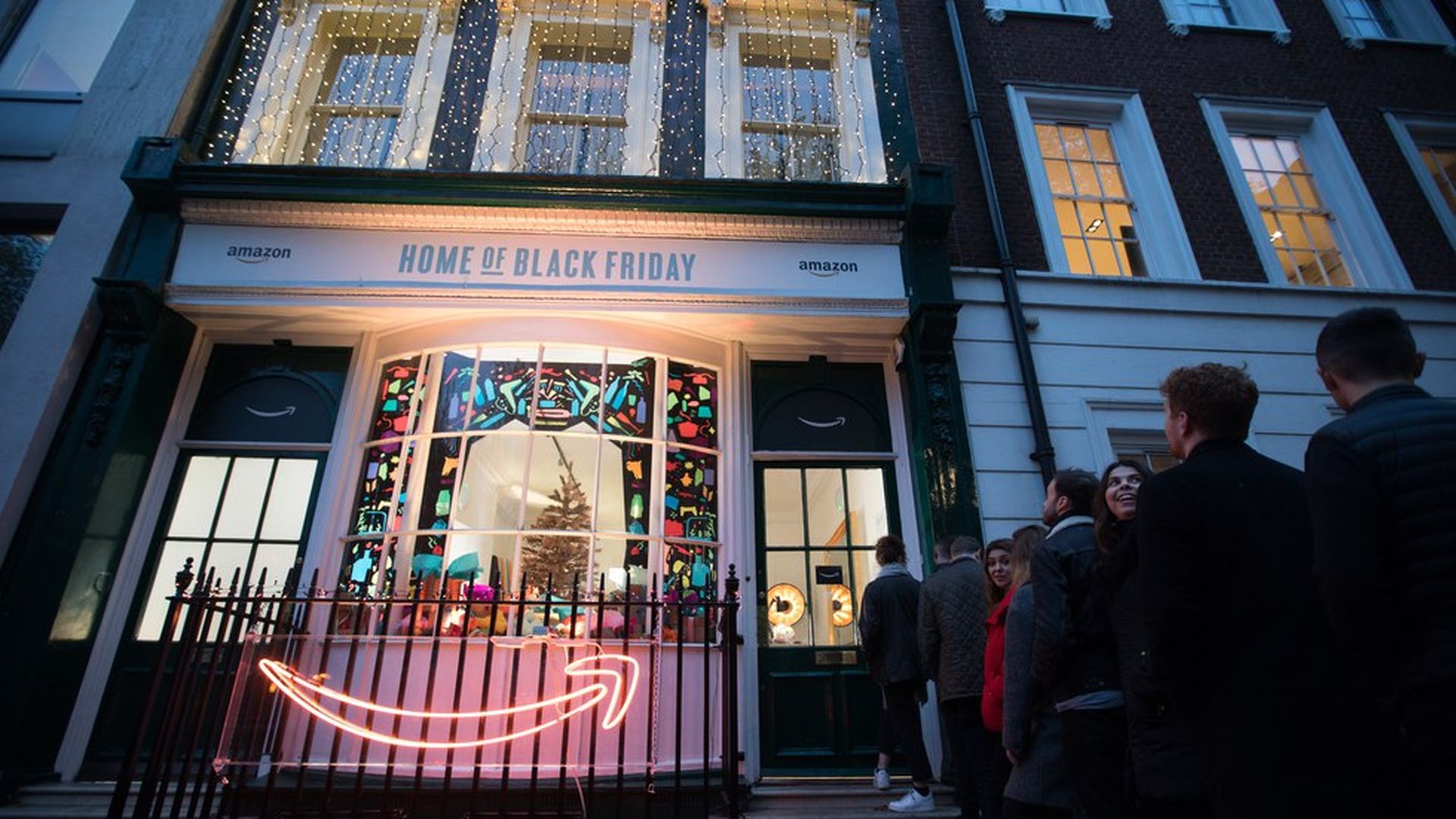
For a third-straight year, U.K. retailers celebrated Black Friday wildly, and Amazon dived into the spirit, deploying a five-room, 3,000-square-foot pop-up shop in London's Soho square.
Why it matters: Retail start-ups, e-commerce outlets, and brands are increasingly looking to pop-up stores as a means for driving sales and creating brand awareness. PopUp Republic, a services provider for the pop-up industry, estimates that broadly measured, these stores generate $50 billion in sales in the U.S. annually.
Android creator and former Google executive Andy Rubin left the company after an internal investigation found he'd had an inappropriate relationship with a subordinate, The Information reports. Rubin's spokesperson denied that any relationship during his time at Google was non-consensual.
Context: Rubin, a respected Silicon Valley exec, who now runs smartphone company Essential, is the latest high-profile tech figure to be accused of misconduct with female coworkers. Also today, NBC fired Matt Lauer for inappropriate sexual behavior in the workplace.
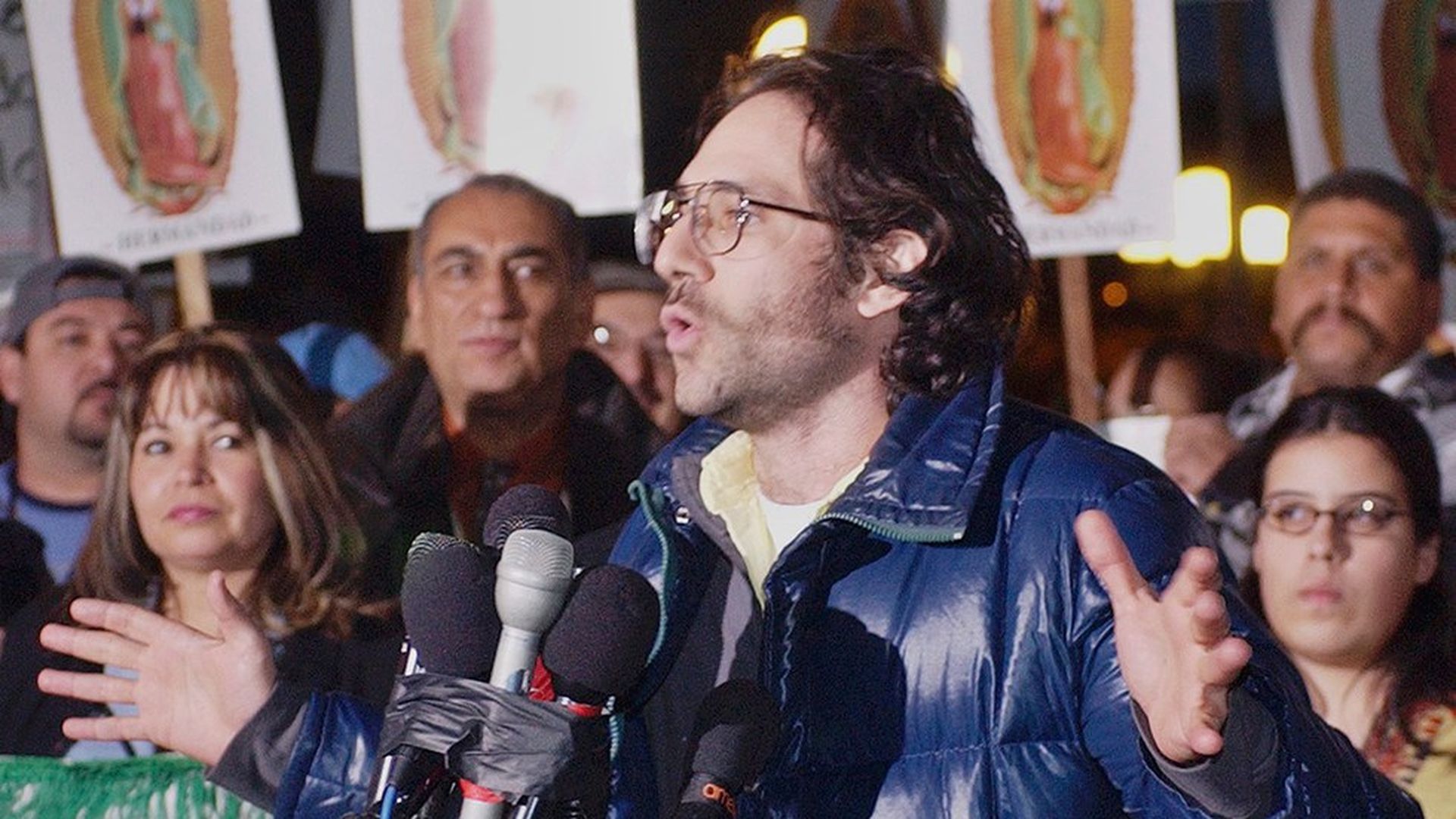
Dov Charney, the former CEO of American Apparel who was ousted in 2014 amid accusations of sexual misconduct, is back in the retail game after the official opening of Los Angeles Apparel's first retail location, Women's Wear Daily reports.
Los Angeles Apparel was launched last year as a wholesale manufacturer of American-made apparel, and Charney has ramped up his operations by relying on the same retail buyers as American Apparel did during its rise to a $630 million company in the throughout the 2000s and in the early part of this decade.
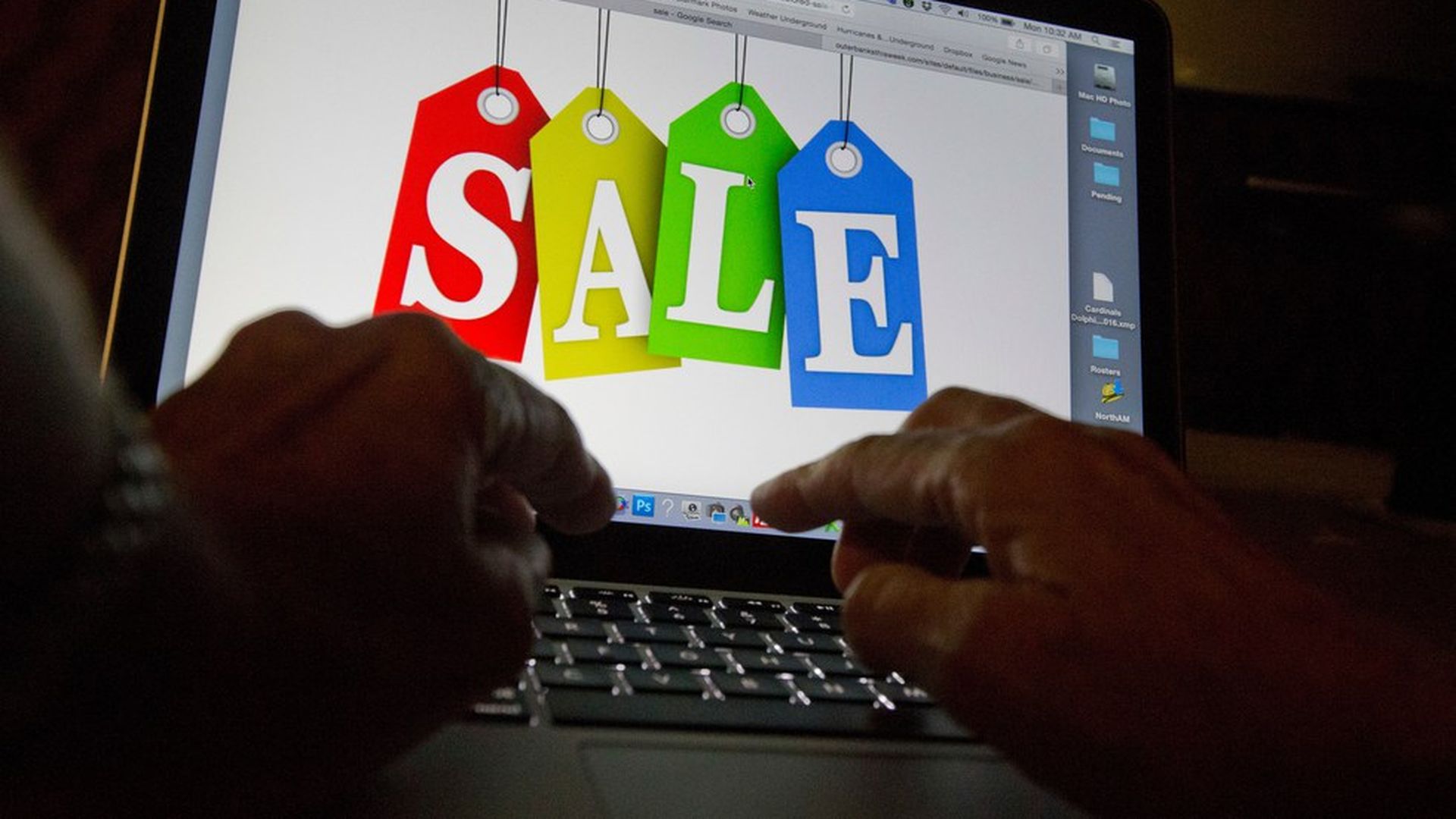
Inexplicably, Cyber Monday is still a thing. And bigger than ever.
Flashback: The invented holiday began in 2005 as a way to cater to online shoppers who used their work computers to order holiday presents.
Our thought bubble: That made some sense in the era where not everyone had a PC at home and many were on dial-up connections. The need for a separate shopping day in an era of ubiquitous smartphones and improved broadband access is far less clear.
Retail data breaches at point of sale are down during the holiday season, according to a BitSight report out this week, and the number of intrusions hitting retailers has been declining over time.
The big picture: The trend either indicates businesses heightening security measures during the holiday season or a decline in companies reporting the incidents due to the bustling holiday season, BitSight says.
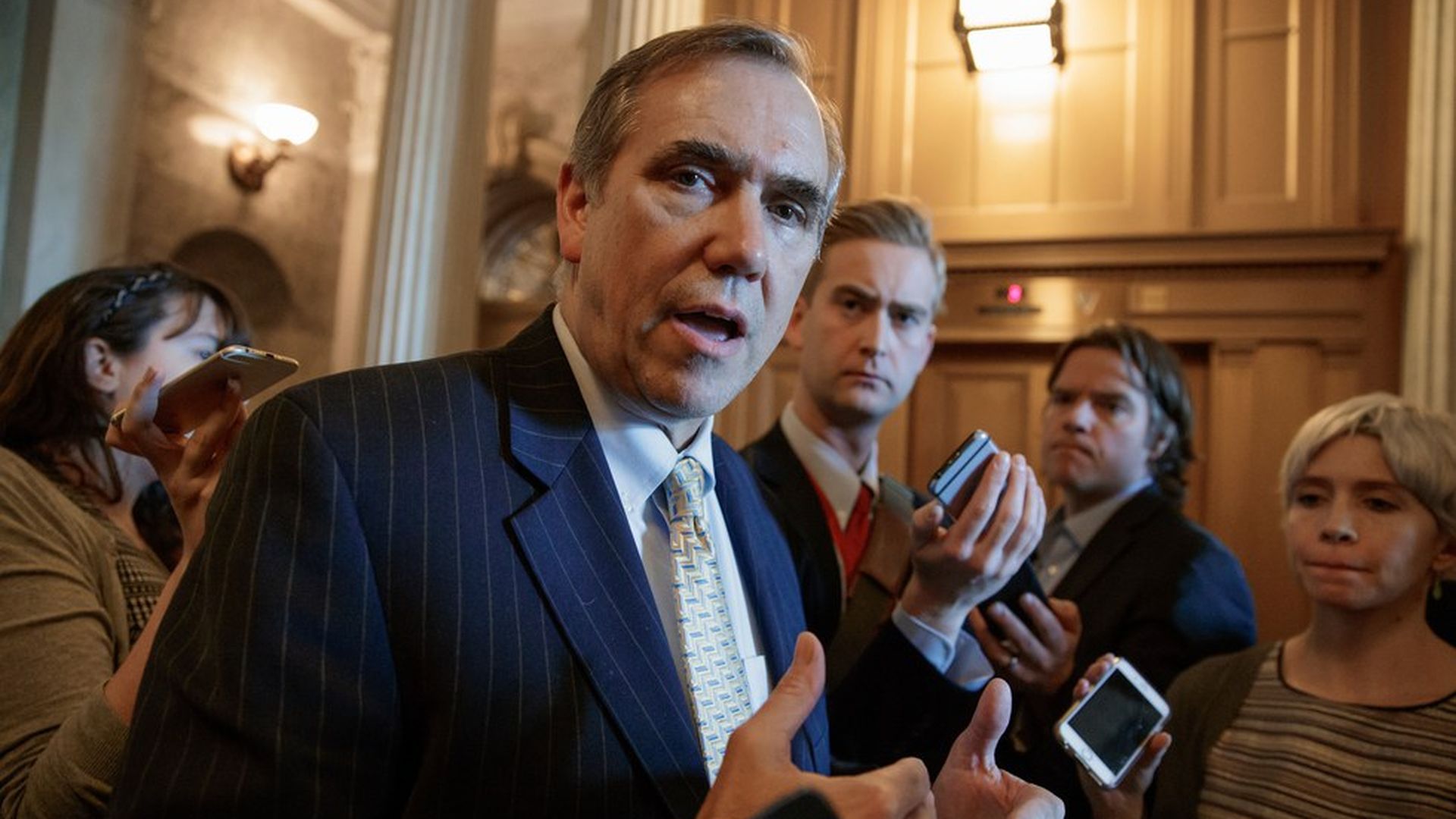
Sen. Jeff Merkley says domestic solar manufacturers should be helped by incentives instead of tariffs to compete with cheap imports, putting the Oregon Democrat on the side of most of the solar industry and against an Oregon-based manufacturer seeking tariffs from President Trump.
Why it matters: Merkley personifies the challenge facing clean-energy advocates in the pending solar trade battle: He wants to support renewable energy whenever possible, but one of his constituents is telling him cheap imports is hurting his home-state solar manufacturer. Merkley's comments to Axios, made earlier this month on the sidelines of a climate conference in Bonn, Germany, are the first the senator has made on the trade case.