Facebook is laying out its principles for advertising on Facebook, Messenger, and Instagram. The principles mostly reflect ideas that Facebook executives have already spoken to or have written about, like not selling personal user information, but the company feels that with increased questions and concerns around their ad policies, they need to more clearly define what they stand for.
Why it matters: Facebook has come under intense scrutiny over the past year for allowing bad actors to abuse its ad tools to discriminate against certain demographics or take advantage of vulnerable audiences in ways that are at best, controversial, and at worst, illegal.
The average price of products on Walmart.com is now just 0.3% higher than those on Amazon.com, according to a study by retail data analytics firm Market Track cited by Reuters. The study analyzed prices of 213 products over a period of 700 days ending November 7, 2017. That's down from an average of 3% higher during the first 350 days of the study ending in November of 2016.
Why it matters: These data illustrate Walmart's renewed focus on e-commerce in recent quarters, during which it has invested heavily in lower prices and expanding services like curbside pickup to drive online sales. Nevertheless, some analysts worry that these price cuts are shrinking Walmart's profits, and discouraging customers from shopping in its higher-margin stores.
President Trump took to Twitter this morning to blast television news networks ("not including Fox") for their coverage of his administration, proposing a contest between them for a "FAKE NEWS TROPHY."
But wait: There's more. Trump continued his morning media attack by singling out his former pals at MSNBC's Morning Joe:
One after another, regulators are making moves that underscore just how fast the media industry is changing, putting pressure on Washington to make sure laws keep up.
Why it matters: The internet has generally been seen as a democratizing force for the flow of information by giving diverse voices more ways to reach Americans. But new technologies, like high-speed broadband and automation, have changed the way information reaches people on the internet. And while media businesses scramble to respond, Washington is split on what to do.
Peter Thiel, the first major investor and a current board member at Facebook, has sold three-quarters of his remaining stake in the company, per Reuters. The move was part of a previously set trading plan, according to a filing document.
The backdrop: Thiel had already sold more than $1 billion worth of shares in Facebook before this most recent sell. He sold $640 million of stock in the company's IPO alone. A representative from Facebook told Reuters that the sale was routine and that Thiel continues to hold his seat on Facebook's board.
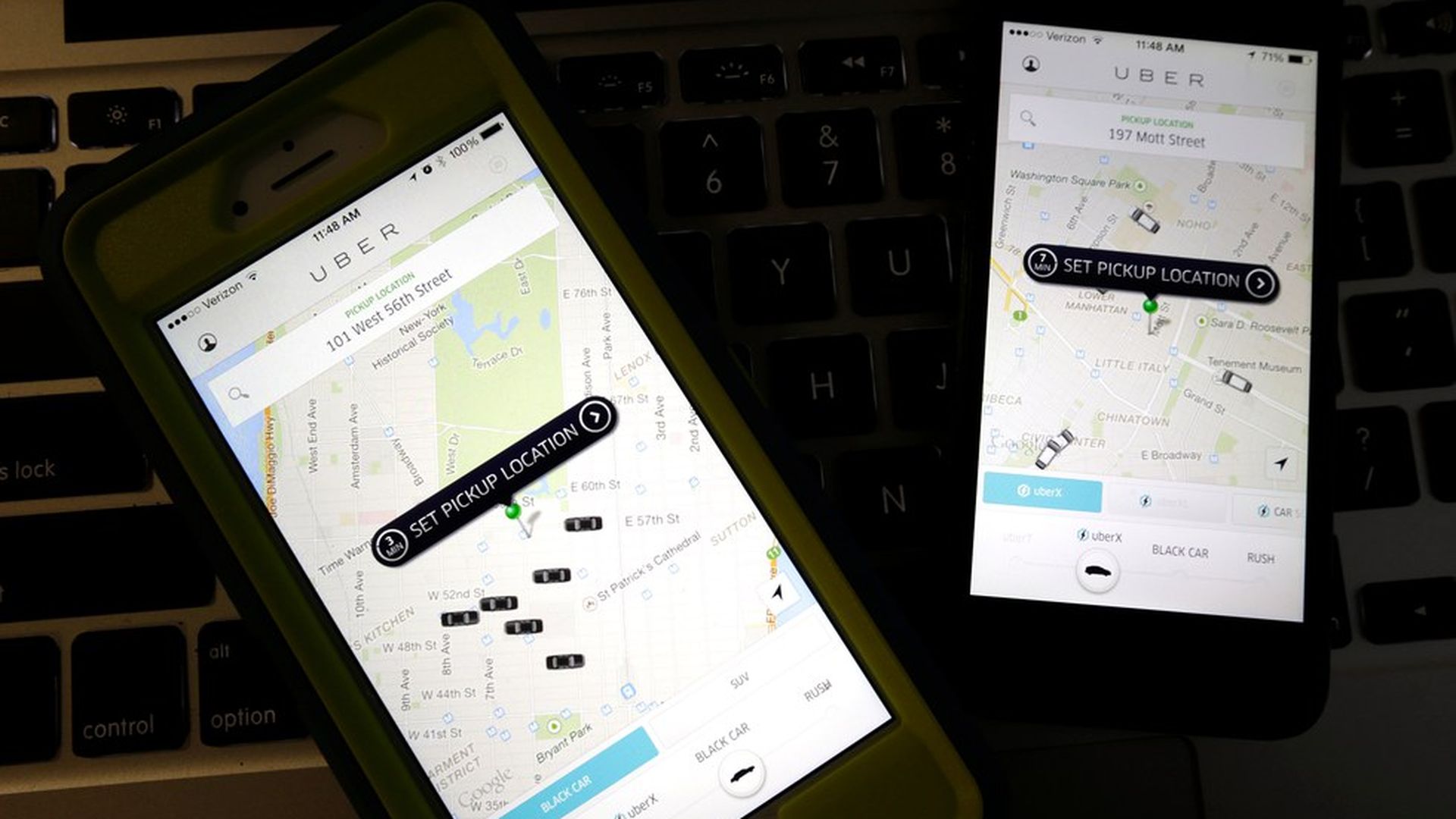
From a Financial Times Big Read, "Uber: the clean-up after [Travis] Kalanick continues," by Leslie Hook and Hannah Kuchler:
"Amid the [hacking] revelations, some have started wondering whether Uber can ever escape Mr Kalanick's shadow. As the company prepares to go public in 2019, further bad news could lead to a delay or a cut to Uber's valuation."
"[T]he backlash over the data breach is likely to build. When [CEO Dara] Khosrowshahi took the helm [Aug. 29], he praised Mr Kalanick's passion. But he may not have known the full extent of the clean-up act that he was undertaking.