Dov Charney, the former CEO of American Apparel who was ousted in 2014 amid accusations of sexual misconduct, is back in the retail game after the official opening of Los Angeles Apparel's first retail location, Women's Wear Daily reports.
Los Angeles Apparel was launched last year as a wholesale manufacturer of American-made apparel, and Charney has ramped up his operations by relying on the same retail buyers as American Apparel did during its rise to a $630 million company in the throughout the 2000s and in the early part of this decade.
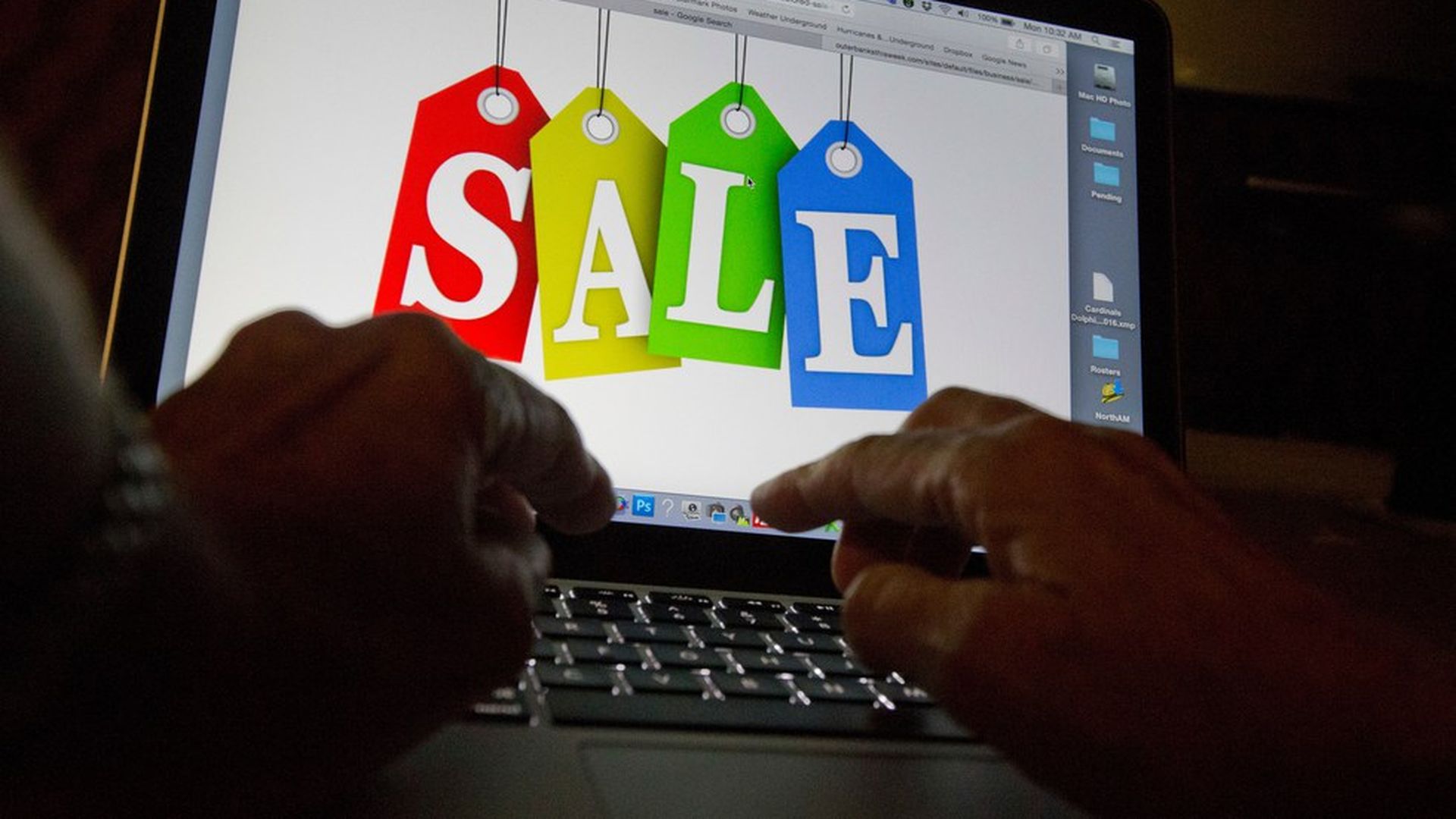
Inexplicably, Cyber Monday is still a thing. And bigger than ever.
Flashback: The invented holiday began in 2005 as a way to cater to online shoppers who used their work computers to order holiday presents.
Our thought bubble: That made some sense in the era where not everyone had a PC at home and many were on dial-up connections. The need for a separate shopping day in an era of ubiquitous smartphones and improved broadband access is far less clear.
Retail data breaches at point of sale are down during the holiday season, according to a BitSight report out this week, and the number of intrusions hitting retailers has been declining over time.
The big picture: The trend either indicates businesses heightening security measures during the holiday season or a decline in companies reporting the incidents due to the bustling holiday season, BitSight says.
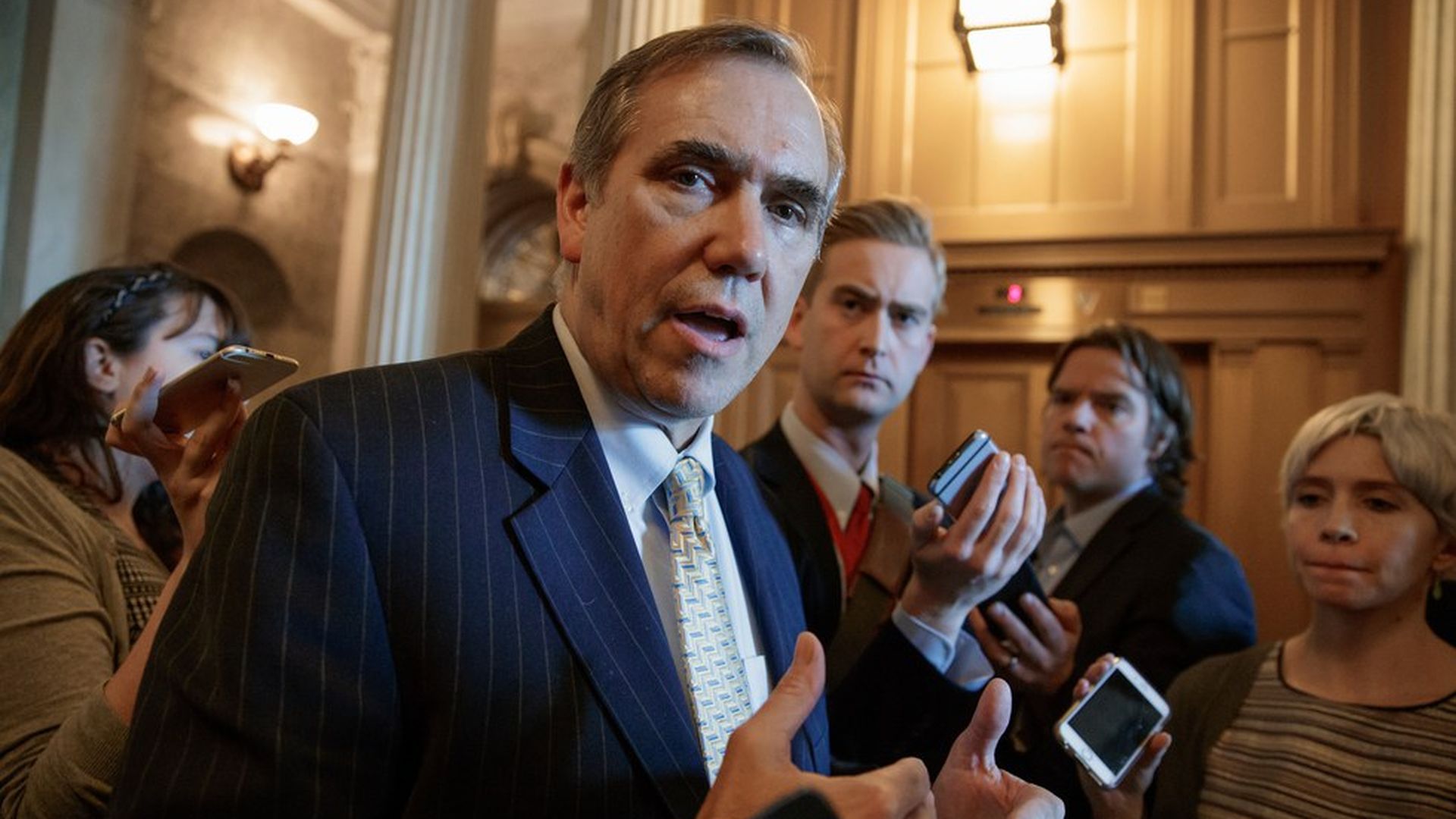
Sen. Jeff Merkley says domestic solar manufacturers should be helped by incentives instead of tariffs to compete with cheap imports, putting the Oregon Democrat on the side of most of the solar industry and against an Oregon-based manufacturer seeking tariffs from President Trump.
Why it matters: Merkley personifies the challenge facing clean-energy advocates in the pending solar trade battle: He wants to support renewable energy whenever possible, but one of his constituents is telling him cheap imports is hurting his home-state solar manufacturer. Merkley's comments to Axios, made earlier this month on the sidelines of a climate conference in Bonn, Germany, are the first the senator has made on the trade case.
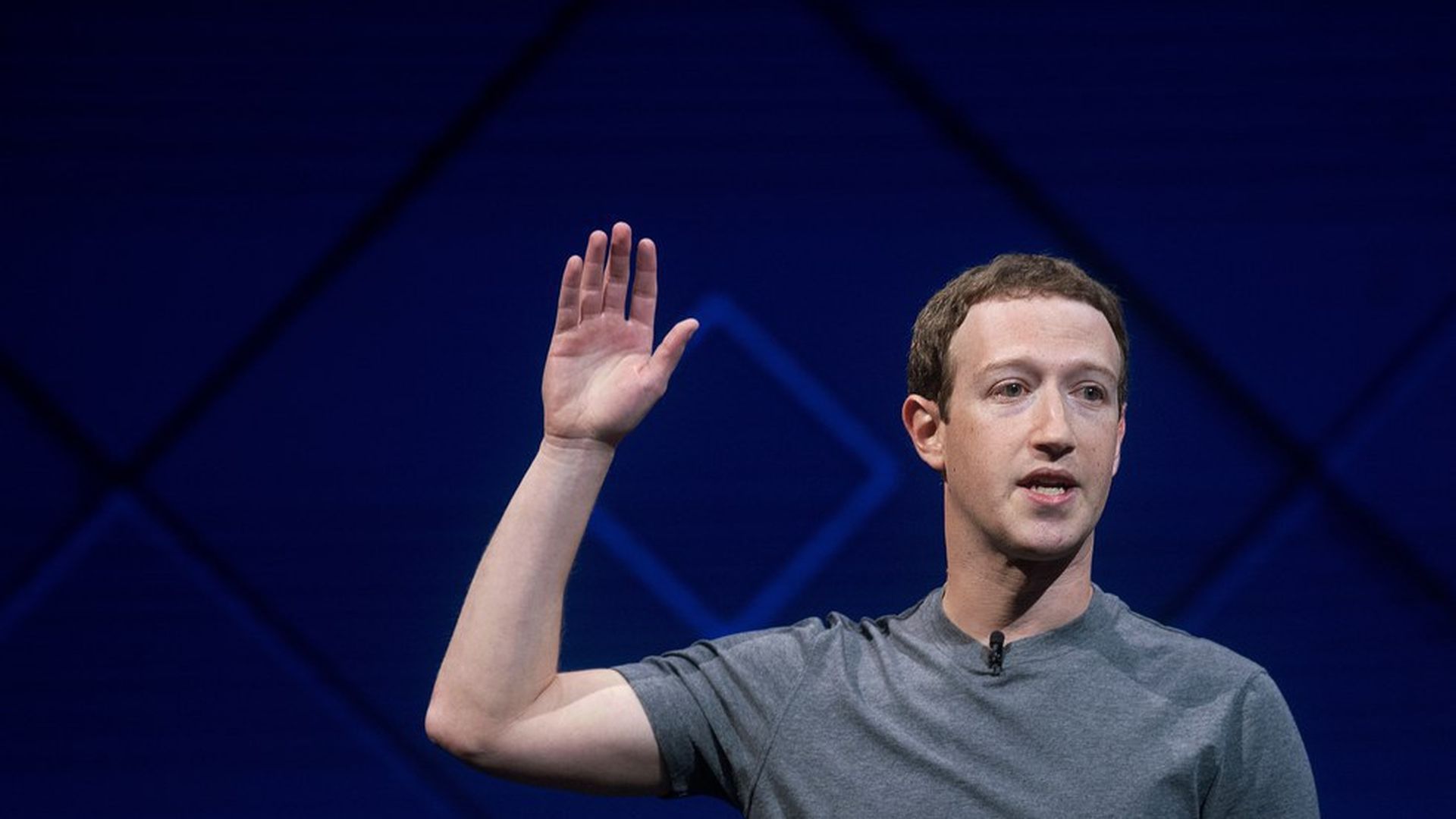
Facebook is laying out its principles for advertising on Facebook, Messenger, and Instagram. The principles mostly reflect ideas that Facebook executives have already spoken to or have written about, like not selling personal user information, but the company feels that with increased questions and concerns around their ad policies, they need to more clearly define what they stand for.
Why it matters: Facebook has come under intense scrutiny over the past year for allowing bad actors to abuse its ad tools to discriminate against certain demographics or take advantage of vulnerable audiences in ways that are at best, controversial, and at worst, illegal.
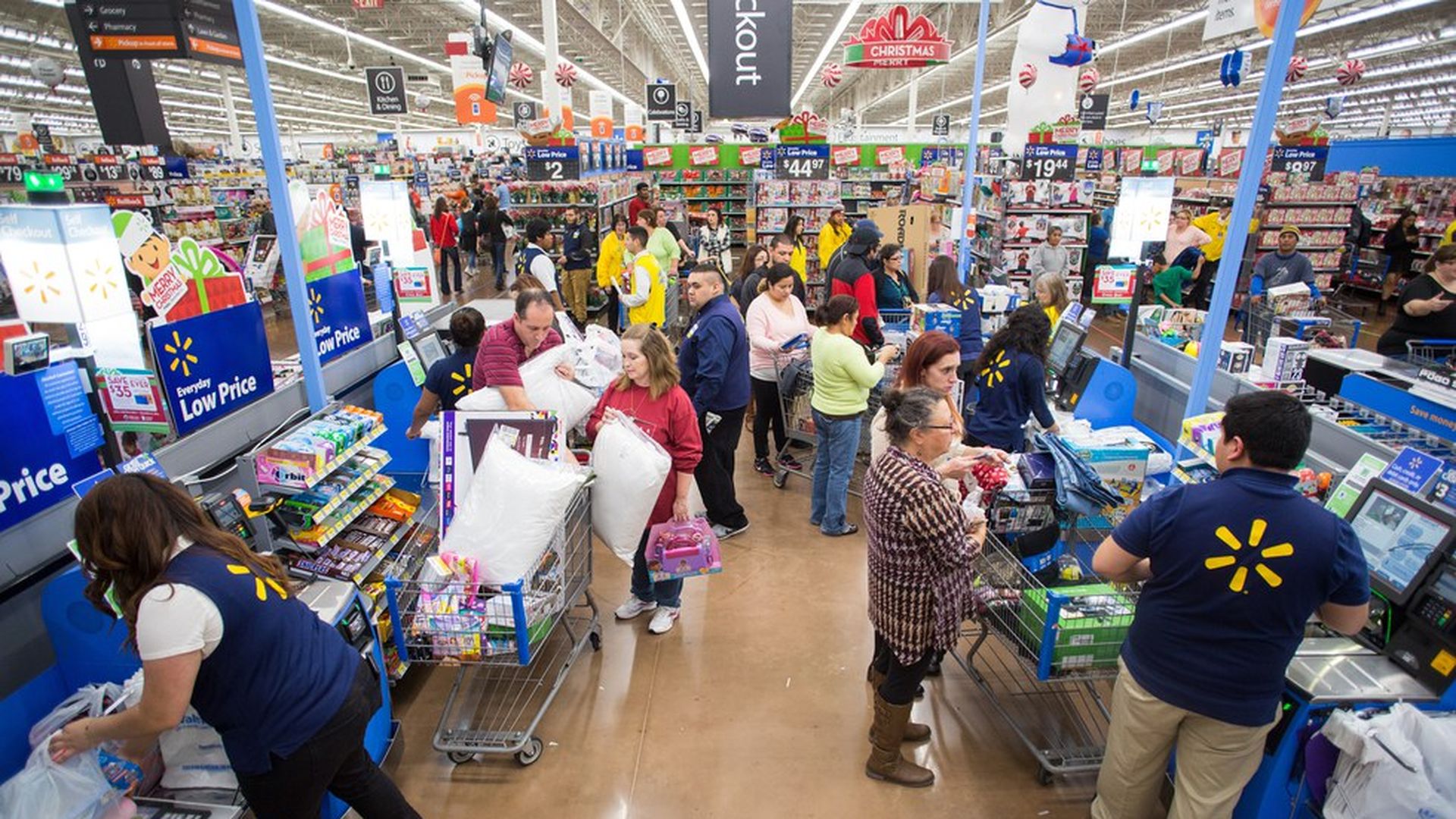
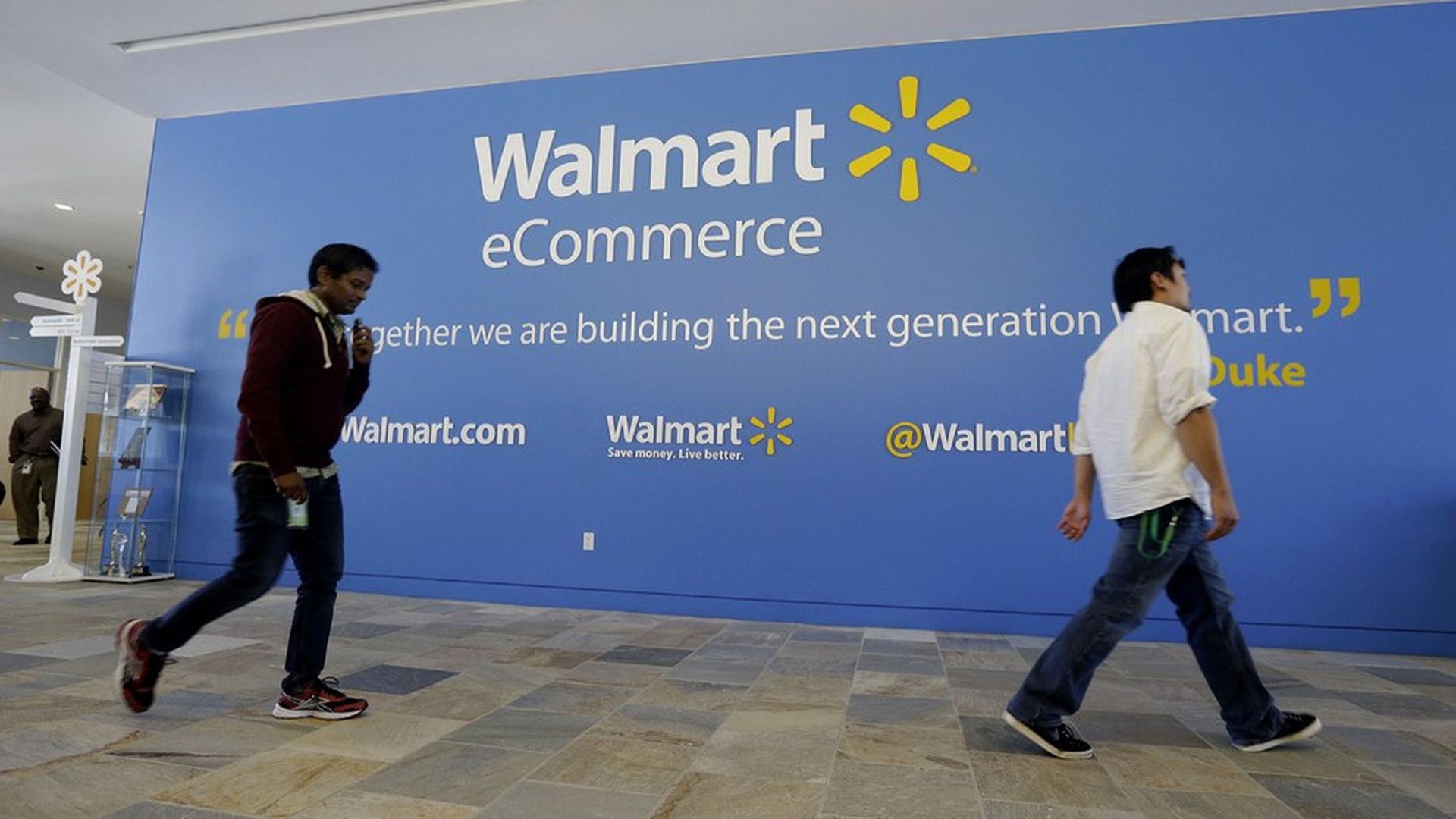
The average price of products on Walmart.com is now just 0.3% higher than those on Amazon.com, according to a study by retail data analytics firm Market Track cited by Reuters. The study analyzed prices of 213 products over a period of 700 days ending November 7, 2017. That's down from an average of 3% higher during the first 350 days of the study ending in November of 2016.
Why it matters: These data illustrate Walmart's renewed focus on e-commerce in recent quarters, during which it has invested heavily in lower prices and expanding services like curbside pickup to drive online sales. Nevertheless, some analysts worry that these price cuts are shrinking Walmart's profits, and discouraging customers from shopping in its higher-margin stores.
President Trump took to Twitter this morning to blast television news networks ("not including Fox") for their coverage of his administration, proposing a contest between them for a "FAKE NEWS TROPHY."
But wait: There's more. Trump continued his morning media attack by singling out his former pals at MSNBC's Morning Joe:
One after another, regulators are making moves that underscore just how fast the media industry is changing, putting pressure on Washington to make sure laws keep up.
Why it matters: The internet has generally been seen as a democratizing force for the flow of information by giving diverse voices more ways to reach Americans. But new technologies, like high-speed broadband and automation, have changed the way information reaches people on the internet. And while media businesses scramble to respond, Washington is split on what to do.