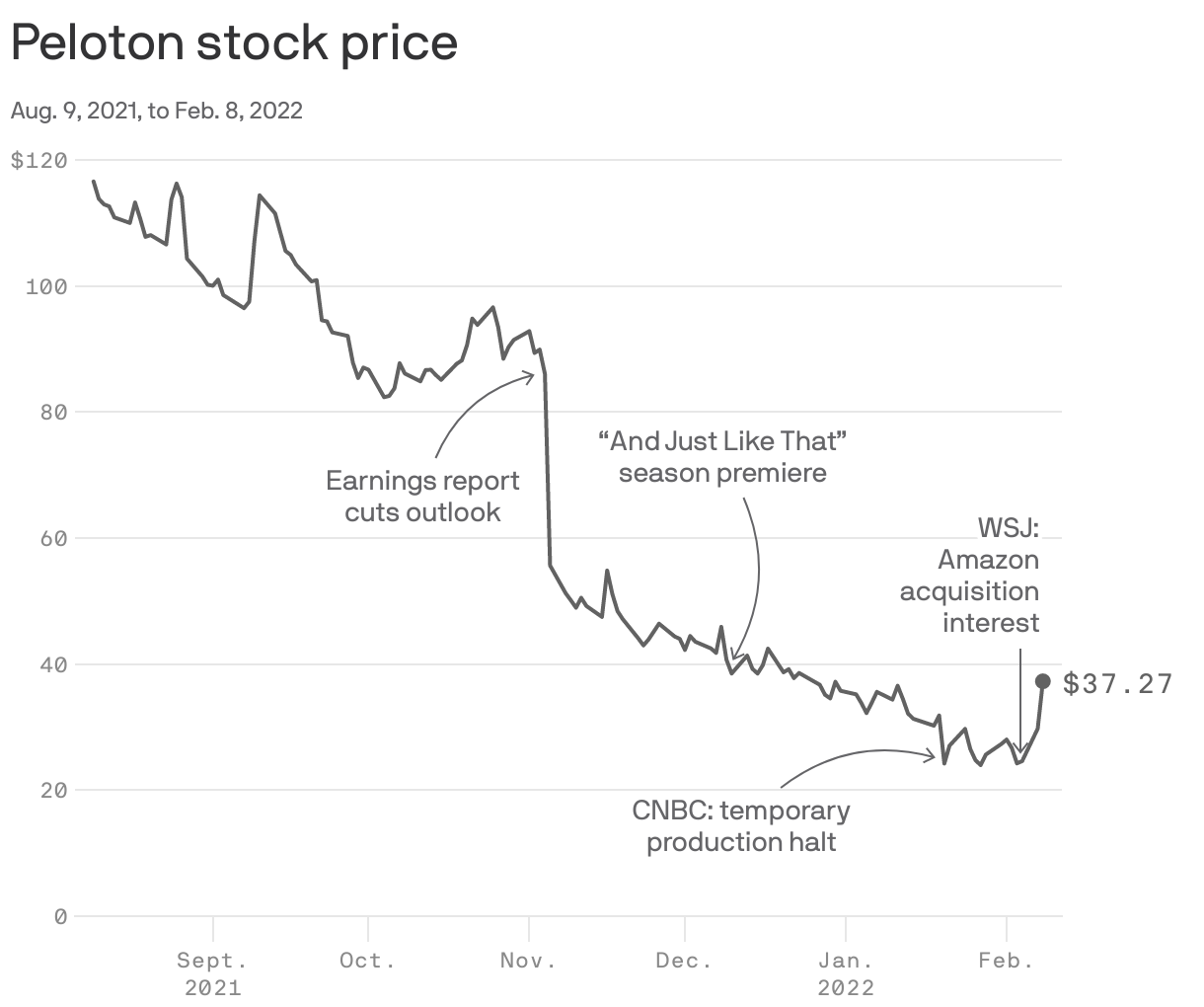
Peloton investors are loving the idea of a rescue by way of acquisition.
Catch up quick: Peloton’s stock price shot up 21% since Friday's close, when the Wall Street Journal reported Amazon and other companies like Nike might be interested in a takeover.
The U.S. and Japan on Monday announced an agreement that will end steel tariffs imposed by former President Trump.
State of play: The U.S. remove the 25% tariff for a limited amount of steel products, specifically 1.25 million pounds, coming in from Japan, according to senior U.S. Trade Representative and Department of Commerce officials.
Census, a startup that helps companies pull information out of data warehouses, has raised $60 million in new funding led by Tiger Global at a $630 million post-money valuation, Axios has learned.
Why it matters: Census helps solve a very real problem, as evidenced by investors paying that price for a company that's generating just over $2 million of annual recurring revenue.
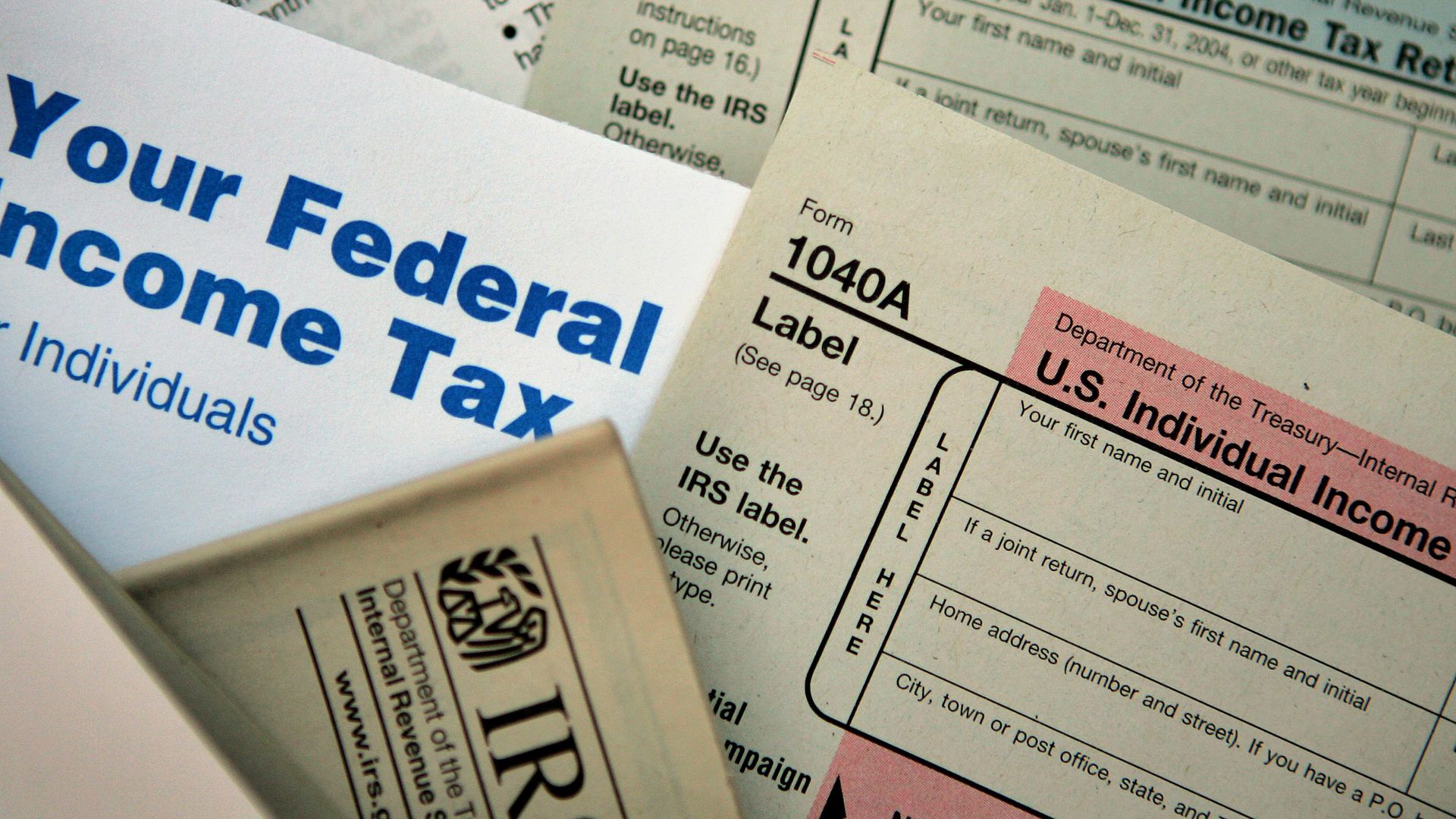
The IRS will abandon a push to have some taxpayers use facial recognition software to identify themselves, the agency confirmed on Monday.
Why it matters: The initial decision to use facial recognition software sparked significant backlash and a debate about how the government should use such technology, with critics warning of the risk that information collected could be used for other purposes.
Decades ago, raising traditional venture capital was virtually off limits to Black entrepreneurs — but some pioneering organizations like the Boston-based Urban National Corp., founded in 1971, proved it was good business.
Why it matters: With just 1.3% of venture capital invested in Black-led startups last year, many of today’s Black entrepreneurs are facing the same funding gap their predecessors did 50 years ago.
The pirates of Silicon Valley are back. This time they’re armed with digital tokens and blockchains — and the Bay Area address is optional.
Why it matters: The so-called “Web3” category of technologies is not only an opportunity to rebuild the internet, as its evangelists say. It's also an opportunity for the tech industry's VCs and entrepreneurs to reclaim their status as the underdogs after years of discomfort with being part of the new establishment.
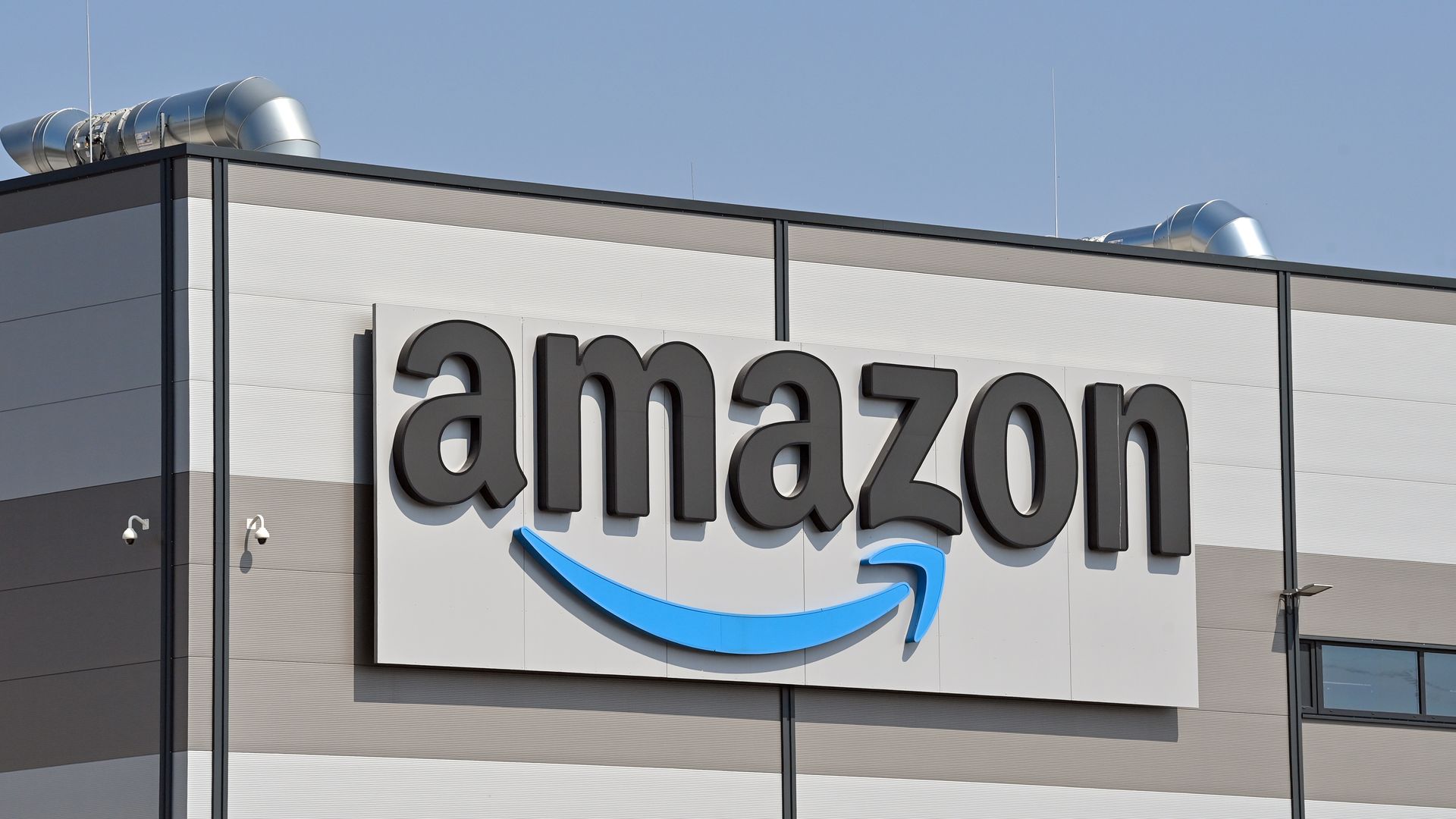
Amazon will raise its maximum base pay for corporate and tech workers to $350,000 from $160,000, Geekwire reports.
Why it matters: The move is intended to bring Amazon in line with competitors like Google, Facebook, Apple and Microsoft, and to help ensure the company retains employees and recruits top talent.
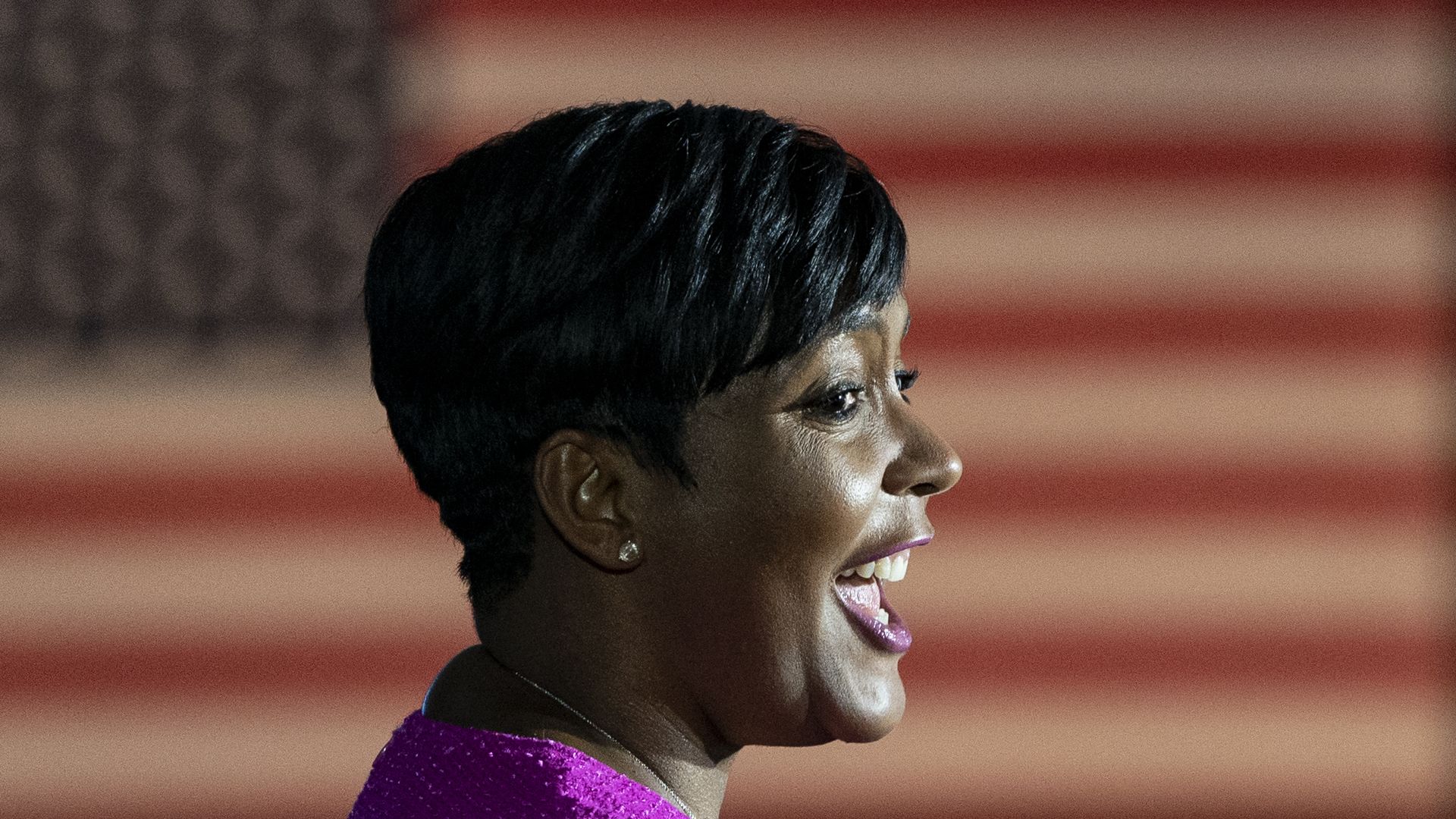
Former Atlanta Mayor and one-time vice presidential hopeful Keisha Lance Bottoms is joining CNN as a political commentator.
Why it matters: In an exit interview with Axios Atlanta, Bottoms promised to remain engaged in politics and campaign for Democrats in 2022, but had not disclosed any paid work until now.
Innovid, a publicly-traded ad tech company that specializes in measuring and distributing digital TV ads, has purchased TVSquared in a deal valued at $160 million.
Why it matters: The deal combines Innovid's streaming expertise with TVSquared's strength in linear TV. Further, it gives Innovid the scale necessary to compete for market share in an increasingly crowded field for TV measurement.
Tesla said Monday that a California state agency warned it has grounds for a civil complaint over allegations of race discrimination and harassment at the company.
Why it matters: A federal jury in California last year ordered Tesla to pay $137 million in damages to a Black former employee who accused the company of ignoring racist abuse he endured from other workers.
Some pharmacies are getting paid as little as $1 to dispense the COVID antiviral pills made by Pfizer and Merck.
Why it matters: Most pharmacies want to offer the drugs, especially the one from Pfizer that drastically cuts the odds of hospitalization and death. But low payments could hurt Americans' ability to access the pills in some areas if pharmacies decide they can't afford to stock them.
The U.S. SPAC boom has become a SPAC bust, with dozens of post-merger companies trading below their sale prices. But that hasn't stopped foreign stock exchanges from enthusiastically grasping for the falling knife.
The strong jobs report Friday morning drove a violent rise in Treasury bond yields, as more investors came around to the view that the Fed might be able to sustainably put the rock-bottom rates of recent years in the rearview mirror.
Driving the news: Yields on the 10-year Treasury note climbed above 1.9%, the highest since late 2019.
The startlingly rapid pace of job creation in January captured all the headlines Friday. But other details contain the biggest implications for markets in the months ahead: namely, wage growth.
Why it matters: Wages soared last month, great news for workers seeking bigger raises that help keep up with inflation. But that could fuel higher inflation in the future and prompt a more aggressive response from the Federal Reserve.
A close look at 25 of the world's largest companies with net-zero emissions pledges shows that most of those goals aren't what they seem.
Why it matters: Evaluating corporate pledges to reduce emissions can help consumers decide which companies to purchase from or invest in, and can help motivate poorly reviewed companies to take additional action.
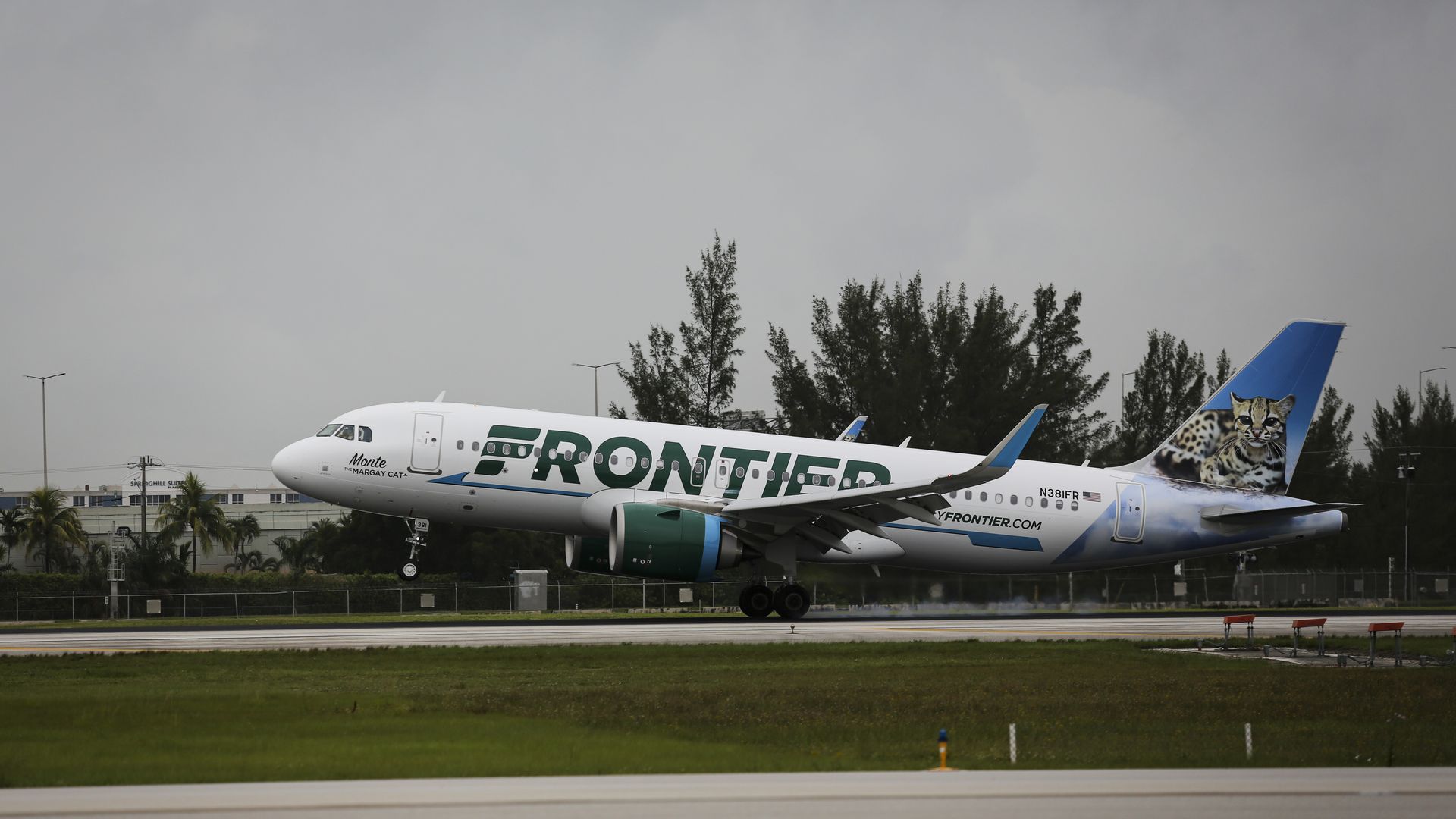
Spirit Airlines (NYSE: SAVE) agreed to merge with Frontier Group (Nasdaq: ULCC) in a $2.9 billion cash-and-stock deal that expands to $6.6 billion once debt and lease liabilities are included.
Why it matters: This creates the fifth-largest U.S. airline, by combining the country's two largest budget carriers.
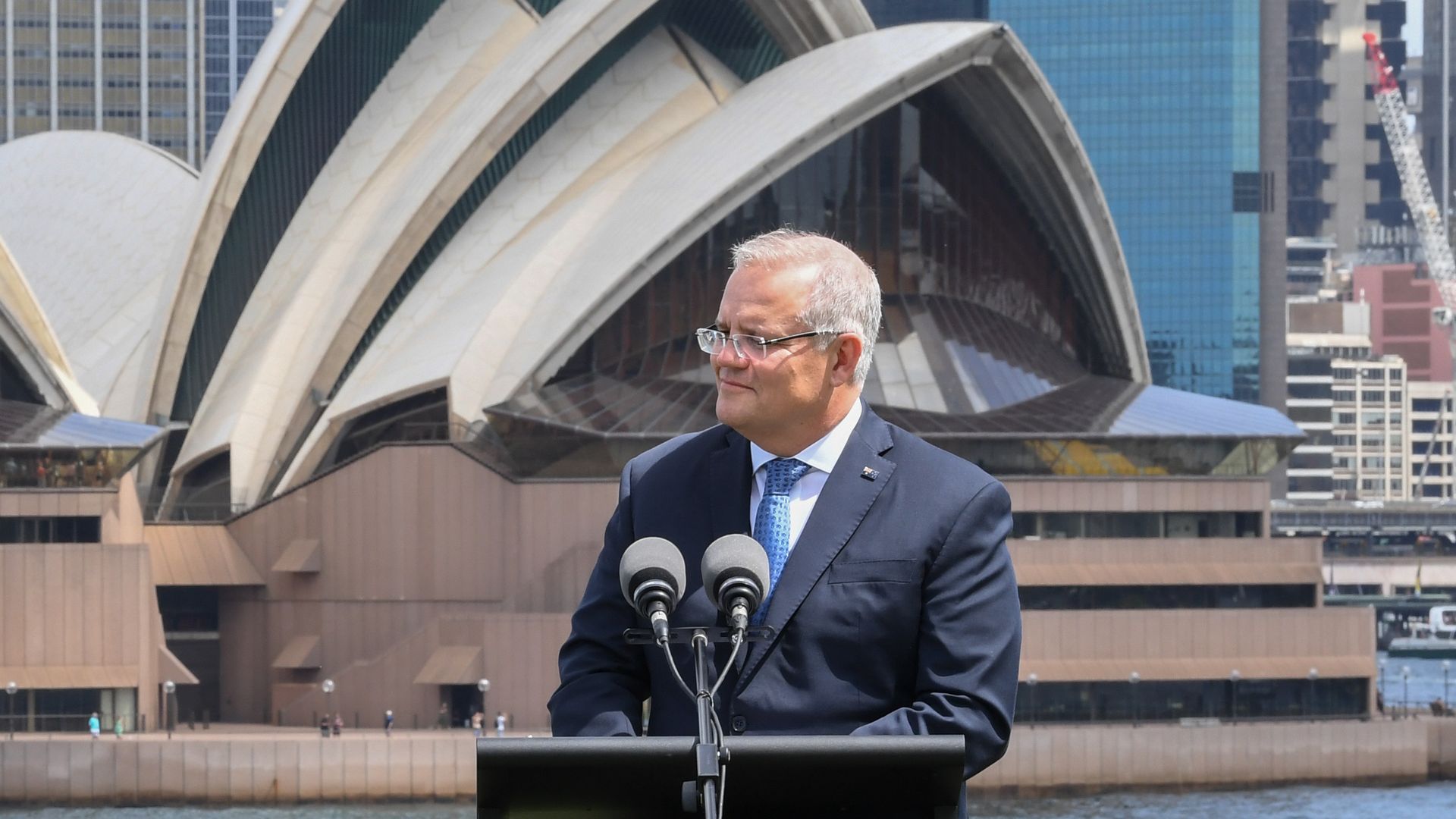
Australia will reopen its borders from Feb. 21 to foreign travelers who have received two COVID-19 vaccine doses, Prime Minister Scott Morrison announced Monday.
Why it matters: Australia's borders have been shut to most non-residents since March 2020. Its tough pandemic policies made headlines last month when world men's tennis no. 1 Novak Djokovic was deported from the country for being unvaccinated.