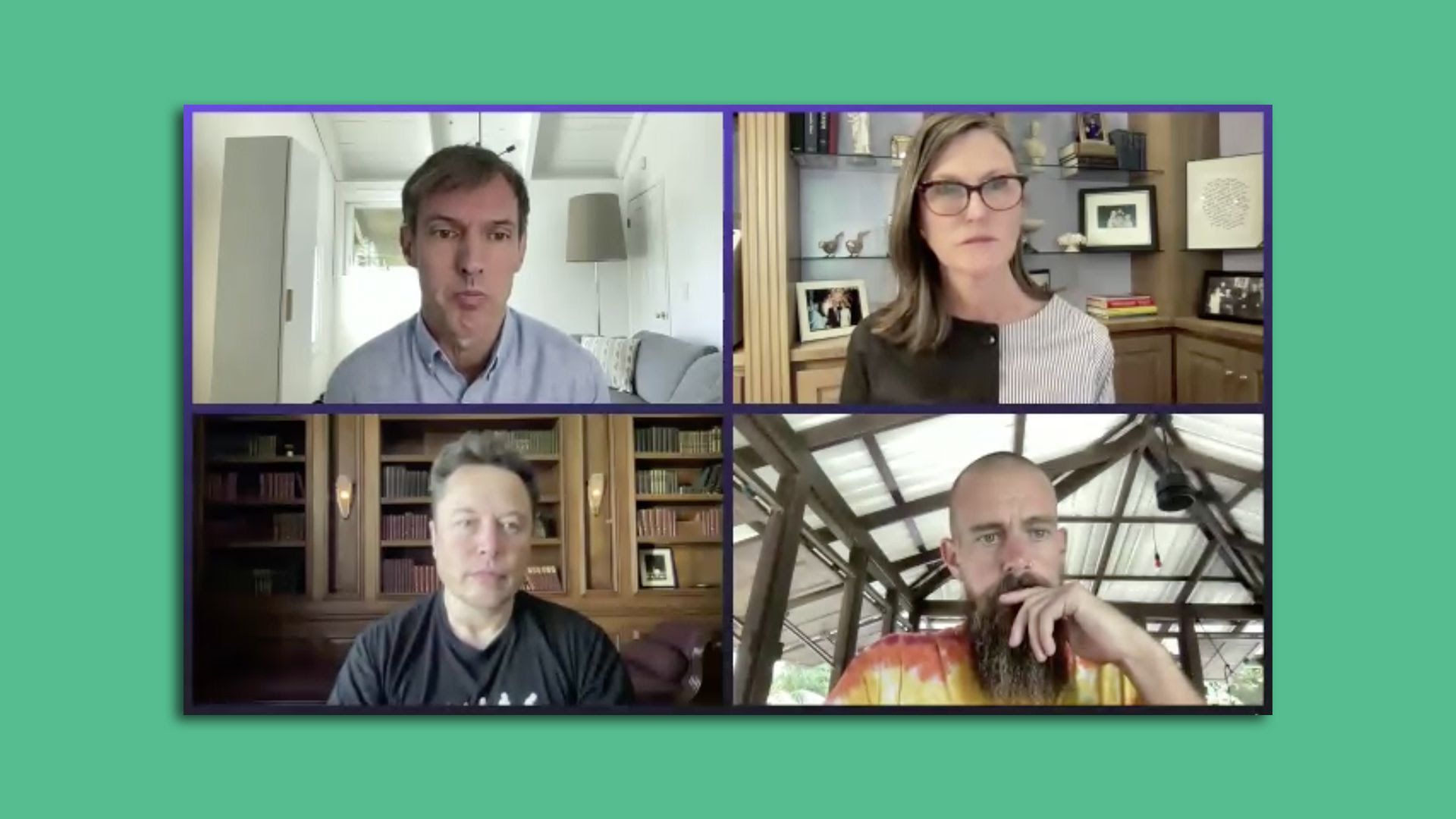
For a little over an hour on Wednesday, ARK Invest CEO and CIO Cathie Wood, Twitter and Square CEO Jack Dorsey, and Tesla and SpaceX CEO Elon Musk laid out their main hopes for decentralized cryptocurrencies: world peace and improving individual lives.
The Crypto Council for Innovation, along with ARK, Square and crypto investment firm Paradigm, put on “The B word” event.
Why it matters: Global scrutiny toward cryptocurrency exchanges and mining has grown. Proponents are trying to draw strength in numbers.
Americans are more pessimistic than ever before about their kids' financial future, according to new data from the Pew Research Center.
The big picture: It's not just America.A majority in almost all of the 17 countries surveyed by Pew thinks kids will be worse off financially. It's been that way since at least 2013.
BDG Media (formerly Bustle Digital Group) is acquiring Some Spider Studios, the media company home to parenting brands Fatherly, Scary Mommy and The Dad, the company announced Wednesday.
Why it matters: The deal will give BDG Media the scale it needs before exploring an IPO later this year via a SPAC (special purpose acquisition company.)
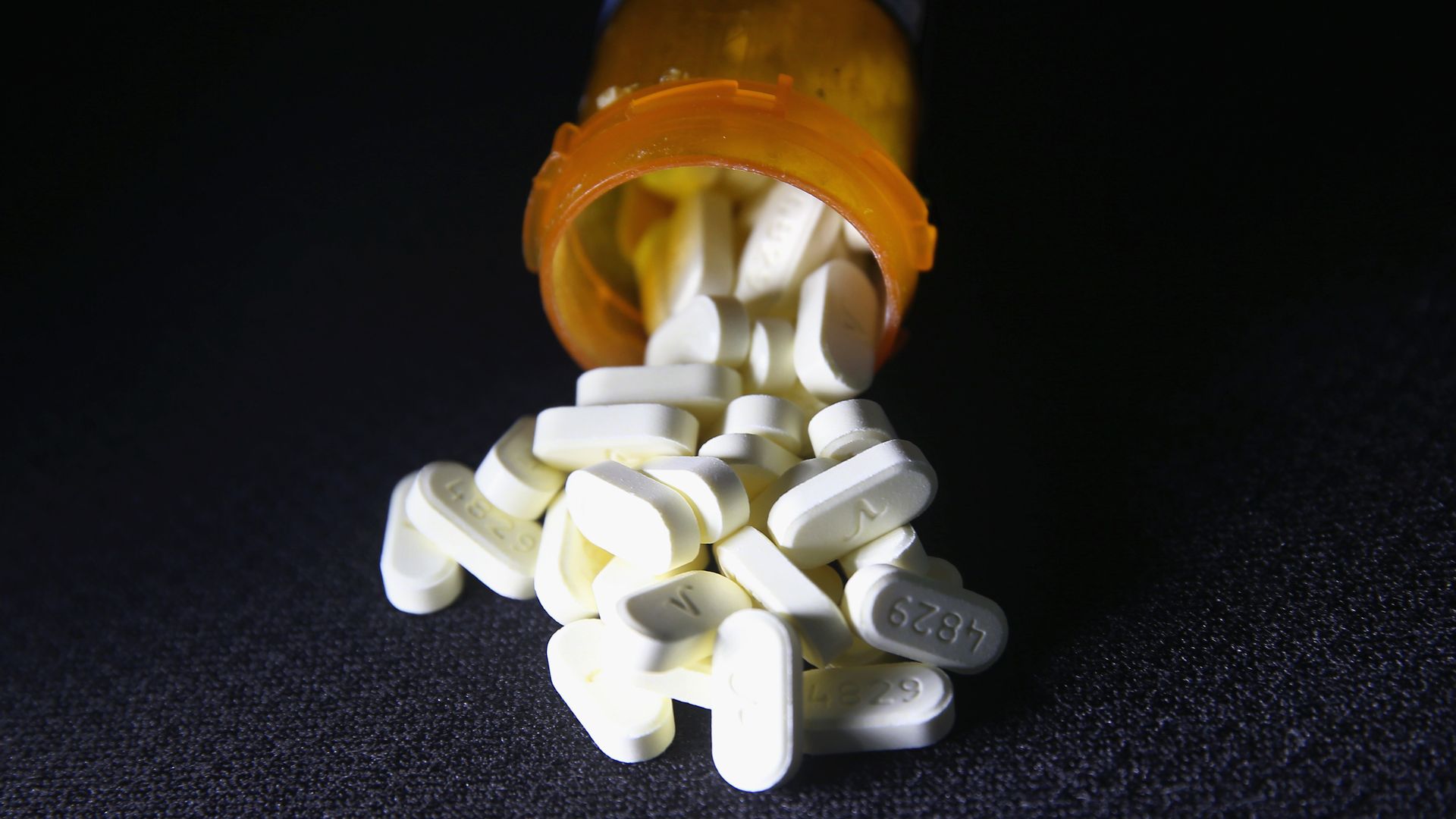
The three dominant prescription drug distributors — AmerisourceBergen, Cardinal Health and McKesson — and Johnson & Johnson have agreed to pay a combined amount of $26 billion to settle allegations that they fueled the country's opioid crisis.
Why it matters: The companies, which have admitted no wrongdoing, are paying a sum of money that equates to 4% of their combined annual revenue. Meanwhile, a record 70,000 Americans died from opioid overdoses during the pandemic in 2020.
Anthem is "going to continue to evaluate" the data around Aduhelm, the controversial Alzheimer's drug, before making final insurance coverage decisions, CEO Gail Boudreaux told investors Wednesday.
Why it matters: Several other Blue Cross Blue Shield insurers have said they will not cover Aduhelm, but Anthem is still weighing the options like its competitor UnitedHealth, which also wants to wait and see what the federal government says.
FTX, a Hong Kong-based cryptocurrency exchange that launched in 2019, raised $900 million in Series B funding at an $18 billion valuation.
Why it matters: It's the largest-ever VC round for a crypto company, let alone for an exchange that prohibits Americans from trading on its primary marketplace.
Virtually Human Studio (VHS), a platform used to virtually race horses using NFTs, has raised a $20 million Series A round from The Chernin Group, with participation from Andreessen Horowitz and Red Beard Ventures.
Why it matters: The company's virtual horse racing platform, called "ZED RUN," has created a new model for horse racing that enables participants to not only bet on their horses 24/7, but also own the horses as NFTs (non-fungible tokens), or put more simply — digital assets.
It's one of the biggest competitions out there: Who will be the go-to platform for buying and selling stock in private companies? A consortium of giant banks is now teaming up with Nasdaq to try to ensure that the answer is to be found on Wall Street, rather than in Silicon Valley.
Why it matters: No matter how many companies go public, the total valuation of private companies only ever seems to go up rather than down. Which means there's big money to be made in trading stakes in those companies.
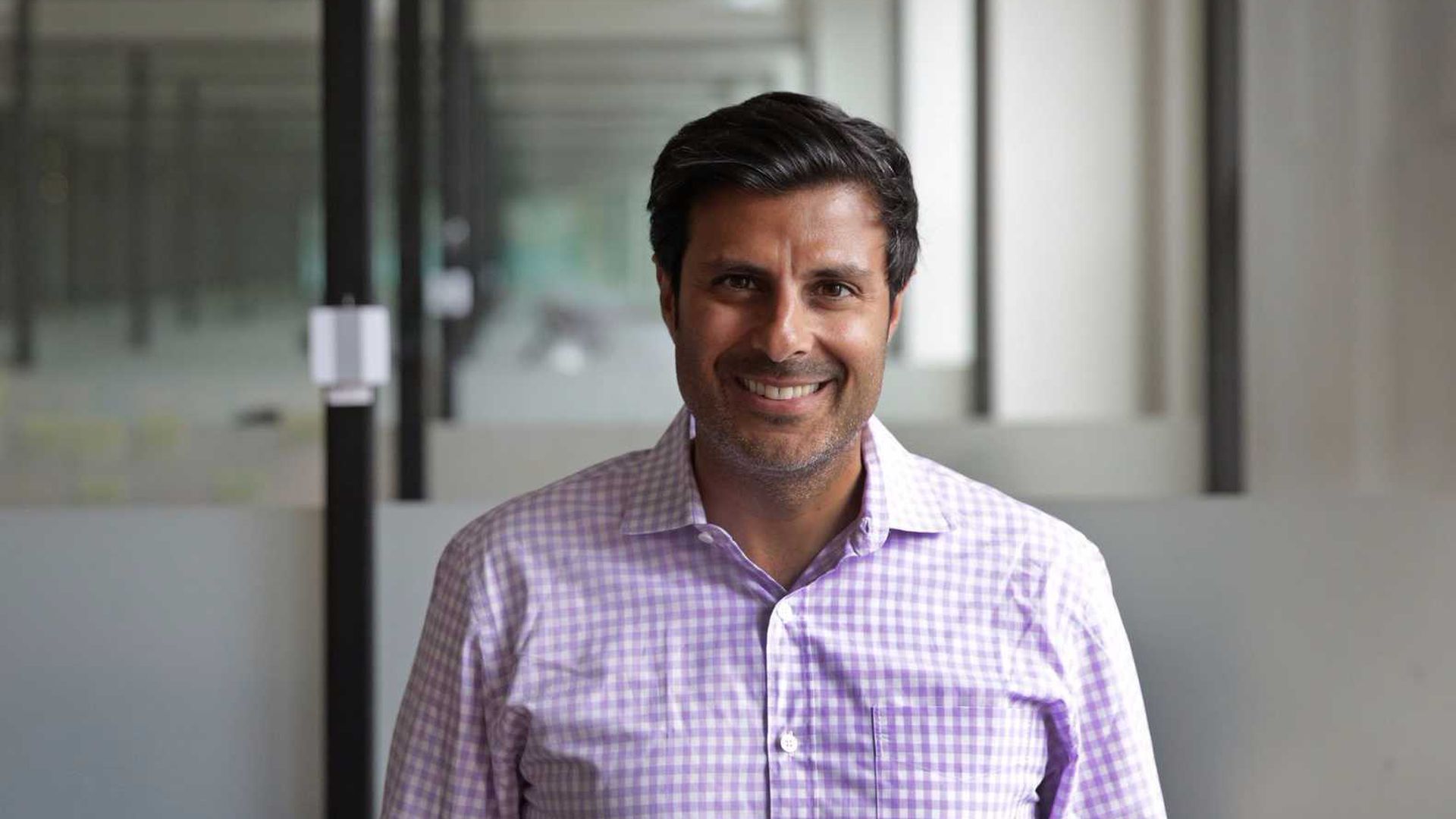
As CEO of a firmthat advises thousands of the biggest U.S. companies, Joe Ucuzoglu knows all about the Great Resignation.
What he's saying: "'The Great Resignation' is really an appropriate descriptor," he says, attributing the phenomenon in part to the very real pent-up demand to change jobs — or even careers — that’s been simmering over the last year.
Treasury yields have been falling, and yet stock prices remain near record highs. On the surface, this seems like conflicting attitudes toward risk. But a closer look at these markets reveals a much more consistent narrative.
Why it matters: Since March, long-term Treasury yields have been sliding, with the 10-year yield falling from 1.74% in late March to as low as 1.13% on Monday.
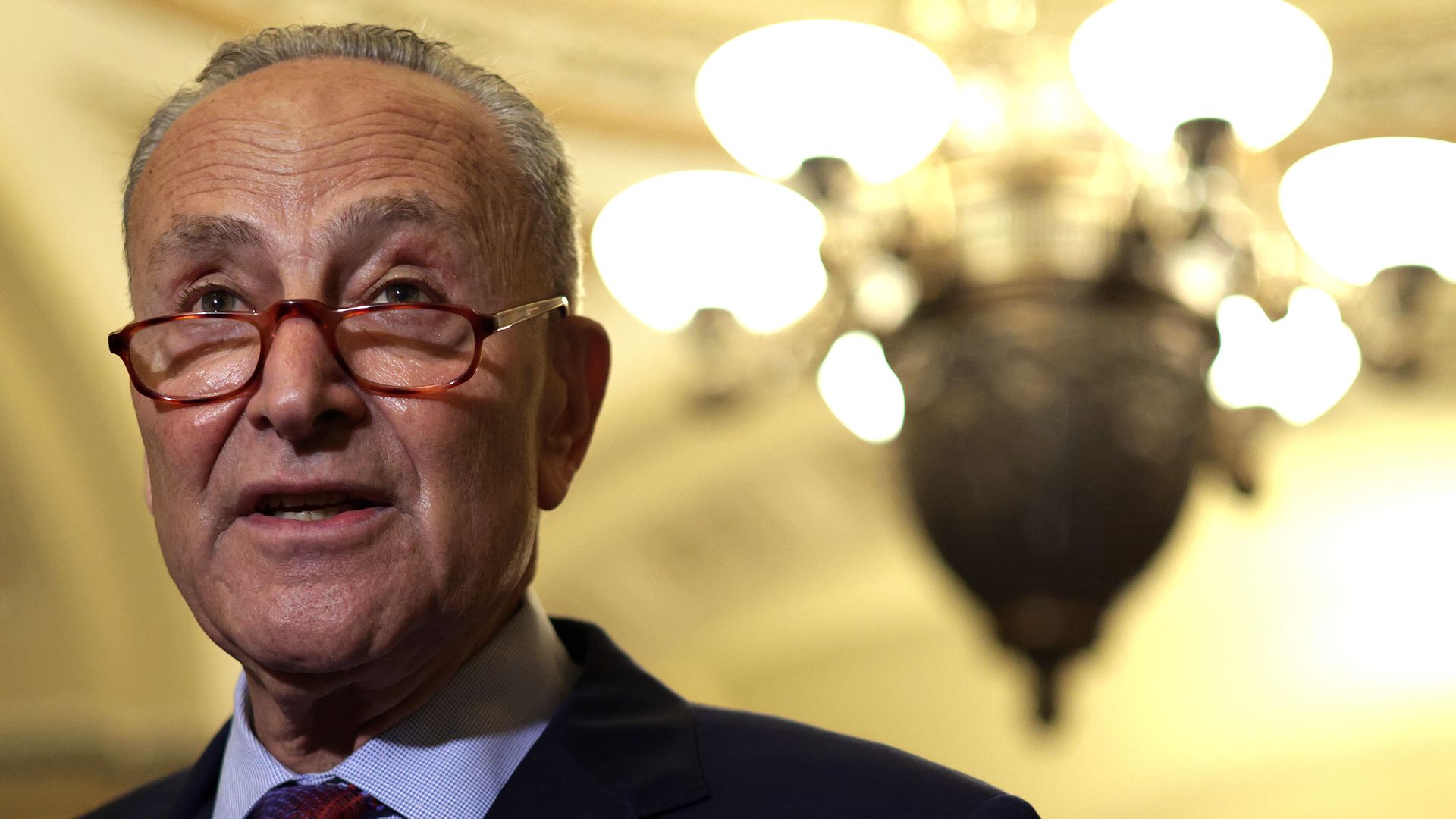
Senate Majority Leader Chuck Schumer (D-N.Y.) on Wednesday will release a report by Moody’s chief economist Mark Zandi to push back on GOP attacks, arguing that the bipartisan infrastructure deal and Democrat-only social-spending package would help the economy.
Zandi writes, in excerpts provided to Axios: "Greater investments in public infrastructure and social programs will lift productivity and labor force growth, and the attention on climate change will help forestall its increasingly corrosive economic effects."
America's vegetarians and vegans are winning the inflation fight as meat prices go up while veggies get cheaper.
By the numbers: In June, Americans shelled out 6% and 5% more for beef steaks and roasts respectively. And they paid 5% more for pork chops, according to Consumer Price Index data reported by MarketWatch.
Meanwhile, canned vegetable prices dropped by 1.2% and frozen by 0.7%.
Another headache for meat lovers: Fast food chains are dealing with a fried chicken shortage as the country continues to feel the repercussions of the pandemic's disruption of meat-packing plants.
The big picture: About 5% of Americans are vegetarian and 3% are vegan, per Gallup. Despite greater attention to meat alternatives, that rate hasn't changed much in the last couple of decades.
Eight percent of 18- to 34-year-olds and 7% of 35- to 54-year-olds are vegetarian, compared with just 2% of those over the age of 55, according to Gallup.
To appease employees, customers and shareholders alike, companies are spending time and money grappling with huge social problems like systemic racism, income inequality and climate change.
What's happening: More and more firms are dedicating entire departments to tackle societal issues and even hiring a purpose-focused executive — chief purpose officer — to lead the efforts.
Netflix on Tuesday officially opened up about its new gaming efforts, telling shareholders it plans to include games in members’ Netflix subscription plans at no additional cost in the near future.
Why it matters: The announcement came after Netflix reported its weakest quarter for subscriber additions in many years. Netflix actually lost subscribers in North America for the second time in company history.
If HCA Healthcare's second-quarter earnings are any kind of bellwether for hospital systems, then it's clear patients came back in droves to get emergency care or elective care that had to be delayed because of the coronavirus pandemic.
The big picture: "Our volume, as indicated in the second quarter, will return to 2019 levels and perhaps moderately above that," HCA's CFO Bill Rutherford told investors.