Why it matters: Clubhouse has touted plans to help conversation hosts generate revenue on the app amid a growing push for creators of digital and social media content be better compensated. Hosts receiving money will get to keep the entire amount for now.
In an interview with Axios on Monday, Booking.com CEO Glenn Fogel said he believes "the share of business travel will be forever lower than pre-pandemic."
Why it matters: Business travel has an outsized impact on parts of the travel and leisure industry, which is in the midst of adapting to post-pandemic demand.
There are early signs that "sweatpants nation"is shrinking as Americans emerge from lockdown, but it's unclear how far back to normal the pendulum will swing.
Why it matters: Retailers don't know whether the pandemic comfy era has forever changed what we want to wear. Billions of dollars worth of retail inventory is on the line.
The White House is pitching its $2 trillion infrastructure plan, Republicans are opposed and Corporate America is caught between wanting robust infrastructure and not wanting higher taxes.
Axios Re:Cap goes deeper with Barbara Humpton, president and CEO of Siemens USA, to get her thoughts on Biden’s proposal.
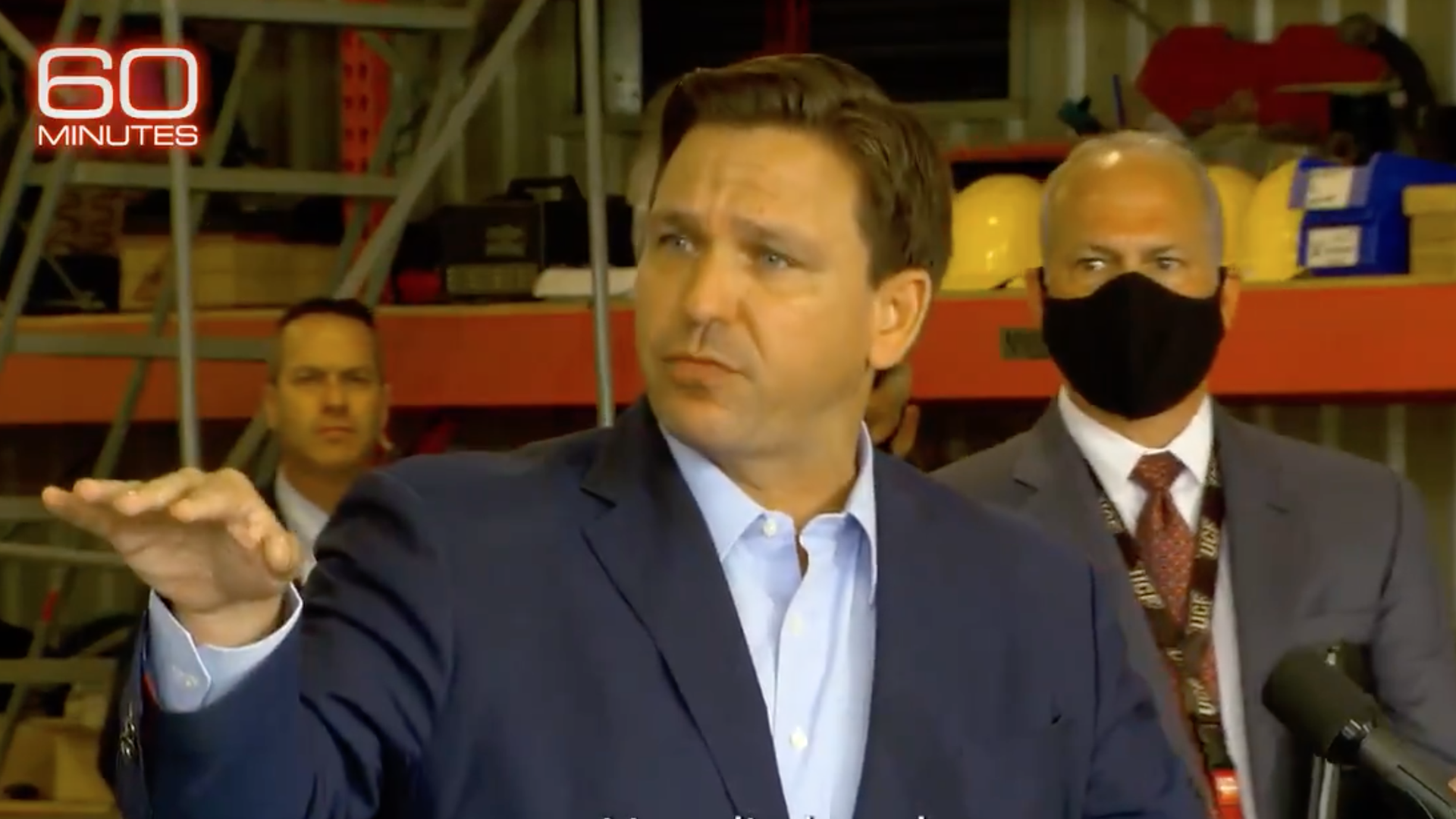
Florida Gov. Ron DeSantis (R) announced a COVID-19 vaccine distribution partnership with Publix grocery stores weeks after the company gave $100,000 to his PAC, CBS' "60 Minutes" reported Sunday, citing campaign finance records. DeSantis and Publix deny any wrongdoing.
Why it matters: DeSantis has been criticized for directing vaccines toward wealthy communities, with some who benefitted from the vaccine pop-ups also donating to the governor's political action committee, per Axios' Tampa Bay reporter Ben Montgomery.
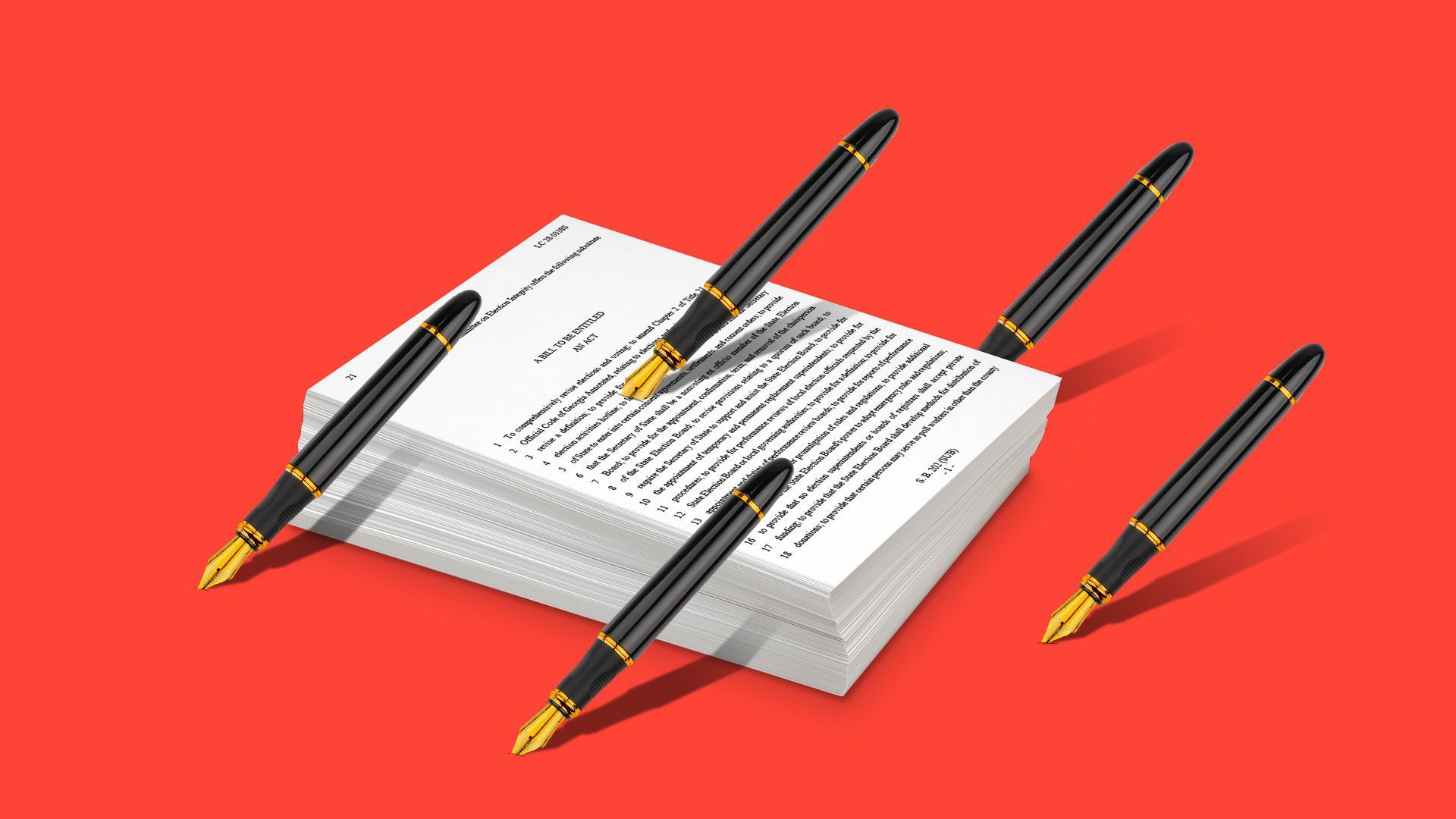
American CEOs,forced into politics by cultural trends and staff demands in recent years, are hitting a new phase — actual lawmakers and rule-shapers.
Why it matters: Every CEO has been hit by the radical transformation of what the country demands of its corporations. And with each controversy comes CEOS scrambling, sometimes clumsily, to handle a power many would rather not have.
The Centers for Disease Control and Prevention said Monday that while it recommends all staff and travelers aboard cruise ships be vaccinated for COVID-19, cruise companies do not need to mandate vaccines in order to resume travel safely.
Why it matters: Cruise ships were some of the first super-spreader sites for the coronavirus in 2020 and have been docked ever since.
Founders have two options after being forced out of their company by what they view as unscrupulous investors. One is to keep a stiff upper lip. The other is to lash out. Amol Sarva took what was behind Door No. 2.
The big picture: Sarva was founder and CEO of Knotel, a flexible workspace company that had been valued at around $1.6 billion by venture capitalists.
GameStop (NYSE: GME) disclosed plans to sell up to 3.5 million shares via a secondary public offering.
Why it matters: It reflects how GameStop has morphed from a passive player in the Reddit revolt to a fully-engaged participant, using its soaring stock price as predicate to restructure management, strategy and finances.
Tesla's stock was up over 7% in premarket trading this morning after it reported record deliveries in the year's first quarter on Friday. But it's not the only manufacturer seeing sales increases this year.
Why it matters: Even as gasoline-powered sales return from the pandemic, cars with plugs are going faster, albeit from a much smaller base.
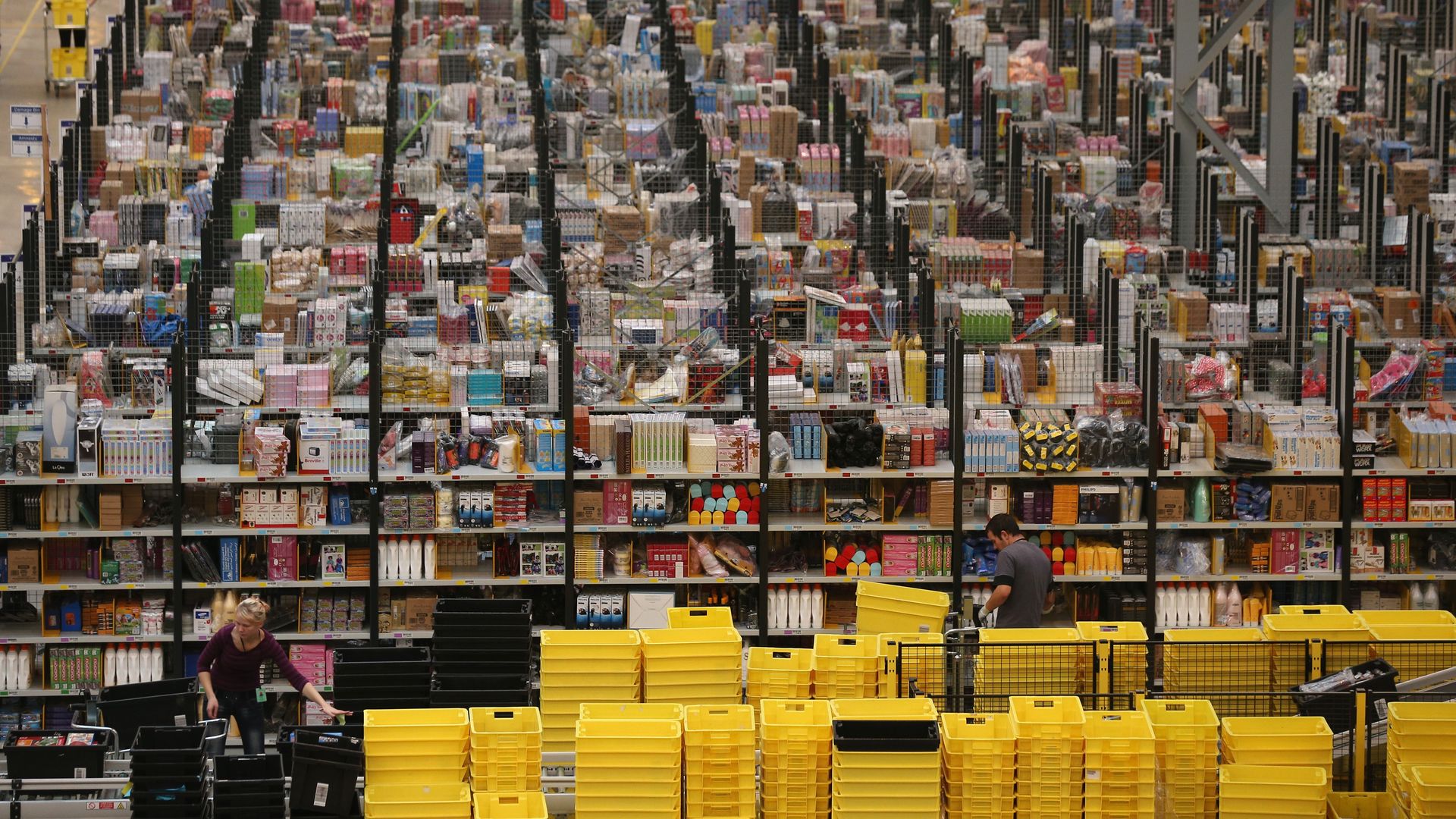
The National Labor Relations Board (NLRB) found that Amazon illegally fired two of its most prominent critics last year after they spoke out against the company's management of warehouse workers and impact on climate change, the New York Times reports.
Why it matters: The news comes as the board is set to reveal the results of a high-profile unionization vote at an Amazon warehouse in Alabama this week.
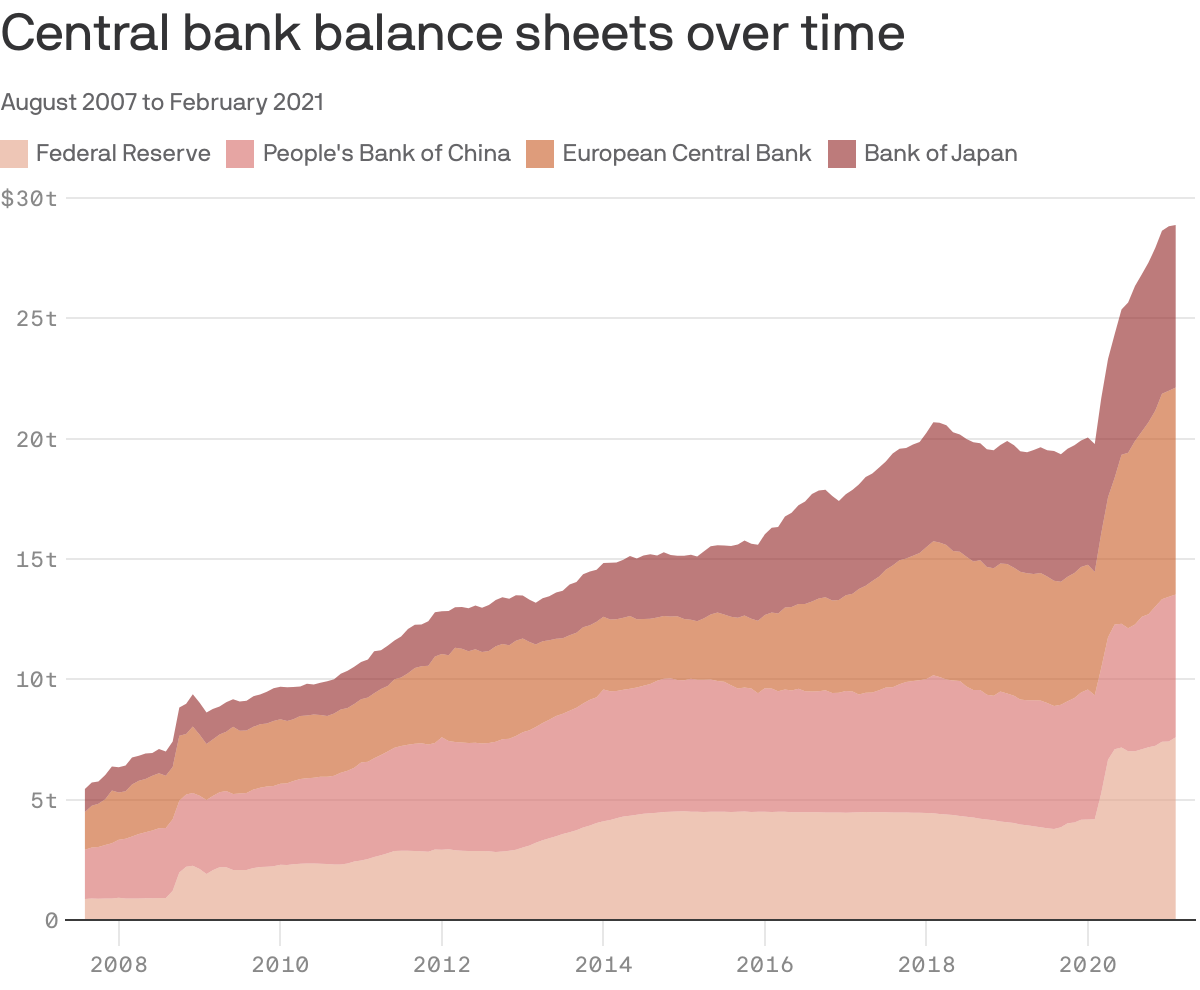
The Fed has not been alone in its unprecedented intervention in the U.S. economy during the pandemic. Central banks around the world have been printing money out of thin air and using it to purchase assets in order to stimulate their respective economies.
The big picture: Just the world's four largest central banks had accumulated $28.8 trillion of assets as of February, according to data collected by Yardeni Research.
Disjointed results for the wealthy and working classes since the pandemic hit the U.S. have fostered an environment in which most Americans don't trust the Federal Reserve, or think that the central bank is doing a good job.
Driving the news: New polling from Ipsos exclusively for Axios shows that 53% of Americans say they don't trust the central bank, and just 38% say the Fed has done a "good" or "excellent" job, while 58% say the Fed is doing a "fair" or "poor" job.
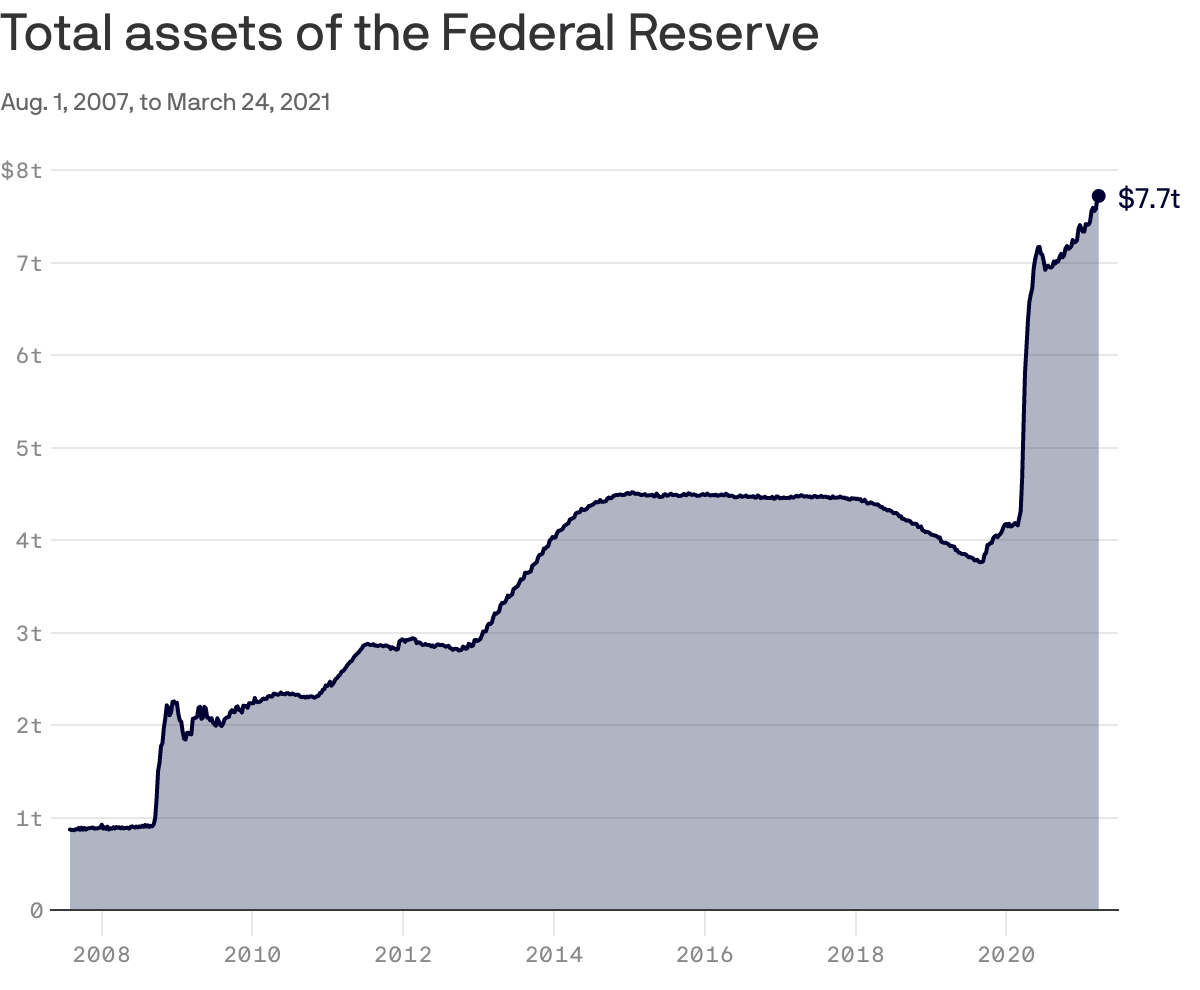
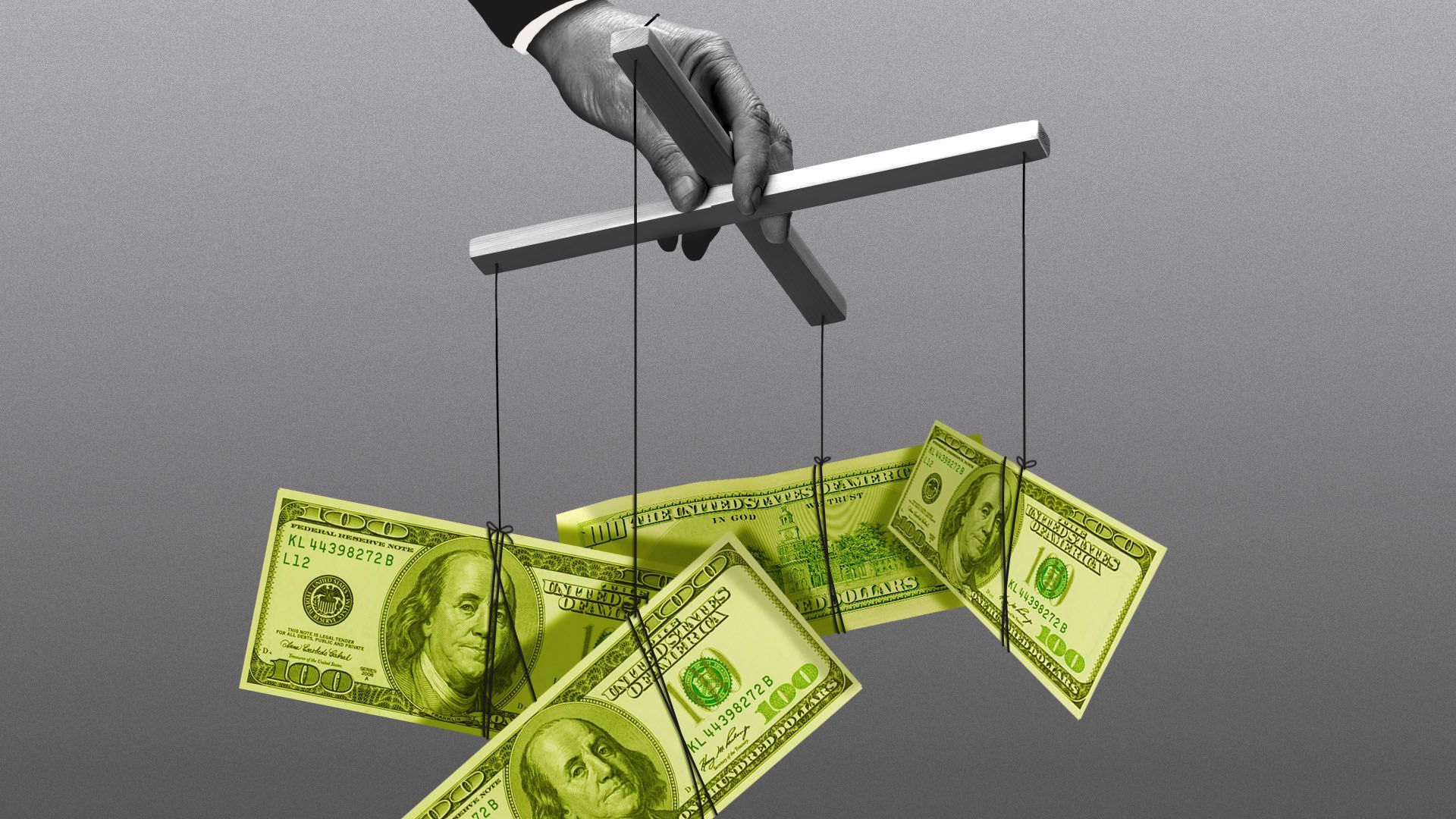
To brace the U.S. economy and stave off another Great Depression, the Federal Reserve has taken control of it through unprecedented intervention — manipulating market prices, controlling rates and propping up companies on a previously unimaginable scale.
Why it matters: The U.S. is a market-run, capitalist economy. But the market is ostensibly now governed by an unelected and largely independent group of technocrats that directs it by creating ridiculous sums of money to buy assets.
Cleo Capital is raising $20 million for its second venture capital fund and has added Earn.com co-founder Matt Pauker as a second general partner, Axios has learned. It just held a $6.7 million first close, per an SEC filing.
Why it matters: Cleo is one of a (still) small number of Black-led VC firms, and an even smaller number to raise more than a first fund.
The pandemic has pushed teachers out of the workforce in droves, and many schools don't have a strong safety net to fill the gaps as children come back into classrooms.
Why it matters: Teaching has been one of the toughest pandemic-era jobs, with pivots to remote learning and then risk of infection with school reopenings.
Two unlikely billionaires may be close to derailing a massive newspaper deal that would've likely resulted in the loss of hundreds of local journalism jobs across the country.
Driving the news: Maryland hotel magnate Stewart Bainum and Swiss billionaire Hansjörg Wyss have reportedly agreed to put up more than $600 million of their own money to help finance a roughly $680 million bid for Tribune Publishing, the parent to many of America's most iconic newspapers.