Race and identity play into the media platforms people use to advocate their politics, data show.
Why it matters: People of color and Democrats are more likely to take to social platforms like Twitter to advocate for a cause, and to say that seeing something on social media changed their views. Republicansare increasingly turning to partisan outlets on TV, print and audio.
Texas has thawed out after an Arctic freeze last month threw the state into a power crisis. But the financial turmoil from power grid shock is just starting to take shape.
Why it matters: In total, electricity companies are billions of dollars short on the post-storm payments they now owe to the state's grid operator. There's no clear path for how they will pay — something being watched closely across the country as extreme weather events become more common.
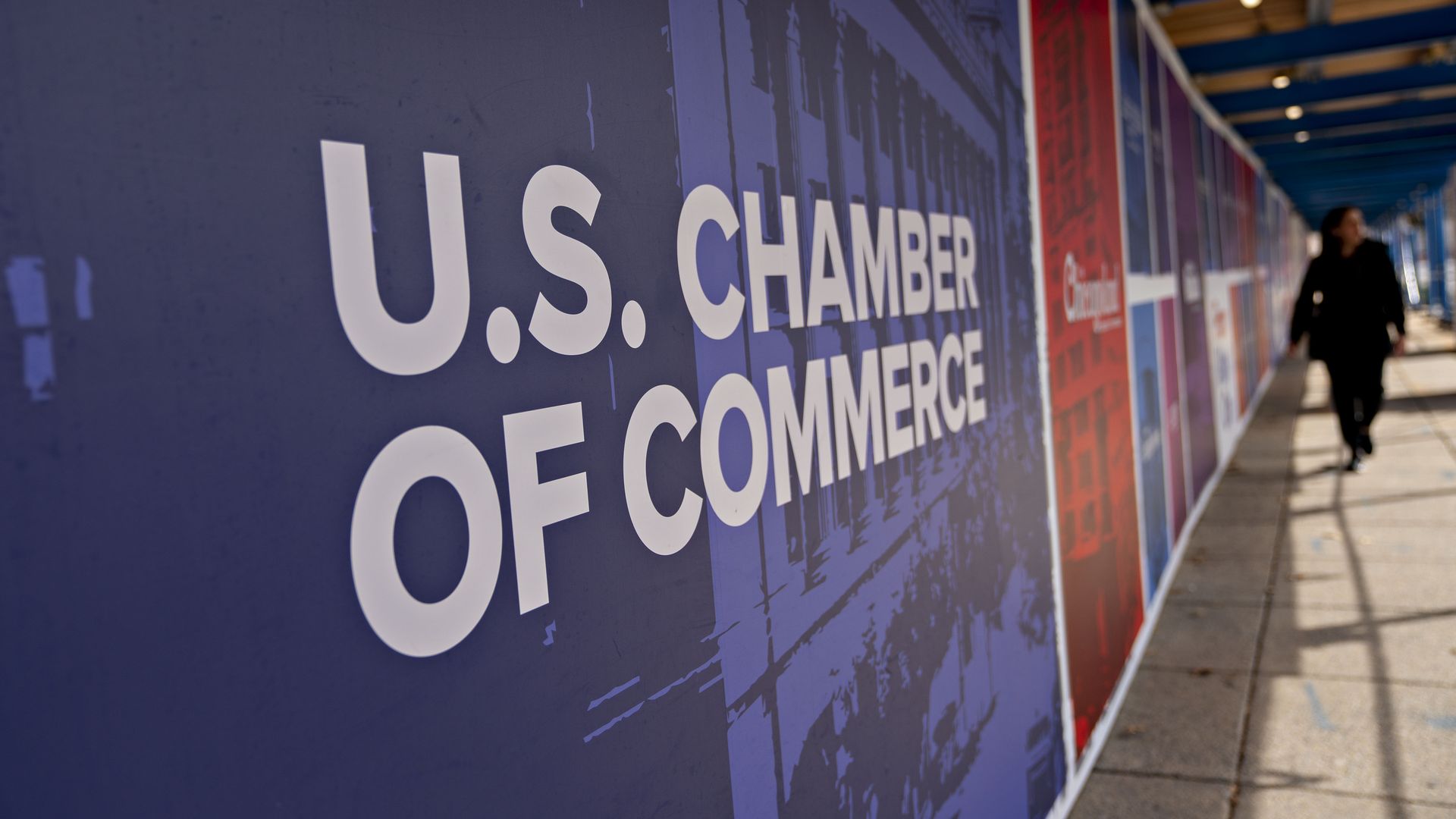
The U.S. Chamber of Commerce revealed Friday it won't withhold political donations from lawmakers who simply voted against certifying the presidential election results and instead decide on a case-by-case basis.
Why it matters: The Chamber is the marquee entity representing businesses and their interests in Washington. Its memo, obtained exclusively by Axios, could set the tone for businesses debating how to handle their candidate and PAC spending following the Jan. 6 Capitol attack.
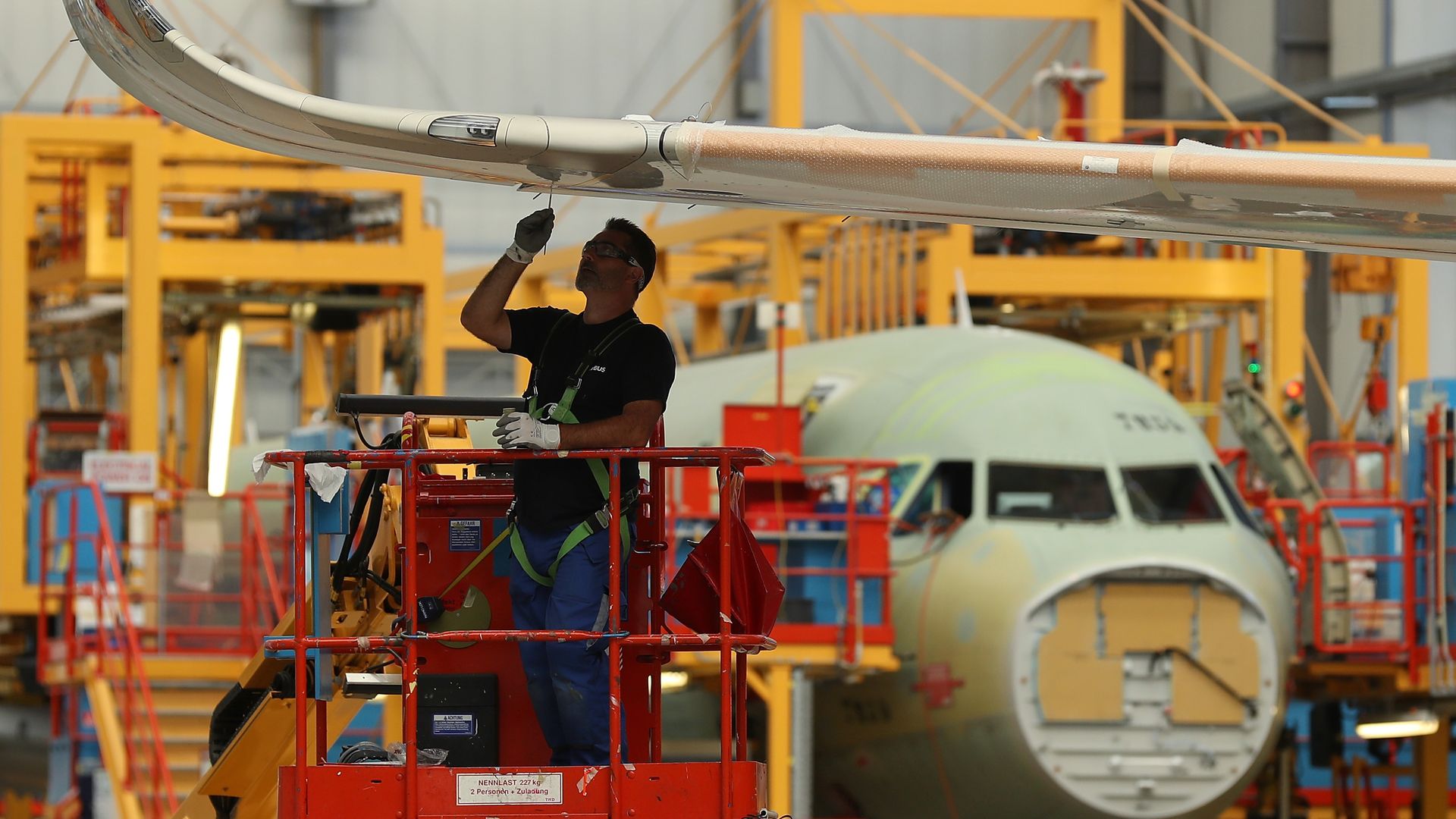
The United States and European Union on Friday agreed to suspend for four months the tariffs imposed in the long-running dispute over subsidies to Airbus and Boeing.
Why it matters: The agreement is a major step in resolving the 17-year dispute, which has resulted in tariffs on billions of dollars of exports to and from the U.S. and Europe.
When it comes to retail and private equity, what's old is new again.
Driving the news: Insight Partners this morning announced that it will invest $500 million in the e-commerce business of Saks Fifth Avenue, which will become a standalone company valued at $2 billion. Saks owner Hudson's Bay will retain a majority stake, while Saks president and CEO Marc Metrick will move over to run the new company.
T-Mobile is making another concerted effort to win big businesses as customers as it announced a trio of new services at an online event Thursday.
Why it matters: While T-Mobile was the fastest growing mobile carrier even before it absorbed Sprint, it has struggled to crack the lucrative big business market, where Verizon and AT&T control more than 90% of the market.
Good news for your Friday: the economy added a whopping 379,000 jobs in February — far outpacing expectations.
Why it matters: Virus cases eased in recent weeks and states lifted restrictions, helping fuel a hiring surge. It's proof of how much control the pandemic has over the job market.
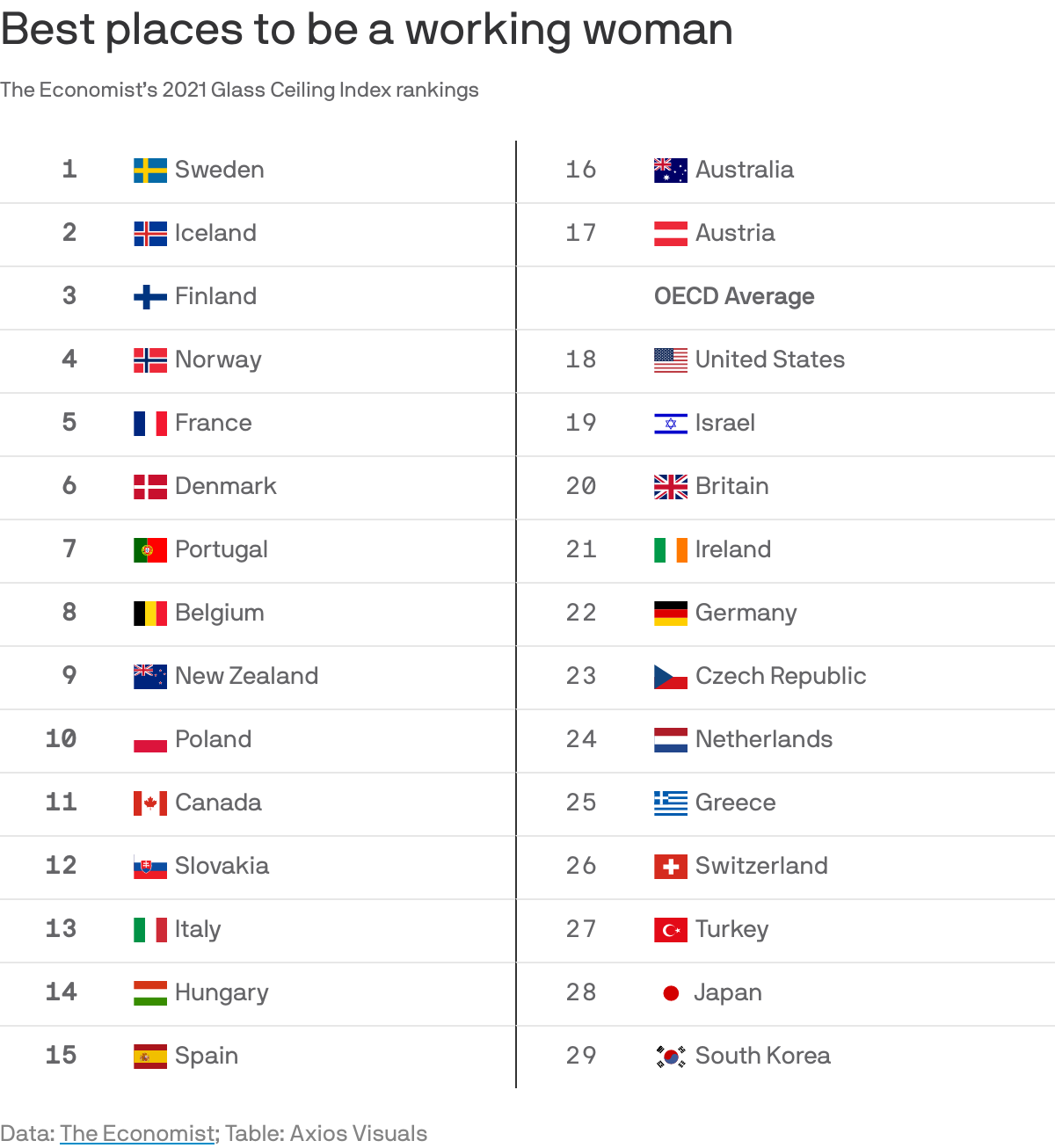
Sweden, Iceland, Finland and Norway take the top spots as the best countries for working women, according to The Economist's latest glass-ceiling index released on Thursday.
Details: The U.S. ranked at No. 18 out of 29, earning less than the average overall score of 60. Sweden came in at No. 1 with more than 80 points.
The dollar rose to its highest level since late November on Thursday, reversing a major market theme that had been in place for about a year.
Why it matters: The weak dollar had been a big help for large multinational companies, especially Big Tech companies, and had generally lost value in concert with the rise in stock prices for most of 2020.
Oil and gas prices jumped on Thursday after the Organization of the Petroleum Exporting Countries (OPEC) and allied producers said on Thursday that they would extend production cuts into April.
The big picture: Oil is being driven by the production cuts of OPEC, a consortium of the world's largest producers, and expectations for a rebound in global demand as more countries emerge from coronavirus lockdowns.
This week's spate of data highlighted the difficulties Americans who have lost their jobs have had bouncing back from the coronavirus pandemic, and just how much those who have managed to keep their jobs have been working.
What's happening: The Labor Department reported Thursday that the productivity of American workers fell by a revised 4.2% annual rate in the fourth quarter, the largest decline in 39 years.
Vaccine passports were touted early in the pandemic as an important piece of the plan to get people back to normal life. Now they’re becoming a reality.
Driving the news: CLEAR, the secure digital identity app that you see in airports around the world, and CommonPass, a health app that lets users securely access vaccination records and COVID test results, have joined forces.
The world's maritime industry — from ferries to freighters — is trying to navigate a once-in-a-century transition away from fossil fuels to new, cleaner means of propulsion.
Why it matters: International shipping is key to the world's economy, responsible for 90% of global trade. But the vessels burn about 4 million barrels of oil a day, accounting for almost 3% of the world's carbon emissions, and regulators are demanding they clean up their act.
China on Friday set its annual economic growth target at "over 6%," and renewed its vow to become a more self-reliant technology leader, AP reports.
Why it matters: Premier Li Keqiang, China's top economic official, made the announcement as the world's second-biggest economy continues its recovery from the coronavirus pandemic. The latest target also comes "amid tension with Washington and Europe over trade, Hong Kong and human rights," AP notes.