America is in the grips of the worst COVID-19 outbreak since the pandemic began, in terms of infections, hospitalizations and deaths. That means testing is now more important than ever before, and will continue to be a key public health tool even after vaccinations begin.
Axios Re:Cap digs into the past, present and future of COVID-19 testing with Adam Schechter, CEO of LabCorp, one of the country's two largest testing companies.
New York City will close indoor dining on Monday in an effort to curb the spread of the coronavirus, Gov. Andrew Cuomo said Friday.
Why it matters: Hospitalizations have continued to increase in New York City, a metric that Cuomo said the state would watch to determine whether tighter restrictions would be necessary. Takeout, delivery and outdoor dining will be allowed to continue.
Hyundai continues to make aggressive moves as it races to catch up on electric, self-driving cars and other mobility technologies.
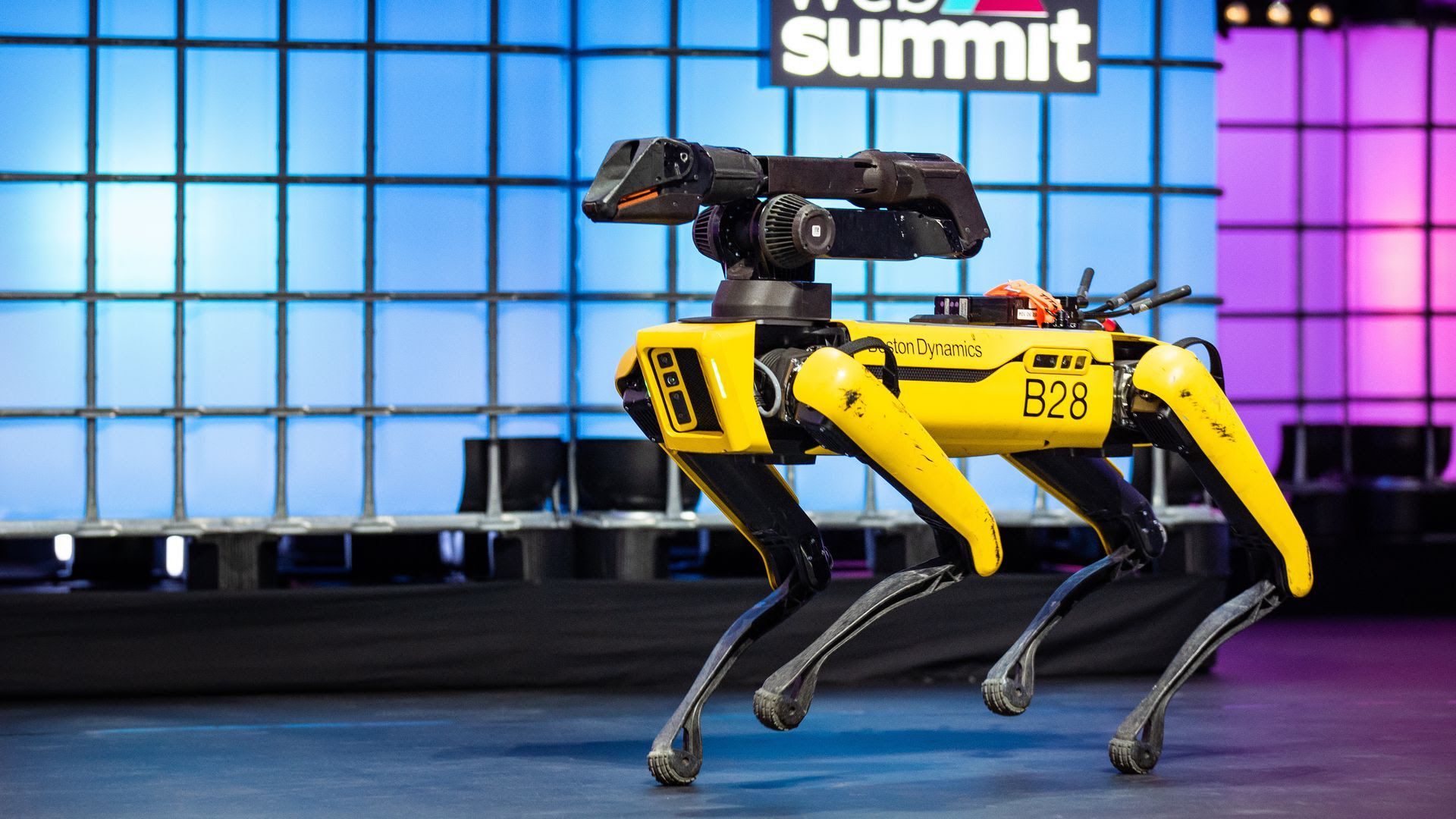
The latest: The Korean industrial giant and its chairman agreed to buy an 80% stake in Boston Dynamics — maker of Spot, a four-legged, dog-like robot — from SoftBank.
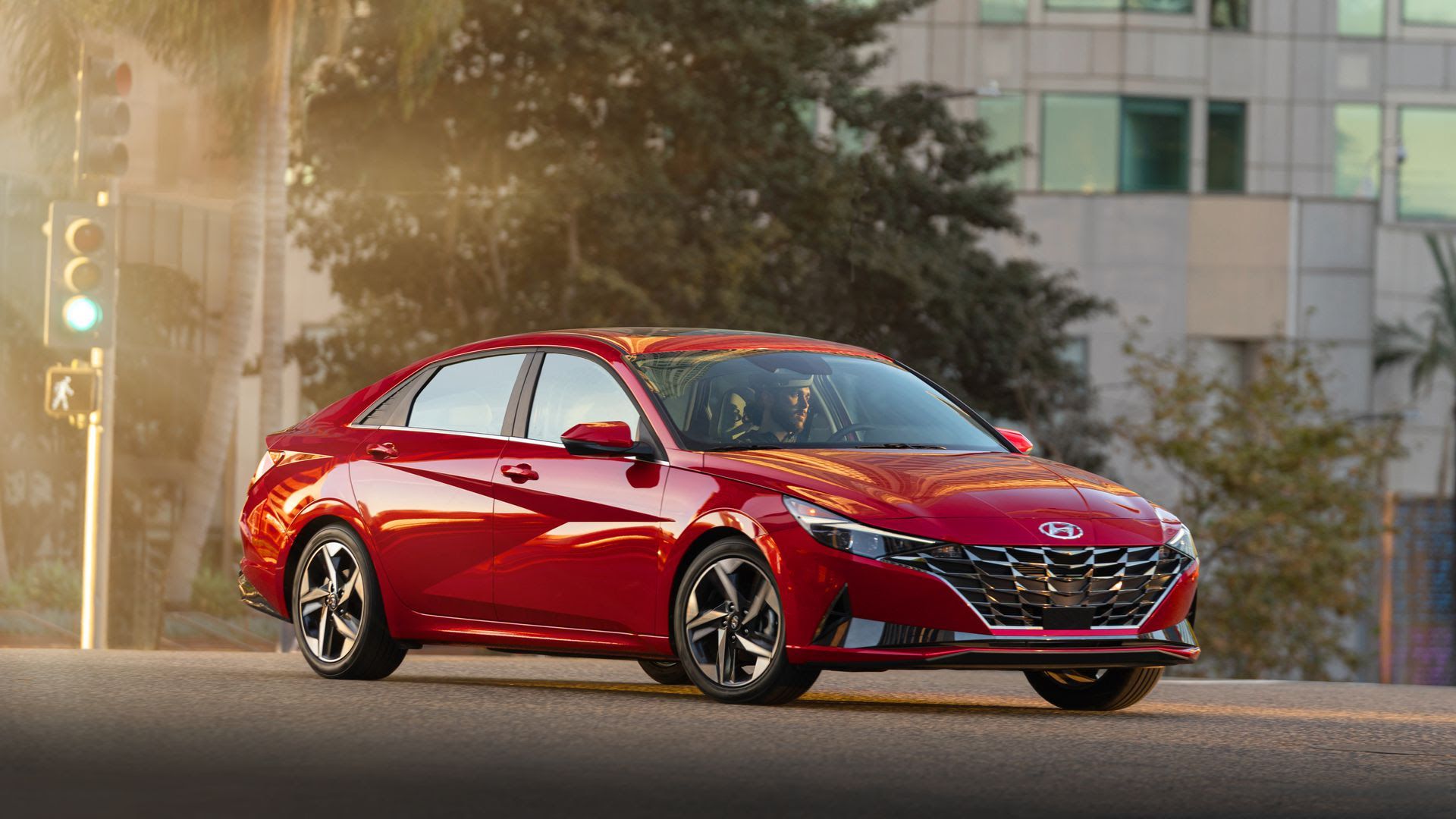
This week I'm driving the 2021 Hyundai Elantra, a sharp-looking compact that's now available in a 50-mpg hybrid, too.
The big picture: This is the seventh-generation Elantra, and it raises the bar not just with its sporty design. It's also the first in the segment to offer wireless Apple Carplay and Android Auto, and to let drivers unlock, start and drive the car using their (Android-only) smartphone instead of a physical key.
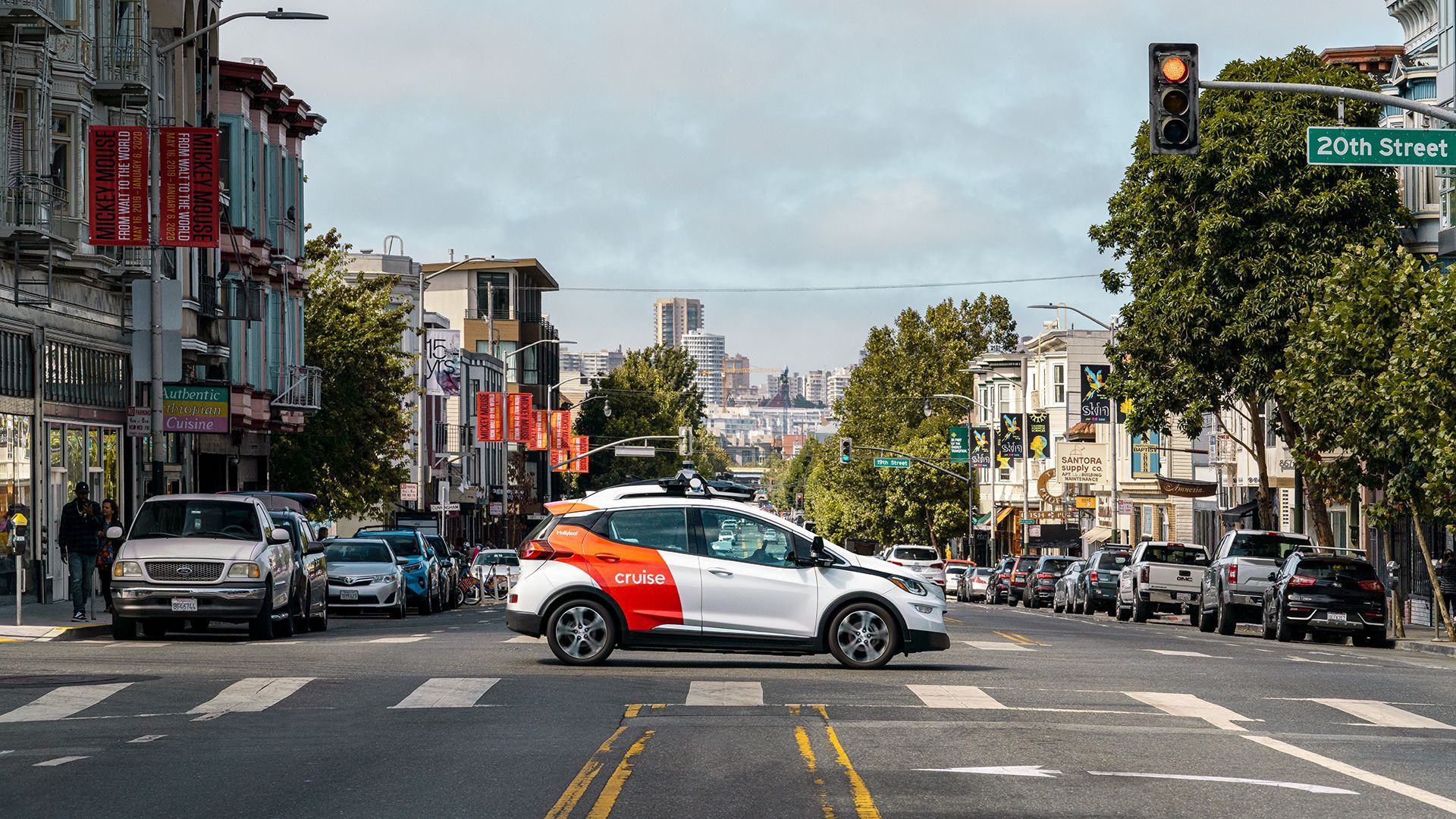
Cruise this week toutedits first fully driverless vehicle tests in San Francisco, two days after Uber sold its autonomous vehicle unit to a rival.
Why it matters: Neither development was quite what it seemed, however, reminding us that self-driving cars are still a long way from commercialization.
There's been more than $125 billion in special purpose acquisition company, or SPAC, merger activity this year, more than quadrupling the 2019 total. And it's only expected to accelerate in 2021.
Driving the news: Three new SPAC mergers were announced in the past 24 hours, totaling over $3.6 billion, all in the vehicle space. Plus, nine new SPACs priced IPOs, raising a combined $2 billion.
Mastercard, Visa and Discover are cutting off payment processing services to Pornhub, which has been under the spotlight for the volume of nonconsensual videos available through its site.
Why it matters: The moves follow a New York Times report that detailed the harm that being on Pornhub can cause for people whose videos were posted without their consent. Days later, the site agreed to make changes designed to address criticism.
ByteDance is closing in $2 billion in new funding co-led by KKR and existing backer Sequoia Capital at a $180 billion valuation, per Reuters.
Why it matters: This would cement China-based ByteDance as the world's most valuable VC-backed company, worth 3X the next-largest unicorn, and comes despite the U.S. government's efforts to force its divestiture of TikTok.
Shares of Airbnb reached the stratosphere as they began trading on Thursday, doubling their IPO price before closing the day at nearly $145 apiece.
Why it matters: The high-flying price means that Airbnb is now valued at more than $100 billion, but also increases the pressure on the company as the U.S. heads into a potentially deeper struggle with the coronavirus.
Corporate carbon pledges arrive so fast it's hard to keep up, so here's one way to bushwhack through them: Ignore the splashy top-line and look at what they're doing soon.
Driving the news: United Airlines yesterday vowed to cut its emissions by 100% by 2050 — but also described the more immediate step of pouring millions into efforts to commercialize nascent direct air capture technology.
Another political battle is brewing over how financial regulators and banks deal with the risks of climate change.
Driving the news: Nearly 50 GOP House members this week fired a shot across the Federal Reserve's bow as the central bank increases its focus on climate.
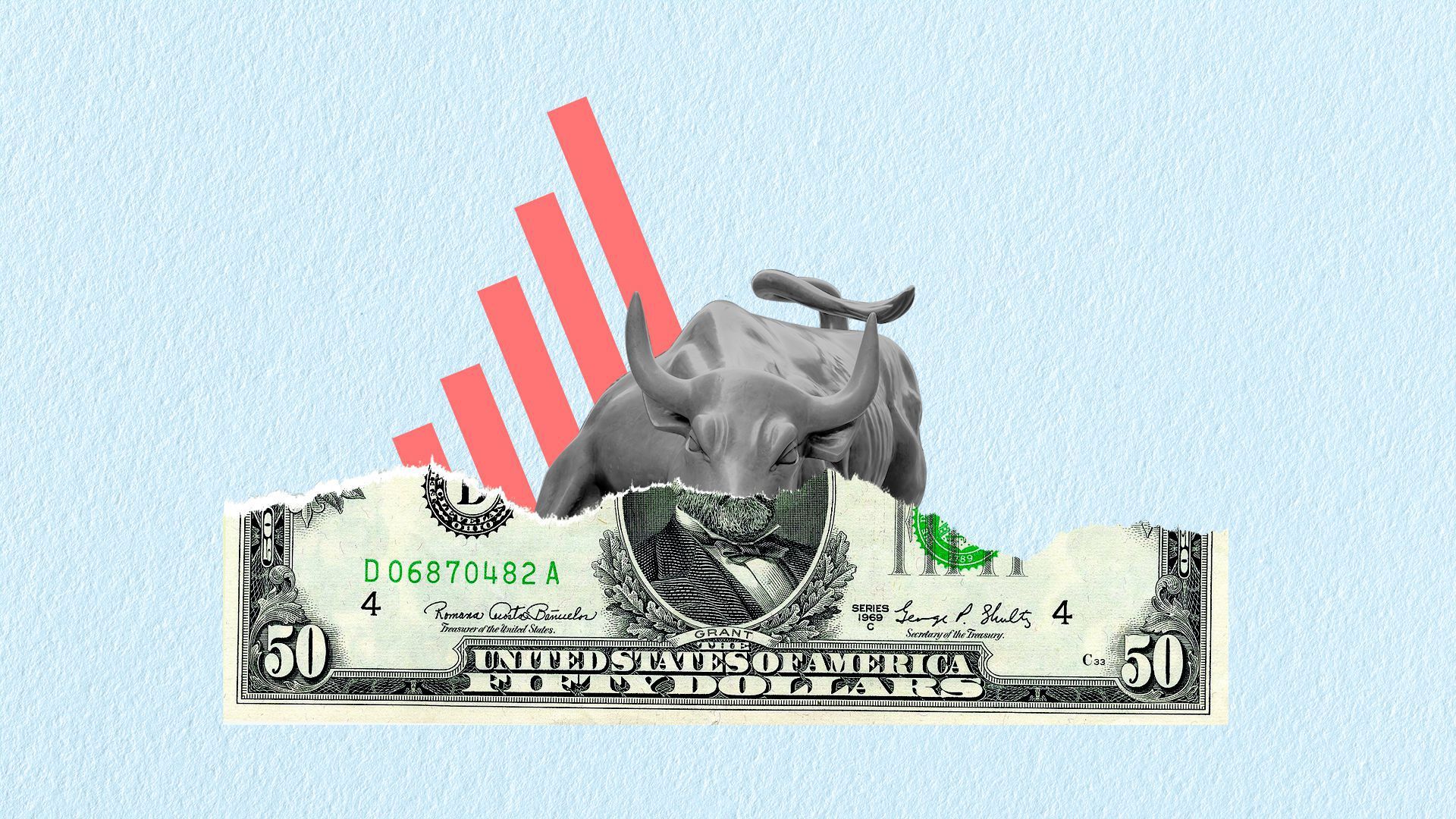
Any doubts that bitcoin is now a kosher investment for Wall Street can likely be put to rest.
Driving the news: MassMutual announced Thursday a $100 million bitcoin investment. It also bought a $5 million stake in NYDIG, the firm that facilitated the purchase.
New applications for unemployment benefits last week hit a three-month high — the latest sign that the labor market recovery is stalling.
Yes, but: Besides confirming the likely direction the job market is moving in, it’s unclear if layoffs are better than the numbers suggest, or even worse.
Fears of the "B"-word (bubble) are growing louder. There's a staggering split screen: a teetering economy with millions unemployed in a pandemic that's killing thousands per day and newly public tech companies riding high on nosebleed valuations.
Yes, but: Investors acknowledge the backdrop is bad. They say investors are piling into and betting on companies like Airbnb and DoorDash for better times ahead.
Disney unveiled its most ambitious content push in its 97-year history, announcing more than 100 new projects, most of which will be available on its streaming service Disney+.
The big picture: In just over a year, Disney has gobbled up 86.8 million subscribers, making it nearly half the size (45%) of Netflix, which launched its streaming service over a decade ago.
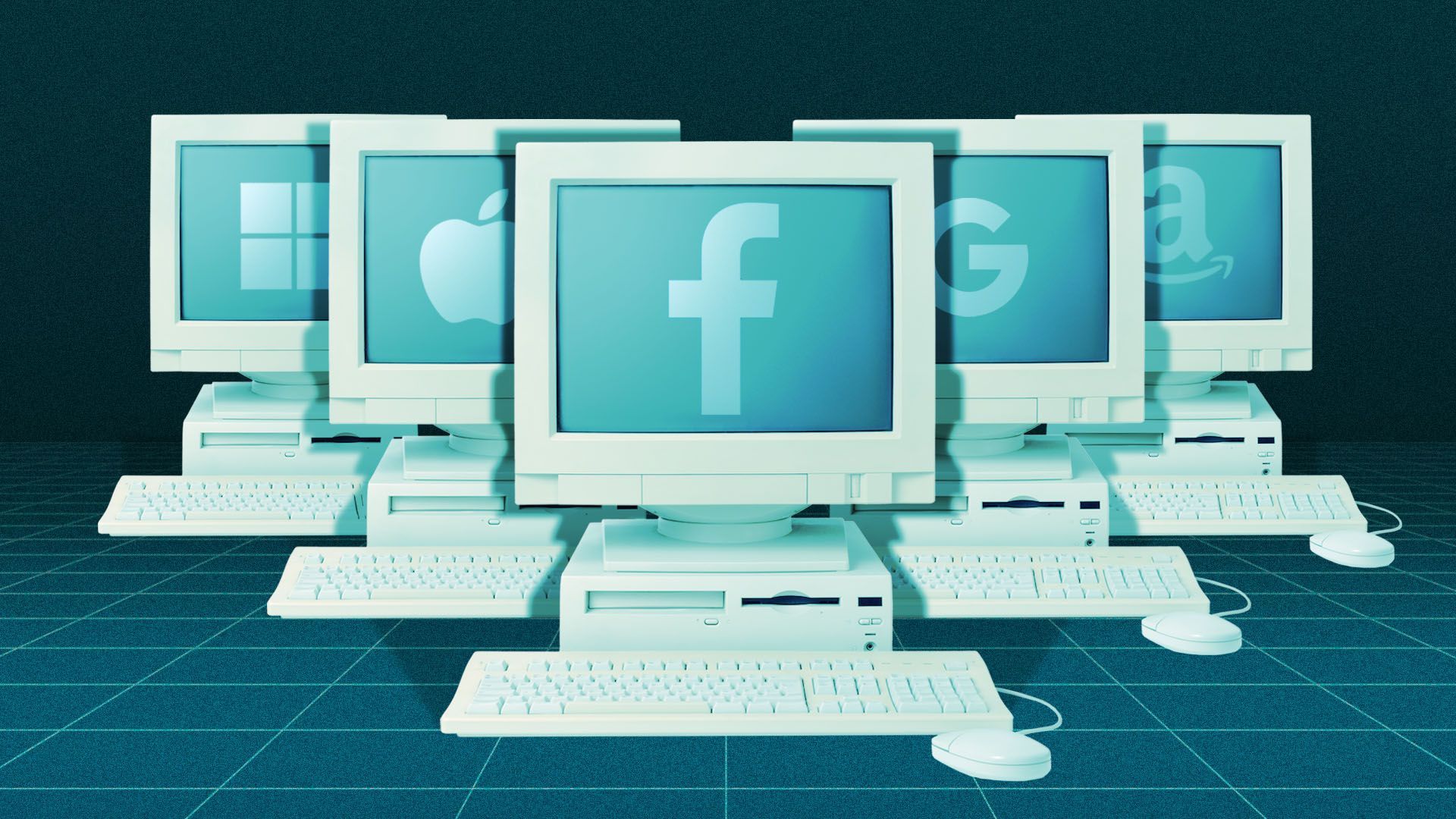
Because today's tech landscape harbors multiple giants rather than a single behemoth, regulators trying to restrain the companies' power face a bedeviling challenge: It's tougher to make a "monopoly" charge stick to companies that are busy competing with one another.
Driving the news: This week's double-whammy antitrust suits against Facebook by the Federal Trade Commission and a coalition of states comes on the heels of a Department of Justice suit against Google and a broadly damning report from House Democrats, both in October.
This year, delivery companies are facing two heavy lifts at once: meeting unprecedented demand for holiday shipping while orchestrating complex logistics for coronavirus vaccine distribution.
Why it matters: Even with big investments in technology, infrastructure and new hires, the networks of experienced shipping giants like UPS and FedEx can only handle so much capacity — and 2020 is testing those limits.







/2020/12/11/1607699691865.gif?w=3840)