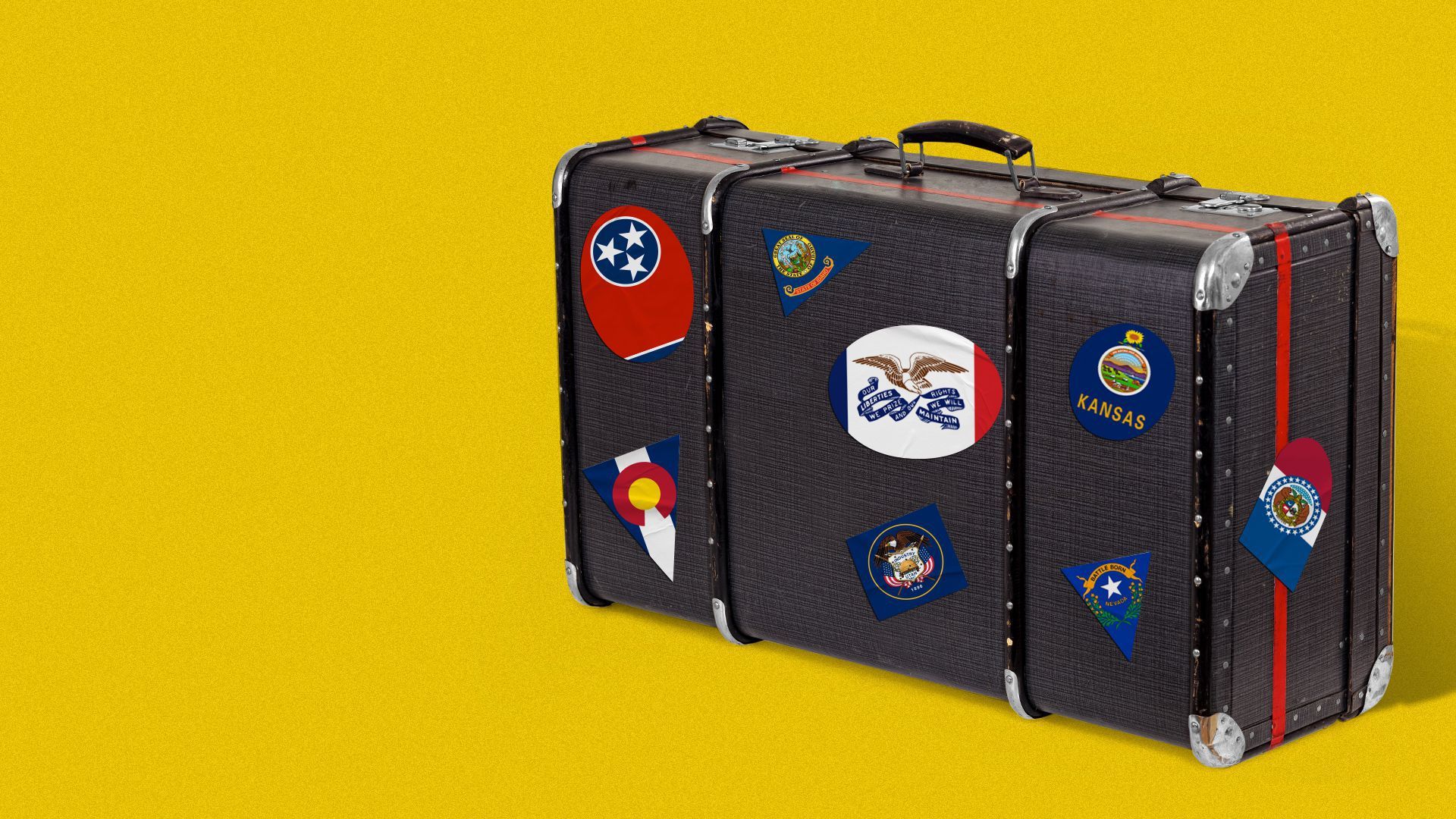
A new survey indicates as many as 23 million Americans — more than 10% of the adult population — are planning to move as a result of remote work, mostly to cheaper and less dense places.
Why it matters: The sudden shift to remote work has freed up many Americans from having to live in or near the costly urban centers where job growth had been concentrated. But businesses and major cities will struggle to adjust to the changes.
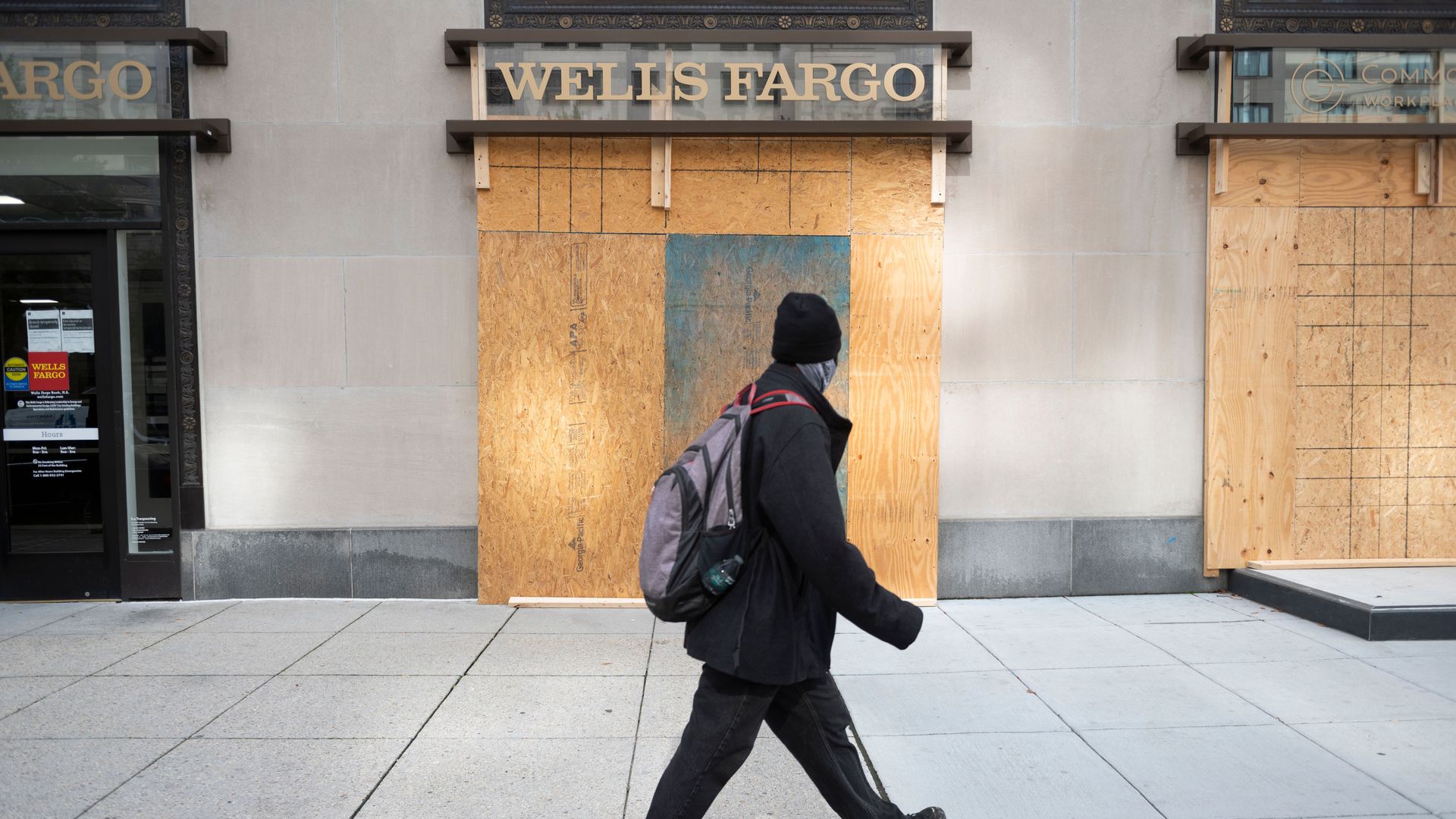
Retailers across the U.S. are boarding up their storefronts and tightening security ahead of predicted unrest in response to next week's election.
The big picture: Black Lives Matter protests earlier this year resulted in more than $1 billion worth of property damage. This time around businesses are hoping to avoid the same outcome if election results spark activism or conflict.
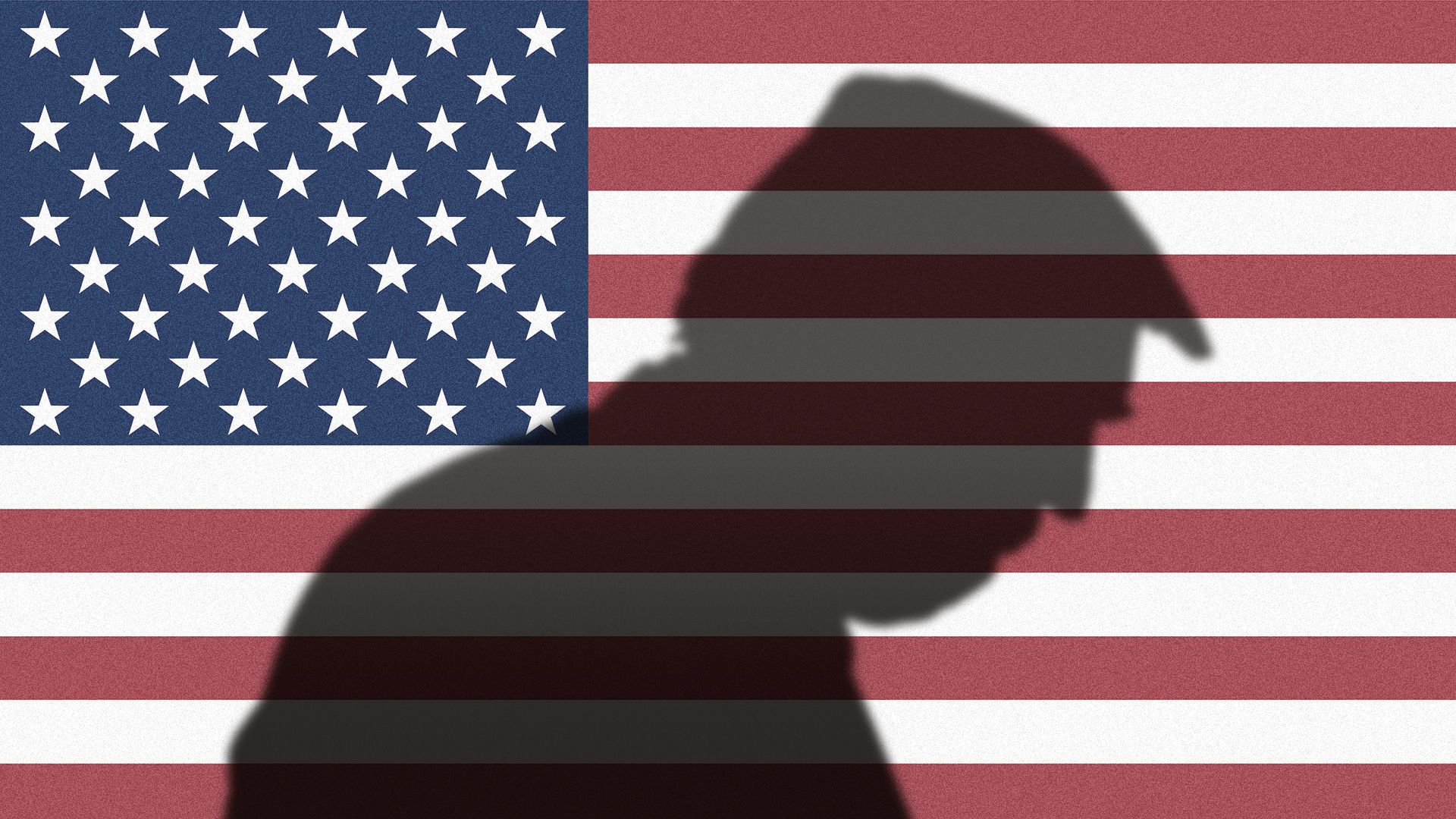
President Trump's policy legacy is as much defined by what he's ignored as by what he's involved himself in.
The big picture: Over the past four years, Trump has interested himself in only a slim slice of the government he leads. Outside of trade, immigration, a personal war against the "Deep State" and the hot foreign policy issue of the moment, Trump has left many of his Cabinet secretaries to work without interruption, let alone direction.
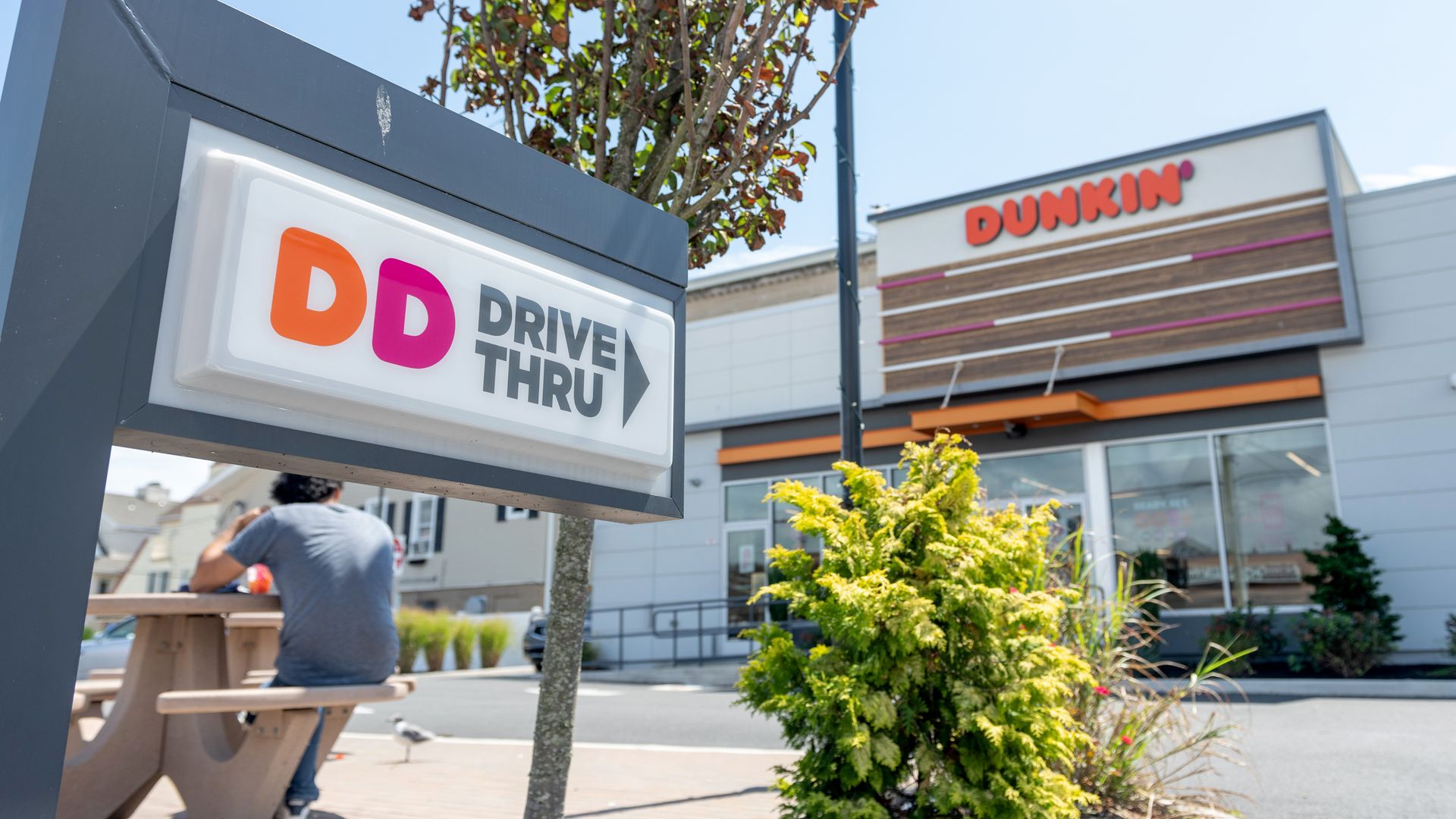
Dunkin' Brands, operator of both Dunkin' Donuts and Baskin-Robbins, agreed on Friday to be taken private for nearly $11.3 billion, including debt, by Inspire Brands, a restaurant platform sponsored by private equity firm Roark Capital.
Why it matters: Buying Dunkin’ will more than double Inspire’s footprint, making it one of the biggest restaurant deals in the past 10 years. This could ultimately set up an IPO for Inspire, which already owns Arby's, Jimmy John's and Buffalo Wild Wings.
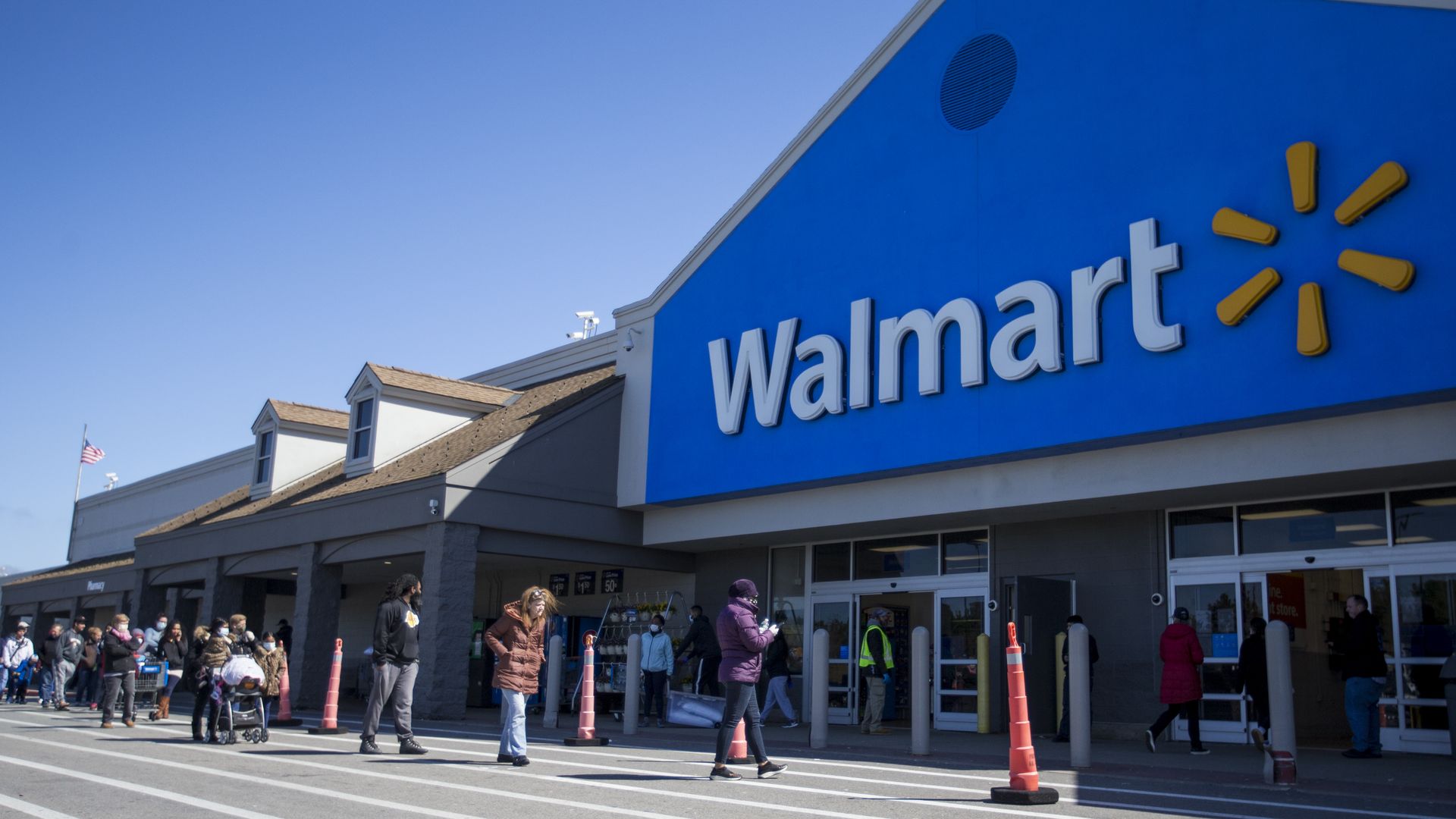
Walmart announced it will be returning guns and ammunition to sales floors one day after the company said it would remove all firearm displays from its 4,700 U.S. stores to prevent theft amid social unrest.
What they're saying: A Walmart spokesperson told Axios the retailer reversed the decision because the most recent looting incidents "have remained geographically isolated."
General Motors on Friday named Paul Jacobson, a top Delta Air Lines executive, as its new chief financial officer, replacing Dhivya Suryadevara who left in August for a Silicon Valley fintech firm.
Why it matters: Jacobson, 48, had been CFO at Delta, which — like GM — is a major global player in a highly regulated, capital-intensive, cyclical industry. But Delta racked up a strong performance over the past decade, and at GM, he aims to accelerate the automaker's technology shift to electric, self-driving vehicles.
Coronavirus cases and hospitalizations are surging, particularly in areas that had been largely spared this spring. One big question now is whether hospitals are better prepared for this new wave, including if they'll be able to continue providing elective services.
Axios Re:Cap digs into what hospitals have, and what they still need, with Lloyd Dean, CEO of CommonSpirit Health, one of America's largest operators of hospitals and health clinics.
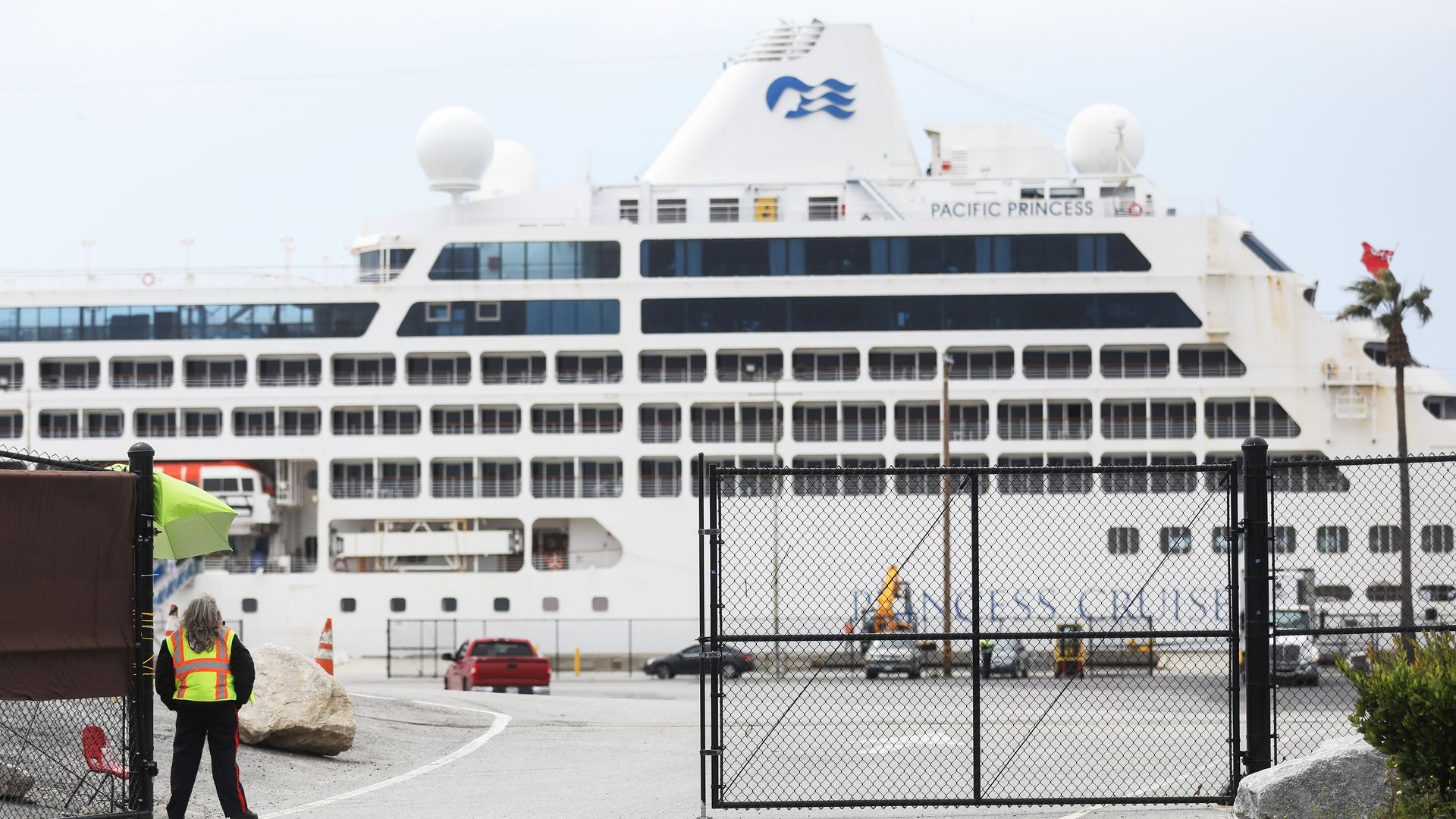
The Centers for Disease Control and Prevention announced Friday it's replacing its "no-sail" order on U.S. cruises with a less restrictive "Conditional Sailing Order," setting the stage for the phased resumption of passenger cruise line travel.
Why it matters: Cruise ships were the sites of some of the most severe coronavirus outbreaks early in the pandemic, before the industry shut down in March.
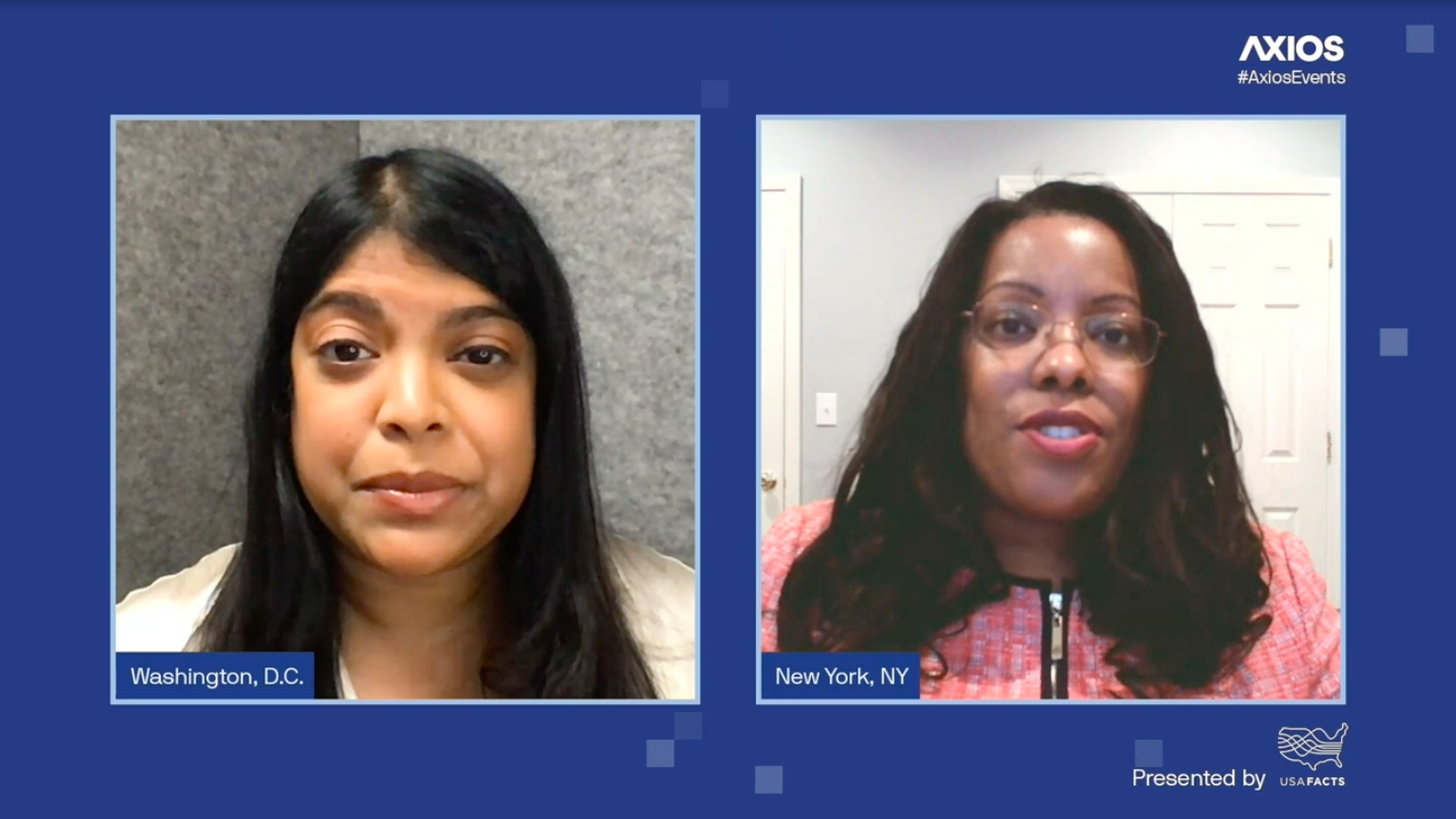
The economy will not return to the "pre-pandemic level of activity" until the fourth quarter of 2021, the chief economist at the Conference Board, Dana Peterson, said in an Axios virtual event on Friday, foreseeing "many more quarters of weakness."
Why it matters: Peterson said the economy's recovery will depend on governments reopening businesses and "allowing mobility both internally and externally," as well as on the handling of the coronavirus pandemic.
If Joe Biden gets elected, he will work to provide two relief packages — a short-term package before inauguration "that delivers relief to working families" and a long-term one to "build back" the economy, his campaign's policy director, Stef Feldman, said Friday at an Axios virtual event.
Why it matters: Biden advisers don’t know what the state of the economy will be, but they are preparing for the worst. They want to move quickly with short-term relief before attempting a broader recovery package that will take time — and political capital — to achieve, Axios politics reporter Hans Nichols says.
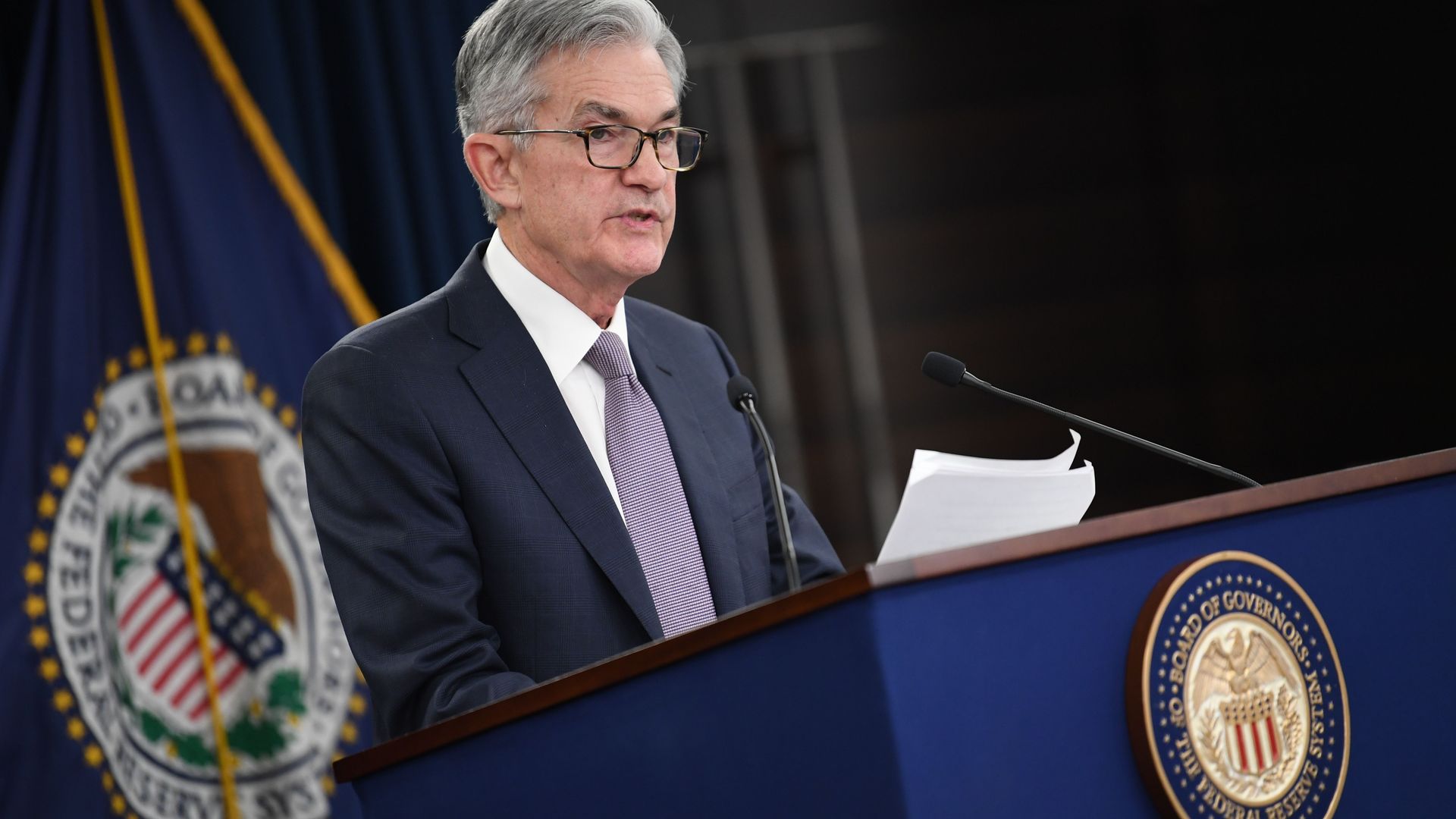
The Federal Reserve said on Friday it would again lower the minimum loan size for its pandemic-era small business program.
Details: Businesses and nonprofits will be able to borrow a minimum of $100,000 from the facility, down from $250,000 — a move that might attract smaller businesses that don't need as hefty of a loan. Since the program launched earlier this year, the minimum loan size has been reduced twice.
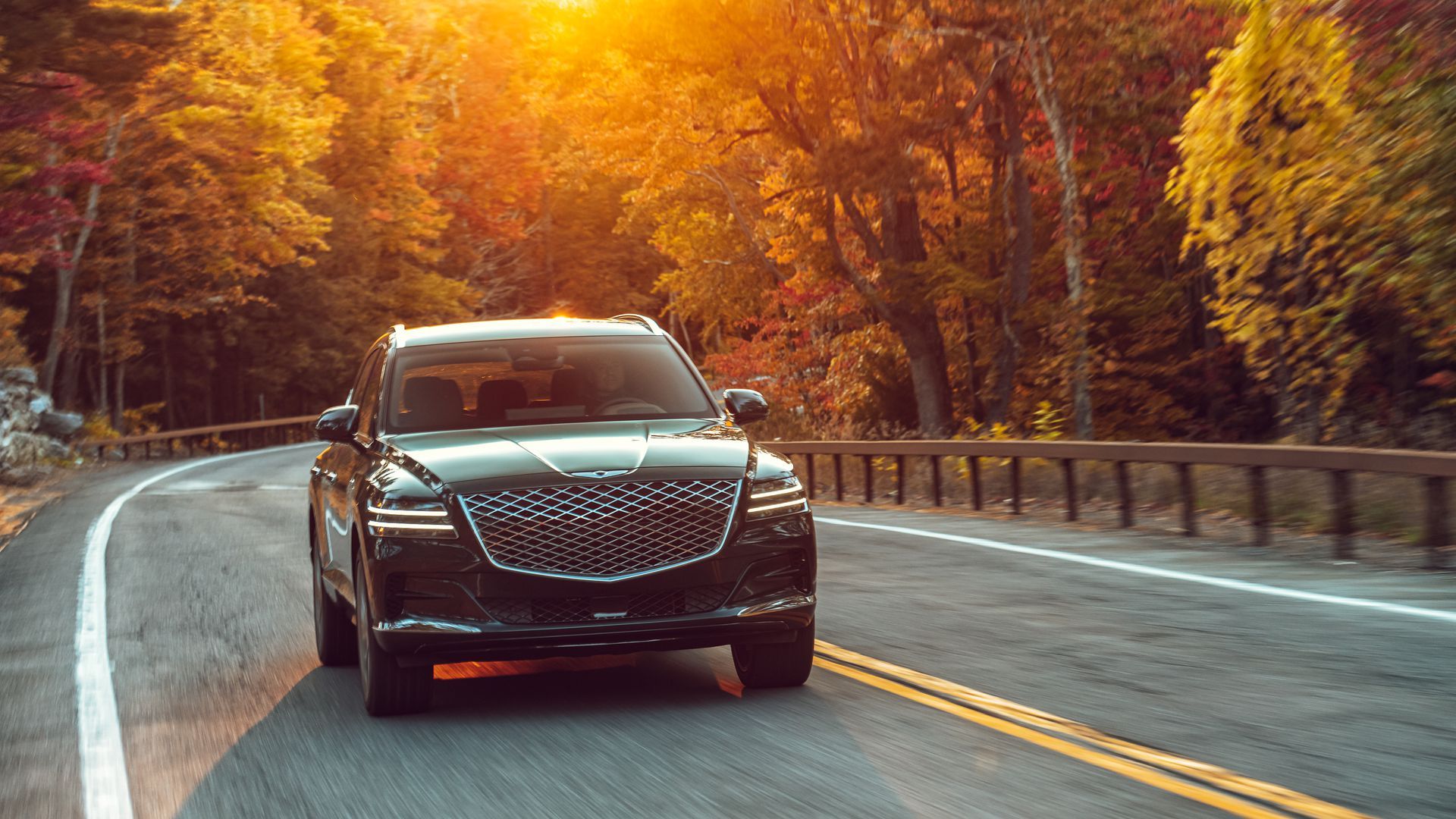
Hyundai's emerging luxury division, Genesis, is out with its first SUV, the GV80, and like the brand's first three sedans, it's a worthy contender against better-known Japanese and European rivals — and a relative bargain, too.
The big picture: Even before the SUV's arrival, the 4-year-old Genesis brand was punching above its weight, pushing brands like Lexus out of the way to snag top industry ratings on quality, dependability and safety.
Autonomous vehicle fleets won't likely replace buses and trains in major cities, but two mobility tech firms are exploring how self-driving taxis might improve access to public transit systems.
What's happening: Self-driving tech company Motional (a joint venture between Hyundai and Aptiv) this week announced a partnership with Via that the companies say will serve as a blueprint for an on-demand, shared robotaxi service.
President Donald Trump and Democratic challenger Joe Biden would likely steer automotive policy in different directions over the next four years, potentially changing the industry's road map to the future.
Why it matters: The auto industry is on the cusp of historic technological changes and the next president — as well as the next Congress — could have an extraordinary influence on how the future of transportation plays out.
Ares Management is in early talks to buy listed Australian wealth management and investment firm AMP.
Why it matters: This would be an ignominious end to the 171-year firm's independence, as a series of scandals has cut its stock price by more than 70% since mid-2018.
Instagram is funding a slate of new memes, Reels, Stories and IGTV videos from ATTN:, the millennial-focused digital media company, to empower young people to vote.
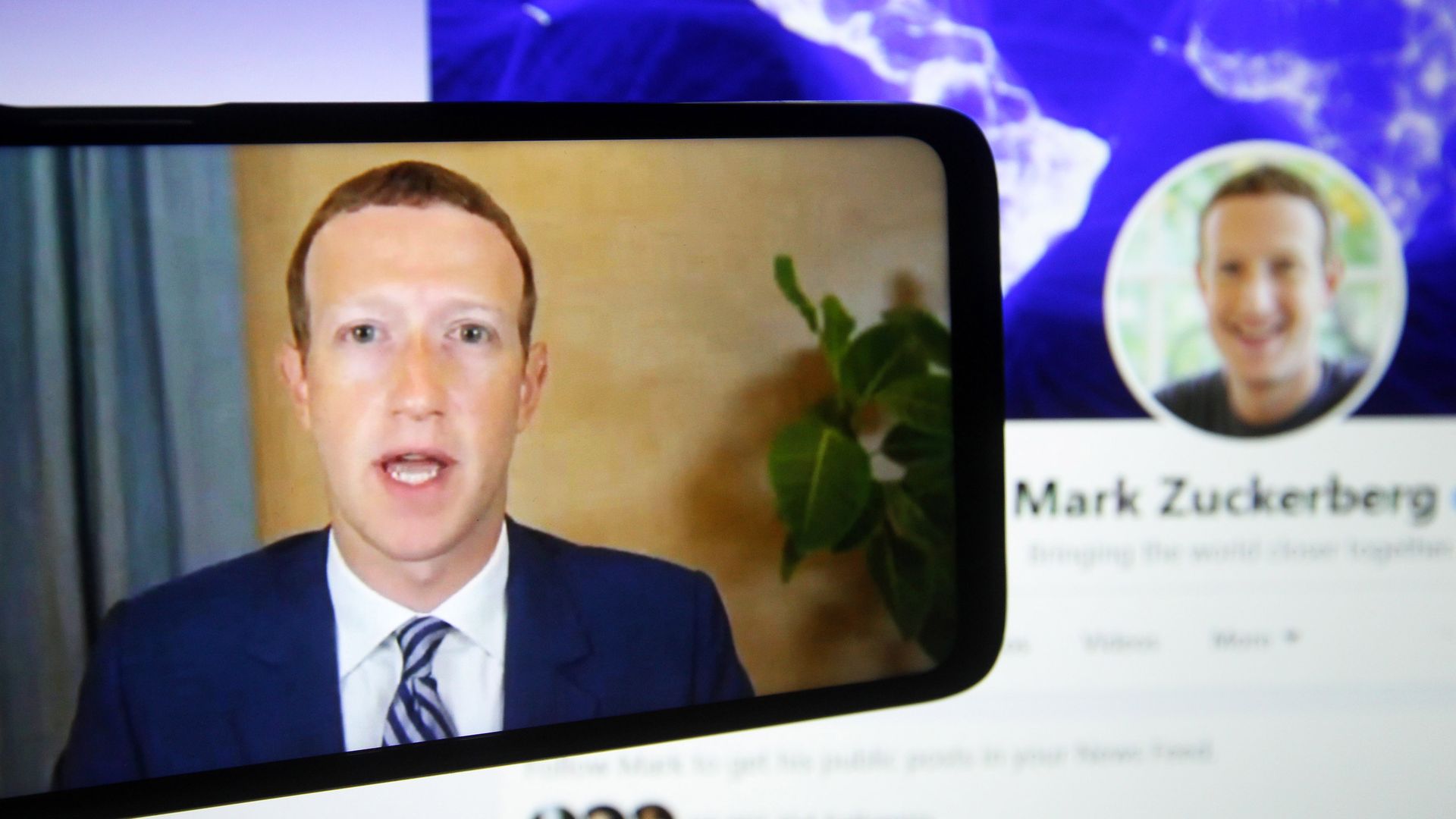
Why it matters: Instagram and its parent Facebook are pushing to promote more civic engagement ahead of the election — and ATTN: is one of the top creators of social change-focused videos on the platform.
ExxonMobil reported a $680 million quarterly loss on Friday and announced plans for steep spending cuts, which comes just a day after it revealed plans for major layoffs.
Why it matters: The announcements signal how the company, which has made huge investments in supply expansions in recent years, is struggling to adjust to the sector's new reality.
Thursday's deluge of Big Tech earnings reports showed one thing pretty clearly: COVID-19 may be bad in all sorts of ways, but it's not slowing down the largest tech companies. If anything, it's helping some companies, like Amazon and Apple.
Yes, but: With the pandemic once again worsening in the U.S. and Europe, it's not clear how long the tech industry's winning streak can last.
Consumers are planningto pare back the most spending on vacations and travel during the holiday season — another possible concern for the services sector, according to a survey by the Conference Board and Nielsen provided first to Axios.
The big picture: Overall, consumer spending this holiday season is expected to be roughly in line with last year, the Conference Board estimates.
The coronavirus recession is technically over, but the GDP report makes clear the most important part of the U.S. economy — the services sector — is still mired in a severe downturn.
Why it matters: It makes up a whopping 70% of the U.S. economy. The services sector is also comprised of what has become undesirable in the wake of the pandemic, including eating in restaurants and traveling.
Wall Street is digging in for a potentially rocky period as Election Day gets closer.
Why it matters: Investors are facing a "three-headed monster," Brian Belski, chief investment strategist at BMO Capital Markets, tells Axios — a worsening pandemic, an economic stimulus package in limbo, and an imminent election.
More high-profile journalists — most of them white men — are leaving newsrooms to launch newsletters on Substack and other independent publishing platforms.
Driving the news: Glenn Greenwald, a columnist at The Intercept, is quitting the publication he co-founded after seven years, citing efforts by his editors to "censor" articles critical of former Vice President Joe Biden.
Facebook said late Thursday that a mix of "technical problems" and confusion among advertisers around its new political ad ban rules caused issues affecting ad campaigns of both parties.
Why it matters: A report out Thursday morning suggested the ad tools were causing campaign ads, even those that adhered to Facebook's new rules, to be paused. Very quickly, political campaigners began asserting the tech giant was enforcing policies in a way that was biased against their campaigns.
Twitter on Thursday labeled a tweet from Russian state media outlet RT (formerly Russia Today) that included a video implying widespread voter fraud is plaguing, and potentially delegitimizing, the U.S. election.
Why it matters: It's the first time Twitter has labeled RT's account with a civic integrity label, or a designation used to highlight efforts to manipulate or interfere in elections or other civic processes.
With the pandemic driving consumers to shop online, Amazon beat analyst expectations on Thursday with its Q3 results, though its stock price didn't see much of a bump.
Why it matters: Despite incurring what it estimates was about $2.5 billion in pandemic-related costs during the quarter, Amazon's revenue grew 37% year-over-year to $96.1 billion and its profits to $6.3 billion, up 197% year-over-year.












/2020/10/30/1604068589634.gif?w=3840)