Here's a thought that occurred to a few people while weaving their cars through double-parked Amazon trucks and Ubers: Let's find a way to monetize those scofflaws.
Why it matters: Video cameras mounted on city streets — and connected to the right software and technology — could one day be a gold standard for urban traffic management.
Insider Inc., the parent company to Business Insider, closed an all-cash deal Thursday to buy a majority stake in Morning Brew, a media startup that focuses on business newsletters and podcasts.
Why it matters: It's an unusual success story amid a bleak media landscape. Morning Brew's co-founders, both under 30, raised very little capital upfront to launch their business but still managed to be quite profitable.
Netflix announced Thursday it will charge customers $14 for its standard monthly subscriber plan and $18 for the premium plan, the Verge reports.
The big picture: The business model behind Netflix's strategy is to accumulate as many users worldwide with as much original and licensed content as possible, and then hike the monthly subscription prices on those users once they are hooked.
Trash systems that use vacuum suction and pneumatic tubes to whoosh garbage from people's homes and sidewalk bins have been around for decades, but are gaining new traction in the U.S.
Why it matters: These systems — which currently serve Disney World and Manhattan's Roosevelt Island — get municipal garbage trucks off the streets and offer a cleaner and more environmentally friendly waste removal.
The coronavirus pandemic is worsening, both in the U.S. and abroad, with cases, hospitalizations and deaths all rising.
Axios Re:Cap digs into the state of global vaccine development — including why the U.S. and China seem to going at it alone — with medicinal chemist and biotech blogger Derek Lowe.
The trillion-dollar gap between actual GDP and potential GDP is a gap made up of misery, unemployment, and unfulfilled promise. It's also a gap that can be eradicated — if central banks embrace unconventional monetary policy.
That's the message from Eric Lonergan and Megan Greene, two economists who reject the idea that central banks have hit a "lower bound" on interest rates. In fact, they reject the idea that "interest rates" are a singular thing at all, and they fullthroatedly reject the idea — most recently put forward by New York Fed president Bill Dudley — that the Fed is "out of firepower."
Why it matters: If Lonergan and Greene are right, then central banks have effectively unlimited ammunition in their fight to increase inflation and employment. They are limited only by political will.
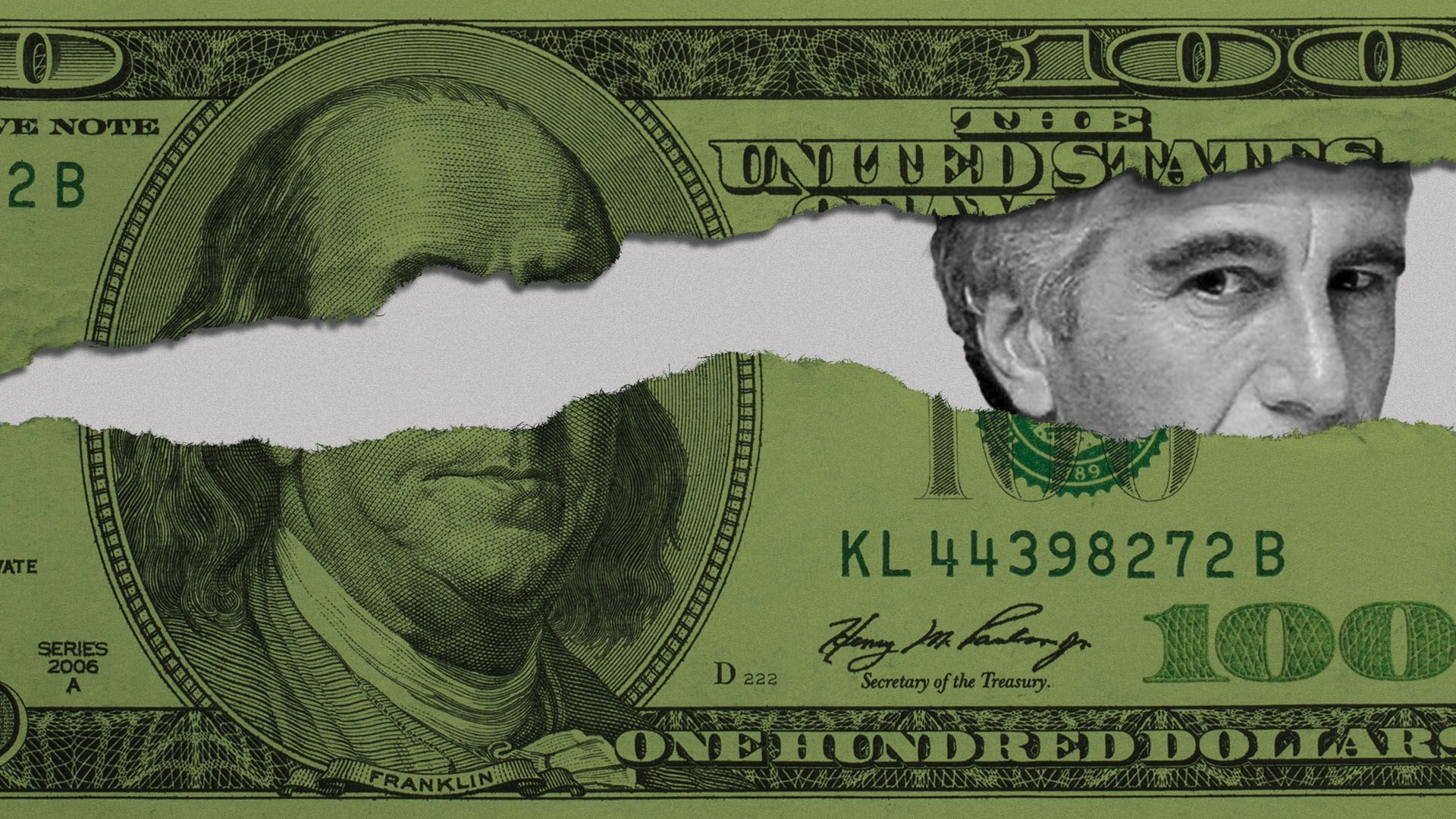
Apollo Global Management CEO Leon Black on Thursday said during an earnings call that he made a "terrible mistake" by employing Jeffrey Epstein to work on personal financial and philanthropic services.
Why it matters: Apollo is one of the world's largest private equity firms, and already has lost at least one major client over Black's involvement with Epstein.
LVMH and Tiffany & Co. have reconciled, with LVMH now to buy the U.S. jeweler for around $15.8 billion. That's about $425 million lower than the original agreement, signed last November, with the per share price dropping from $135 to $131.50.
Why it matters: This heads off what was shaping up to be a nasty court battle.
Someone should tell SoftBank CEO Masayoshi Son he could use encrypted apps like Signal and Telegram when communicating with his lieutenants.
Driving the news: Former WeWork CEO Adam Neumann won a Delaware court motion to remove redactions on select text messages between Son and Marcelo Claure, the SoftBank COO and WeWork executive chairman, as part of his lawsuit against SoftBank for bailing on its $3 billion tender offer for WeWork shares.
Two restaurant owners have filed a potential class action lawsuit against Grubhub, saying that the online food delivery service added their establishments without permission.
Why it matters: While intermediary services have touted their role in supporting independent restaurants and businesses during the pandemic, many have gone to great lengths to grab business that otherwise might have gone direct to the establishment.
The U.S. economy grew at a 33.1% annualized pace in the third quarter, the Commerce Department said on Thursday.
The state of play: The record growth follows easing of the coronavirus-driven lockdowns that pushed the economy to the worst-ever contraction — but GDP still remains well below its pre-pandemic level.
Royal Dutch Shell reported a nearly $1 billion third-quarter profit Thursday, beating analysts' forecasts, and announced a slight increase in dividends.
Driving the news: Its stock is up 3% in premarket trading this morning but remains at roughly 25-year lows as the sector faces headwinds from COVID-19's effect on prices and demand.
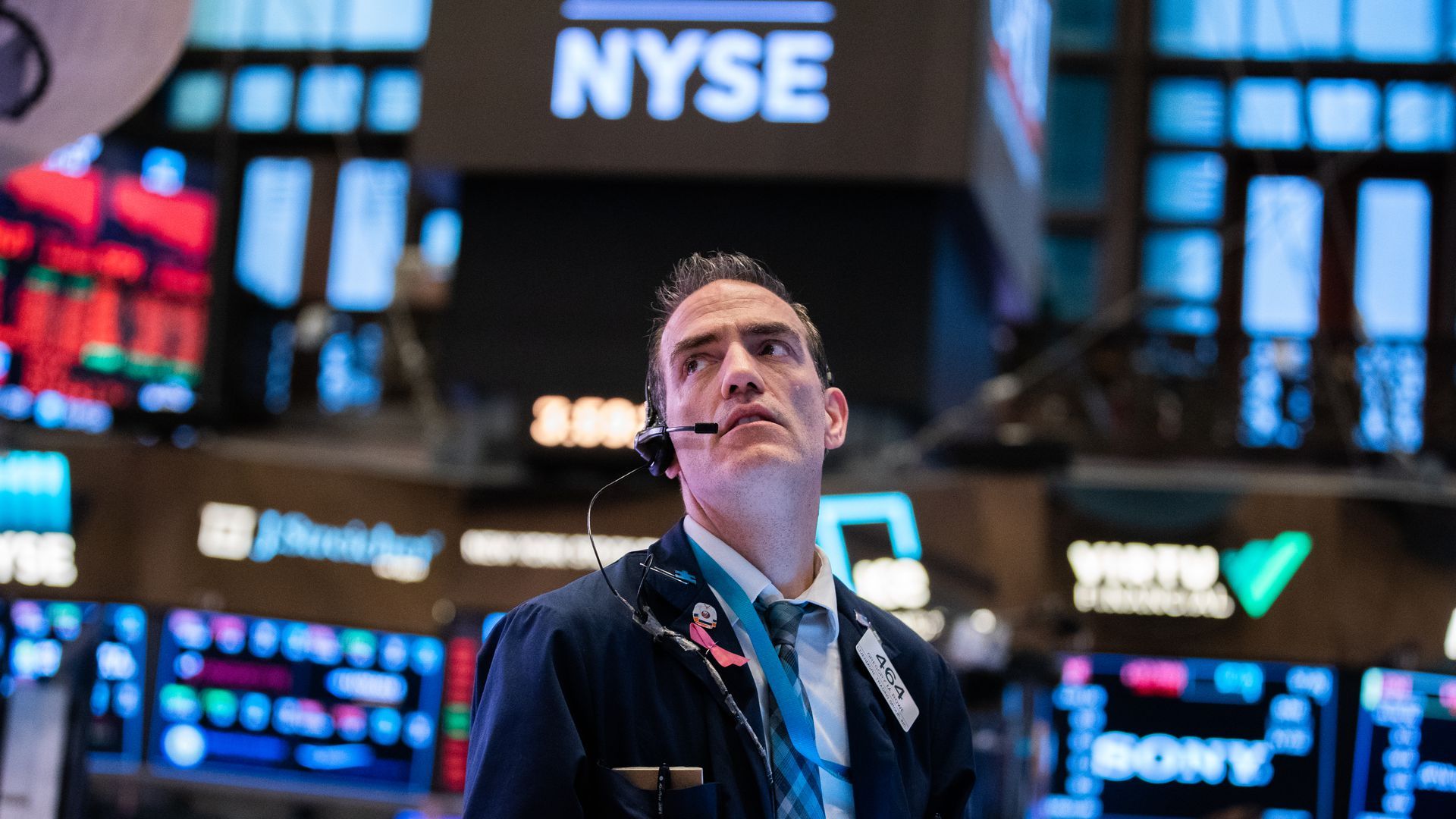
The massive losses in oil prices and U.S. and European equities were not countered by gains in traditional safe-haven assets on Wednesday.
Why it matters: The unusual movement in typical hedging tools like bonds, precious metals and currencies means they are not providing investors an asset that will appreciate in the event of a major equity selloff.
Apple, Facebook, Google and Amazon are all slated to report earnings after the markets close today, and that should give us a much better sense of how the tech industry is faring through the pandemic.
Why it matters: The reports should offer a clue of how sustainable tech's "new normal" is. That's especially important given that experts predict another and stronger wave of coronavirus in the U.S. that could force continued reliance on remote work for office employees.
Spotify is getting slammed for allowing Joe Rogan, one of its most popular podcasters, to host far-right conspiracy theorist Alex Jones on his show.
Why it matters: The company, which still distributes mostly music, will begin to encounter more of these types of problems as it expands its podcast business.

/2020/10/29/1603999009982.gif?w=3840)