Hundreds of powerful people — predominately men — have been accused of sexual offenses since the #MeToo movement went viral in 2017. After film producer Harvey Weinstein's conviction, five of them face charges, while seven have been convicted.
Why it matters: The #MeToo movement focused global attention on previously unchecked sexual misconduct, leading at least 201 powerful men to lose jobs or major positions. But the movement, dubbed a global reckoning, has had few legal consequences for the accused. Here are some of the most notable cases.
Fracking has become a flashpoint in the election's final week, particularly in Pennsylvania where both President Trump and Joe Biden made stops on Monday. But much of the political rhetoric has ignored that the industry has gone from boom to bust, beset by layoffs, bankruptcies and fire-sale mergers.
Axios Re:Cap digs into the state of fracking, and what it means for the future of American energy, with Bob McNally, president of Rapidan Energy Group.
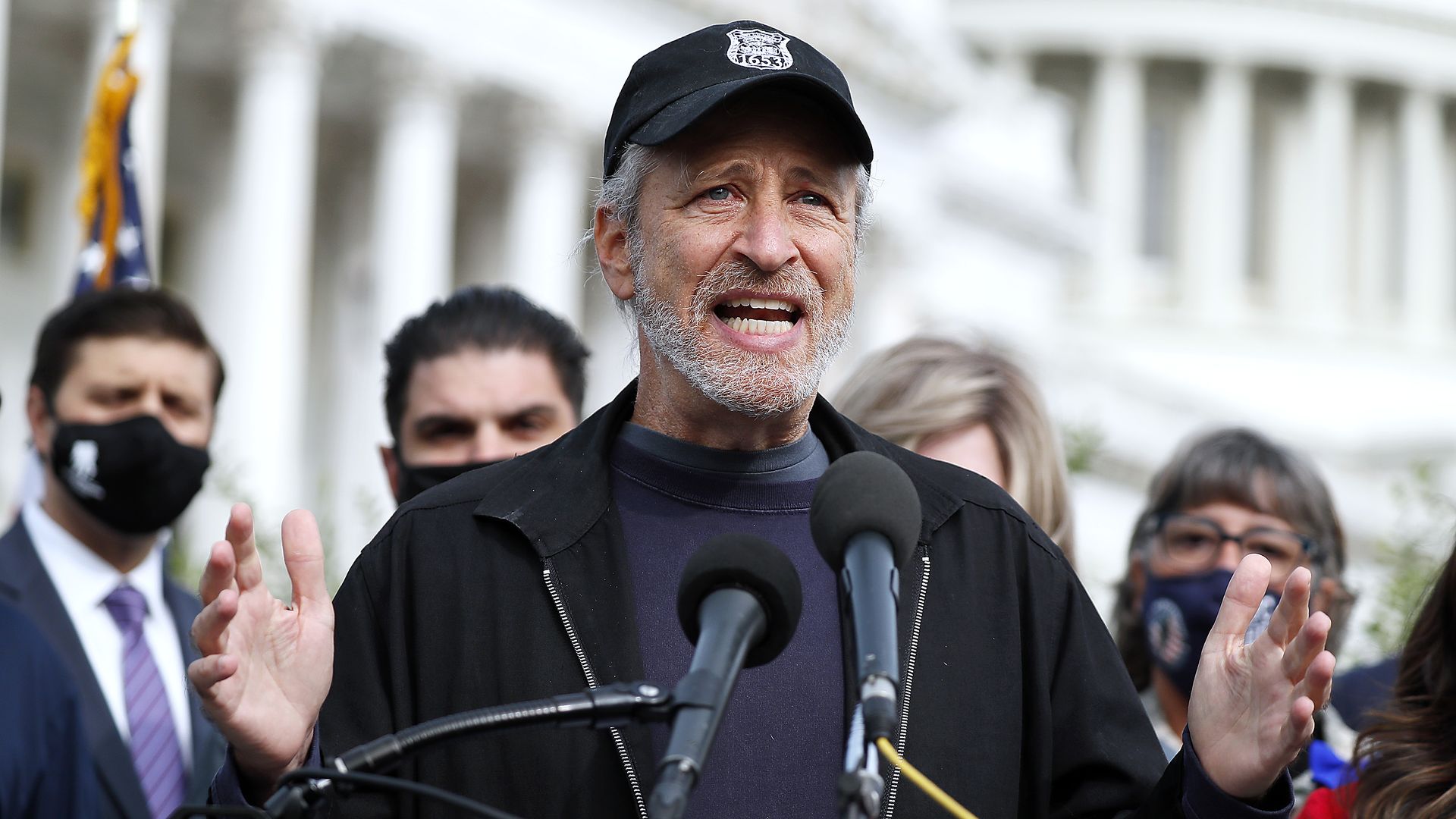
Jon Stewart, the former host of "The Daily Show," is set to release a yet-t0-be titled "original current affairs series" with Apple TV+ through a multiyear partnership announced Tuesday, per the Hollywood Reporter.
For decades, the share of Americans moving to new cities has been falling. The pandemic-induced rise of telework is turning that trend around.
Why it matters: This dispersion of people from big metros to smaller ones and from the coasts to the middle of the country could be a boon for dozens of left-behind cities across the U.S.
Many Americans who have been out of work for months and hold jobs in struggling industries like travel and hospitality are thinking about switching careers entirely.
The big picture: It's not so easy. Jumping into new roles and new fields requires training, which can be too costly or difficult to come by. And even after training, starting all over again usually means a huge pay cut, experts say.
U.S. coronavirus cases and hospitalizations are surging, with cold weather arriving before even the best-case scenario for a widely distributed vaccine. Now we're also beginning to see an increase in coronavirus-related startup funding, focused on both testing and pharma.
Driving the news: Gauss, a Silicon Valley computer vision startup focused on health care, tells Axios that it's raised $10 million to accelerate development and commercialization of an at-home rapid antigen test for COVID-19.
Airbnb on Tuesday announced that it plans to list its shares on the Nasdaq, but didn't provide any additional information about its upcoming IPO.
Timing: The hospitality giant continues to target a 2020 offering, as its long-term rental and domestic business have helped offset some pandemic-related slowdowns.
Sen. Ted Cruz (R-Texas) told "Axios on HBO" on Monday that he wishes reining in the national debt was a higher priority for President Trump.
Why it matters: Trump pledged during the 2016 campaign to reduce the national debt and eliminate it entirely within eight years, though he also deemed himself "the king of debt" and said there were some priorities that required spending. In the fiscal year that ended in September, the deficit reached a record $3.1 trillion.
Advanced Micro Devices (Nasdaq: AMD) agreed to buy rival U.S. chipmaker Xilinx (Nasdaq: XLNX) for $35 billion in stock.
Why it matters: AMD is expanding at the same time that rival Intel is divesting, using the nearly $40 billion in market cap it's gained so far in 2020. The deal also reflects rapid growth of the data center market, due to increased demand from cloud computing giants like Amazon, Google, and Microsoft.
The Artist Rights Alliance, a non-profit advocating for music creators, has sent a letter to the Justice Department, the Federal Trade Commission and the state Attorneys General of Vermont and California, calling for an investigation into Facebook for refusing to take action on a fraudulent concert on its platform.
Details: The letter, obtained by Axios, asks policymakers to investigate Facebook for "participating in a scheme to defraud cellist Zoe Keating, an unknown number of her fans, and undoubtedly thousands of other working artists."
Joe Biden appears to align with more venture capital and startup industry priorities than does Donald Trump, despite the latter's dedication to cutting personal and business taxes.
Why it matters: Trump’s hostility to immigration and bans on Chinese apps TikTok and WeChat are especially challenging for the industry, according to its top lobbying group, the National Venture Capital Association.
Our thought bubble: The company was previously reportedly valued at $800 million after its last round in 2017, so presumably it's approaching a valuation that exceeds $1 billion.
Waymo, which recently opened up its driverless taxi service to the public in Phoenix, is now partnering with Daimler Trucks to deploy fully autonomous Freightliner semi-trucks in the U.S.
Why it matters: Robotaxis will be slow to roll out city by city, but self-driving trucks are somewhat easier to deploy on highways, with the potential to improve safety and efficiency for fleet customers while addressing a nationwide shortage of truck drivers.
A big new UN report delves deeply into an under-the-radar problem: the long-lasting carbon emissions and pollution from used cars shipped from wealthy nations to poorer ones.
The big picture: The UN Environment Programme report finds that between 2015 and 2018, the U.S., EU and Japan together exported 14 million used light-duty vehicles, with 70% going to developing nations. Africa is the largest export destination.
Tech platforms are no longer satisfied with debunking falsehoods — now they're starting to invest in efforts that preemptively show users accurate information to help them counter falsehoods later on.
Why it matters: Experts argue that pre-bunking can be a more effective strategy for combating misinformation than fact-checking. It's also a less polarizing way to address misinformation than trying to apply judgements to posts after they've been shared.
Jeff Goodman and Rob Dauster, both long-time college basketball insiders, have joined forces with former players and fellow media members to launch a new college hoops podcast network called The Field of 68.
Coming up: The network will launch with a trio of national podcasts this week:
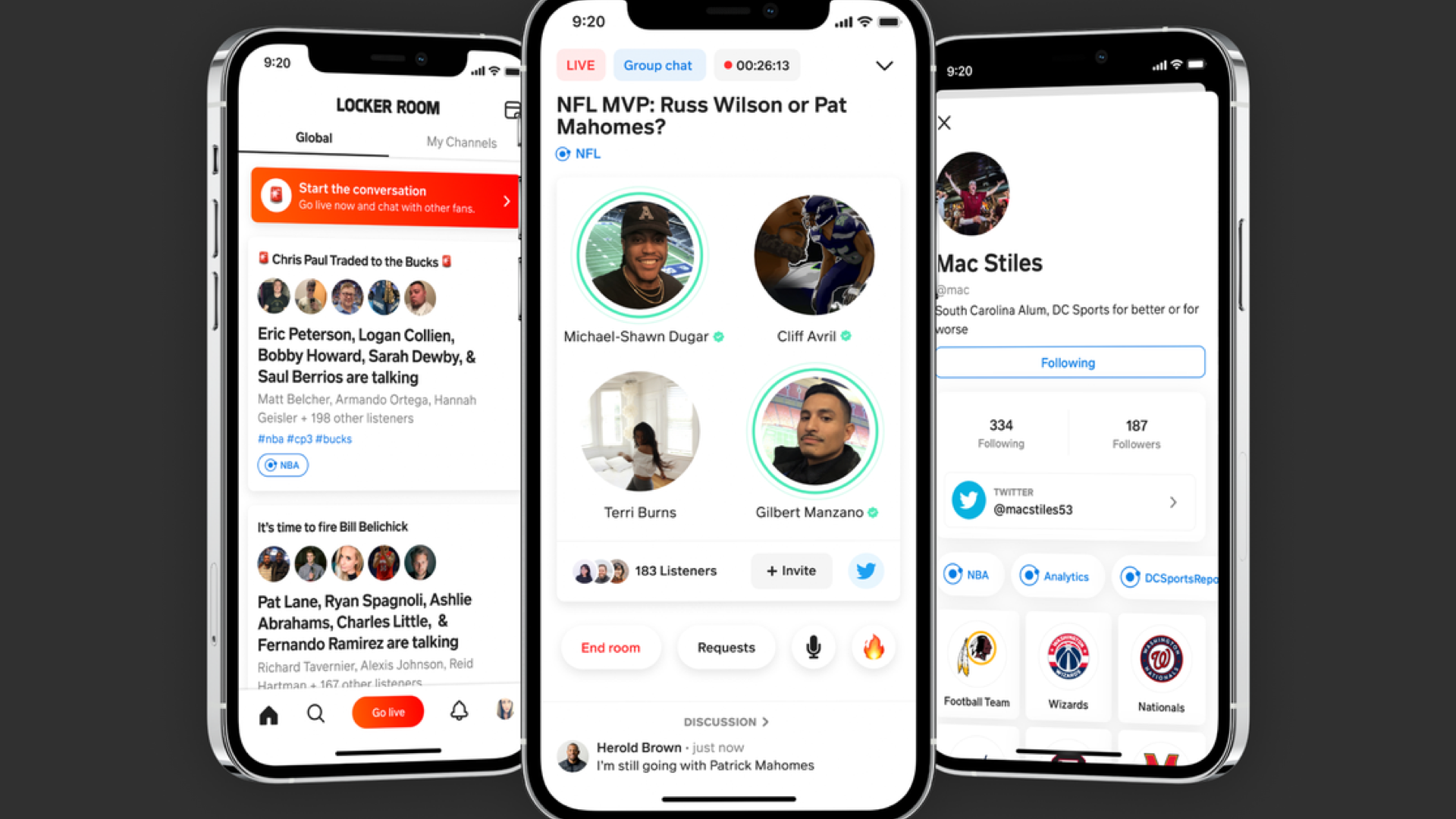
Locker Room, a social audio app where fans can talk sports and spontaneously join live conversations, launches Tuesday on the App Store.
The state of play: The company behind Locker Room, Betty Labs, has raised $9.3 million in seed funding led by Google Ventures with participation from Lightspeed Venture Partners and the Alexa Fund, Axios has learned.
The behavior of U.S. stocks so far this earnings season has been unusual for both companies that beat expectations and those that missed, top equities strategists say.
What's happening: Analysts at Deutsche Bank note that "the S&P 500 is seeing a rare earnings season decline so far of (-4.2%)," compared to an average gain of 2.9% and in especially sharp contrast to the record rally of 11% in Q2.
The Lincoln Project is looking to beef up its media business after the election, sources tell Axios.
Driving the news: The group is in talks with the United Talent Agency (UTA) to help build out Lincoln Media and is weighing offers from different television studios, podcast networks and book publishers.
Ant Group's $34.5 billion IPO will make the Chinese fintech company the largest listing ever, and its choice to list its shares in Hong Kong and Shanghai rather than New York City marks a pivotal moment that could see the financial industry move towards China.
Why it matters: "This was the first time such a big listing, the largest in human history, was priced outside New York City," Ant Group founder Jack Ma told the Bund Summit in Shanghai Saturday. "We wouldn’t have dared to think about it five years, or even three years ago."
Twitter on Monday labeled a tweet from President Trump that made baseless claims of "Big problems and discrepancies with Mail In Ballots," saying it shared information about the election that "is disputed and might be misleading."
Why it matters: Twitter has taken a more direct stance in labeling political tweets as misinformation than some counterparts, like Facebook, ahead of the 2020 election.