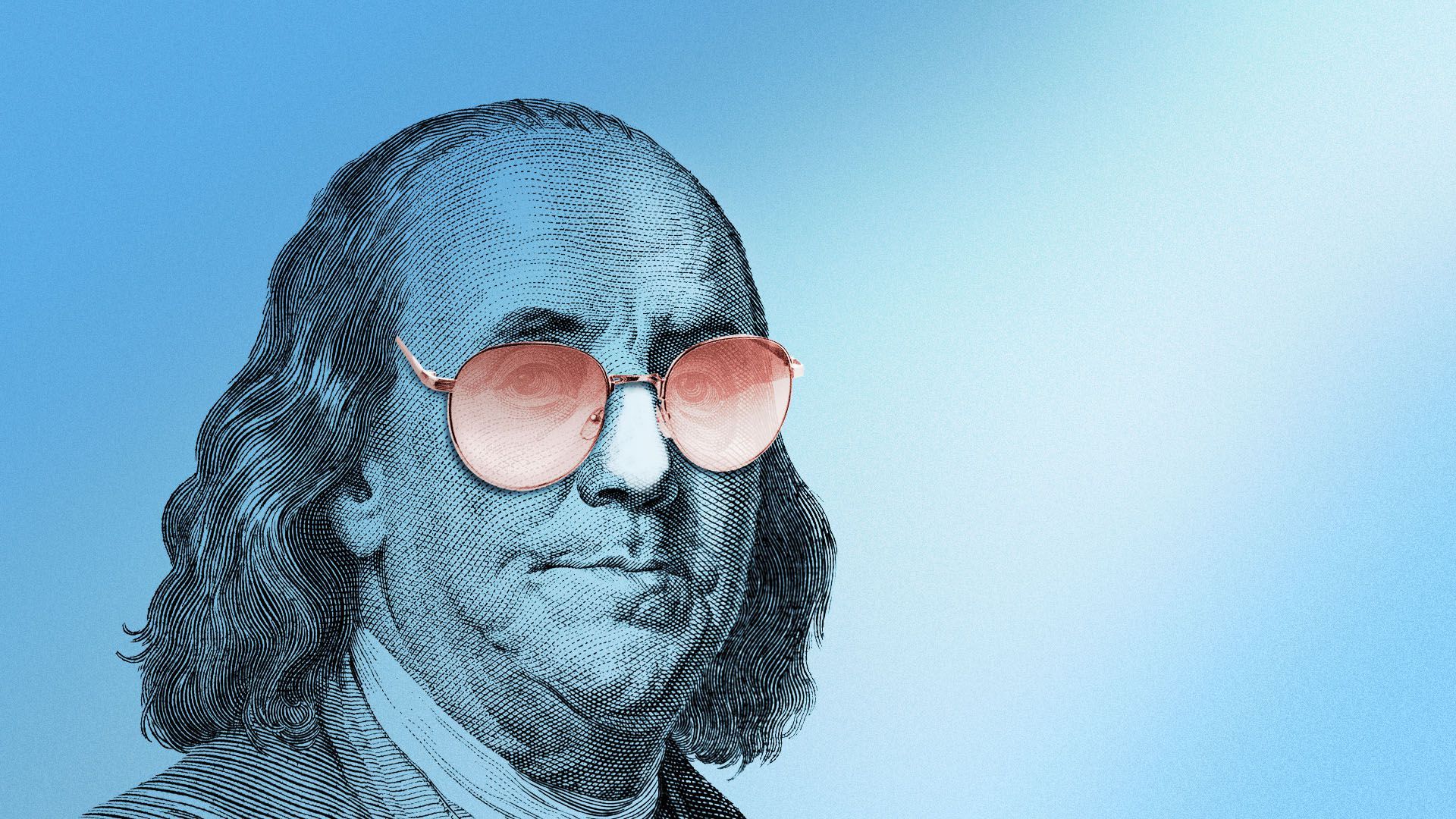
The election is just eight days away, and it’s not just the candidates whose futures are on the line. Political pollsters, four years after wrongly predicting a Hillary Clinton presidency, are viewing it as their own judgment day.
Axios Re:Cap digs into the polls, and what pollsters have changed since 2016, with former FiveThirtyEight writer and current CNN politics analyst Harry Enten.
More than 16.82 million people tuned into Sunday evening's "60 Minutes" episode featuring interviews with President Trump and Joe Biden, according to preliminary Nielsen ratings.
Why it matters: It's the largest audience for a television broadcast, excluding multi-channel and sports programming, since the Academy Awards on Feb. 9.
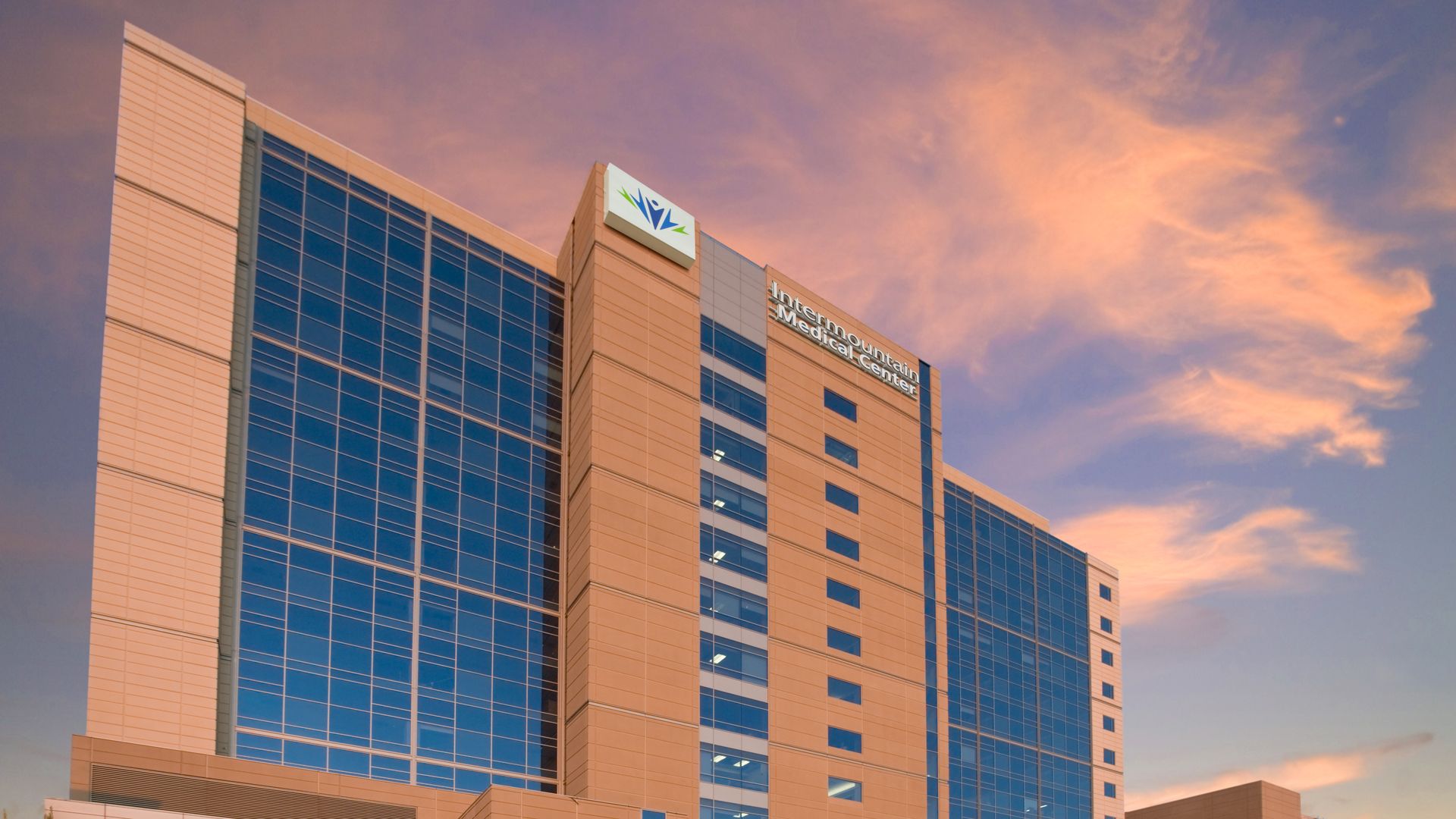
Intermountain Healthcare and Sanford Health have agreed to merge, creating a system of 70 hospitals, hundreds of physician practices, and two health insurance companies across the West and Midwest, pending state and federal regulatory reviews.
Why it matters: A combined Intermountain-Sanford system would generate $15 billion of annual revenue, making it bigger than BlackRock or Uber, and would highlight how hospital systems are still pushing to consolidate despite the coronavirus pandemic.
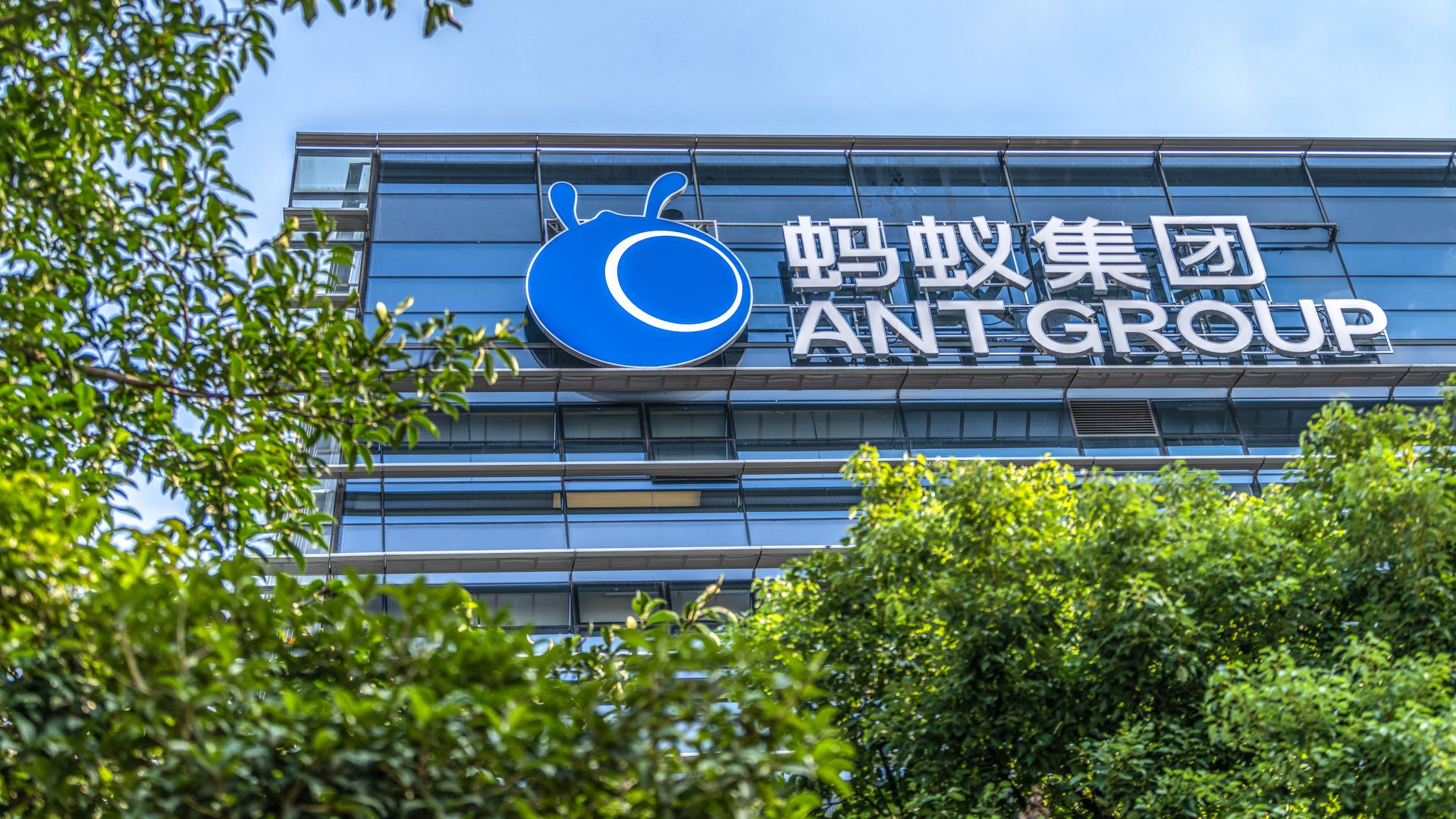
Ant Group, the Chinese financial services giant, on Monday disclosed plans to raise up to $34.4 billion in what would be the largest global IPO of all time.
The big picture: Ant Group expects to raise around $17.2 billion in both Shanghai and Hong Kong, likely next week, by seeking to price at HK$80 per share for a potential value of more than $300 billion. Alibaba Group would participate in order to retain its 33% equity position.
Private equity is watching the consolidation of the North American oil and gas sector from the sidelines, instead focusing its energy efforts on renewables.
Driving the news: Cenovus Energy on Sunday agreed to buy Husky Energy for $2.9 billion in stock, in a deal that would create Canada’s third-largest oil and gas producer.
Google hands Apple billions of dollars annually to be the default search engine on the iPhone giant’s devices, an arrangement that’s coming under renewed scrutiny as part of the government's antitrust suit against Google.
Why it matters: Google is the go-to search engine on mobile devices due to this deal, together with other pacts with wireless carriers and Android device makers. Google says users would pick it anyway, but antitrust enforcers contend the deals give Google a huge advantage over its search rivals.
The average yield bank customers get for interest-bearing checking accounts tied a record low of 0.04% this year — yet fees for having such an account and the minimum balance required to avoid such fees both rose to record highs, according to Bankrate’s 2020 checking account and ATM fee study.
The state of play: The average fee for insufficient funds rose 0.3% to $33.47, also the highest it has been in the 23-year history of the annual study.
The Census Bureau's latest survey of Americans' forward-looking economic expectations found a particularly dour outlook.
Details: Three of the country's four most populous states expect to see at least one in four citizens lose some employment income in the next four weeks.
U.S. government bonds could breakout further after yields on the benchmark 10-year Treasury note ticked up to their highest since early June last week.
But, but, but: Strategists say this move is about an improving outlook for economic growth rather than just inflation.
Schools across the country have flip-flopped between in-person and remote learning — and that instability is taking a toll on students' ability to learn and their mental health.
The big picture: While companies were able to set long timelines for their return, schools — under immense political and social strain — had to rush to figure out how to reopen. The cobbled-together approach has hurt students, parents and teachers alike.






/2020/10/26/1603719430720.gif?w=3840)