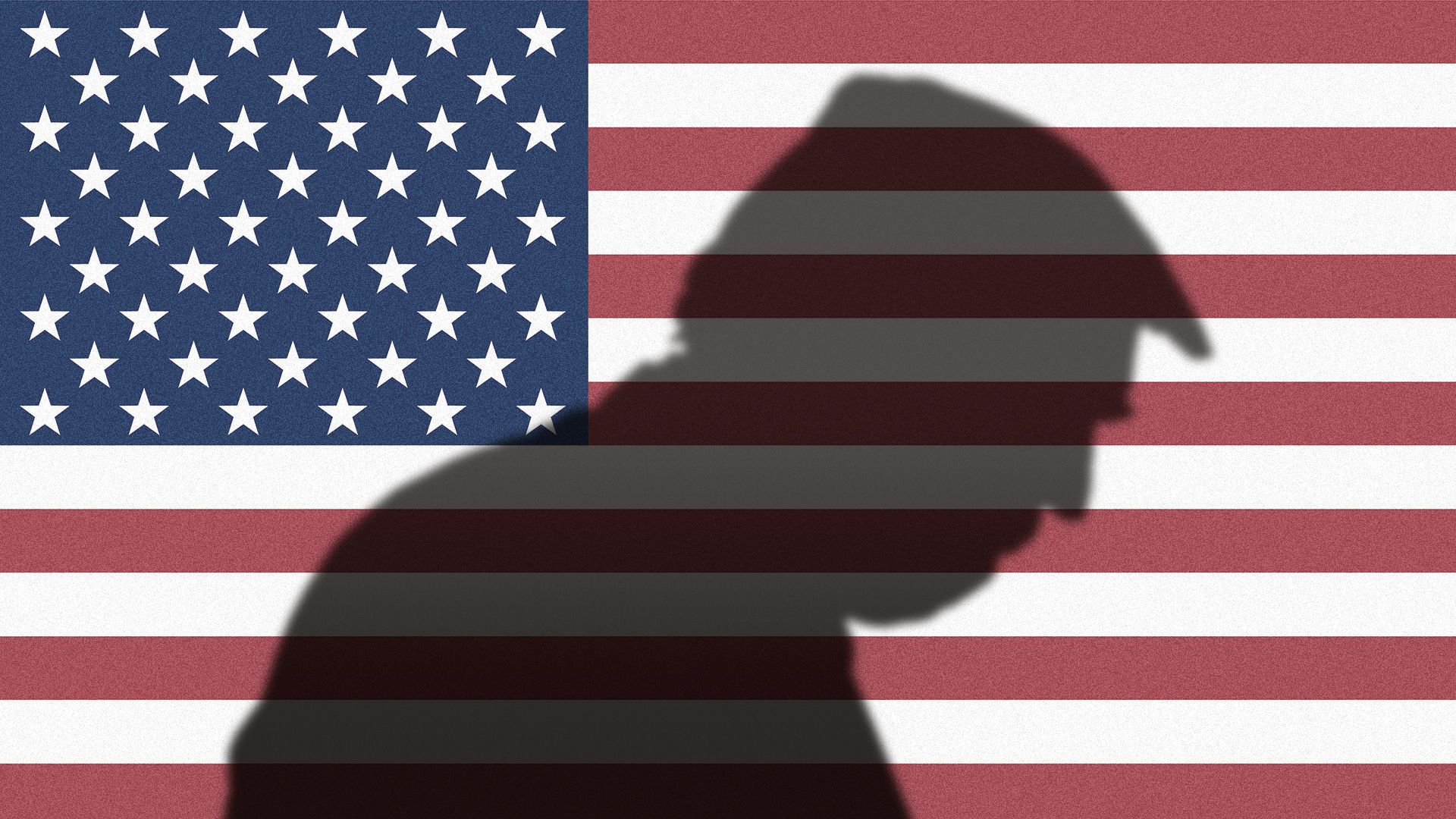
President Trump has presided over a stock market surge since taking office in 2017, but he's been outpaced by three of his four predecessors.
By the numbers: The S&P 500 grew by 44.5% since Trump's inauguration through the end of October 2020. This comes up short of former President Obama's 66.1% through the comparable time period, but well above the -15.8% for former President George W. Bush.
The decline of ExxonMobil has been remarkable in its magnitude and unexpectedness.
Why it matters: While all major oil companies are facing troubles, Exxon has fallen the farthest, in large part because it has made the biggest bets on oil and gas — and the smallest bets on renewable energy.
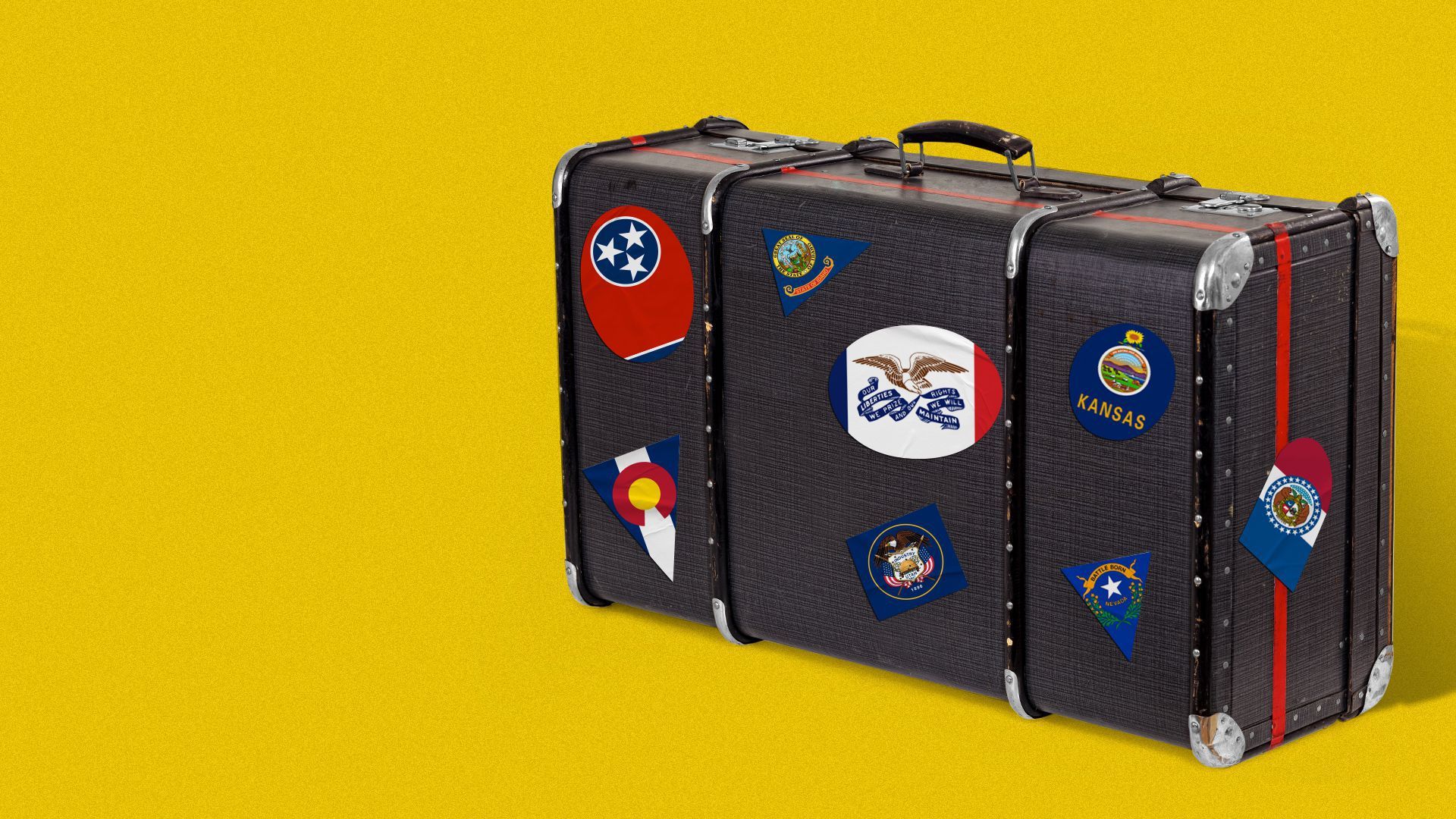
A new survey indicates as many as 23 million Americans — more than 10% of the adult population — are planning to move as a result of remote work, mostly to cheaper and less dense places.
Why it matters: The sudden shift to remote work has freed up many Americans from having to live in or near the costly urban centers where job growth had been concentrated. But businesses and major cities will struggle to adjust to the changes.
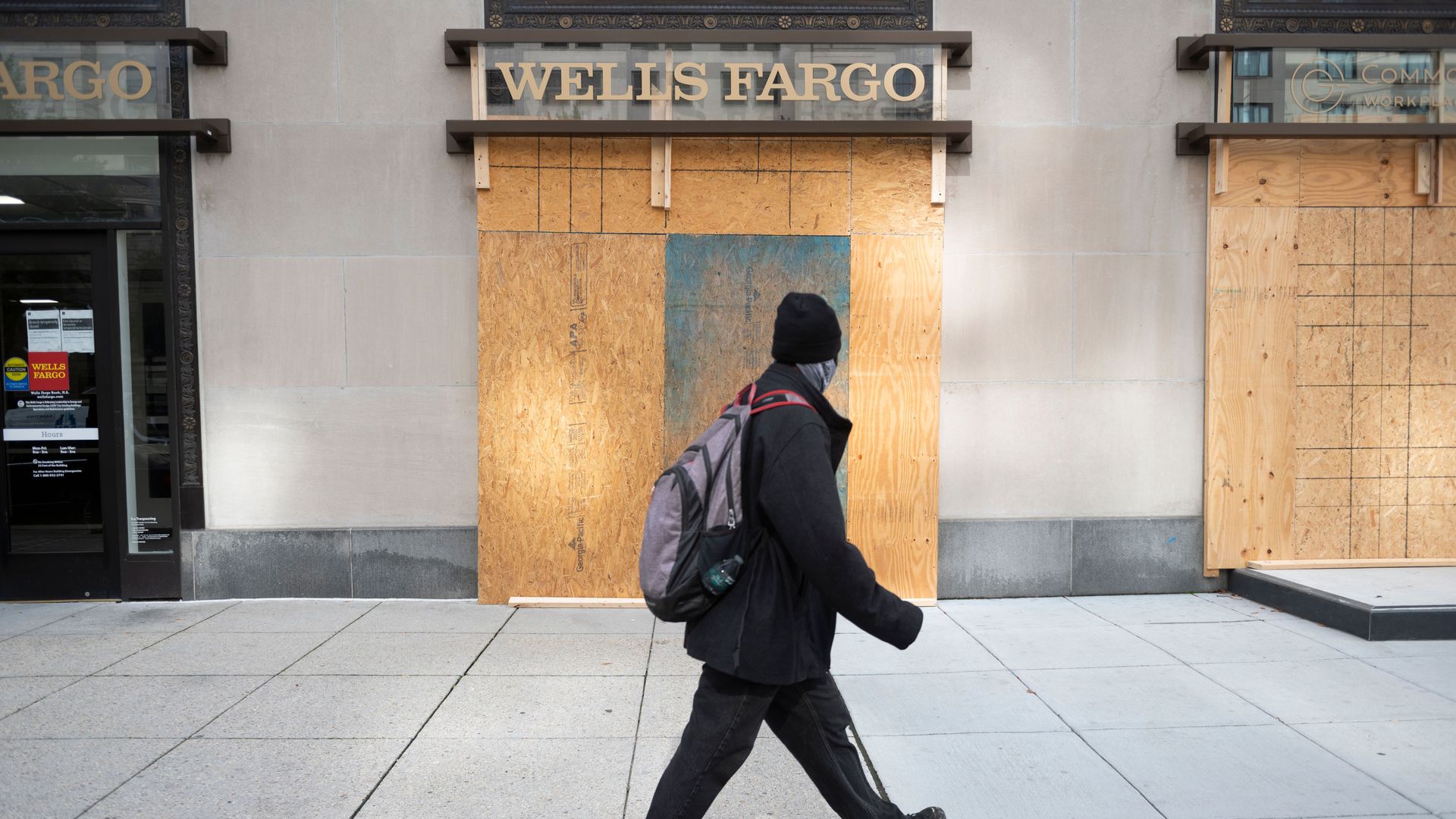
Retailers across the U.S. are boarding up their storefronts and tightening security ahead of predicted unrest in response to next week's election.
The big picture: Black Lives Matter protests earlier this year resulted in more than $1 billion worth of property damage. This time around businesses are hoping to avoid the same outcome if election results spark activism or conflict.
President Trump's policy legacy is as much defined by what he's ignored as by what he's involved himself in.
The big picture: Over the past four years, Trump has interested himself in only a slim slice of the government he leads. Outside of trade, immigration, a personal war against the "Deep State" and the hot foreign policy issue of the moment, Trump has left many of his Cabinet secretaries to work without interruption, let alone direction.
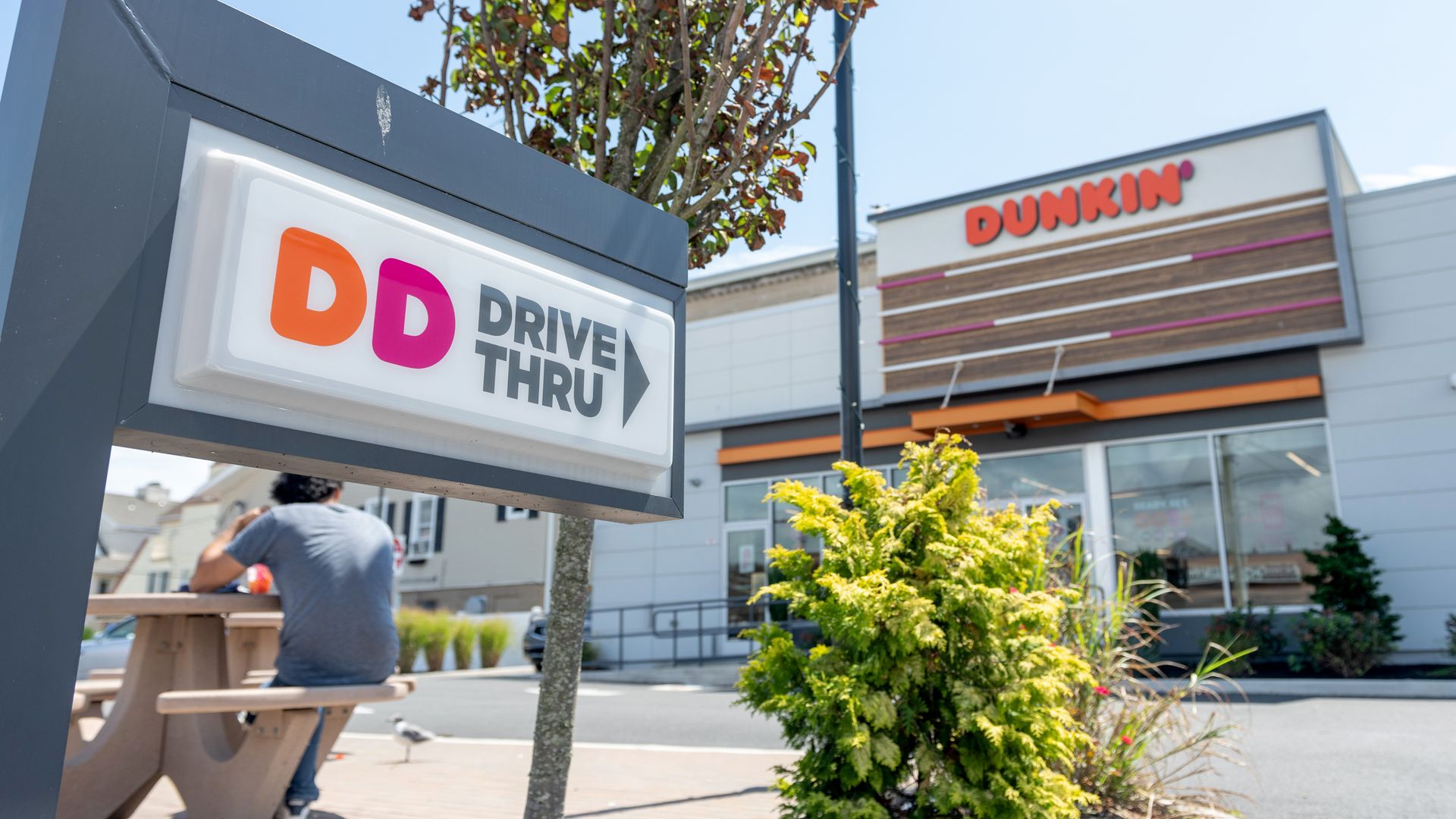
Dunkin' Brands, operator of both Dunkin' Donuts and Baskin-Robbins, agreed on Friday to be taken private for nearly $11.3 billion, including debt, by Inspire Brands, a restaurant platform sponsored by private equity firm Roark Capital.
Why it matters: Buying Dunkin’ will more than double Inspire’s footprint, making it one of the biggest restaurant deals in the past 10 years. This could ultimately set up an IPO for Inspire, which already owns Arby's, Jimmy John's and Buffalo Wild Wings.