Microsoft is the latest big company to embrace the work-from-home experiment, announcing it will allow all employees to telework up to 50% of the time and some employees to work remotely forever.
Why it matters: Microsoft's approach will be a test of whether the hybrid workplace model can succeed at a massive scale.
Johnson & Johnson has paused Phase 3 trials for its COVID-19 vaccine candidate, after one patient reported an “unexplained illness.” This comes after AstraZeneca paused its Phase 3 trials due to an adverse event, and Moderna slowed its trial because of enrollment difficulties.
Axios Re:Cap goes deeper with Tom Frieden, who led the Centers for Disease Control and Prevention between 2009 and 2017.
While the coronavirus has dampened hiring across states and sectors, some industries have fully recovered — or are doing even better than they were before the pandemic.
The big picture: The sectors that have bounced back are supporting the new stay-at-home economy.
The virtual office water cooler is the new Thanksgiving dinner table.
The big picture: There's a brewing debate over whether politics belongs at work — and while most Americans think it doesn't, per a new Harris Poll survey shared with Axios, they also think companies shouldn't back down from speaking out on social justice issues.
The coronavirus pandemic has created a stay-at-home economy worth trillions.
The big picture: While the pandemic is killing scores of businesses that depend on office workers, it's also making way for startups and titans alike to conquer a new industry — powering our remote lives.
AMC, the largest movie exhibitor in North America, said in a regulatory filing Tuesday that given its current cash burn-rate, its existing resources may run out by year's end.
Why it matters: The theater chain warned investors in July that it may not survive the pandemic. The company reopened most of its theaters in August, but with studios delaying major blockbusters, attendance has been abysmal.
Facebook will ban anti-vaccine ads in an effort to combat misinformation and support public health experts, the social media platform announced in a statement on Tuesday.
Why it matters: The company now says it doesn't want these ads on its platform, but the policy does not apply to influencers who experts say drive a significant amount of organic misinformation about vaccines.
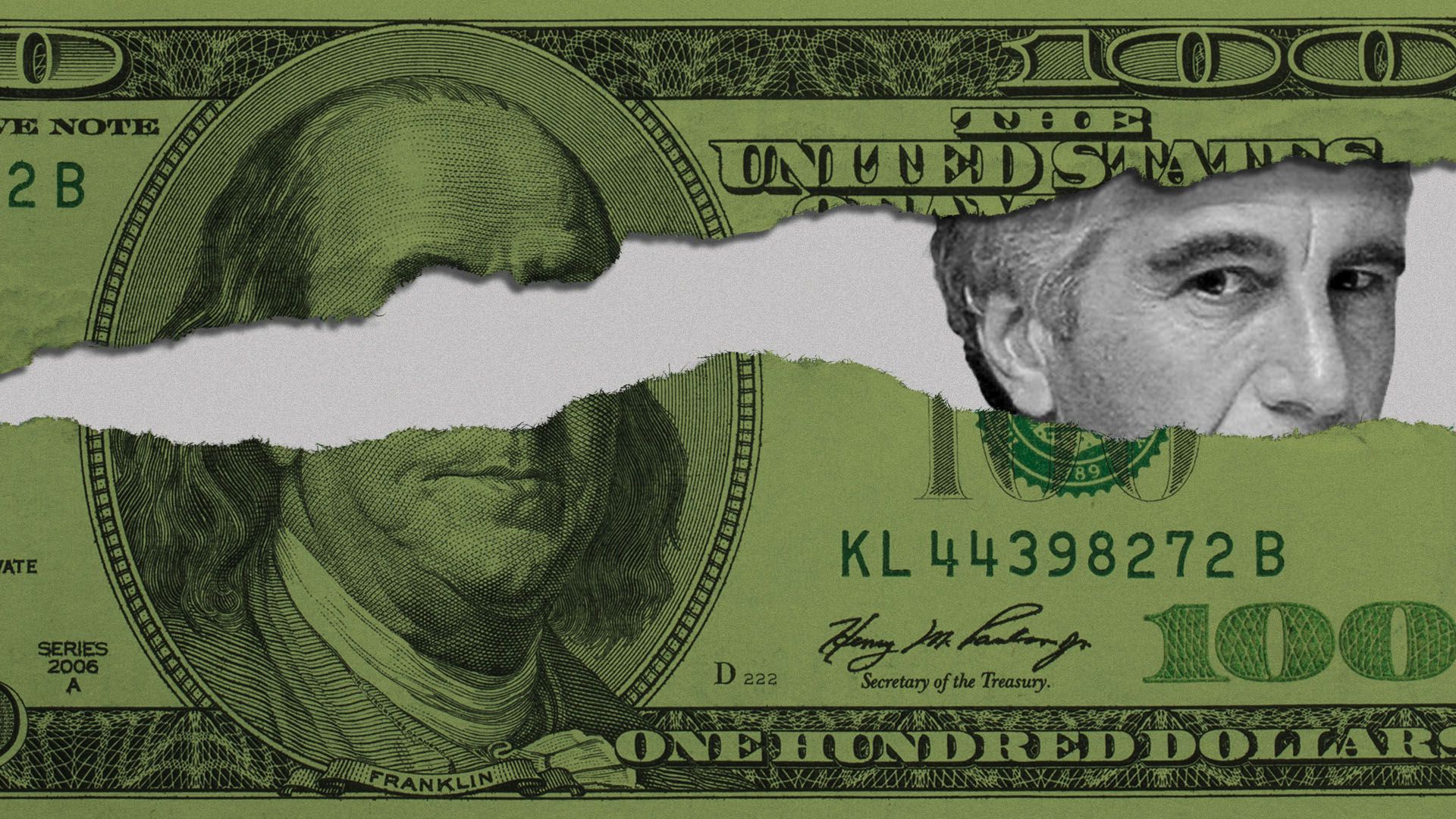
458 days. That's how long it's been since Axios first asked Apollo Global Management CEO Leon Black to explain why he donated $10 million to Jeffrey Epstein's charity after he pleaded guilty to felony prostitution with an underage girl. Still no reply.
1 day: That's how long it's been since the New York Times reported that the $10 million donation was just the tip of an inexplicable iceberg.
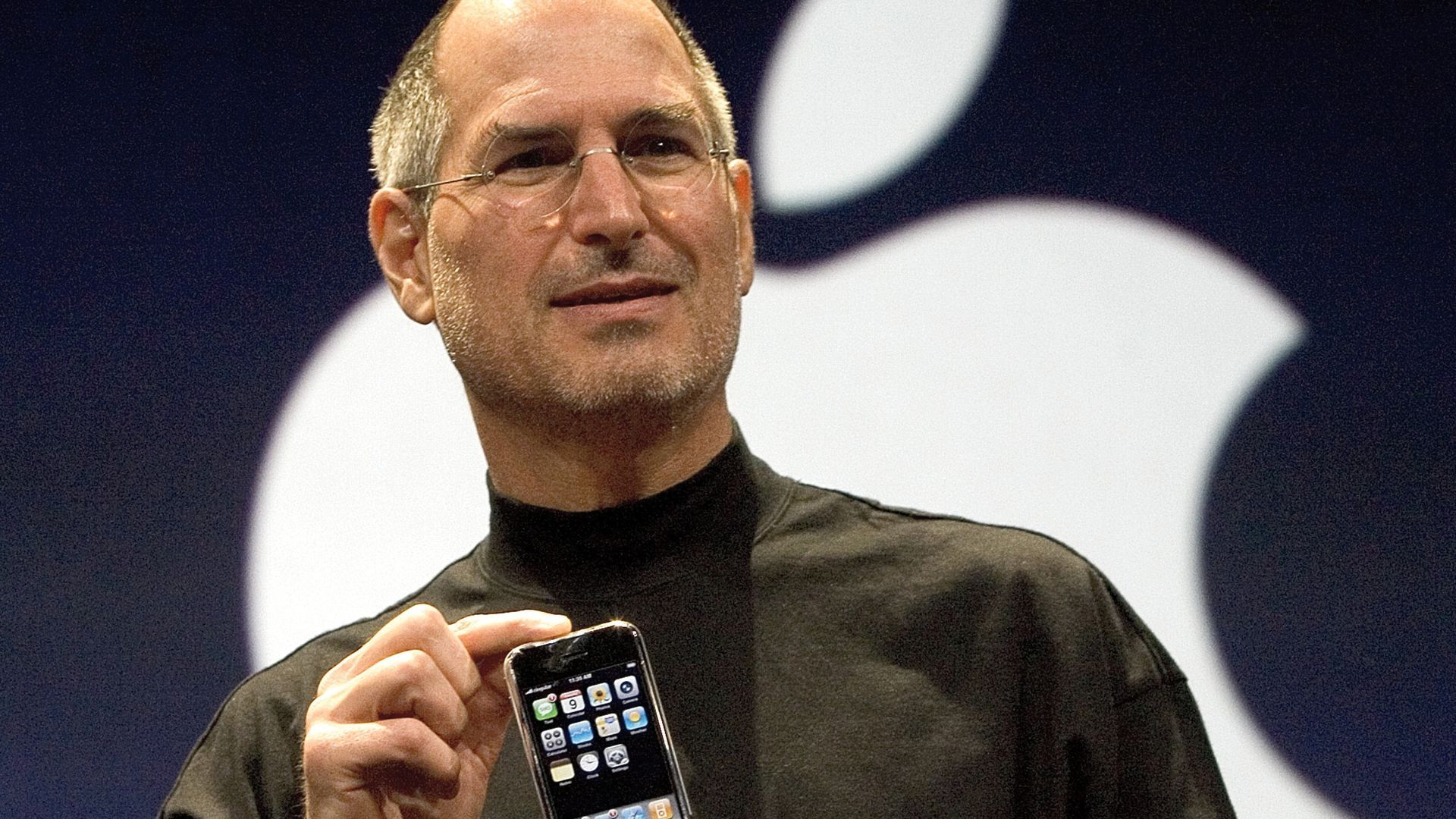
Apple will introduce its latest iPhones today using the same format it has employed for more than a decade: a dedicated press event with executives touting how much better the new product is than all the ones that came before it.
Reality check: Apple events aren't nearly as exciting as they used to be. That's especially true since they've gone virtual during the pandemic. But a number of other factors also keep today's hourlong commercials from being as compelling as they used to be.
The pandemic hasn't just shut down newsrooms, but dozens of storied printing presses as well — and the closures impact hundreds of jobs across the country.
Driving the news: The Philadelphia Inquirer said Monday that it would be selling its printing plant, putting as many as 500 out of work.
Ben Smith’s column Sunday night, diving into the saga behind star correspondent Rukmini Callimachi’s reporting on terrorism, is the latest piece of criticism that the New York Times faces from within.
Why it matters: Recent examples of internal critiquing at the Times calls into question whether the Times and other companies should have eliminated the role of public editor.
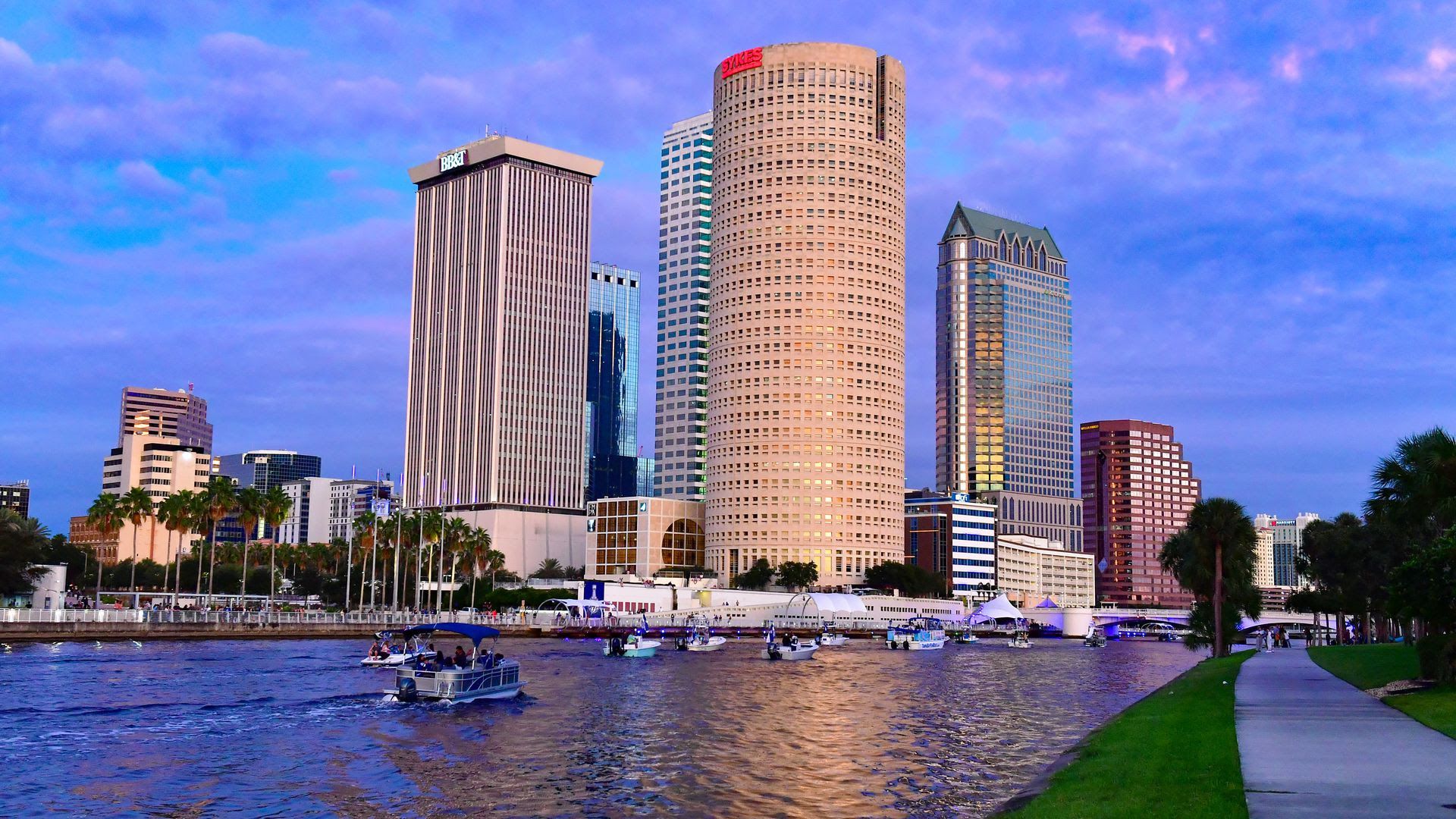
The Tampa Bay area is having a heck of a sports year.
Yes, but: Its hometown teams have played in empty stadiums, or faraway bubbles, so it hasn't gotten to enjoy the excitement — or reap the economic rewards — that such success typically brings.
Bank of Japan governor Haruhiko Kuroda became the latest central bank chief to tip his hat to the possibility of easier monetary policy in recent weeks, saying during the Institute of International Finance's annual meeting Monday that the BOJ would "not hesitate to take additional easing measures as necessary."
What they're saying: "The BOJ hasn't run out of policy tools," Kuroda added. "We have a lot of policy tools to counter [damage from the pandemic]. We are flexible, innovative when considering measures to take."
Earnings season officially kicks off today with big banks reporting and analysts are expecting strong outperformance.
What's happening: In the second quarter there was an unusually high 12.5 percentage point improvement in earnings results from their original projections (to -31.6% from -44.1%) due to a record-high percentage of companies reporting positive EPS surprises (84%).
The gap between projected GDP growth in the third quarter between the Atlanta Fed's GDPNow forecasting tool and the New York Fed's tool continues to widen.
What it means: Both GDPNow forecasts are driven by economic reports that increase or decrease expected U.S. growth for the quarter.
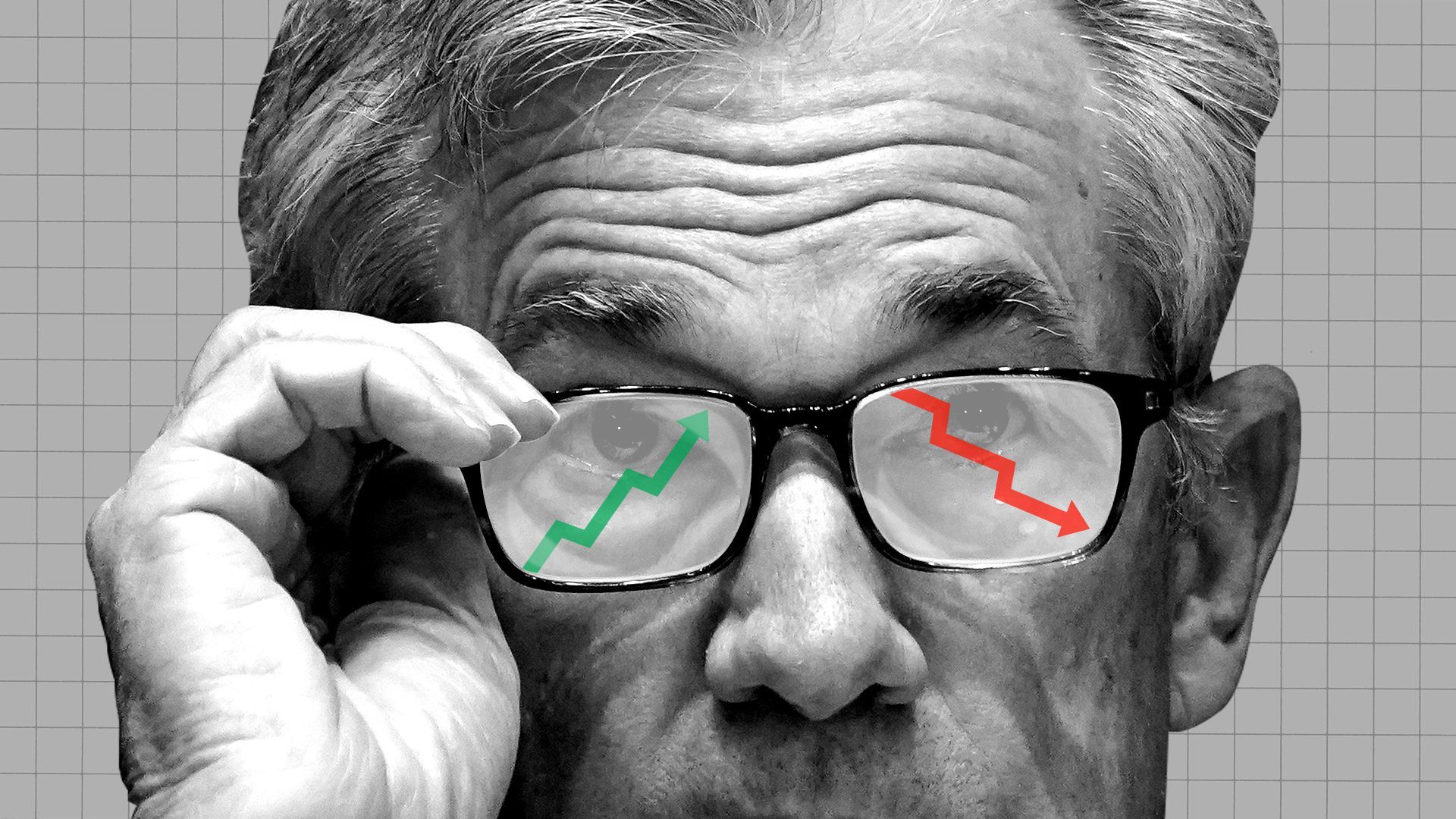
If there's anyone who should be talking about economic inequality it's Jerome Powell, a man who as Fed chair has aimed a spotlight on the issue and put the Fed on an intentional trajectory toward reducing it through policy.
Yes, but: Pressed for answers on how the central bank's policies have impacted wealth and income inequality among Americans during last week's virtual meeting with the National Association for Business Economics, Powell dodged and downplayed.
There's been a 200% increase in the number of fact-checking organizations that have launched worldwide since President Trump was elected in 2016, according to data from the Duke Reporter's Lab.
Nearly 20% of those organizations are in the U.S.
Why it matters: An explosion of misinformation has consumers focused more than ever on finding facts.
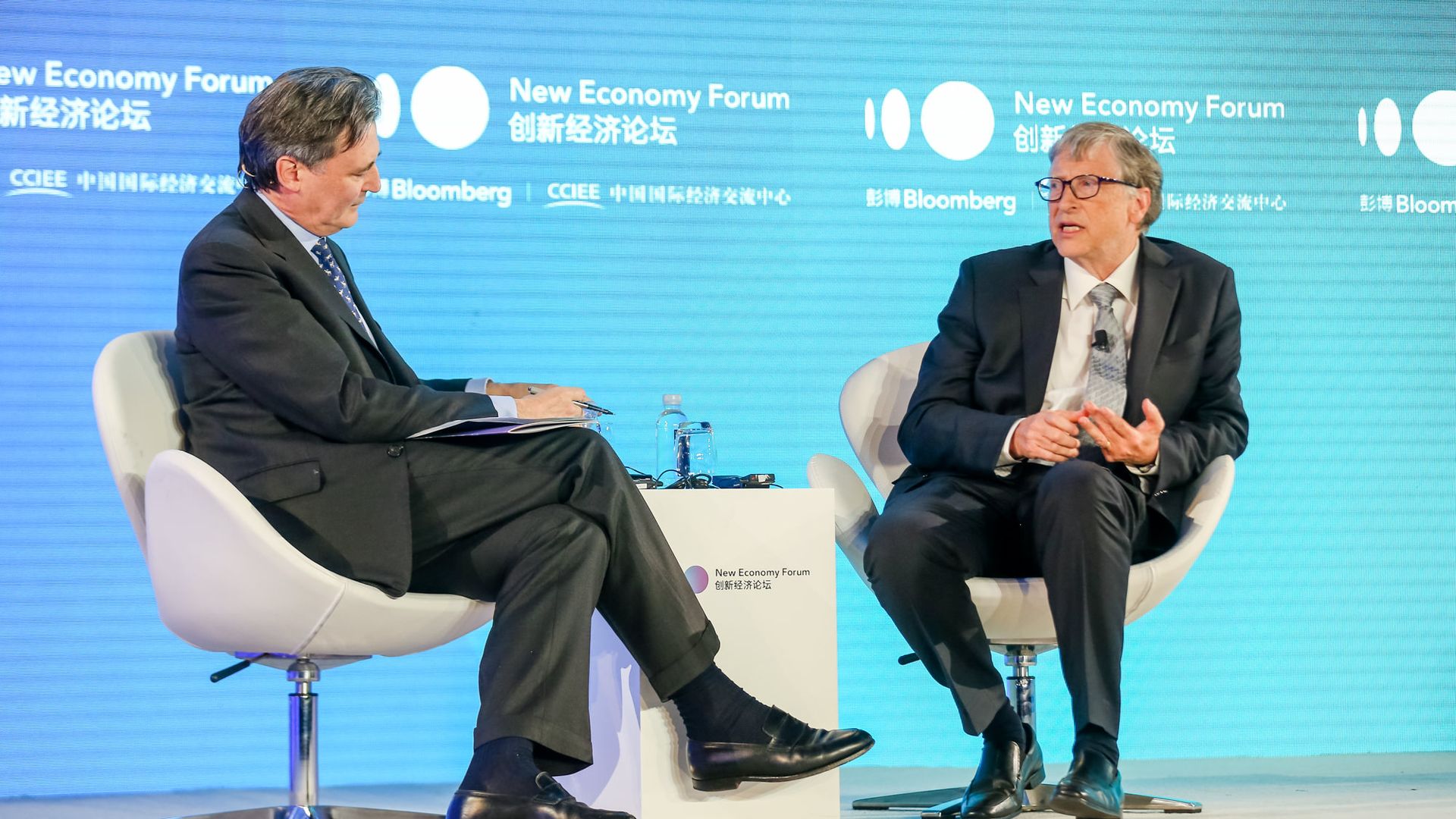
Bloomberg's New Economy Forum, going virtual this year for the first time, is on track to challenge the likes of the World Economic Forum, The Aspen Ideas Festival and others.
Why it matters: The forum will be the first major global convening of business and political leaders in the wake of the U.S. election. The World Economic Forum has been pushed until next summer.
A person who is looking for a full-time job that pays a living wage — but who can't find one — is unemployed. If you accept that definition, the true unemployment rate in the U.S. is a stunning 26.1%, according to an important new dataset shared exclusively with "Axios on HBO."
Why it matters: The official unemployment rate is artificially depressed by excluding people who might be earning only a few dollars a week. It also excludes anybody who has stopped looking for work or is discouraged by a lack of jobs or by the demands of child care during the coronavirus crisis.
The Washington Post has created a vote modeling tool that will help the newsroom determine with reasonable confidence if an election is too close to call and where votes remain to be counted, newsroom leads tell Axios.
Why it matters: The uncertain nature of this years' election has forced news companies to reevaluate the way they will present the election results.
Access money — funneling cash to government officials in return for favors — is the dominant form of corruption in both China and the U.S., according to groundbreaking research by University of Michigan political scientist Yuen Yuen Ang.
Why it matters: Until now, international corruption comparisons were largely confined to Transparency International’s Corruption Perceptions Index, which views corruption as a third-world problem through Western eyes.








/2020/10/13/1602609098862.gif?w=3840)