Twitter today is alight with conversations about a New York Post story on Hunter Biden. But you can't find a link to the story on Twitter, and you'll be temporarily blocked if you try to share it — due to concerns that the story is based on hacked, or possibly manipulated documents. Facebook has also put sharing limits on the story.
Axios Re:Cap talks with Sen. Ted Cruz (R-Tex.) about Big Tech censorship, election disinformation, and why he plans to subpoena Jack Dorsey, but not Mark Zuckerberg.
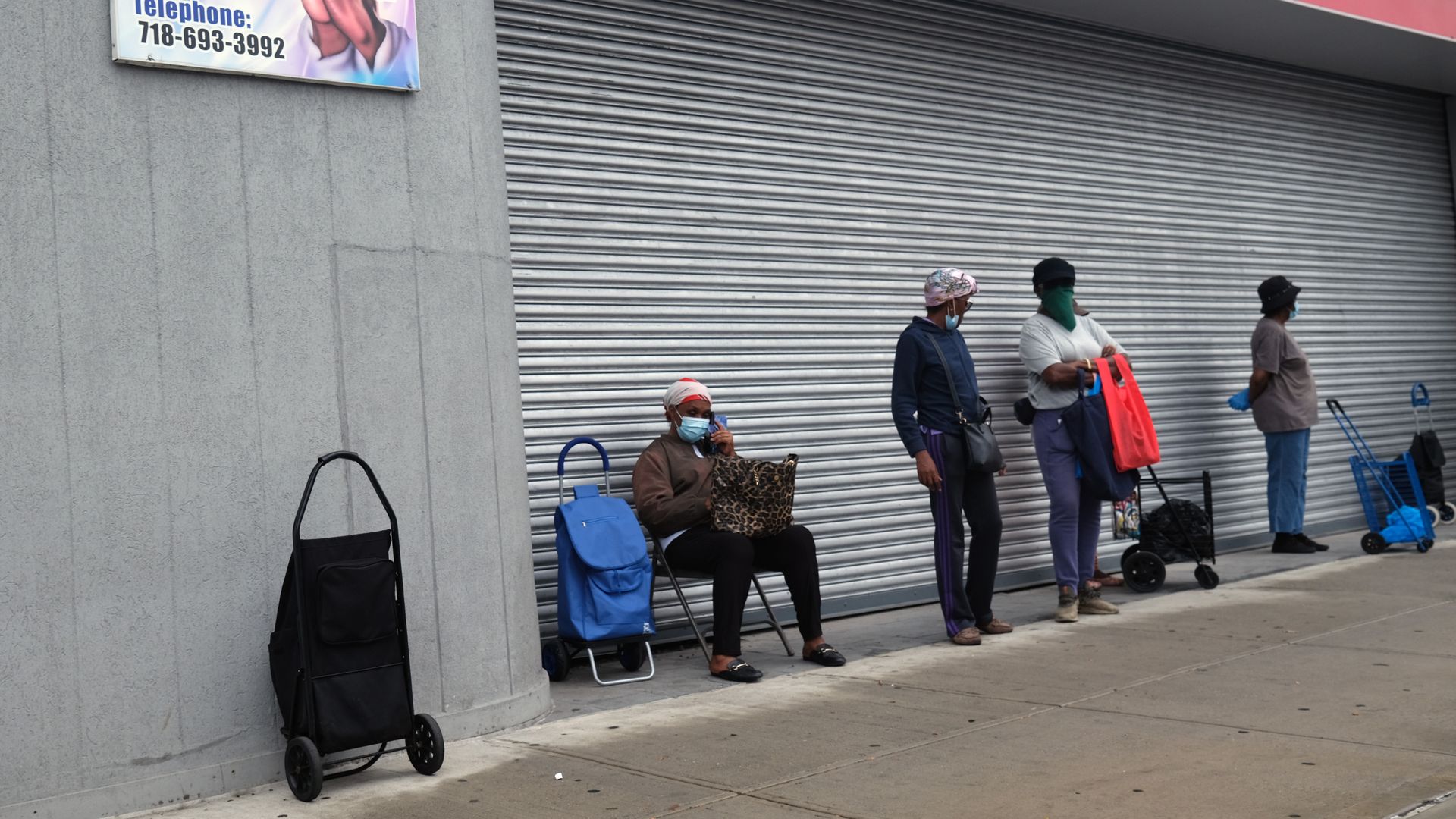
Nearly 8 million Americans have slid into poverty since May, according to a Columbia University study reported by the New York Times.
Why it matters: The researchers found that the monthly poverty rate for September was higher than rates during April or May, and it also topped pre-crisis levels, "[d]ue to the expiration of the CARES Act’s stimulus checks and $600 per week supplement to unemployment benefits."
Cities have been trying to persuade residents to return to buses and trains, as transit systems face a financial challenge of a lifetime in the middle of the pandemic. Now state officials are pleading for Washington to act on a stimulus that would help the biggest mass transit systems.
Why it matters: As more people stay put, transit systems are seeing lower levels of fares and tax revenues — blowing a hole in budgets across the country.
The tantalizing prospect of 10G internet service — which would be 10 times faster than today's 1G networks — is starting to take shape, and soon city officials will need to set policy guidelines for this next generation of cable broadband.
Why it matters: For now, ubiquitous 1 gigabit internet is "really going to be needed to ensure that the U.S. is at the forefront of global economic growth and opportunity," says Angie Kronenberg of INCOMPAS, the internet and competitive networks trade association.
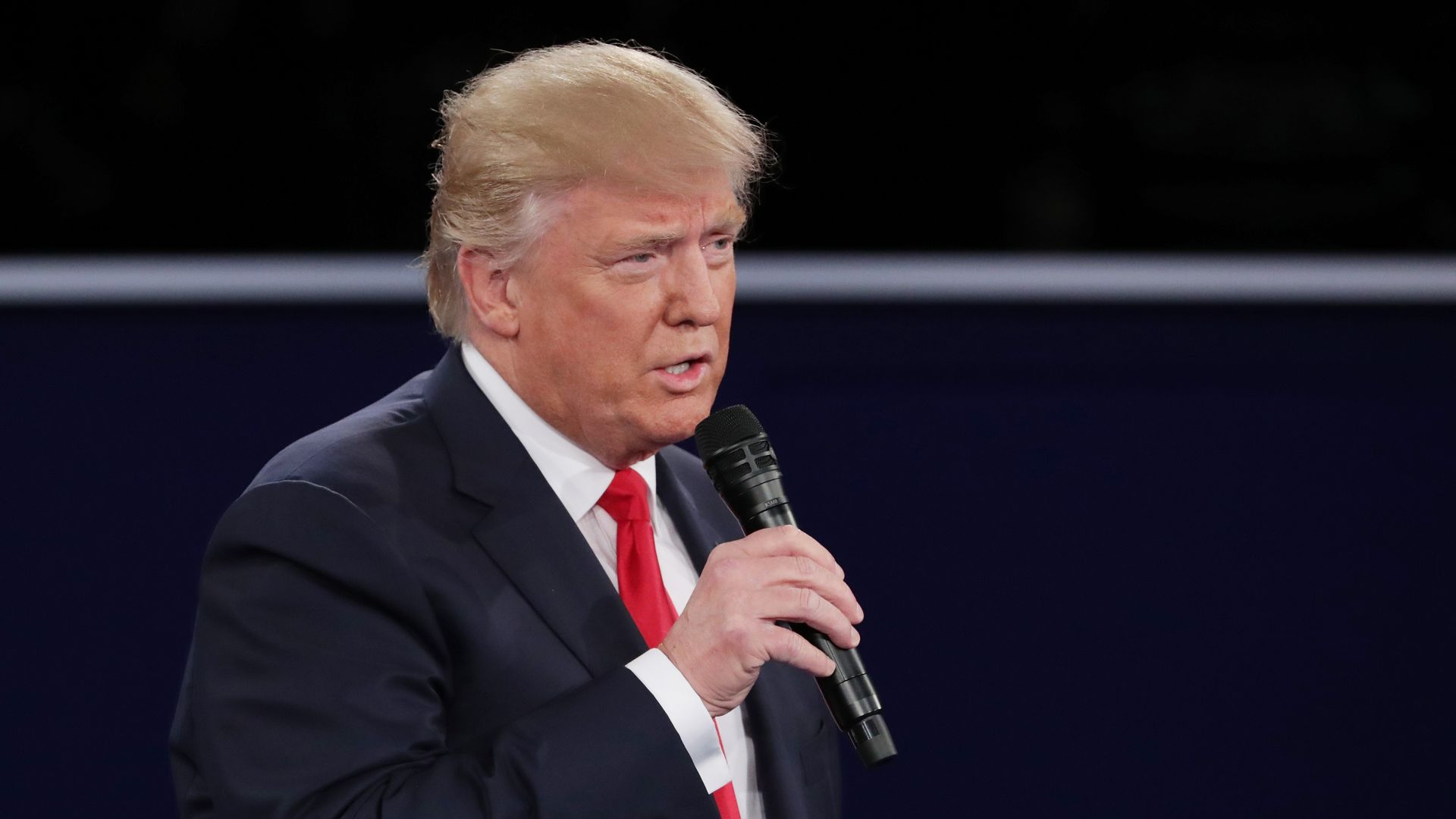
NBC News is facing backlash, including from some of its own talent and employees, for agreeing to air a town hall with President Trump on Thursday night at the same time that former Vice President Joe Biden will appear at an ABC town hall.
Why it matters: Critics argue that by airing the town hall during ABC's previously scheduled program, Americans won't be able hear from both candidates at the same time.
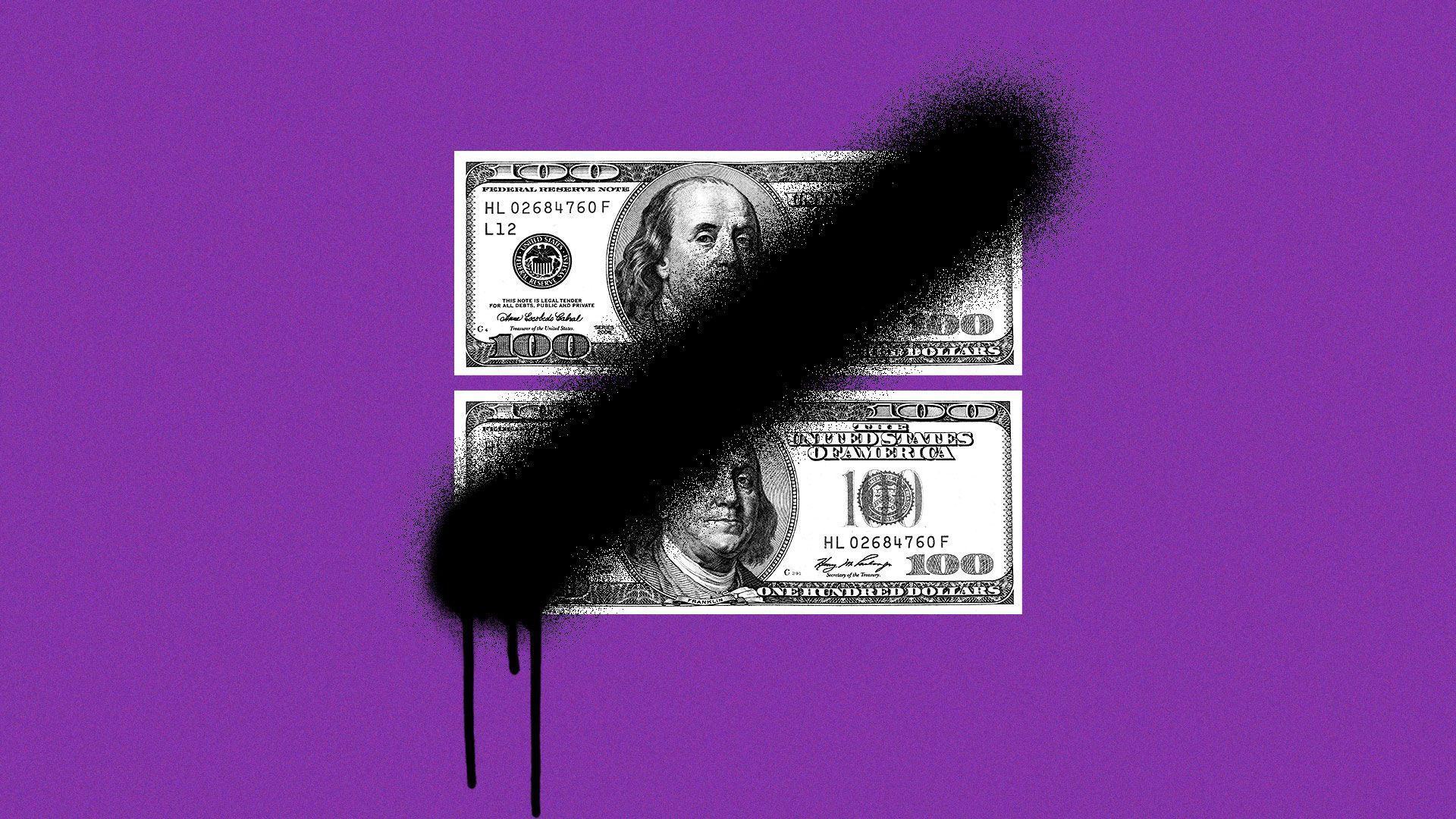
Economics is disparagedas "the dismal science" for good reason. And governments are rarely upheld as paragons of efficiency. But Paul Milgrom and Robert Wilson, the winners of this year's Nobel Prize in economics, have helped governments around the world create hundreds of billions of dollars of value with an astonishing level of sophistication and efficiency.
Why it matters: The auctions designed by the winners of this year's prize were initially used to allocate electromagnetic spectrum for cellphone communication. Since then, they've been used to price everything from airport landing slots to carbon-emission credits, in a manner that is fair, efficient, and effective.
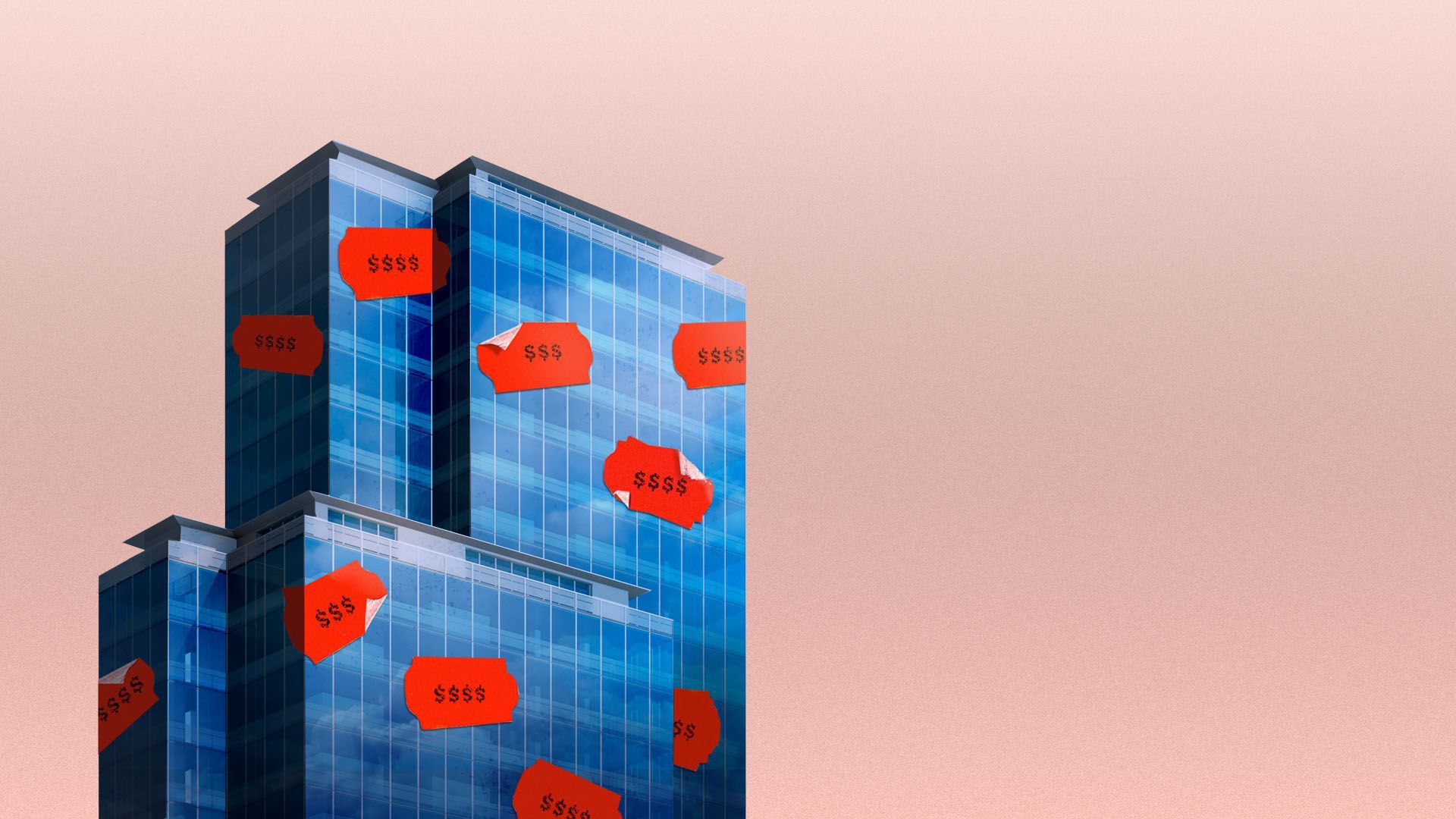
One undisputed victim of the pandemic is the commercial real-estate market — both offices and retail — as people work from home and go out less.
Why it matters: The problem is that commercial real estate prices are sticky. They go up a lot more easily than they come down. If they would come down to a market-clearing level, that would vastly increase economic activity and help cities — New York foremost among them — get back on their feet.
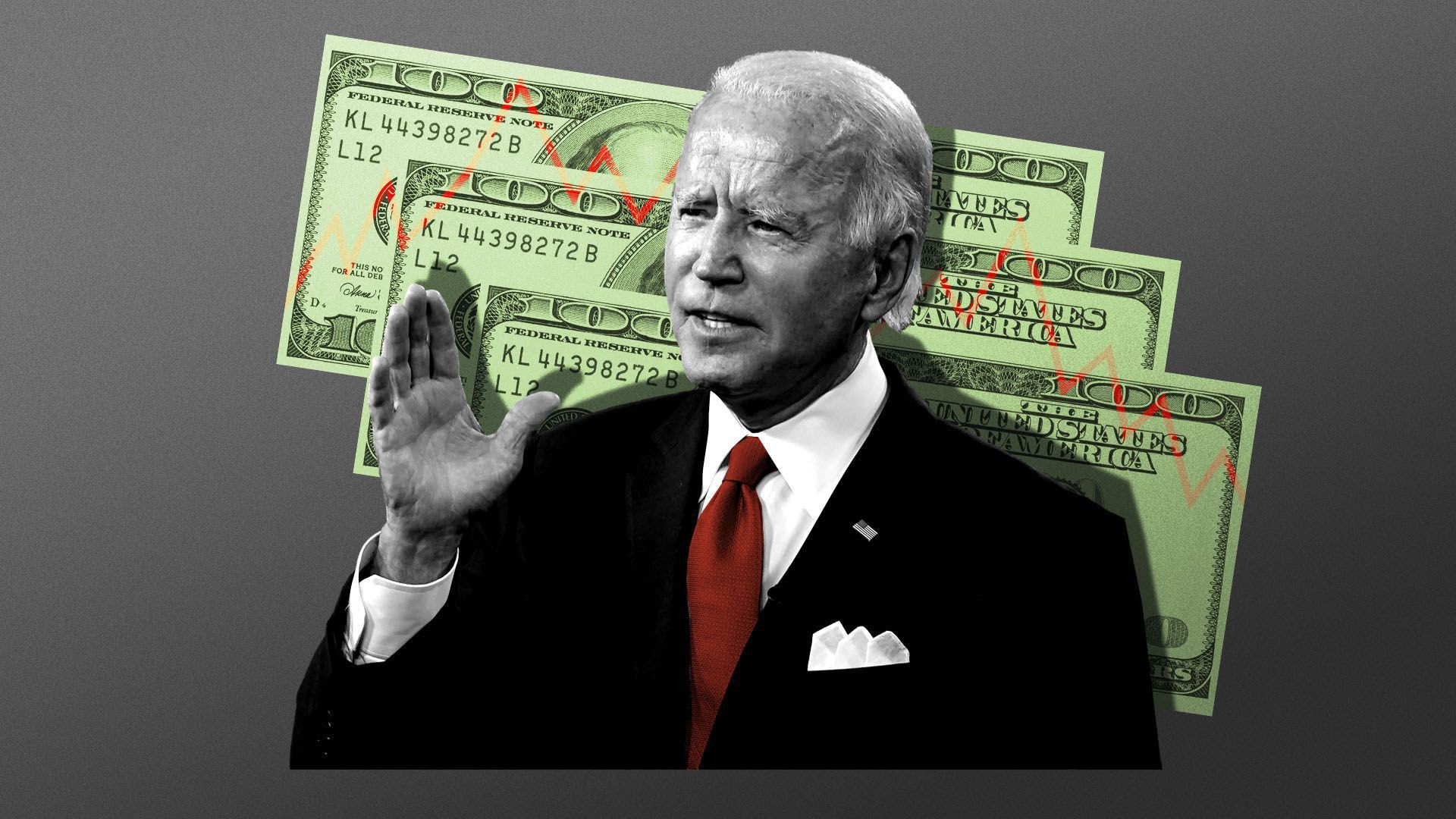
The Biden administration's top priority, after virus control, will be "building a fiscal bridge to the other side of the crisis." That's what Jared Bernstein, a senior Biden economic adviser, told an IIF conference this week.
Why it matters: Biden has a very large and complex Building Back Better agenda, which includes some 800 different policy proposals and will cost some $3 trillion. But before even getting started on that, the Biden team plans to spend a lot of money — probably north of $1 trillion — on a short-term stimulus package.
The stimulus negotiations are beginning to remind me of running on a treadmill — lots of effort, no forward motion.
Driving the news: Senate Majority Leader Mitch McConnell (R-Ky.) said Thursday that he would not put a potential $1.8 trillion+ deal struck by Democrats and the Trump administration on the Senate floor. "My members think half a trillion dollars, highly targeted is the best way to go," he said.
Yihai Kerry Arawana, the Chinese unit of Singapore-listed agribusiness Wilmar, raised $2 billion in a highly-oversubscribed IPO. The company is best known for its namesake cooking oil, whose logo is a golden dragon fish.
Why it matters: This was the largest-ever IPO on the Shenzhen Stock Exchange.
Residential electricity consumption rose 10% in the second quarter as the pandemic kept many people at home, new research shows.
Why it matters: The new paper from Tufts University economist Steve Cicala is another window onto how COVID-19 is shifting energy use patterns and creating financial hardship.
Steph Korey, co-founder and the original CEO of smart luggage-maker Away, has turned the top job over to former Lululemon exec Stuart Haselden, who has been serving as co-CEO with Korey since January.
Why it matters: This caps a tumultuous year for Away, and not just because the pandemic has devastated hospitality and travel companies.
Shares of Concho Resources jumped yesterday on the heels of a Bloomberg report that ConocoPhillips might acquire the company.
Why it matters: The deal, if it happens, will be another sign that the pandemic-fueled industry downturn could bring new consolidation to the U.S. sector. Or maybe not.
After hitting a record high in the second quarter, the number of U.S. corporate ratings downgrades fell to its lowest level since Q4 2018, according to S&P Global Ratings.
By the numbers: S&P lowered 107 U.S. corporate issuer credit ratings in the third quarter — 74% fewer downgrades than in Q2, as upgrades nearly doubled to 43.
The U.S. presidential election is 19 days away and investors are growing increasingly certain of a Joe Biden victory, as the former vice president has maintained and added to his sizable lead over President Trump in national polling and betting odds.
What's happening: Biden's edge recently rose above 10 percentage points, according to polling averages from FiveThirtyEight and Real Clear Politics, an important milestone.
The NCAA is one step closer to allowing student athletes to earn compensation for their name, image and likeness, with a new proposal expected to be approved in January.
Details: Once approved, the bylaw would be implemented ahead of the 2021-22 school year.
The number of Americans who aren't employed but aren't considered unemployed because they are not looking for a job skyrocketed to 103 million in April and still accounts for more than a quarter of the U.S. population.
Why it matters: The official unemployment rate has halved in recent months (to 7.9% in September from 14.7% in April) but the number of Americans out of the labor force has not fallen with it, and, in fact, rose in September back to nearly 101 million.
In a striking new sign of the broader role corporations are shouldering in society, Business Roundtable — the CEOs of America's biggest companies — today announced a raft of initiatives "to advance racial equity and justice."
Why it matters: Big companies are bluntly admitting, and tackling, injustices they so long ignored and perpetuated.
The world is in desperate need of cooperation and unity to pull out of the coronavirus pandemic and begin what the IMF has termed the "long, difficult ascent" right as its leaders are increasingly focused on nationalism and decoupling.
Driving the news: The IMF raised its 2020 global growth outlook, largely because of improved expectations for China, but cut its longer-term forecast, citing slower growth. Policymakers expressed worries about a number of "setbacks" that could hobble its diminished forecast with potentially significant "scarring" in the long term.
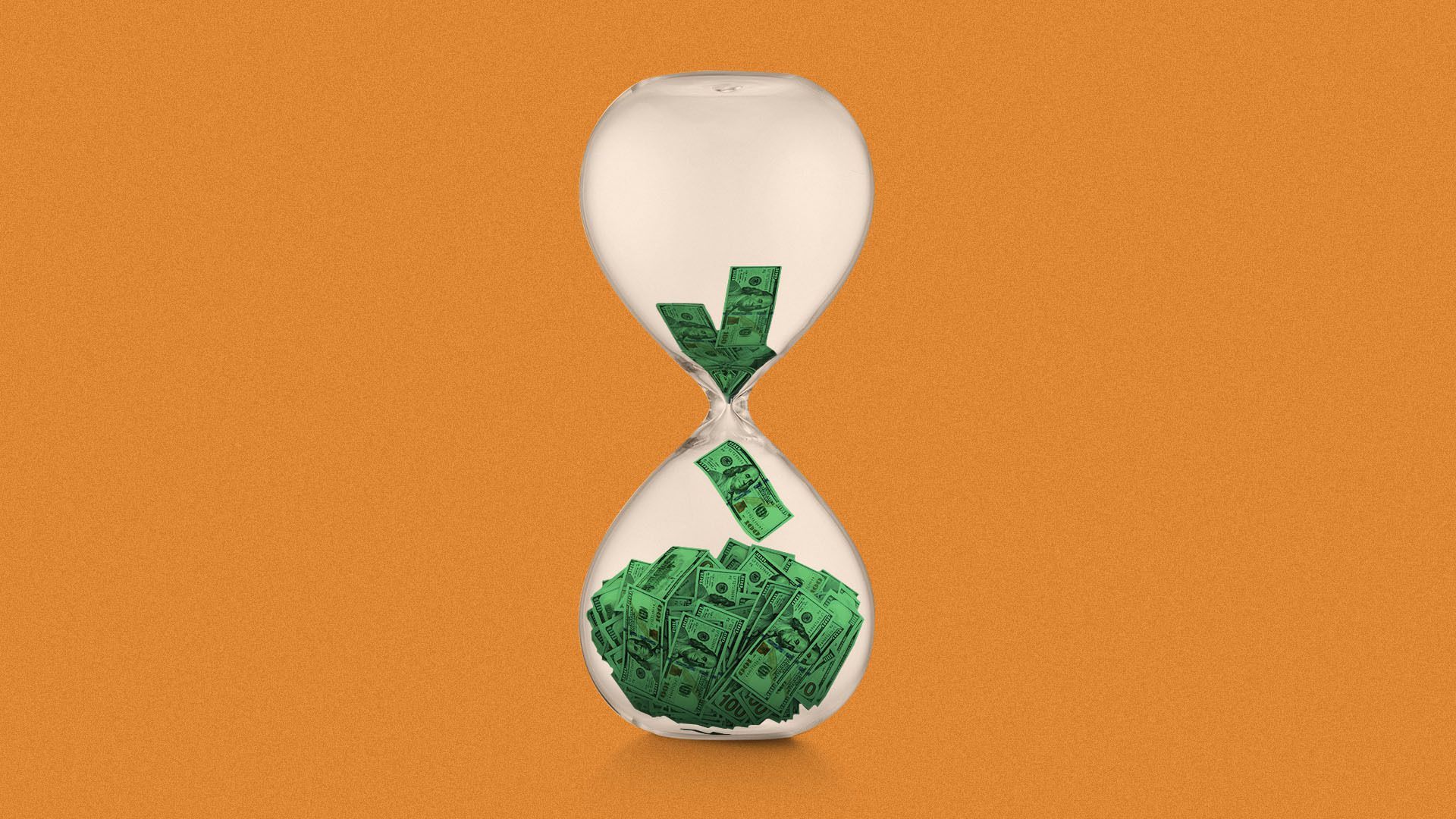
Today — October 15 — marks a tax-filing deadline for many people every year who have been granted extensions, but this year's rules and dynamics are very different.
Why it matters: The IRS was closed for months as a result of COVID-19, which meant that a lot of refunds got delayed, a lot of tax payments didn't get processed, and a lot of taxpayers (and accountants) got put on perma-hold or disconnected when they called to ask questions.
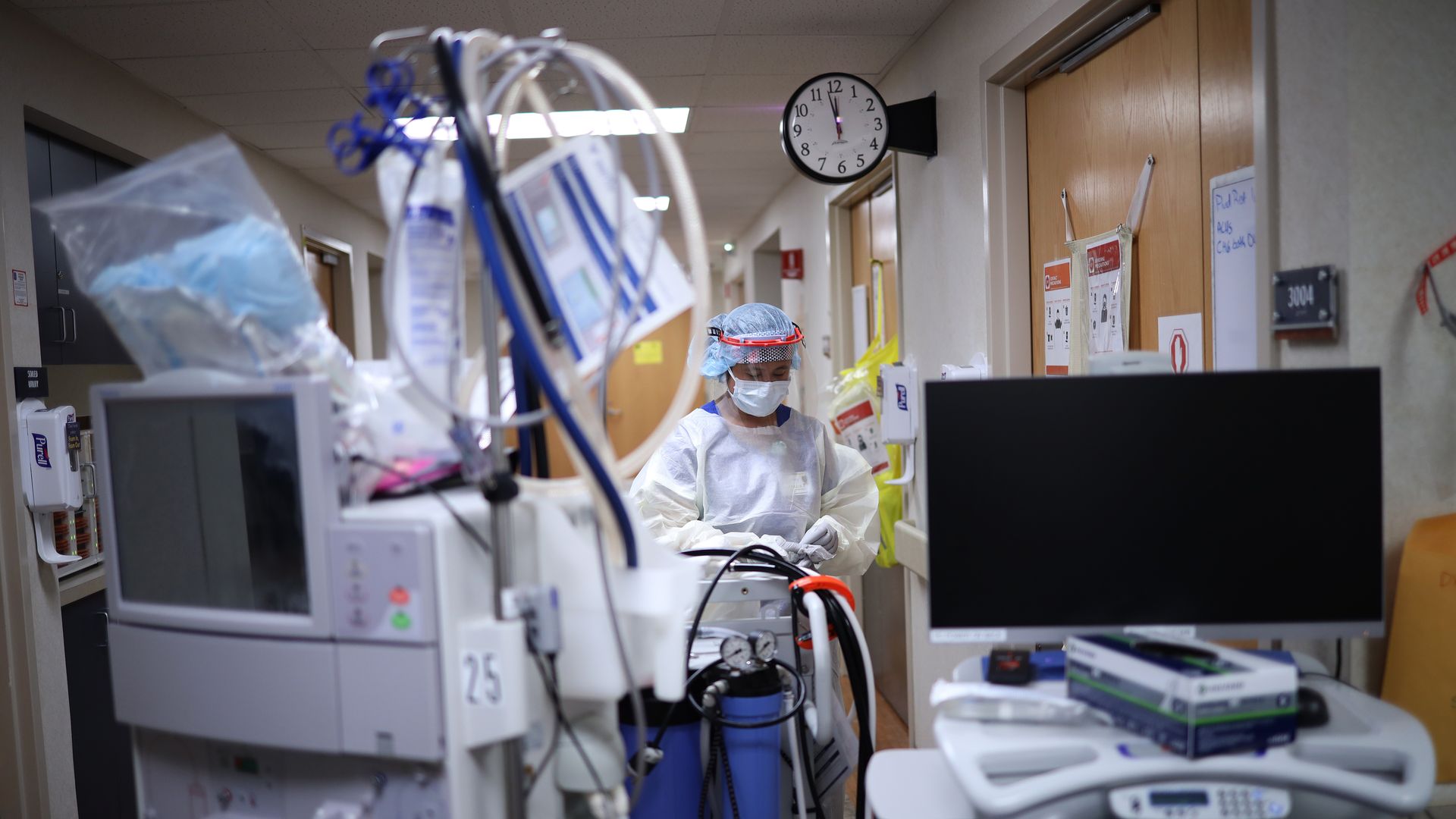
UnitedHealth Group's profit in the third quarter dipped 10% as people sought health care at rates "more closely approaching normal," executives said on an earnings call today.
Yes, but: UnitedHealth's quarterly earnings still hit $3.2 billion, and even though the health insurance division is paying more in medical claims, more people also are going to doctors' practices, urgent care facilities and surgery centers owned by UnitedHealth.