The Treasury Department and Small Business Administration plan to release the names of businesses that received $150,000 or more in Paycheck Protection Program loans, the agencies announced Friday.
Why it matters: Taxpayers bailed out millions of small businesses seeking relief from the coronavirus pandemic with hundreds of billions of dollars in PPP loans. Any lack of transparency around where the money went could have made it more difficult to know how well the program worked, Axios' Dan Primack reported last week.
Many companies are celebrating Juneteenth on Friday, but only four Fortune 500 companies have black CEOs, and it doesn’t get much better elsewhere in the C-suite.
Axios Re:Cap, our new afternoon podcast, digs in with Rebecca Greenfield, who wrote the latest cover story for Bloomberg Businessweek about racial quotas as a means of ending the white monopoly on corporate power.
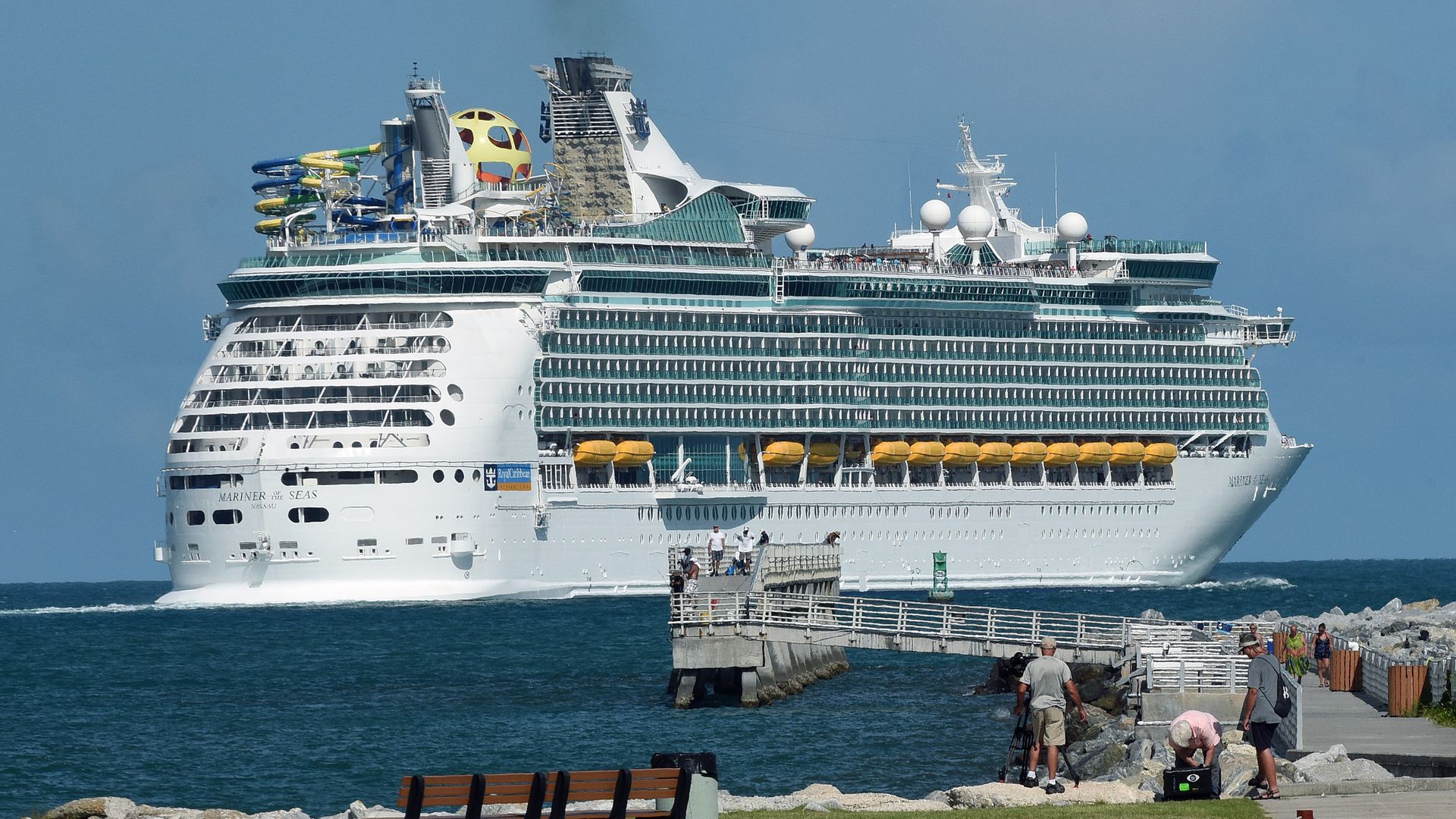
Major trade group Cruise Lines International Association announced on Friday its members are voluntarily suspending trips out of U.S. ports until Sept. 15.
Why it matters: The Centers for Disease Control and Prevention's no sail order was due to expire July 24. Cruising giants like Royal Caribbean, Carnival and Norwegian Cruise Line are members of the trade group.
Uber and Lyft both announced moves this week as they look for a profitable path forward.
The big picture: Both companies have been devastated by the effects of the coronavirus pandemic, delaying their efforts to achieve profitability. But they are adapting for the long haul.
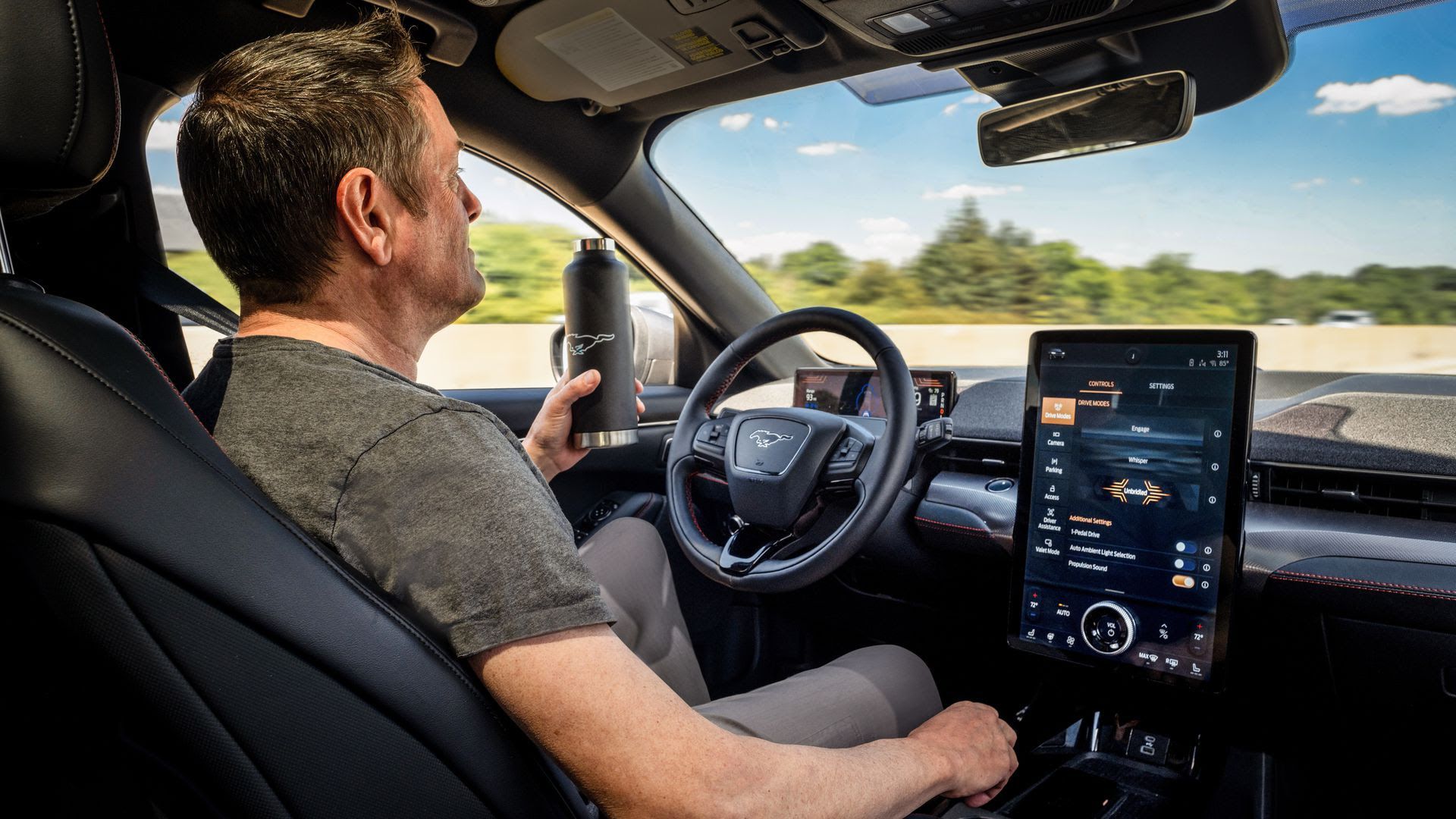
Ford is preparing to launch a hands-free driving feature on certain 2021 models, starting with its upcoming electric crossover, the Mustang Mach-E.
Why it matters: The plug-in Mach-E is Ford's Tesla fighter, which means it needs assisted driving capability to compete with Tesla's Autopilot. Like the Tesla system, Ford's new Active Drive Assist has limitations.
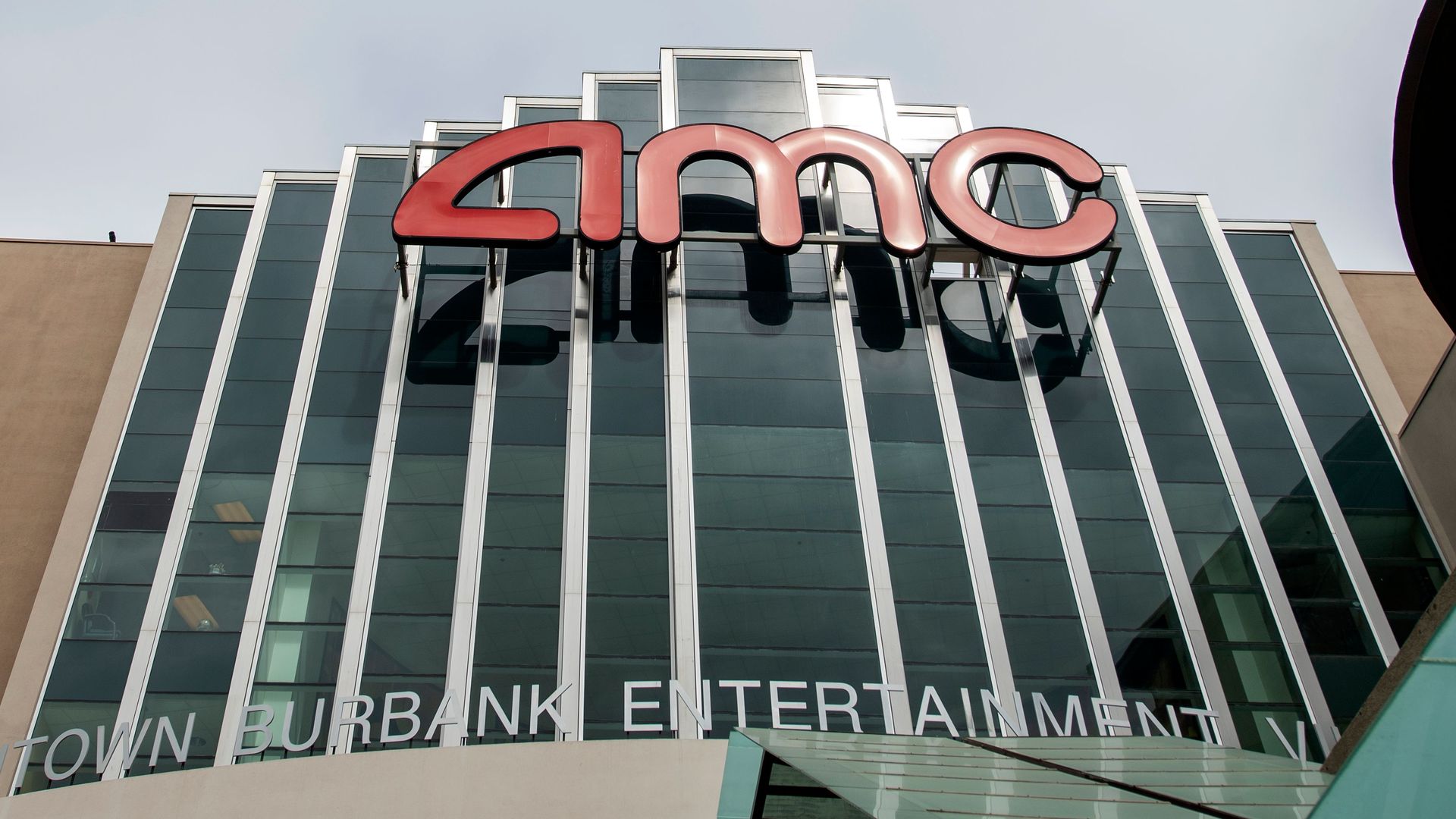
AMC said Friday that the chain would require face masks for moviegoers when its theaters reopen — a quick reversal after its original policy of optional use garnered intense backlash.
Driving the news: Regal Cinemas announced on Friday that beginning July 10 it will require all patrons to don face coverings as it reopens its theaters.
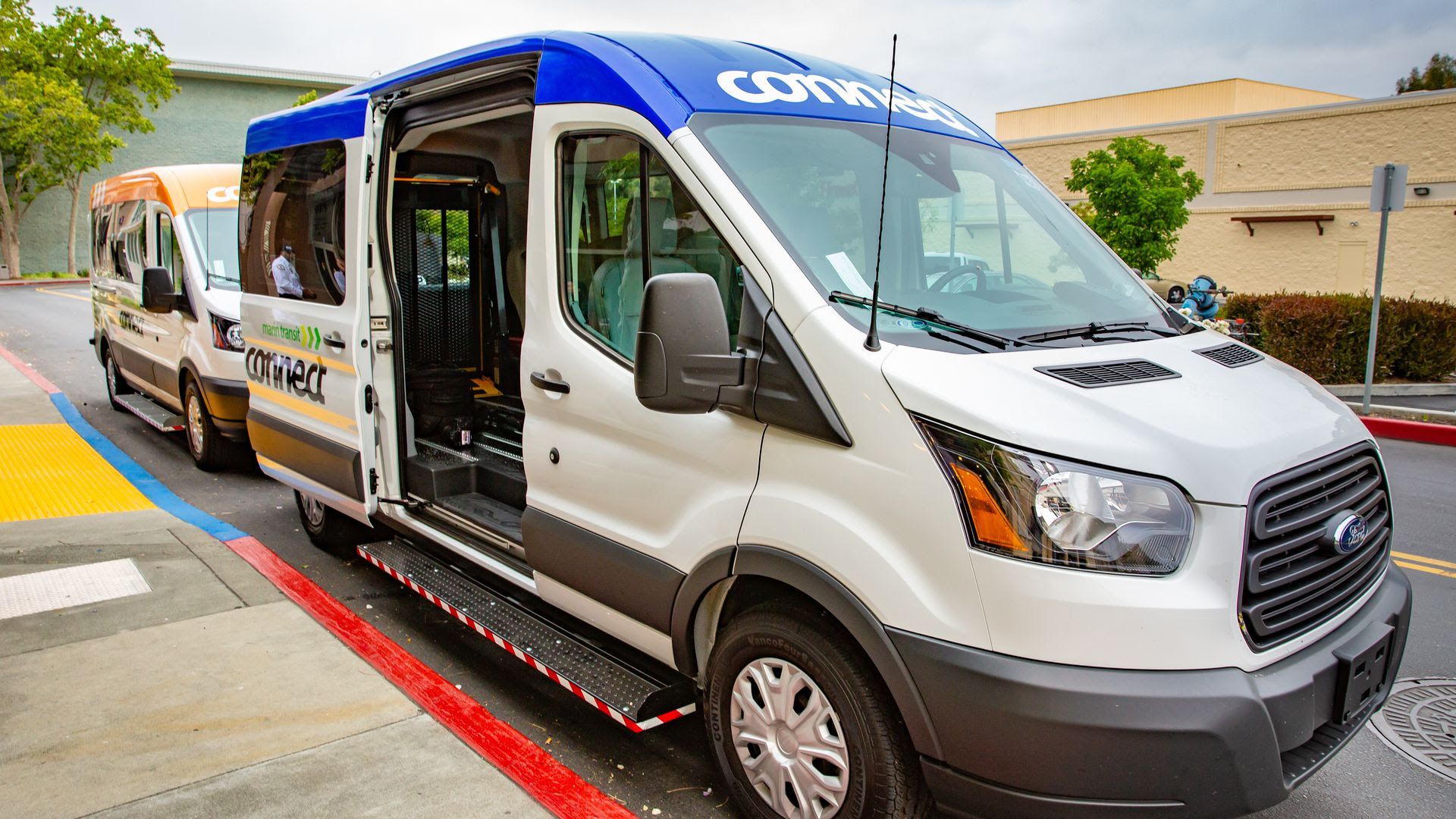
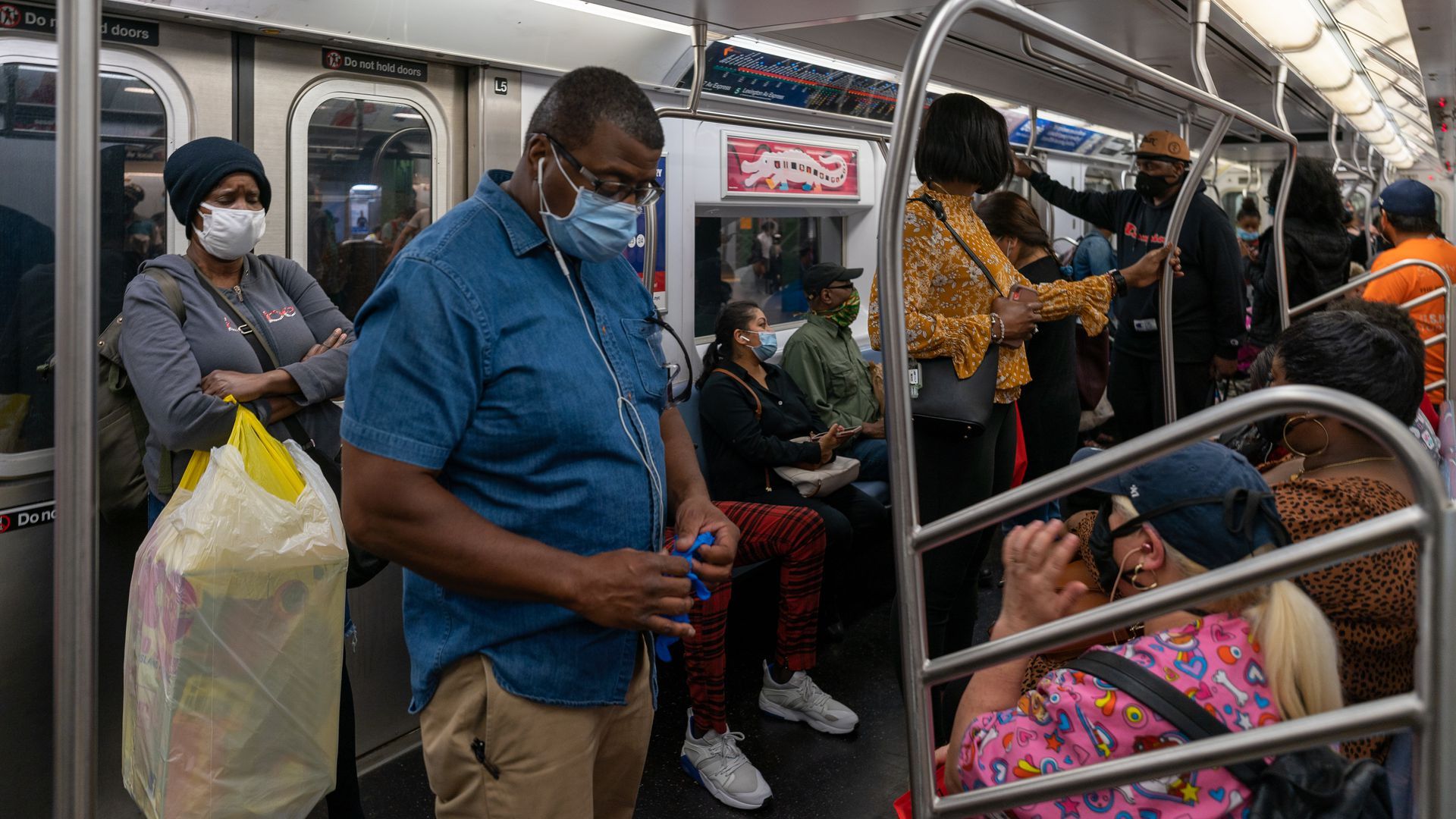
Most people have been avoiding public transit if they can, but a new report in The Atlantic says there's no evidence subways and buses are to blame for coronavirus outbreaks.
Why it matters: Public transportation is essential to the resumption of normal economic activity in our cities, but surveys show people would prefer to drive their own car than risk being cooped up on a subway or bus with strangers who might infect them with the virus.
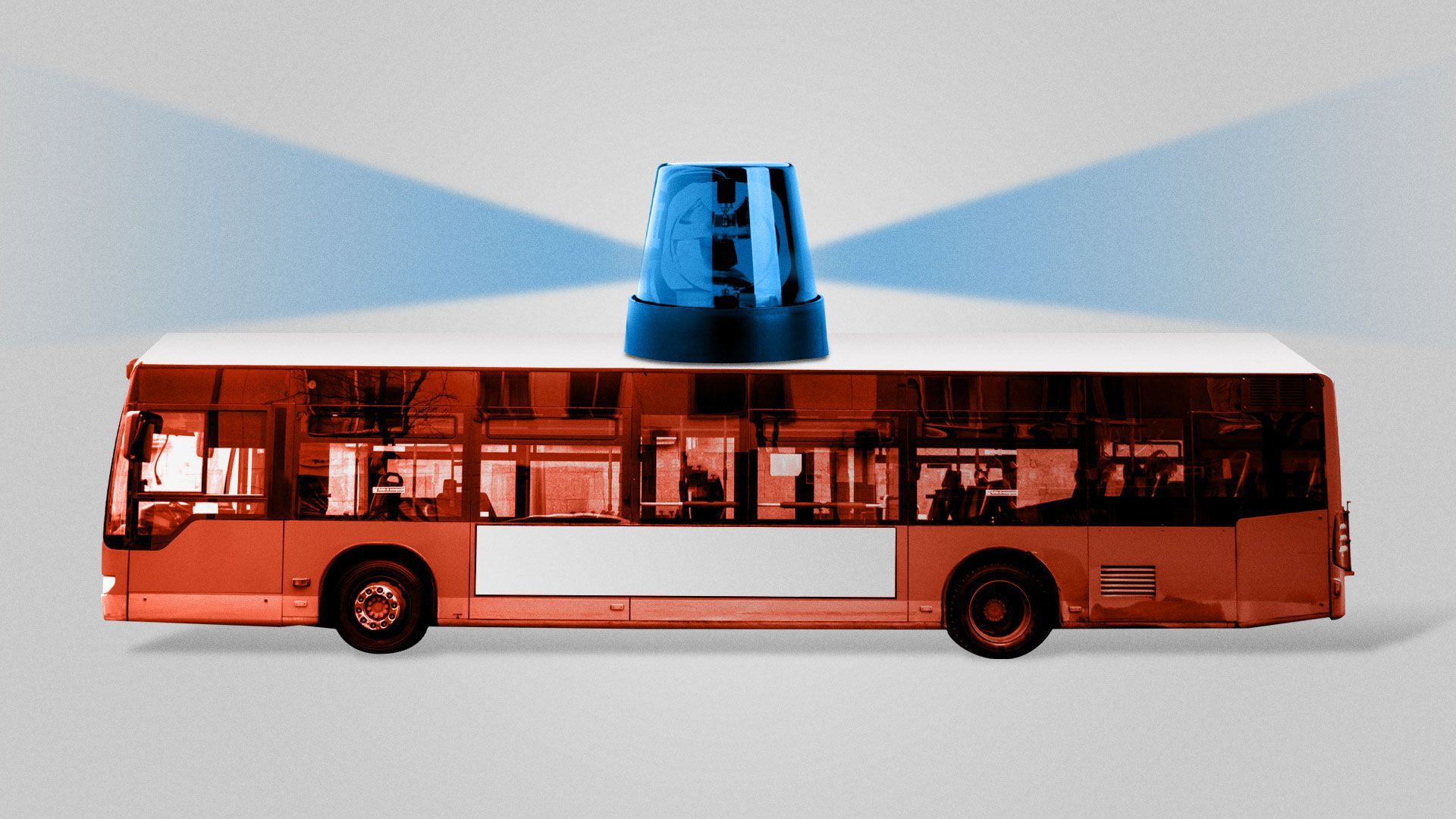
Urban transit agencies are rethinking how they prevent crime and maintain order following nationwide protests over racial bias and police brutality in the death of George Floyd and others.
Why it matters: Transit police — an often overlooked arm of law enforcement — are the ultimate beat cops. They're positioned as potential leaders in the effort to defuse anger and rebuild trust in cities where there's renewed interest in the concept of community policing.
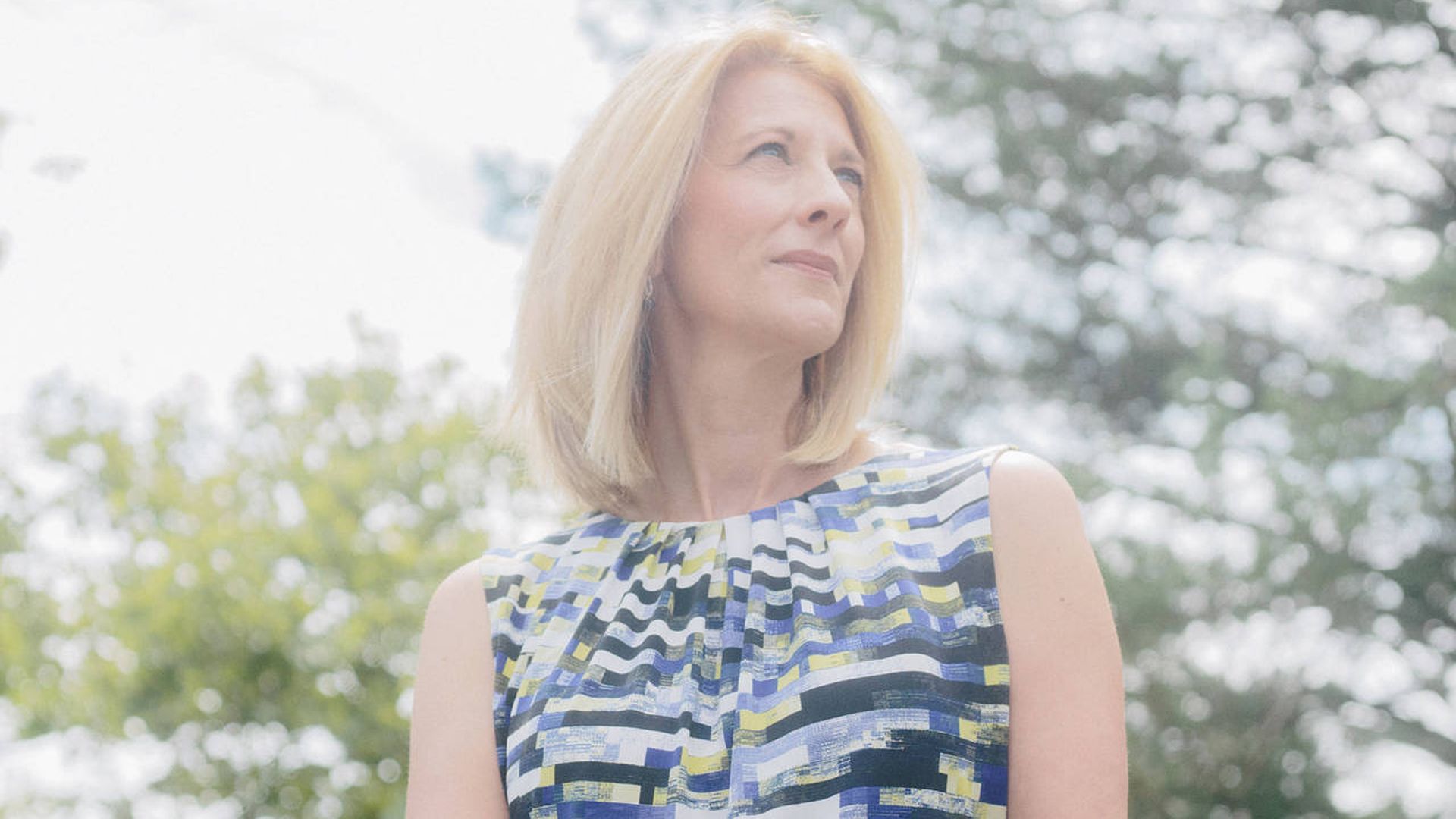
America should run deficits without issuing debt. That's the message from Stephanie Kelton, a member of the Democratic Party's economic task force whose new book, The Deficit Myth, argues that money spent by Congress does not need to be "paid for" with taxes or borrowing.
Why it matters: Monetizing the deficit involves simply printing money and handing it out to individuals, businesses, states, or anybody else, without issuing Treasury bonds or raising new taxes. It has been a fringe idea up until now.
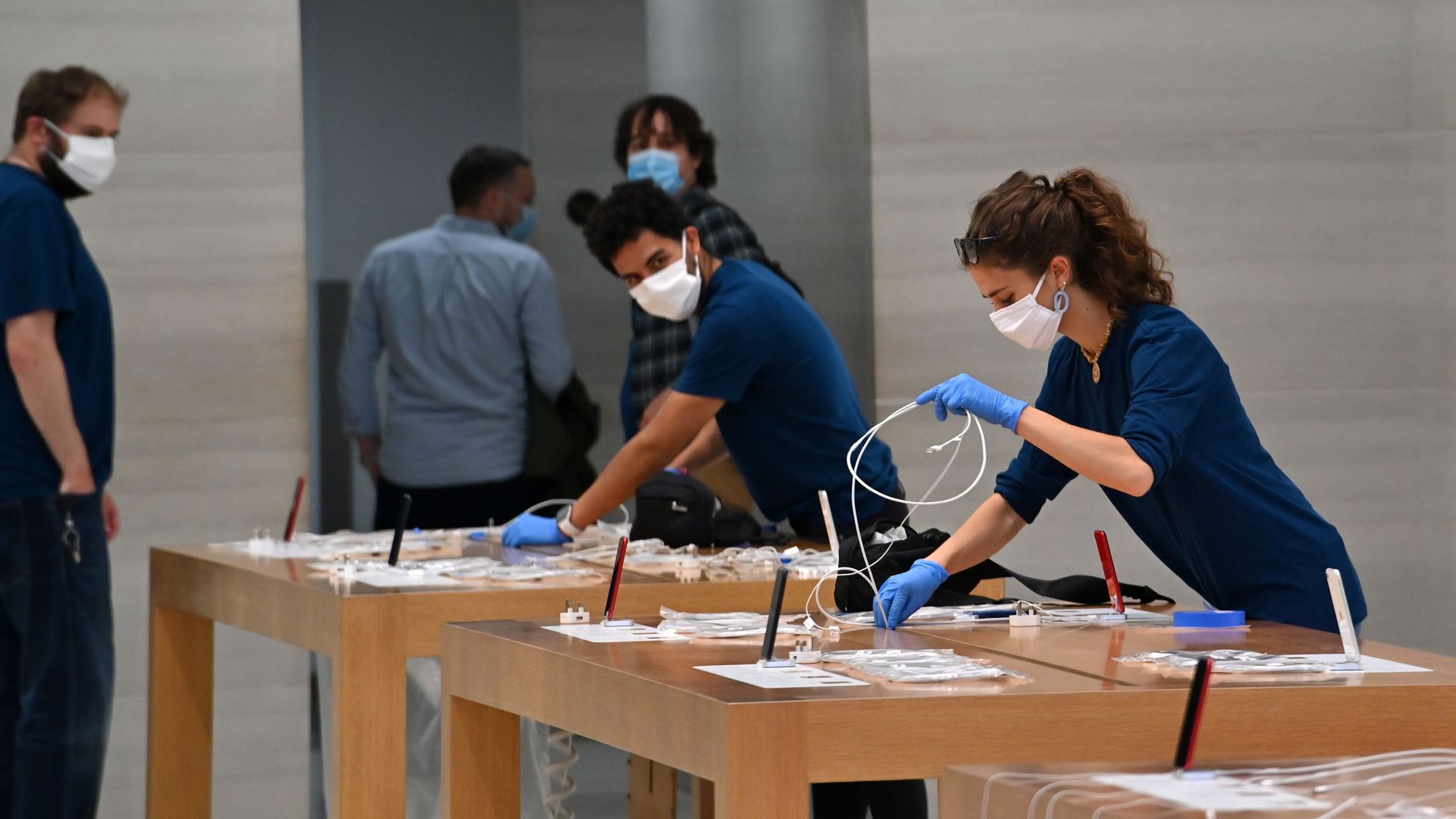
Apple announced Friday that 11 of its stores in Florida, North Carolina, South Carolina and Arizona will temporarily close this weekend after a spike in coronavirus cases in those states.
The big picture: The states where Apple is closing the stores saw some of the highest coronavirus case growth in the country over the past week, per an Axios analysis.
The Gates Foundation is best known for its philanthropy, but it has also spawned a venture capital fund whose mission is to show that investing in global health care issues can also yield returns.
Driving the news: Adjuvant Capital, founded by veterans of the Gates Foundation-sponsored Global Health Investment Fund, is raising a fund that will be at least $200 million, according to SEC filings.
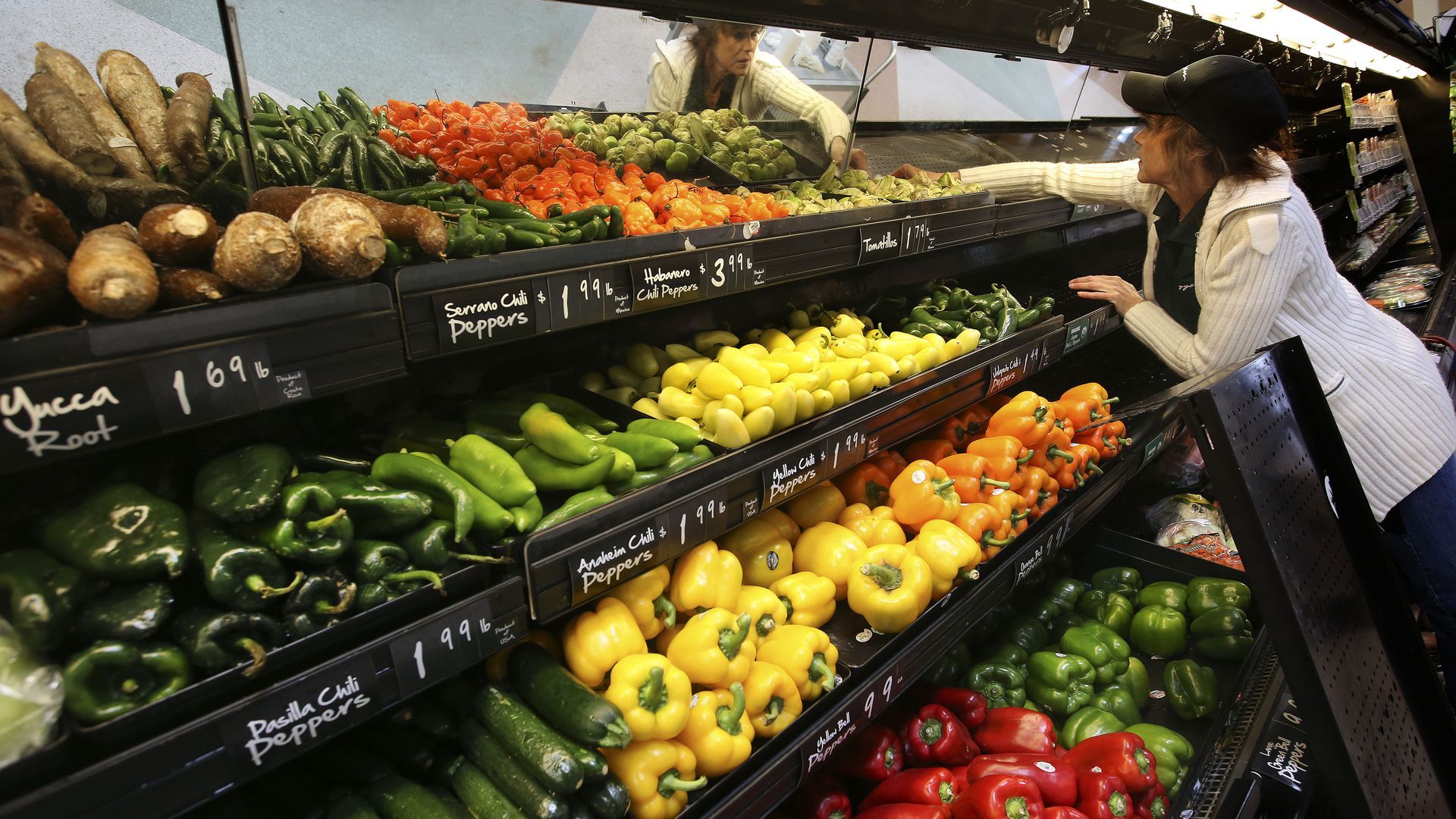
U.S. grocery chain Albertsons is finally going public after shelving its initial IPO plans five years ago amid market jitters.
Why it matters: Albertsons is one of the companies to see a boom in business during the current coronavirus pandemic. The offering would give it a valuation of more than $10 billion if its stock prices at the midpoint of its $18-to-$20.
There are growing signs that Tesla will choose the Austin region in Texas to build a factory that would make the "Cybertruck" pickup and Model Ys for East Coast delivery.
Driving the news:Per the Austin American-Statesman, Tesla has a proposed deal with a local school district that would provide up to $68 million in tax incentives over a decade for building a 4 million- to 5 million-square-foot plant that would employ thousands.
Investors pulled just over $33 billion out of money market funds for the week ended June 17, according to data from the Investment Company Institute.
Why it matters: It was the fourth straight week of outflows for the safe-haven vehicle typically used by investors as savings accounts for cash holdings.
Wealthy clients are increasingly being told by financial advisers to buy gold, betting the Fed's binge of bond buying and an overbought stock market will soon push the precious metal's price up — potentially to its highest ever.
What's happening: A new report from Reuters surveying nine private banks that collectively handle around $6 trillion in assets for the world’s ultra-rich, found they had advised clients to increase their allocation to gold.
Americans lost their jobs at a frenetic pace beginning in March, as unemployment figures rocketed to never-before-seen totals, but they are not coming back nearly as quickly, data from the U.S. Department of Labor shows.
Why it matters: While the number of claims has fallen, nearly 35 million Americans were receiving or had applied for some kind of unemployment insurance as of June 13.
Since our Monday story on Fortune 100 companies' donations to battle racism and inequality, the tally has risen to more than $2 billion and now includes 50 firms, according to company announcements and an Axios analysis.
Why it matters: Pressure is growing for wealthy corporations to speak out on social issues and to back up those words with sizable funding. More are doing so than ever before and in a much more public way.
Sen. Marco Rubio (R-Fla.) introduced a bill on Thursday that would require the NCAA to change its rules by June 2021 regarding athletes' ability to profit off their name, image and likeness (NIL), while also protecting the NCAA from legal challenges to the new regulations.
The big picture: The NCAA is fearful that state-by-state action will lead to competitive unbalance and chaos and is hoping to work with Congress on passing national legislation, so they predictably endorsed Rubio's bill.
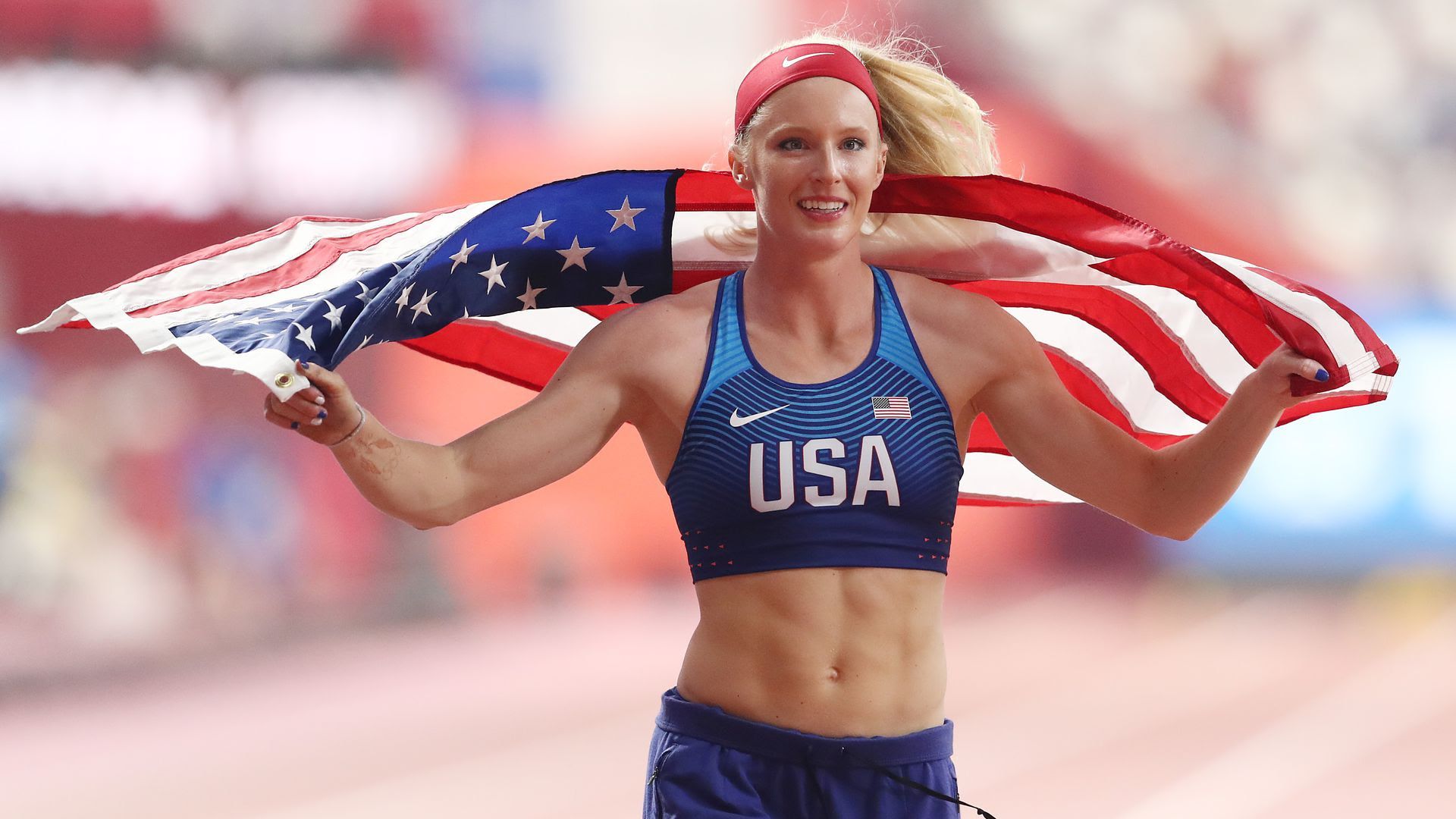
The postponement of the Tokyo 2020 Summer Olympics was a serious economic blow for U.S. Olympic and Paralympic athletes and hopefuls.
The state of play: With seasons and events canceled, athletes are unable to earn appearance fees, prize money and performance bonuses from sponsors, all while continuing to train for Tokyo 2021.
The toxic thread in America's fabric since slavery has rarely galvanized such attention or will for change across racial lines. Structural racism is a dominant issue in the presidential election, and Axios is committed to long-term coverage of its effects and the solutions.
Driving the news: We're making structural racism a focus of our What Matters 2020 initiative. Along with automation, capitalism, climate change, China, demographics, health care costs and misinformation, addressing this national challenge will outlive the moment and shape our lives regardless of who wins in November.
Between the lines: Those three organizations have received more than $1 billion combined from the coronavirus bailout fund so far, according to data analyzed by Axios, and they oppose proposed Medicare rules that would force them to disclose negotiated prices.
Hundreds of companies are vowing to give workers paid time off to vote on Election Day — and some are going a step further, using their technology and resources to help register voters or direct them to polling locations.
Why it matters: More and more businesses have encouraged workers and its customers to vote in recent years, but now — as the country faces a reckoning over longstanding systemic racism — a fresh crop of major employers are introducing new efforts.