After recently allowing all customers to cancel reservations due to the coronavirus pandemic, Airbnb says it will spend $250 million to refund 25% of the cancellation fees that hosts would have otherwise received depending on their select policy. It also created a $10 million relief fund for select hosts, which includes $9 million donated by Airbnb's founders.
The big picture: Airbnb has been in the unpleasant position of having to please both sides of its marketplace, while also managing its own finances. It recently cut marketing spend to save $800 million, among other moves, as its business takes a huge hit, a source tells Axios.
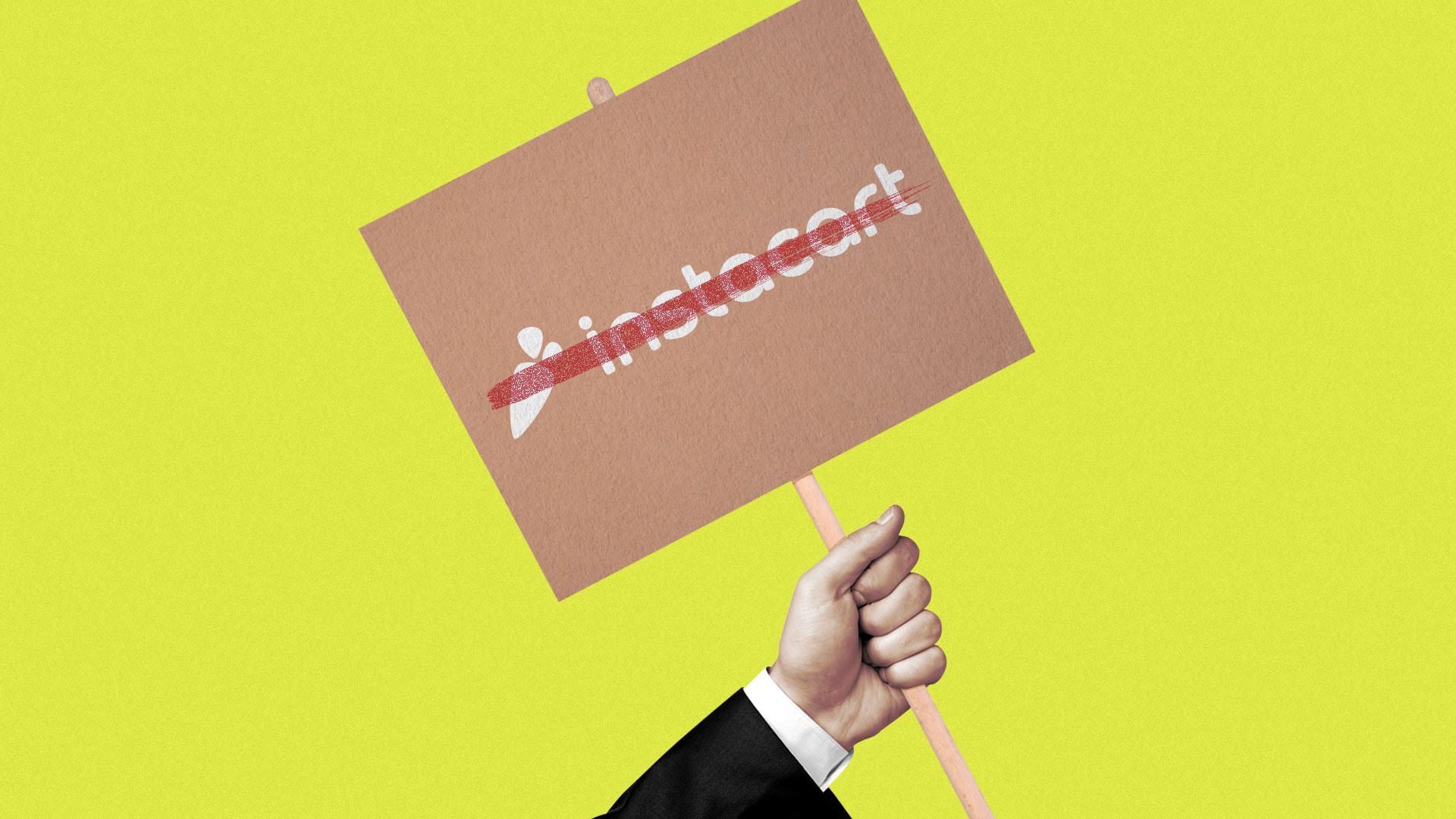
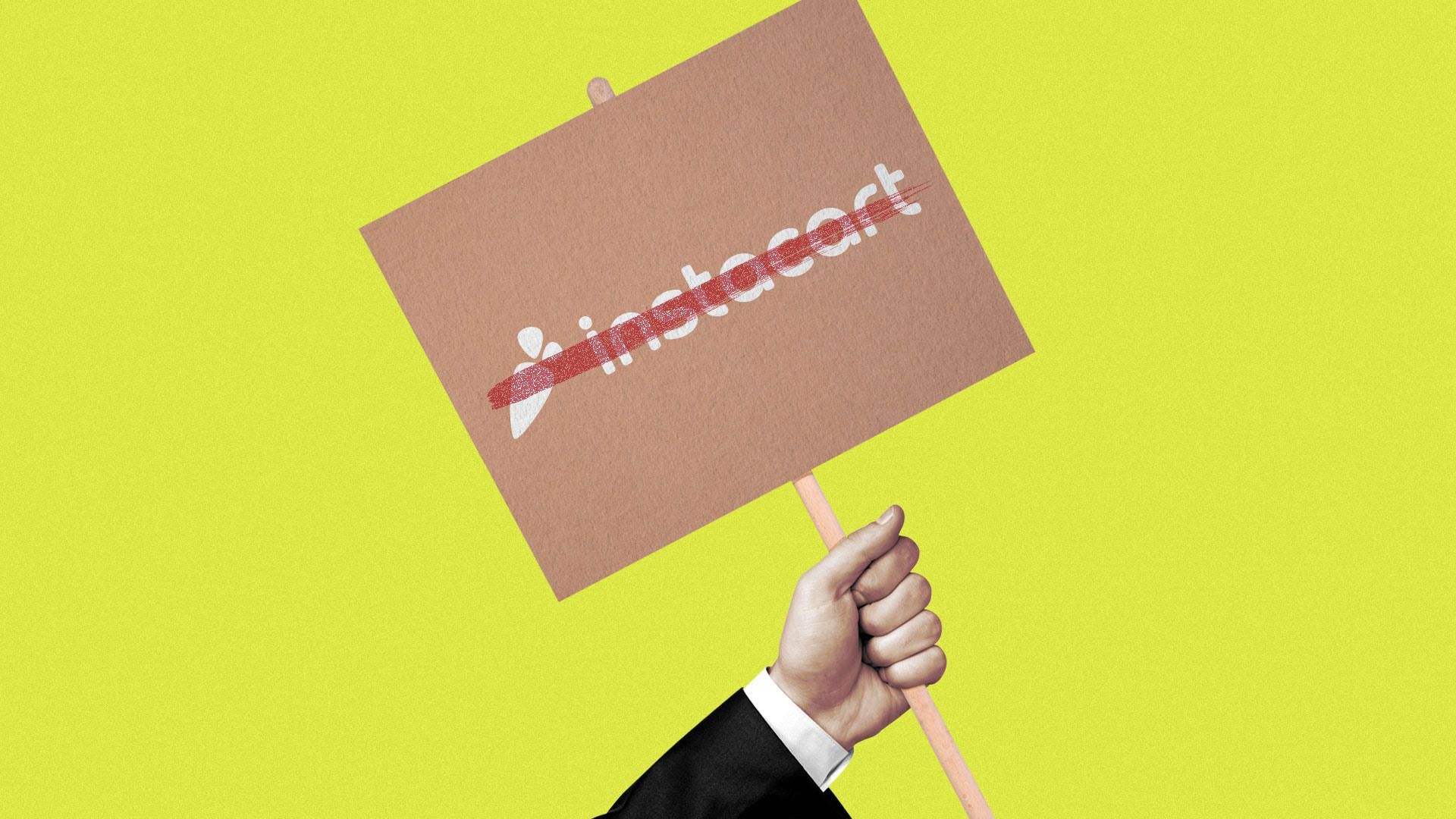
Grocery delivery company Instacart said Monday afternoon that a proposed worker strike had "absolutely no impact" on its operations, and that the platform had 40% more workers than it did at the same day and time last week (Monday at 12:30 pm PST).
Between the lines: Axios is unable to independently verify Instacart's claim, nor accurately gauge how many workers may have stayed home. But, as we wrote earlier, gig economy "strikes" often are more successful at making noise than getting numbers, and the strike organizer intentionally doesn't keep worker lists due to potential legal retaliation.
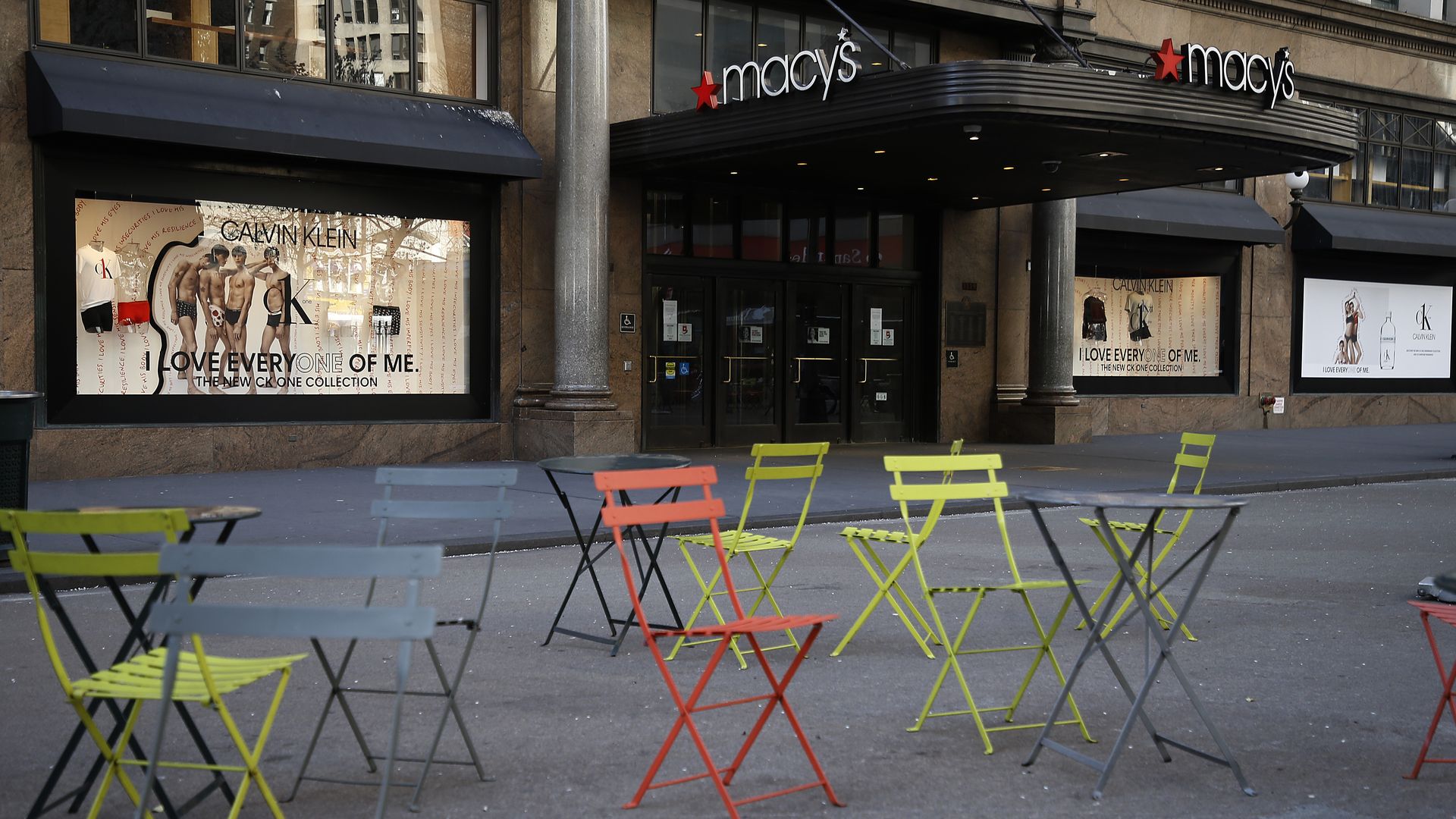
Macy's will furlough the majority of its workers this week, as the company's stores remain closed due to the coronavirus outbreak, the Wall Street Journal reports.
Details: Macy's sales have seen a drastic decline, having shuttered its stores on March 18. The company employs about 130,000 people, per the Journal. It will retain workers for its e-commerce operations, distribution and call centers. The chain told staff it will continue to cover 100% of its employees' health care premiums at least through May.
Some Instacart workers plan to go on strike today, arguing that the grocery delivery unicorn's recent increases in pay and safety equipment are insufficient.
Why it matters: Instacart has become a lifeline for many Americans either unable or unwilling to leave their homes, particularly during the coronavirus pandemic.
Sports are on pause, and there's no timetable for their return. In the interim, leagues, teams and athletes are getting creative with ways to keep fans engaged.
The latest: A "quarantined reality show basketball tournament," courtesy of the BIG3, the upstart 3-on-3 basketball league founded by Ice Cube and his longtime business partner Jeff Kwatinetz.
As the popularity of passive investment vehicles has grown, money managers have consistently reduced their fees, particularly in stock funds and hybrid funds.
Driving the news: The cost of investing in equity and hybrid mutual funds through 401(k) plans fell again in 2018, a new report from the Investment Company Institute shows.
New data from CivicScience show Americans remained calm about their retirement savings between late January and mid-March, despite significant losses in the stock market.
The intrigue: Bank of America Securities' Bull & Bear indicator has fallen to its lowest possible level, zero, indicating a strong buy signal.
As traders around the globe have frantically unloaded positions in recent weeks, so-called mom and pop retail investors have kept level heads and not sold out of stocks.
What they're saying: In fact, "the typical trader is buying equities on the dips," passive investment firm Vanguard notes in a research paper, adding that "older, wealthier traders are moving modestly to fixed income."
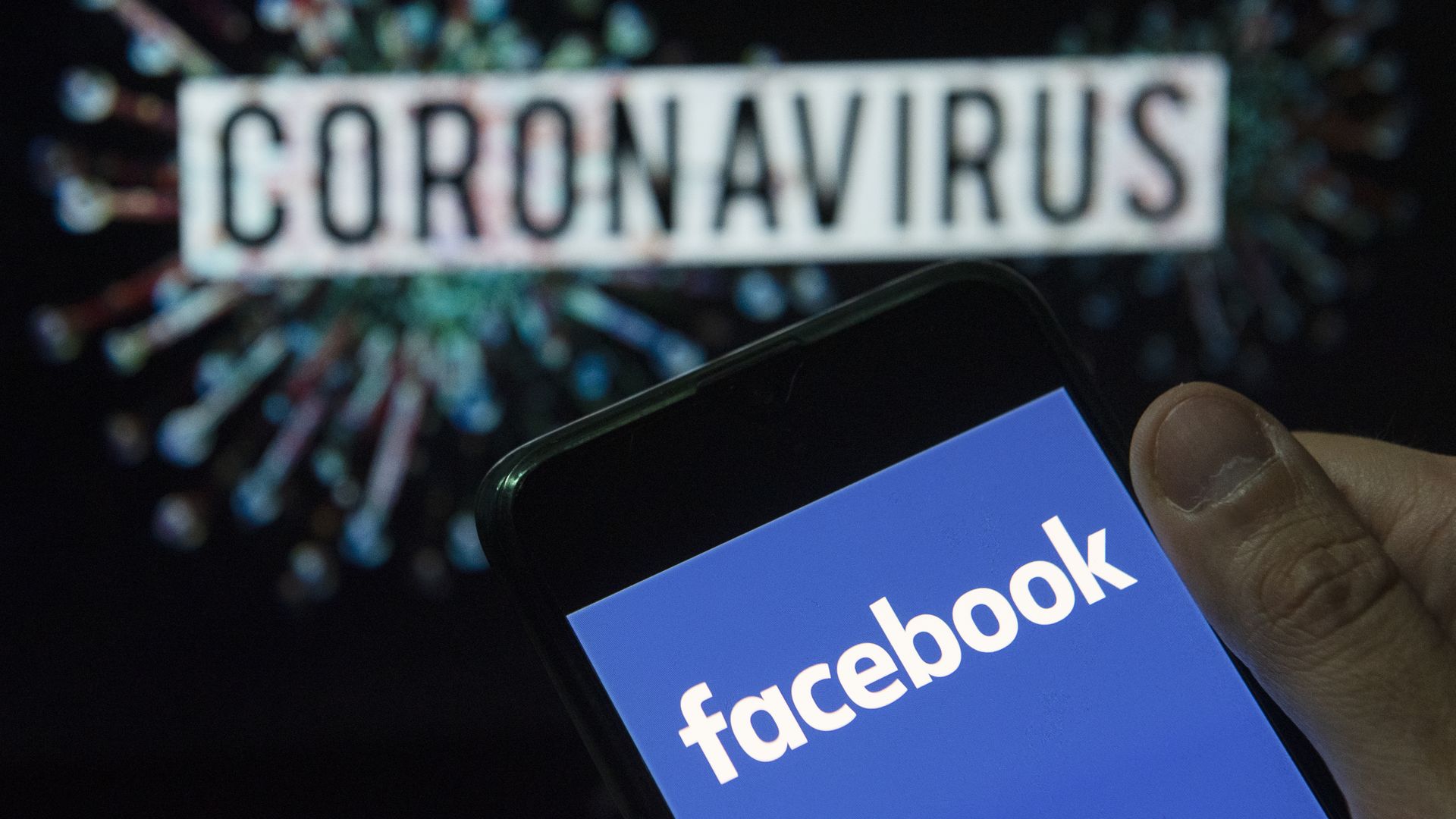
Mark Zuckerberg, signaling his personal involvement in a new Facebook commitment of $100 million to bolstering local journalism, told me that "very local work" is vital to his big mission of bringing the world closer together.
What he's saying: "Everyone believes that local journalism is incredibly important," Zuckerberg told Axios in a phone interview. "But everyone is connected to their local [outlets]. Figuring out how to make an impact, and support local journalism broadly and at scale, has been a challenge."
Facebook says it is spending $100 million to support news outlets around the world that have been impacted by the coronavirus, the company said Monday.
A slew of old-line industries that once hesitated to embrace digital technologies are now being forced to do so for the sake of survival.
Why it matters: Once consumers get used to accessing services digitally — from older restaurants finally embracing online ordering, or newspapers finally going all-digital — these industries may find it hard to go back to traditional operations.
Several parts of the country have not been overwhelmed by coronavirus cases yet, but hospitals are sitting in what they view as the calm before the storm.
The bottom line: Health care workers in these relatively quiet areas are urging people to stay home for the foreseeable future so they don't become the next coronavirus hotspot.
A record 3.3 million people filed for unemployment in one week, in the wake of the coronavirus outbreak, but people didn't just lose their jobs. Many also lost the health insurance that came with the job.
Why it matters: U.S. workers, even those who feel relatively secure in their health benefits, are a pandemic away from falling into the ranks of the uninsured.




/2020/03/30/1585573178685.gif?w=3840)







/2020/03/25/1585152806620.gif?w=3840)