Abbott Laboratories says it has received emergency authorization from the FDA to produce portable novel coronavirus tests, which the company indicates can detect the virus within five minutes and will be available starting next week.
Why it matters, via Axios' Sam Baker: The U.S. doesn't have the capacity to do enough COVID-19 testing right now, and the tests that are available can take a week to produce results. Closing both of those gaps will be key to getting the virus under control.
Fox Business announced Friday that the cable news network "parted ways" with anchor Trish Regan, after she called the novel coronavirus a "scam" on-air March 9.
The big picture: Conservative commentators, including syndicated radio personality Rush Limbaugh and Fox News' Sean Hannity, have come under fire for minimizing the threat of COVID-19. "For two crucial weeks in late February and early March, powerful Fox hosts talked about the “real” story of the coronavirus: It was a Democratic- and media-led plot against President Donald J. Trump," The New York Times writes.
One-third of Americans say they or someone in their household has either lost a job or taken a pay cut since the novel coronavirus outbreak began, according to a study from Pew Research.
The big picture: During the 2008 financial crisis, people were able to leave their homes in search of jobs, but that's currently difficult with local and statewide stay-at-home orders and quarantine mandates, The New York Times writes.
Grocery stores across the United States are facing an on-shelf shortage of eggs, as quarantined Americans stockpile and "stress-bake," before Easter Sunday — April 12, The Washington Post reports.
The state of play: Vital Farms, the biggest supplier of naturally raised eggs in the country, shipped 15 million eggs to 13,000 groceries last week, per the Post. That's 150% more than what the company typically ships, per CEO Russell Diez-Canseco. And retailers have already burned through that extra inventory.
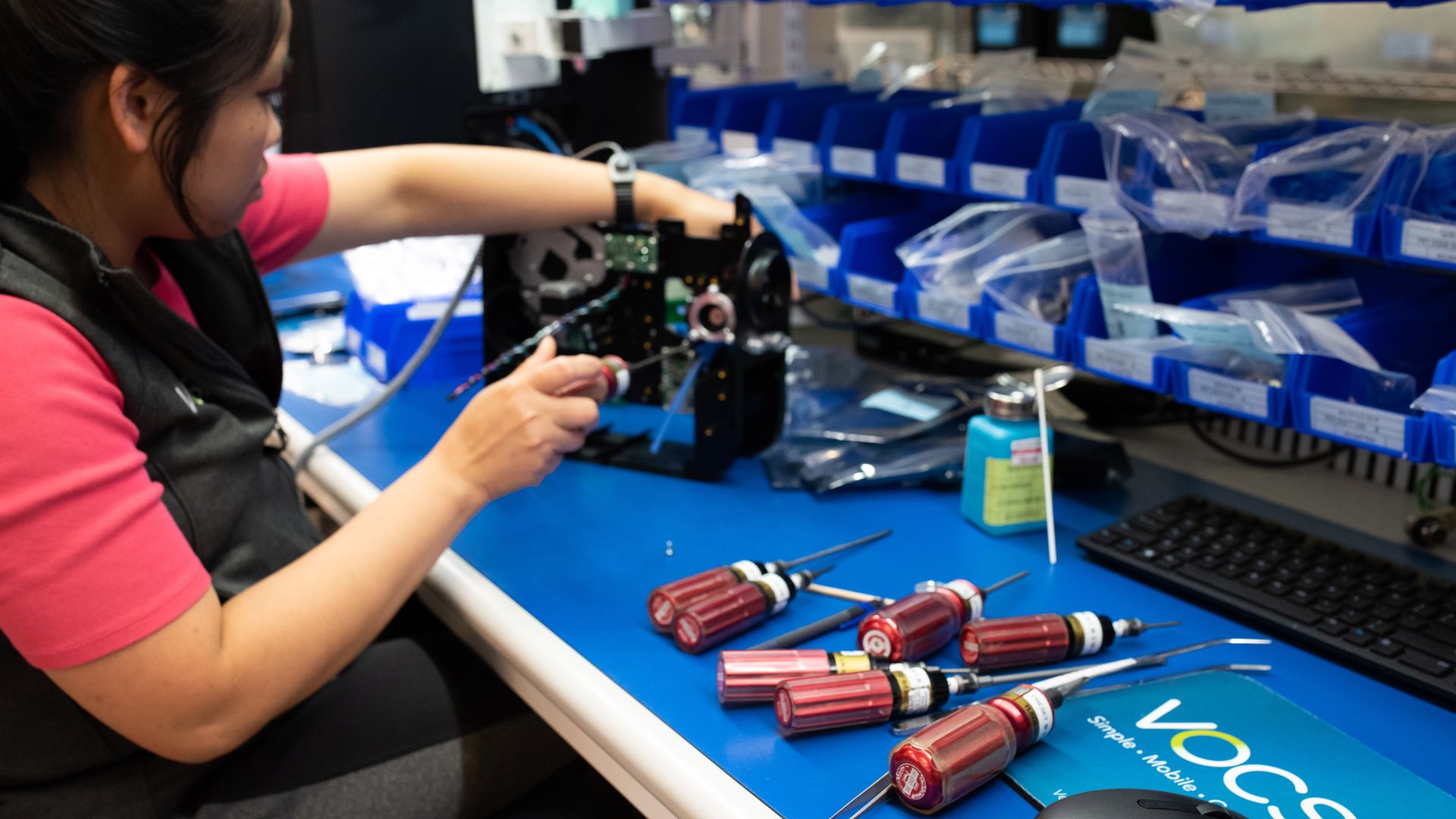
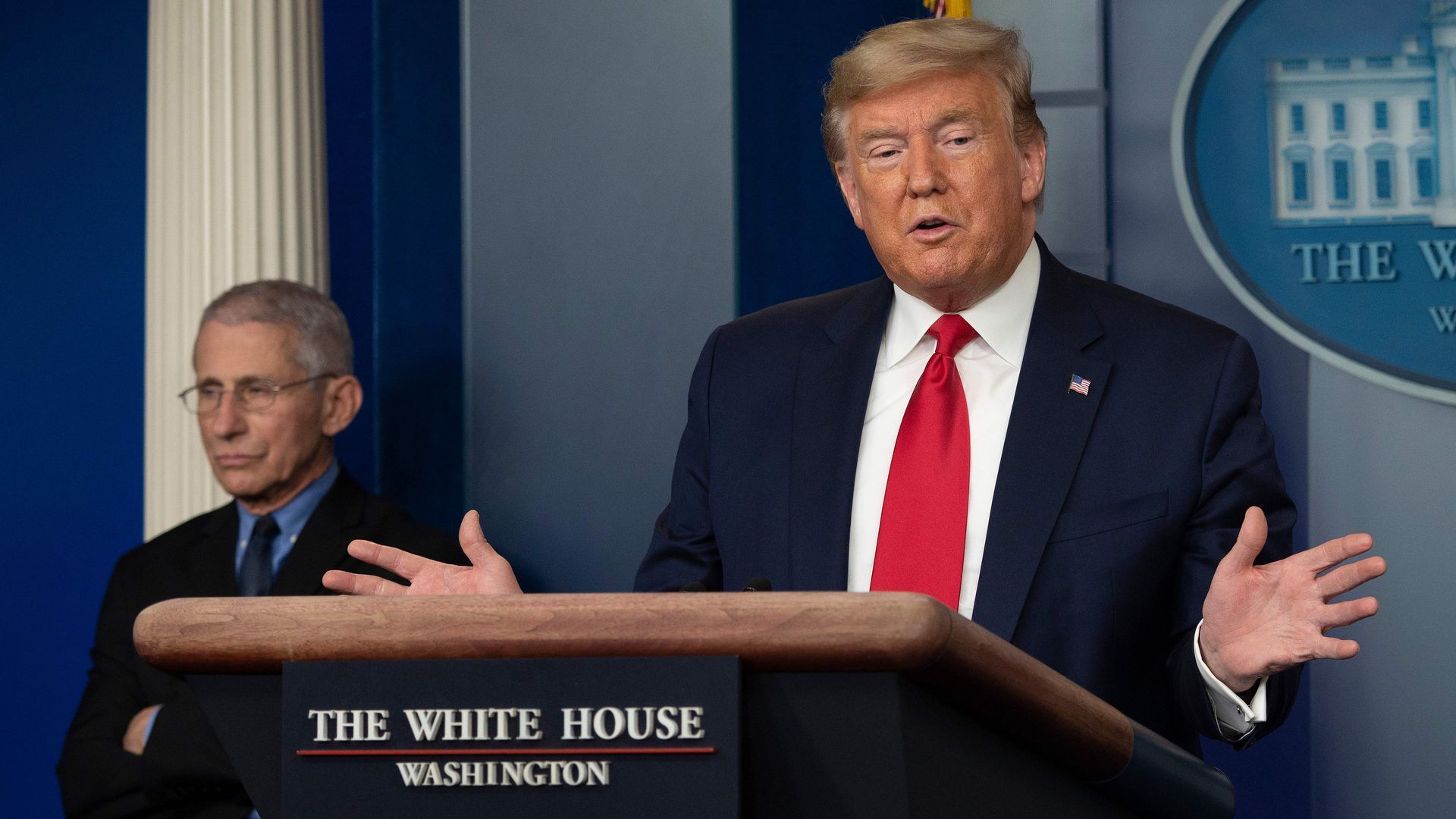
President Trump on Friday ordered General Motors to make ventilators to help coronavirus patients — something the automaker was already on track to do.
Why it matters: The United States was caught flat-footed by the surge in demand for medical supplies. If the federal government had enlisted manufacturers earlier, when the virus was beginning to spread throughout the world, GM and other manufacturers could already be producing thousands of ventilators per month.
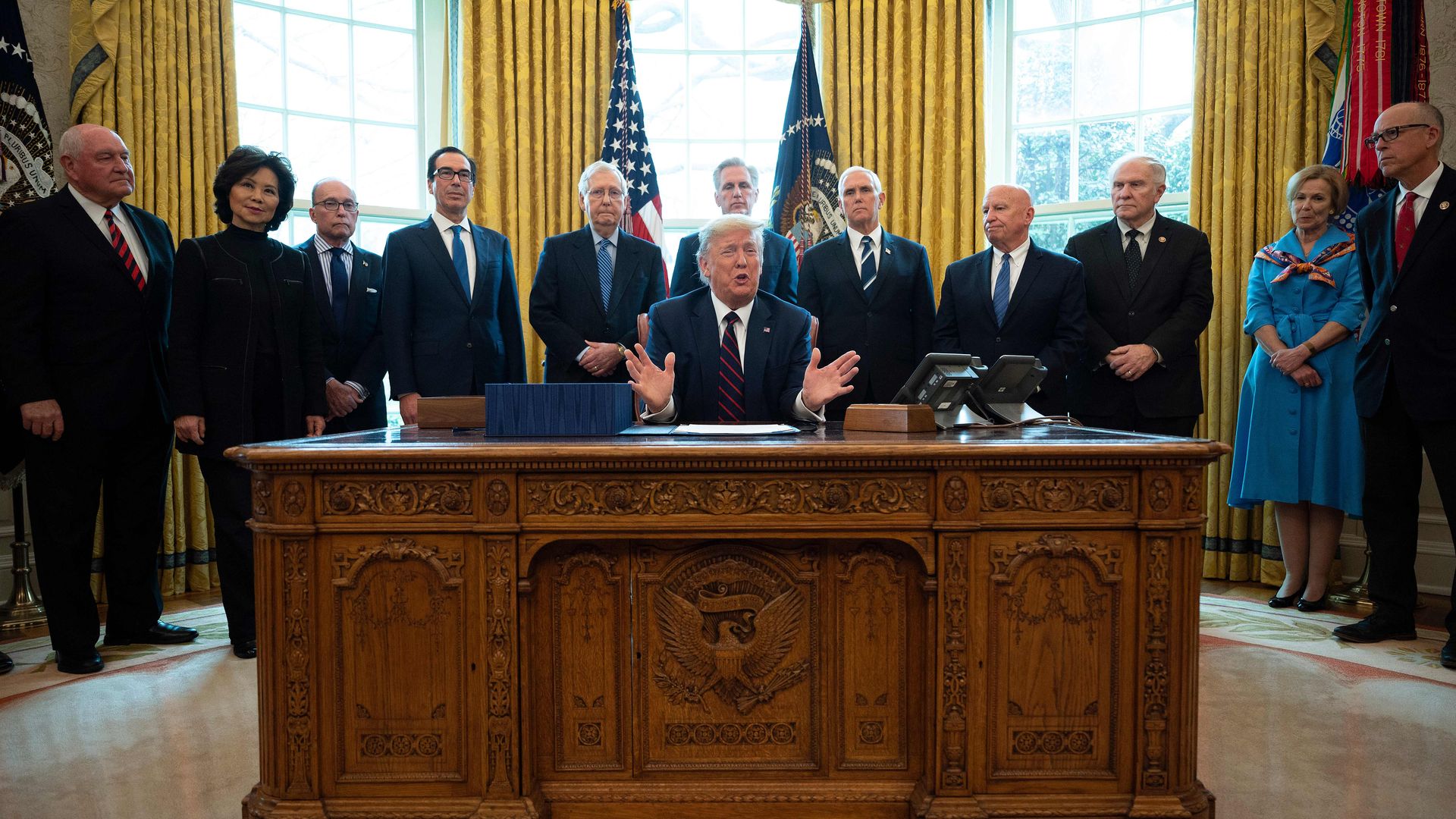
President Trump signed the $2.2 trillion coronavirus stimulus package into law on Friday shortly after the House passed the bill.
Why it matters: What happens in Washington is often lost on the rest of the country. But this rescue package is the largest in American history, has the attention of leaders on both sides of Pennsylvania Avenue and matters to Americans back home.
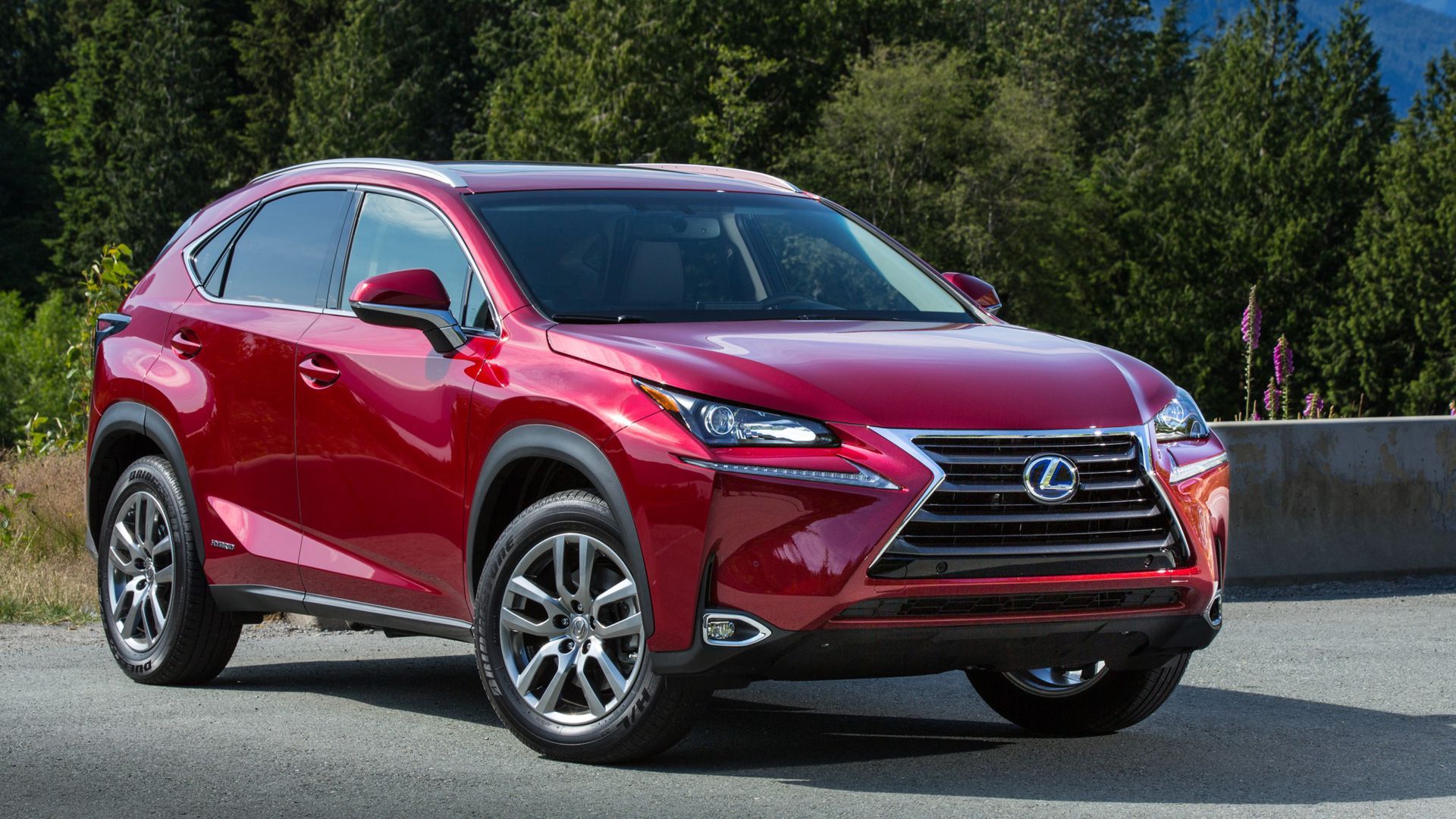
This week, I'm driving a 2020 Lexus NX 300h hybrid, but I have nowhere to go.
The big picture: Michigan is under a stay-at-home order until April 13, and I've been so busy covering coronavirus news that I haven't had much time anyway.
Car dealers are doing everything they can — including making house calls to deliver cars remotely — in hopes of preventing a total collapse of vehicle sales.
Why it matters: Few consumers have been willing to buy cars online the way they buy shoes. But among the many lifestyle changes we might see when this pandemic finally ends could be a desire to conduct more business remotely — including car shopping.
Congress' massive $2 trillion coronavirus stimulus package includes $58 billion for U.S. airlines, half in grants to cover 750,000 employees' paychecks, and the rest in loans or loan guarantees to help them keep operating during the worst travel downturn in history.
Why it matters: With some 80 million U.S. residents under mandatory stay-at-home orders and the coronavirus pandemic continuing to spread, hardly anyone is flying these days. But when the public health crisis ends, airlines want to be able to take off again quickly.
At President Trump's urging, automakers have mobilized with astonishing speed to help medical equipment makers produce much-needed ventilators and masks to fight the coronavirus.
But, but, but: With pressure mounting as the pandemic spreads and mixed signals coming from the White House's emergency response team, an agitated president lashed out at GM and Ford Friday morning on Twitter.
SutroVax, a Foster City, Calif.-based developer of a pneumonia vaccine, raised $110 million in Series D funding co-led by RA Capital Management and Janus Henderson Investors.
Why it matters: Its lead candidate is a more-encompassing alternative to Pfizer's Prevnar 13, a $6 billion per-year vaccine that reportedly is seeing a prescription bump from those worried about the coronavirus. Prevnar won't prevent someone from being infected, but some believe that it could help ward off subsequent pneumonia.
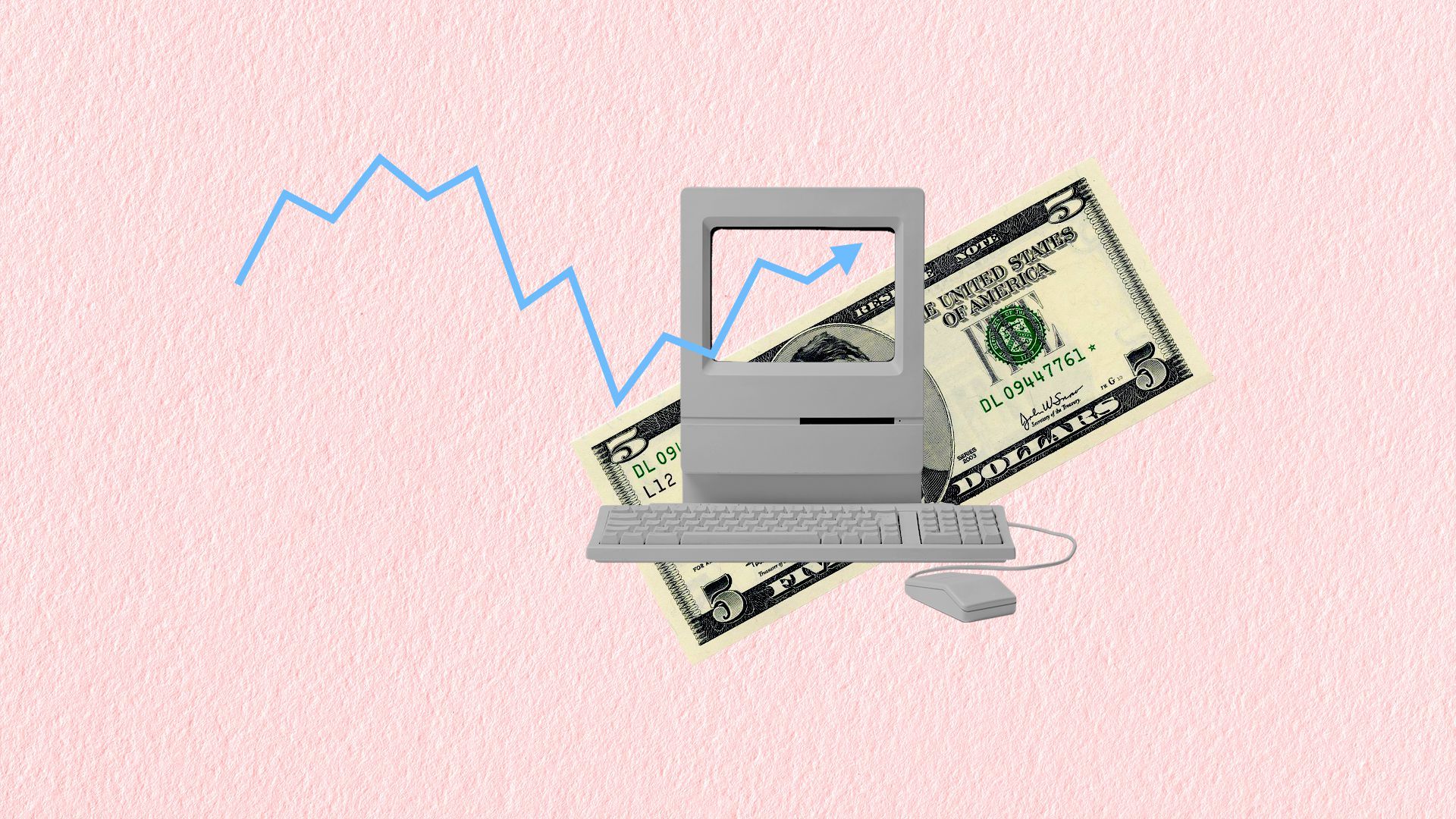
Thursday's stock market jubilation came in stark contrast to the general malaise that has gripped investors for much of this month.
Driving the news: Money market funds, which are effectively savings accounts, saw their two largest weeks of inflows in history, as investors flooded into the safety of cash, data from the Investment Company Institute shows.
The growing throng of critics who have assailed the Senate's $2.2 trillion spending bill as avarice, insufficient and disappointing have an alternative.
Enter Rep. Rashida Tlaib (D-Mich.) and the Automatic BOOST to Communities Act, a bill so massive, audacious and unparalleled in scope that one of its primary authors asserts "There is no number that would be meaningful to estimate" its cost.
For the last couple of years, startups have been preparing for a recession, but the coronavirus pandemic and its effect on the economy are unlike anything they predicted.
Why it matters: Even companies that had recession plans and have been modeling burn rates, cash flow, and dips in business are throwing those projections out the window and taking drastic measures.
Congress is about to provide $100 billion for hospitals and other health care providers to cope with the fallout from the coronavirus, but small hospitals have no idea how to access those funds — and many need the money immediately.
What they're saying: "A lot of rural hospitals out there need a cash infusion today," Alan Morgan, CEO of the National Rural Health Association, told Axios. "How is it going to happen? What is the process? There are way more questions than answers."
The Department of Justice has sued Anthem, alleging that the health insurance company knowingly submitted inaccurate medical codes to the federal government from 2014 to 2018 as a way to get higher payments for its Medicare Advantage plans and turned "a blind eye" to coding problems.
Why it matters: This is one of the largest Medicare Advantage fraud lawsuits to date, and federal prosecutors believe they have more than enough to evidence to claim that Anthem bilked millions of dollars from taxpayers.
The White House canceled an announcement planned for Wednesday on a proposed venture between General Motors and Ventec Life Systems to build necessary ventilators amid the coronavirus outbreak, the New York Times first reported and Axios confirmed.
What we know: The announcement was called off to buy more time for the Federal Emergency Management Agency to assess whether the estimated cost of more than $1 billion was too expensive, and how many ventilators would be produced. Per the Times, the deal could still happen, but government officials are currently looking at other proposals.
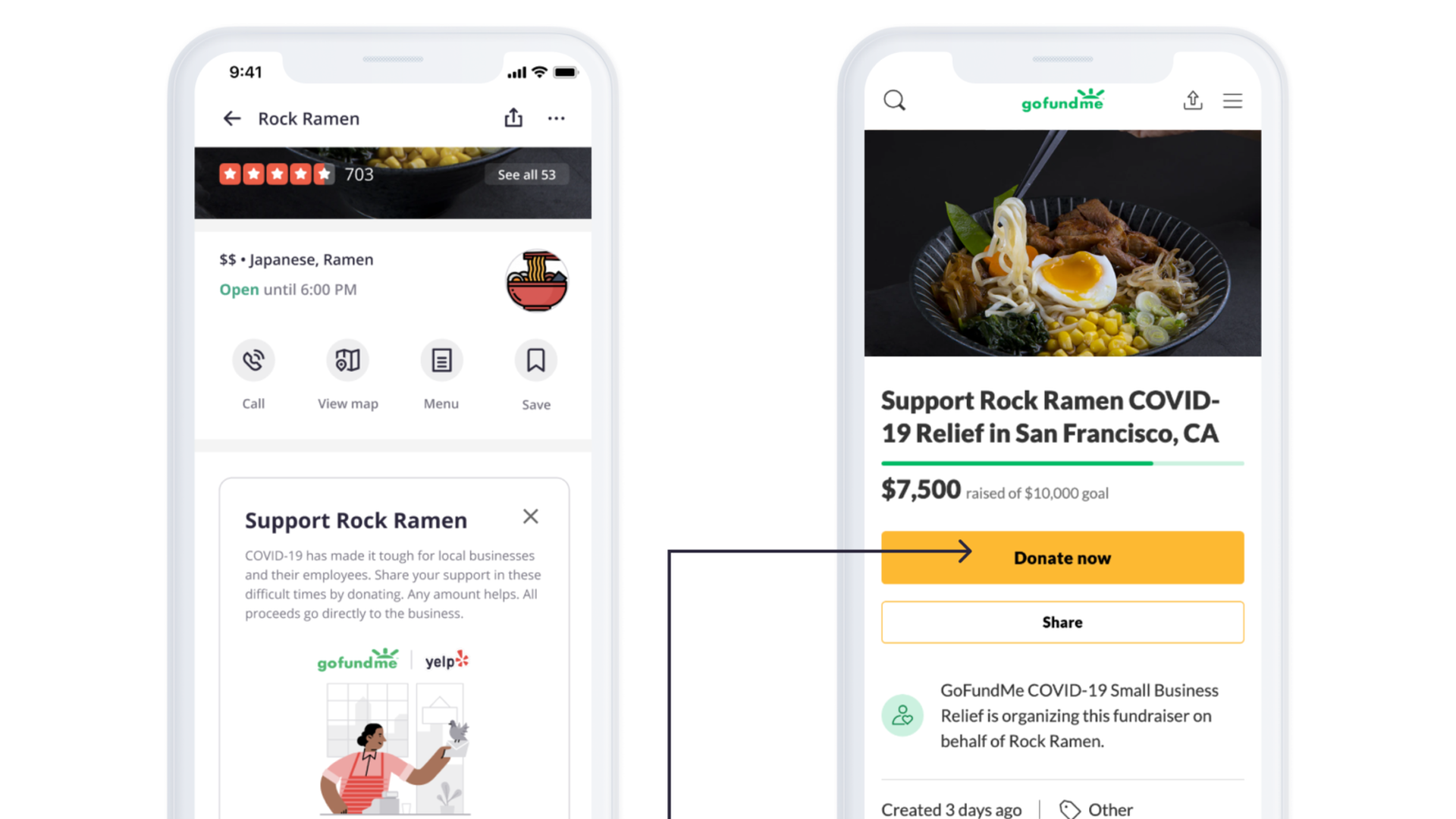
Yelp told Axios on Thursday that it is pausing a program designed to raise money for restaurants and small businesses after some owners complained they were signed up without consent and opting out of the program was overly cumbersome.
Why it matters: Small businesses, which make up the bulk of Yelp's market, have been devastated by the novel coronavirus and related stay-at-home orders.Yelp earlier this week said it was partnering with GoFundMe to make it easy for customers to donate straight from Yelp.