Context: Local debt is riskier. The U.S. government can print money while the city of Detroit, or the state of Illinois, cannot. That's why the U.S. government borrows at much lower rates than Detroit or Illinois.
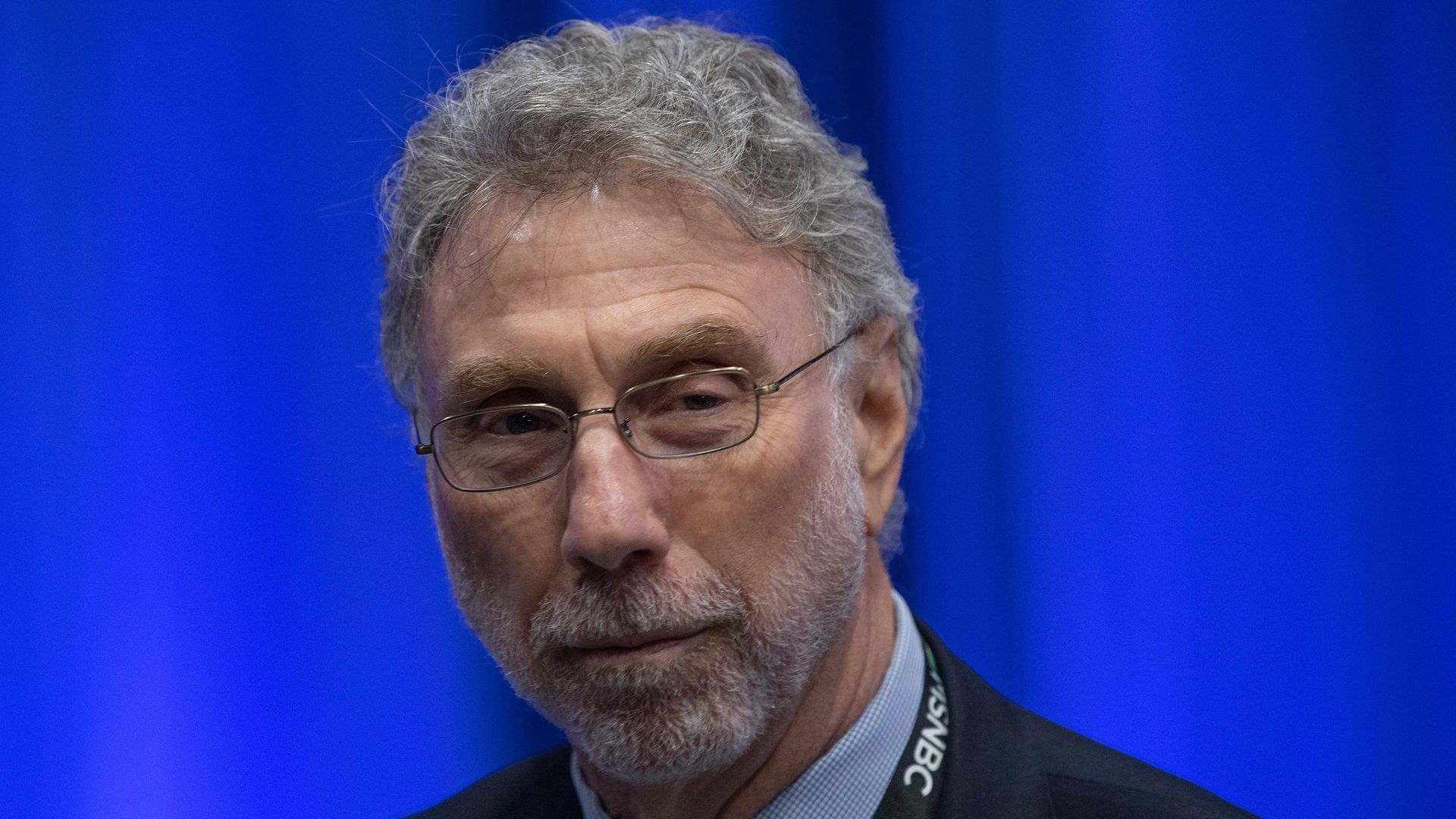
Washington Post Executive Editor Martin Baron sent an email to staff, outlining the newspaper's objectives for social media conduct and stressing that the company is prepared to offer security to anyone who has received threatening messages, per CNN reporter Oliver Darcy.
The big picture: The message comes after the paper received blowback from the public and its own employees. Reporter Felicia Sonmez was suspended for tweeting about Kobe Bryant's 2003 rape allegation, hours after the athlete's death in a helicopter crash. Sonmez was reinstated on Tuesday.
Rising house prices don't cause lenders to lose money, or economies to implode. But the bottom rung of the housing ladder has now ascended beyond the grasp of millions of Americans, regardless of whether they want to rent or buy.
Why it matters: When house prices fall too much, the rich and powerful lose money. That, in turn, means central banks around the world will swing into action to try to save the economy. When home prices rise too much, on the other hand, there's no such urgency on the part of policymakers.
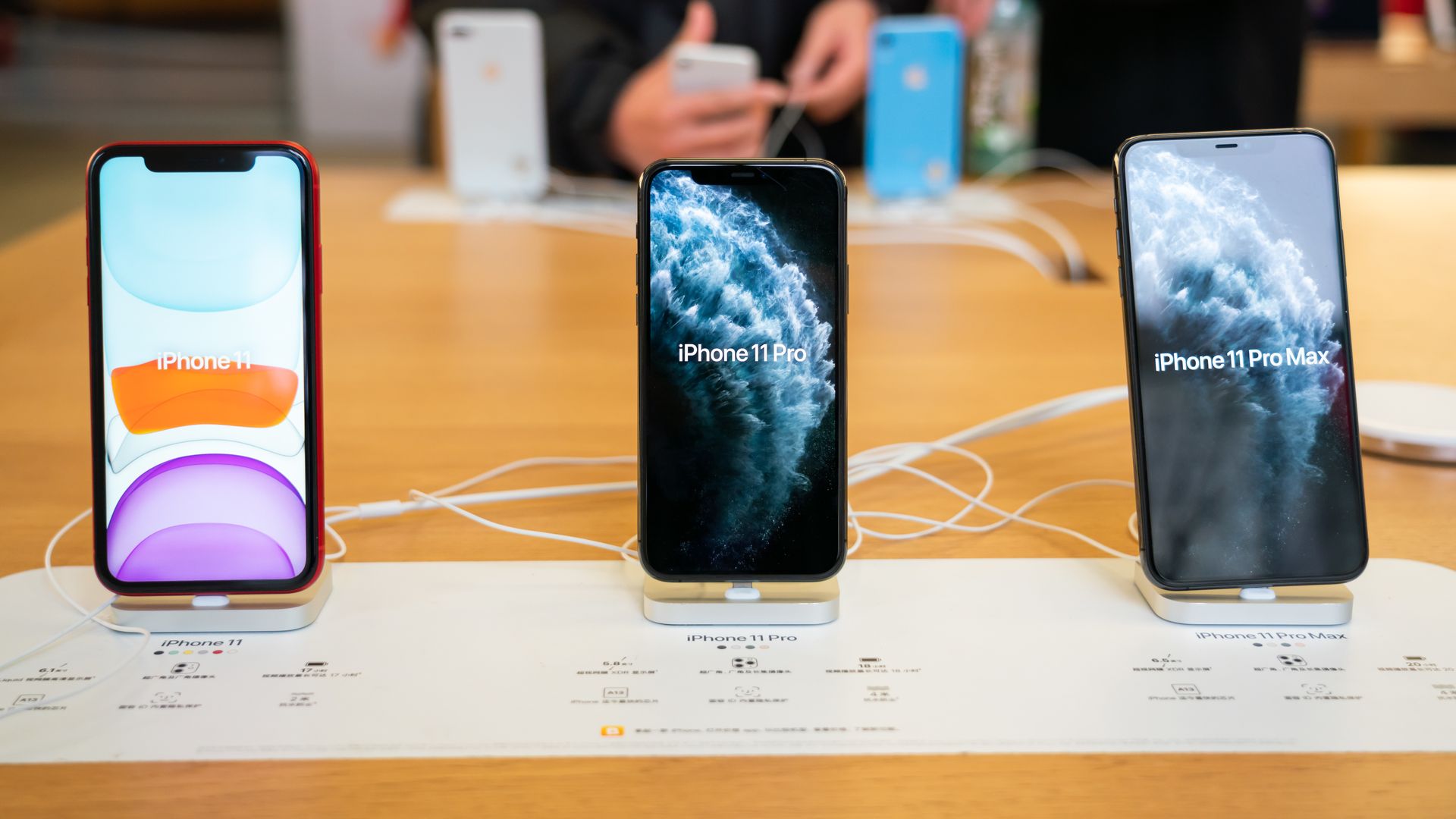
Last week's report that Jeff Bezos' iPhone was allegedly hacked via a WhatsApp message from Saudi Crown Prince Mohammed bin Salman discomfited a lot of Apple customers who long believed that one of the features of their high-priced phones was invulnerability.
The big picture: The flaw in this case was in WhatsApp, not the iPhone itself. But the larger lesson is that in a networked world full of incentives for digital mischief, there's no such thing as perfect security — only varying degrees of relative risk.
Stanley Black & Decker agreed to buy Consolidated Aerospace Manufacturing, a Fullerton, California-based aerospace parts maker, from private equity firm Tinicum for upwards of $1.5 billion.
Why it matters: CAM is a major supplier to Boeing, and around $200 million of the purchase price is contingent on the FAA authorizing the 737 MAX to return to service.
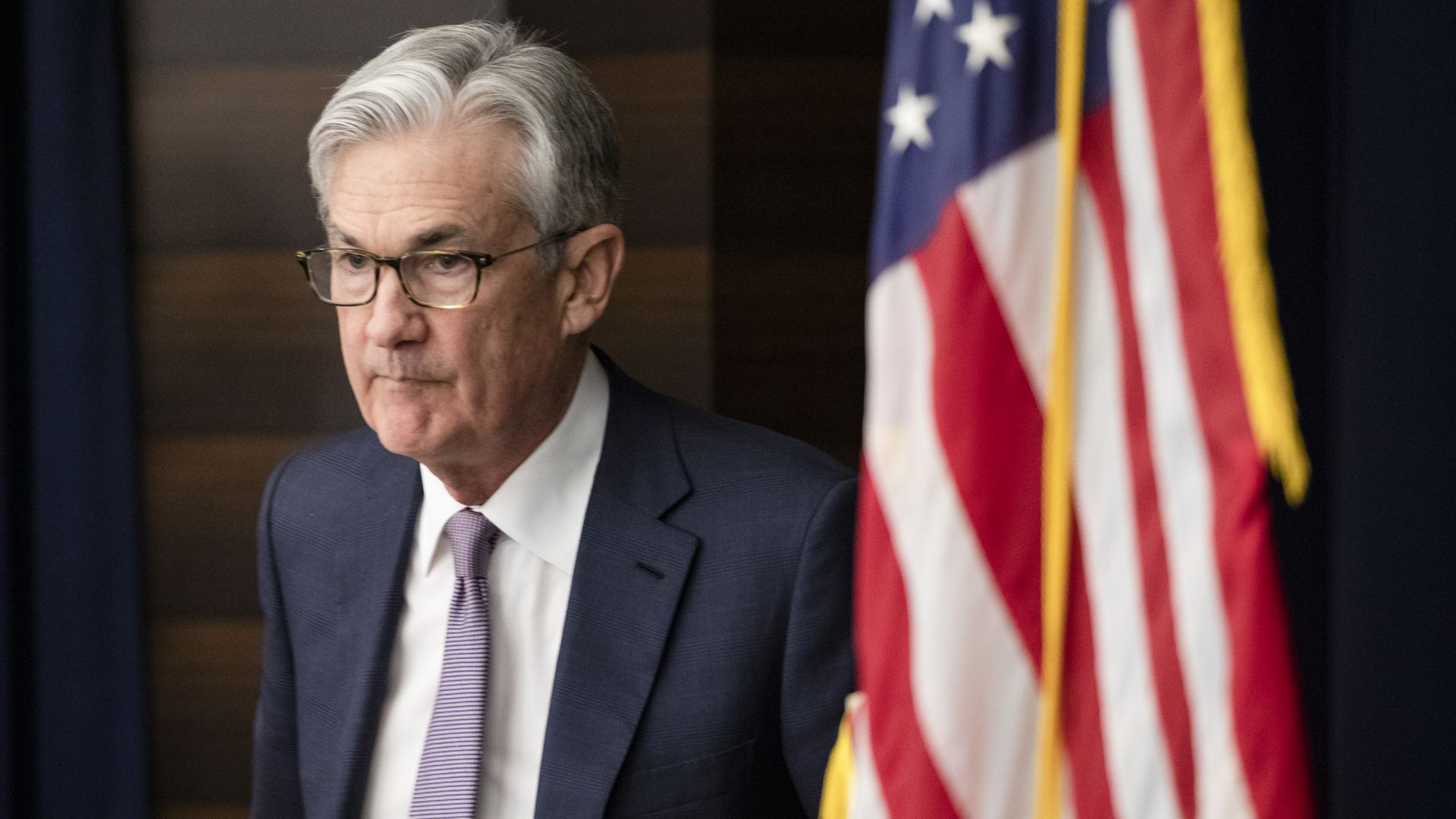
The Federal Reserve is likely to join the Network for Greening the Financial System, a coalition of central banks committed to fighting climate change, Bloomberg reports.
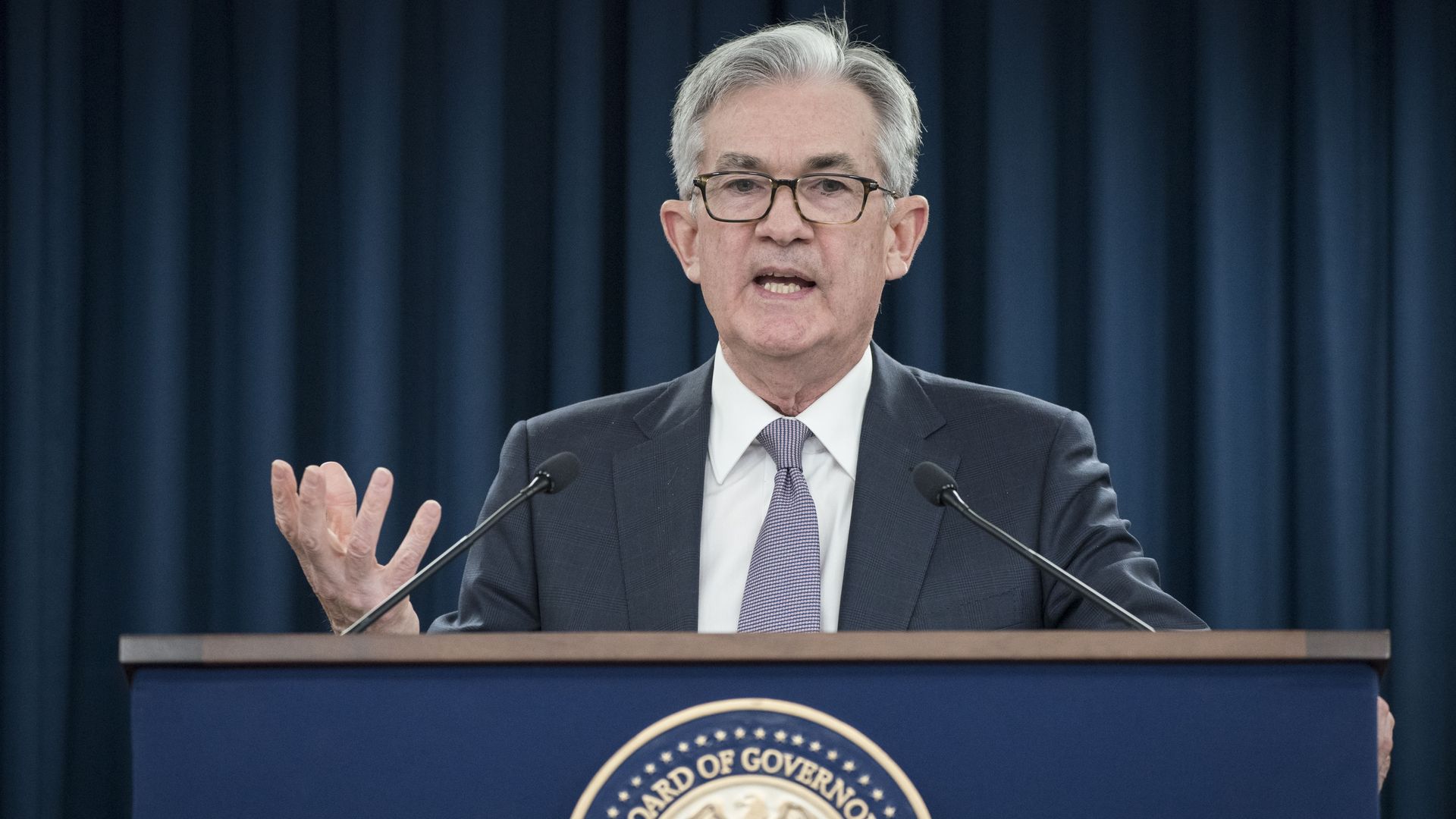
The big picture: The Fed, despite President Trump's dismissal of climate change, has been focusing on the topic more. Fed Chairman Jerome Powell said Wednesday that bank officials had already attended meetings of the coalition, which it had previously avoided joining.
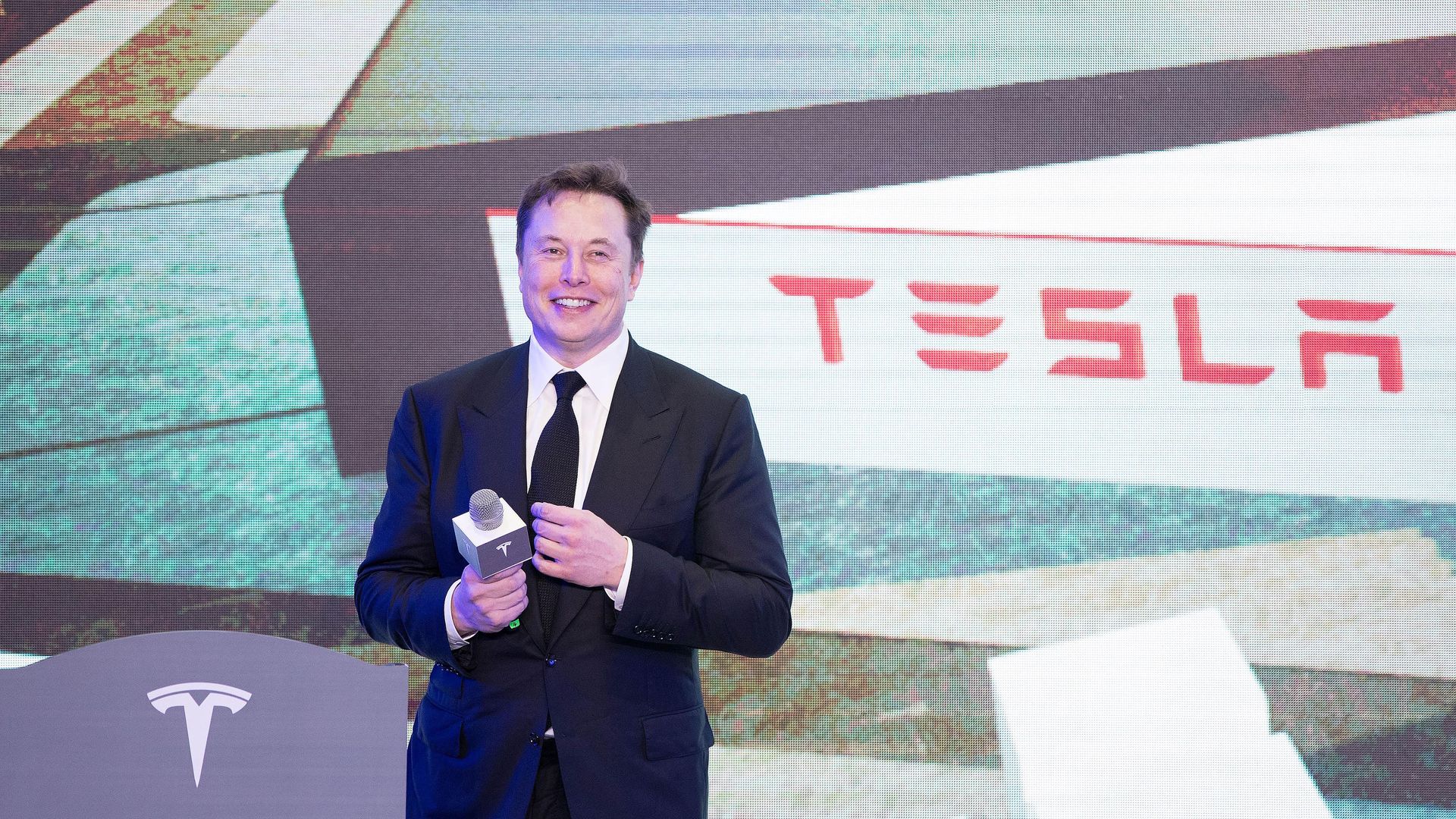
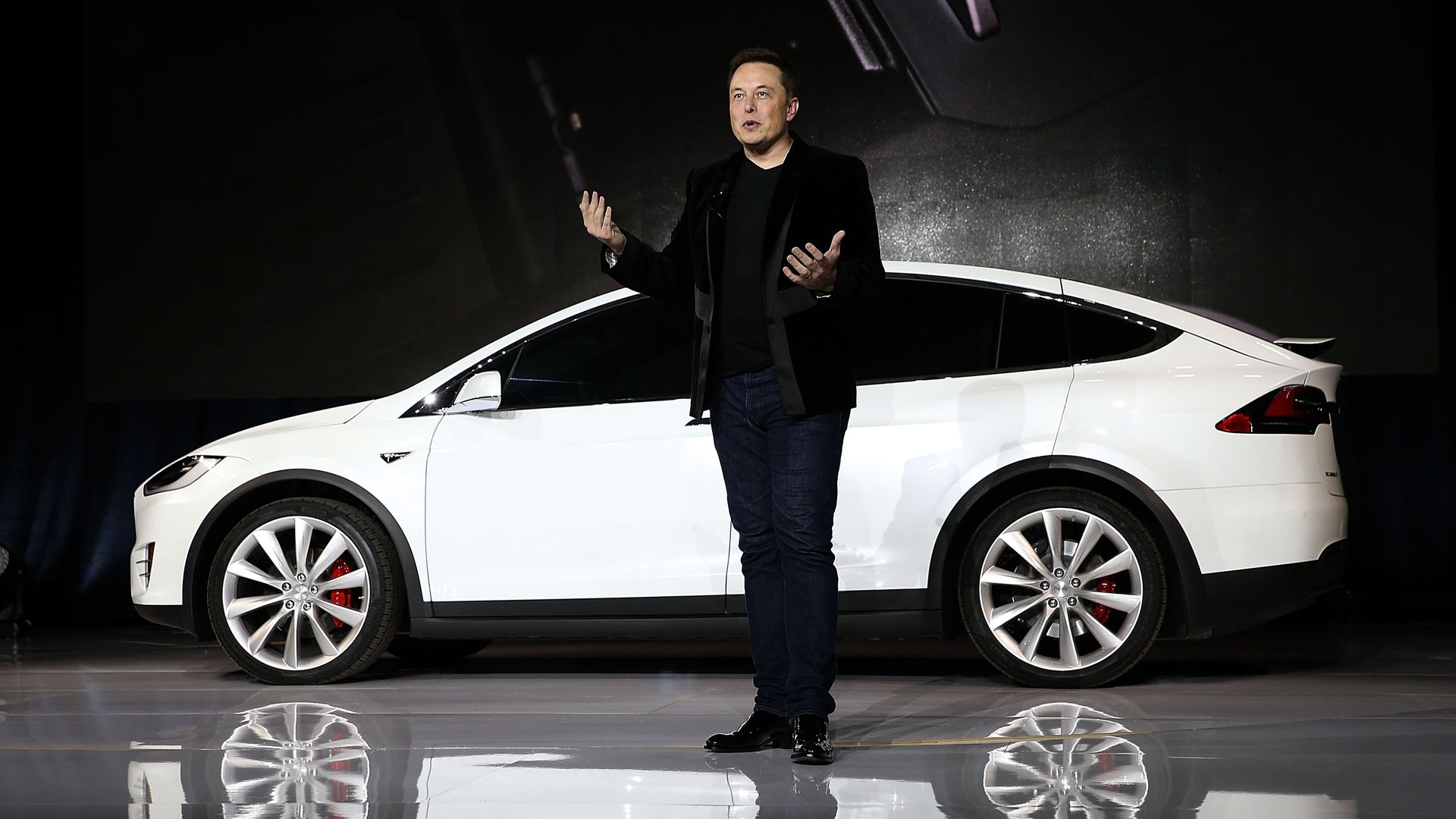
That sharp spike you see in Tesla's already-high stock price is what happened Wednesday when the electric automaker reported a $105 million fourth-quarter profit and offered a rosy take on what's ahead.
Why it matters: Tesla and CEO Elon Musk kick up lots of dust, but the bottom line is that the trajectory of the world's largest electric vehicle seller matters a lot for the tech's wider adoption — even as competitors ramp, up too.
Those who have bet on fear overtaking the market by piling into U.S. Treasury bonds have been rewarded handsomely so far in 2020, as prices on safe-haven government debt have risen and yields have fallen significantly.
Why it matters: The bond market is sending a clear signal that investors are nervous — tensions continue to ratchet higher in the Middle East, new wrinkles are revealed in President Trump's impeachment trial, and the coronavirus outbreak is claiming more lives.
For the first time in its 151-year history, Goldman Sachs, the storied investment bank, opened its doors to investors and others for a day of presentations about its various business lines — and how it has been remaking itself.
Why it matters: David Solomon has been CEO for just more than a year, and under him, the bank has pivoted toward the mass market and making other strategic moves that could have a big effect on the evolution of modern banking.
Tesla earned $105 million in net profit in the fourth quarter, ending the year on a positive note and declaring 2019 a turning point for the volatile electric car company.
Details: Record 2019 deliveries helped drive revenues up 19% over the prior quarter, but profit margins fell because Tesla sold more of the lower-priced Model 3. Shares jumped 7% in after-hours trading on Wednesday to $621.89.
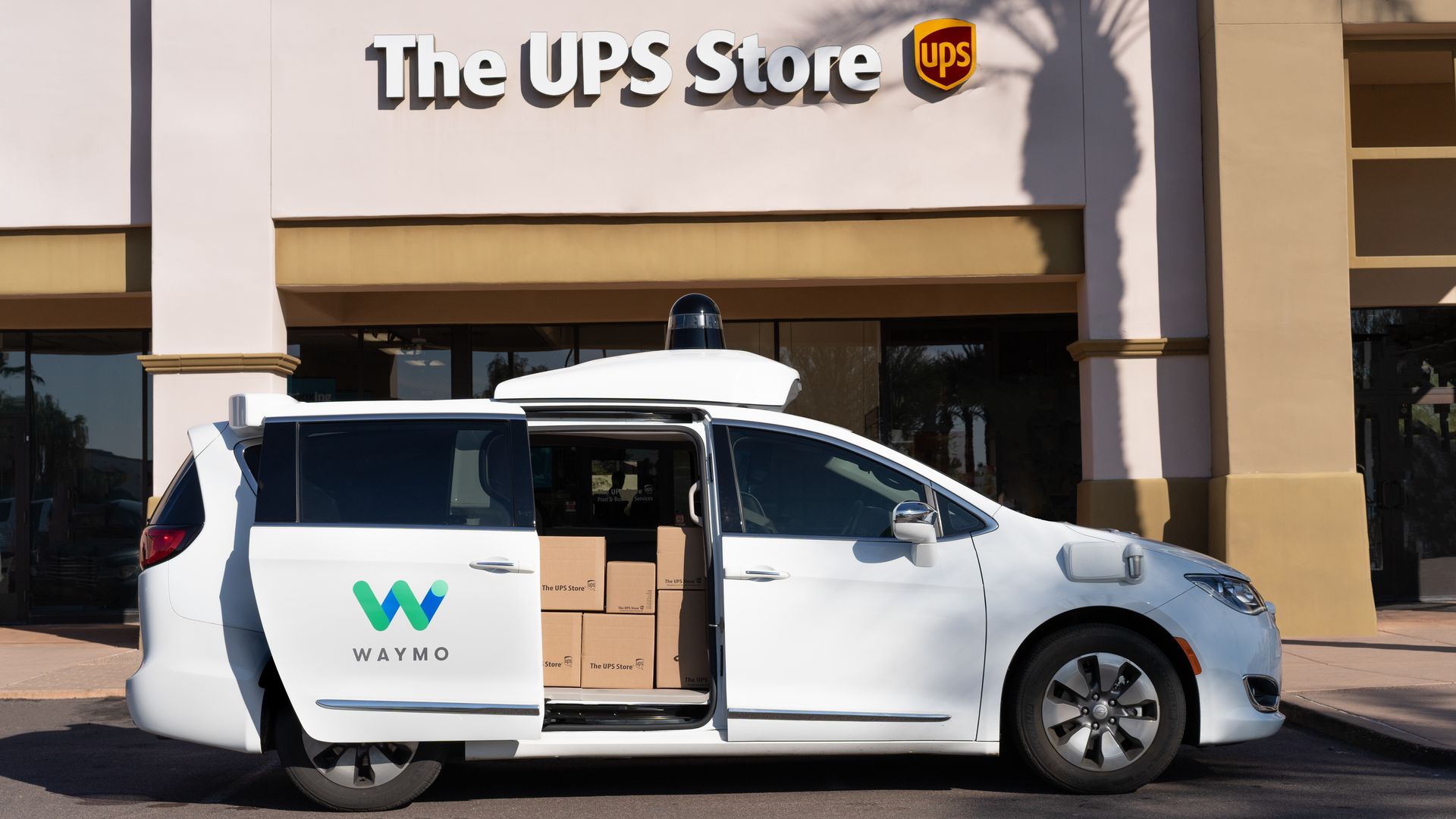
Waymo, whose driverless minivans are already shuttling a limited number of passengers in suburban Phoenix, Arizona will soon begin delivering packages for UPS as part of a new strategic partnership announced on Wednesday.
Why it matters: Widespread use of robo-taxis is still years away, but automated trucks are quickly gaining momentum toward deployment. Waymo's ambition is to use the same self-driving technology in its minivans — what it calls the Waymo driver — to automate big rigs and delivery trucks like the ones UPS uses every day.
UPS is investing in Arrival, a U.K.-based electric truck manufacturer, and plans to buy at least 10,000 battery-powered delivery trucks worth $440 million over the next five years.
Why it matters: UPS is transforming its global logistics business to keep up with exploding e-commerce and increased urbanization — and the fallout from those trends like worsening congestion and climate change.
The Federal Reserve said on Wednesday that interest rates would remain between the target range of 1.5% and 1.75%.
Why it matters: Fed chair Jerome Powell said developments in the global economy since the last Fed meeting — namely threats posed by the coronavirus outbreak — have not changed the central bank's wait-and-see approach.
China figured prominently throughout Apple's earnings report on Tuesday, helping fuel the company's record holiday quarter, but also playing a role in the uncertainty hanging over the current quarter.
Why it matters: Apple is the latest company to flag that China's coronavirus outbreak could harm near-term business.
Tesla's Q4 earnings report will come Wednesday as the volatile Silicon Valley electric automaker's stock is near all-time highs with a recent run of positive news, including record 2019 deliveries and the recent launch of its Chinese factory.
Why it matters: Tesla is arguably the most important corporate actor in the movement of electric vehicles toward the mainstream, even as new manufacturers emerge and legacy automakers roll out new models.
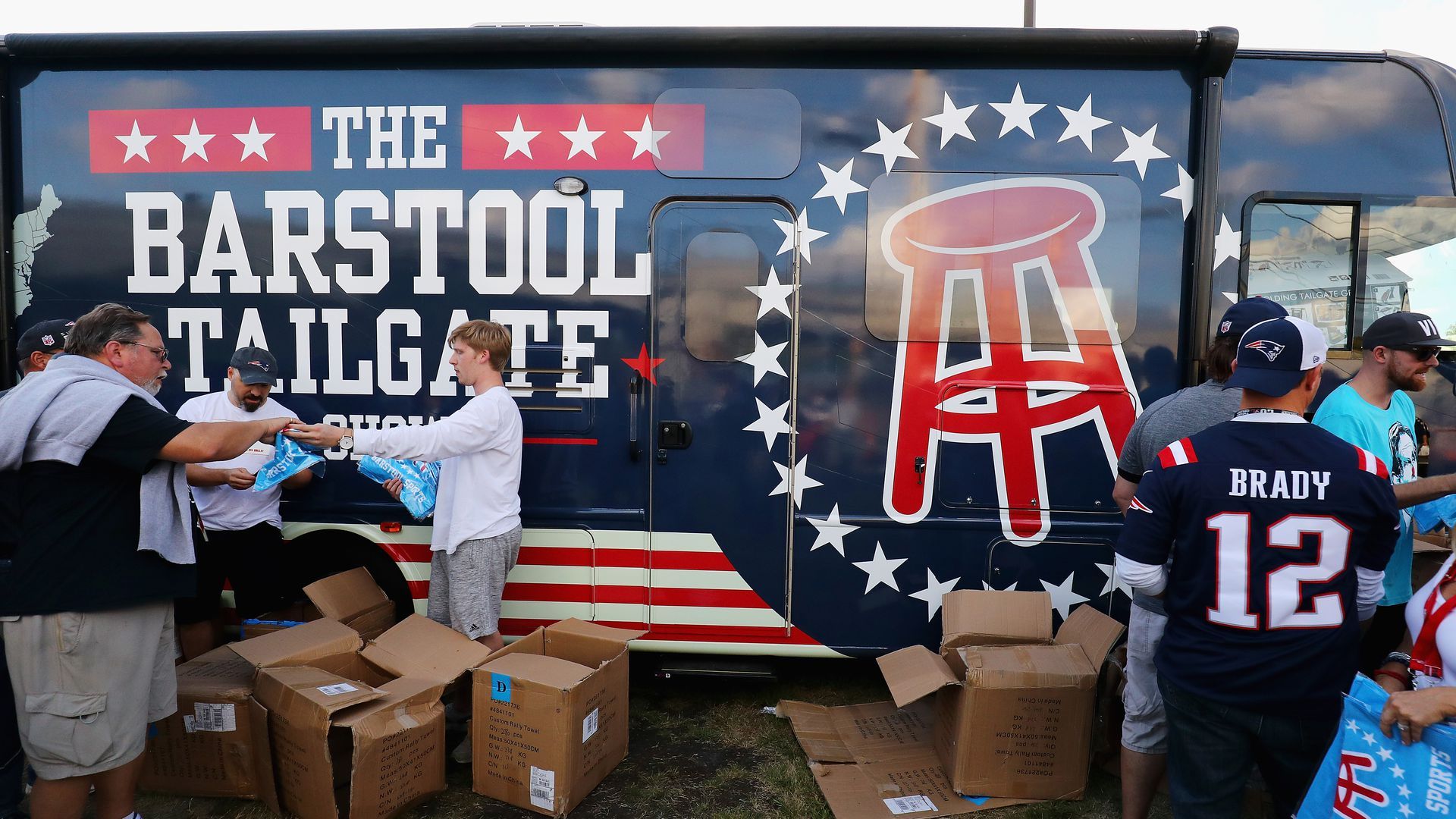
Penn National Gaming has agreed to buy a 36% stake in Barstool Sports for $163 million — a deal that values the company at $450 million.
Why it matters: With the gaming industry rushing to capitalize on the coming online sports betting boom, this deal joins an operator of 41 gambling properties in 19 states with a sports and lifestyle brand focused on young men.
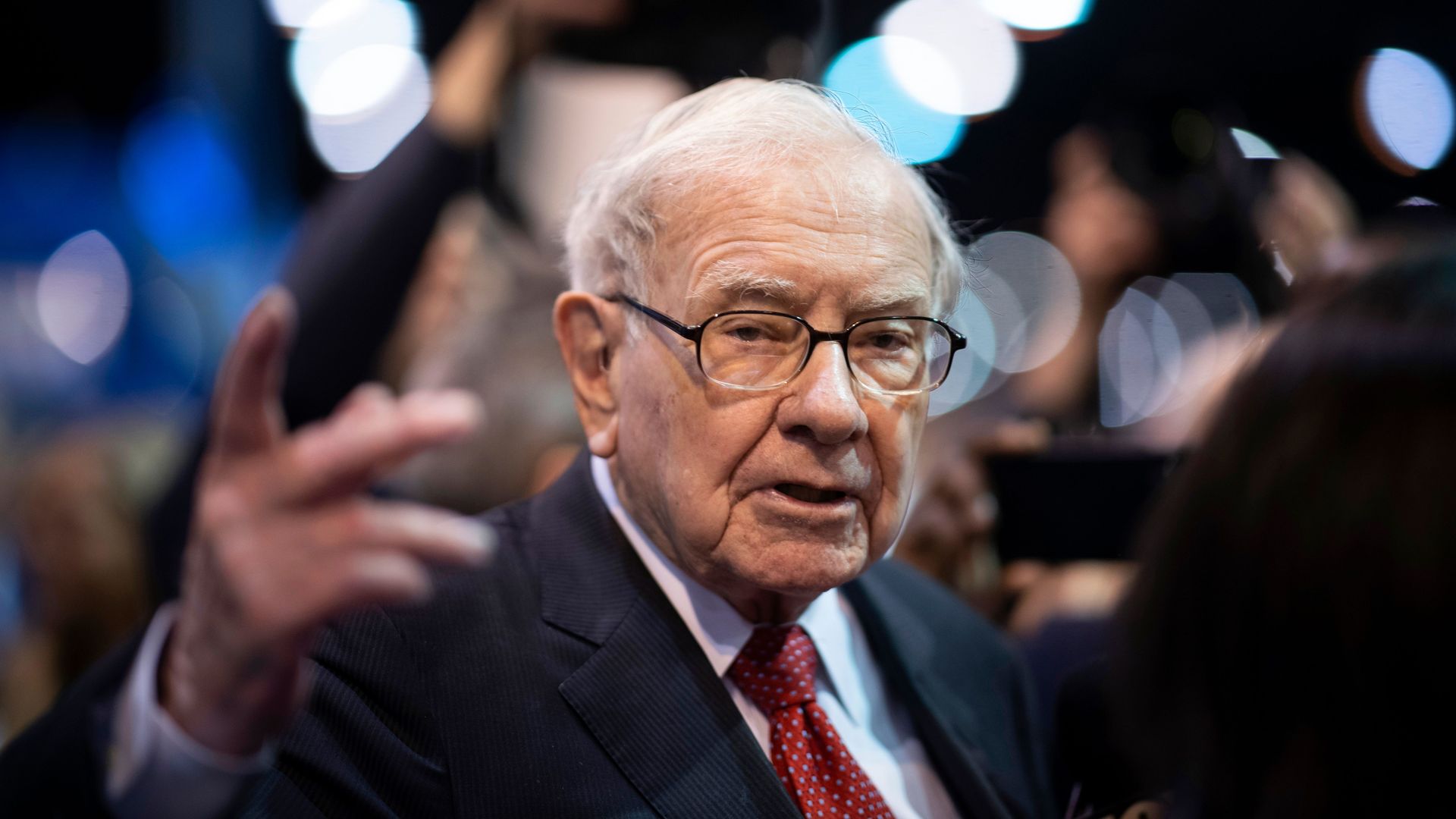
Berkshire Hathaway, the corporate holding company owned mostly by billionaire Warren Buffett, will sell its newspaper operations to publisher Lee Enterprises Inc. for $140 million, per a Wednesday announcement.
Why it matters: Buffett loves the newspaper business. His first job was a newspaper delivery boy for the Washington Post — and he has long been a vocal supporter of local news. The fact that he is finally giving up on the industry, which he has warned in recent years is "toast" due to terminal advertising decline, is significant and symbolic.
The U.S. Treasury yield curve between 3 months and 10 years inverted on Monday, as it has before every recession in the past 50 years. Inversion has been a false signal just once in that time.
Hotels and airlines are now using artificial intelligence software to re-price tickets and stays, sometimes dozens of times a day, the New York Times reports.
Why it matters: More often than not this is resulting in higher prices for consumers, as great deals are removed from travel websites and replaced by higher prices when the AI software notices increasing demand.
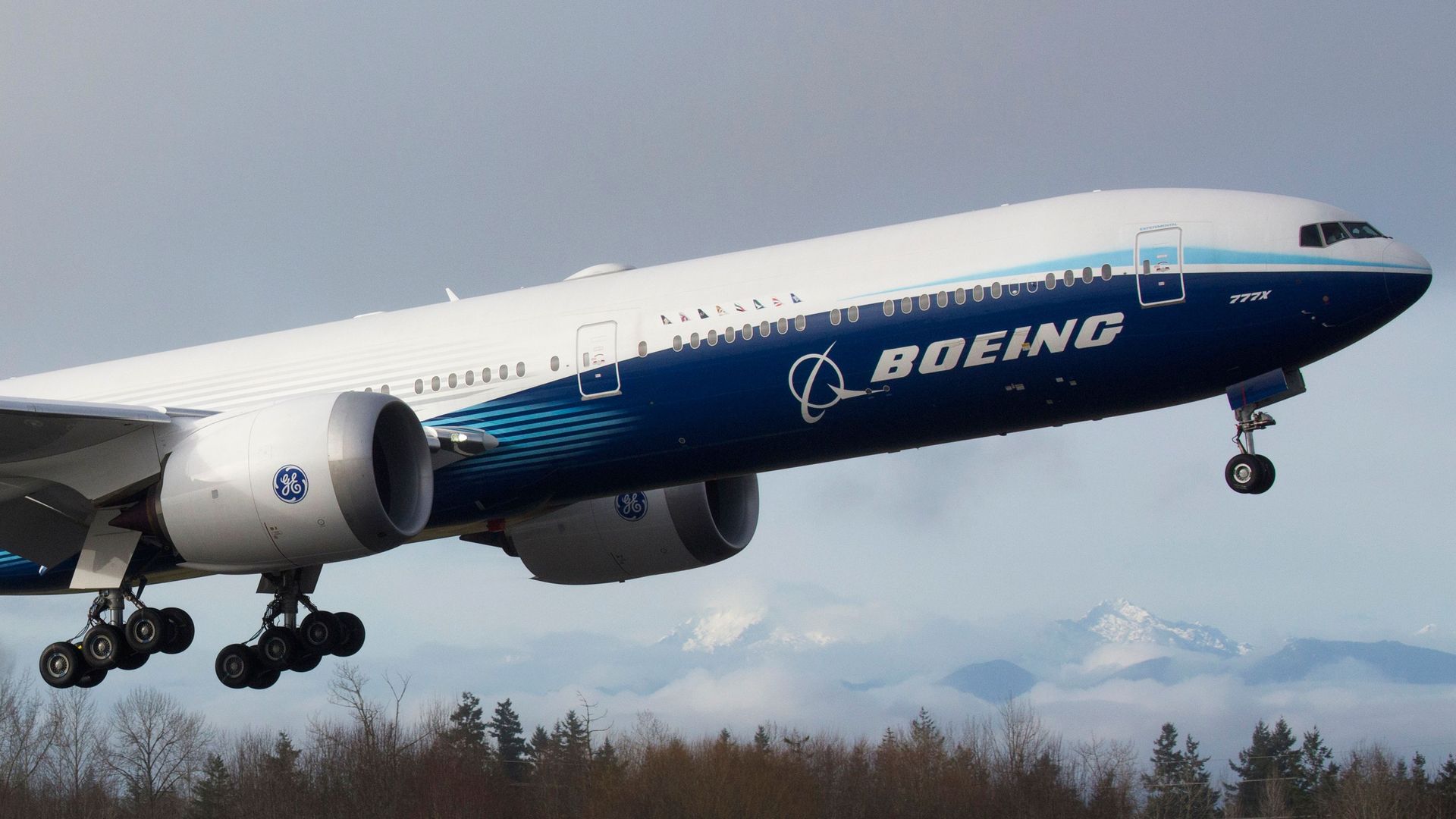
Boeing said it lost money last year for the first time since 1997, according to its latest quarterly report.
Why it matters: The company is mired in the biggest crisis in its history. Costs stemming from the grounding and production halt of the 737 MAX, its best-selling plane, is weighing on Boeing’s financials.
New Boeing CEO David Calhoun today told CNBC that he will not change the name of the troubled 737 MAX plane, which Boeing still hopes to get back online in the middle of 2020.
The Richmond Fed's January manufacturing survey recorded its highest reading in almost a year and a half on Tuesday.
Why it matters: The survey is considered a potential leading indicator of overall manufacturing because it is released close to month-end and may offer clues on national manufacturing readings like those from ISM and IHS Markit.
Orders for U.S. durable goods — long-lasting items like sheet metal or motors — rose 2.4% in December, but 90% of that increase was from government defense purchases. Excluding that category, orders fell 2.5%.
Worth noting: New orders for nondefense capital goods excluding aircraft fell 0.9%, the biggest drop in eight months.
What was going to be a very simple and straightforward policy meeting for the Fed this afternoon has been significantly complicated by the outbreak of the Wuhan coronavirus, fresh geopolitical tensions and an inverted yield curve.
The big picture: While no policy change is expected, all eyes will be on Chairman Jerome Powell's assessment of the economic environment and whether the U.S. central bank is leaning toward adding more stimulus or taking away the punch bowl.