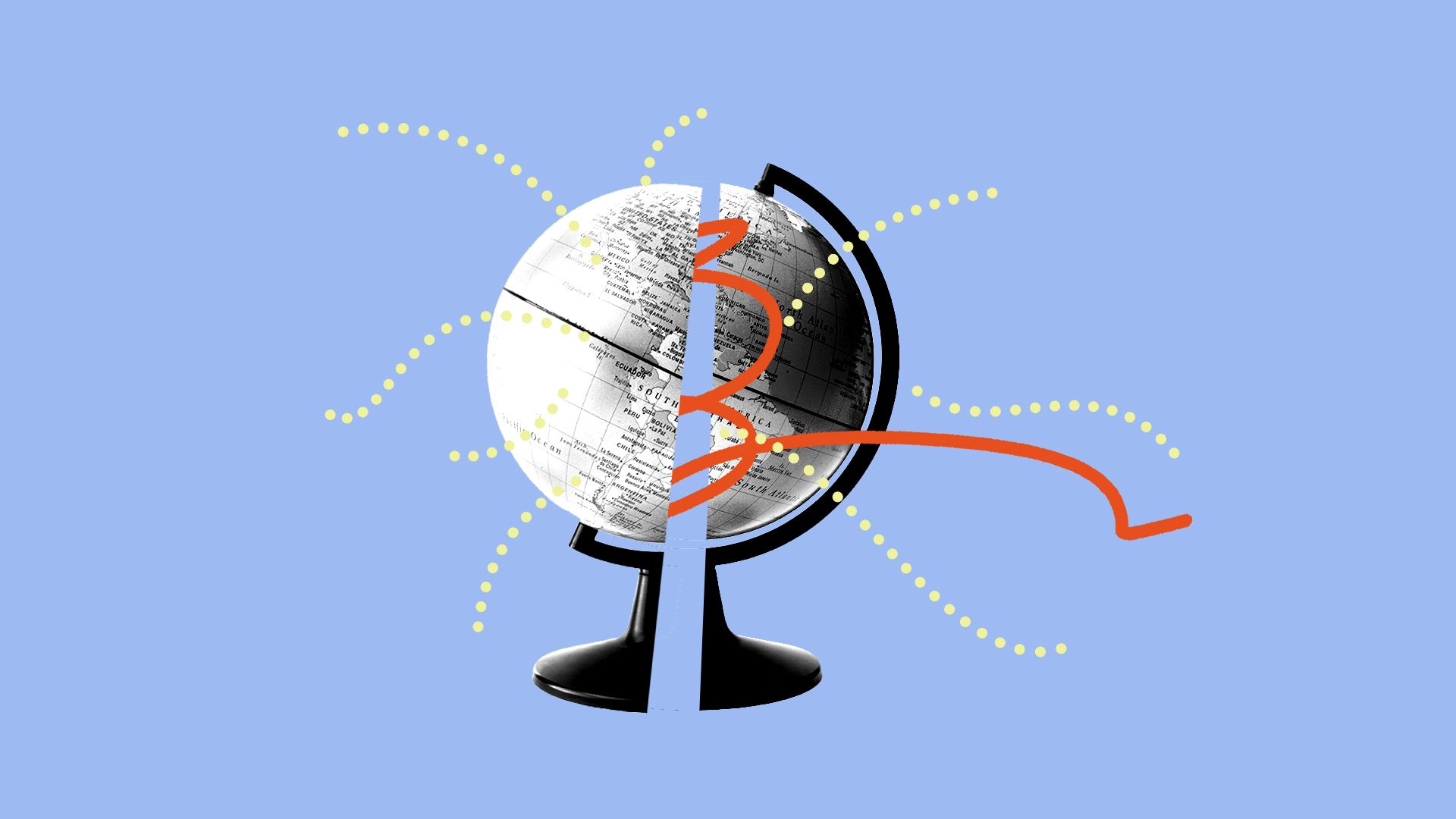
DAVOS, Switzerland — For two years, the global elite has fumbled for ways to defend the 7-decade-old structure of trade and diplomacy from punishing attacks. This week, they declared the system all but dead.
The main thing now, leading thinkers said, is to ensure that what replaces the system in the coming years prevents a great-power war — as the existing one has — and delivers more for millions left behind by the current economy.
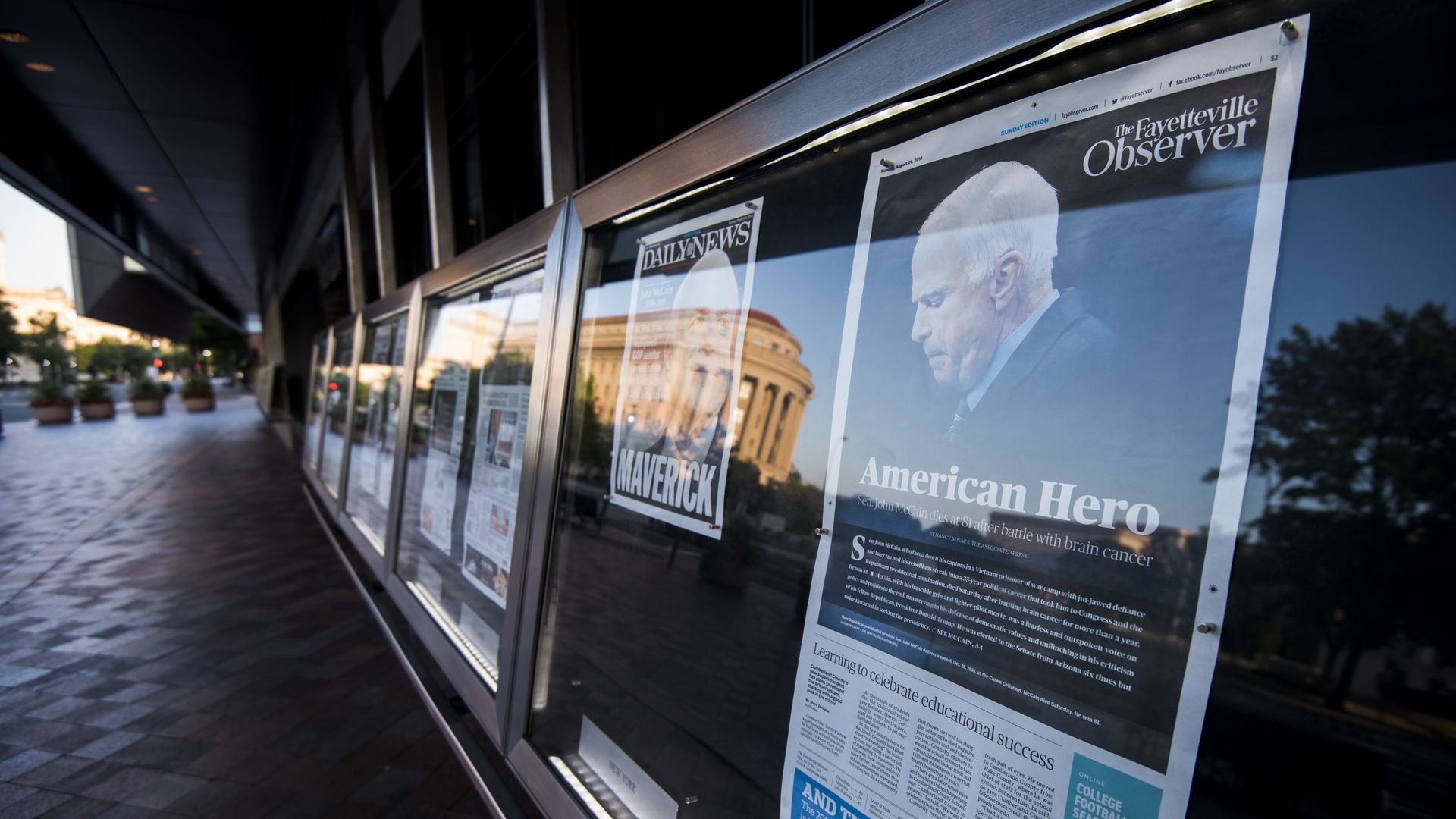
"Johns Hopkins Universityis buying the landmark [Pennsylvania Avenue] building that houses the Newseum for $372.5 million, a purchase that will enable the struggling cultural institution devoted to news and the First Amendment to seek a new home in the Washington area," per the WashPost.
"We stand ready to continue much of the Newseum's important work ... through digital outreach, traveling exhibits, and web-based programs in schools around the world, as well as hopefully in a new physical home in the area."
— Peter Prichard, chair of the Newseum board of trustees
The big picture: "The Freedom Forum— the private foundation that created the Newseum and that is its primary funder — said the museum will remain open at 555 Pennsylvania Ave. NW for the rest of the year. ... [T]he Newseum posted an annual deficit each year."
Yesterday wasa devastating day for President Trump as he heads into his reelection campaign and an era of divided government.
Why it matters: He blinks; he disappoints the people who still love him; he gets no credit for reopening the government, given he already took credit for the shutdown; and we’re back where we started after 35 days of pointlessness.
Millennials get blamed for killing a lot of things — including shopping malls, with their reliance on out-of-fashion department stores. But an Axios/SurveyMonkey poll shows that Millennials and their yet-unnamed successor generation may not be to blame after all.
The bottom line: When you spot a group of teenagers using an abandoned mall for indoor skateboarding rather than shopping, try to remember — this really isn't their fault.
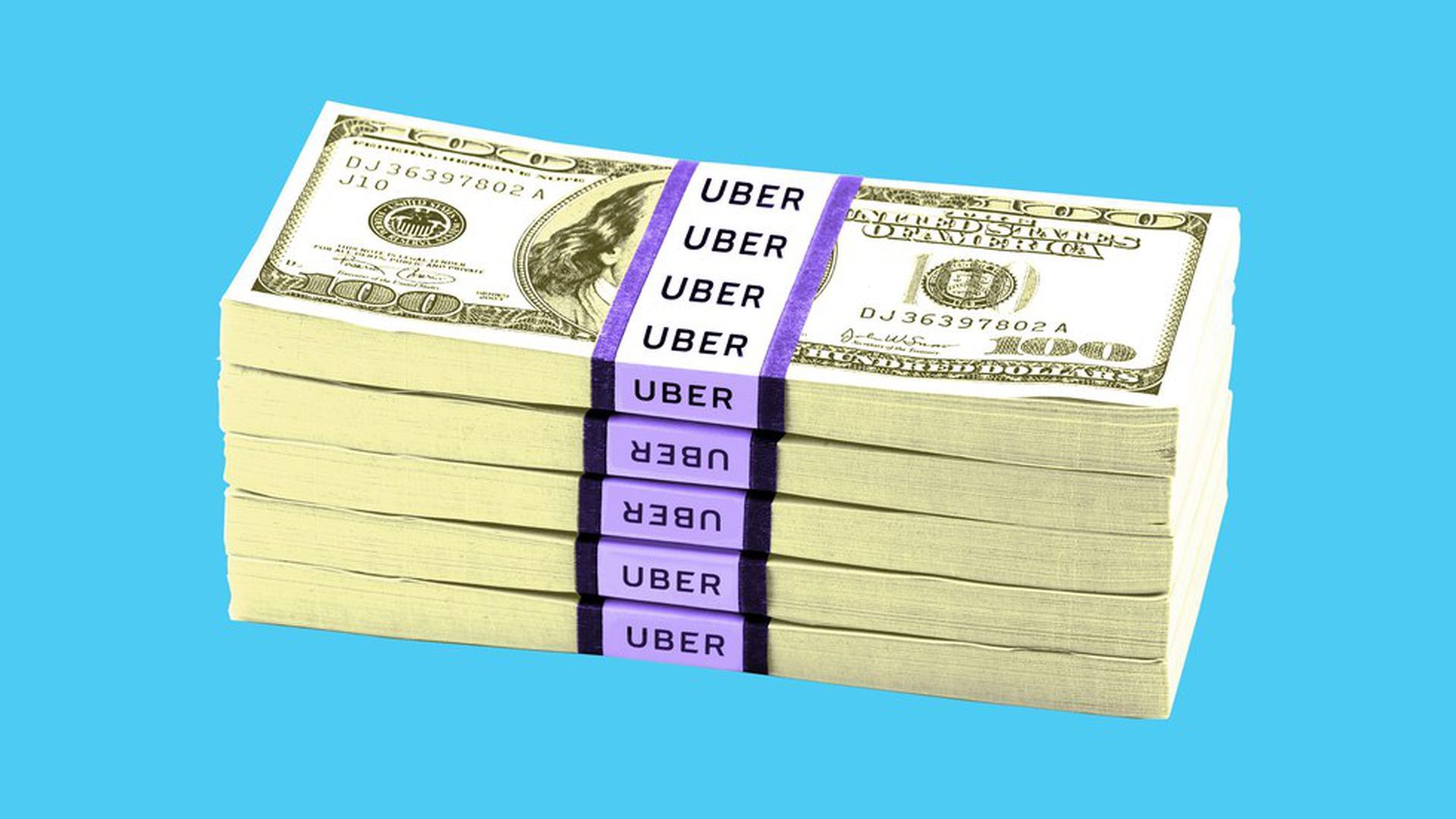
The stalled parade of 2019 IPOs, for highly-valued companies like Uber and Lyft, may resume now that the government shutdown is over.
1 big caveat: Today's agreement is only temporary, with President Trump warning that he may shut the government down again in three weeks. Companies may not want to start the clock amidst such uncertainty.
The U.S. stock market has seesawed in the new year, following a chaotic end to 2018 — its worst annual performance since the Great Recession and worst December performance since the Great Depression. The magnitude of recent swings suggests they are driven less by economic and market conditions than by geopolitical challenges.
Why it matters: Market actors focus, sometimes myopically, on technical indicators like “moving averages” or what the Fed will doon interest rates. But the current turbulence requires factoring in critical geopolitical trends like the rise of illiberalismin Europe, Trump administrationtrade policies, and China’s Belt and Road initiative.
Why it matters: Absent a way forward in these two areas, a successful outcome is unlikely to result from the meetings still planned for later this month. With time running out before the March 1 expiration date for the tariff ceasefire, the Chinese economy hovers on the verge of full contraction, and U.S. businesses endure increased costs of stalled negotiations, stoking fears of a U.S. recession.
The hottest new trend in TV tech is "addressable" ads, or TV ads that can be targeted to specific households via user data. By the end of this year, almost every major TV network and provider will have rolled out their version of an addressable ad product.
Why it matters: It's a huge departure from the way TV ads have been bought and sold for decades. Struggling networks hope personalized ads will make the TV experience better for users who are ditching TV for ad-free streaming services like Netflix — and they're also drawn by the opportunity of a digital advertising market that isn't already controlled by Google and Facebook.
Last year's whirlwind news cycle saw another series of White House exits, a "Blue Wave," hurricanes, SpaceX rocket launches and the rescue of a Thai soccer team trapped in a cave, as seen in a new collaboration by Google Trends and Schema in partnership with Axios.
Data: Google News Lab; Chart: Lazaro Gamio/Axios
Between the lines: The news cycles for some of the biggest moments of 2018 only lasted for a median of 7 days — from the very beginning of higher-than-normal interest until the Google searches fizzled out.




/2019/01/26/1548512171615.gif?w=3840)



/2019/01/24/1548353185328.gif?w=3840)