The stalled parade of 2019 IPOs, for highly-valued companies like Uber and Lyft, may resume now that the government shutdown is over.
1 big caveat: Today's agreement is only temporary, with President Trump warning that he may shut the government down again in three weeks. Companies may not want to start the clock amidst such uncertainty.
The U.S. stock market has seesawed in the new year, following a chaotic end to 2018 — its worst annual performance since the Great Recession and worst December performance since the Great Depression. The magnitude of recent swings suggests they are driven less by economic and market conditions than by geopolitical challenges.
Why it matters: Market actors focus, sometimes myopically, on technical indicators like “moving averages” or what the Fed will doon interest rates. But the current turbulence requires factoring in critical geopolitical trends like the rise of illiberalismin Europe, Trump administrationtrade policies, and China’s Belt and Road initiative.
Why it matters: Absent a way forward in these two areas, a successful outcome is unlikely to result from the meetings still planned for later this month. With time running out before the March 1 expiration date for the tariff ceasefire, the Chinese economy hovers on the verge of full contraction, and U.S. businesses endure increased costs of stalled negotiations, stoking fears of a U.S. recession.
The hottest new trend in TV tech is "addressable" ads, or TV ads that can be targeted to specific households via user data. By the end of this year, almost every major TV network and provider will have rolled out their version of an addressable ad product.
Why it matters: It's a huge departure from the way TV ads have been bought and sold for decades. Struggling networks hope personalized ads will make the TV experience better for users who are ditching TV for ad-free streaming services like Netflix — and they're also drawn by the opportunity of a digital advertising market that isn't already controlled by Google and Facebook.
Last year's whirlwind news cycle saw another series of White House exits, a "Blue Wave," hurricanes, SpaceX rocket launches and the rescue of a Thai soccer team trapped in a cave, as seen in a new collaboration by Google Trends and Schema in partnership with Axios.
Data: Google News Lab; Chart: Lazaro Gamio/Axios
Between the lines: The news cycles for some of the biggest moments of 2018 only lasted for a median of 7 days — from the very beginning of higher-than-normal interest until the Google searches fizzled out.
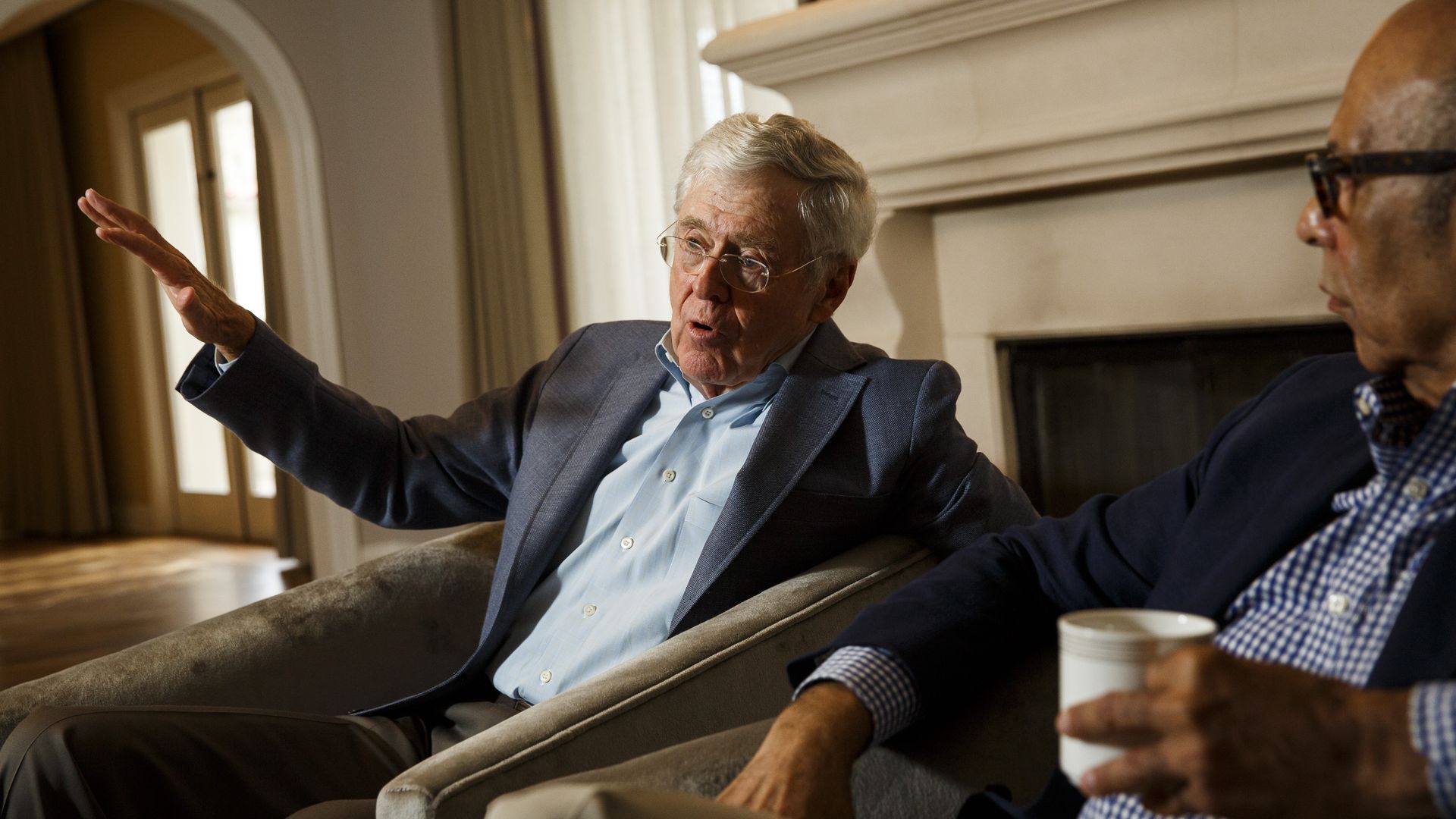
The Koch brothers' political network, a powerhouse that for years has held major influence in conservative circles, has informed donors in recent months that it will stay out of the 2020 presidential race and will not support efforts to reelect President Trump, the Washington Post reports.
Why it matters: This is yet again another rebuke to Trump by the network, which has repeatedly voiced its frustrations with some of the president's combative rhetoric and policies involving immigration and trade. Last summer, Charles Koch warned that Trump's trade war could be "disastrous" and said he would be open to supporting free market Democrats — prompting Trump to respond on Twitter by slamming the "globalist" brothers as irrelevant and "a total joke in real Republican circles."
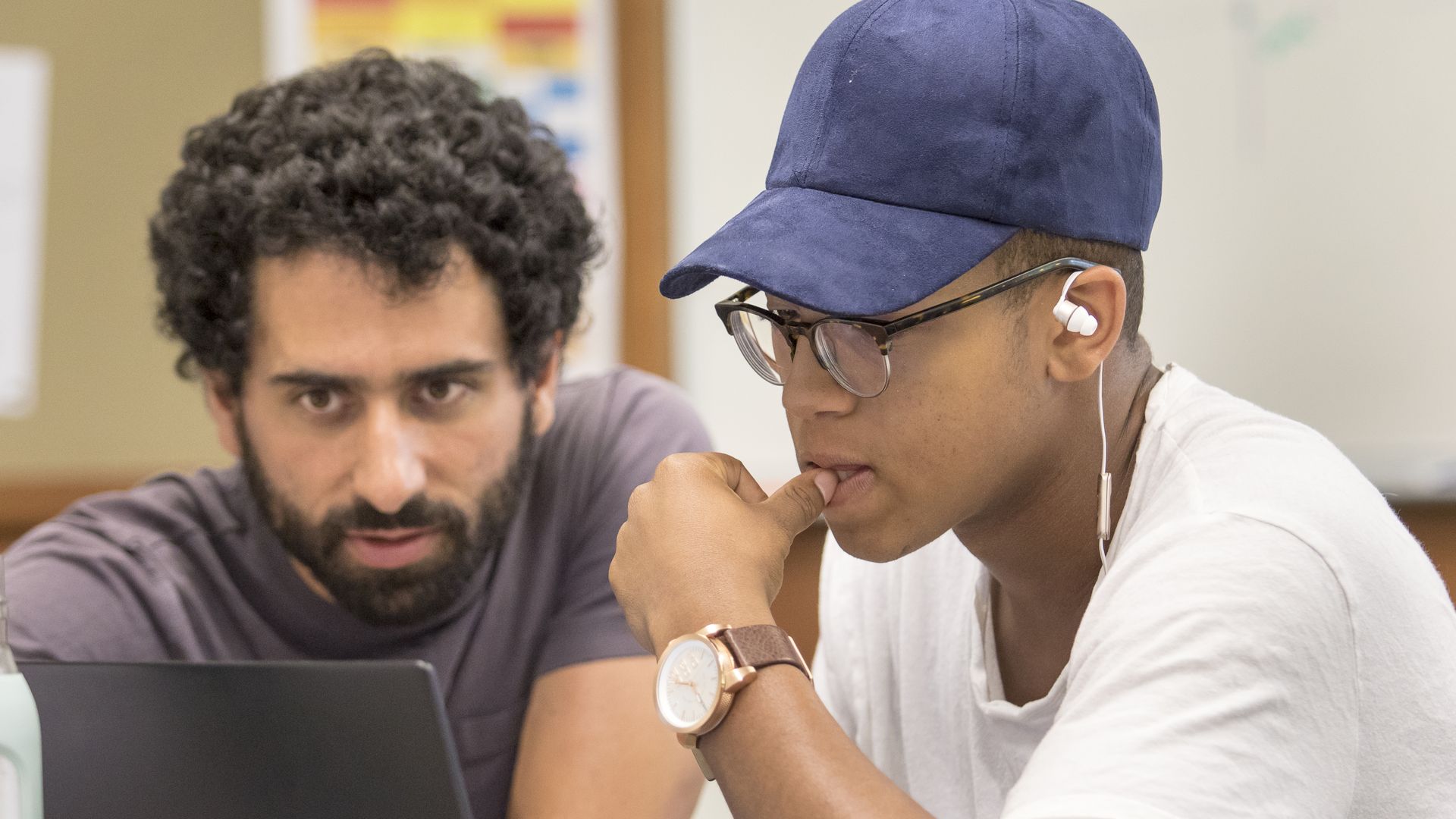
The year I graduated high school, economic anxiety was cresting: The Great Recession was at its worst, and unemployment was hurtling toward 10%.
Now, a decade later, there's a new distant shadow hanging over high schoolers: the prospect of an uncertain, topsy-turvy job market turned on its head by the likes of robots and AI.
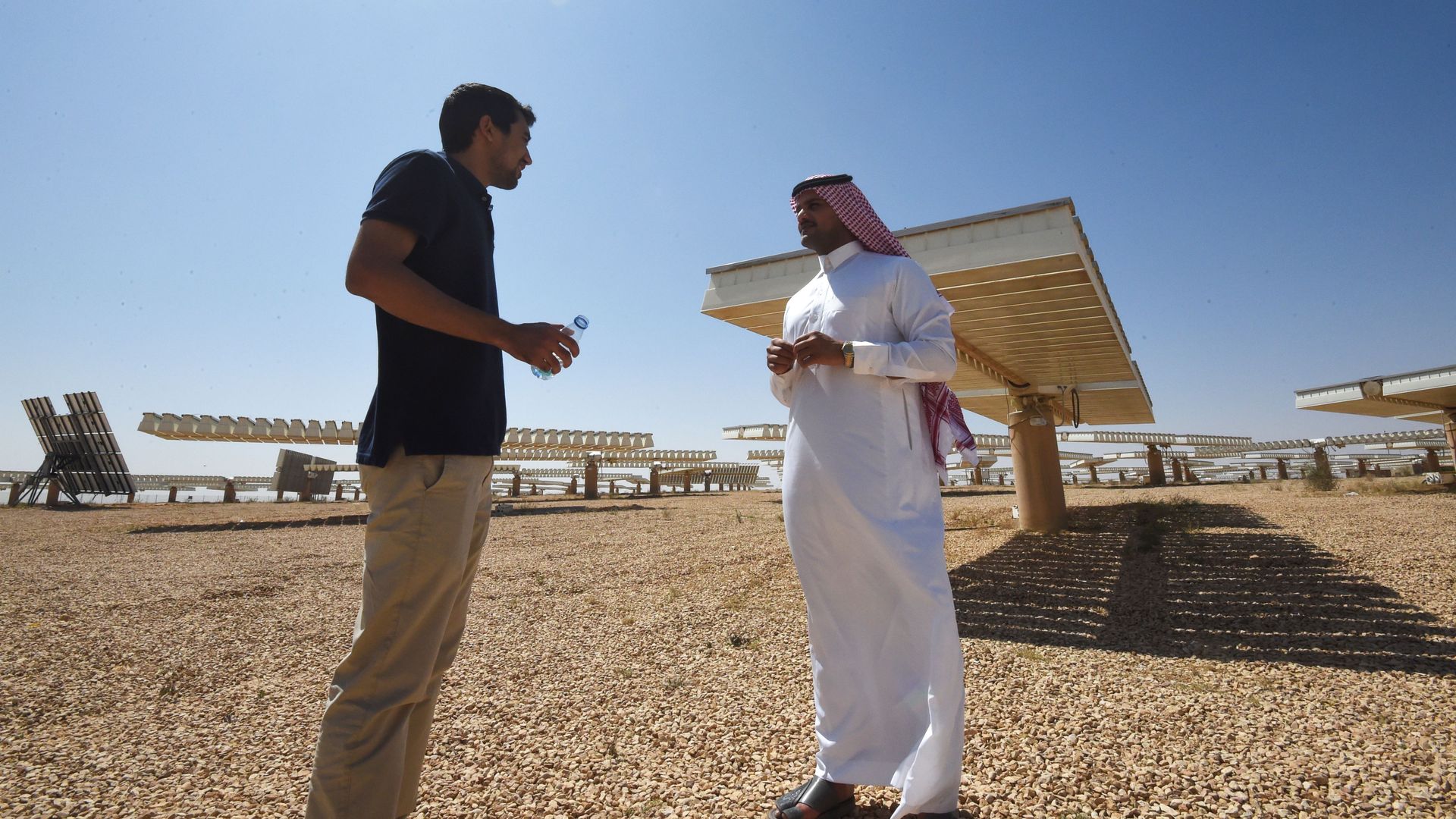
The big picture: Uneasy about its oil dependence and lack of domestic manufacturing capabilities, Saudi Arabia has long looked to partner with China to develop its burgeoning green industries. But while the U.S.–China trade war has given the kingdom a chance to fortify that collaboration, it also puts Riyadh in the tough position of choosing between the world's largest solar manufacturer and its most important geopolitical ally.
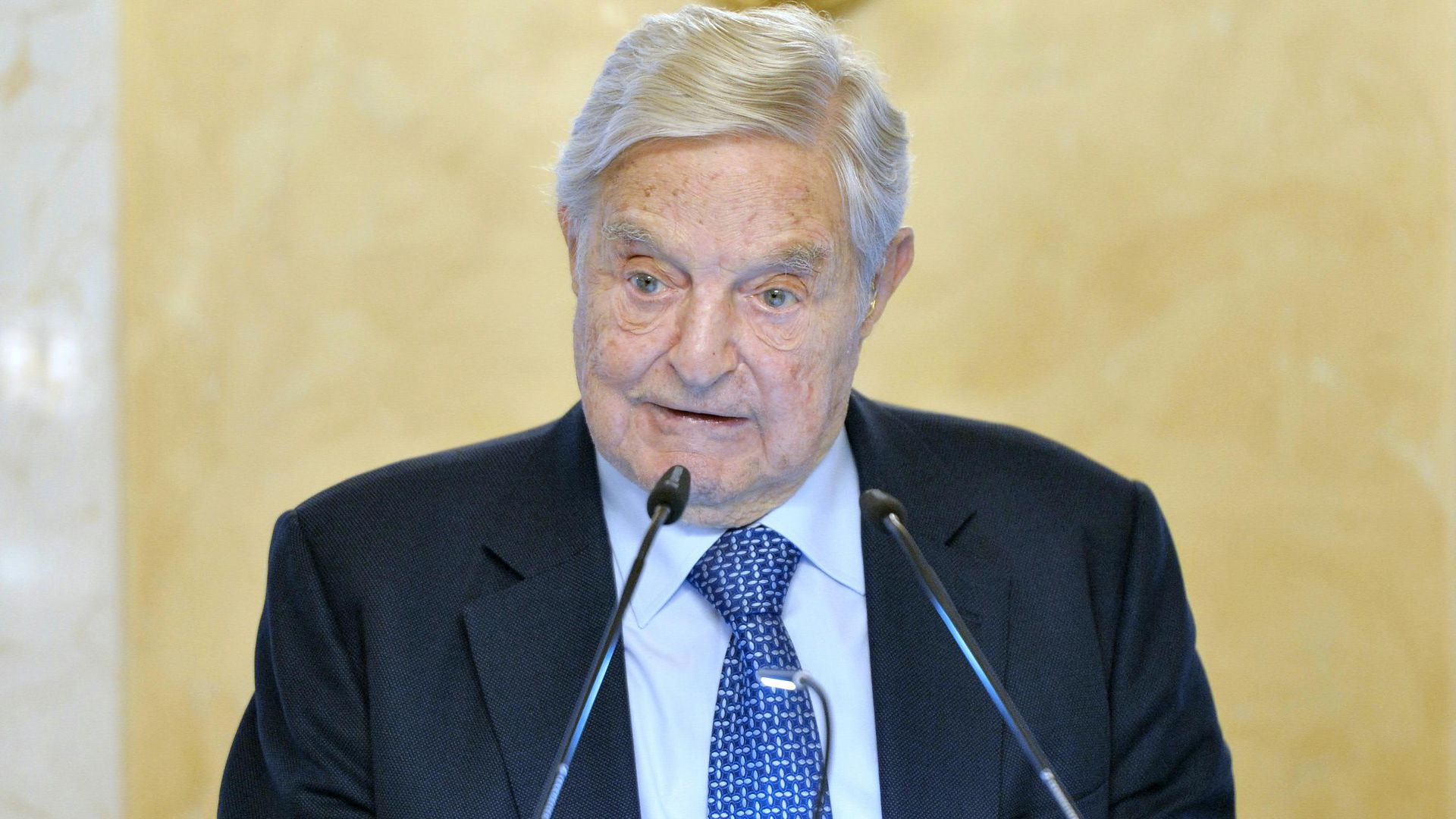
Speaking at at a private dinner at the World Economic Forum in Davos Thursday, billionaire investor George Soros labeled Chinese President Xi Jinping the world’s "most dangerous opponent of open societies," calling specific attention to China's quest to become an AI superpower, BuzzFeed News reports.
"What I find particularly disturbing is the instruments of control that give an inherent advantage to authoritarian regimes over open societies."
Why it matters: As the Financial Times notes, Soros often uses his Davos appearances to warn of "dangers to the rules-based democratic world order," having called for tech platforms like Facebook and Google to be more strictly regulated at last year's speech. This year, the liberal activist singled out China as the most technologically advanced authoritarian regime in the world, criticizing its controversial state-sanctioned social credit score system as one of the ways Xi is seeking to exercise "total control" over the Chinese people.
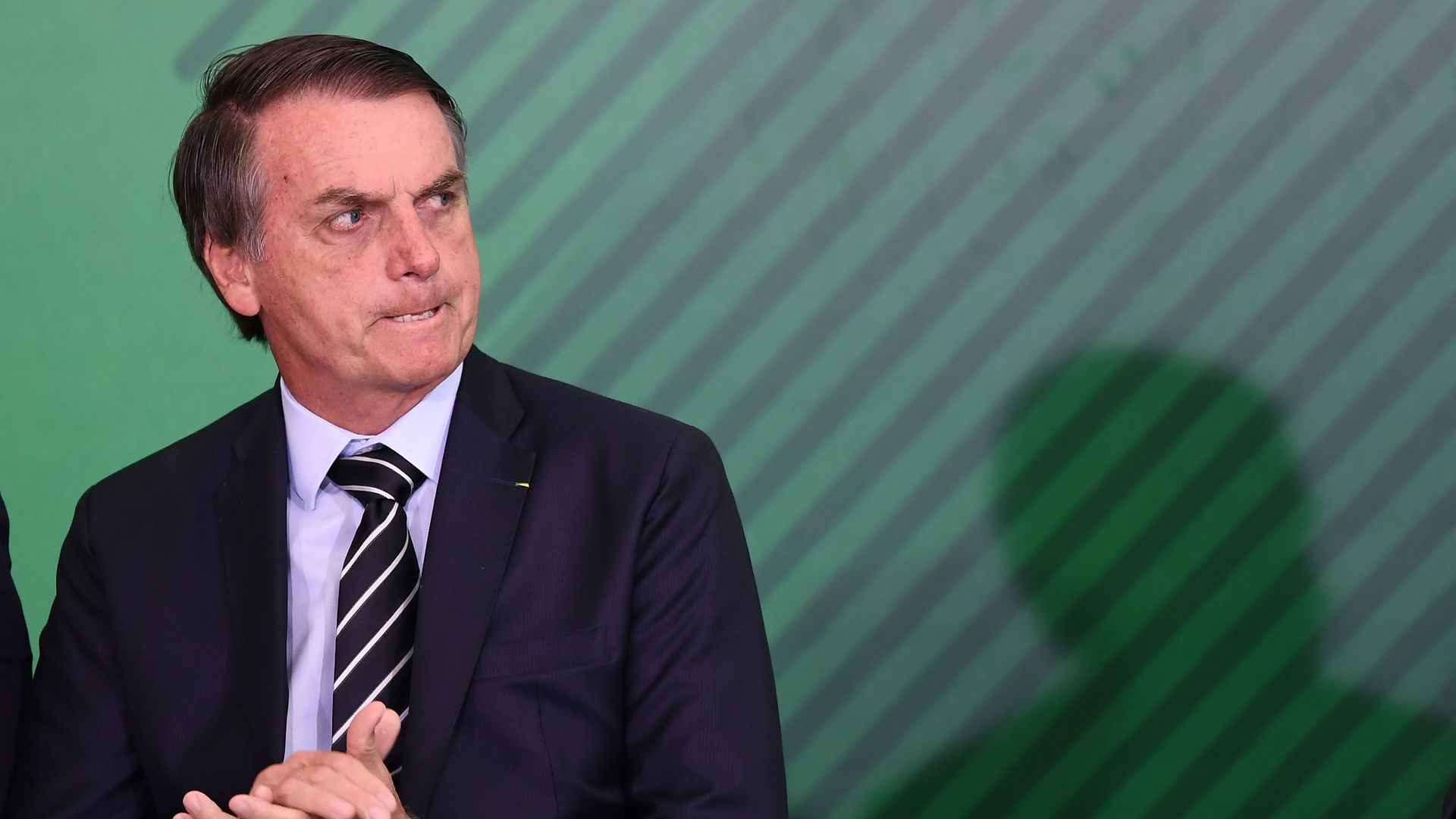
Brazilian President Jair Bolsonaro brushed off a series of questions about his history of sexist, homophobic comments in an interview with the Washington Post in Davos, Switzerland, calling them "just playful remarks" and asking how he could have won his election otherwise.
"Do you really believe in printed media? Do you really believe in it blindly? ... I’m not casting any doubt on your media. In Brazil, they’re all one and the same — the newspapers."
The big picture: Bolsonaro has been called the "Trump of the Tropics" for his populist and nationalist views as well as his predilection to attack news outlets for critical coverage and occasionally spread fake news on social media to propagate controversial stances.
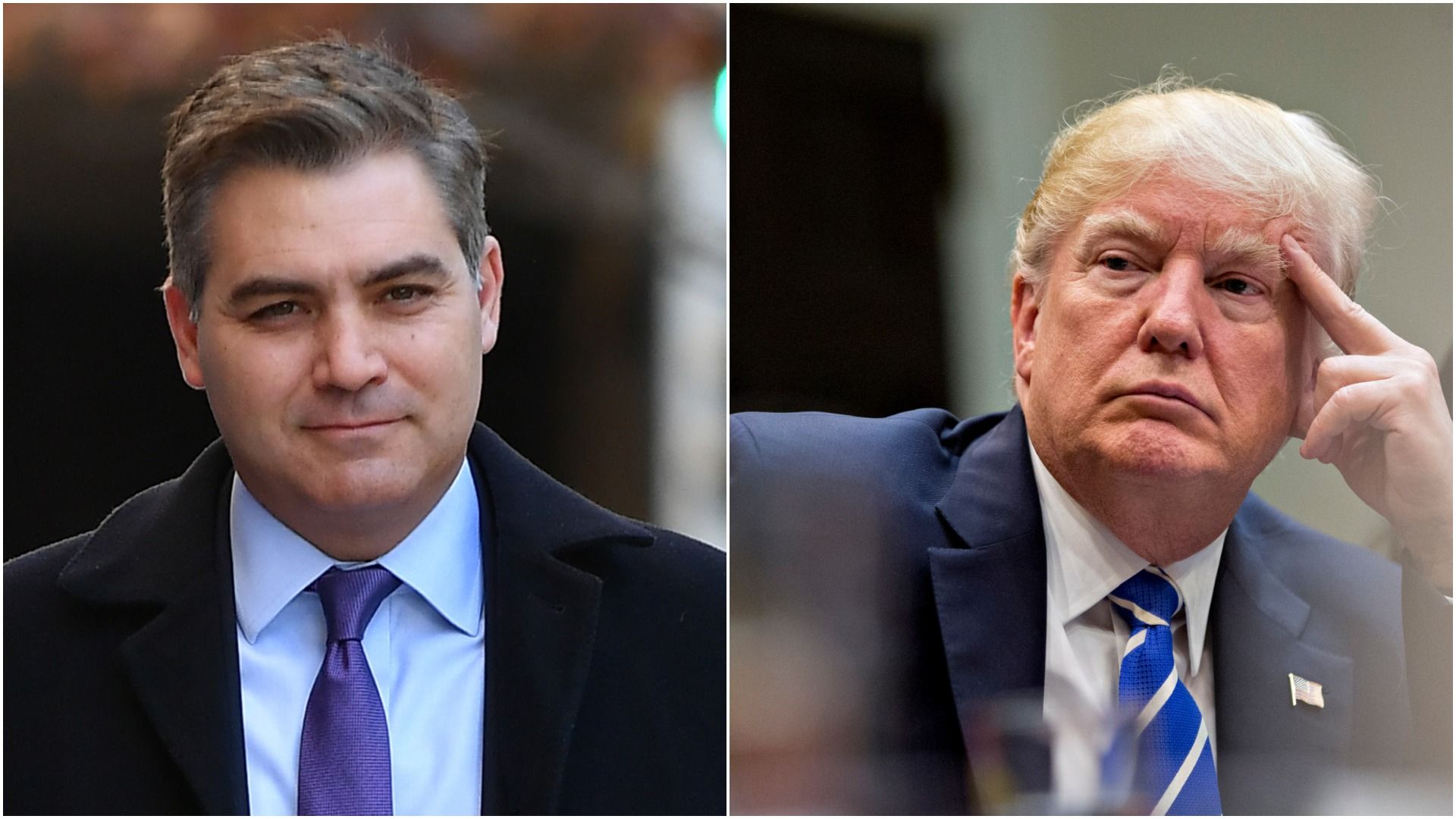
CNN's Chief White House Correspondent Jim Acosta is writing a book titled, "The Enemy of the People: A Dangerous Time to Tell the Truth in America," about the Trump White House and its combative and deteriorating relationship with the news media.
Details: Acosta, who won a lawsuit against the White House in November after having his press credentials revoked, will write about his encounters with Trump and other administration officials, including Sarah Sanders and Stephen Miller. HarperCollins Publishers, which will release the book on June 11, said in a statement: "Acosta ... presents a damning vision of bureaucratic dysfunction, deception, and danger, offering a fly on the wall view of the White House communications during one of the most dramatic and contentious, but consequential, times in the country’s history."
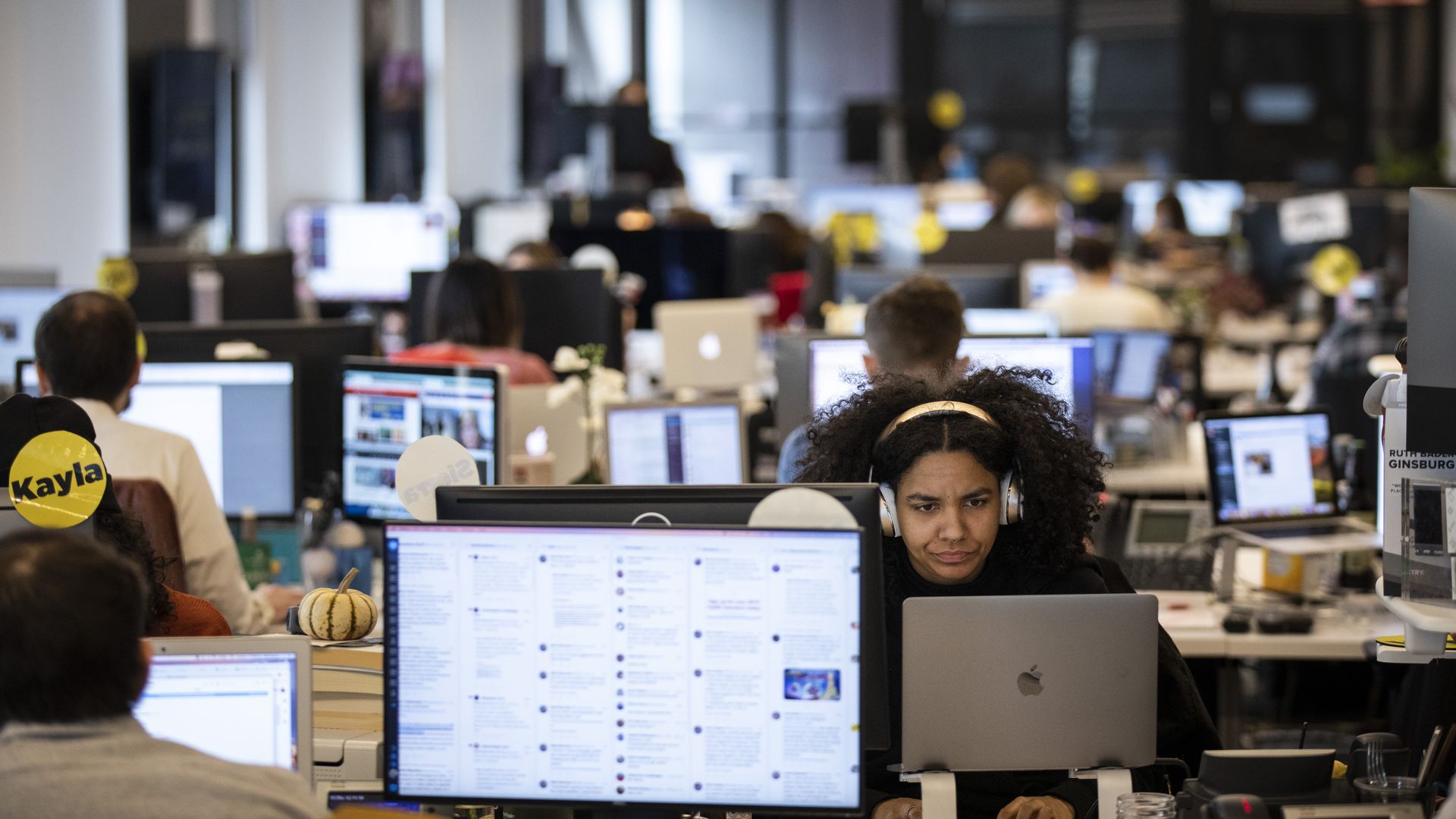
The media industry's current round of cuts and consolidation is accelerating. Sizable layoffs at Buzzfeed, Gannett and Verizon Media (home of AOL, Yahoo, HuffPost and others) were announced Wednesday, totaling over 1,000 jobs cut.
Why it matters: If the headlines signal anything, it's that the news media will continue to struggle to find a sustainable business model in an advertising and attention ecosystem dominated by tech companies like Google, Facebook and Netflix.


/2019/01/24/1548353185328.gif?w=3840)