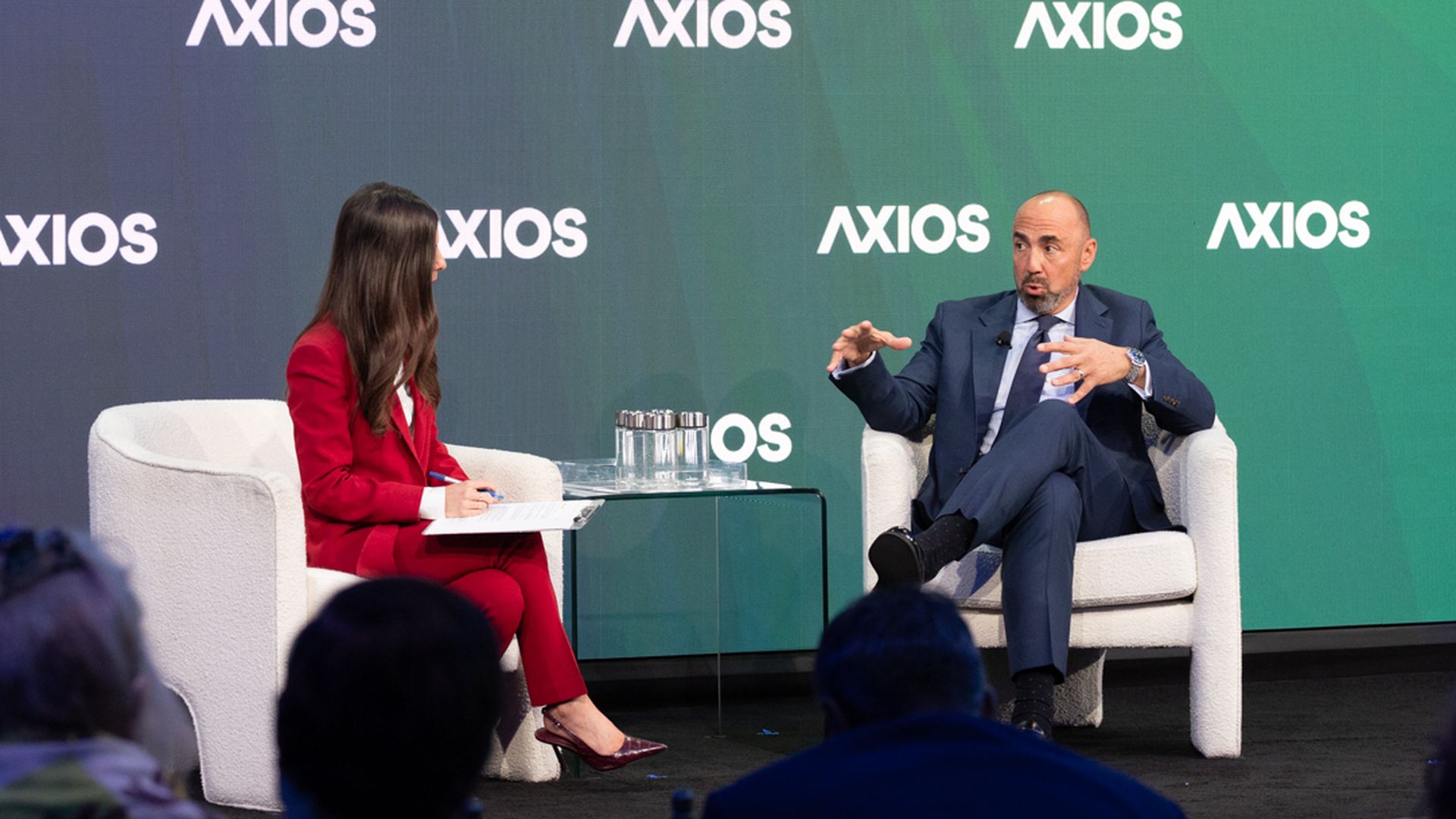
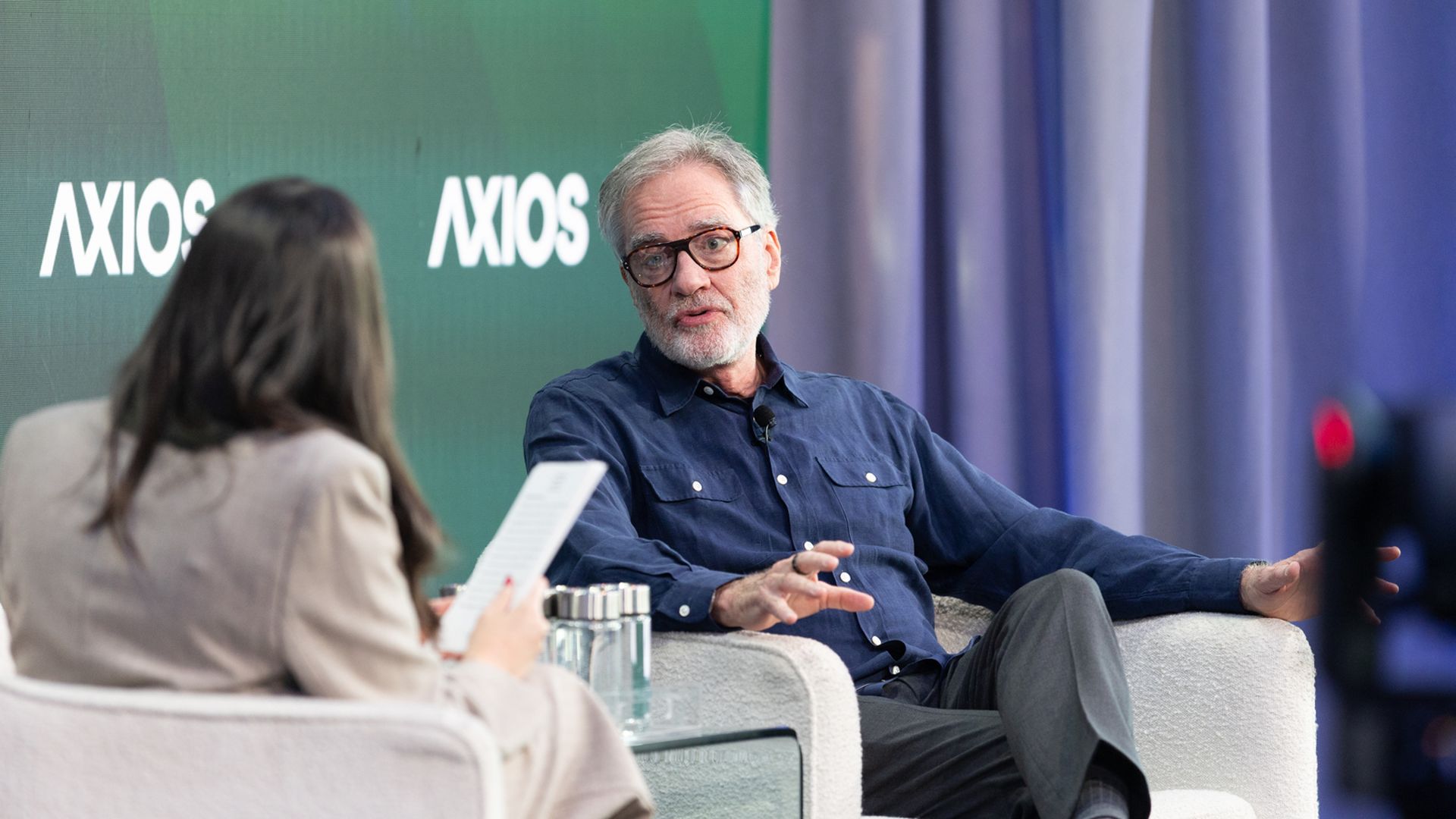
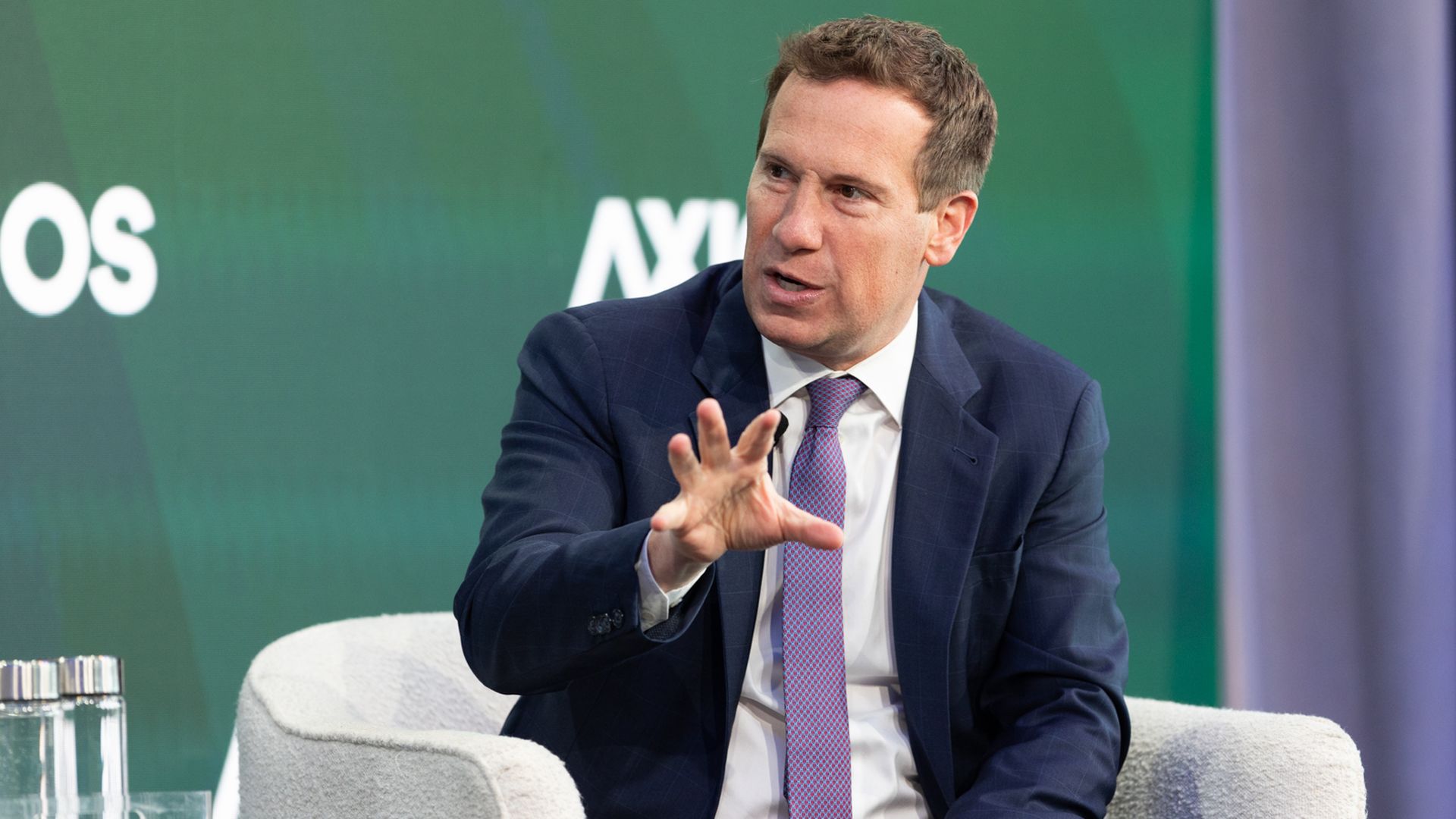
Trump Media and Technology Group CEO Kevin McGurn declined to comment on investigations into Truth API when asked onstage at Axios' annual Media Trends Live event in New York City on Tuesday.
Why it matters: Democratic lawmakers have called for investigations into TMTG's Truth API product, alleging faster access to President Trump's market-moving posts would constitute insider trading.
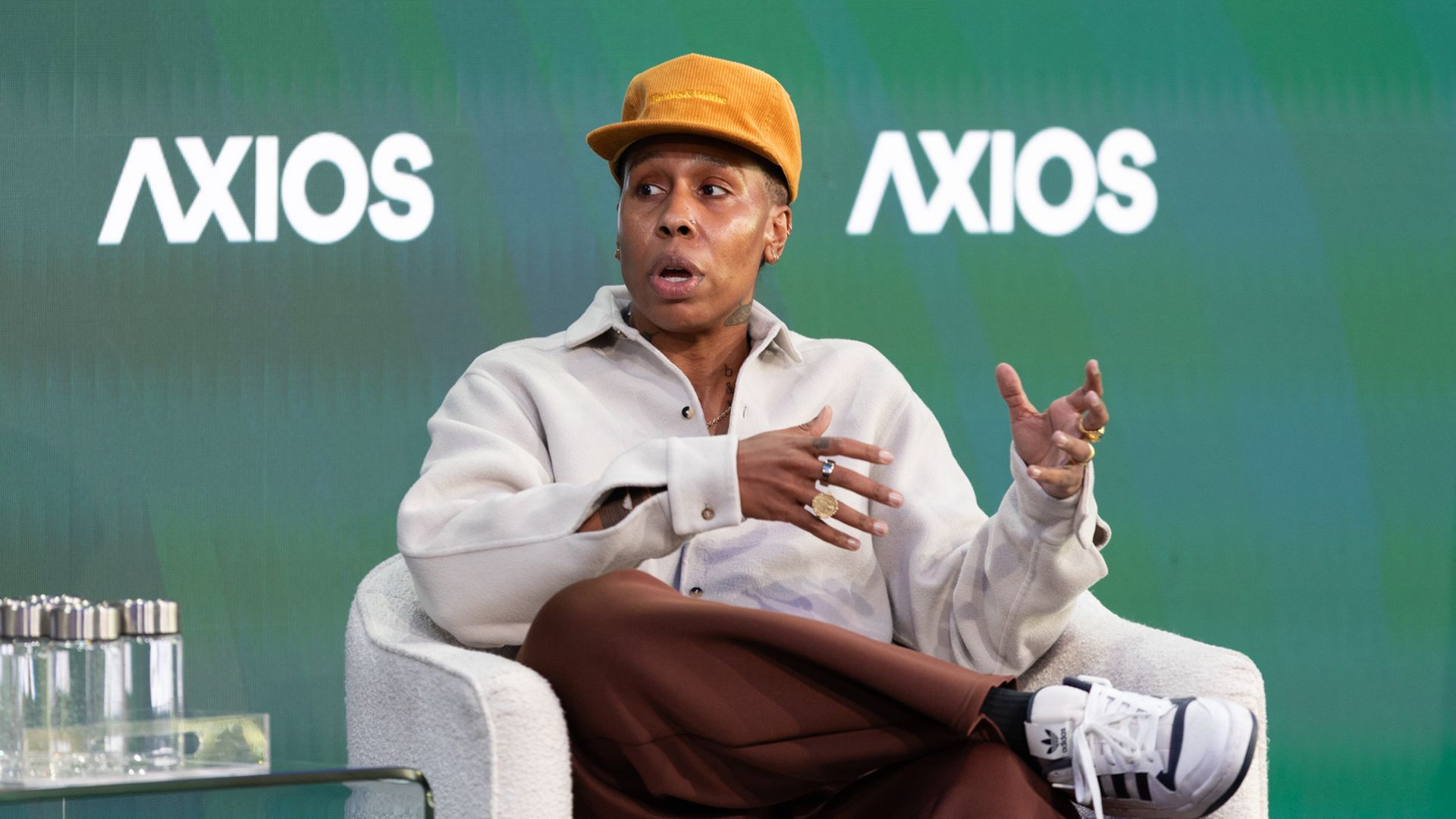
Actor, writer and producer Lena Waithe is questioning Hollywood's pursuit of mass-market entertainment amid consolidation that is leaving creators with fewer places to sell original projects.
Why it matters: Hollywood's retreat from the streaming-fueled content boom is forcing independent creators to rethink how they develop and distribute their work.
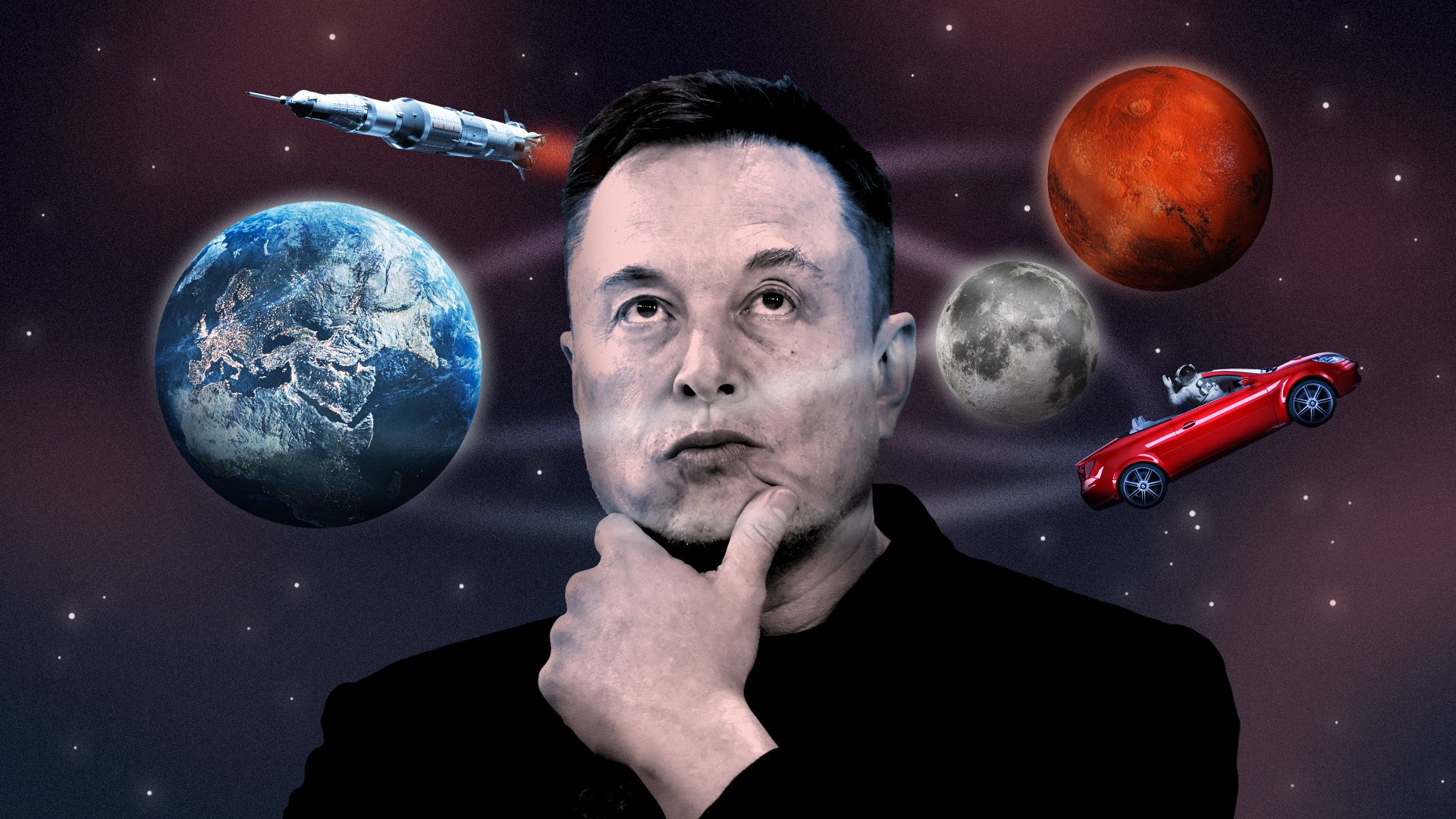
SpaceX and Tesla have formed special committees to discuss a potential merger — and Elon Musk thinks "it's a good idea," the CEO of both companies said Tuesday.
Why it matters: SpaceX and Tesla have increasingly been collaborating on chips and AI projects — and Musk leads both companies — prompting widespread speculation that they could join forces.
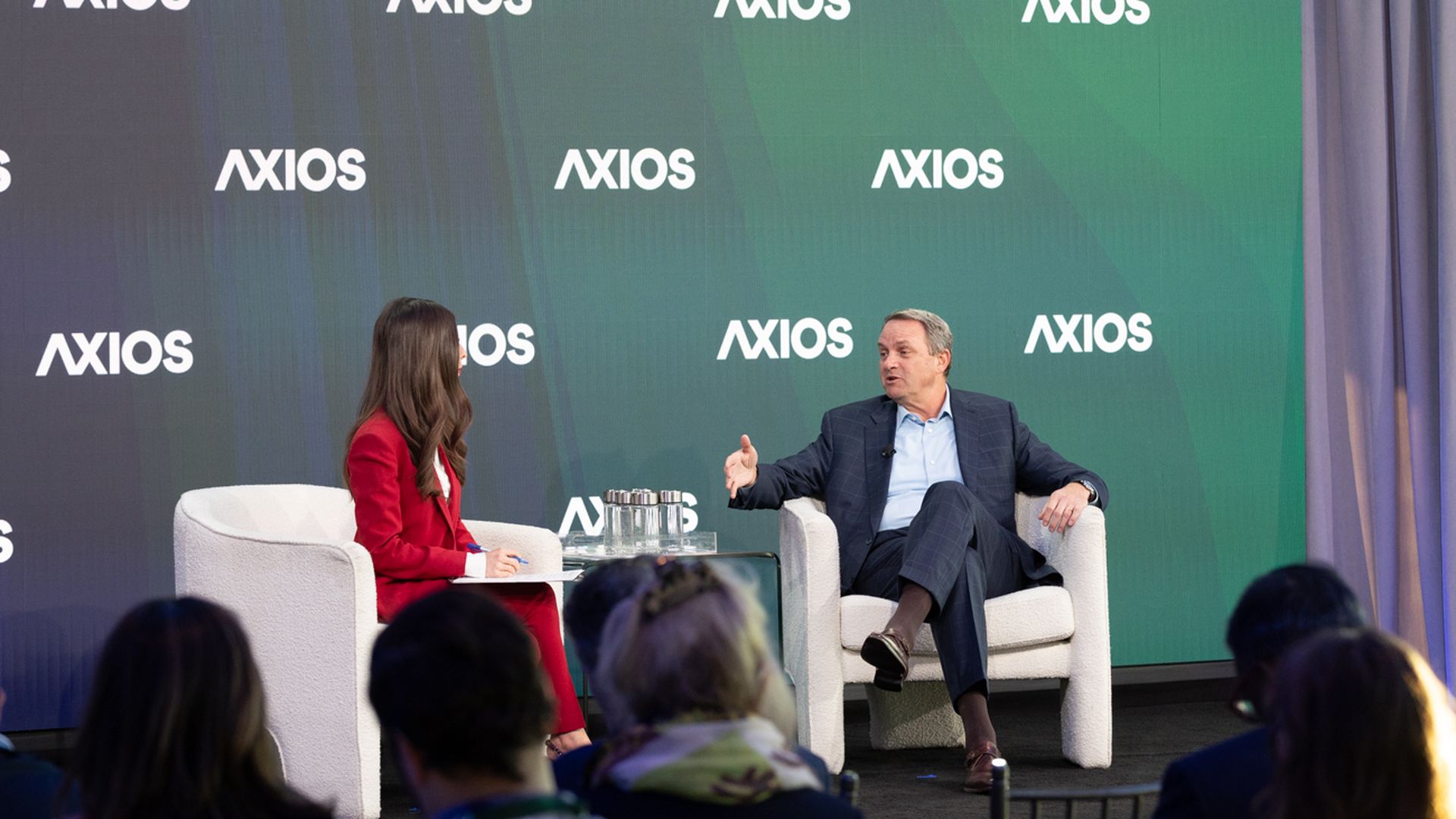
At Media Trends Live in New York City on Tuesday, iHeartMedia CEO Bob Pittman took aim at some of the podcast industry's recent talent deals, suggesting rivals are paying more than they can recoup.
Why it matters: Competition for podcast talent is growing as audio companies and streaming platforms seek exclusive programming.
LAS VEGAS — Digital agents are researching and purchasing products for consumers, but questions remain around security, authorization and liability, commerce leaders said at an Axios Live roundtable at Money20/20.
Why it matters: Merchants and financial institutions are under pressure to establish safeguards that protect shoppers while still enabling a seamless buying experience.
Axios' Dan Primack and Lucinda Shen moderated the Oct. 18 roundtable discussion. The event was sponsored by Synchrony.
5 big takeaways from the conversation:
"A significant amount of commerce" will become "at least agent-assisted or initiated," predicted Sherri Haymond, Mastercard executive vice president and head of digital commercialization, pointing to how consumers could use the technology to look for the best price on a specific product.
One-off transactions are already building trust with consumers easing into the habit of using agents to make purchases, Stripe Link business lead Jay Shah said. This includes big-ticket items like travel.
Assistants integrated with infrastructure "will win the consumer agent battle," said Blue Language Labs CEO Zor Gorelov. "Real traction" will come from assistants that can anticipate needs by being integrated with calendars, emails and payments, he added.
Permission is a bottleneck, Oscilar co-founder and CEO Neha Narkhede said. This will continue to be an obstacle until there's a process to establish whether agents should be making purchases or who is liable if something goes wrong, she added.
"A catastrophic event of loss" may trigger greater regulation, said Natural CEO Kahlil Lalji. In the meantime, organizations and leaders can get clear on how they plan on operating their businesses within the policy and governance frameworks that do exist
The bottom line: There are many opportunities to wield AI in commerce, but leaders aiming to do it well are prioritizing the user experience, trust, and clarity on governance.
Content from the sponsor's remarks:

Synchrony's Rachel Moore (left) and Stripe's Jay Shah at the Oct. 18 event. Photo: Steven Joseph Fogarty for Axios
In opening remarks, Rachel Moore, Synchrony SVP of agentic commerce, payments and incubation, said AI is touching every corner of the industry and bringing segments together.
"Commerce is changing with AI … [and] every part of the customer journey is changing. From discovery, to how someone is making decisions, how commerce is ultimately happening. Synchrony sits at a really interesting intersection of merchants meeting consumers meeting payments and technology."
FCC commissioner Anna Gomez believes that ABC will likely prevail in court in its First Amendment lawsuit against the agency.
Why it matters: The network has sued the FCC, arguing that the agency's early review of its broadcast licenses is retaliation for its editorial decisions.
SpaceX rocketed past expectations on revenue and profit in its second earnings report as a publicly traded company — with its space, connectivity and AI businesses all delivering strong performances.
Why it matters: With a market cap of about $2 trillion, SpaceX is one of the most powerful companies in the AI economy and has aggressive plans to uproot entire industries, such as telecommunications.
Phoenix Suns and Mercury owner Mat Ishbia told Axios Tuesday that "trying to build a sports empire" through private equity doesn't always equate to a winning experience.
Why it matters:Private equity firms are pouring billions into professional sports as franchise valuations soar.
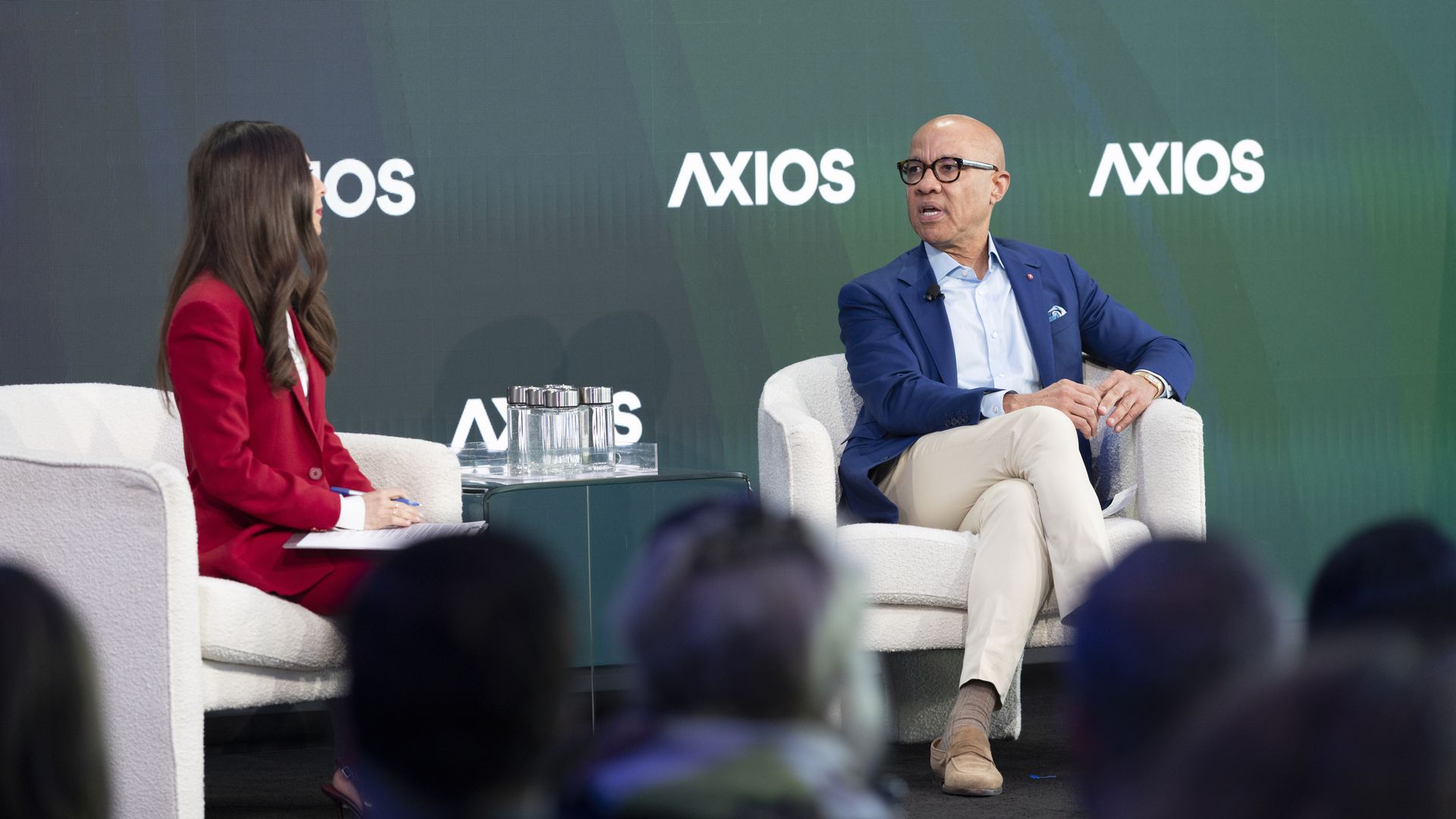
Anonymous Content, the independent production studio behind Oscar-winning films like "Spotlight" and "The Revenant," is open to raising private capital from third-party investors, president and CEO Darren Walker told Axios on stage at its annual Media Trends Live event in New York City on Tuesday.
Why it matters: New funding would expand its backing beyond its primary investor, Laurene Powell Jobs' Emerson Collective, and could empower it to better compete for premium projects as it expands internationally.
We asked chef David Deshaies, co-owner of Unconventional Diner and L'Ardente in Washington, D.C., to share a recipe.
What they're saying: "Growing up in France, my grandmother used to make oeufs cocotte," Deshaies tells Axios. "She could always make something so delicious with just a few simple ingredients."
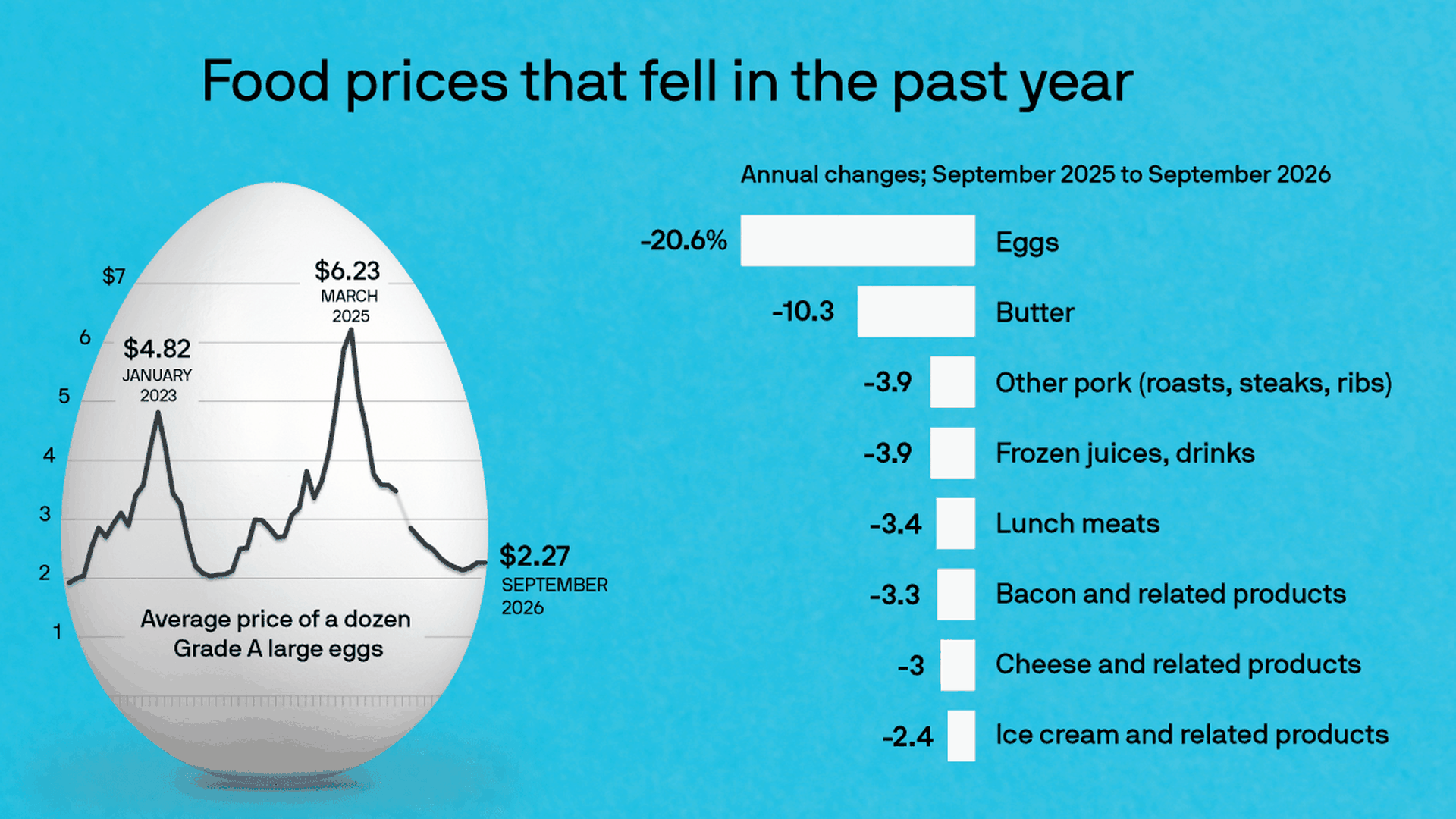
The average price of a dozen large eggs is down $4 since peaking at $6.23 in March 2025, according the Bureau of Labor Statistics. Butter has fallen more than 10% in the past year.
The big picture: Food prices are up 2.5% since last September, but some essential grocery store items are moving in the opposite direction.
LAS VEGAS — The buzz at Money 20/20 is focused on consumers being on the verge of near-instant banking transfers, including at night or on weekends, Axios' Ryan Lawler and Lucinda Shen report.
Why it matters: America's financial giants have talked for years about bringing blockchain — the technology that cryptocurrencies like bitcoin are built on — into their systems. Now they're actually doing it.
That shift to instant transferscould also make investing faster and more convenient: Digital versions of stocks could let investors transfer shares around the clock, even when exchanges are closed.
"It's becoming more mainstream institutionally than it ever has been," Digital Currency Group investor Aaron Fu tells Axios, pointing to financial institutions building more blockchain infrastructure in-house.
💡 How it works: Financial institutions have begun using private blockchains to instantly track money and investments as they change hands.
Yes, but: Using the technology behind cryptocurrencies doesn't necessarily mean using the currencies themselves.
Banks can create digital versions of the dollars customers already have on deposit.
💰 State of play: Money 20/20 attendees say that the conversation has moved from "Is this possible?" (the answer is yes) to figuring out exactly how banks will put these services into the electronic hands of consumers like you and me.
The industry groupthat handles much of the recordkeeping and settlement behind U.S. stock trades is preparing a service that creates digital tokens representing securities held in its system. This is called "tokenization."
Already, Citibank has said its tokenized-deposit service operates in seven markets, letting clients move funds between Citi accounts on a private blockchain.
🔎 Reality check: Competing tokenization efforts could create different versions of the same asset trading on separate networks.
That could confuse investors, reduce liquidity, and make it harder to establish reliable prices.
The bottom line: Blockchain is closer than ever to revolutionizing banking. First, banks, brokers and asset managers must connect systems so consumers and investors can move assets between them as easily as within them.
The Tampa Bay Rays will face the Milwaukee Brewers in a World Series featuring two of baseball's smallest spenders, just weeks before a labor standoff that threatens to bring the sport to a halt.
Why it matters: MLB owners argue that baseball needs a salary cap to give smaller teams a fighting chance. But a championship matchup between two budget teams gives players fresh ammunition to argue that the current system works.
OpenAI has acquired Orchestra Bio, a startup building AI agents to help pharmaceutical companies manage drug development, the ChatGPT maker shared exclusively with Axios.
Why it matters: Rival AI giants OpenAI and Anthropic are both pushing into science as they look to expand beyond their core competencies in coding and cybersecurity.
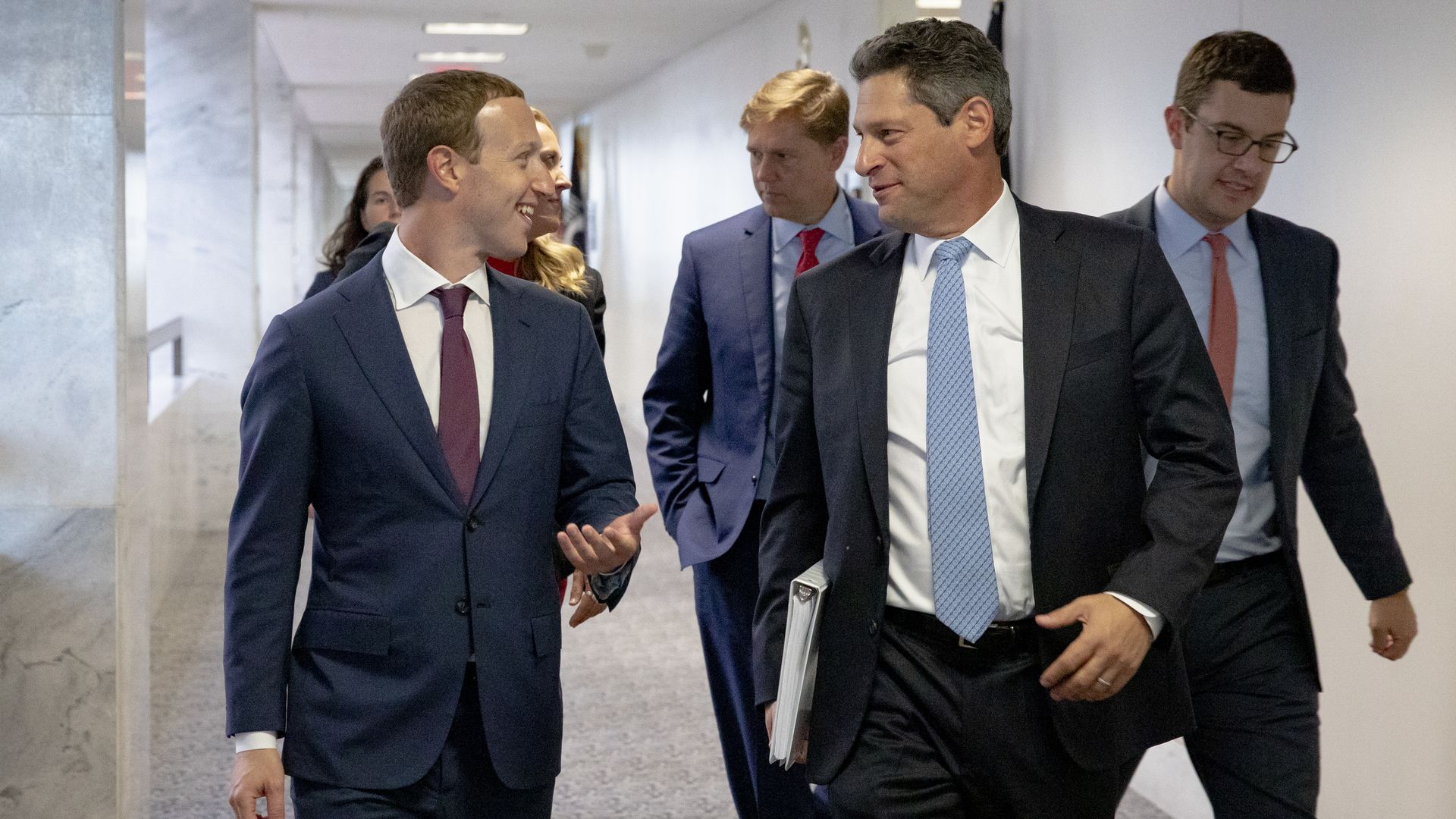
Joel Kaplan, Meta's chief global affairs officer, will leave Meta next year after 15+ years as Mark Zuckerberg's top Washington adviser.
Kaplan — a Harvard Law graduate and former Marine artillery officer who was deputy White House chief of staff for President George W. Bush — built Facebook's U.S. policy team from scratch. Kaplan led the global policy team through years of massive growth and controversy.
Why it matters: Kaplan, who helped Meta build a strong relationship with the incoming Trump administration, was a leading internal advocate for consistency on Zuckerberg's free-expression principles, even when that was unpopular, associates tell Axios.
Slate, the digital news and culture magazine, has named editor-in-chief Hillary Frey as its new CEO, effective immediately, according to a memo obtained by Axios.
Why it matters: More top journalists are moving into executive positions as the news business demands greater collaboration between editorial and revenue operations to survive.
The Federal Trade Commission and a dozen state attorneys general have sued to stop Platinum Equity and portfolio company PlayPower from buying rival playground equipment maker BCI Burke from Bertram Capital.
Why it matters: It's been rare in Trump 2.0 for federal and state antitrust regulators to work in concert.
Salesforce on Tuesday agreed to acquire marketing platform Braze for $5.66 billion in cash.
Why it matters: We're a long way since 2023, when Salesforce dissolved its board M&A committee, in part because of how hard it was to integrate a trio of mega-deals (MuleSoft, Tableau, and Slack).
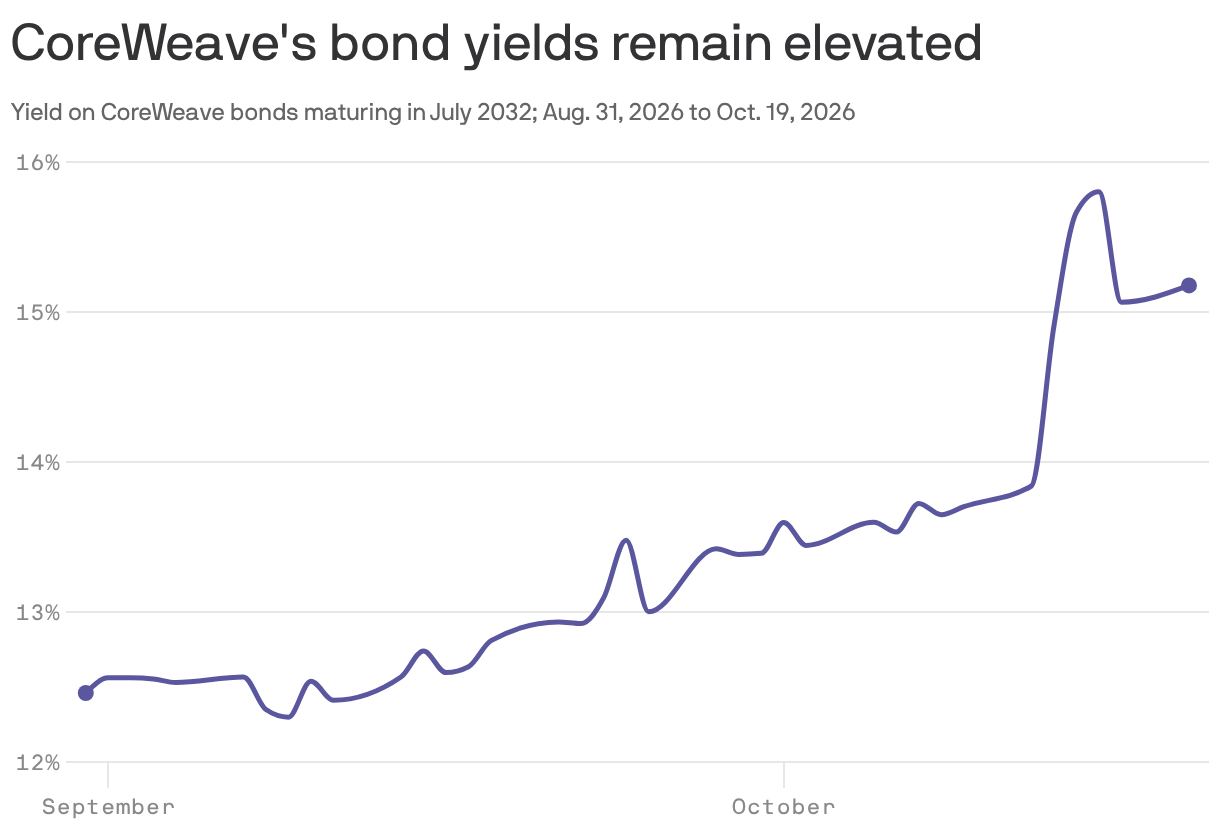
Goldman Sachs has raised its rating on the shares of CoreWeave to a "buy" recommendation after a brutal week for the data center operator.
Why it matters: That view may come as a surprise given that the tumble in CoreWeave bonds and stock last week had appeared to encapsulate all what markets fear about the debt-dependent AI boom: too much money, most of it borrowed, chasing returns that may prove elusive.
Billionaire hedge fund investor Steve Cohen is backing a new $80 million investment in Oro Mobility, a Hertz-owned business positioning itself to become the backbone of the robotaxi business, the company tells Axios exclusively.
Why it matters: Waymo, Tesla and Uber's race to deploy self-driving vehicles means somebody needs to buy, maintain, clean and manage their fleets. Hertz wants to be among the companies that keep them running.
GRAND PRAIRIE, Texas — Hadrian is embedding a factory inside a factory not its own.
And its machinery, capable of running around the clock, is expected to help build some of the world's most complex, in-demand and scrutinized weapons.
Why it matters: This is a major move for the $8 billion startup, and it comes as the U.S. wages war in the Middle East and as the Pentagon strikes deals, in some cases, to triple and quadruple munitions output.
Silicon Valley moves fast and breaks things, but the U.S. electrical grid moves slowly and requires permits.
The explosive growth of AI is colliding with the glacial pace of building out new power infrastructure, prompting a new warning from Goldman Sachs that energy bottlenecks are set to stall the AI race.
Why it matters: Amid a wave of anxiety from Wall Street about the debt-fueled AI buildout, Goldman points to power as the biggest risk to trillions in spending in a new report shared exclusively with Axios.
A startup offered free pizza on Friday in exchange for letting its AI agent handle the ordering. After multiple attempts, I ended up with a $30 DoorDash credit, no pizza and an empty stomach.
Why it matters: AI agents promise to take everyday tasks off our plates, but they still have to clear a basic hurdle: making a task easier than doing it ourselves.
Let's call it the Battle of the Bots, Part 1: I decided to put two of the newest personal AI agents, OpenAI's Dots and Meta's Muse, through their paces, with the WNBA Finals providing a natural testing ground.
Why it matters: AI companies are racing to create the digital assistant we turn to for everything from shopping to travel planning. But there's still a gap between what these agents can do and what I'm comfortable letting them do.
They also need to pass what we'll call "The Human Benchmark": that is, can they do something as fast, or as well, as a human? The answer is ... not quite yet, but the capabilities are still impressive.