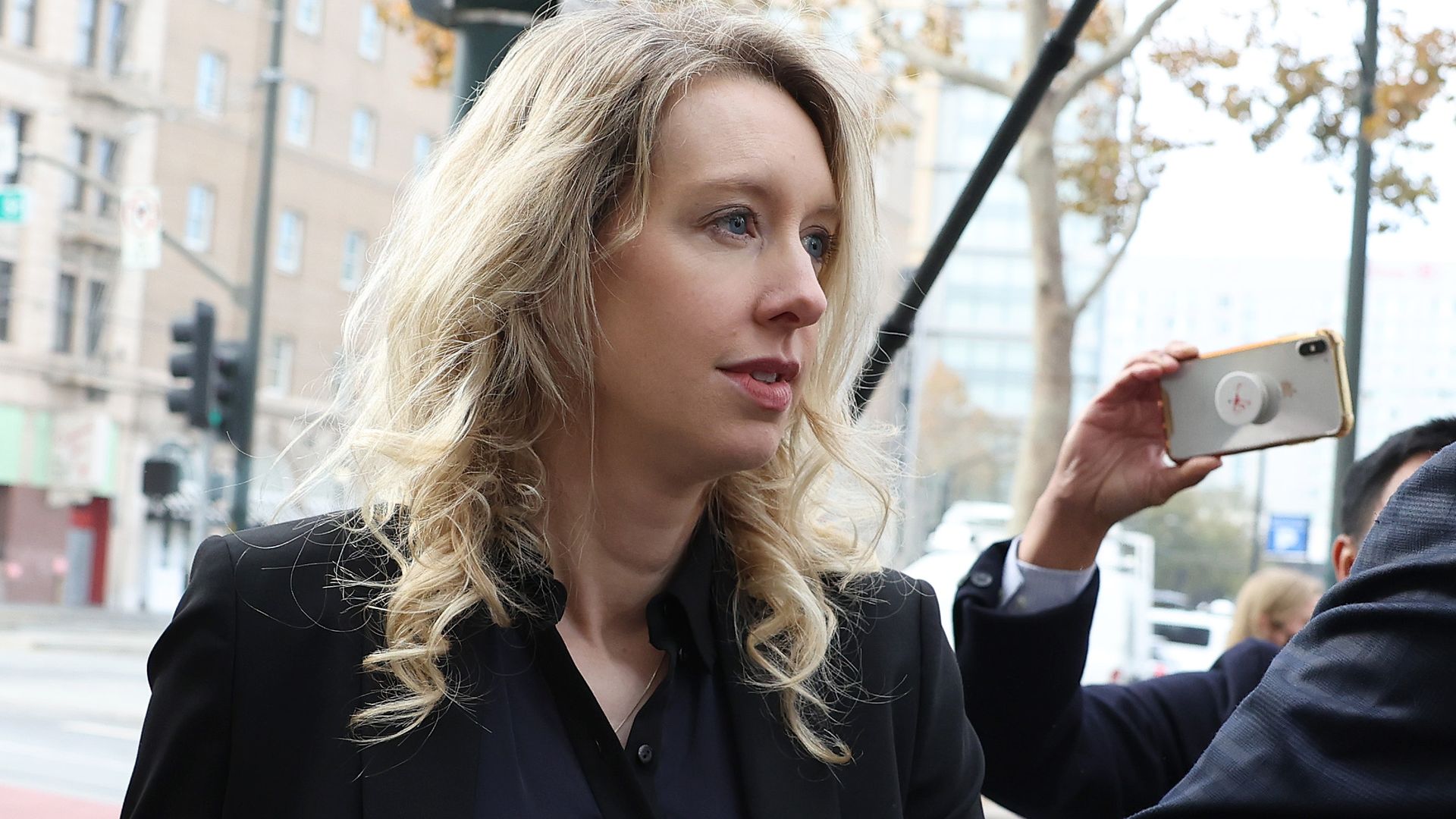
Former Theranos CEO Elizabeth Holmes is scheduled to move from federal prison to a Texas halfway house in August 2027, years before her expected release.
Why it matters: The move would give Holmes more freedom as she serves her sentence for her role in a fraud scheme that cost investors hundreds of millions of dollars at Theranos, her failed blood-testing startup.
Access to a personal vehicle can be profoundly meaningful for individuals and families, but more than that, it directly correlates with upward mobility.
Reliable mobility can:
Fuel independence.
Expand economic opportunity.
Offer peace of mind.
On the other hand: When people lack reliable transportation, geographic boundaries can become economic boundaries.
The Supreme Court on Monday agreed to hear a challenge to the Reconstruction-era ban on distilling alcohol in private homes.
Why it matters: Americans can legally brew beer or make wine at home, but making whiskey, vodka or other spirits can land them in federal prison. The Supreme Court could change that.
The Pine Ridge Reservation in South Dakota sits in one of America's poorest counties, with a poverty rate estimated to hover above 50%. It's also where Devyn Valandra has started a business, now with support from one of venture capital's most successful investors.
Why it matters: Devyn isn't competing with Dario or Elon. But what he and others like him are doing is just as challenging — trying to grow in the literal and figurative badlands.
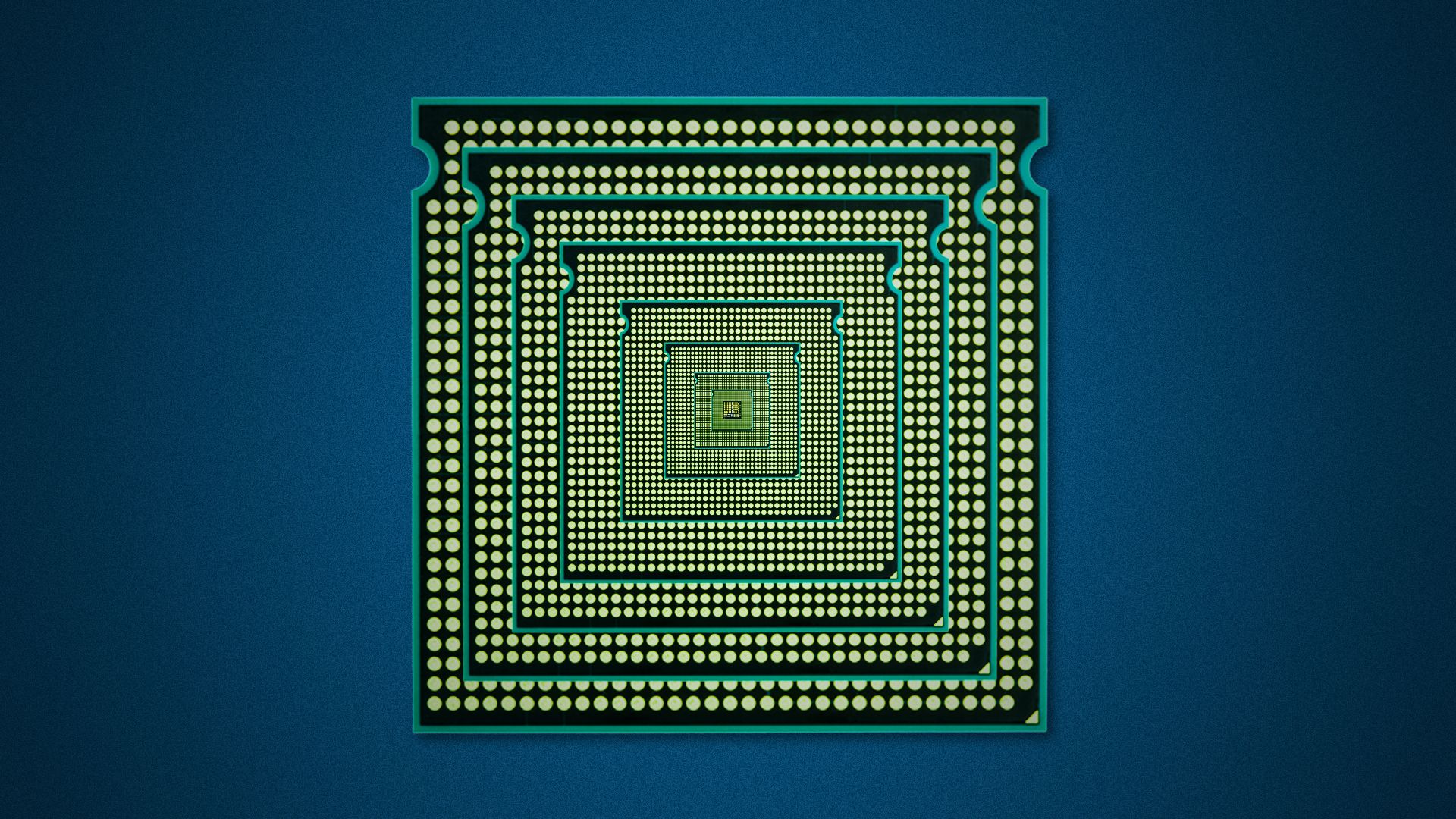
Tenstorrent, a Santa Clara, California-based inference chipmaker, on Monday announced that it's raised $1.5 billion at a $6.2 billion post-money valuation led by Trace Capital and Innovation X.
Why it matters: The startup was courted earlier this year by Intel and Qualcomm, but is opting to remain independent. At least for now.
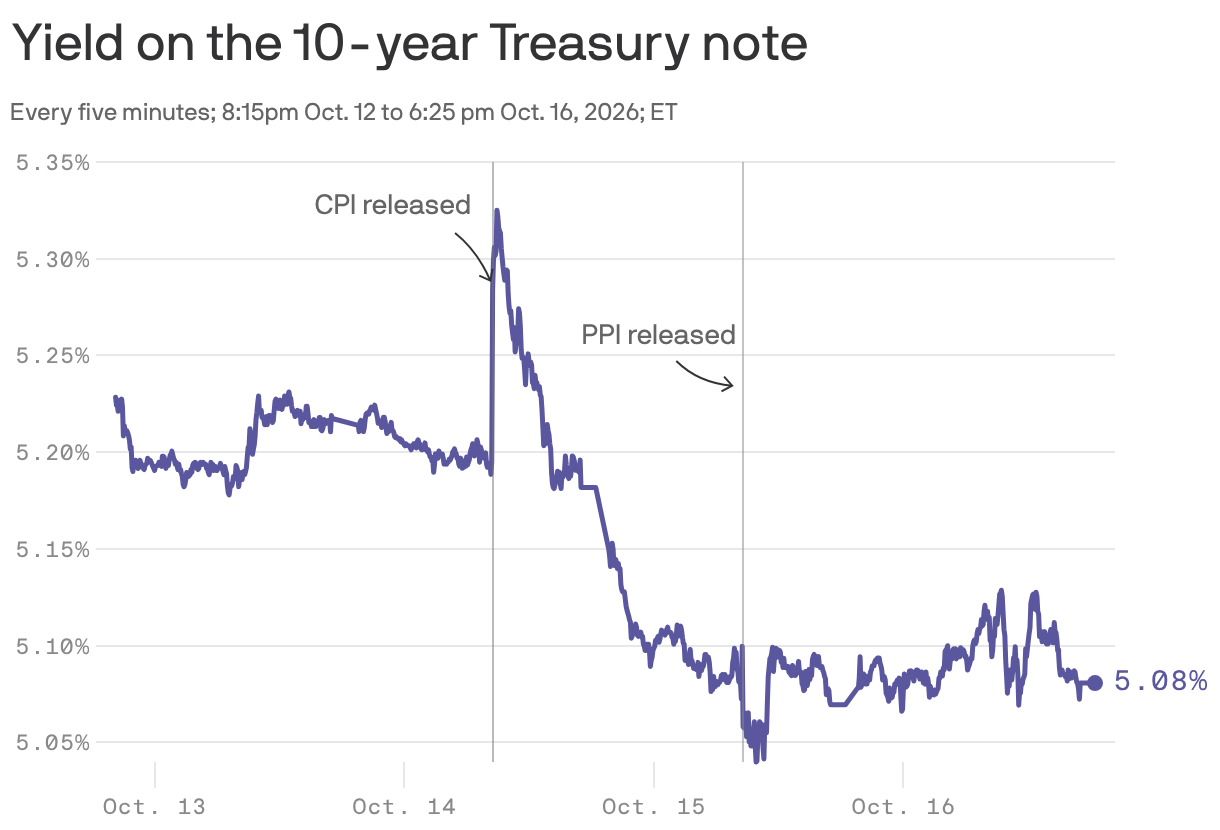
It got kind of wild in the U.S. Treasury market last week: The yield on the benchmark 10-year note swung in surprising ways as investors digested hot inflation reports and AI jitters.
Why it matters: Get used to it. Volatility could be a new normal.
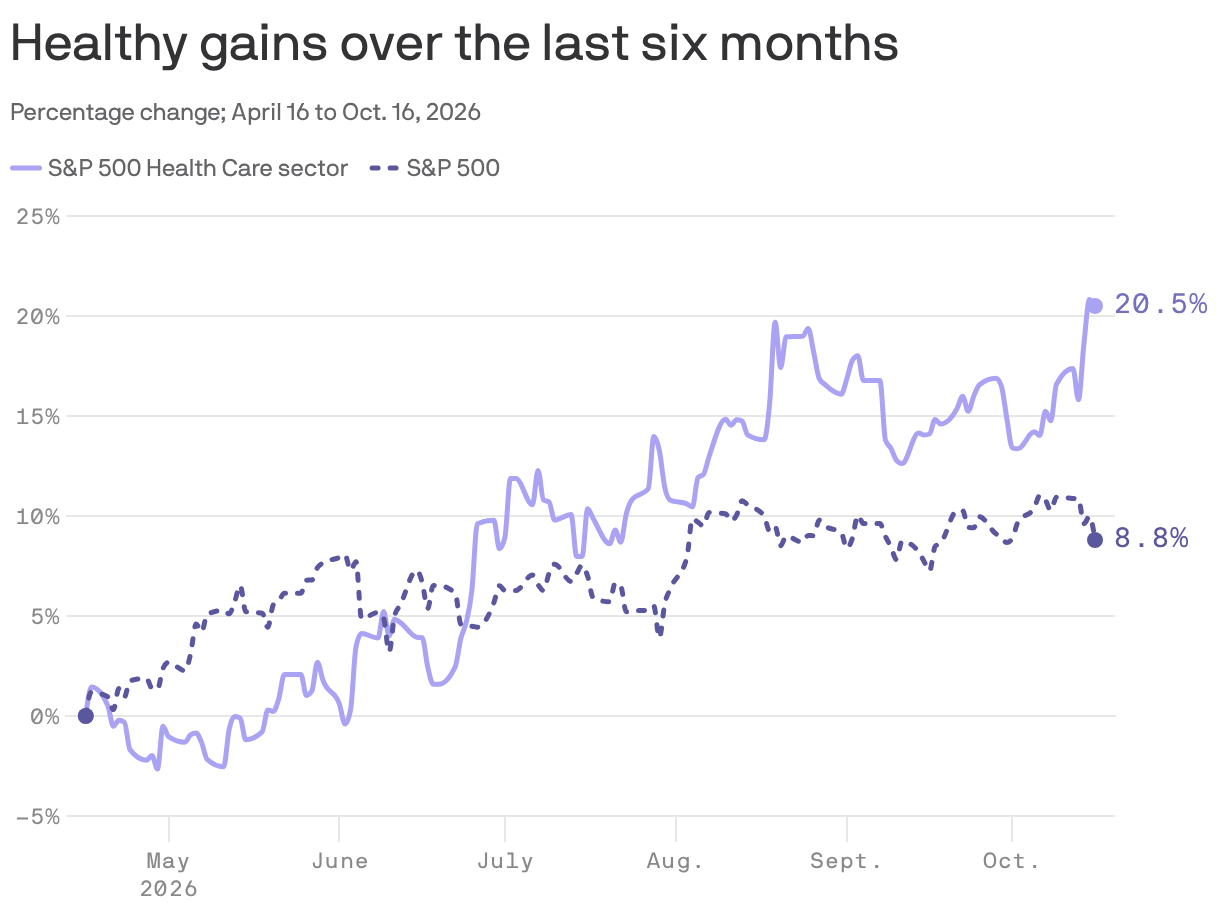
Health care stocks have done well in recent months as investors turn toward "defensive" shares and appear to have priced in increasing odds of Democrats gaining power in the midterm elections.
Why it matters: The price moves suggest that traders and investors see increasing odds that some cuts to federal health spending imposed by President Trump's big 2025 spending bill could be undone, analysts say.
The AI boom is about to rewrite the rules of global philanthropy, shifting its center of gravity to Silicon Valley, where the IPOs of AI giants Anthropic and OpenAI will create the world's largest charitable organizations.
Why it matters: Rather than massive donations earmarked for renaming hospital wings or university graduate programs, expect the new wave of giving to mirror startup culture: flexible capital, ambitious bets and a search for measurable impact.
AI is producing reality-bending midterm ads about defaced Bibles, upscale dinners and a board game with a "Death to America" playing card.
Why it matters: The warnings about deepfakes are coming true. Election laws haven't kept pace with a world where campaigns can put words in opponents' mouths and create realistic-looking scenes that didn't happen.
In August, I wrote that we've entered the age of post-processable velocity: a speed of change exceeding the ability of any individual, company, market or government to absorb, understand and respond to it in real time.
Many of the subscribers to my C-Suite newsletter asked a smart follow-up: Why does this moment feel not just faster, but so much harder to read?
The reason: The four forces that shape our world are in constant collision.
AI agents are increasingly joining our teams with most of what a new hire gets: a boss, a specific job to do, often a name others know and a record of the work they're doing.
Why it matters: Every CEO faces a very tough dilemma: How do we manage agents? And who's responsible when they screw up?
Bill Gross has spent 30 years turning problems, technologies and market shifts into companies — and now he is trying to turn that process into a machine.
Why it matters: In a moment when AI is mostly framed as a force that eliminates jobs, Gross is betting it can help create entrepreneurs and companies.