Tuesday's business stories

UN to evacuate 11,000 stranded sailors from Strait of Hormuz
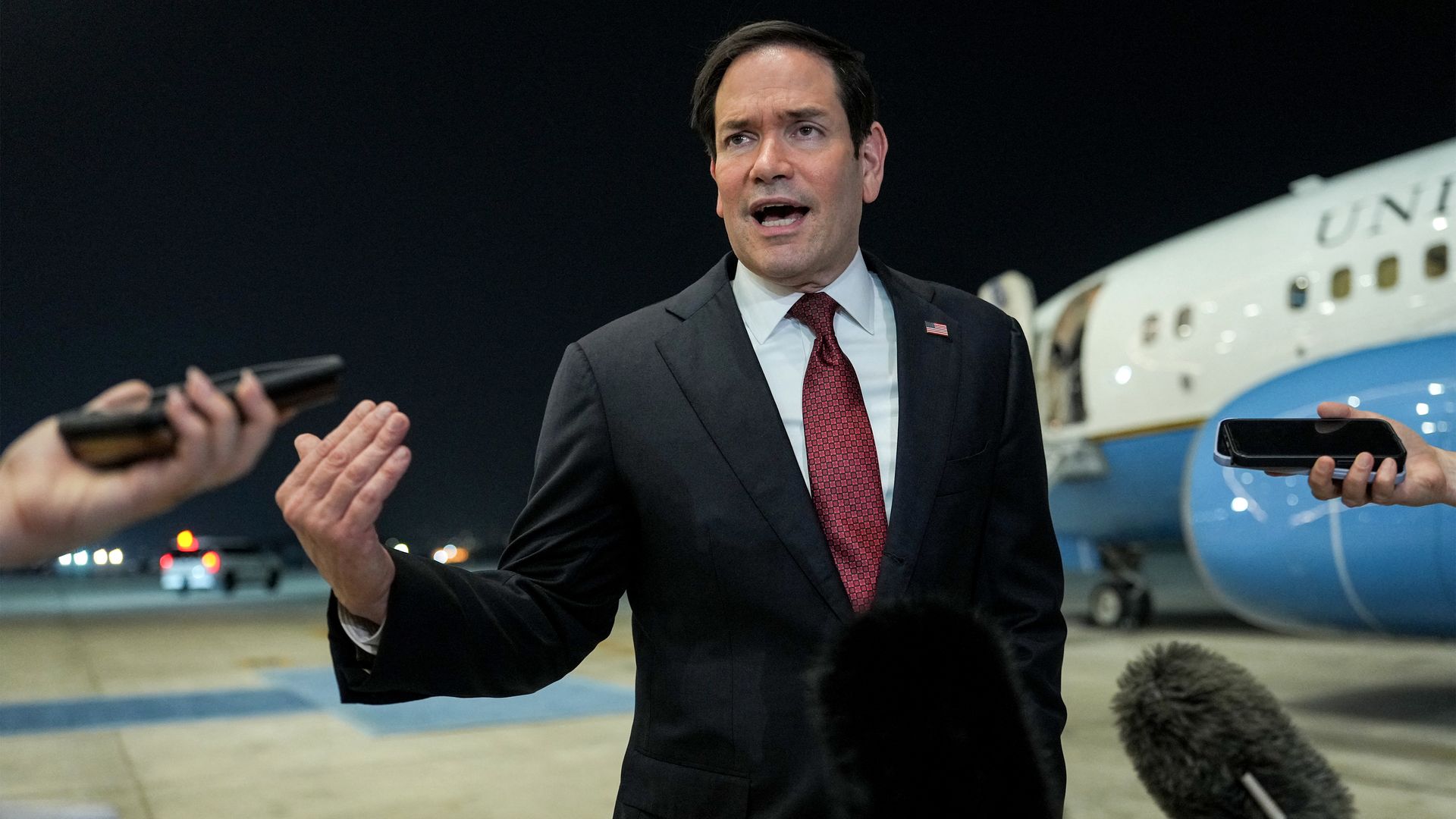
The UN's International Maritime Organization will evacuate more than 11,000 sailors stranded in the Strait of Hormuz during the U.S.-Iran war, the agency said Tuesday.
Why it matters: The operation underscores how the U.S.-Iran war disrupted a critical global shipping route and left thousands of civilian seafarers stuck.

Exclusive: Senate Democrats seek probe of Trump $250 bill
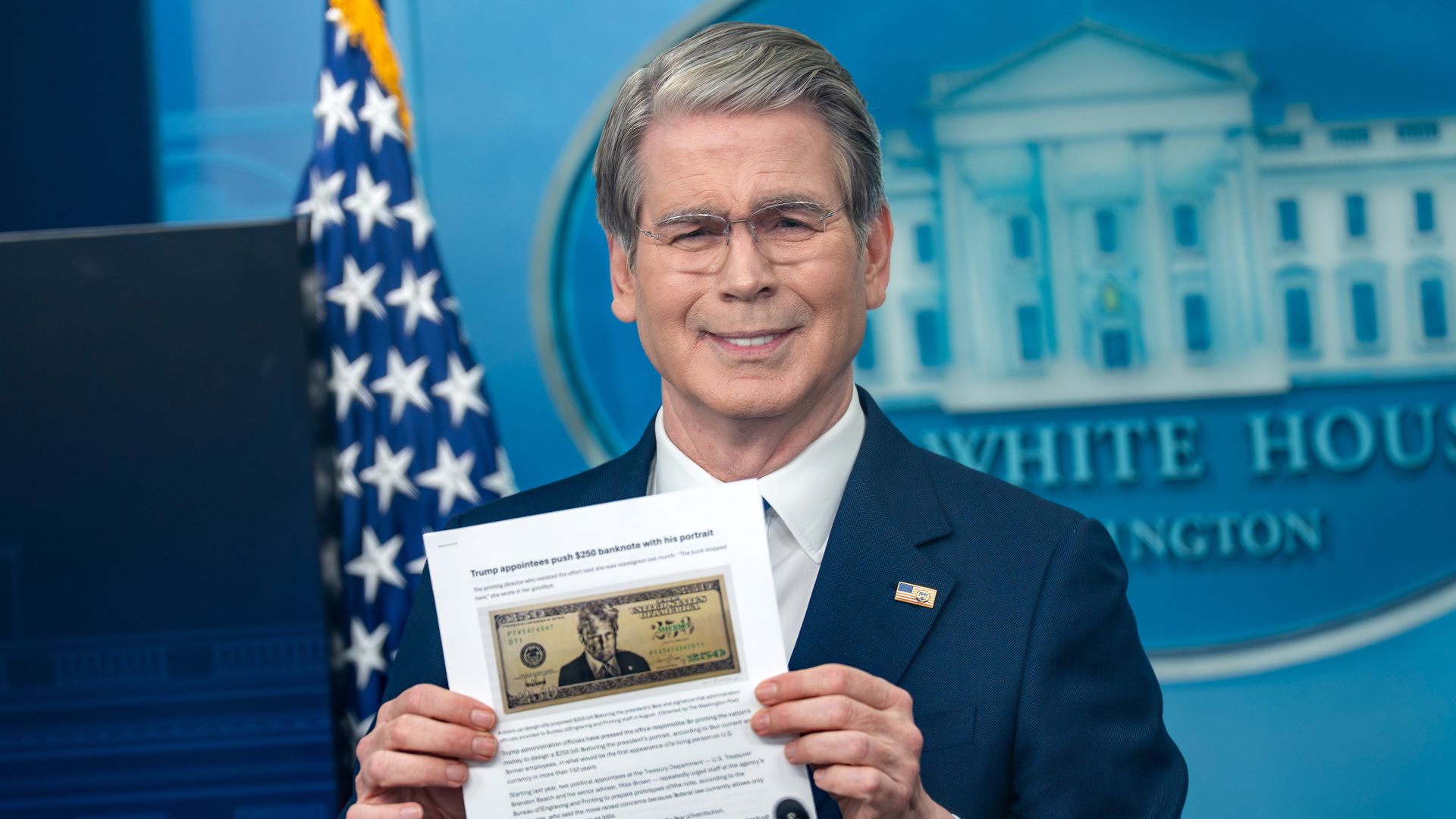
Senate Democrats are asking the Treasury Department's Office of Inspector General to investigate resources devoted to a proposed $250 bill bearing President Trump's portrait.
Why it matters: Federal law bars living people from appearing on U.S. currency, making congressional action necessary before any $250 bill featuring Trump could be issued.

Axios House: The future of influence is more than just influencers, brand leaders say

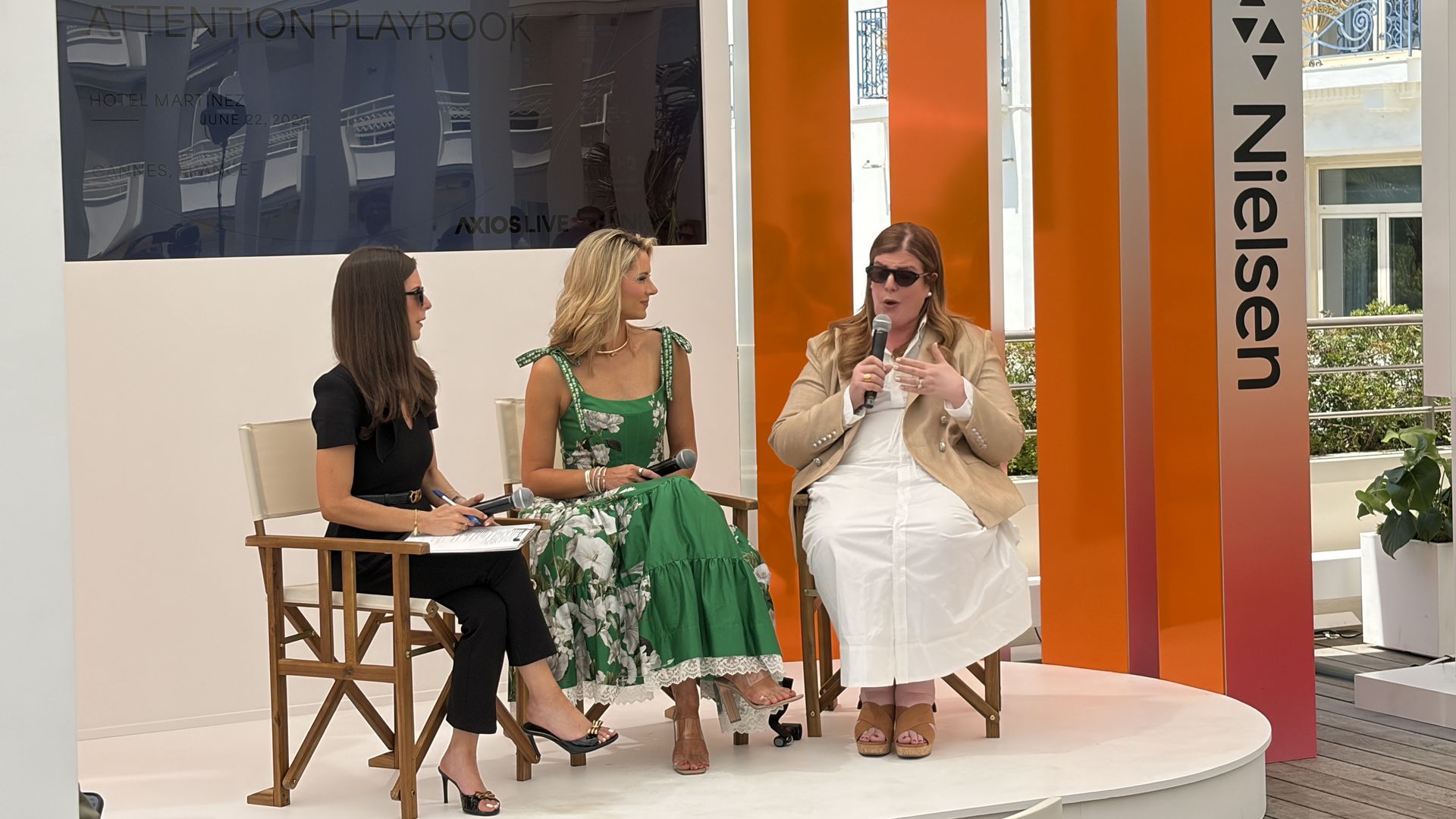
CANNES, France — Brands are looking beyond content creators to deepen audience trust, according to communications leaders at an Axios House event on June 22.
Why it matters: Brands with a diversified portfolio of voices can avoid losing clout or reputational damage if a key influencer, executive or public figure departs.
Axios' Eleanor Hawkins and Christine Wang moderated the Expert Voices roundtable, which was sponsored by Burson.
5 takeaways from the conversation:
- Working with creators is part of the strategy for companies like GM, said vice president Brandee Barker. However, comms leaders also ask themselves when identifying talent, "Are they relevant? What's the risk management around it?"
- Influence isn't an easily quantifiable metric, and "it's hard to have a strategy if you can't measure the damn thing," said Russell Dubner, Boston Consulting Group's global chief communications officer.
- "Fans can smell the lack of authenticity a mile away," said Roberto Stanichi, Mattel Inc.'s executive vice president and chief global brand officer. "What's authentic to that fandom and to that audience is what's really going to matter the most to them."
- Beehiiv co-founder and CEO Tyler Denk is a creator in his own right, said the company's vice president and head of communications, Lance Frank. "He has a newsletter, he understands the products, he can speak to them from experience," Frank said. It's "super helpful because it goes back to authenticity."
- Developing a "full bench" of influence and reputation creators protects brands from losing clout if a major player walks away, said Yasmin Hosseinzadeh, PayPal's head of corporate affairs strategy. "It cannot be anchored to a single individual."
Content from the sponsor's remarks:
Reputation isn't "just about showing up in culture," said Michelle Hutton, Burson's global chief client and growth officer. "It's about knowing where culture sits for your brand at the right time … and how to do that in a way that you can drive effectiveness and impact."
Axios House: Retail leaders embrace the participation economy

CANNES, France — Shoppers want a more active role in shaping how brands show up and sell to them, said executives at an Axios Live event on June 22.
Why it matters: Companies seeking long-term loyalty are moving toward treating customers as collaborators in product development, marketing and brand building.
Axios' Kerry Flynn and Christine Wang moderated the Expert Voices roundtable, which was sponsored by Hotwire and Sam's Club.
5 big takeaways from the conversation:
- AI is helping companies better understand their audiences. BelBrands GM and CMO Carolina Cespedes-Virguez said the company uses it to analyze and summarize customer reviews and ratings.
- PacSun is reimagining the role of the focus group, said the company's CEO Brieane Olson. The retailer has launched a "youth advisory council" with 14 members ages 12 to 21 to help shape strategy.
- Businesses are embracing younger generations as workers and consumers, said Samantha Critchell, Elf Beauty's head of corporate communications.
- Leaning on organic users can be more powerful than celebrities, eBay chief communications officer Gigi Ganatra Duff said. "When you have community and content and commerce all together, that's really where the magic happens."
- Trust is a competitive advantage, said Joy Robins, the New York Times' global chief advertising officer. "There's a reason that when you get the Wirecutter seal of approval, the thing sells out in minutes."
Content from the sponsor's remarks:
Sam's Club acting head of communications John Byrum explained that a consistent narrative is important because "the consumer doesn't care where a piece of content or a message is coming from. They don't distinguish between marketing and communications."
- "Retail has changed, relationships have evolved," Hotwire global CEO Grant Toups said. "More and more organizations … are faced with the challenge of having to tell complex technology stories into a really, really loud competitive landscape."


Scoop: Trump to headline McCormick defense summit
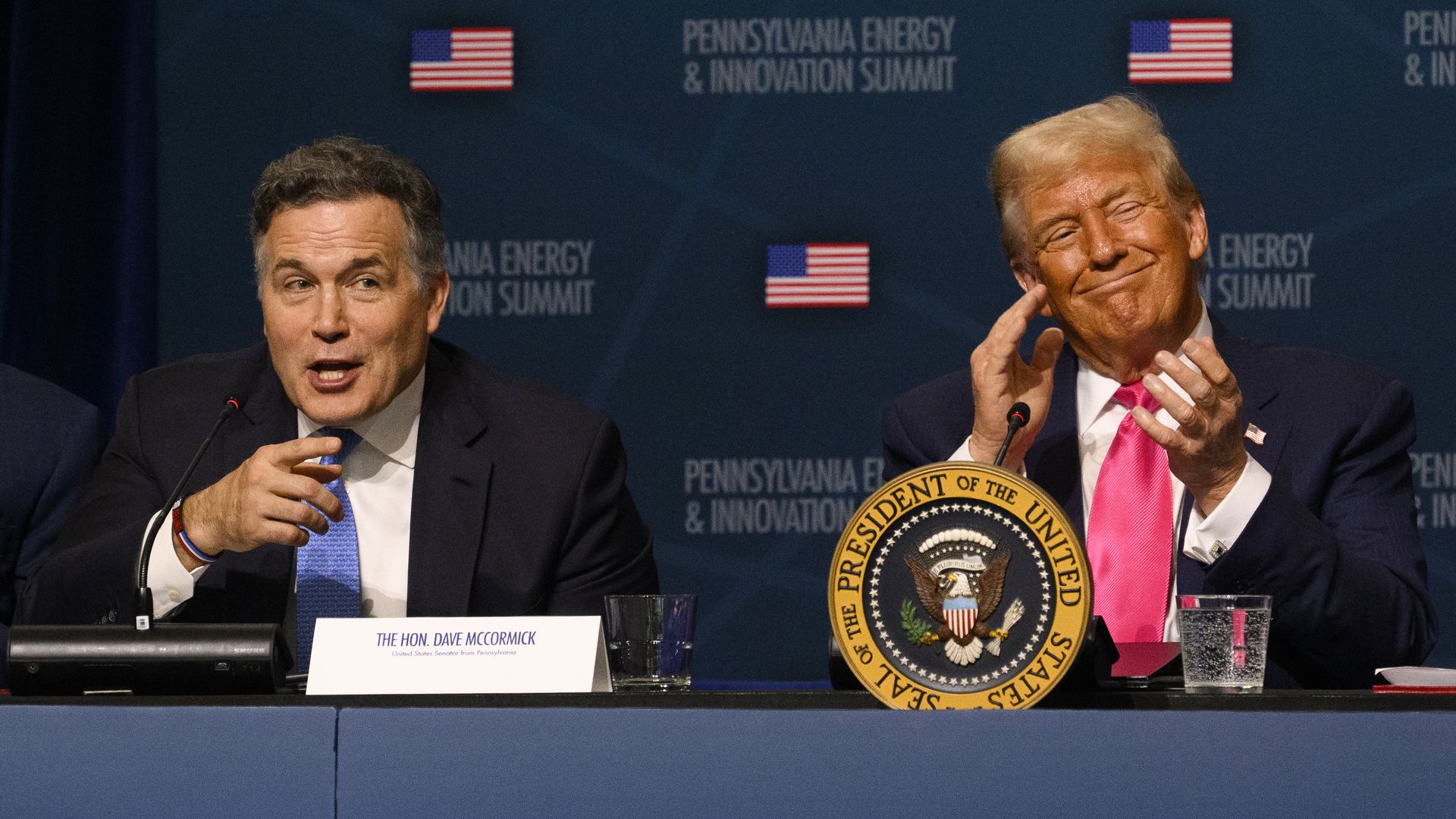
President Trump is expected to announce on Tuesday that he will headline Sen. Dave McCormick's Pennsylvania Defense and Innovation Summit at the U.S. Army War College on July 15.
Why it matters: The event builds on the momentum of McCormick's 2025 Energy and Innovation Summit, which drew global CEOs and teed up over $90 billion in Pennsylvania energy investments.

Disney readies cross-platform Super Bowl blitz
CANNES, France — Disney's sweeping plans for next year's Super Bowl will flex the entertainment giant's massive platform across broadcast, streaming and experiences, Rita Ferro, president of global advertising at Disney told Axios on Monday.
Why it matters: Media companies are betting on live sports as they compete for subscribers in a maturing streaming market.

MGX raises roughly $50B for AI bets

MGX, the Abu Dhabi-backed investor in OpenAI and xAI, has raised nearly $50 billion that it will plow into the AI sector, Bloomberg reports.
- The fund raised capital from both sovereign wealth funds and investors.
Why it matters: It cements MGX as one of the largest tech funders out there.
K-shaped economy shows up in dealmaking

The K-shaped economy is rippling into the dealmaking world.
Why it matters: It's not a new strategy, but companies and investors are focused on seeking even wealthier clients.


Tech stocks slump as AI bubble fears loom
Tech stocks shriveled up Tuesday as fears about an AI bubble sapped market momentum.
Why it matters: Chatter about a bubble has been prominent in recent months but hasn't yet delivered a long-lasting blow to stocks.
Driving the news: The tech-heavy Nasdaq Composite Index fell 2.5% shortly after the opening bell.
- The broad S&P 500 index was down roughly 1%.
Zoom in: It's a particularly ugly day for chip memory and data storage stocks.
- They suffered some of the worst declines early, after a 10% overnight drop in South Korea's KOSPI index, which is dominated by memory chip makers Samsung Electronics and SK Hynix.
- In the U.S., memory chip maker Micron dove more than 10% in early trading, storage device maker Sandisk plunged more than 12% and hard disk drive makers Seagate Technology and Western Digital were both lower by roughly 8%.
The big picture: Makers of memory chips and data storage devices have been some of the biggest beneficiaries of the AI infrastructure boom, which has created unprecedented demand and soaring prices for products that were long seen as commodity inputs to tech products like laptops and cellphones.
Shares of SpaceX — which went public less than two weeks ago — briefly fell below their opening price of $150 on Tuesday.
- The company — known broadly for rockets — has become an AI play as investors bet on a lucrative future with orbital data centers.
The bottom line: It's too early to tell whether this is a serious shakeout — or just a temporary rebalancing.
Snap CEO says Specs are bet on shift back to in-person connection
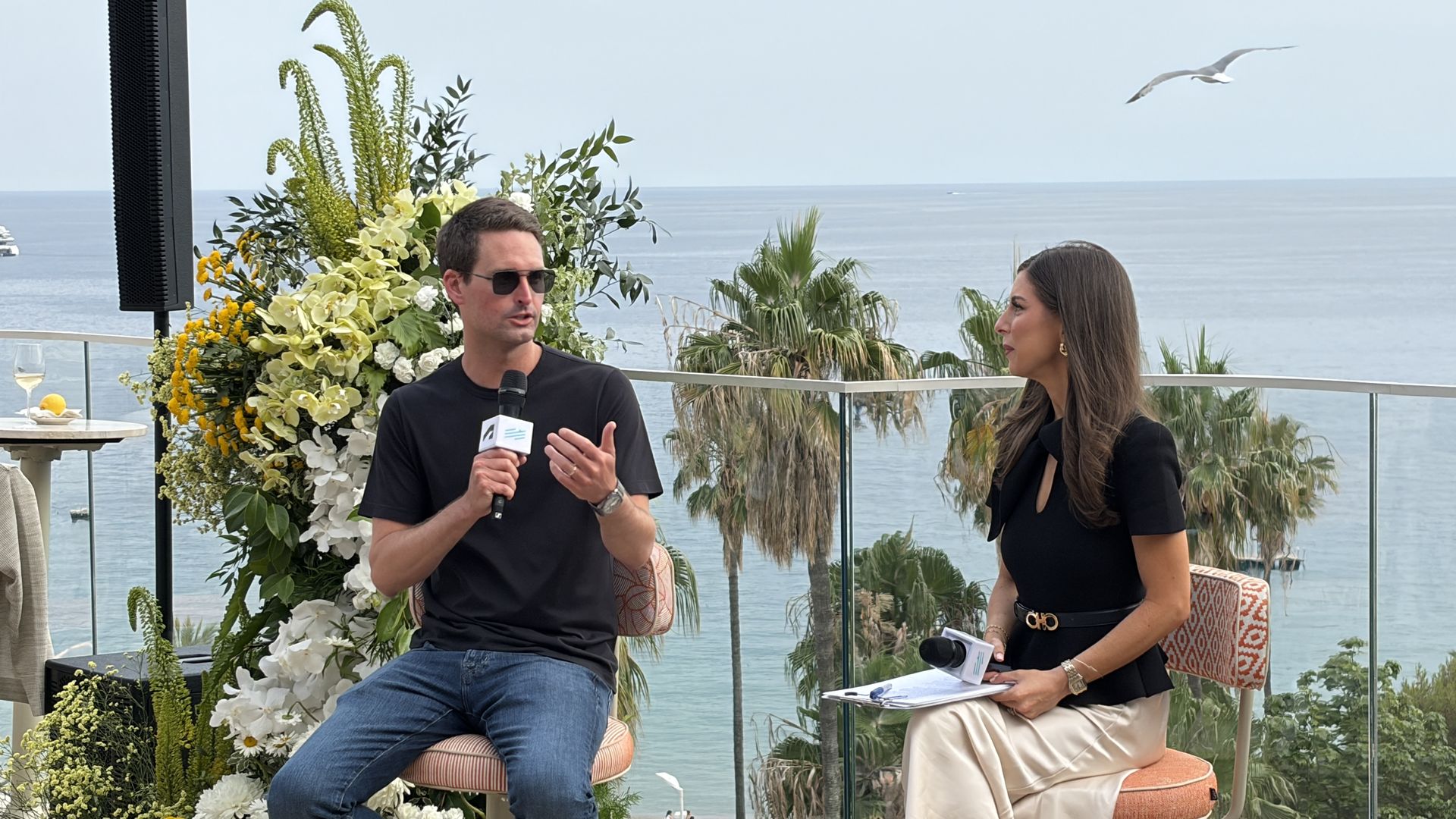
CANNES, France — Specs is a bid on the future of social networking returning to real-world interaction, Snap CEO Evan Spiegel told Axios' Sara Fischer on Monday.
Why it matters: Snap has staked its future on consumer smart glasses, even as investors pressure the company to sell the business and more companies enter the space.
These Tesla vehicles are the most made-in-America models

Two Tesla models topped an annual list of the most made-in-America vehicles — but a majority of the top 10 for the 2026 model year were Japanese-brand vehicles.
Why it matters: The "buy American" movement has long been a rallying cry for automakers, policymakers and certain consumers — but it's not always easy to tell which vehicles were actually manufactured here.
People Inc. CEO accuses Google of abusing its market power
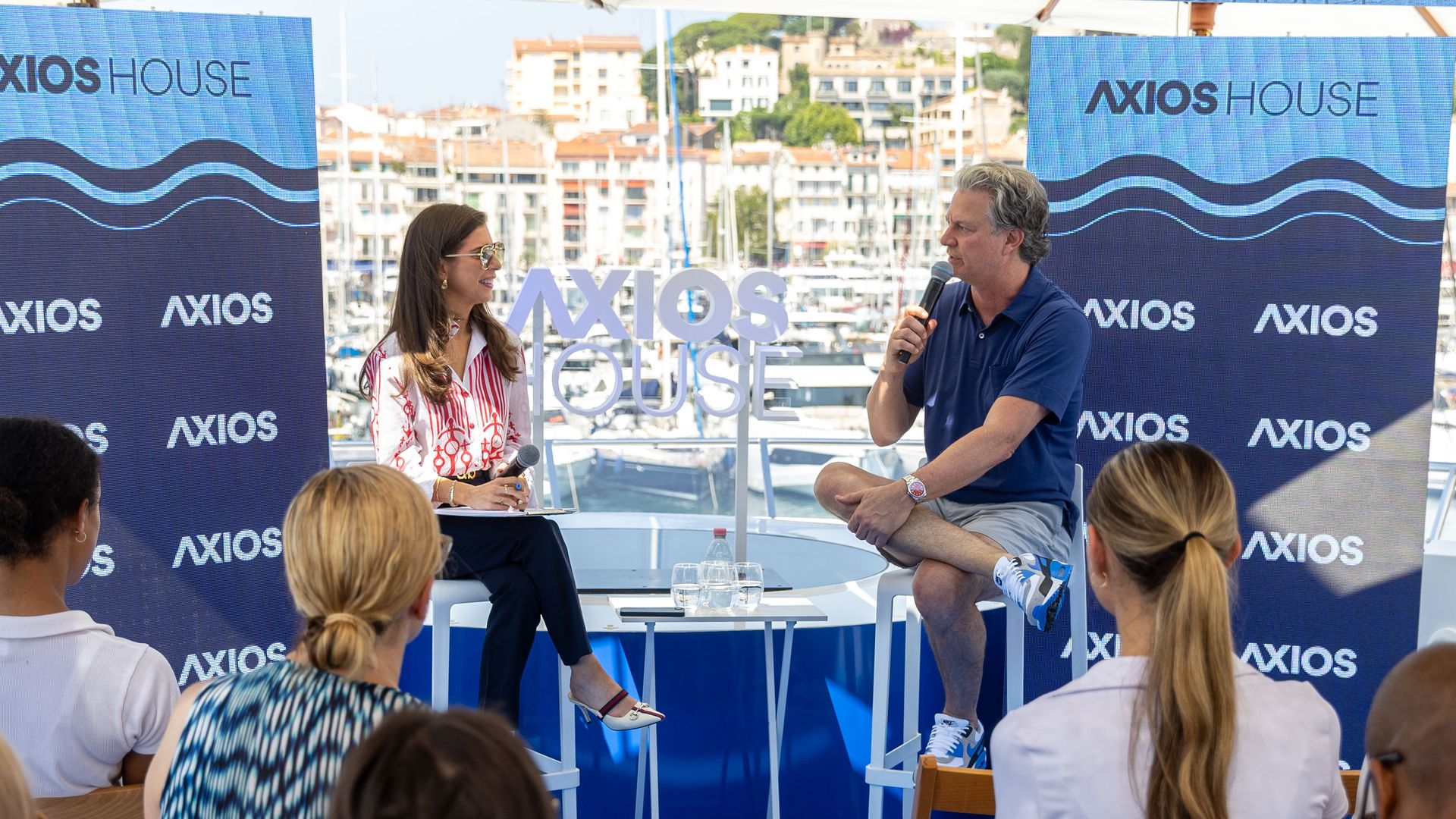
CANNES, France — People Inc. CEO Neil Vogel accused Google of abusing its market power by using the same crawler for both search and AI.
Why it matters: While some publishers want to block crawlers to protect their content from getting swept up by AI models, search traffic remains a key metric for advertising and affiliate revenue.

Stocks make the rich richer. Everyone else, not so much


A booming stock market is definitely making the rich richer, but it won't do much to lift prospects for most everyday Americans or the broader economy, concludes RSM's chief economist Joe Brusuelas in an intriguing new post.
The big picture: Rising stock prices help a very small slice of folks at the top, and the rich don't spend much of those gains — which would at least drive overall economic growth.
After $86 billion IPO, SpaceX to borrow $20 billion

SpaceX still needs money?
Driving the news: After just recently securing $86 billion in a record IPO, Elon Musk's SpaceX plans to raise at least $20 billion more by selling bonds.
Why it matters: SpaceX's public offering earlier this month spotlighted the importance of the stock market to the AI boom. But giant tech companies are also leaning heavily on the corporate bond market to source cash for AI investment.

AI lab musical chairs hits Google the hardest

Google DeepMind lost two high-profile researchers in a week marked by a flurry of departures across major AI labs.
Why it matters: The talent wars continue and have intensified at the highest levels as many AI developers believe that artificial general intelligence (AGI) is on the horizon.
Driving the news: Noam Shazeer announced last week that he was leaving Google DeepMind for OpenAI. Google previously paid more than $2 billion to acqui-hire Shazeer and part of his Character.ai team.
- Shazeer co-authored the pivotal 2017 paper "Attention Is All You Need," which introduced the transformer architecture — the "T" in ChatGPT.
- Two days later, John Jumper, who shared the 2024 Nobel Prize in Chemistry for AlphaFold, said he was also leaving Google DeepMind for Anthropic.
- Meanwhile, Barret Zoph, who left Thinking Machines in January after "alleged misconduct," rejoined OpenAI and is now departing the company for a second time.
- Nvidia also acqui-hired the team behind Essential AI, including AI researcher Ashish Vaswani.
The big picture: Even as companies race to automate more of AI research itself, they're placing extraordinary value on a tiny number of humans who know how to direct that work.
- Plus, one or two key hires can also help spur further hiring while a major departure can spur further defections.
Yes, but: Not all of the recent personnel moves are the same.
- Shazeer and Jumper are genuine lab-to-lab defections.
- Essential AI is more along the lines of the expected consolidation of startups.
- Zoph's latest departure remains unexplained.
Between the lines: The most coveted researchers offer more than technical knowledge contained in papers or code.
- They bring judgment about which ideas to pursue, experience running enormous experiments and the ability to recruit other sought-after scientists.
- For top researchers, deciding where to work often involves a complicated calculus: potential financial rewards, access to computing power, each company's prospects of leading the field, and whether its leadership will wield that power responsibly and in ways that align with their own beliefs.
- On the financial front, Anthropic and OpenAI have the advantage of forthcoming IPOs, which could have greater upside than can be offered by the other major players, which are already publicly traded.
- The other factors are more subjective, with perceptions around leadership and responsibility varying from person to person.
What we're watching: Many in the industry see just a short window until the models start getting better on their own, often called recursive self-improvement.
- The competition for top talent could intensify as researchers decide where they want to be during a period many view as pivotal for AI development.