Thursday's business stories

Axios House: Creators become brands' new power brokers
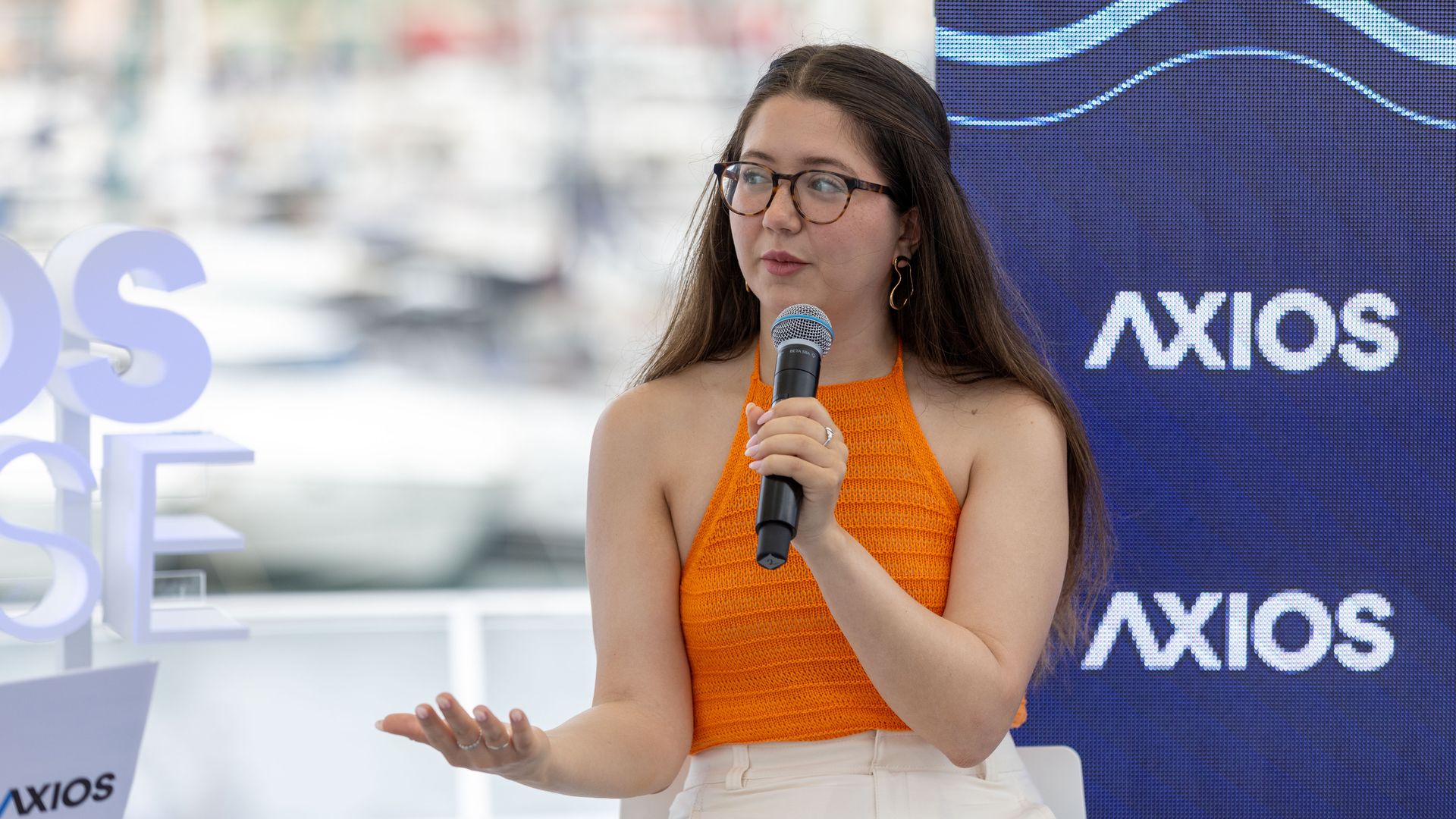
CANNES, France — The creator economy has outgrown its origins, and the brands, agencies and platforms that haven't caught up are getting left behind, business leaders said at an Axios Live event this week.
Why it matters: Creators are increasingly morphing from messaging channels to the brand's actual product, media company and increasingly investor, United Talent Agency CEO David Kramer said.
- "The exponential value proposition for the artists is palpable right now," he said.
Axios' Sara Fischer and Kerry Flynn moderated discussions with Kramer and Grace Wells, a commercial video creator. The June 24 event was sponsored by Instacart.
What they're saying: The biggest misconception brands have about creators is that they're endorsers, not partners, Kramer said.
- "Brands have to relinquish some control," said Kramer. "Trust that if they're going to get into business with Alix Earle, she's got to have a creative say, or it won't be authentic to who she is. Her audience will sniff it out."
- Wells, who started her career making commercials for random objects during the COVID pandemic, said the same tension plays out in her own work. Her Samsonite campaign drove a click-through rate five times that of the brand's campaign running at the same time.
Between the lines: As AI blurs the line between human-made and machine-generated content, proof that it was made by people becomes a selling point, not just an aesthetic choice, Wells said.
- "Audiences are craving this stamp or proof of human creation," Wells said. "I think we're going to see a lot more behind-the-scenes content coming to the forefront, just because we need audiences to understand all the people that went into making this thing."
Zoom out: Cannes Lions is now the biggest event of the year for creators, Kramer said, because it's where brands and creators actually meet to do business.
- UTA brought over 75 creator clients and 100-plus agents this year to the event, Kramer said.
- Anthropic and OpenAI are now signing creator deals, a sign that even AI companies have figured out that trust is built through people, not platforms, Kramer said.
What's next: Creators are increasingly demanding long-term partnerships over single deals, Kramer said.
- "This notion of we're going to hire this creator for a one-off and never speak to them again is fortunately dying out," Wells said.
- Kramer said traditional Hollywood should lean in, "otherwise they're going to cede a lot of power." He pointed to YouTuber Curry Barker, who made the movie "Obsession" for $750,000 and that ended up earning millions worldwide.
Content from the sponsor's segment:
In a View from the Top conversation, Instacart general manager of advertising Ali Miller said a surge in retail media networks has created new problems for brands: too many places to buy and too little consistency in how results are measured.
- "Brands have told us they're reaching that breaking point — they cannot possibly manage all of these different individual touchpoints," Miller said.
Axios House: Brands are losing opportunities with Latino consumers
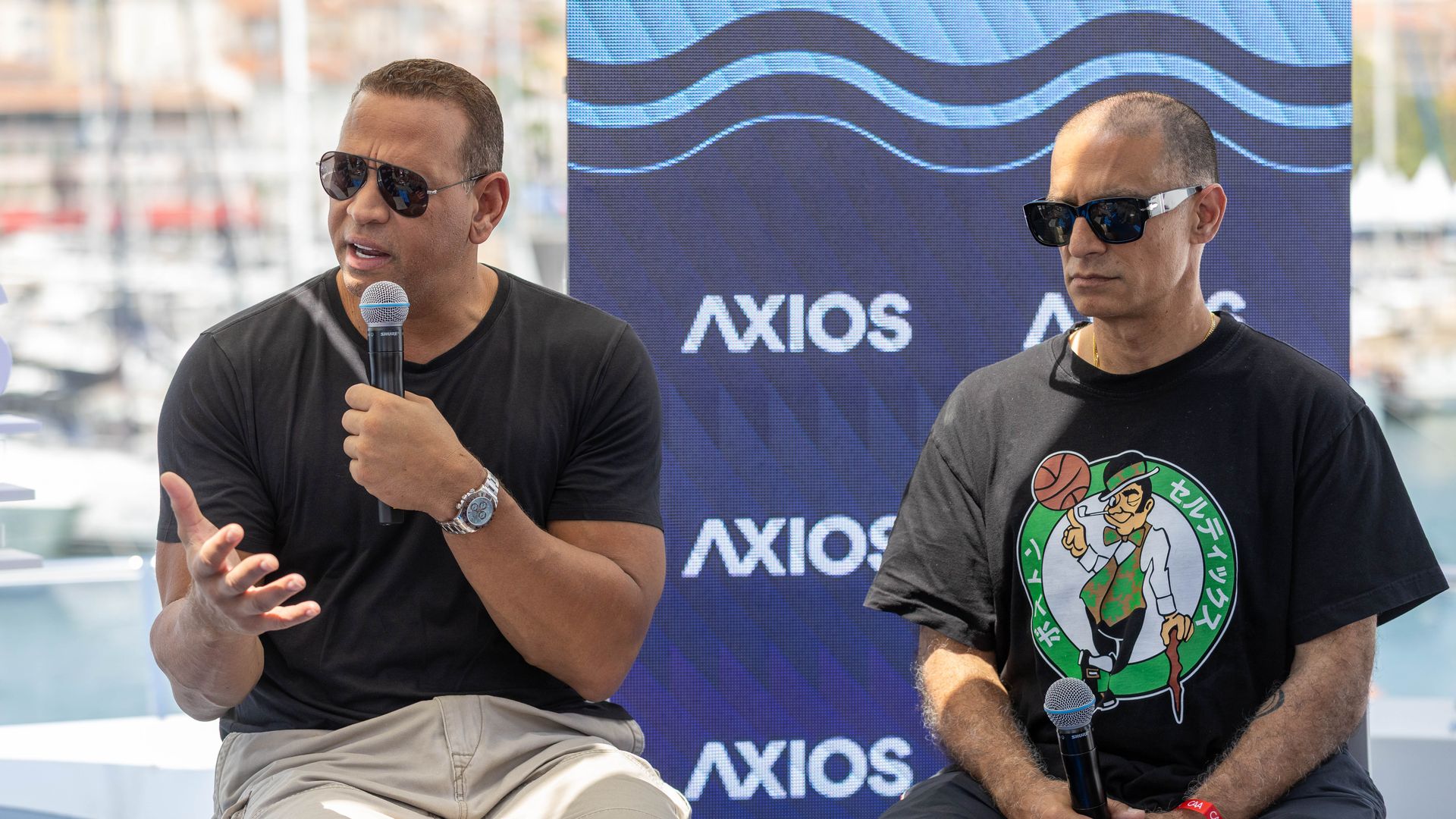
CANNES, France — Latino purchasing power in the U.S. has hit $4 trillion — yet the marketing and ad dollars aimed at the Latino consumer still doesn't match it, leaders said at an Axios event.
Why it matters: Undervaluing this audience has real consequences across industries, said former professional baseball player Alex Rodriguez, who is chairman and CEO of A-Rod Corp.
- As an illustration, Rodriguez pointed to women's sports: top WNBA broadcasts can draw similar viewership numbers as Sunday Night Baseball, yet the MLB commands 25 to 30 times more in rights fees.
- "The same math applies to how we [Latinos] are valued," Rodriguez said.
Axios' Sara Fischer and Kerry Flynn moderated discussions with Rodriguez, co-founder of Religion of Sports Gotham Chopra, Atlassian Williams Formula 1 Team driver Carlos Sainz, and Pablo Torre, host and executive editor of "Pablo Torre Finds Out." The June 24 event was sponsored by TelevisaUnivision.
What they're saying: Brands treat the Latino community as a monolith and that's the core mistake, Rodriguez and Torre both said.
- "The way a Latino shows up in LA is so different than the way a Latino shows up in Miami or in New York," Rodriguez said. "You got to really micro-study these things."
- "Race is a concept that is imposed upon you — it is not one that you choose," Torre said. "We need to be careful about that."
Between the lines: Brands' one-size-fits-all approach to Latino communities often reflects a lack of diversity among the decision-makers, Rodriguez said.
- "It's not good enough to be the only man or woman of color in the room," Rodriguez said. "Leave that door open. Make sure you bring others with you."
Zoom out: Sports and music are the two most powerful entry points and live events are where Latino fandom converts to commerce, Sainz and Torre said.
- Sainz said F1 is finally paying attention, as it is now translating all of its social content to Spanish and this year will host its first Grand Prix in Madrid in over 40 years. "When we do things, we like to do them properly," Sainz said.
- The NFL's Bad Bunny decision was business, not culture, Torre added. "The prime directive is growth. By that standard, Bad Bunny makes all the sense in the world."
Yes, but: Reaching this audience authentically takes time and many brands won't invest it, Chopra said.
- "You cannot show up on day one with a camera and say, 'Go be vulnerable,'" Chopra said. "Everything we have done successfully has been a function of time and earning trust."
The bottom line: "Sports and music are the two last elements that bring us together," Rodriguez said, explaining that the brands that invest in the Latino audience year-round, not just during special events like the World Cup, are the ones that will win.
Content from the sponsor's segment:
In a View from the Top conversation, TelevisaUnivision president of U.S. advertising sales and marketing John Kozack said media fragmentation has made it harder to reach the Latino audience, but live sports, music and drama remain the exception.
- TelevisaUnivision holds over 50% of all U.S. soccer viewership and has secured the Spanish-language broadcast rights for Super Bowl LXI in 2027, Kozack said.
- "It's not if you should invest in reaching Hispanics — it's how."
Axios House: AI is the biggest threat to media — and the biggest buyer
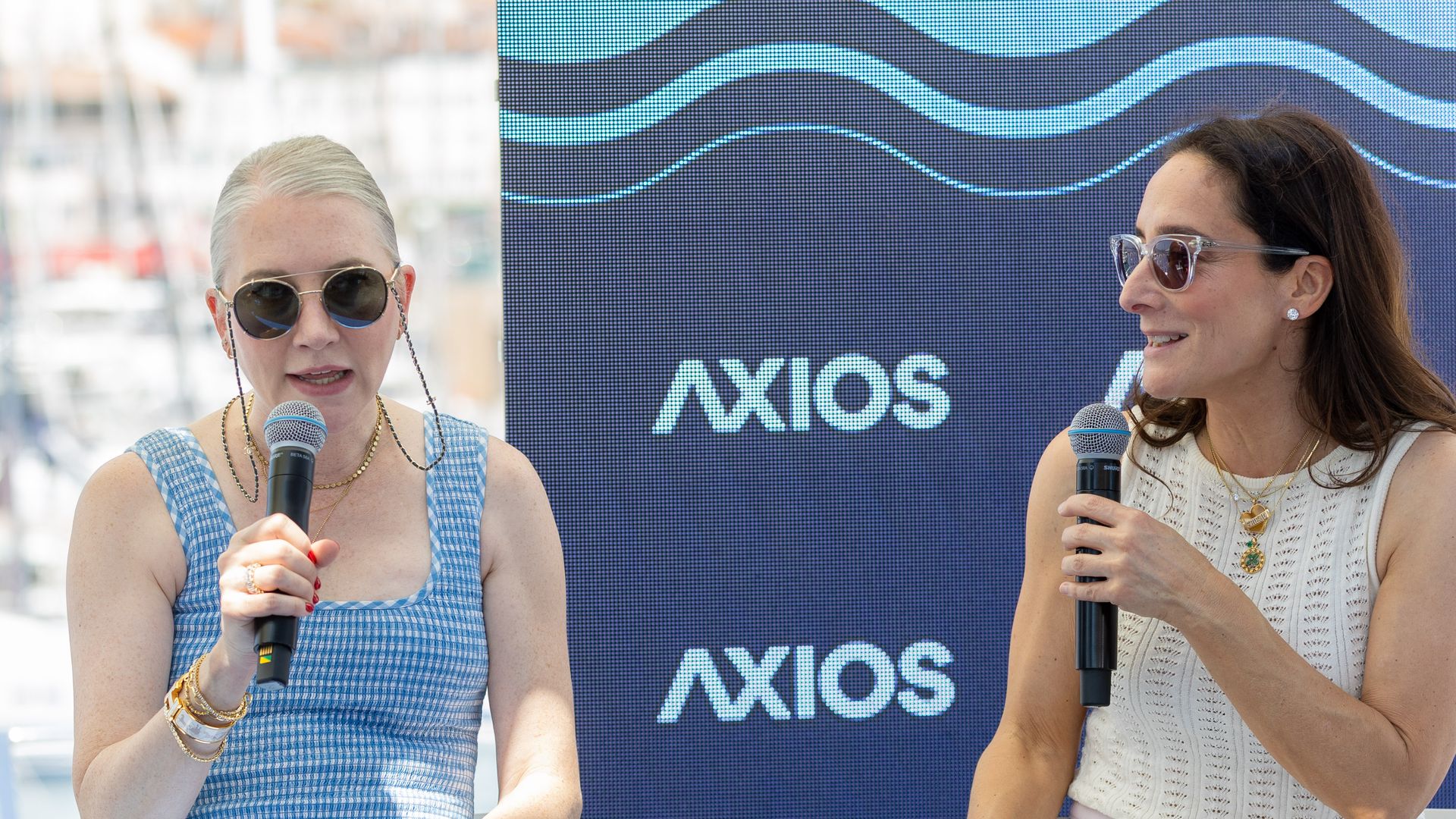
CANNES, France — For years, media companies feared AI would make their content worthless. It turns out AI leads all others in needing that content, media and commerce leaders said at Axios House Cannes this week.
Why it matters: Publishers and creators spent years building content brands based on trust, which is exactly what AI companies require — and are willing to pay for.
- As search traffic remains key to advertising and affiliate revenue, some publishers want to block AI crawlers to protect their content, though.
- However, Neil Vogel, CEO of People Inc, pointed out, "we can't actually block Google," because it uses the same crawler for search and AI, which he called an "abuse of market power."
Axios' Sara Fischer and Kerry Flynn moderated discussions with Vogel; Clea Shearer, co-founder of The Home Edit; and Raina Penchansky, co-founder and CEO of Digital Brand Architects and co-head of United Talent Agency Creators. The June 23 event was sponsored by Mastercard.
Zoom out: Vogel described the two types of AI licensing deals in menu terms, saying People Inc. has "all-you-can-eat" deals with OpenAI and Meta, and an "à la carte" arrangement with Microsoft. Vogel expects each to renew.
- "Scarcity is key. AI needs three things: a model, power and inputs. We are the inputs," said Vogel.
Yes, but: Letting AI in the door cuts both ways. Shearer said The Home Edit uses AI for data and research but refuses to let it touch its content because "it doesn't replace personality [and] human connection."
- "I want to believe things are real… and I think that's what AI lacks in terms of actual content creation," Shearer said.
Between the lines: Vogel said the shift from digital to branded is the real story. People Inc.'s editors-in-chief no longer just pick stories, they define what a brand stands for across every platform.
- "In a world where things are increasingly fake and no one knows what's real, the value of the brand is going to increase," Vogel said. "That's what's happening."
What's next: Shearer bought The Home Edit back from private equity specifically to protect creative control, and said the lesson for any brand is the same.
- "It doesn't matter who owns it — I need the autonomy to operate the brand as I see fit," Shearer said.
- "When you're building the next brand, you want to be talking to someone who sees and understands cultural relevance and how to build from that place," Penchansky said.
Content from the sponsor's segment:
In a View from the Top conversation, Mastercard chief marketing and communications officer Jill Kramer said trust is the foundation of commerce, and AI is raising the stakes.
- "There's an accountability now for the level of knowledge you should have before you start marketing," Kramer said. "AI can be your best friend — but the real onus is on us to ask the next question."
Axios House: Creators are choosing human connection over profit, Dhar Mann says
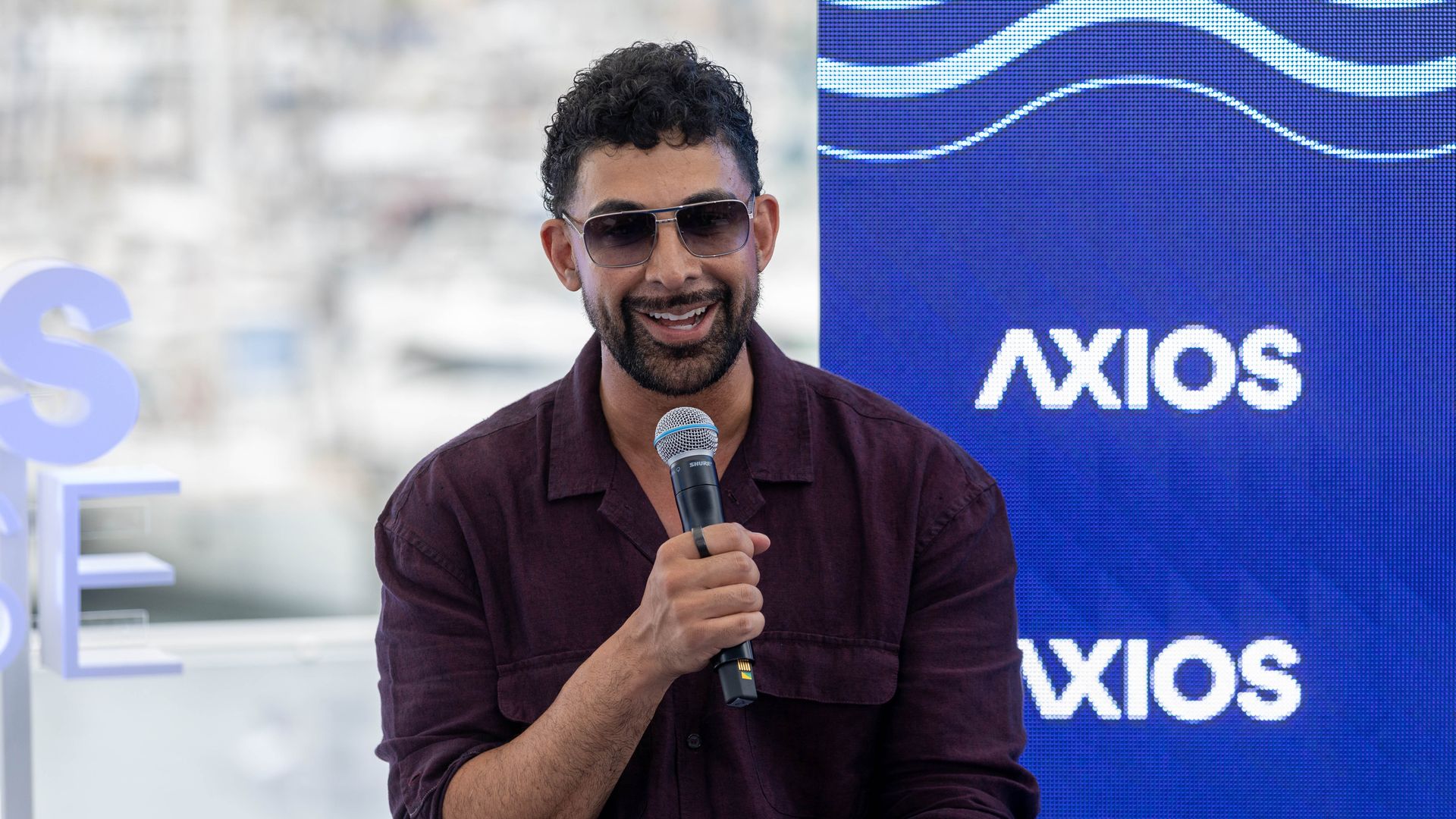
CANNES, France — Creators are turning down brand partnerships and limiting AI to preserve audience trust, said Dhar Mann, founder of his eponymous studio, at a June 24 Axios event.
Why it matters: Sponsorship dollars and AI can help creators scale, but they can also erode the fan relationship.
Axios' Kerry Flynn moderated the conversation with Mann, which was sponsored by Adobe.
What they're saying: Creators "really care about authenticity in their community," Mann said. "They don't just chase the dollars, they actually chase connection."
- Dhar Mann Studios tried to "create AI-generated content, put it in our videos, no one's going to be able to tell the difference," he said. "Man, was I wrong."
- The response in the U.S. and China was so negative that "we now avoid creating AI-generated content."
Yes, but: AI has "helped us tremendously" in other ways, Mann said. "Everybody is able to come up with creative ideas and move at a much faster speed."
- The company uses AI to focus on audience insights, like identifying what viewers want and which scenes affect retention.
Stunning stat: Dhar Mann Studios reaches "an audience of about 1.5 billion people every single month," Mann said.
What's next: Its new partnership with Fox promises 40 films in the next year.
Content from the sponsor's segment:
"While AI is really, really great at creating content, I think there's still a gap in terms of making that content on brand," said Varun Parmar, Adobe senior vice president and GenStudio and Firefly Enterprises general manager. "You need to make sure that the agents have the same context that humans have."

Polestar blocked from selling cars in U.S. over national security concerns

Polestar, the Chinese-owned electric vehicle company, is withdrawing from the U.S. market after the U.S. Commerce department banned its high-tech cars, citing national security concerns.
The big picture: It's the latest sign of a new, fractured era in the auto industry. After decades of globalization, the industry is splintering into regional markets and supply chains, driven by geopolitics and the rise of low-cost, high-tech competition from China.

Hot inflation, strong economy: the Fed's new test
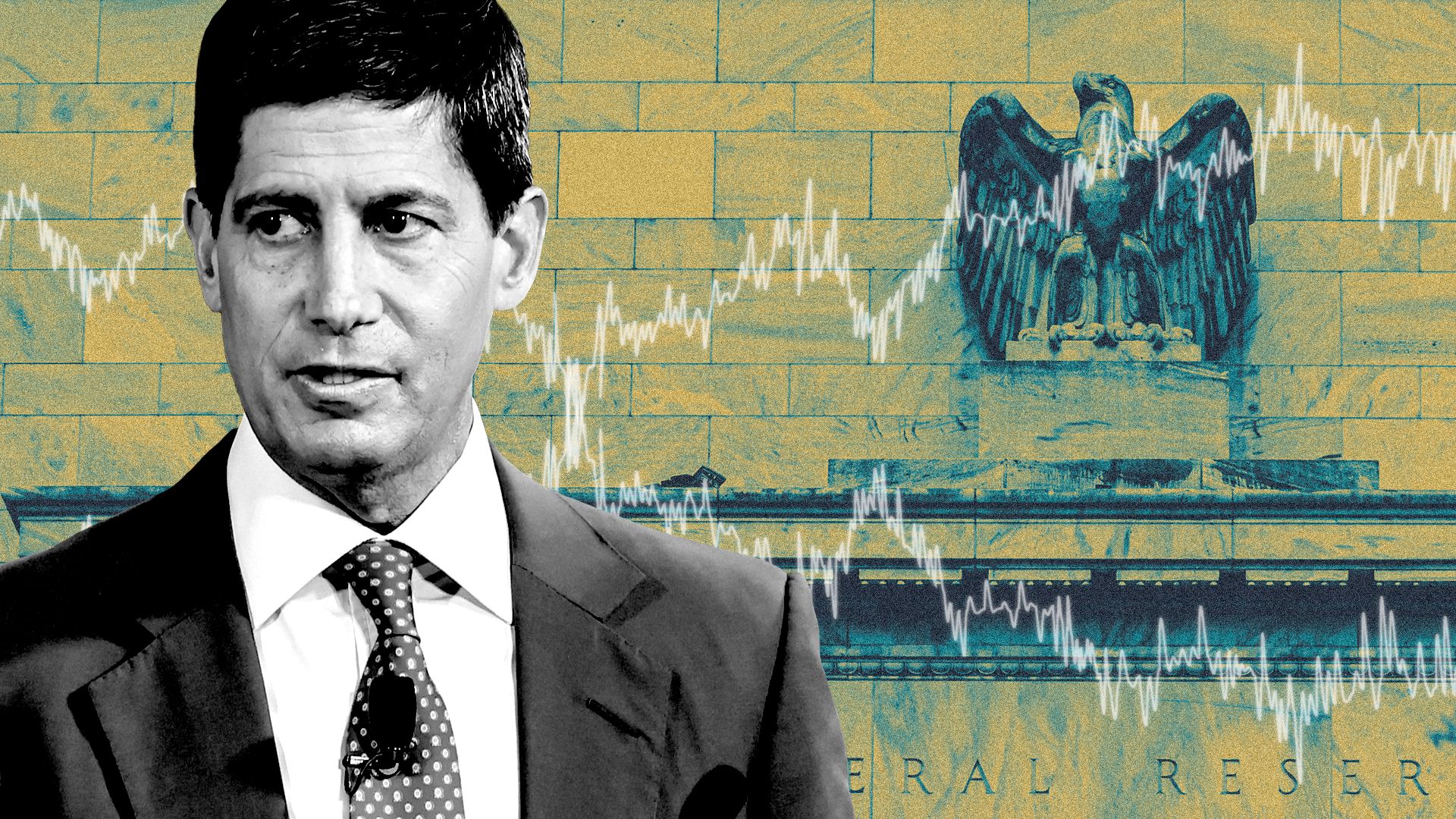
Income growth is accelerating — supporting consumer spending — while inflation is rising even beyond the energy-price shock.
Why it matters: That combination, shown in new data out Thursday morning, creates a complex reality for Kevin Warsh's young Federal Reserve chairmanship.
- It's good news for the economy's underlying resilience, but it raises fresh questions about whether interest rates are exerting as much downward pressure on demand as Fed officials may believe.

Apple announces price hikes on Mac and iPad devices
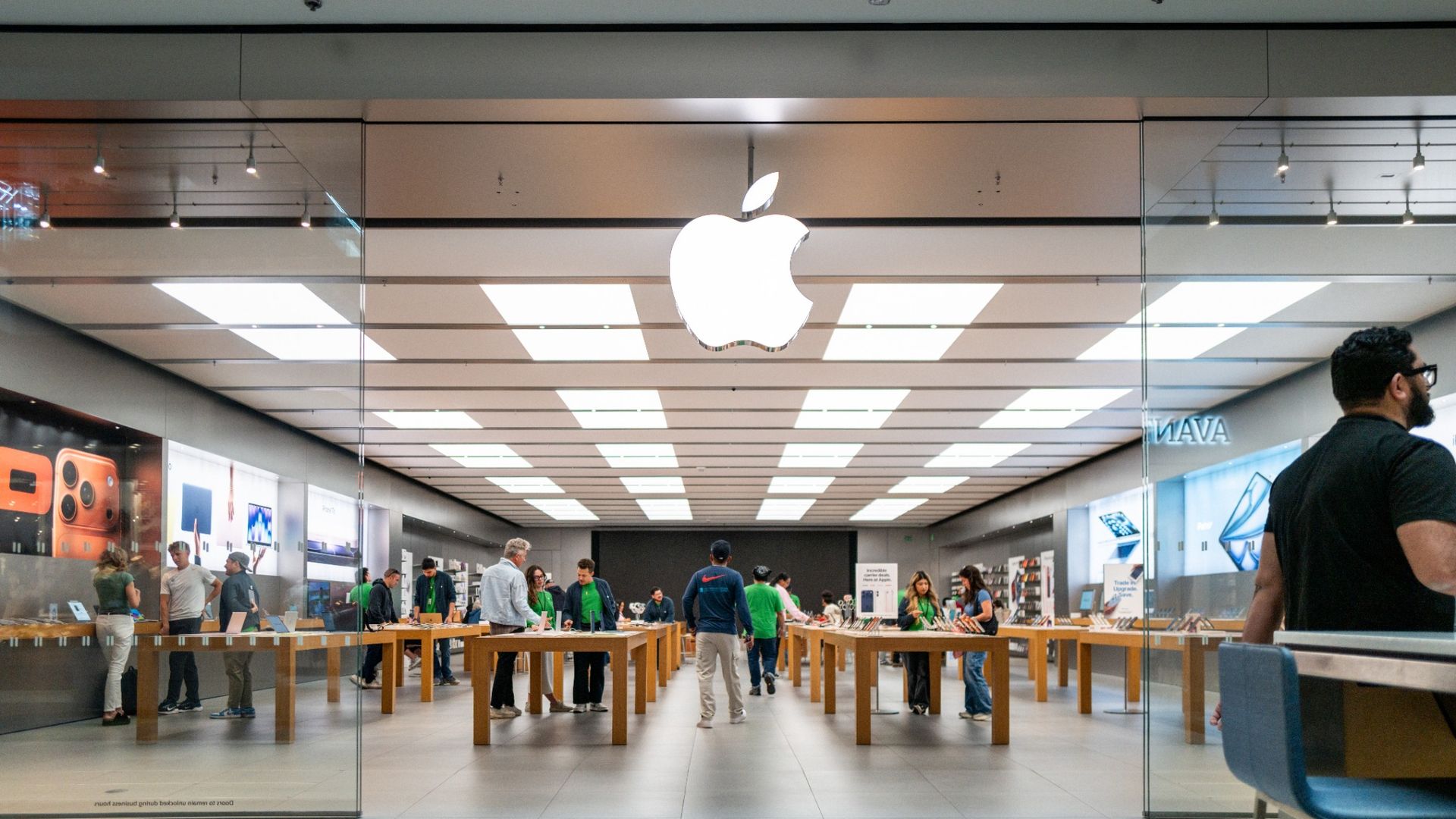
Apple increased prices on MacBook and iPad devices Thursday, saying that AI data center investments have triggered a chain reaction that forced its hand.
Why it matters: CEO Tim Cook recently said that price increases were unavoidable.


Supreme Court blocks lawsuits over chemical risks
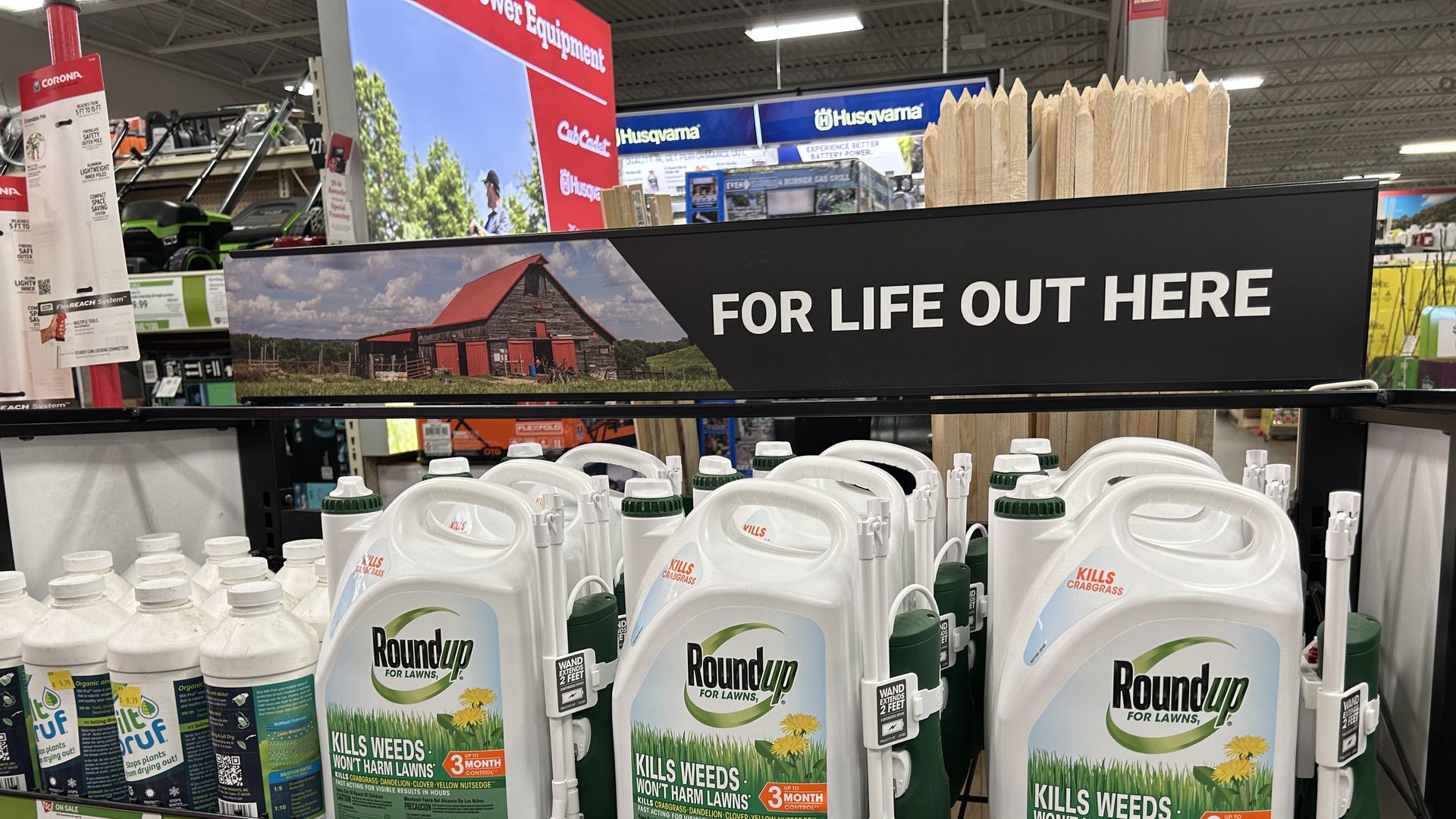
The Supreme Court ruled Thursday that consumers can't use state courts to bring lawsuits against manufacturers that don't warn of hazards surrounding their products.
Why it matters: The case was a major friction point for activists in the "Make America Healthy Again" movement, who have been calling for a crackdown on chemicals like glyphosate, the active ingredient in the weedkiller Roundup, in the food supply.

Global dealmaking reaches new record

"Big" has been the operative word for dealmaking in the first half of 2026, which already has hit an all-time record.
By the numbers: Global M&A is valued at around $2.7 trillion so far this year, according to preliminary data from LSEG.
Volkswagen selling Everllence stake for $8.4 billion

Private equity firm Bain Capital has agreed to buy a 51% stake in marine engine maker Everllence from Volkswagen for $8.4 billion.
Why it matters: Everllence is a hidden giant in the global supply chain, claiming to power over half of all seagoing trade.
Axios House: As click behavior rapidly switches, open internet pays the price
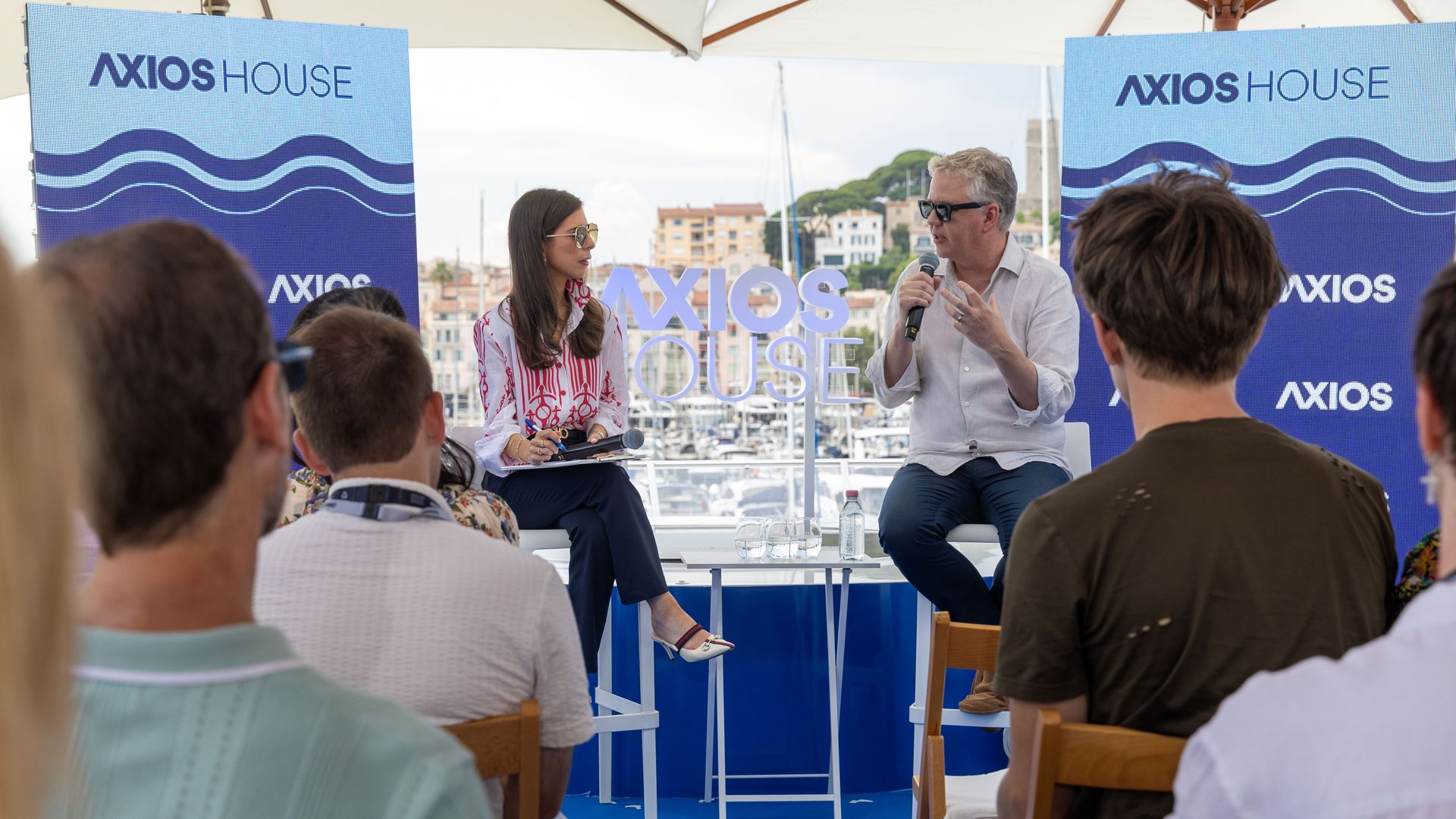
CANNES, France — For the first time, bots outnumber people on the internet — and in five years, they could exceed humans by 1,000 to 1, executives said at an Axios Live event.
Why it matters: AI tools are reading the internet's content without paying for it, and content providers are feeling the financial effects, Cloudflare co-founder and CEO Matthew Prince said.
- "Humans are trusting AI more and more, and they're not clicking on the footnotes," Prince said. "The way people are going to find information is through AI, and that cuts publishers out of the equation."
Axios' Sara Fischer and Kerry Flynn moderated conversations with Prince and Spotify co-CEO Gustav Söderström at the June 23 event, which was sponsored by Index Exchange.
What they're saying: AI can compare thousands of products with no brand loyalty or emotional attachment, making it nearly impossible for lesser-known companies to compete, Prince pointed out.
- "I think AI is going to destroy small businesses," he said. "If we don't solve that in a way that new entrants can survive and thrive, we're going to have massive consolidation, and that's bad for us all."
Between the lines: Spotify has already built the model the rest of the internet needs, according to Söderström — AI that gives users more control and pays creators when their work is used.
- Spotify's "large taste model," trained on trillions of listening sequences, lets users steer their own recommendations.
- "Giving people control over the algorithm is very new," Söderström said. "It's a counter to the idea that AI always leads to more addictive feeds."
- Spotify is also building the first legally licensed AI music model, allowing artists to opt in to have their songs remixed and collect royalties when those remixes get played.
Zoom in: Google presents a particularly difficult obstacle, Prince said.
- Getting people to click through from Google to a website is already 10 times harder than it was four years ago, Prince said. The numbers shoot up for AI: from OpenAI, it's 1,500 times harder and Anthropic, 70,000 times.
- A U.K. ruling now requires Google to allow publishers to opt out of AI summaries while staying in search. Cloudflare said it can apply that rule globally for any publisher.
- "If we can make Google play by the same rules as everyone else, then all of a sudden everyone's like, if they have to pay, we're willing to pay too," Prince said.
Content from the sponsor's segment:
In a View from the Top conversation, Index Exchange president and CEO Andrew Casale said the open internet is on a decade-long losing streak, and the ad industry needs to stop pretending otherwise.
- "The open internet right now is about $50 billion. Facebook pulled about $250 billion," Casale said. "We don't need the $250 billion. Let's just get $50 [billion] out of there. … That's so much economic value that can completely reset the internet."
Editor's note: This piece was corrected to show a U.K. ruling requires Google to allow publishers to opt out of AI summaries (not AI training). It was also updated to remove a reference to Google using the same crawler for AI and for search.
Axios House: Brands win by focusing on communities
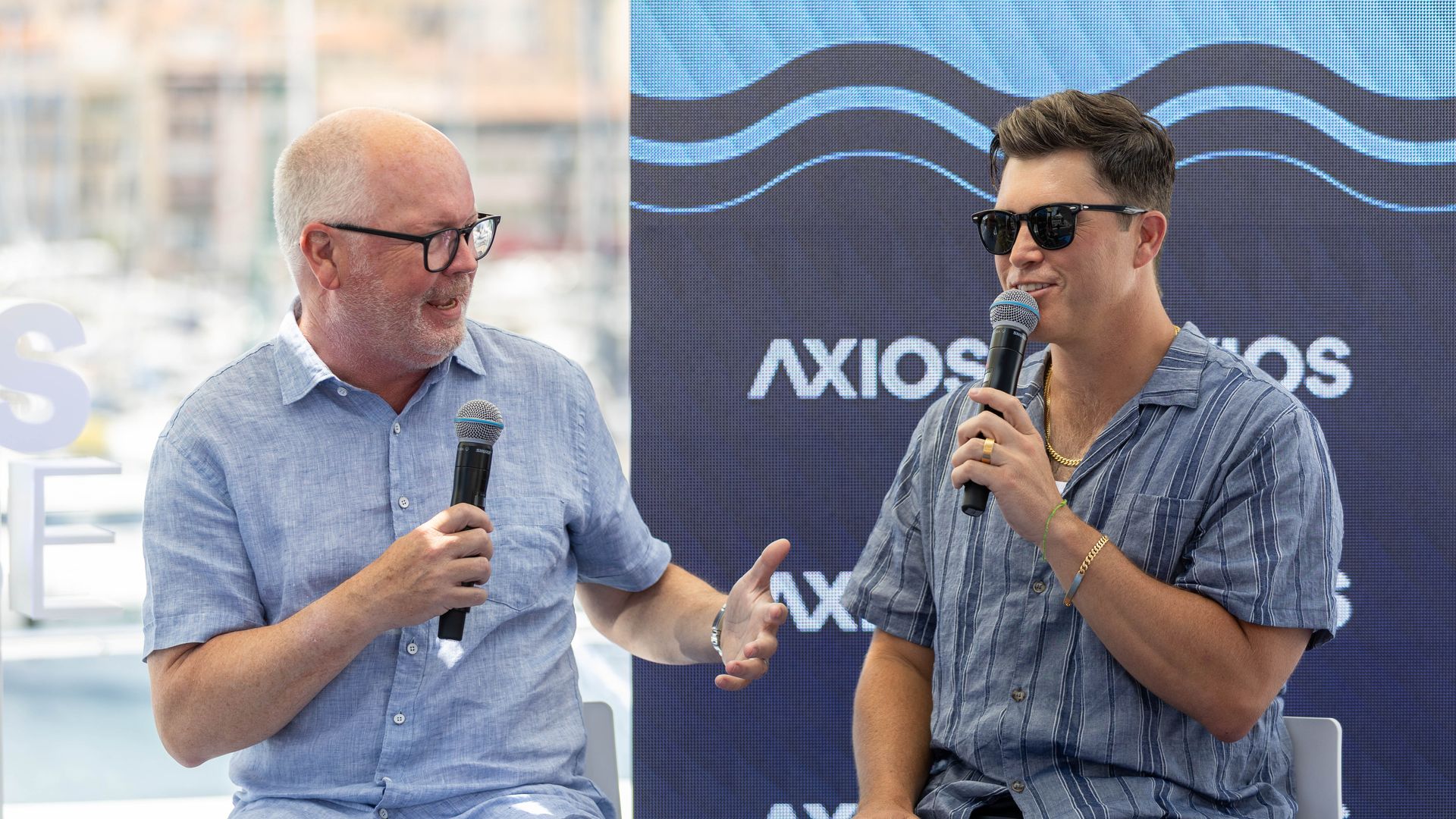
CANNES, France — Brands have spent billions trying to reach audiences and those winning have tapped into their audiences more directly, several panelists said at Axios event.
Why it matters: In an AI-focused world, consumers and audiences are seeking a more authentic interaction with brands and creators.
- Case in point: Dove asked Reddit users for real feedback on a new product — good or bad — then ran the top 100 comments, including criticism. It's up for an award this year, said Reddit co-founder and CEO Steve Huffman.
- "By showing the criticism, it validated the promoters," Huffman said. "Being willing to acknowledge that not everybody loves this landed the message in a much more powerful and authentic way."
Axios' Sara Fischer and Kerry Flynn moderated discussions with Huffman, "Saturday Night Live" writer and weekend update co-anchor Colin Jost, NBCUniversal chairman of global advertising and partnerships Mark Marshall, and Josh Richards, entrepreneur, multi-Hyphenate creator and cultural architect. The June 23 event was sponsored by Mastercard.
What they're saying: The same playbook applies to creators, Richards said. The brands with longevity serve the community already there, not the next audience they're chasing.
- "A lot of creators end up having a shelf life of two years because they don't serve the community that's already following them," Richards said.
- Jost said brands win for the same reason. "A couple of them were like, we didn't really know about this idea at first, but when we saw it, we were so happy."
Between the lines: At scale, community trust can become a direct commerce engine.
- For instance, NBCUniversal's Performance Insights Hub lets brands measure the real sales impact of its ad schedule for the first time. Marshall said.
- Shoppable content – ads or videos that let views buy a product directly without leaving what they're watching – is the new frontier, Marshall said. It "isn't just a QR code…it's the idea of how do we show the real impact of what their investment was."
Zoom out: Playing a role in the underlying infrastructure is Reddit, which turns 21 this week and is one of the most cited sources in answers generated by major AI platforms, Huffman said.
- "LLMs don't live. They can't experience music, wear clothes or have hobbies," he said. "For that real experience, it has to come from other people."
- Reddit has 126 million daily active users and is targeting a billion by making its product easier to use every time, Huffman said.
The bottom line: The business opportunity isn't in the ad, it's in the community around it. The brands winning right now are the ones humble enough to let the audience lead.
Content from the sponsor's segment:
In a View from the Top conversation, Mastercard Commerce Media EVP Nili Klenoff said the next frontier of commerce is agentic.
- A third of consumers surveyed by Mastercard in April said they would trust an AI agent to buy something on their behalf, for up to $1,000, Klenoff said. "Agentic commerce is starting to happen."
Axios House: Sports must prove it can scale as live events surge
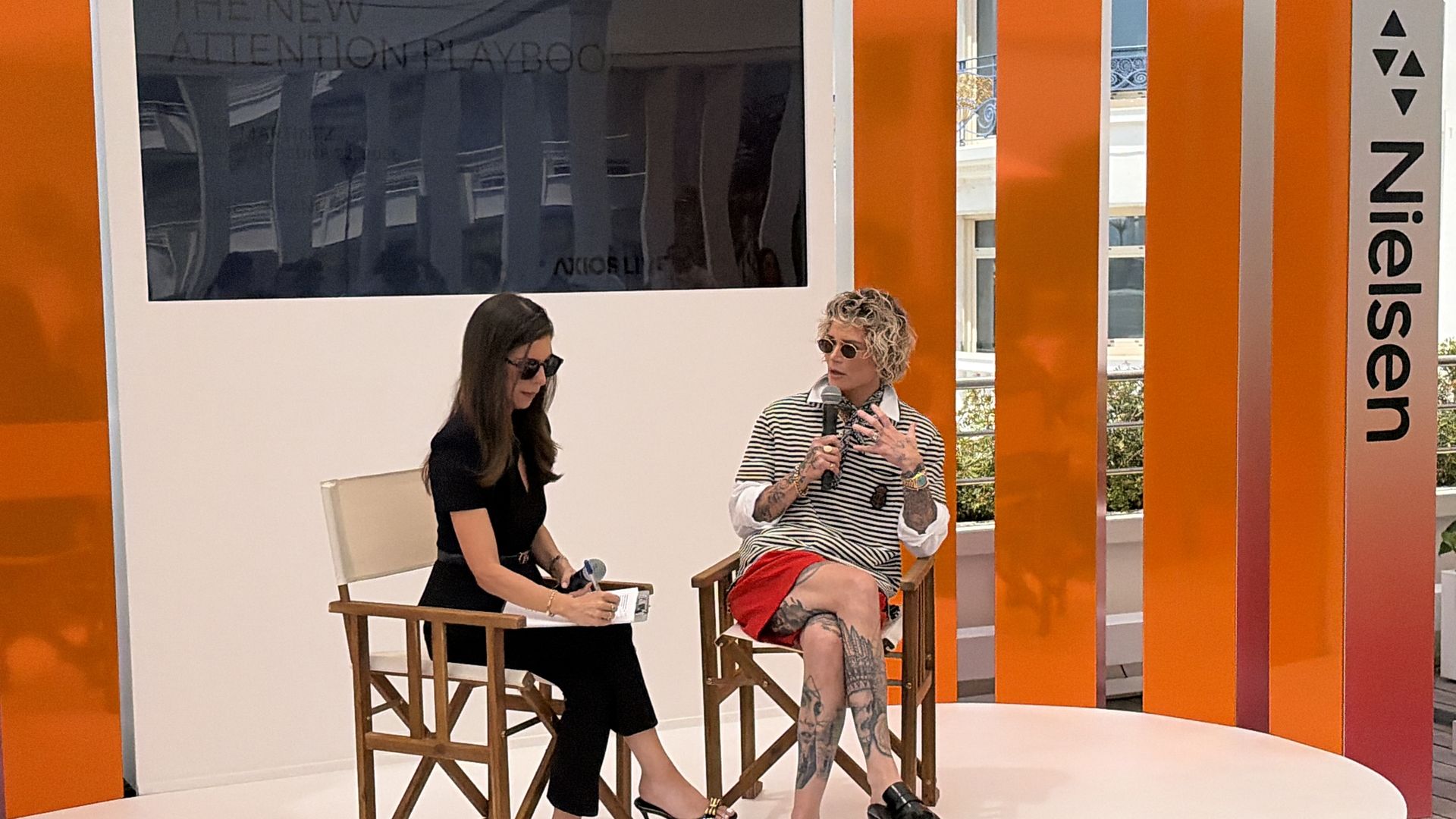
CANNES, France — Sports is now the single biggest driver of live viewing, and everyone is scrambling to own a piece of it, sports and media leaders said at an Axios event.
Why it matters: Live viewing is the most monetizable content left in a fragmented media landscape, said Rita Ferro, president of global advertising at the Walt Disney Company.
Axios' Sara Fischer and Kerry Flynn moderated discussions with Ferro, ESPN host and "Monday Night Football" reporter Laura Rutledge, FIFA Women's World Cup champion and Olympic gold medalist Ashlyn Harris, and Brandon Marshall, Pro Bowl wide receiver and co-founder of I Am Athlete. The June 22 event was sponsored by Nielsen.
Zoom in: ESPN will air its first-ever Super Bowl on Valentine's Day next year, with 50% of the audience expected to be women, Ferro said. "There is way more demand than there is units available to sell," she said of the ad market. "It's a blessing and a curse."
- Rutledge said Disney's new ESPN Unlimited streaming platform puts every game and stat "on a silver platter," making the live experience more custom-made to consumers and more valuable to sponsors, than ever before.
- "Our mission is to serve sports fans anytime, anywhere — this is a true example of doing that in the modern age," Rutledge said.
Zoom out: That investment in live is paying off across the board. Sports brings male, female and all age demographics together in a way no other content can, Ferro said.
- "We come into the office on Monday, and the guys are like, I watched with my kids, they loved it," Ferro said of women's sports. "That's when I know it's resonating."
Between the lines: That audience is only getting bigger. Women's sports viewership keeps growing, and the brands and the athletes are driving it, panelists said.
- "If we can just keep putting these sports on television and continue to grow the scope of the knowledge around these women by telling their stories, it'll just continue to blow up," Rutledge said.
- Harris, who said she retired without owning any of her own IP, said young athletes today are playing a smarter game: "These younger athletes are super savvy and smart — they're tired of other people making money off of them."
Yes, but: While the audience is there, the athletes are ready, and the brands are spending, the industry is still "not there yet in the ultimate goal of counting every impression and every opportunity that touches a fan," according to Ferro.
What's next: As an athlete, Marshall said he figured it out mid-career, pioneering full-time broadcasting while still playing in the NFL. Now he teaches others.
- "You'll never, ever, ever have that opportunity again to run out of that tunnel and make that type of money. So you need to focus," Marshall said.
Content from the sponsor's segment:
In a View from the Top conversation, Nielsen CEO Karthik Rao said sports is where measurement matters most.
- "Sports is the number one content that drives live viewing [and] live viewing is the best monetizable viewing that's out there," Rao said.

Exclusive: Facebook "fumbled" its AI advantage, Chamath Palihapitiya tells "The Axios Show"
Facebook has "profoundly failed" in the AI race, former Facebook executive and venture capitalist Chamath Palihapitiya said on "The Axios Show."
The big picture: Palihapitiya, who helped Facebook grow into a global giant, told Axios' Dan Primack that the company "completely fumbled" what he viewed as a huge opportunity to lead in AI.

Gold has erased all its 2026 gains


Gold just took a round trip: Prices dropped below $4,000 a troy ounce Wednesday back to where they were in early November last year.
Why it matters: Investors are losing their taste for the precious metal.

What's on streaming: "The Bear" final season and new Larry David comedy
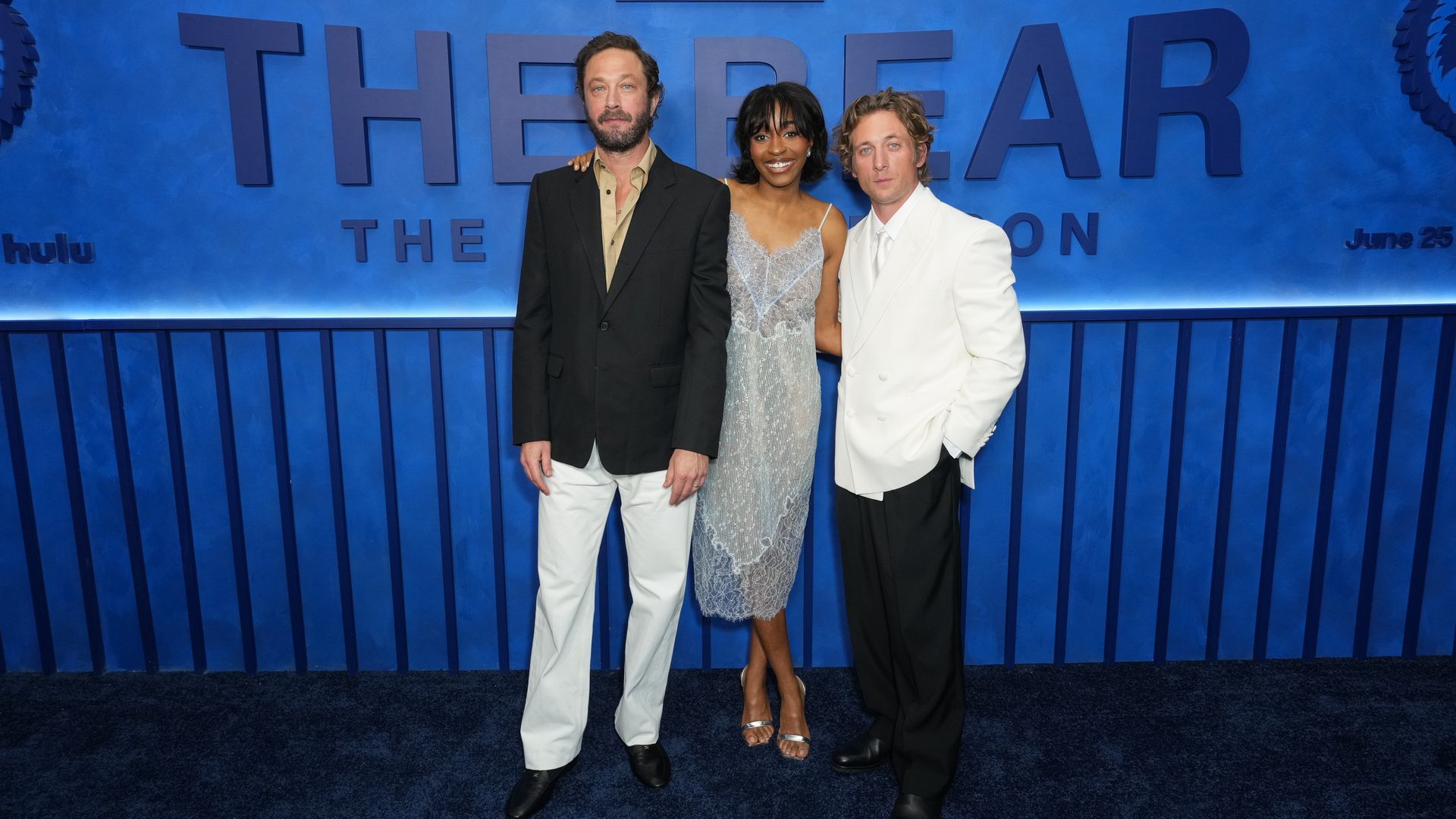
Your couch time is valuable. Here are a few new streaming picks worth checking out this week.
"The Bear" — fifth and final season available today on Hulu.
"The Axios Show": Chamath Palihapitiya lets it rip
I've covered Palihapitiya for nearly 15 years, back to when he left Facebook to try his hand at venture capital, and invited him on "The Axios Show" because he's become one of Silicon Valley's most visible and influential tech investors.
Why he matters: His opinions carry weight in The White House and with hundreds of thousands of All-In podcast listeners, at a time when there's fierce debate over whether AI will strengthen humanity or destroy it.

AI agents are here for real this time
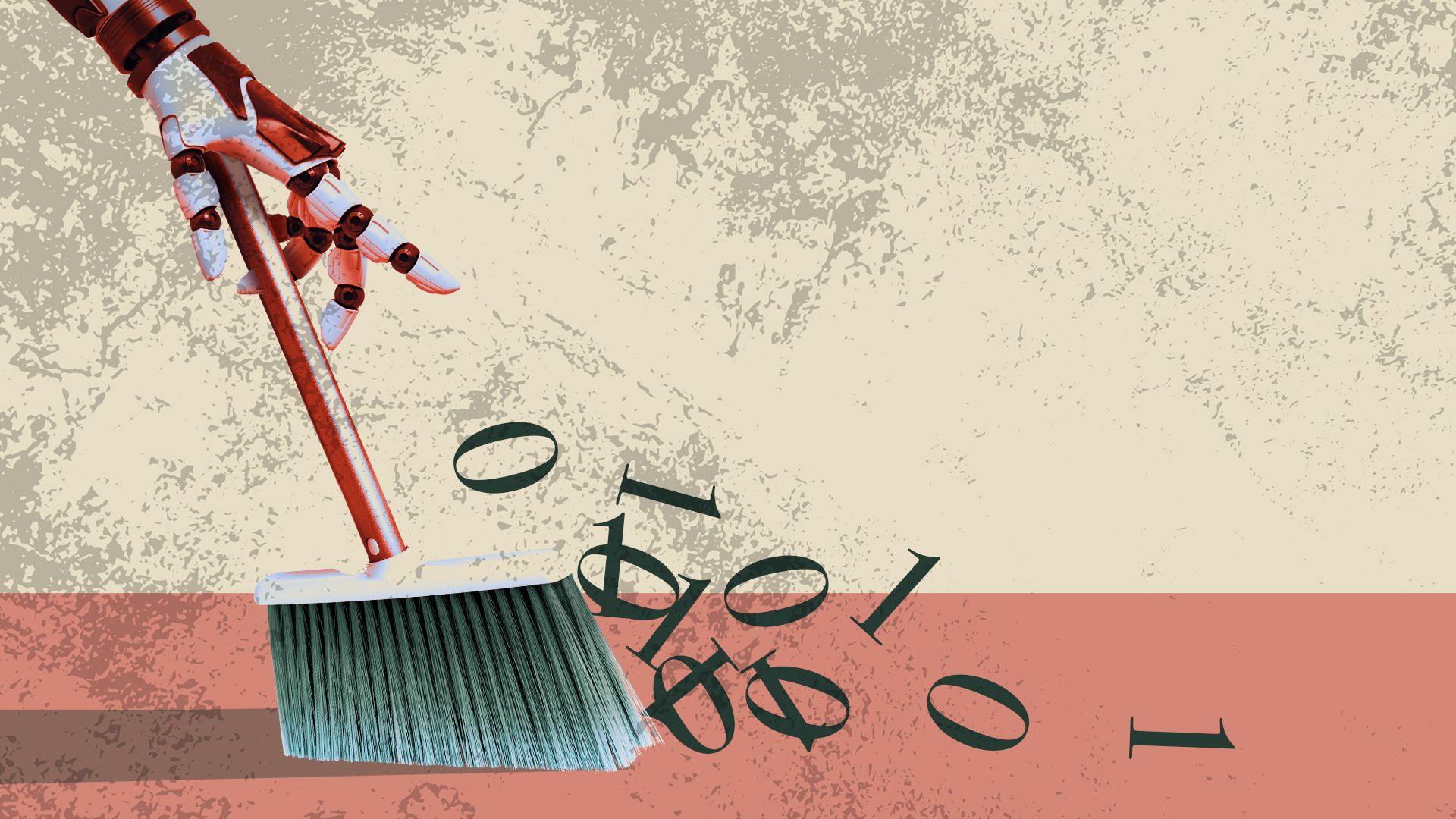
AI is moving from chat and web search to delegated work.
Why it matters: The frontier AI labs have spent years promising that effective AI agents will act as our minions in the workplace and at home, and that might soon be a reality.