Amazon says its multibillion-dollar OpenAI partnership could power consumer products with customized AI models — but it isn't saying exactly how yet.
Why it matters: While the $50 billion deal is mainly about cloud compute and chips, it could also eventually reshape how millions of people search for products, compare options and decide what to buy.
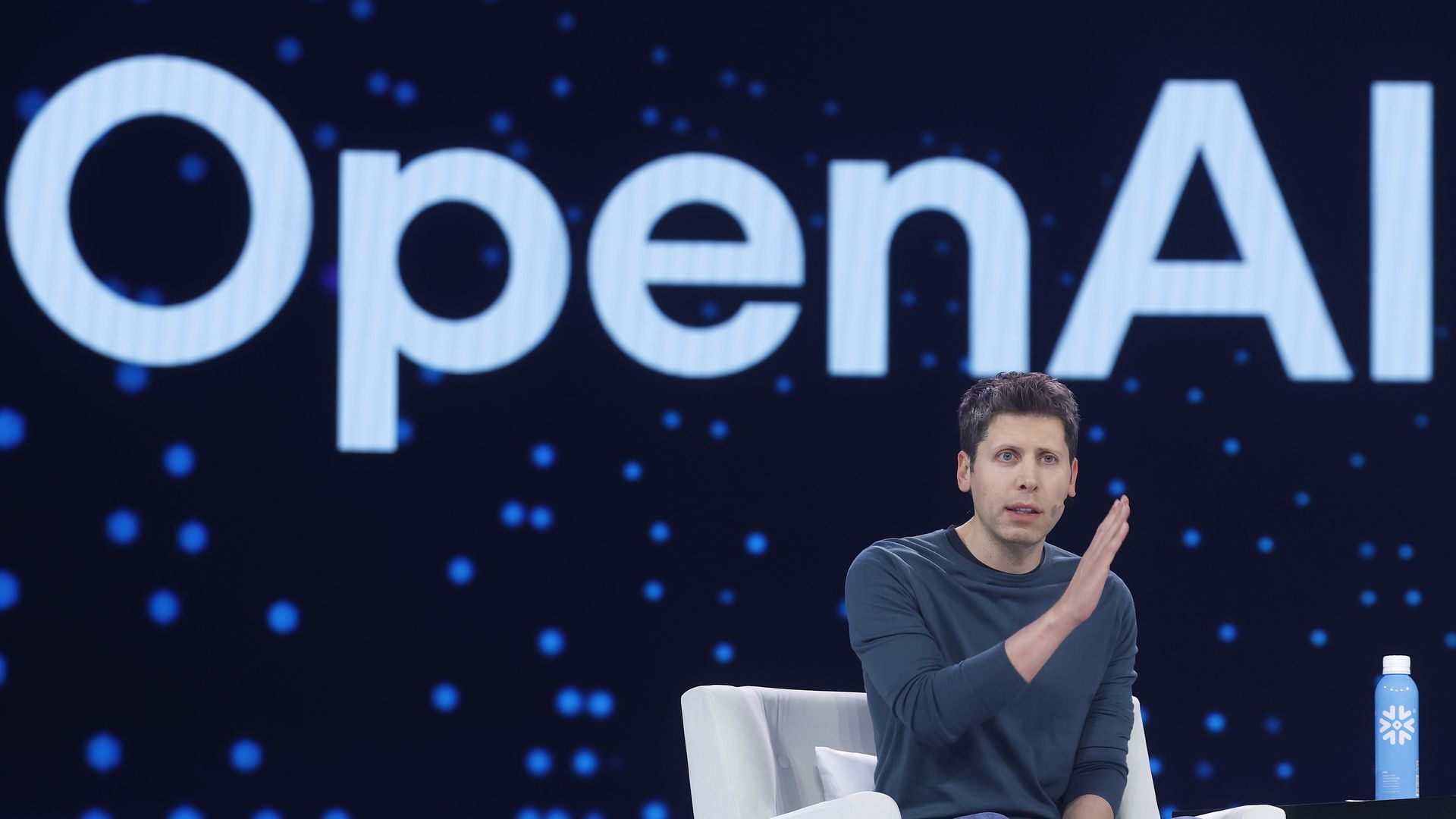
AI's biggest relationships just got more complicated — and Amazon is suddenly more firmly in the center of the drama.
Why it matters: The tech giant's new $50 billion bet on OpenAI reshuffles the AI power map, in what could amount to a win for Amazon, a loosening of power for Microsoft and potential long-term risk for Nvidia as chip competition heats up.
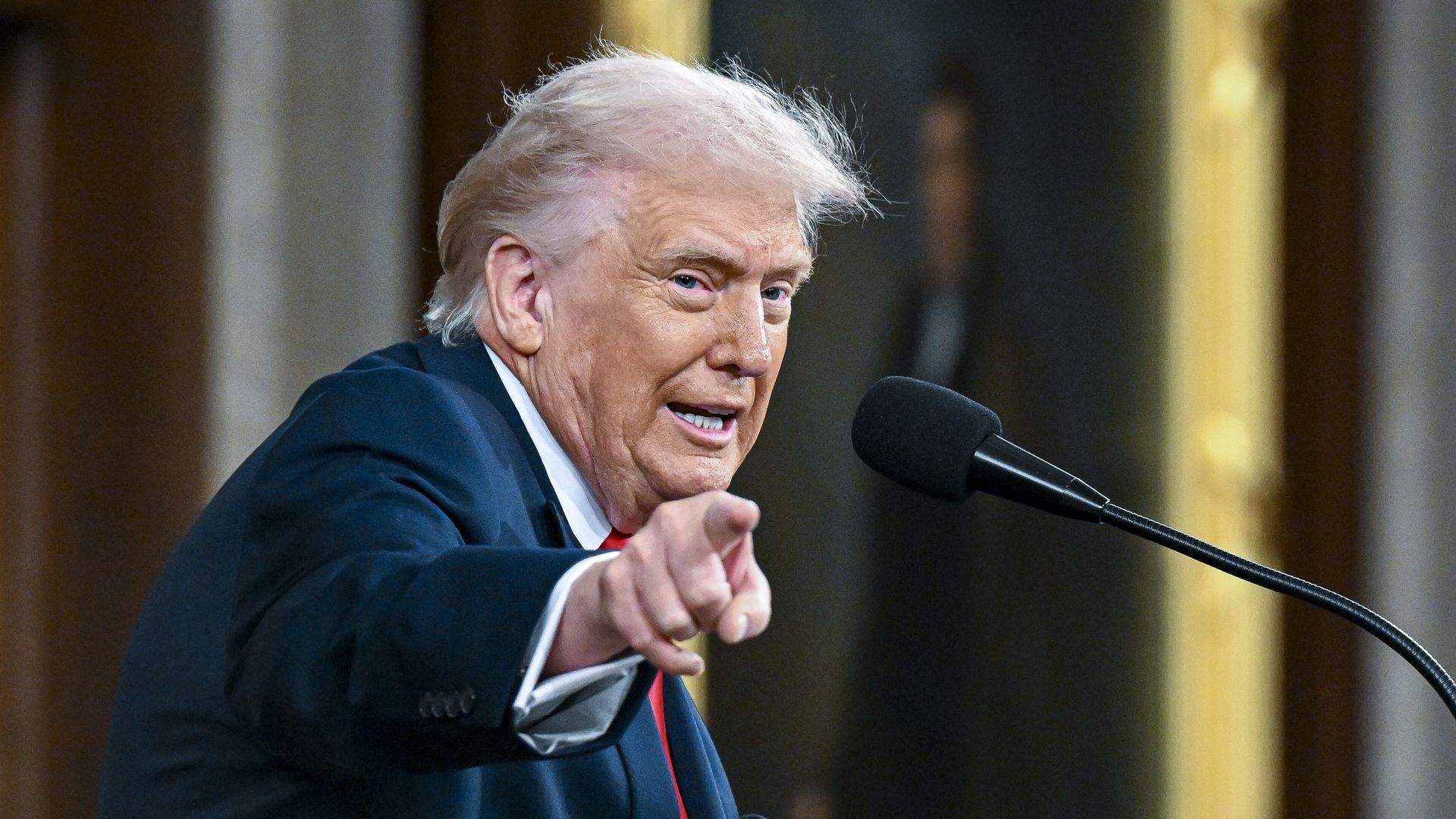
President Trump on Friday expressed frustration about nuclear talks with Iran, but said he hasn't decided yet whether to launch a military campaign.
Why it matters: With the region on high alert and growing signals that war could be imminent, Trump is maintaining ambiguity and sending messages that could be interpreted as either alarming or reassuring.
A deal with OpenAI could put Amazon first to market with a new type of AI service for developers — but the two companies will have to tread carefully to avoid running afoul of OpenAI's deal with Microsoft.
Why it matters: If successful, Amazon Web Services could land in a more enviable position at the leading edge of generative AI rather than being forced to compete mainly by delivering models more cheaply than rival clouds.
The pay gap between high-earning millennial and Gen Z men and women is shrinking compared with earlier generations. That's the good news.
Why it matters: Women are doing it by working longer hours and staying in the workforce, rather than taking timeouts for child care, a new working paper published in the National Bureau of Economic Research finds.
President Trump's proposal for retirement accounts, announced earlier this week, has some real policy chops underneath it.
Why it matters: While still vague, the plan arrives at a moment when policy wonks are rethinking how the U.S. handles retirement, one of the most feared chapters in a working person's life.
Republicans want the upcoming surface transportation bill to require EV owners to pay more. Democrats want it to address climate change. And businesses see it as a way to overhaul how federal permits are awarded.
Why it matters: With that many competing interests, there's a higher risk that Congress won't be able to pass a bill quickly —and a lapse could create funding gaps or uncertainties for fixing roads and other projects.
Target will require every cereal it sells — including national brands — to be made without certified synthetic colors by the end of May, the company exclusively told Axios.
Why it matters: The shift puts Target among the first national retailers to remove the additives across an entire grocery category — compelling major cereal makers to reformulate if they want shelf space.
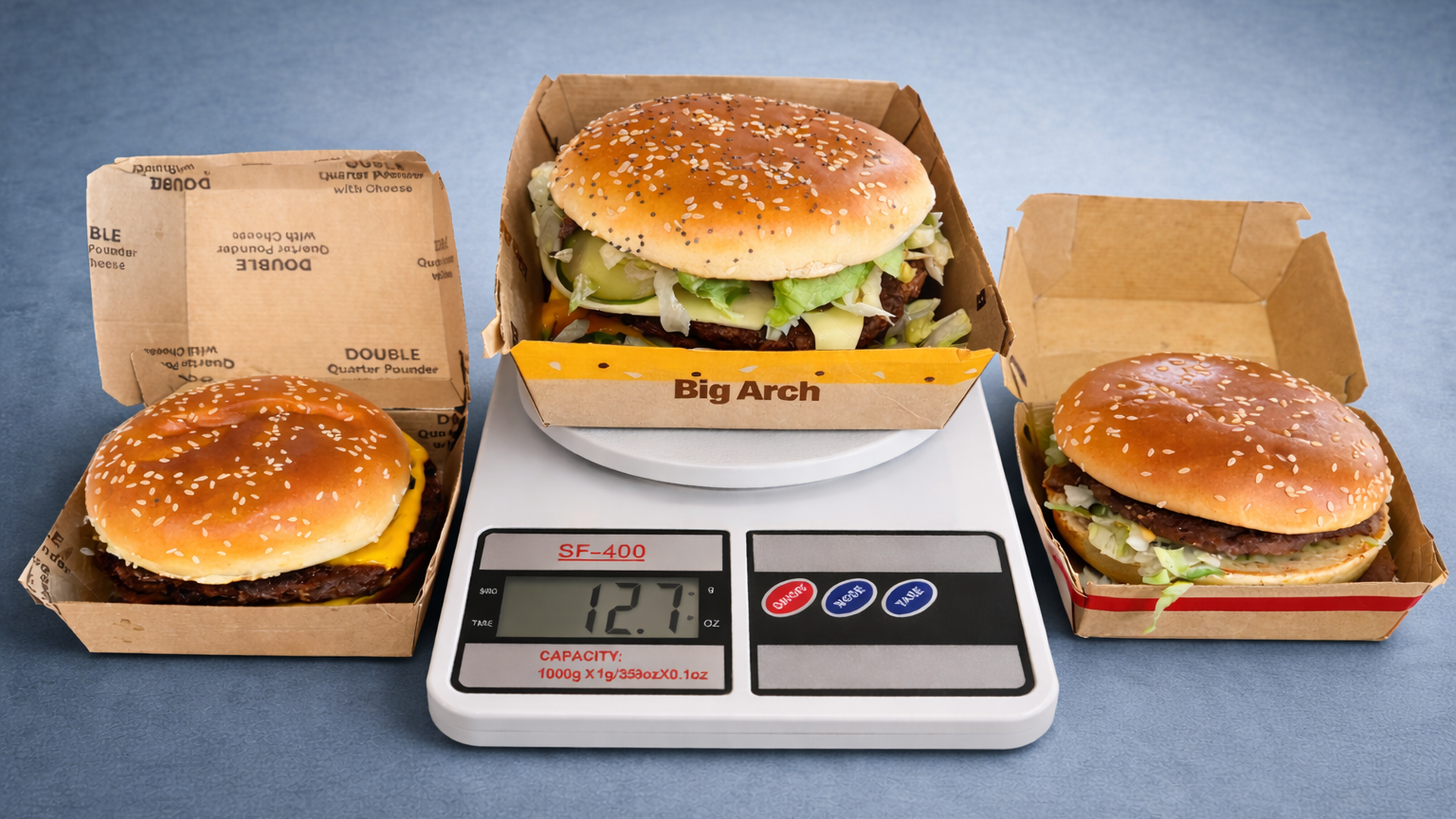
Fast food giants are escalating the beef — rolling out bigger burgers and upgraded classics as they fight to revive traffic in a price-weary fast-food market.
Why it matters: After years of price hikes and softening traffic, chains are out to prove their burgers are still worth the cost — by going bigger (more beef, more cheese, signature sauces) or going better (upgrading the classics customers already know).
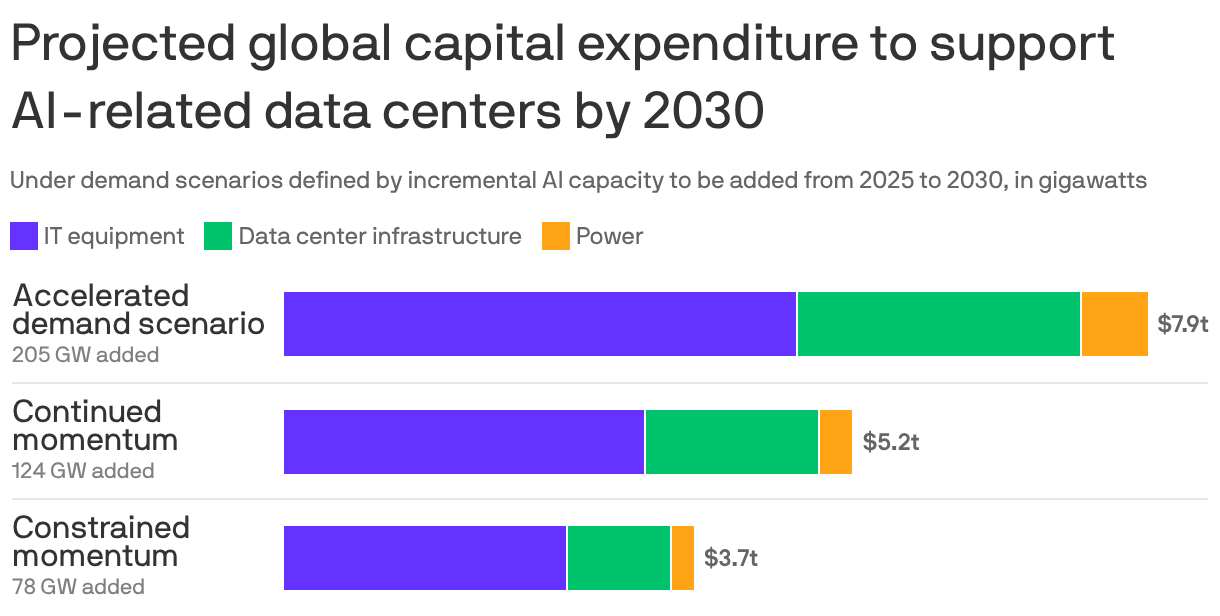
Even with rising costs, power is a small slice of what Big Tech spends on data centers.
Why it matters: This is why deep-pocketed tech companies are voluntarily offering up pledges to pay for their own power. To them, it's just not that much money.
In repeatedly rebuffing takeover offers from Paramount Skydance, Warner Bros. Discovery's board managed to create one of Hollywood's most dramatic and lucrative bidding wars, ultimately elevating the company's stock price and leading to a $31-a-share deal with Paramount.
Why it matters: If the deal ultimately gets approved by regulators and goes through, Warner Bros. Discovery CEO David Zaslav will have cemented his legacy as one of the savviest media dealmakers of all time.
It was only a matter of time before a future-thinking CEO took the leap and replaced thousands of workers with AI.
Block's Jack Dorsey did just that Thursday, and Wall Street's standing ovation gives other CEOs permission, or even an incentive, to consider the same thing.
Seven years ago, after my husband of 28 years died suddenly, I was sitting at my kitchen table with my not-quite-adult kids and my rabbi. I kept repeating, "What do I do now?" Rabbi Andy didn't know what I was asking — "You mean spiritually?"
No. I meant what do I actually do? How do I take care of this family?
Netflix said Thursday that it won't raise its bid for Warner Bros. Discovery's streaming and studio assets, allowing Paramount Skydance to emerge as the winning bidder.
Why it matters: The statement came shortly after WBD's board announced that Paramount's revised bid of $31 per share was superior to its deal with Netflix.