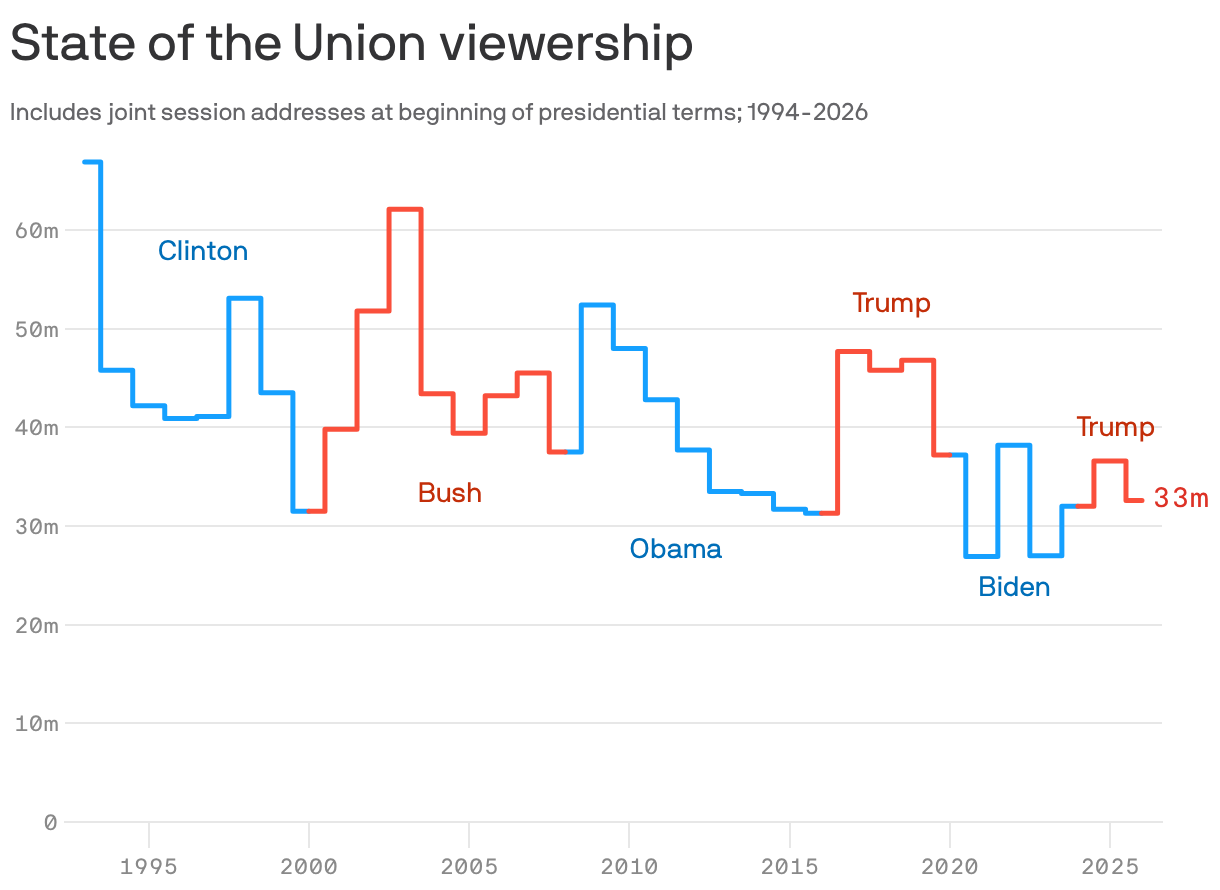
More than 32 million people watched President Trump's State of the Union address Tuesday night, down from the roughly 36 million that tuned in to last year's address to a joint session of Congress.
Reality check: It's also down significantly from the 45 million that tuned in to his address in 2018 during the second year of his first term.
With investors on edge over who will thrive — and who could lose — in the coming AI economy, a pair of stock reactions Thursday suggest a tentative recalibration.
The big picture: The AI trade is splitting in two. Infrastructure must clear impossibly high bars. Software is getting some room to prove it can turn AI into durable revenue. The feared "SaaSpocalypse" hasn't materialized — but neither has unquestioned growth.
State Farm, the nation's largest auto insurer, has lowered insurance rates and is issuing an average dividend of $100 per vehicle to policyholders.
Why it matters: Insurance rates skyrocketed during the pandemic, when vehicle prices spiked, but prices have since cooled off amid falling repair costs.
Data: Patino Associates and CASA report; Chart: Sara Wise/Axios
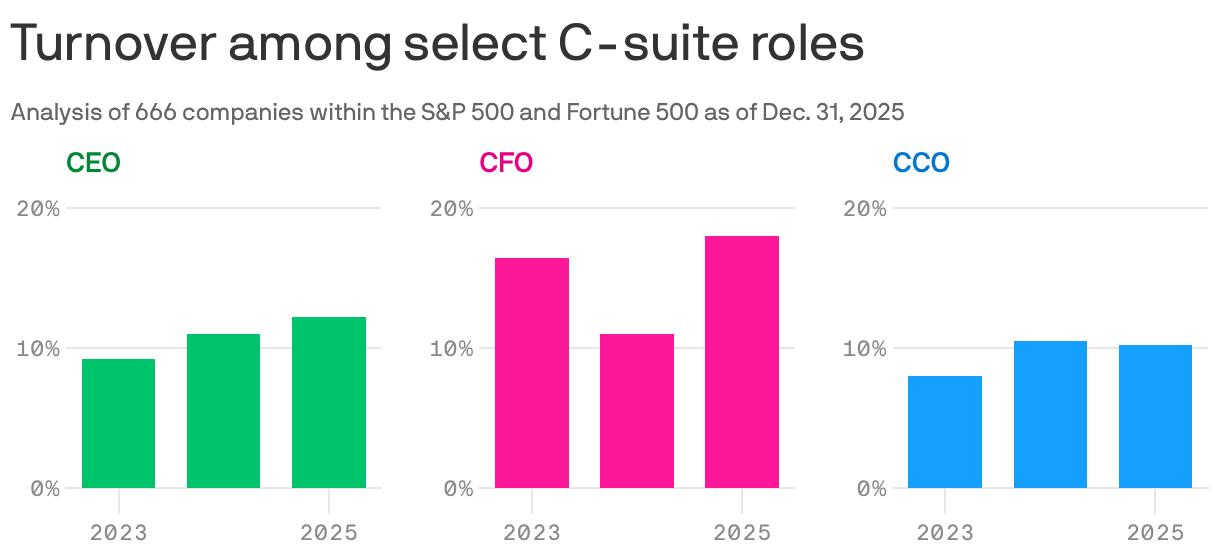
Even with a record number of CEO exits, turnover among chief communications officers has stabilized, according to a new report from Patino Associates and CASA.
Why it matters: CCOs are being seen as the steady hand who can help with continuity amid economic uncertainty, geopolitical tension and AI transformation.
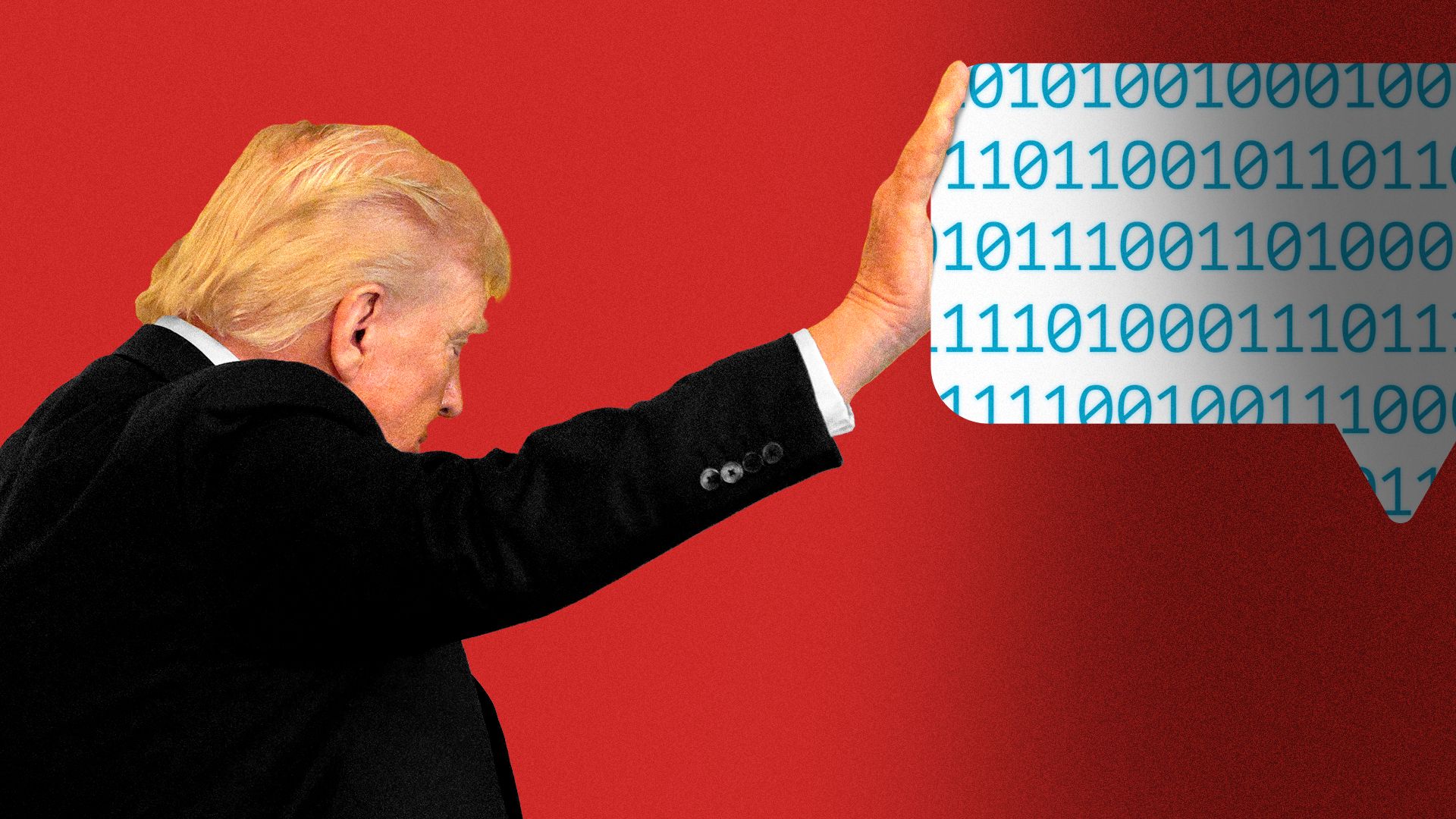
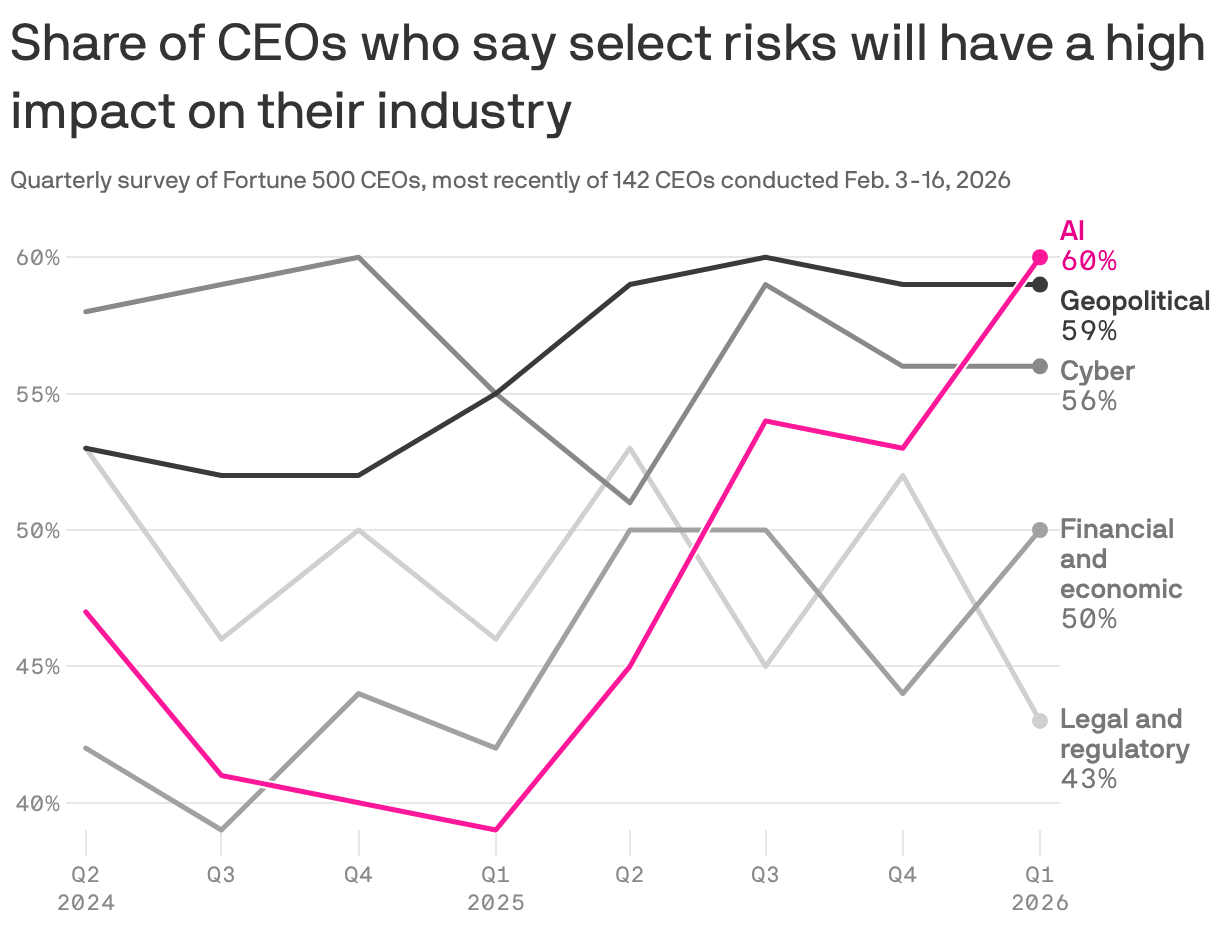
Why it matters: AI is increasingly likely to upend how every American lives and works (or doesn't work), yet Washington, D.C. is mostly ignoring the long-term implications.
Victory Capital on Thursday offered to buy London-based asset manager Janus Henderson Group for around $8.5 billion, topping a $7.4 billion bid last December from Trian Fund Management and General Catalyst.
Why it matters: This could scuttle the latest expansion plans for General Catalyst, which has evolved from a pure-play VC shop into a diversified financial firm with IPO ambitions.
The Washington Post is launching a new creator-led newsletter on Beehiiv as part of its newly announced WP Creator initiative.
Why it matters: The Post is the latest legacy media outlet to turn to Beehiiv as a way to expand reach and regain relevance by meeting readers in their inbox.
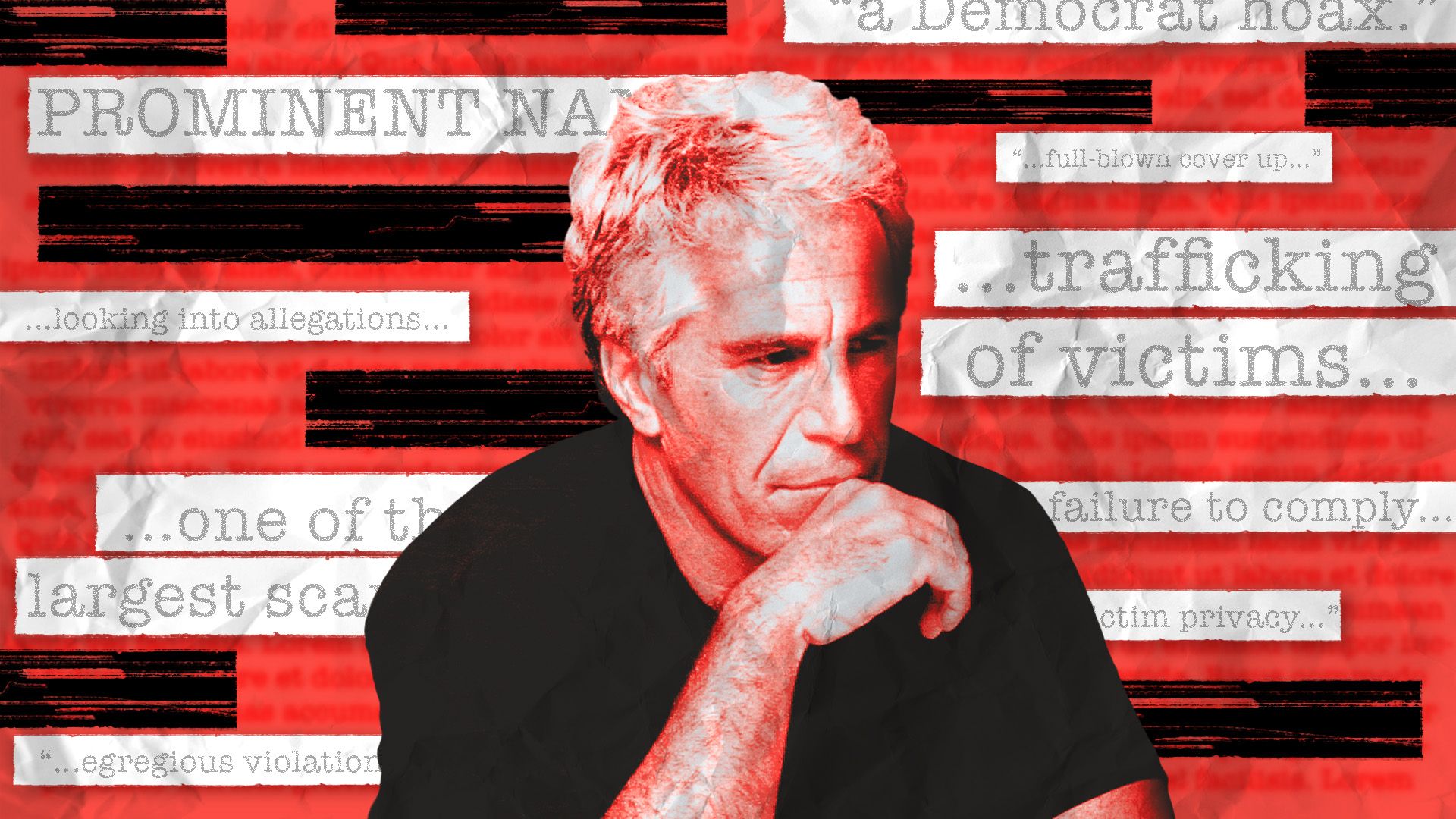
World Economic Forum leader Børge Brende announced his resignation Thursday, the latest casualty of the Epstein files fallout rocking business, politics and academia.
The big picture: The files have captured some of the world's most powerful people in a far-reaching shadow of shame, effectively ending the careers of captains of industry, academic big shots and prominent politicians. And the dominoes keep falling.
The Athletic is hiring a slew of sports reporters from the Washington Post to expand its coverage of D.C. teams.
Why it matters: The New York Times is seizing an opportunity to grow as the Post shrinks, deepening its sports bench and reaching fans in a key local market.
Supremacy can be fleeting in the highly competitive AI race. But two months into 2026, Anthropic's Claude is upending U.S. national security, roiling financial markets and redefining how startups are built.
Why it matters: The company is in the middle of the most important fight of the era — how much power to give AI in the face of threats, real and virtual.
At the Winter Olympics this year, I added a new title to my reporting job: credentialed photographer.
The big picture: The gig gave me a literal front-row seat to history in Milan. Covering my third Olympics for Axios, it also dealt me a learning curve I had to navigate for more of the events than in past years.
Armed with some of the best gear on earth, I still felt like a novice — fumbling the focus, missing split-second moments, wondering if I was in over my head.