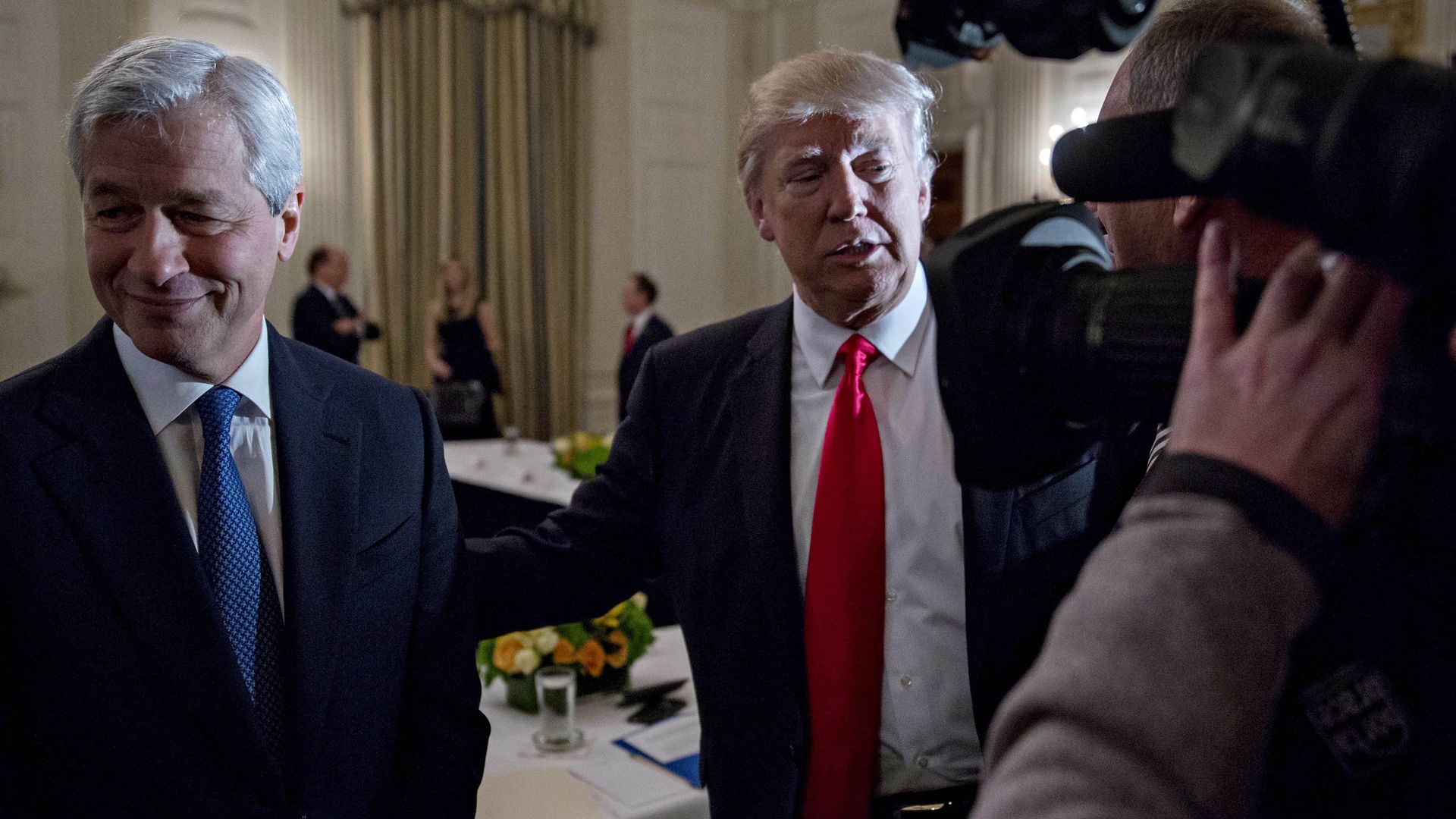
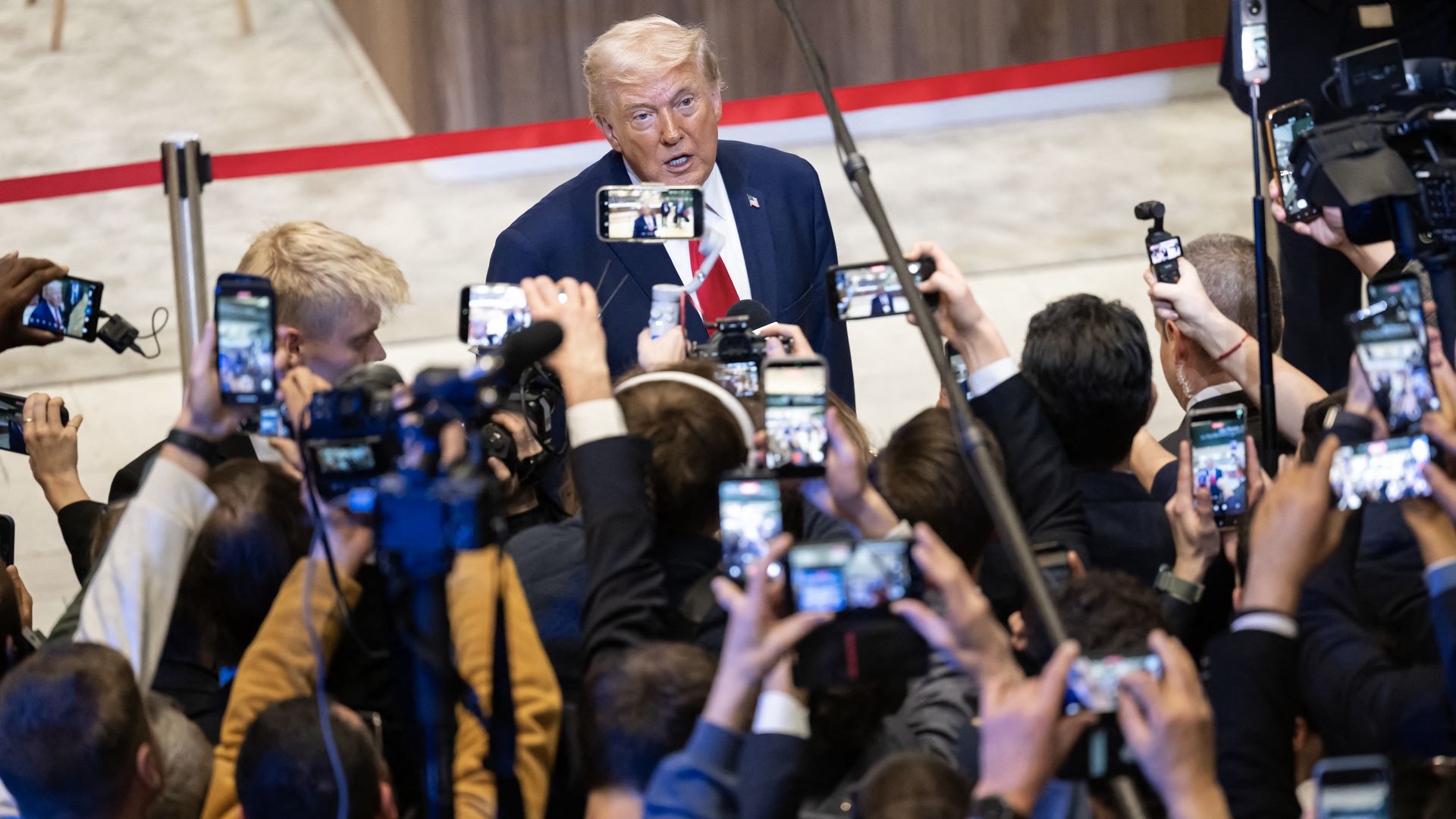
President Trump on Thursday sued JPMorgan Chase and its CEO Jamie Dimon, the latest jab in the president's hot-and-cold relationship with the largest bank in the U.S. and the man who runs it.
The big picture: Trump has maintained a relatively cordial relationship with Dimon during his second administration, but the lawsuit escalates the president's ongoing war with banks, which he has claimed, without evidence, have discriminated against conservatives.
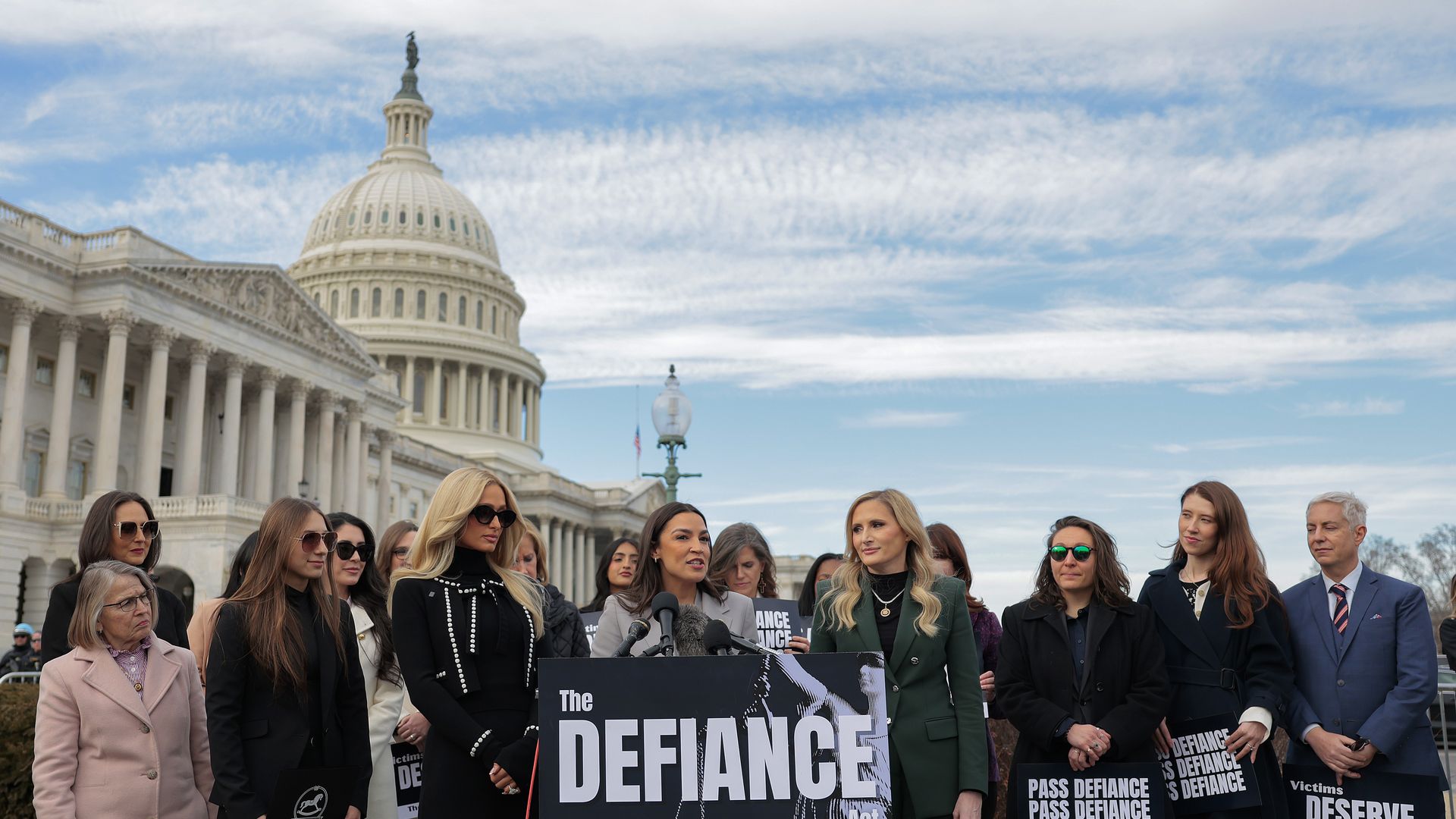
Paris Hilton is backing a bipartisan bill to make it easier for victims of deepfakes to sue, speaking out Thursday alongside lawmakers and advocates on Capitol Hill.
Why it matters: A surge in nonconsensual sexualized images targeting women and children is fueling calls for stronger legal protections.
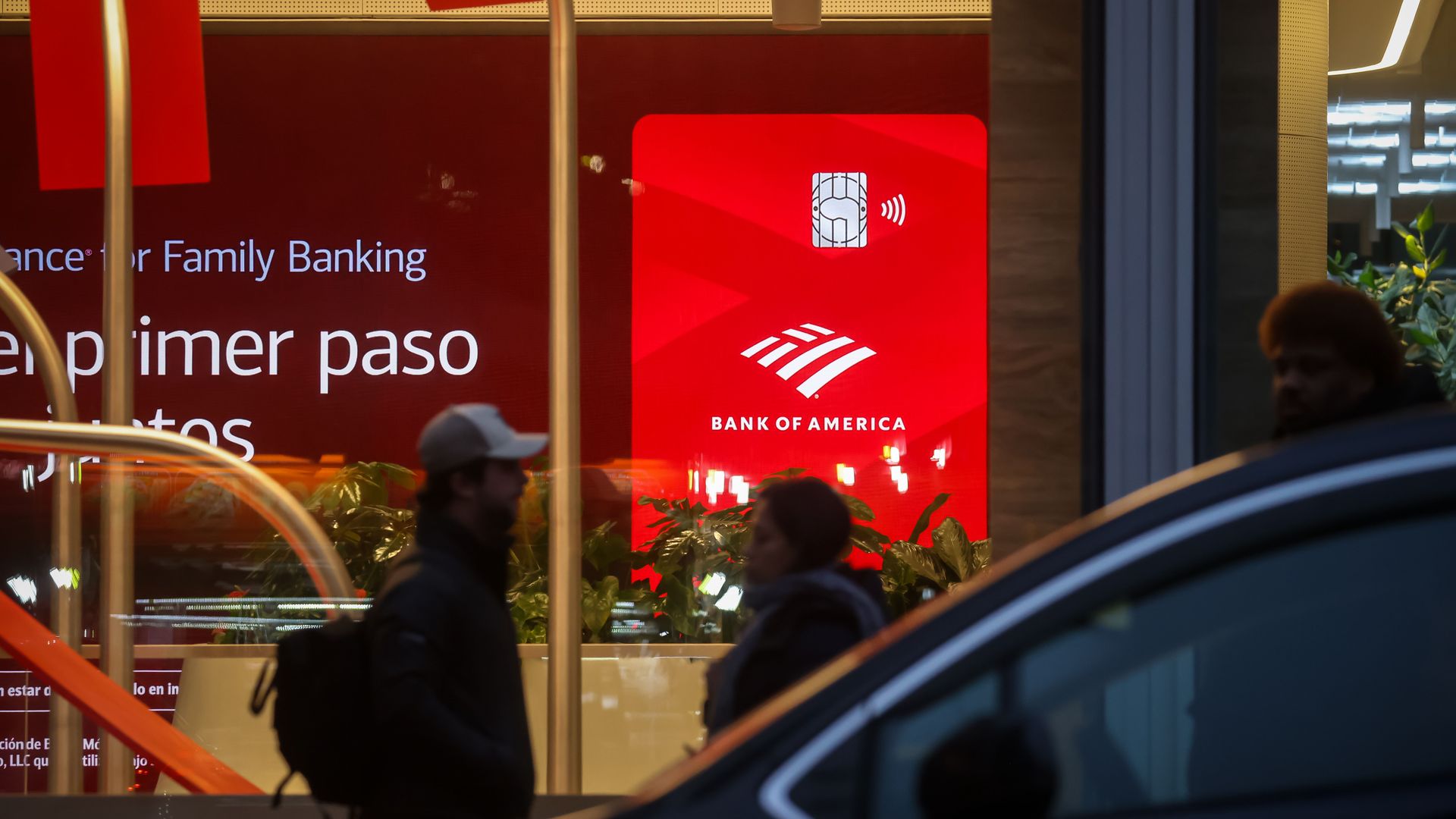
Bank of America is weighing offering a credit card with a 10% interest rate cap for one year after President Trump backed a temporary ban on higher rates, according to a person familiar with the matter.
Why it matters: Trump shocked Wall Street by aligning with key Democrats on a policy proposal that would sharply limit how banks profit from credit card borrowers.
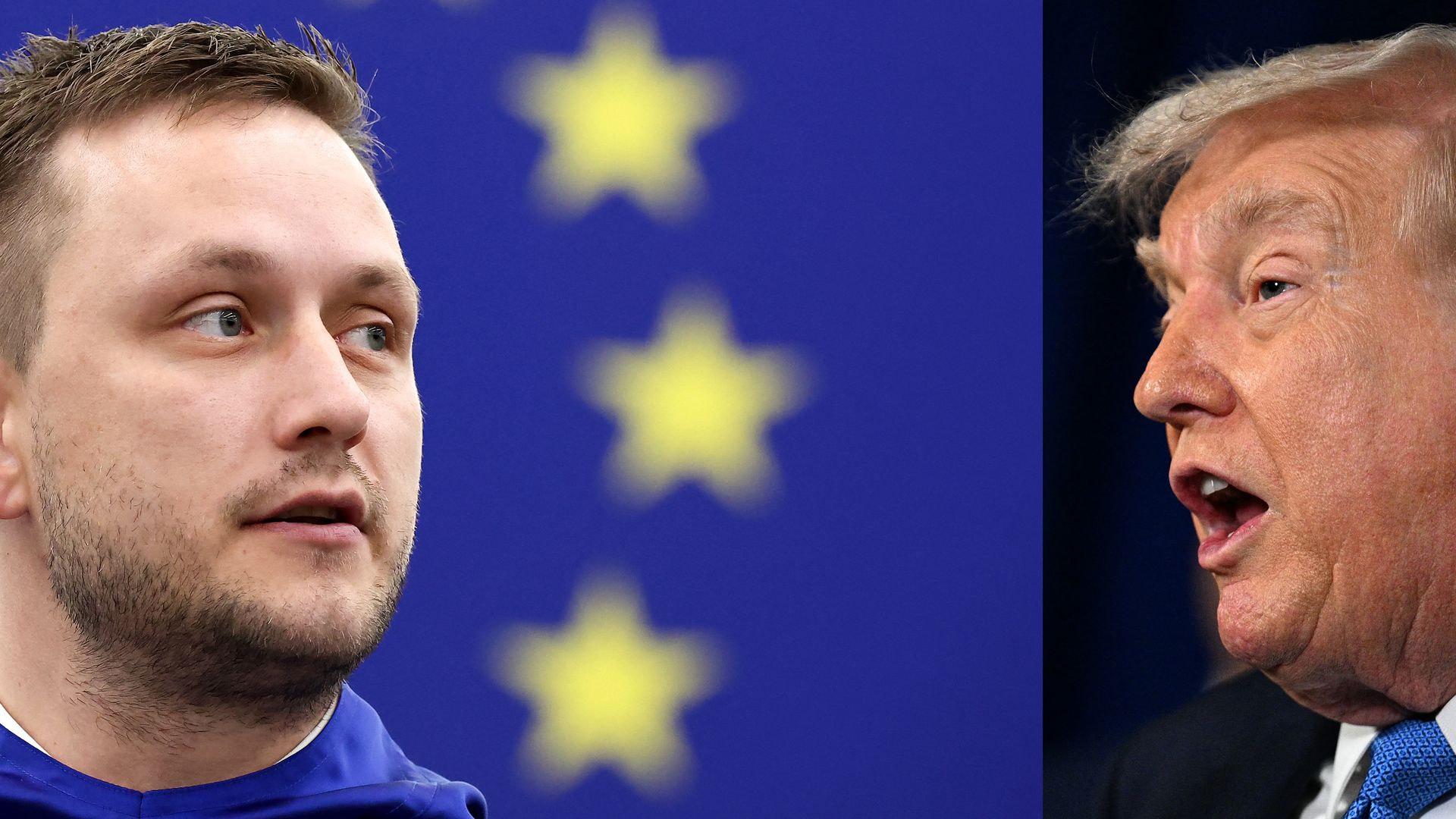
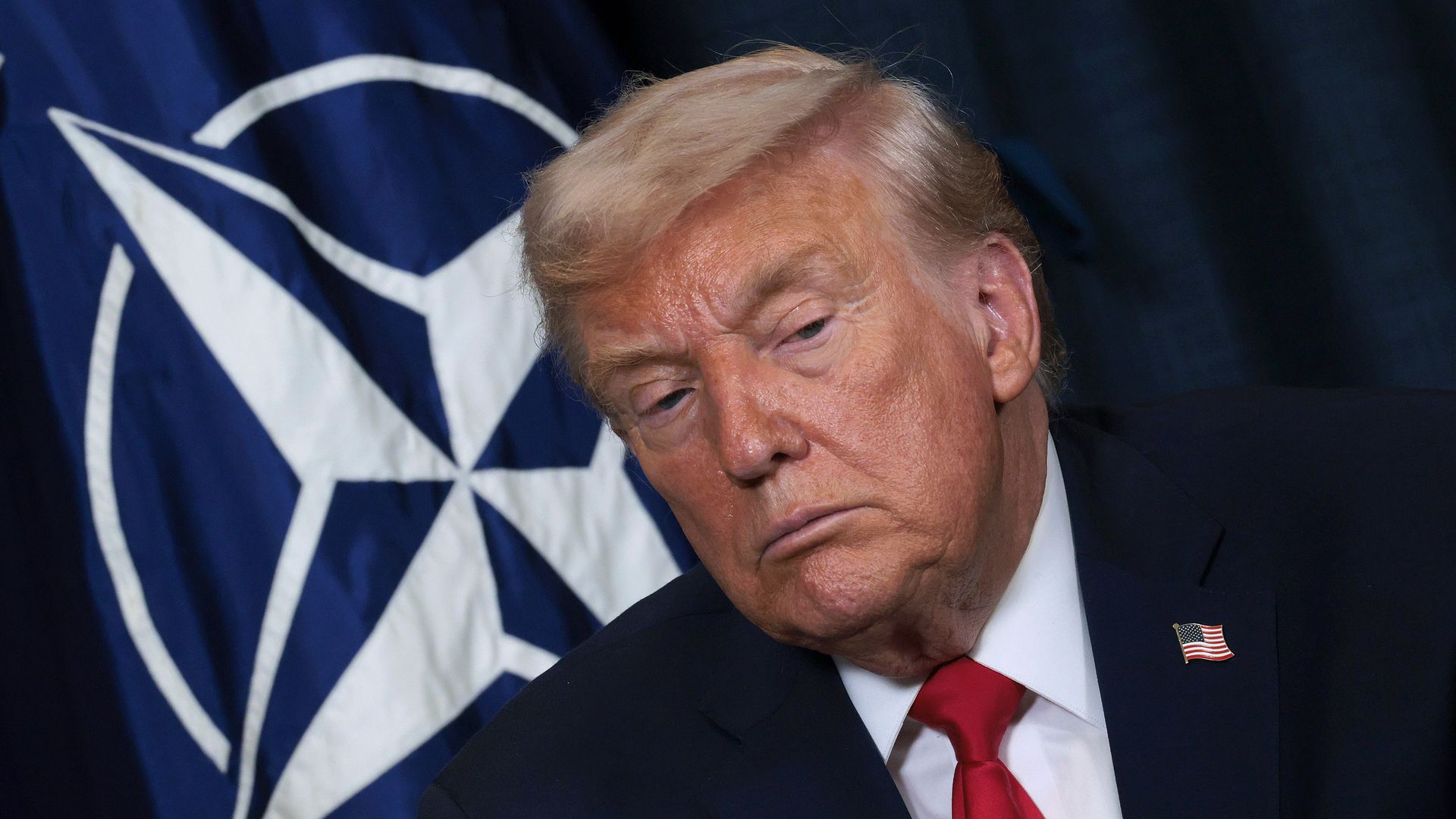
Greenland Prime Minister Jens-Frederik Nielsen said he doesn't know what's "concrete" in the deal President Trump and NATO Secretary General Mark Rutte discussed yesterday, stressing that nothing could move forward without Greenlandic support.
Why it matters: Trump has called the proposal the "ultimate long-term deal" that gives America "everything we needed," but Nielsen being left in the dark about the details risks undermining any solution.
President Trump on Thursday sued JPMorgan Chase and its CEO Jamie Dimon for up to $5 billion, alleging the bank improperly cut him off from its financial services.
Why it matters: Trump's attorney Alejandro Brito in Thursday's lawsuit claimed that JPMC's "woke beliefs" caused the company to distance itself from Trump and his "conservative political views," — an allegation Trump has maintained since the bank closed his accounts after the Jan. 6 Capitol riot.
Since taking office roughly a year ago, President Trump has increasingly inserted himself into the inner workings of American businesses.
Why it matters: Corporate America is well-versed in managing pressure from NGOs, activist investors and the media. What's new is the need to respond in real time to the whims of a single political figure with an enormous megaphone.
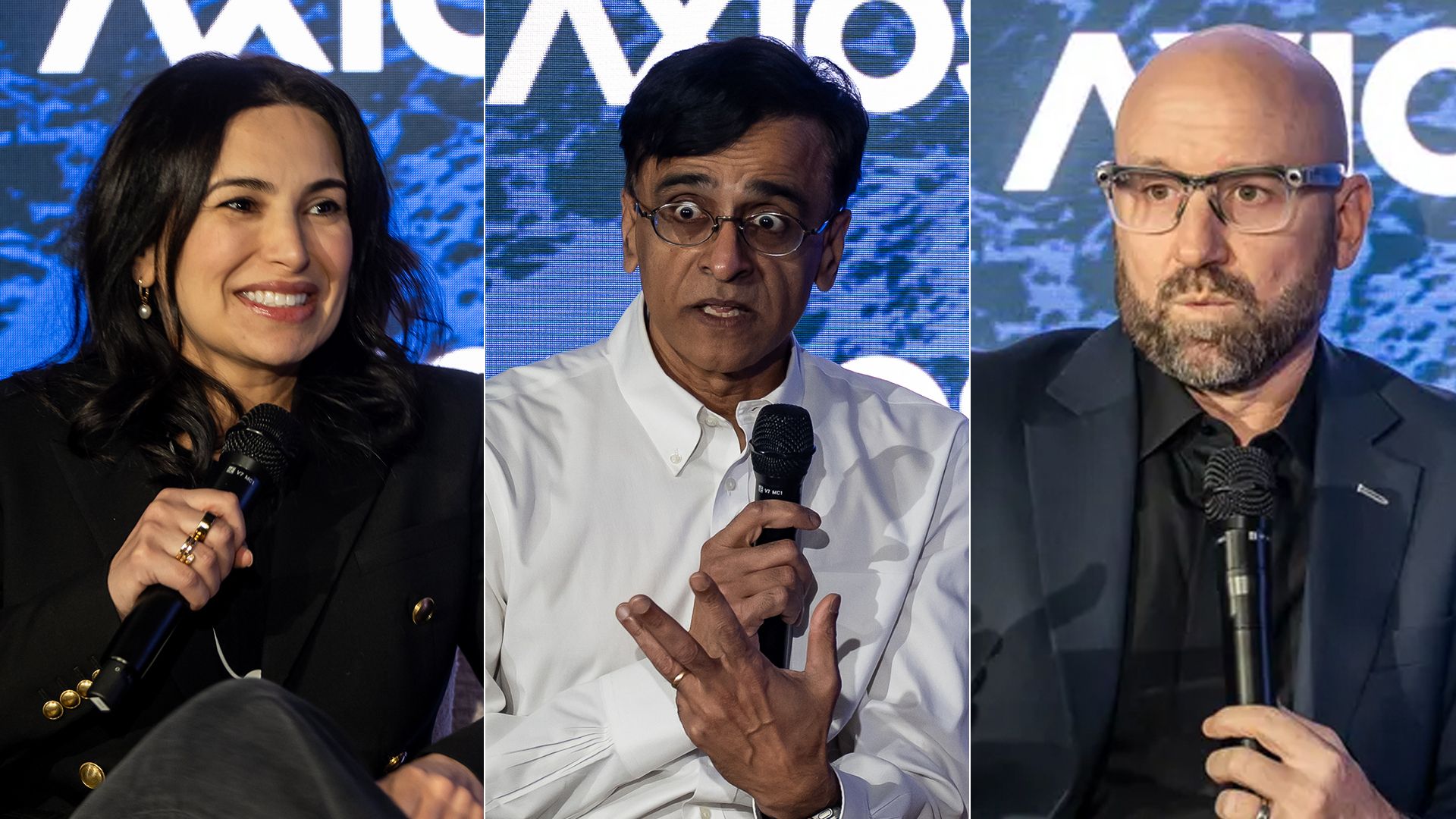
FHS Capital Partners — an investment firm launched by communication industry veterans Bob Feldman, Bill Heyman and Don Spetner — has added Dave Samson, Gulden Mesara and David Kyne as partners, Axios is first to report.
Why it matters: This expansion signals there will more investment in the communications industry, especially as boutique advisories and comms tech platforms flood the market.
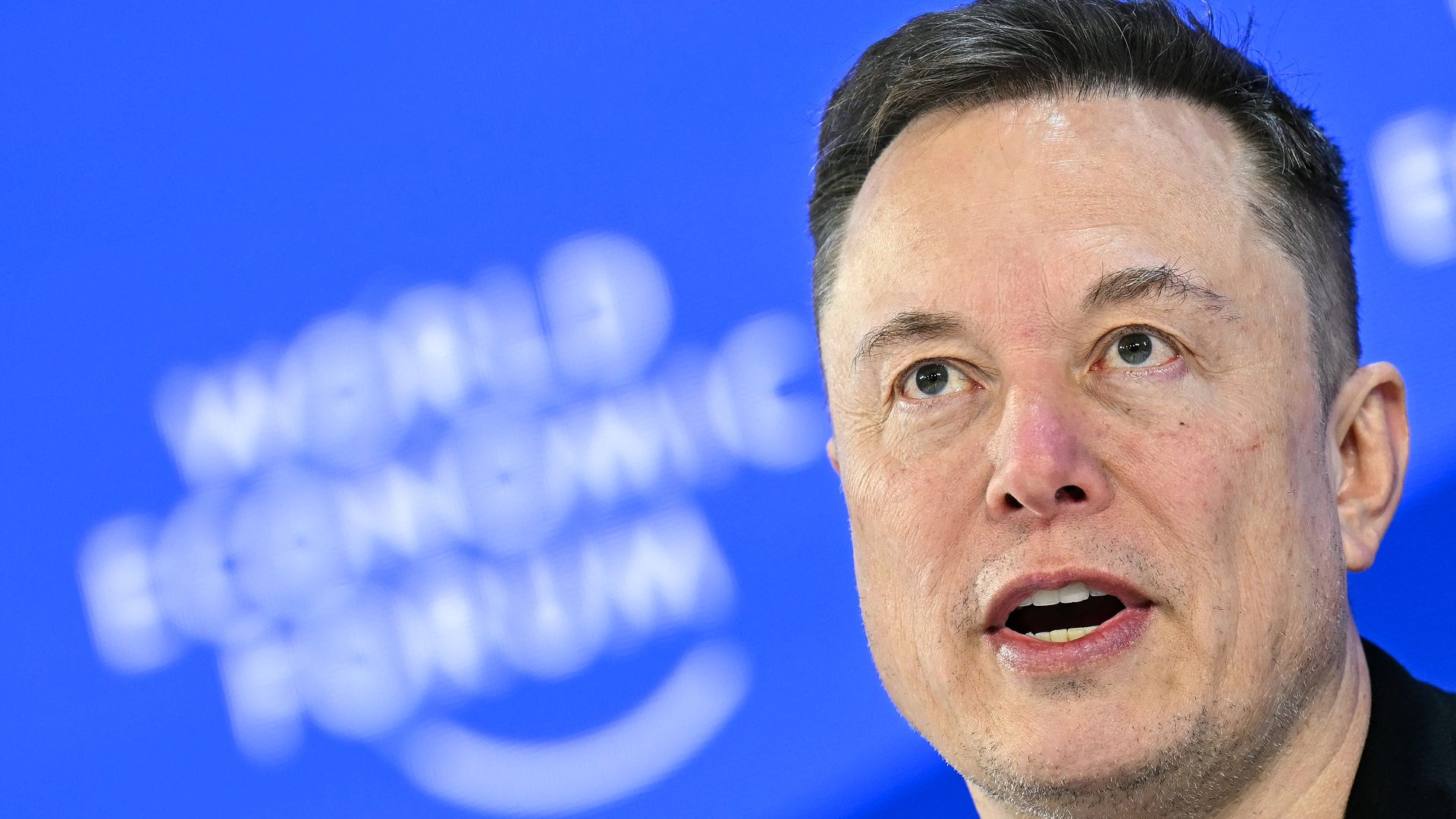
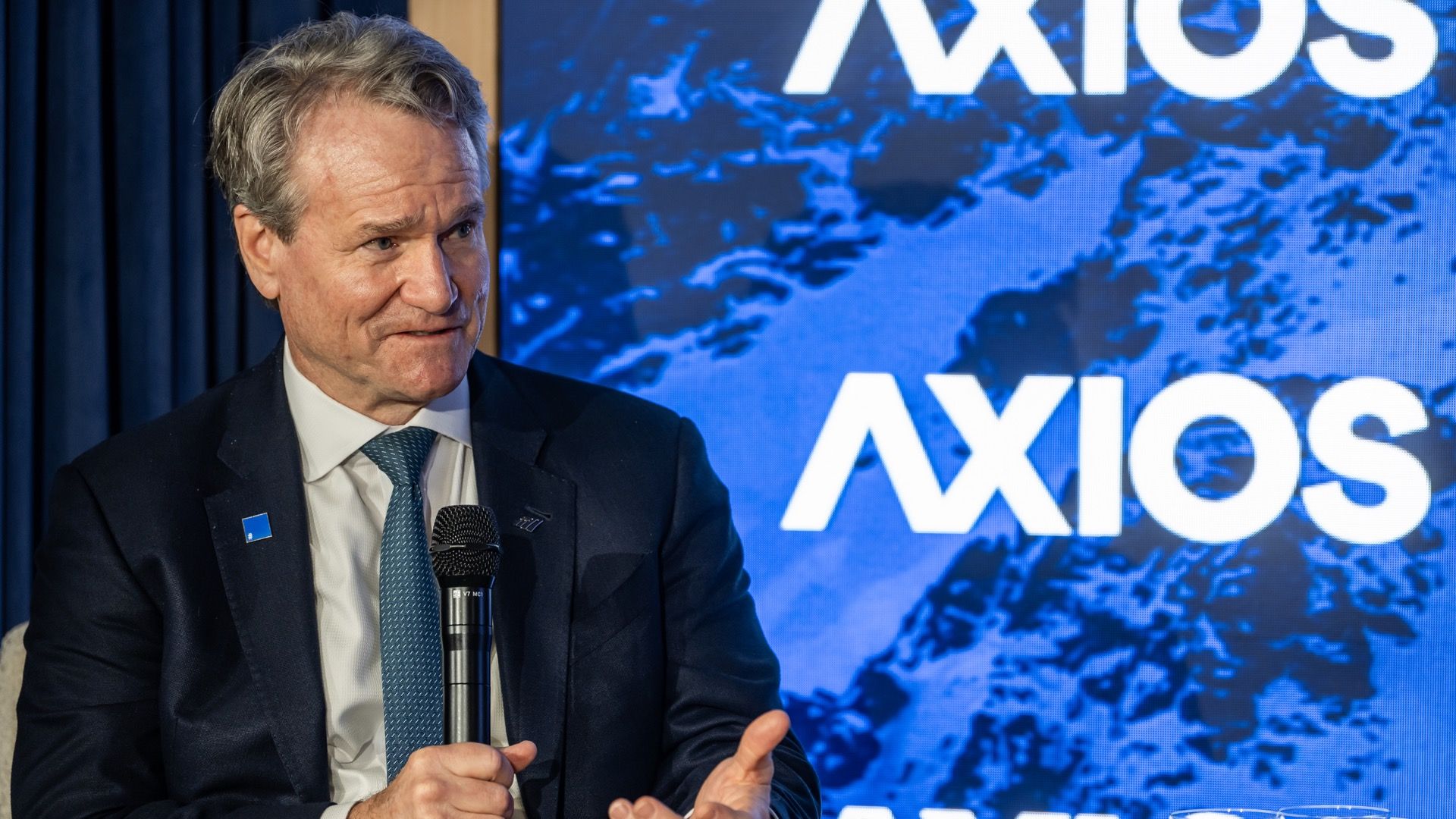
Bank of America CEO Brian Moynihan is bullish on America's economy, he said at Axios House in Davos on Thursday.
The big picture: His thesis a year ago — that lower regulation and lower taxes would offset any negative impact of tariffs — has largely proven out, he told Axios' Mike Allen and Courtenay Brown on stage.
The TACO trade is still a spicy one, as seen in the sudden stock market rally Wednesday, after President Trump dropped his threat to impose tariffs on eight European allies over Greenland.
Why it matters: Yet if investors always assume Trump will "chicken out" on market-unfriendly policies, they will have removed one of the major causes of the president backing down: themselves.
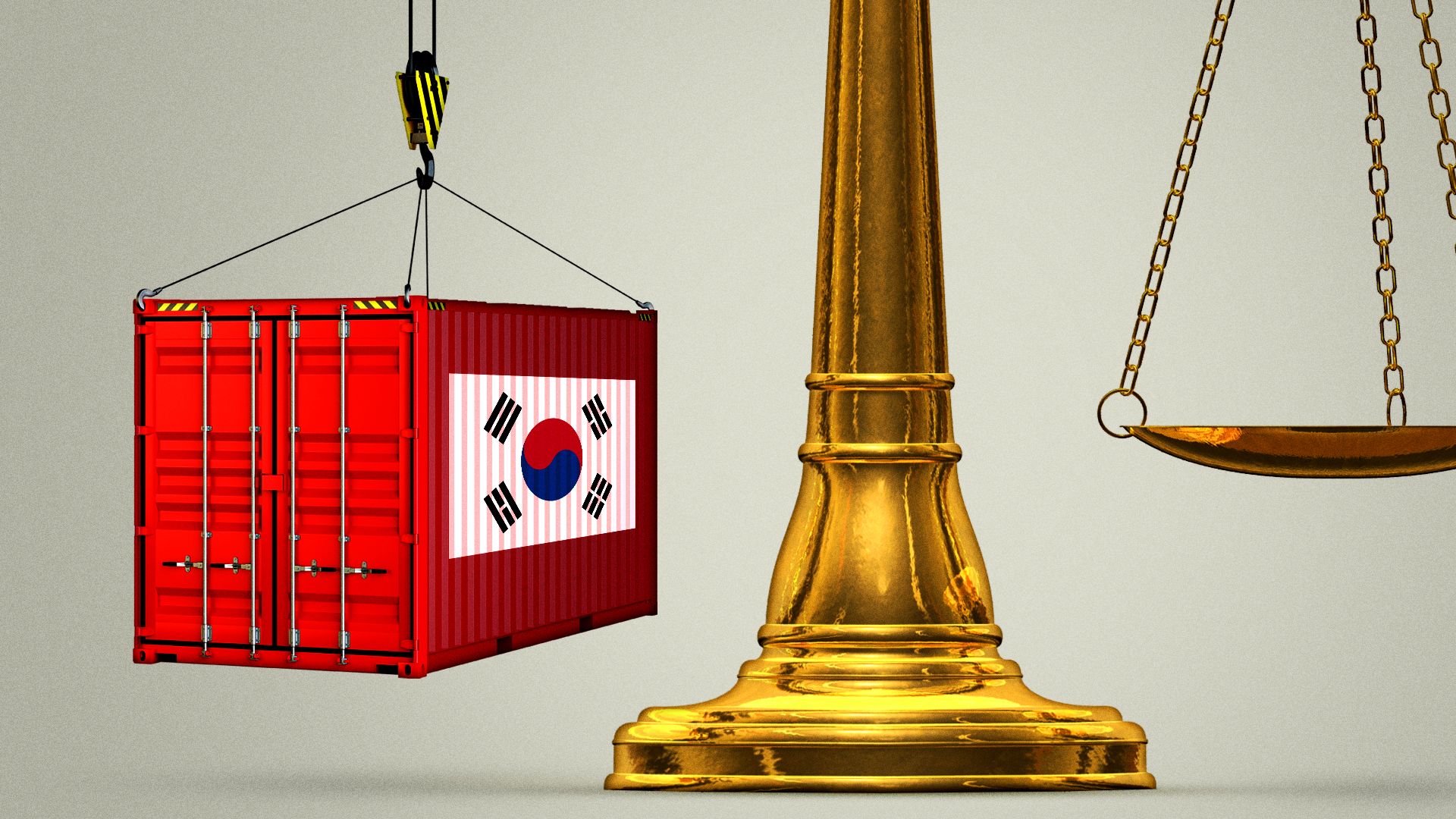
Silicon Valley investment firms Greenoaks and Altimeter on Thursday filed arbitration claims against South Korea's government, arguing that it has acted unlawfully toward e-commerce giant Coupang.
They also asked the U.S. Trade Representative to investigate.
Why it matters: It's highly unusual for U.S. venture capitalists to sue foreign governments, and their move could drive a wedge between Washington and Seoul.
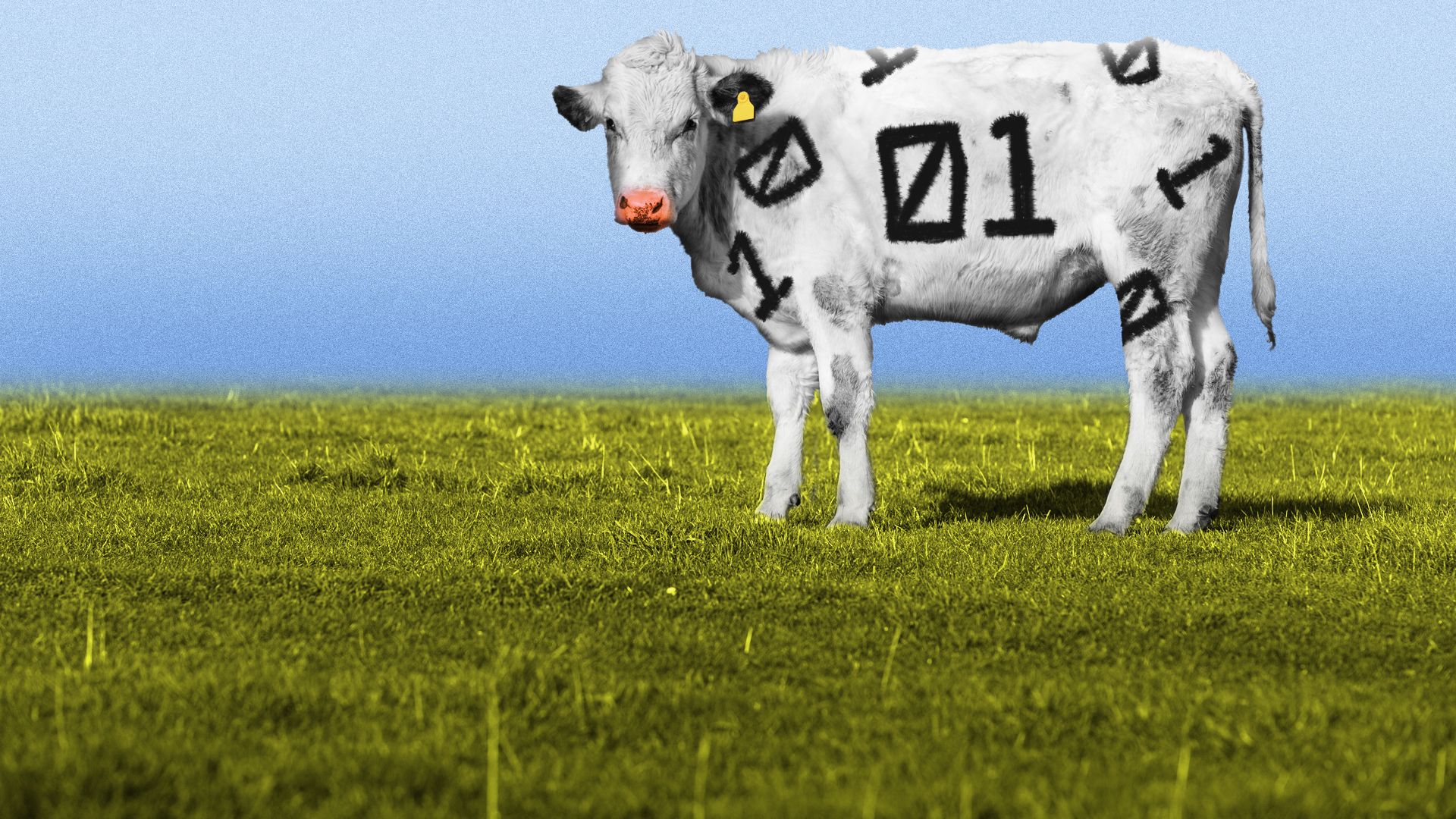
Cowboys in the American West are increasingly managing cattle not just from horseback, but from smartphones and with artificial intelligence.
Why it matters: AI won't be the end of cowboys. But AI-adjacent tools help fewer people manage more land, quietly redefining the job by turning cattle, fences and water systems into data streams.
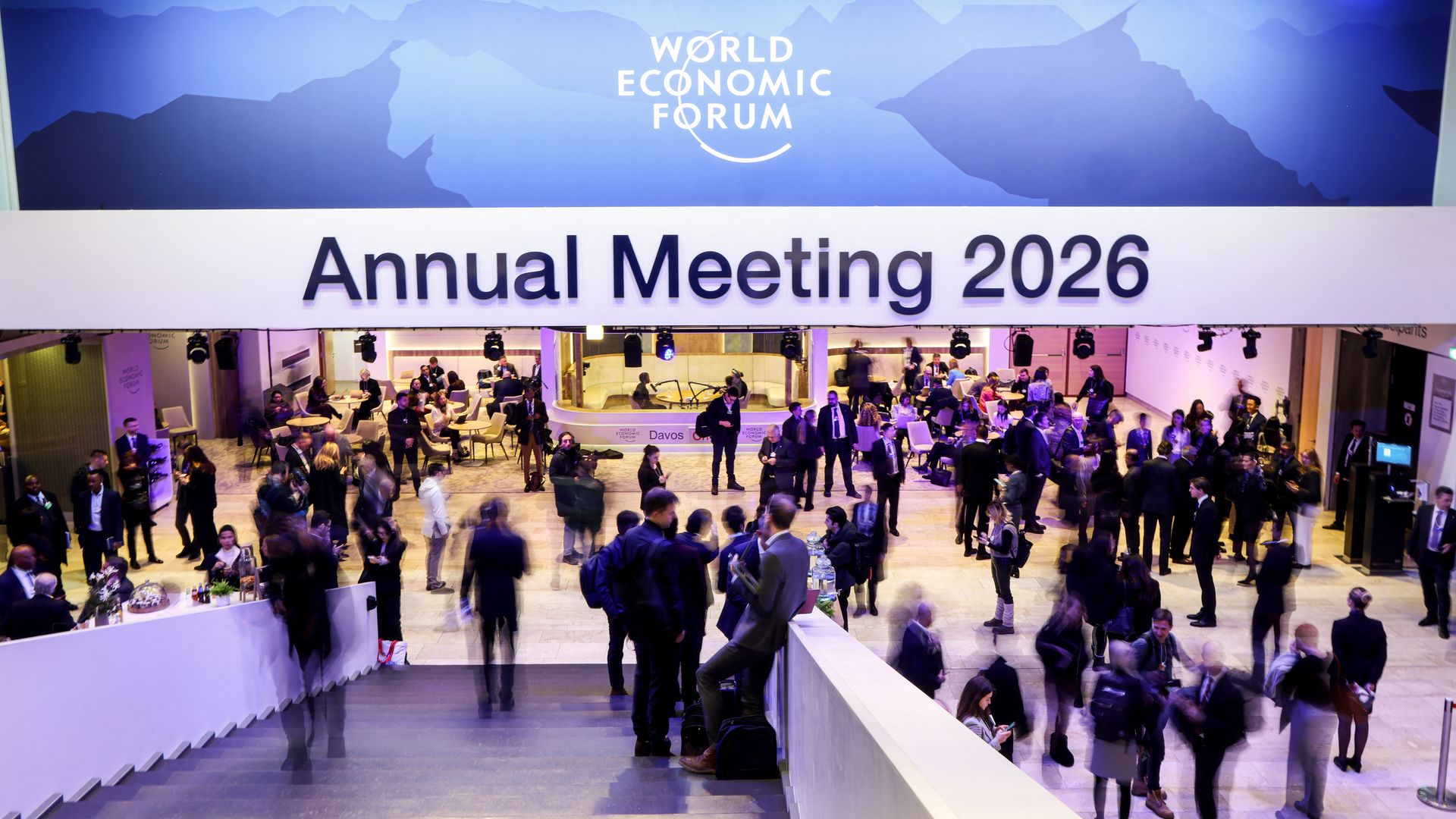
There may be an AI bubble forming, but everyone in Davos is convinced they won't be the ones left holding the bag.
Why it matters: Businesses are investing almost unfathomable sums in AI, but there is a growing sense that at least some companies won't be able to recoup their massive investments.
DAVOS, Switzerland — A four-day Greenland crisis that roiled global markets, endangered the transatlantic alliance and dominated Davos ended Wednesday the same way it began: with a post on Truth Social.
Why it matters: Details remain thin on President Trump's "framework of a future deal" with NATO, but the immediate crisis appears defused in a way that allows virtually every party to claim a win — or at least take a breath.