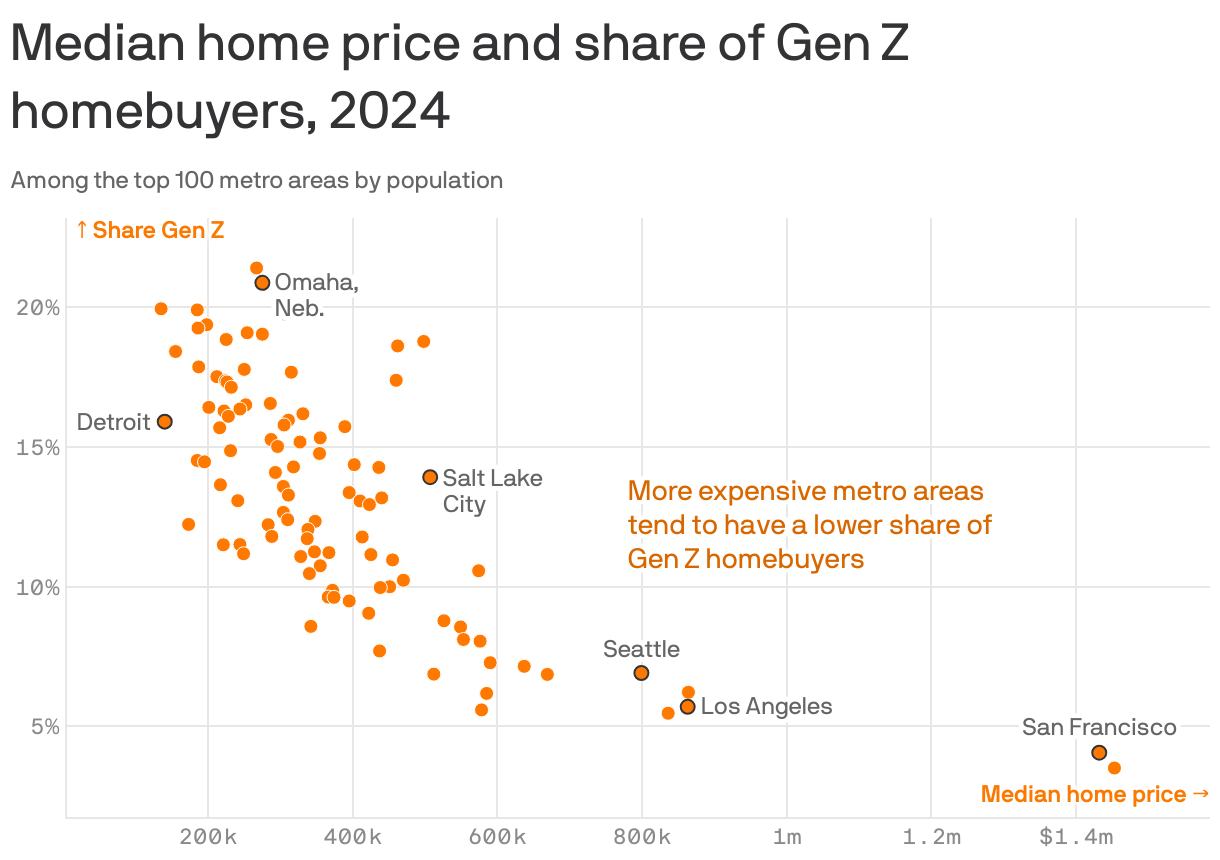
More Gen Zers are looking to break into the home market — but not in San Francisco, new data shows.
Why it matters: High housing costs and a supply crunch have made it harder, especially for younger people, to become homeowners, even as Gen Zers are expected to make up a bigger piece of the homebuying pie as they get older.
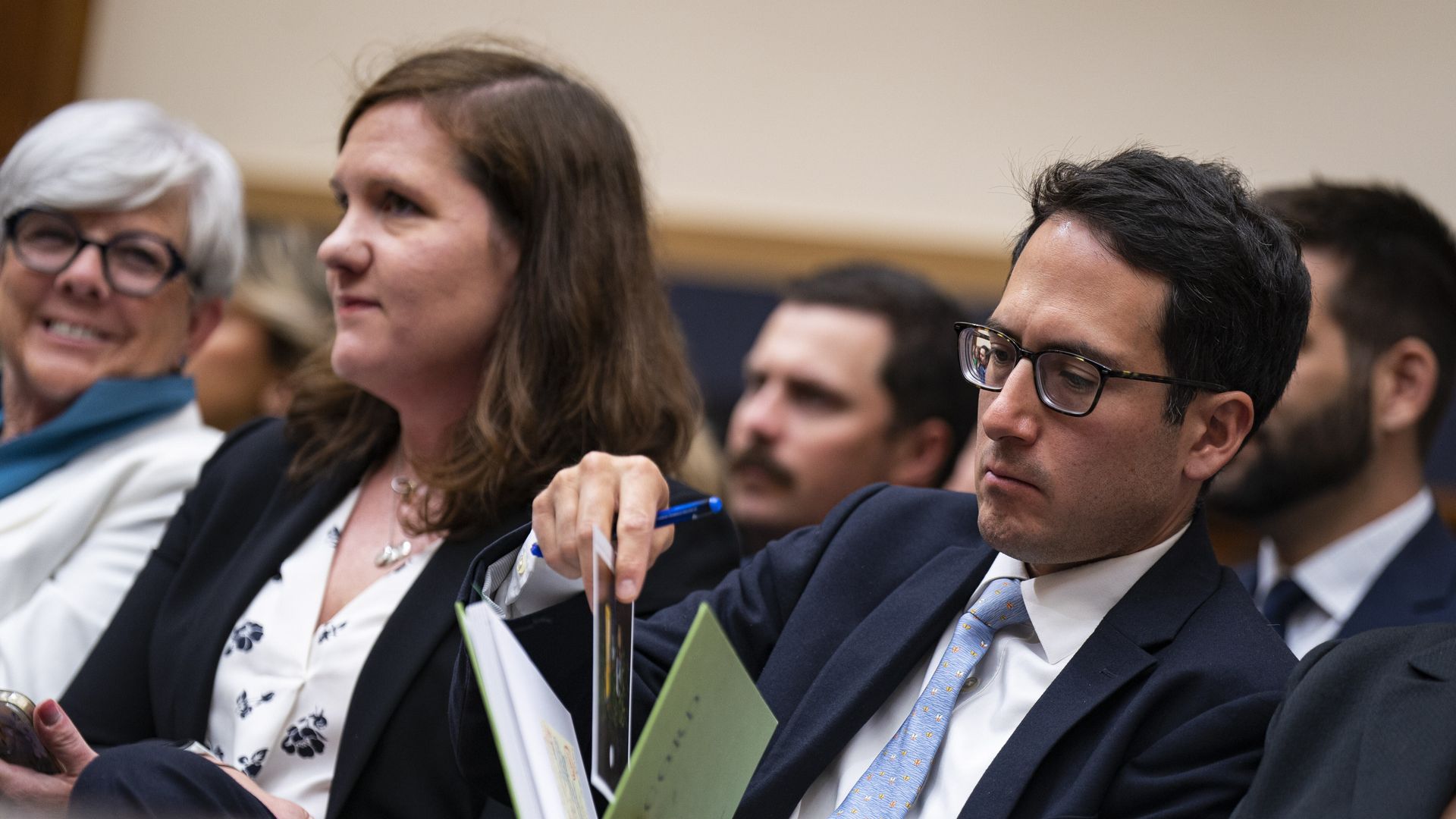
President Trump on Tuesday fired Alvaro Bedoya and Rebecca Slaughter, the two Democrats serving as commissioners at the Federal Trade Commission, both announced.
The big picture: Republican FTC Chair Andrew Ferguson has pledged to keep up Big Tech cases, but is taking a much more MAGA approach to antitrust, Axios previously reported.
Between the lines: Holding court at the company's annual GPU Technology Conference in San Jose, CEO Jensen Huang teased Nvidia's new AI system coming in the second half of 2026: Vera Rubin.
"The system has two main components: a CPU, called Vera, and a new GPU design, called Rubin," CNBC reports. "It's named after astronomer Vera Rubin," who discovered evidence of dark matter.
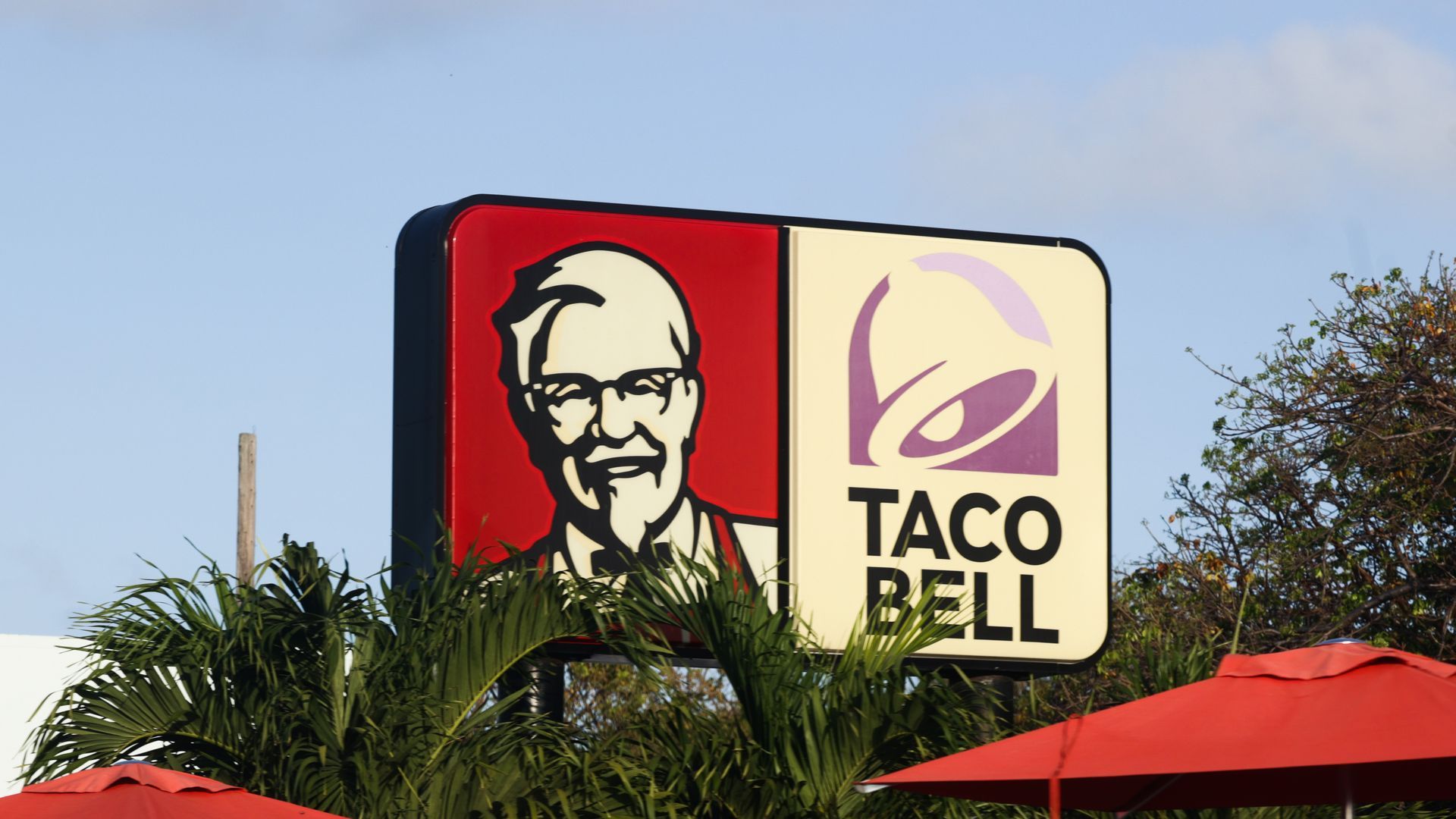
Yum Brands — the parent company of Taco Bell, KFC and Pizza Hut — is teaming up with technology giant Nvidia in a move that could accelerate the adoption of AI ordering in drive-thrus.
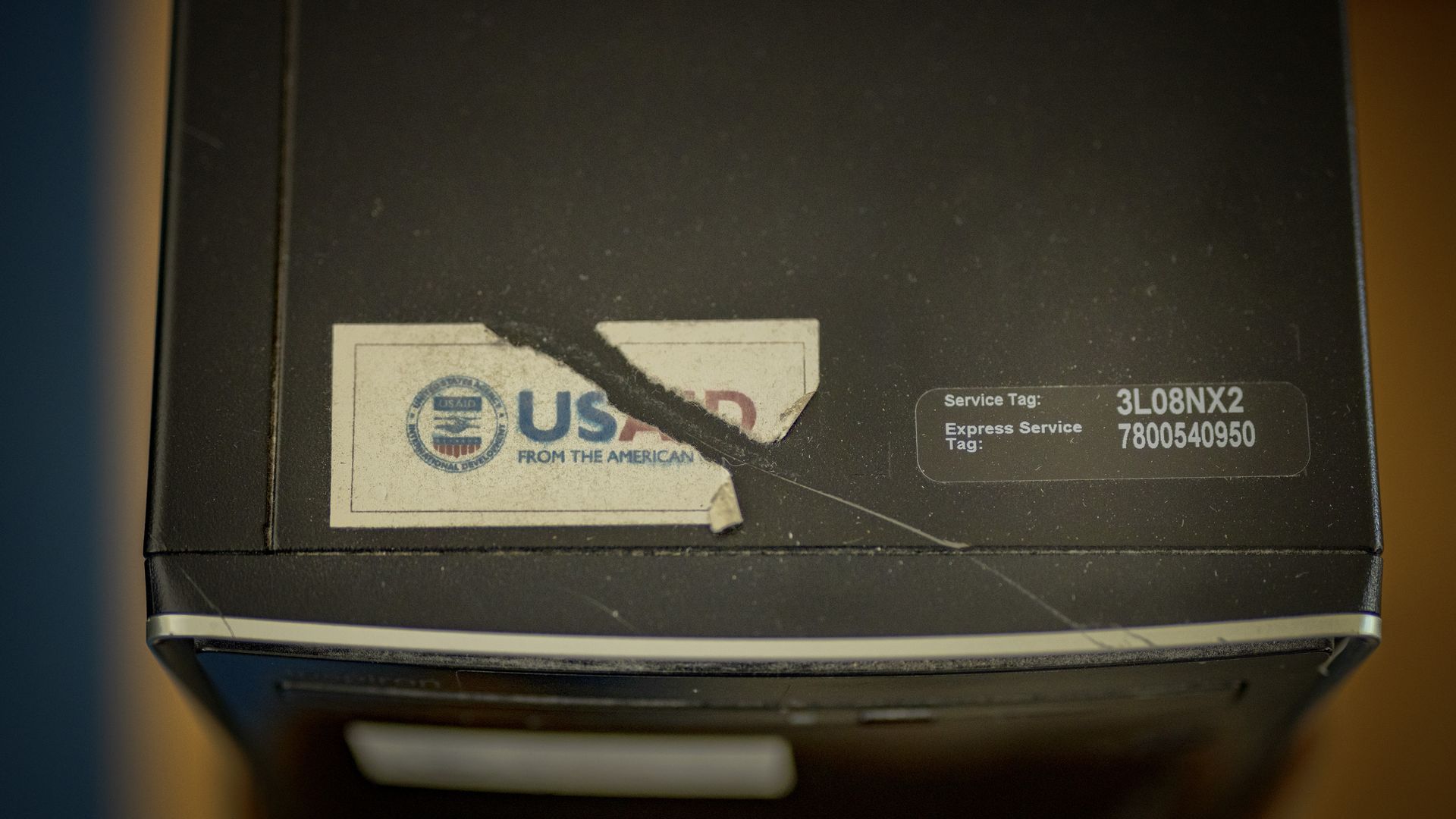
A federal judge on Tuesday said Elon Musk and DOGE likely violated the U.S Constitution with its "accelerated" shutdown of the U.S. Agency for International Development (USAID).
The big picture: The shutdown harmed public interest and deprived Congress of using its constitutional authority as the public's elected representatives to decide what to do with an agency it created, the judge said in his written opinion.
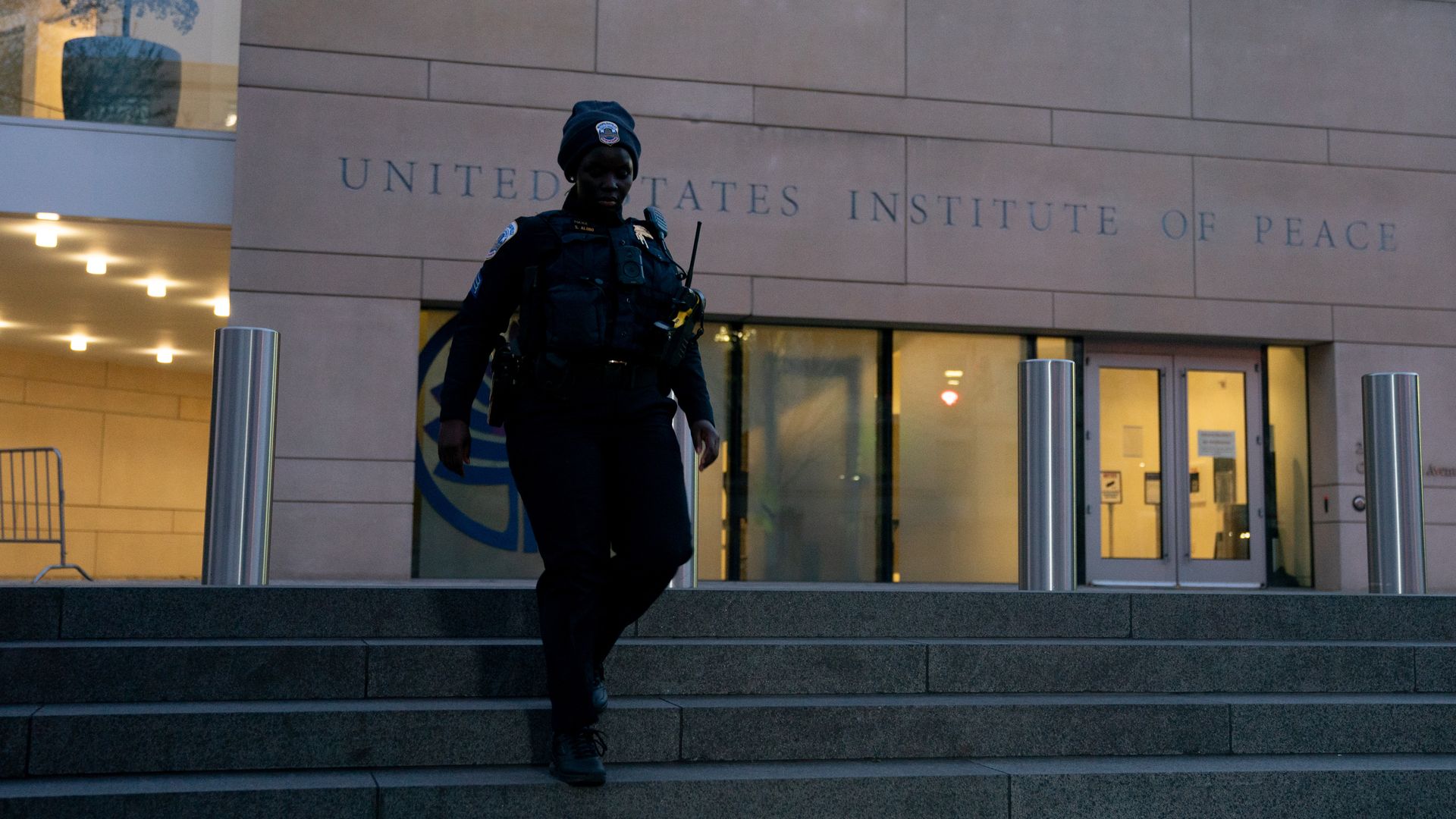
DOGE said its staffers and acting U.S. Institute of Peace president Kenneth Jackson entered USIP's D.C. headquarters with a police escort on Monday evening amid an apparent standoff.
The big picture: Rep. Don Beyer (D-Va.) said on Bluesky he was at the building to "conduct congressional oversight" over "DOGE's break in" and said he had spoken to George Moose, who was reportedly fired from his role as acting USIP president.
President Trump's economic policies will slow advertising growth in the U.S. through at least 2027, according to a new projection.
Why it matters: While analysts anticipated unpredictability with a new administration, the extent of economic volatility has proven greater than previously expected, according to Brian Wieser, a top advertising analyst.
Specifically, the president's trade policies pose a more extreme threat to supply chains and corporate decision-making than previously expected.
State of play: In a new forecast published today, Wieser said he is reducing his expectations for U.S. advertising growth in 2025 and beyond, calling for 3.6% growth this year (excluding political advertising), down from his previous projection of 4.5%.
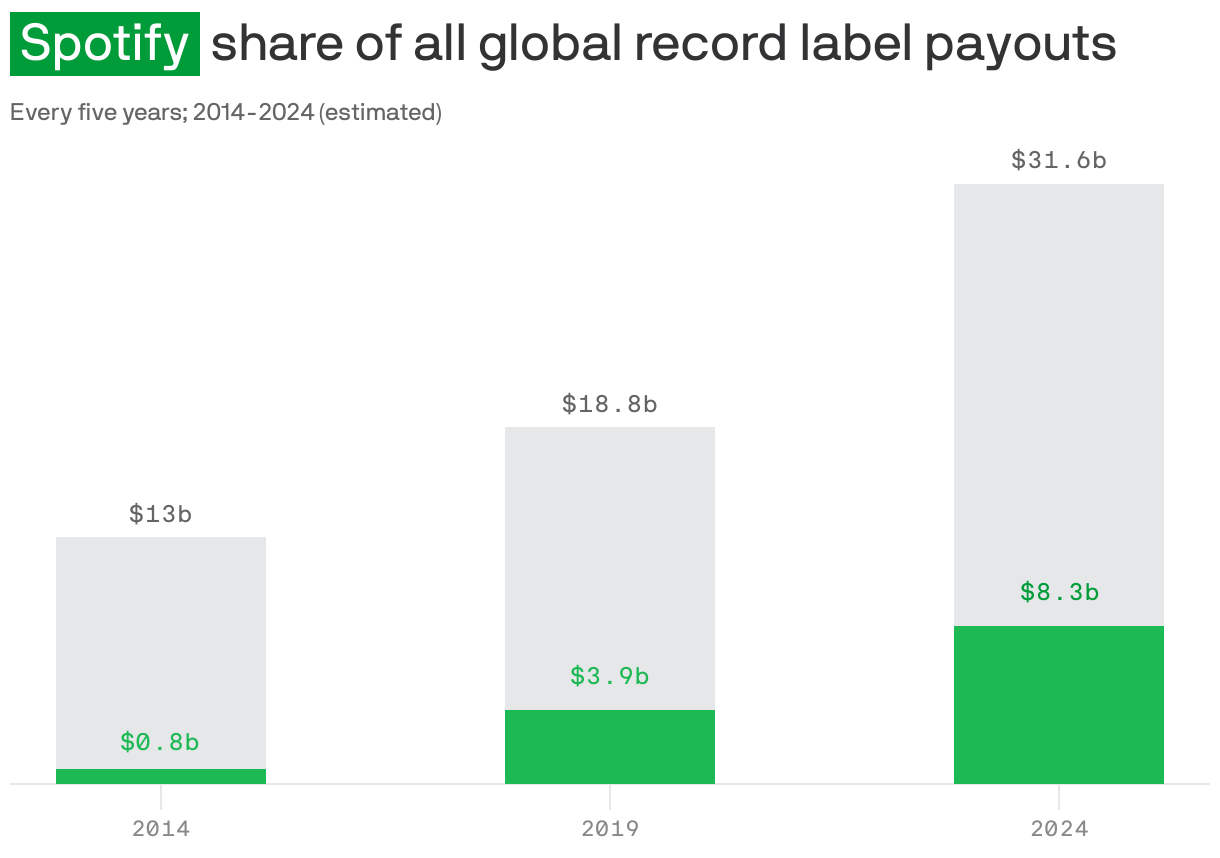
Spotify's announcement last week that it paid out $10 billion to the music industry in 2024 — more than any single company has ever contributed in one year — proves that a tech platform can single-handedly rebuild a creative industry if its incentives are aligned.
Why it matters: The lack of focus on music specifically by rival tech firms, such as Google/YouTube, Amazon and Apple, has created a clear lane for Spotify to build incremental tools and features that help the music industry grow, said Will Page, author of Tarzan Economics and former chief economist of both Spotify and PRS for Music.
The Securities and Exchange Commission is starting over Friday, hosting its first of a series of roundtables exploring the future regulation of crypto assets.
Why it matters: The agency has spent the first two months under the new administration making it clear that it intends to regulate by writing rules, rather than taking firms to court.
The big picture: Since Inauguration Day, which coincided with the departure of former SEC chair Gary Gensler, the securities regulator has backed off a lot of cases against crypto companies.
If you put all these cases built up during the Biden administration together, it illustrates a strategy of going after key elements of the industry.
It's like if you wanted to prevent movies from being made: You'd bring a case against a big talent agency, a few studios, a couple of theater chains and a distributor.
The heart of the crypto industry is trading, and the SEC went after more exchanges than any other category.
Zoom in: Probably the most impactful move came in February when it dropped its case against Coinbase, in which the SEC alleged the exchange had failed to register. The court agreed to the withdrawal this month.
This month it also dropped a case (in principle) against Kraken, another major exchange, over much the same issue.
At the end of February, it closed an investigation into Uniswap Labs, which developed the leading decentralized exchange, Uniswap. (The business of Uniswap Labs is quite different than that of exchange operators.)
Then it turned to cases that went after other key infrastructure, including:
OpenSea, the best-known NFT marketplace, which announced that the SEC had withdrawn an investigation into the firm. Presumably, it had been preparing to argue that NFTs are securities, which might make OpenSea another unregistered exchange.
Zoom out: The retreat is starting to have ripple effects. Vermont also dropped its case against Coinbase over staking services.
What we're watching: Coin issuer Ripple's case with the SEC has been one of the most important, delivering an early win on trading on the secondary markets. The case had never been fully resolved, though one report came out that it was close.
Another exchange, Crypto.com, last year said it was suing the agency after receiving a Wells Notice. But a spokesperson tells Axios that the suit was withdrawn in December. No update on the investigation, however.
State of play: In general, these cases have been over the bureaucratic issue of which activities require which kind of registration. Important, but not directly harmful.
But two cases included more serious allegations of market manipulation. Both of these cases are stayed, not dropped.
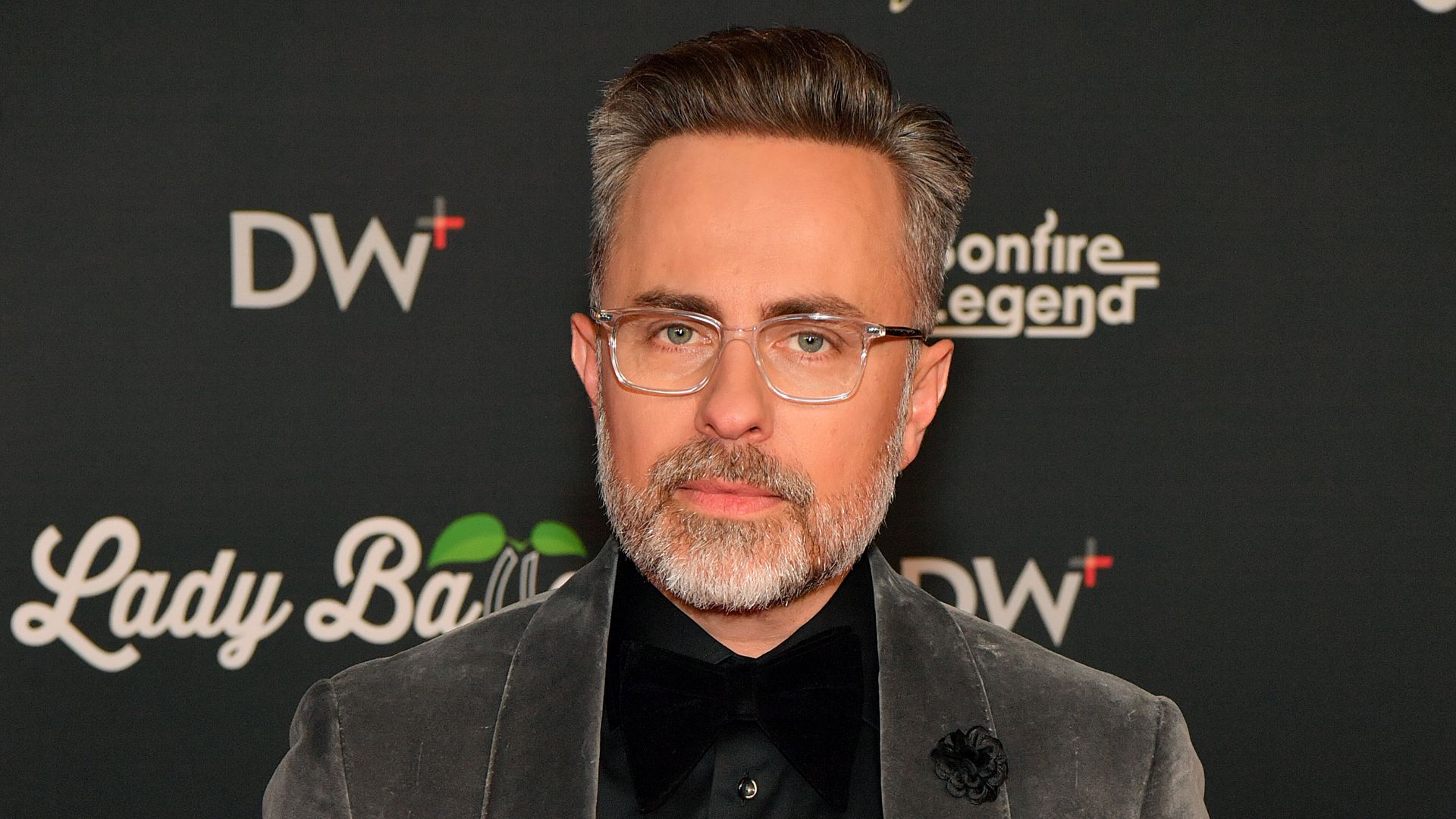
Jeremy Boreing, co-founder of the Daily Wire, is stepping down from his role as co-CEO to focus on creative projects for the company, he told staff in a memo obtained by Axios on Tuesday.
Why it matters: Boreing has been with the Daily Wire since its inception in 2015. He helped grow the outlet from a tiny news startup with $4.7 million in seed funding to a media giant valued north of $1 billion last year.
Chinese electric vehicle maker BYD on Monday announced new charging technology that it claims could "fill up" cars in just five minutes, comparable to gas station visits.
Why it matters: This could be a sort of DeepSeek moment for electric vehicles, in terms of a Chinese company lowering adoption barriers by developing much more efficient tech.
Taboola struck a deal with Microsoft to sell display ads for MSN.com, Microsoft Outlook, Games and Microsoft's broader Office Suite, Taboola founder and CEO Adam Singolda told Axios.
Why it matters: It marks a significant milestone for the ad tech giant as it looks to expand beyond the native advertising business for the first time since it launched nearly two decades ago.
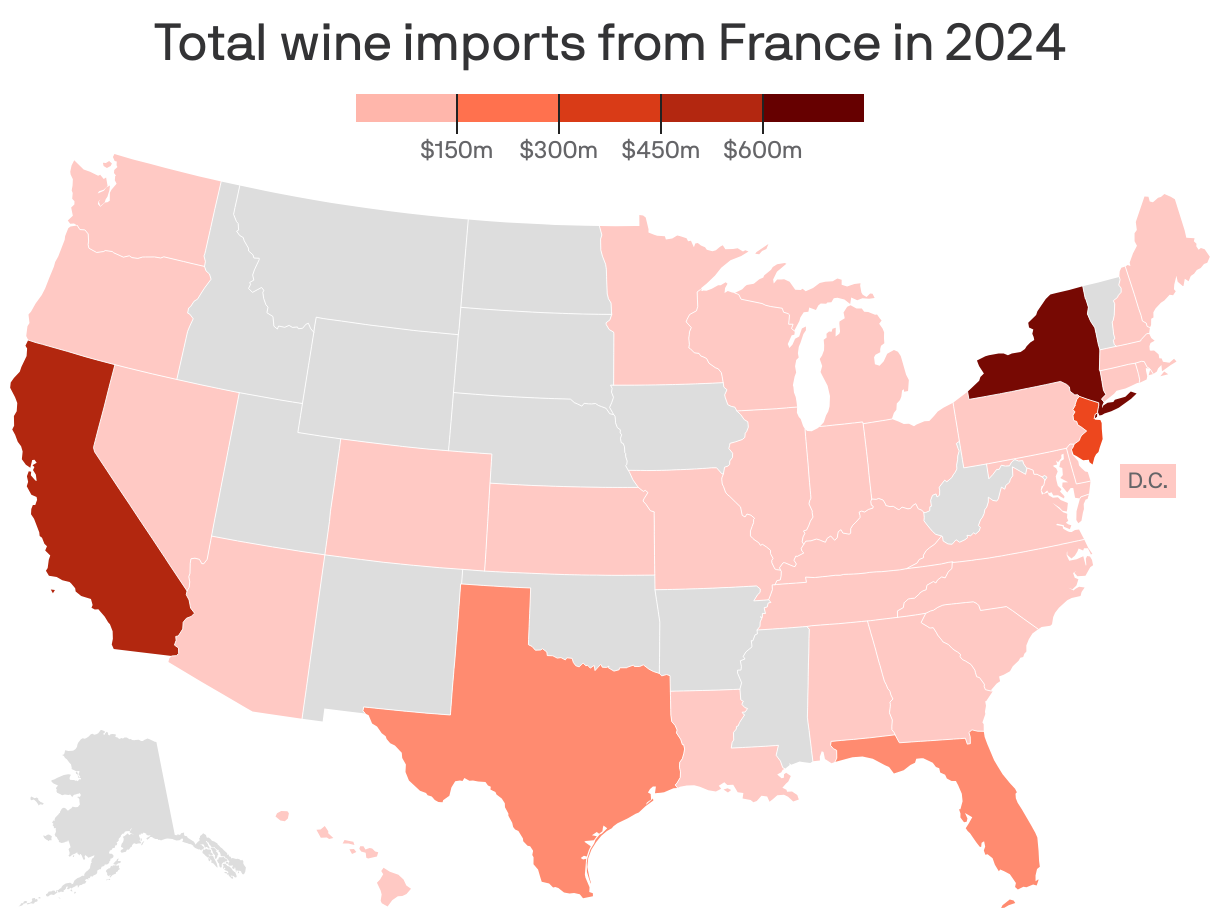
Data: American Association of Wine Economists. Map: Axios Visuals
U.S. wine importers spent $6.8 billion to bring wine into the country in 2024, 80% of which went to producers in the European Union, per the American Association of Wine Economists.
Why it matters: If tariffs were to bring that number to near zero, there would be devastating consequences down the chain, not only for the importers, but also for distributors, retailers, and anywhere that sells meaningful quantities of imported wine.
The real price of clothes has been on a steady downward trend for 25 years. Across-the-board tariffs could be the one force powerful enough to reverse it.
Why it matters: "Access to cheap goods is not the essence of the American dream," per Treasury Secretary Scott Bessent.
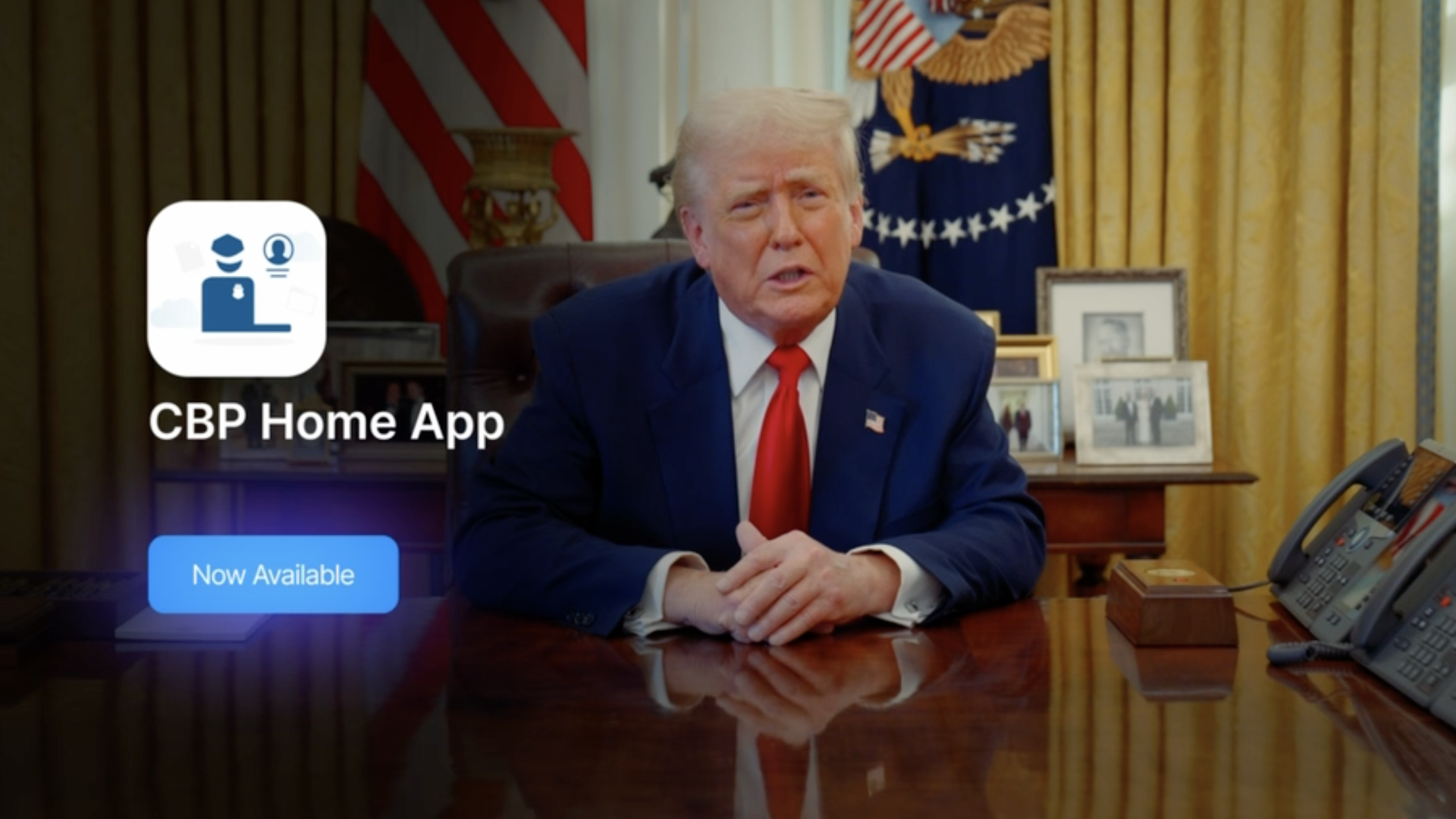
President Trump has recorded a video for social media in which he urges unauthorized immigrants to "self-deport" — and use a newly launched app to report that they're leaving the U.S., Axios has learned.
Why it matters: The 90-second video — set to appear on Instagram, X, YouTube and Rumble — is part of a broader advertising campaign aimed at encouraging such immigrants to leave before U.S. officials arrest them.