The United States Postal Service is asking DOGE for help in cutting costs and reforming the agency, according to a letter Postmaster General Louis DeJoy sent to Congress Monday.
Why it matters: DeJoy said he plans to cut 10,000 workers and billions of dollars from the budget.
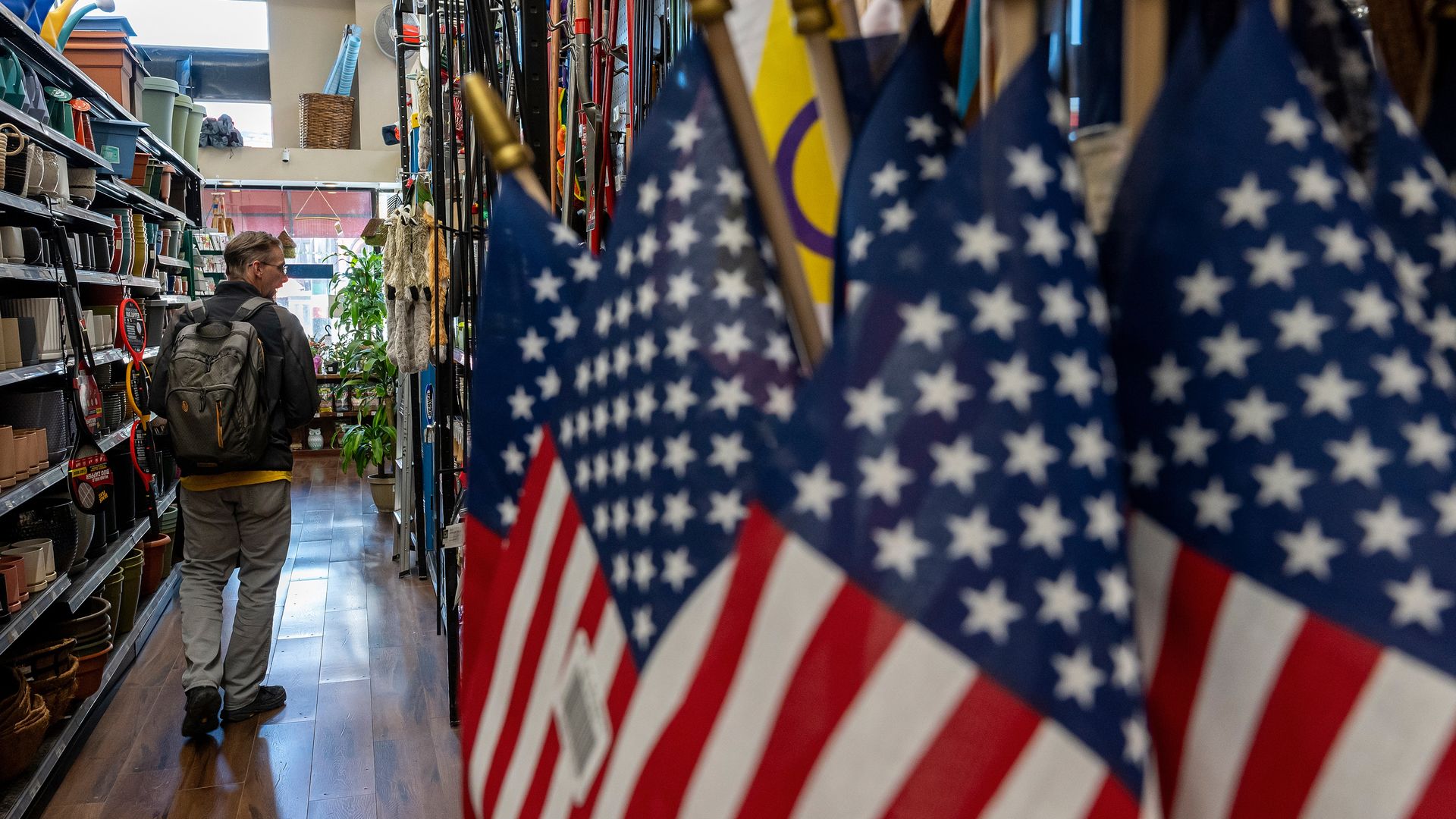
The corrosive effect of a duty loophole on American retailers was thrust back into the spotlight Monday with the announced liquidation of a major fashion chain.
The big picture: Packages valued at less than $800 have a exemption from added duties, which has enabled foreign online retailers like Temu and Shein to sell super cheap goods to American consumers.
Harvard will now be completely free for students from families with incomes under $100,000, the university said on Monday, as part of a significant financial aid expansion.
Why it matters: Harvard is under a hiring freeze and scrutiny from the federal government that could lead to funding cuts.
China continues to raise the bar on electric vehicles, with BYD unveiling a new EV platform that can be recharged about as fast as it takes refuel a gasoline car.
Why it matters: Making EV charging as painless as visiting a gas station is one less hurdle for consumers, and could help spur widespread EV adoption.
Robinhood, the mass market trading app, rolled out a prediction markets hub within its app Monday, offering contracts on events ranging from financial policy outcomes to sports results.
Why it matters: Prediction markets are very much a live legal and regulatory issue in the U.S., still under debate at the federal level with some markets forbidden under state laws.
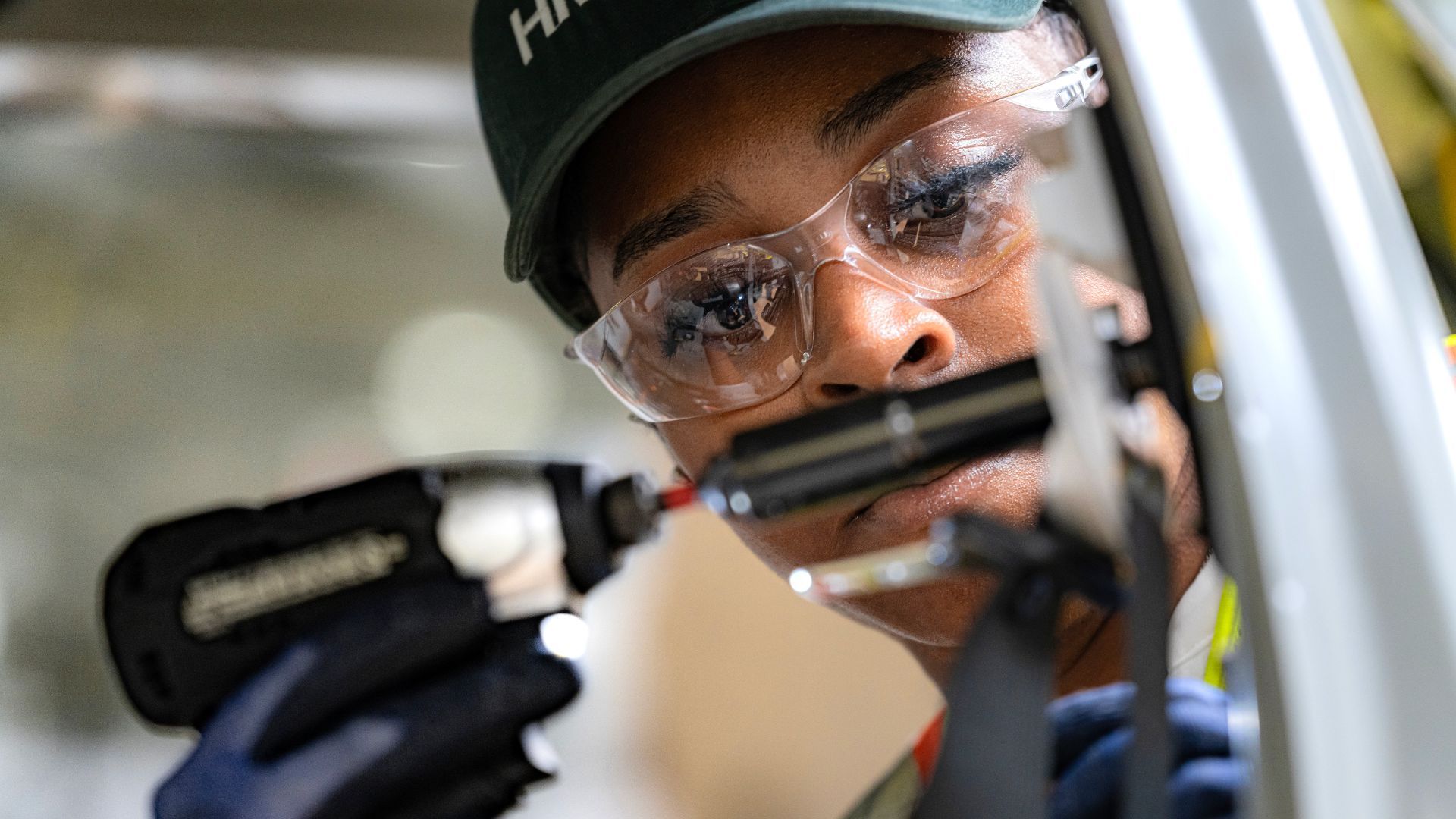
While companies race to expand U.S. manufacturing, one automaker has been supporting America for more than 40 years — creating jobs, driving innovation and strengthening communities.
Dozens of newspapers owned by Alden Global Capital on Monday ran online editorials slamming OpenAI and Google for requesting looser AI copyright restrictions in an effort to grow the U.S.' position as a global leader in AI.
Why it matters: While many media companies have opted to strike deals with AI companies, Alden has instead opted to sue OpenAI and its minority backer Microsoft for copyright infringement.
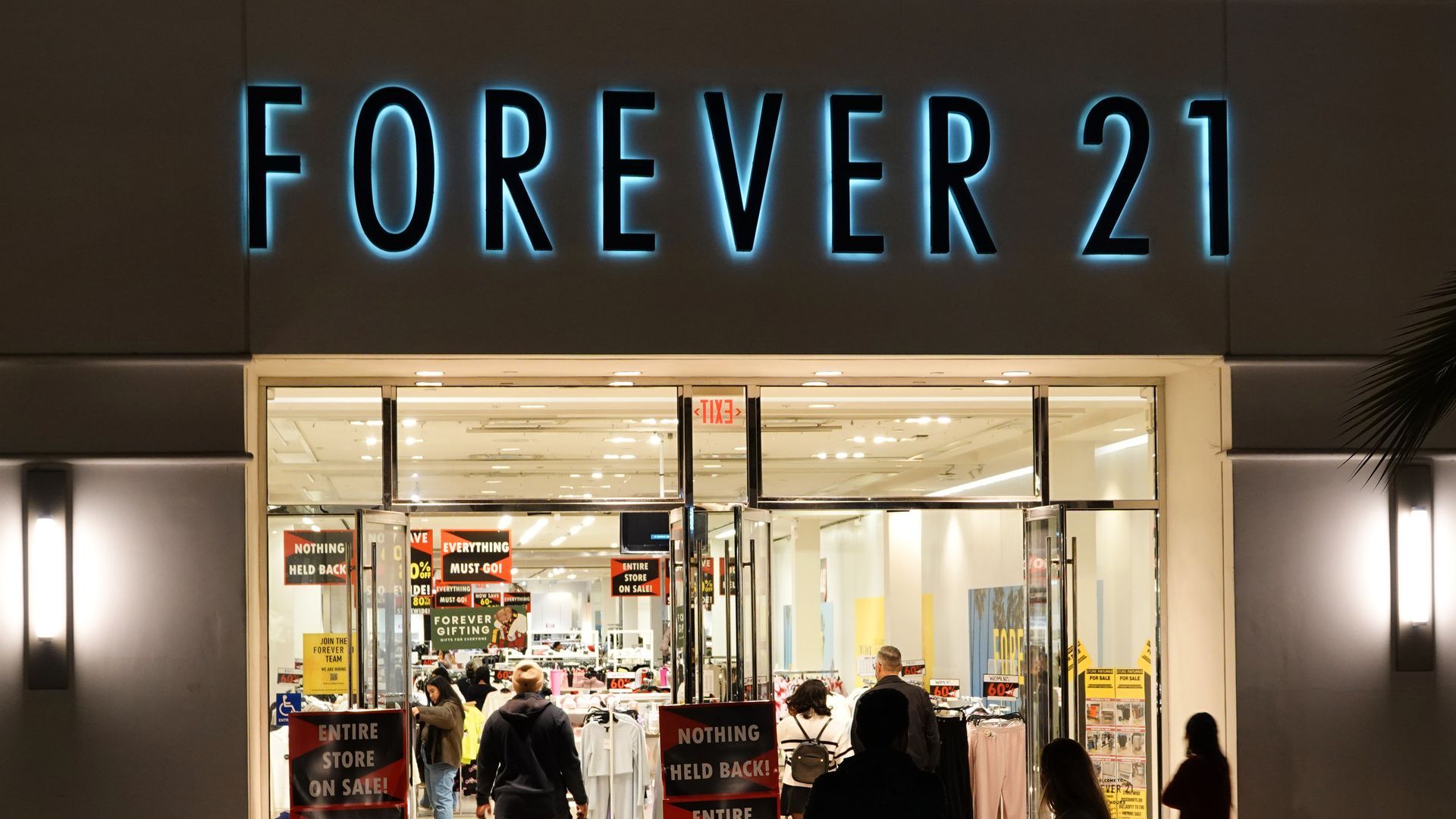
Forever 21 stores in the U.S. are poised to go out of business after the company that owns them filed for Chapter 11 bankruptcy protection.
Why it matters: The retailer — which has about 354 stores and more than 9,200 employees — was a pioneer in fast fashion, becoming a once-ubiquitous presence in American malls and a destination for teenage shoppers.
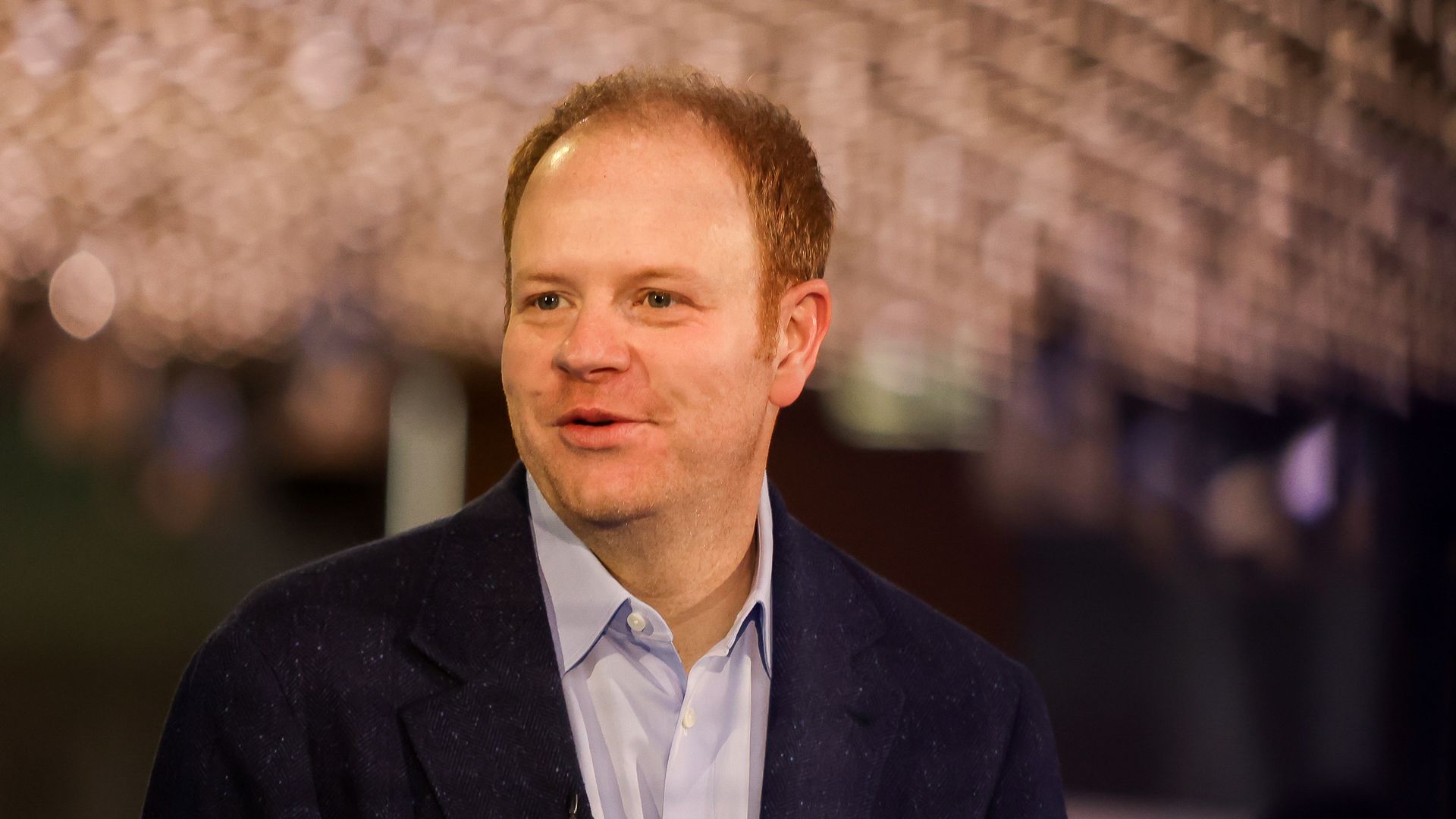
Dotdash Meredith, one of the biggest digital media publishers in America, has hired Jim Lawson to lead its ad tech division D/Cipher, Dotdash Meredith CEO Neil Vogel told Axios.
Why it matters: The hire coincides with the expansion of D/Cipher from an internal tool used to help Dotdash Meredith's advertisers target ads across its sites to an external tool that can help any advertiser better target their ads across the open web.
President Trump's trade war would put a brake on global economic growth and stoke inflation, according to new forecasts by the Organization for Economic Co-operation and Development.
Why it matters: The OECD sees a stagflationary economic scenario for the U.S. and its North American allies, with significant GDP downgrades across the continent and new price pressures as a result of tariffs and policy uncertainty.
Why it matters: Overall spending recovered less than expected from a slow start to 2025. But the details of the report are more encouraging, offering some relief about the health of the economy.
Treasury Secretary Scott Bessent broke with orthodoxy Sunday when he said corrections in stocks were "healthy" and an antidote to "euphoric" market action.
The big picture: Over the long run, he's not necessarily wrong.
At least a half dozen states are racing to limit or put new checks on private equity-fueled mergers in health care, signaling mounting concern about the influence of corporate medicine.
Why it matters: While Congress and the Federal Trade Commission have increased scrutiny of the deals, especially involving hospitals, federal policymakers have been reluctant to bestow more government power over business transactions. States, meanwhile, are increasingly concerned about a growing number of providers being controlled by out-of-state for-profit companies.














/2025/03/17/1742222416565.gif?w=3840)