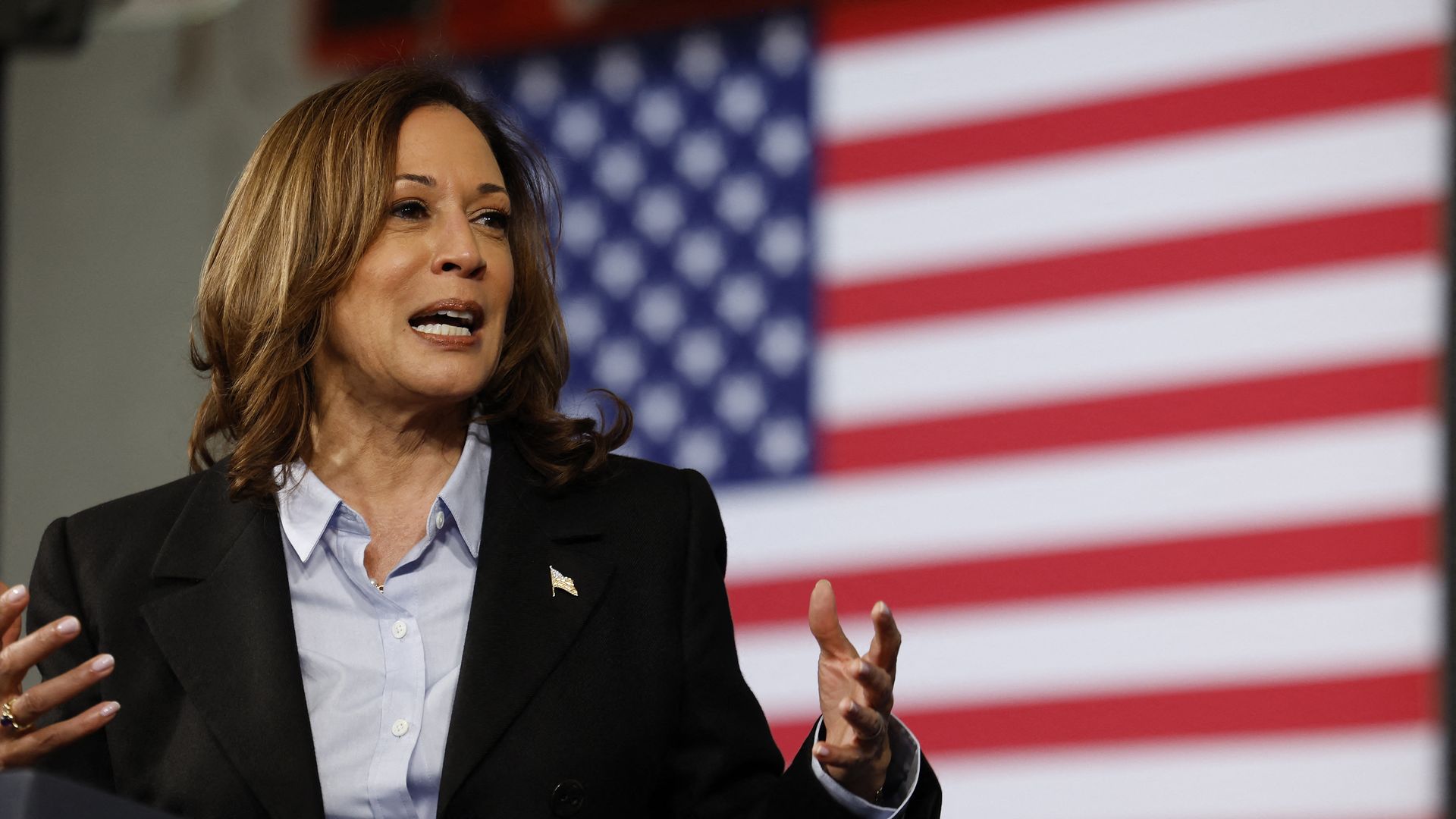
A group of 88 high-profile current and former business executives issued a joint letter endorsing Vice President Harris on Friday.
The big picture: The leaders throwing their support behind the Democratic nominee include executives across media, finance and technology, with the likes of billionaire entrepreneur Mark Cuban, former 21st Century Fox CEO James Murdoch, LinkedIn co-founder Reid Hoffman and former basketball star Earvin "Magic" Johnson.
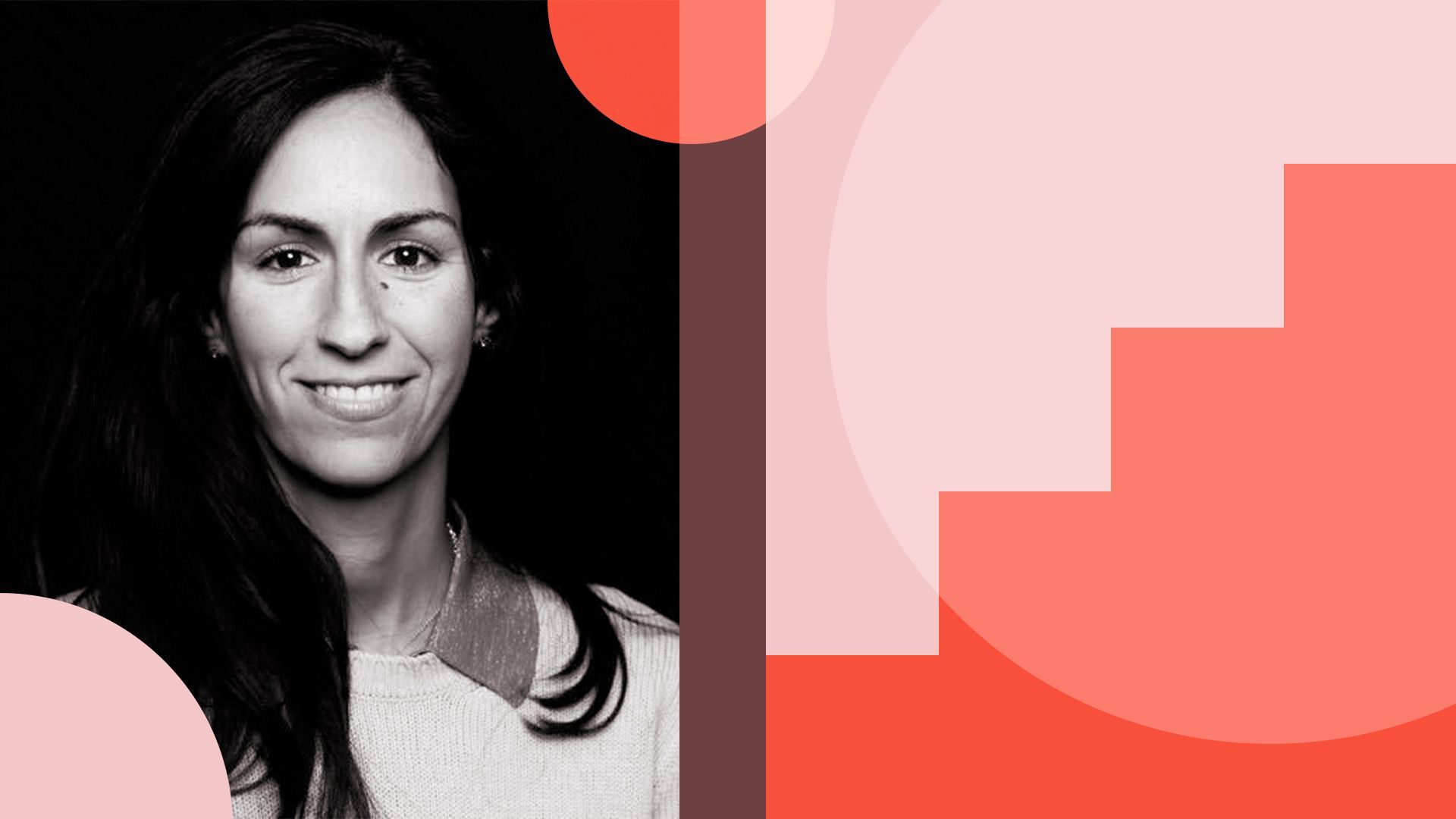
Christine Schirmer, senior advisor to the Duke and Duchess of Sussex, will join Brunswick Group, Axios first learned.
Why it matters: Schirmer is one of the latest subject matter experts to join the strategic advisory firm, under the new leadership of Henry Timms.
The big picture: Timms — who joined Brunswick as CEO early this year — is reportedly focused on expanding the firm's global footprint.
Recent big name hires also include prominent M&A lawyer Steve Cooke as a London-based partner and former Reuters M&A journalist Greg Roumeliotis as a director in its New York office.
Details: Schirmer will serve as a San Francisco-based partner in Brunswick's Technology, Media & Telecommunications (TMT) group, whose clients have included Reddit, Airbnb, Apple, Coinbase, DoorDash, Facebook, Google, NVIDIA and Pinterest.
Salesforce has agreed to buy Own Co., a New Jersey-based provider of data protection and management solutions, for $1.9 billion in cash.
Why it matters: This is Salesforce's largest acquisition since buying Slack in 2021, and may signal the company's return to large dealmaking after disbanding its M&A committee last year.
Data: Axios research of court documents and local property assessment records; Chart: Jared Whalen/Axios
It's official: Six of Steward's Massachusetts hospitals will get new operators under a $343 million deal that was given the green light in bankruptcy court this week. Two other Steward-owned hospitals in the state closed last weekend, and Steward announced the sale of its doctors group last month.
Why it matters: This is the end — in Massachusetts — of a months-long ordeal that critics say laid bare the risks of private equity involvement in health care and threatened access to hospital care for patients in the state.
The U.S. economy added 142,000 jobs in August, while the unemployment rate edged slightly lower to 4.2% from 4.3%, the Labor Department said on Friday.
Why it matters: A slowing labor market is a pivotal factor that will help the Federal Reserve determine the size of a highly anticipated interest rate cut later this month.
Paper checks, just like the penny (and even the dime), deserve to die. The sooner the better.
Why it matters: The paper check has declined in popularity to the point at which it is no longer broadly understood. That can prove dangerous.
Driving the news: The whims of the TikTok algorithm alighted disastrously upon Chase last week, as videos went viral of people writing large checks to themselves, depositing the nonexistent money into their accounts, and then withdrawing enormous amounts of cash.
This, of course, is check fraud — but the people who thought they discovered an "ATM glitch" can probably be forgiven for not even really understanding what checks are, let alone what check fraud is.
Most of them have probably never written a check in their lives.
Between the lines: Checks, as a payments technology, are both awkward and archaic.
When they were first introduced, the payments rails were literally rails — payees would present checks at their banks, who would then load those checks onto trains headed for the bank of the payer. It could be well over a week before the payee discovered whether the funds were actually there or not.
Modern technology has speeded up the process a lot, but there is still a significant period after the check is written where the recipient thinks that they have gained money while the payer can still see the money sitting in her account.
A huge number of checks are also placed in the mail, adding a whole new level of unpredictability to the process. (This is still true, amazingly, even for some very large 401(k) rollovers and other transactions that take place between financial institutions.)
As a result, checks can be presented a very long time after they're written — at which point there might not be sufficient money in the account.
The big picture: For all that some folks are blaming the Chase fiasco on a lack of financial literacy education, the fact is that teaching kids about what checks are and how to balance a checkbook, let alone what check fraud is, is an exercise in futile anachronism.
While the basics of debt and spending are universal, the idiosyncrasies of checks — the very things that made this glitch possible in the first place — are simply not important or relevant to today's children, nor will they ever be.
The bottom line: Americans are still wedded to paper checks in a way that befuddles citizens of other rich countries. Sadly, that means checks won't be going away any time soon — and consumers will continue to bounce checks without intending to.
Conservative media is facing a rare moment of introspection, rocked by a series of scandals that have drawn new scrutiny to the right's favorite influencers.
Why it matters: The battle for MAGA's future is unfolding not just at the ballot box, but online — where traditionally pro-Trump forces are suddenly feuding over antisemitism, revisionist history and Russian disinformation.