Why it matters: With 149 million monthly active customers on its platforms, the company has enough scale to spark new sources of growth by connecting users to one another.
SAN FRANCISCO – AI, crypto and the 2024 U.S. presidential election were among the hot topics influential business leaders focused on at Axios' second annual BFD: San Francisco event.
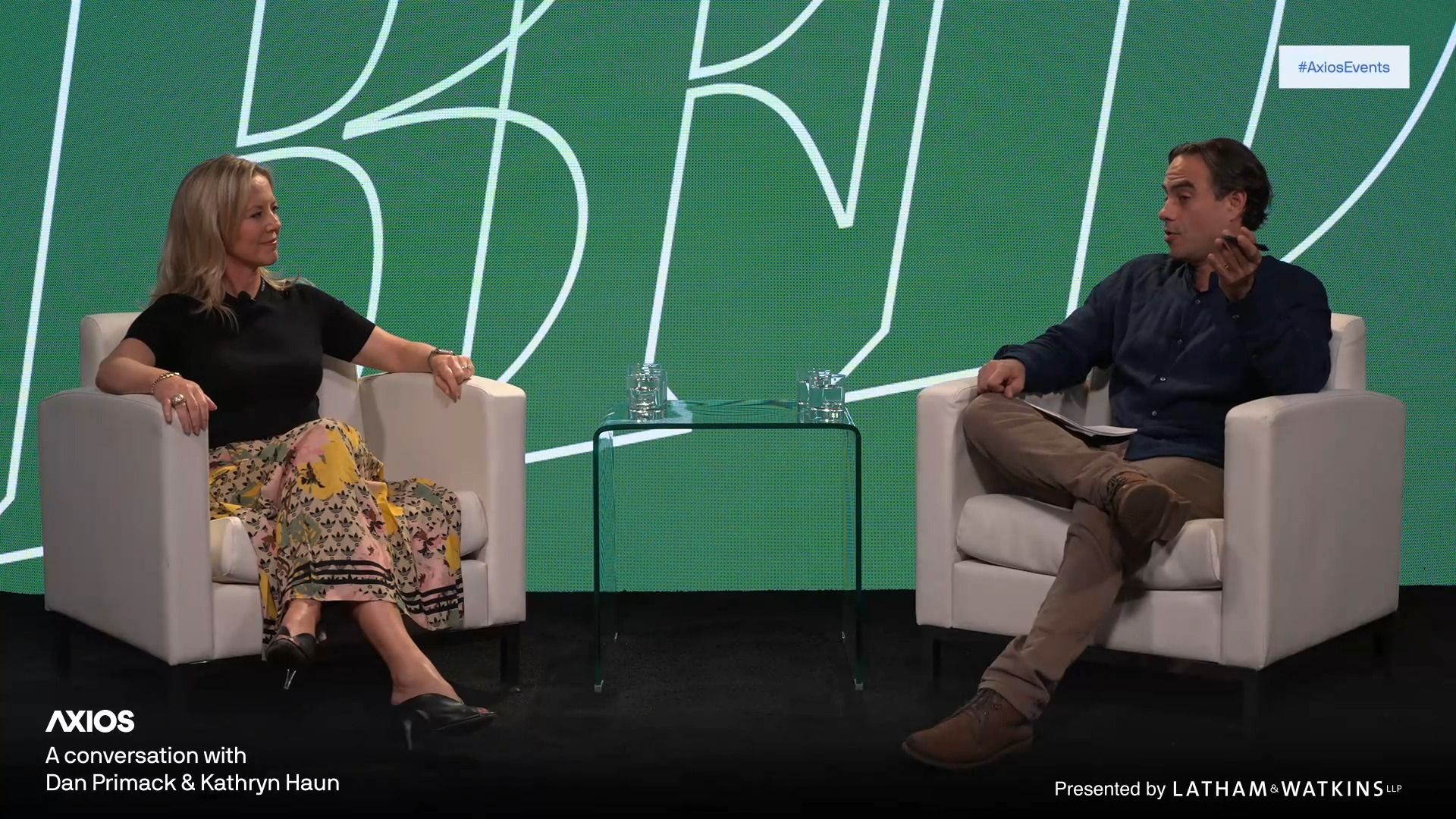
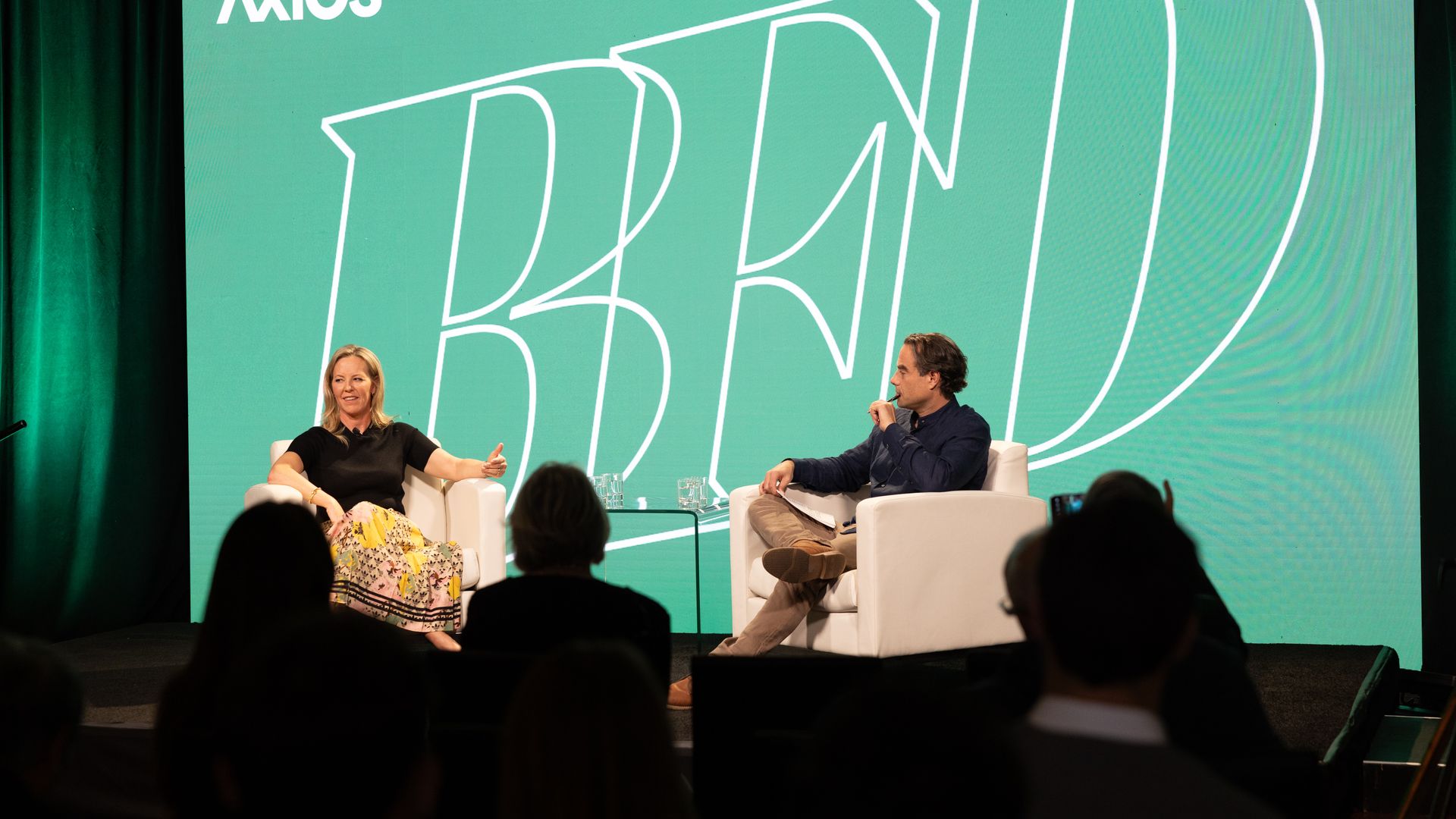
Haun Ventures founder Katie Haun exclusively told Axios' Dan Primack on stage that her firm invested in crypto companies Fireblocks and Chainalysis.
Why it's the BFD: This announcement comes when crypto VCs have experienced icy markets since the collapse of FTX in 2022.
What they're saying: "During the depths of the crypto winter, we had what we called a 'harpoon list.' We looked at our harpoon list, and we said, 'Let's get some meaningful ownership,'" said Haun.
When it comes to FTX, Haun, a former SEC federal prosecutor, did not invest in the company and cited the lack of traditional governance as one of her alarming concerns.
Meanwhile, HGGC chairman and former NFL player Steve Young said private equity investments in the NFL could "force better standards and financial rigor."
His comment comes as PE investments into sports teams are growing.
The ex-49er also made an unusual statement: "Football is made for girls."
Since coaching his daughters in football, Young said he had a "revelation." The plays are like choreographed dance steps, and girls understand it better than boys do.
He predicted that a hundred million girls will be playing flag football by 2028.
"I think it's going to explode in a way that no one can even realize," he said.
The world of AI is bursting with new products and innovation, which was showcased at BFD: San Francisco.
Google is looking at how generative AI can help address nurse burnout during shift change, Chief Health Officer Karen DeSalvo discussed with Axios' Ina Fried.
For this project, Google partnered with HCA, the nation's largest health system.
Another AI health project Google is looking into is using LLMs to analyze data from wearable devices.
"Not just how many steps I took, but what else was going on in my life that day when I took fewer steps...what were the patterns that the personal LLM is going to be able to see to help me," said DeSalvo.
What they're saying: "A year ago, it was called 'search generative experience.' Today it's called 'AI overview.' And I bet next year it'll be called something else. It's exactly the same story of them doing a new messaging app every year," Srinivas said.
Srinivas went as far as to call Google the "biggest loser" when referring to their search engine.
Context: Srinivas once interned at Google's Deepmind and its headquarters.
Yahoo CEO Jim Lanzone shared with Axios' Kia Kokalitcheva that he was initially "scared" of news aggregation AI platform Artifact but ended up being a fan.
Yahoo ended up purchasing the platform last month and is now building a new product with it. He also downplayed the idea of a Yahoo IPO.
With it being an election year, it was virtually impossible for the contentious U.S. presidential race to not be mentioned.
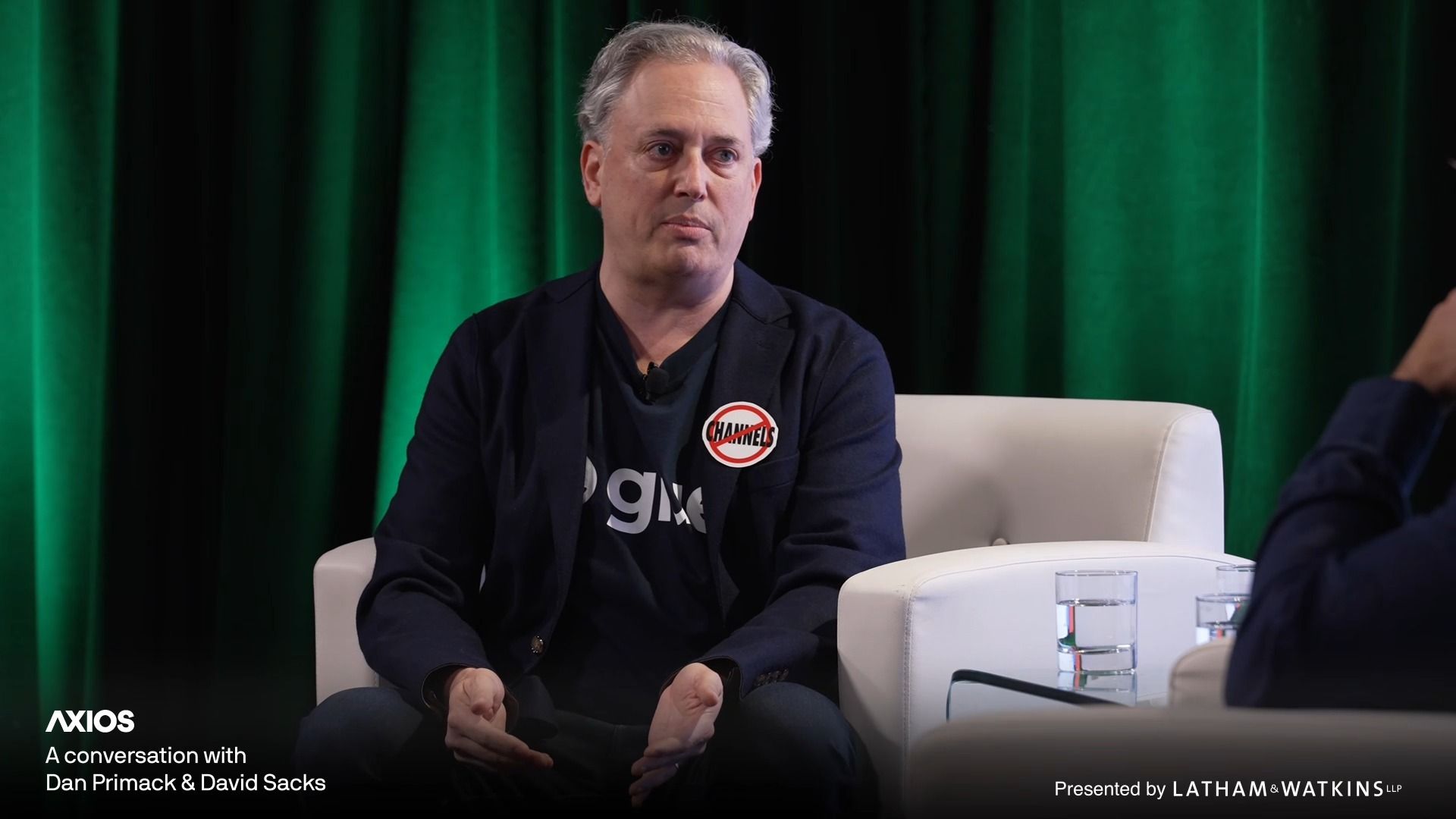
Craft Ventures co-founder and partner David Sacks said Silicon Valley needs to think twice before voting in November.
He didn't endorse any candidate, but when discussing the idea of taxing unrealized gains– an idea the Biden administration proposed– he said, "I think it's a pretty good reason for Silicon Valley to think really hard about who it wants to vote for."
Content from sponsored segment below:
In a View From the Top conversation, Latham and Watkins partner and chair of the firm's Technology Industry Group and Bay Area Corporate Department Rick Kline said the state of the market is in positive transitions and a lot of companies are looking at 2025 for even more growth.
"I do think the dam will break, but I don't think it'll be this year," he said.
Why it matters: In a sense, the best news is in what Wednesday's report didn't say. The April cooldown helps reduce fears that inflation may be reaccelerating.
Two brothers have been charged with wire fraud for manipulating transactions for their own benefit on the Ethereum blockchain.
Why it matters: It shows the U.S. Department of Justice has learned how to make sense of extremely complex blockchain attacks and track down their perpetrators.
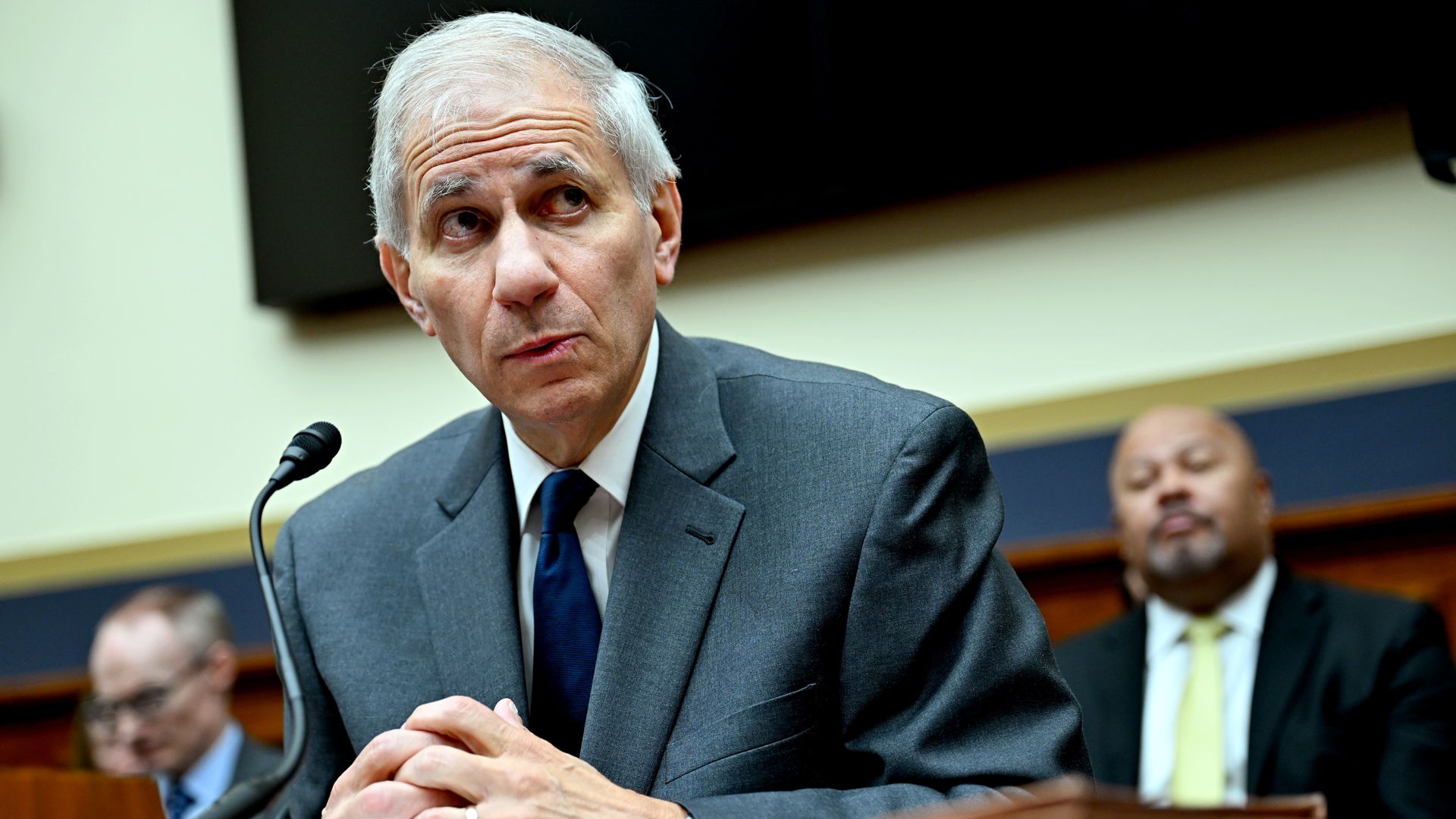
Rep. Patrick McHenry (R-N.C.), chair of the House Financial Services Committee, called on embattled FDIC chairman Martin Gruenberg to resign at a contentious hearing Wednesday morning.
Why it matters: Gruenberg's job is on the line in the wake of a damning investigation that found widespread sexual harassment and a toxic workplace culture at the banking agency he leads.
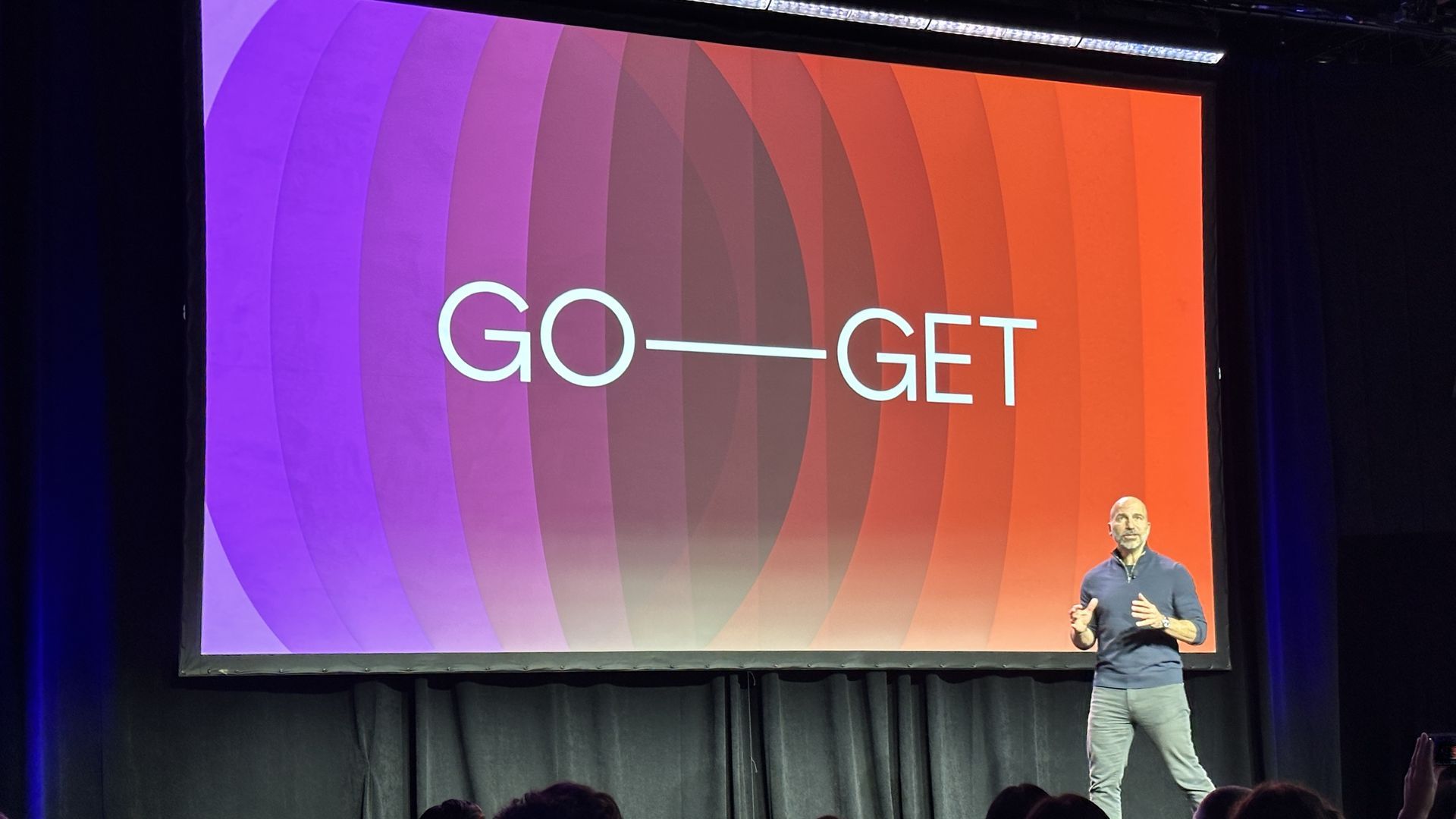
Uber rolled out a new menu of ride options Wednesday, from an "Uber Shuttle" to the airport or a concert to "Uber Caregiver," which lets you book rides that may be covered by health insurance for elderly people.
Another new service will let you order groceries from Costco, whether or not you're a member. (Sorry, gold bars and hot dogs are excluded — but you can get a rotisserie chicken.)
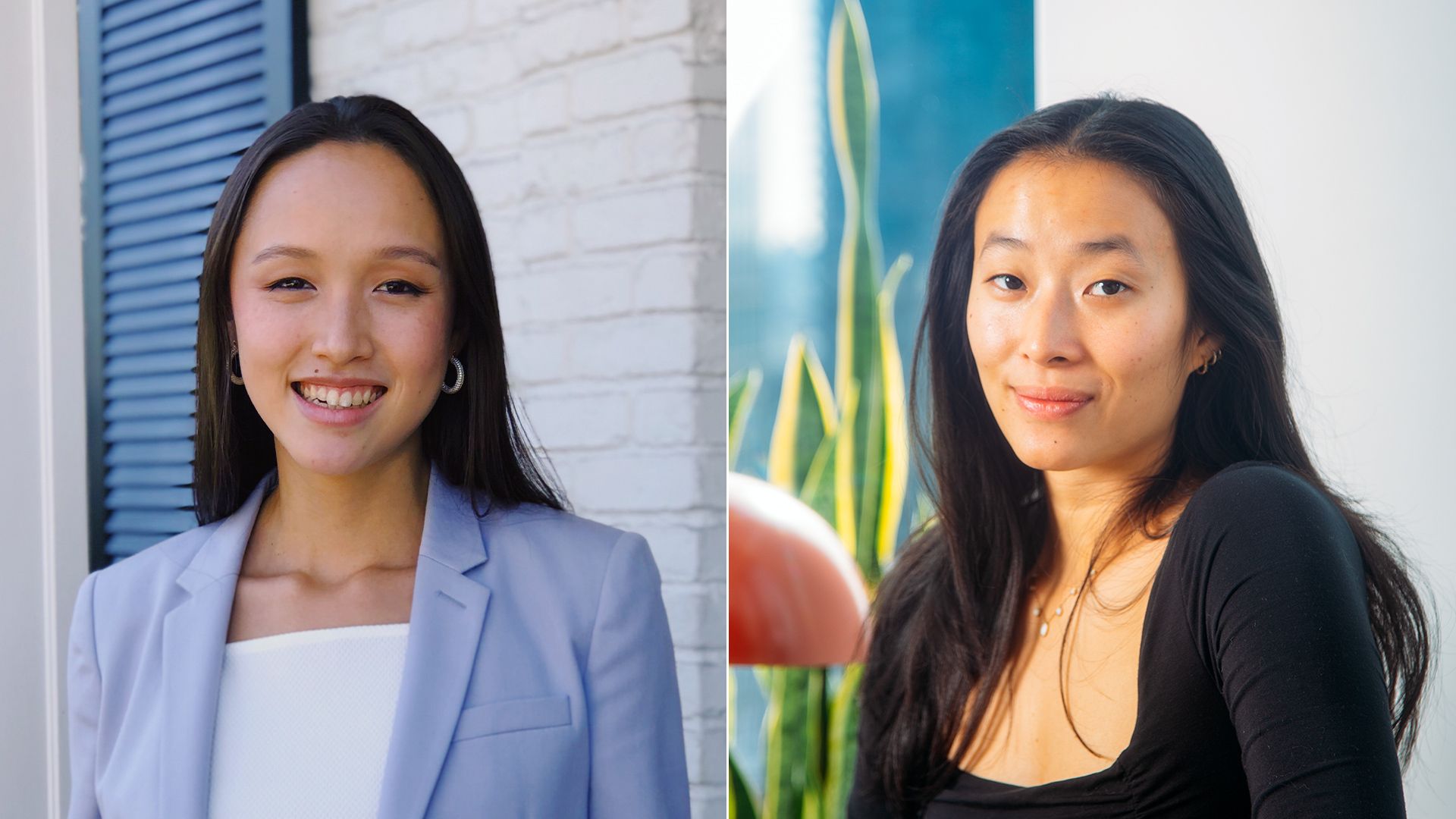
Garnier, part of beauty giant L'Oreal, will announce the recipients of the brand's first-ever Gold Green Grant on Wednesday, Axios has learned.
Why it matters: The awards — designed in partnership with Gold House, an organization focused on elevating Asian Pacific cultures — are aimed at helping Asian Pacific entrepreneurs strengthen their sustainable businesses and at promoting a group of leaders who can be misjudged by investors.
The Consumer Price Index (CPI) rose 0.3% in April and the core measure that strips out food and energy increased by the same amount, the Labor Department said on Wednesday.
Why it matters: Inflation slowed for the first time this year, helping ease concerns that progress on moderating consumer prices had stalled out.
Frank McCourt, the former LA Dodgers owner, announced Wednesday morning that he's putting together a "people's bid" to buy TikTok from China's ByteDance.
Why it matters: McCourt is a vocal critic of tech and social media, having stepped down as CEO of his eponymous investment firm to launch an effort that would give users more control and ownership of their personal data.
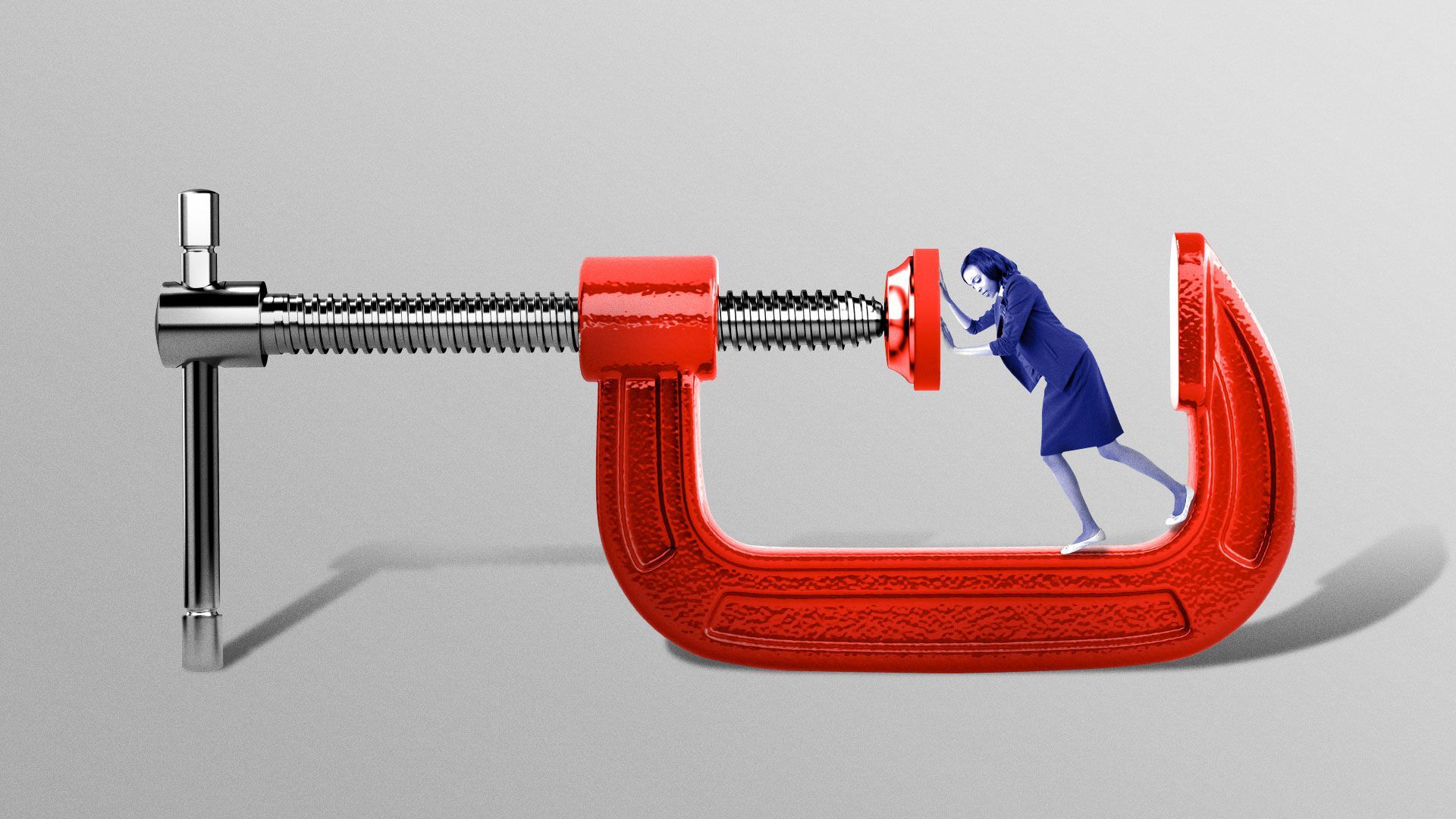
The idea that women are less likely to ask for higher pay has long been one explanation for the gender pay gap — the difference in earnings between men and women — but new research finds women MBAs are now more likely to negotiate than their male counterparts.
Why it matters: A clear understanding of the reasons women earn less than men (around 16% less according to government data) is necessary to close that gap.
No company has done a better job of taking advantage of its meme-stock status than movie theater chain AMC, a company that, improbably, is still worth billions even after losing $7.5 billion over the past five years.
Why it matters: By issuing enormous quantities of new stock, most recently on Monday, AMC has raised enough cash to keep itself afloat.
Who doesn't want an AI that can tell them where they left their glasses or warn them when they are about to be scammed?
State of play: Google demonstrated both feats yesterday — but now, with these and the rest of the AI advances it showed at its I/O conference, the company must quickly turn its cool demos into useful tools at scale.
The Department of Justice said Boeing breached its obligations under a 2021 agreement that allowed it to avoid criminal prosecution for two fatal 737 MAX crashes, according to a court filing Tuesday.
Why it matters: Under the agreement, Boeing paid more than $2.5 billion to settle criminal charges related to a conspiracy to defraud the Federal Aviation Administration allegations in connection with the FAA's investigation into the jet crashes that killed 346 people in 2018 and 2019.
Famed investor David Sacks stopped short of formally endorsing a 2024 candidate on Tuesday, but warned Silicon Valley should "think really hard about who it wants to vote for" given the policy stakes.
Why it matters: Sacks is an influential tech investor, podcaster and original member of the "PayPal Mafia."
At Andreessen Horowitz and her namesake firm Haun Ventures, Katie Haun has made dozens of investments in the crypto ecosystem. But one company she didn't back was FTX.
Why it matters: FTX's lack of governance should have been a red flag to investors, she said at the Axios BFD in San Francisco.





/2024/05/15/1715793894691.gif?w=3840)