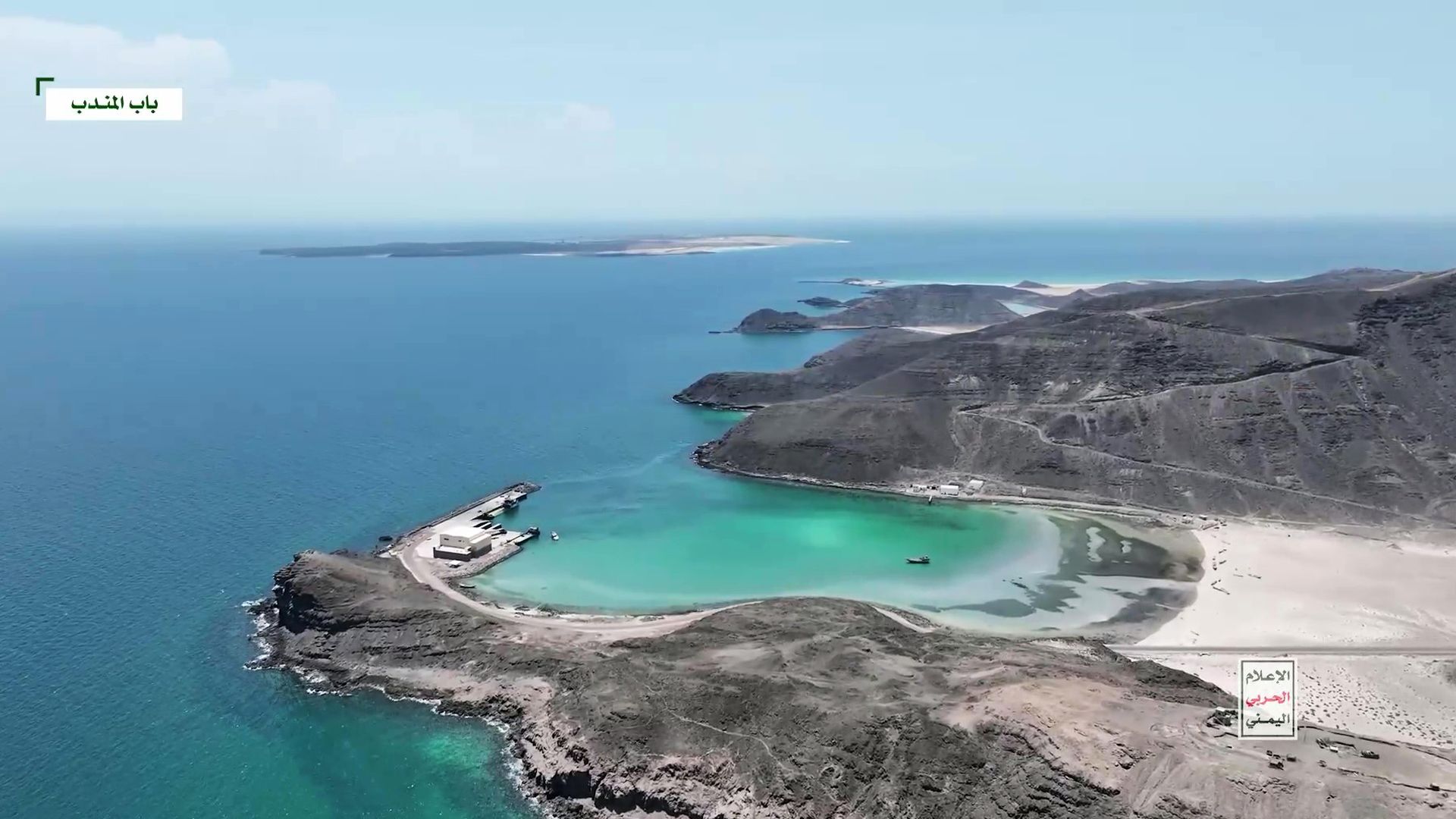
Saudi Arabia and Yemeni government forces are planning a major counteroffensive against Iran-backed Houthis in the coming days — an effort to push them away from areas on the Red Sea coast that control the Strait of Bab al-Mandeb, two U.S. officials say.
Why it matters: For the second time in recent weeks, the U.S. rebuffed Saudi pleas to join the operation and conduct airstrikes. But U.S. officials say that could change if the operation runs into problems.
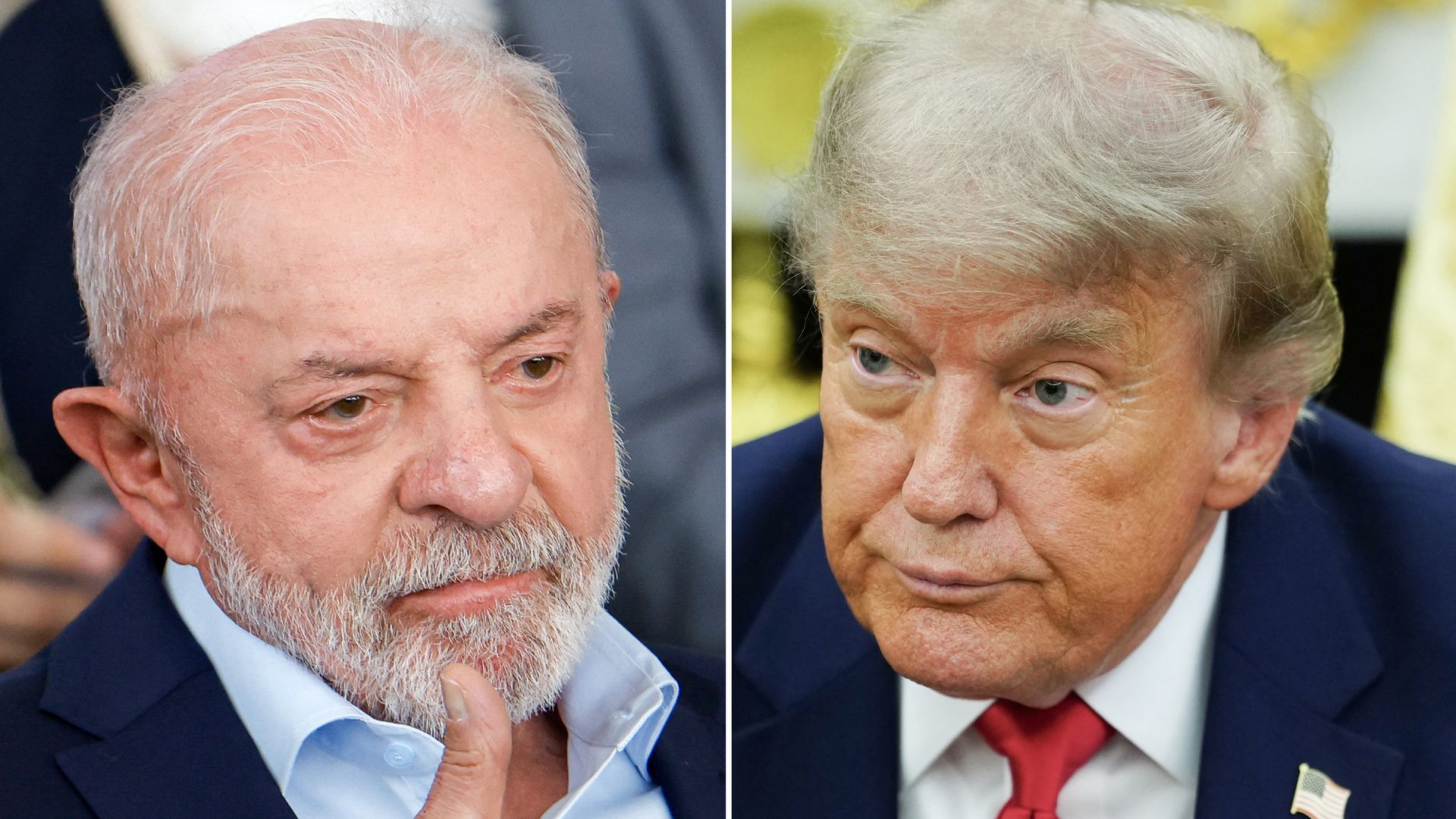
Brazil votes Sunday in a presidential election that could reshape its relationship with President Trump, return the Bolsonaro movement to power and alter the future of the Amazon.
Why it matters: The showdown between President Luiz Inácio Lula da Silva and Sen. Flávio Bolsonaro has turned into something bigger: a test of Trump's influence in Latin America's largest country, with stakes for the region and the global climate.
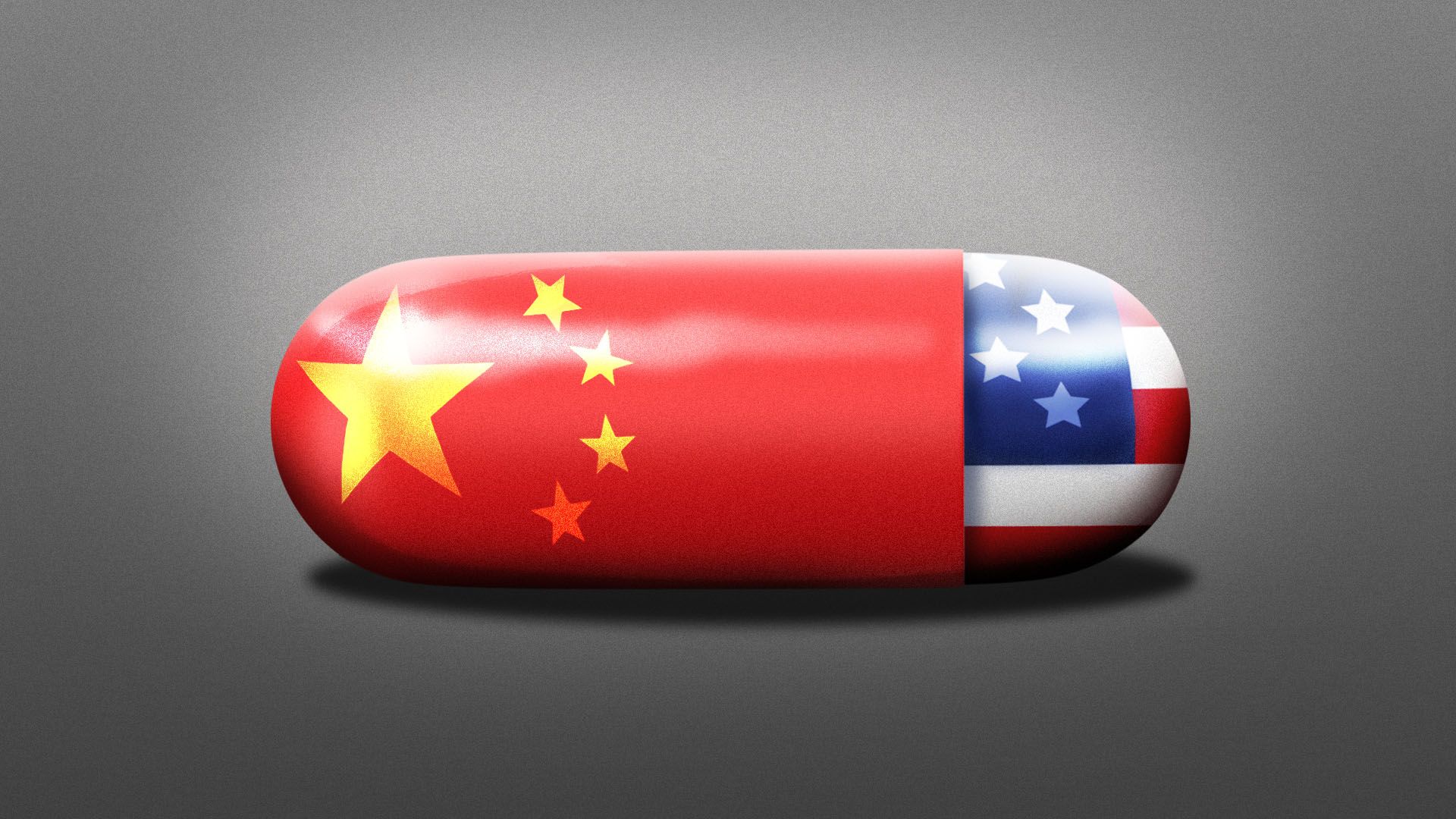
Novartis on Friday signed a drug licensing deal with China's Abogen Biosciences that could be worth up to $7.8 billion.
Why it matters: This is the latest example of a Western pharma giant partnering with a Chinese biotech — a trend that could presage China rivaling America as the world's top drugmaker.
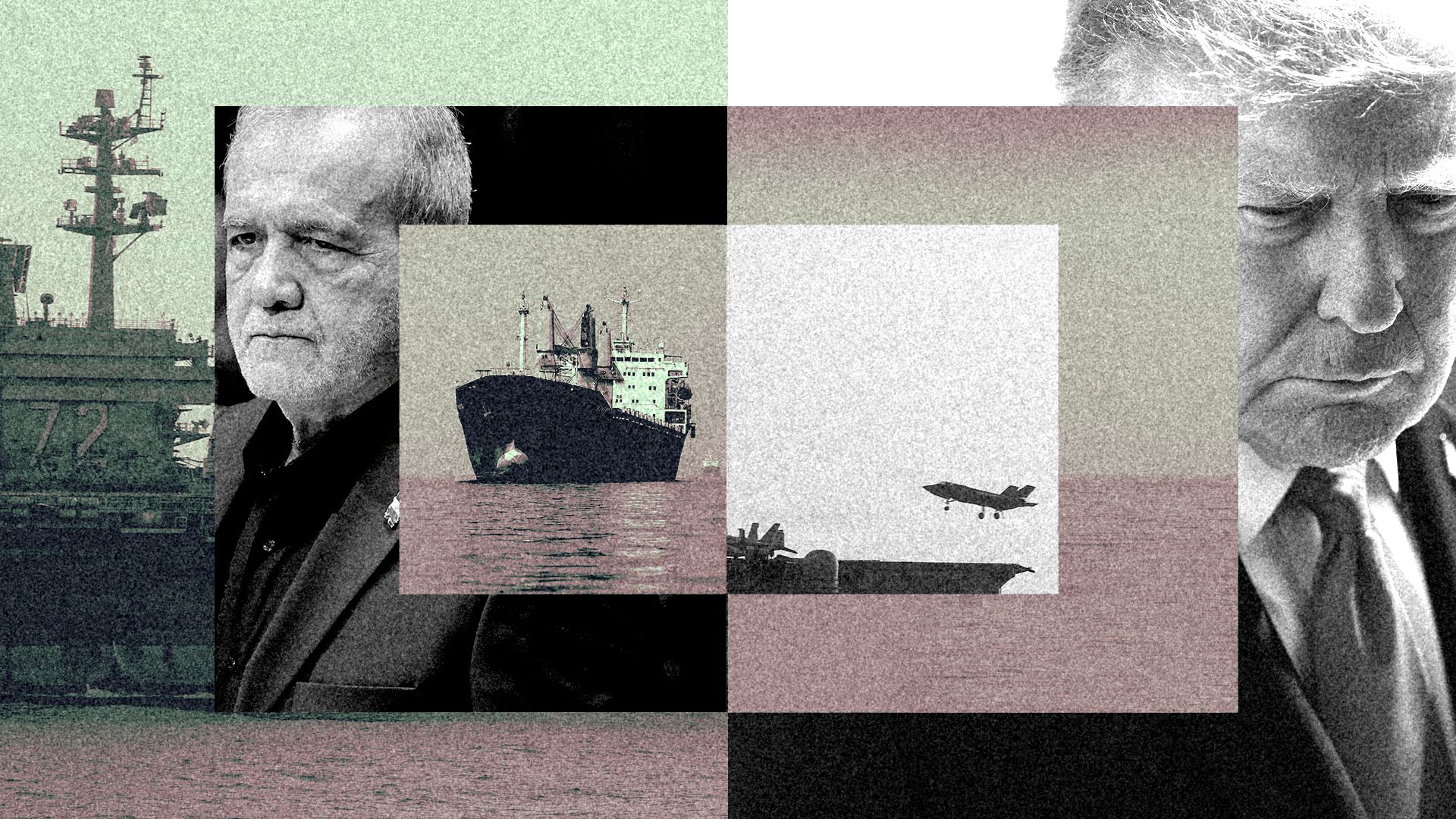
The Trump administration and the Iranian regime both say they prefer a diplomatic solution to the war, but a deal looks more elusive than ever.
The root causes of the impasse may be irreconcilable.
Why it matters: In the last 18 months, two failed rounds of negotiations have led to two wars. The June MOU collapsed within days and led to renewed escalation. If the current effort to reach a diplomatic breakthrough ends in a deadlock, another outbreak of fighting is likely within weeks.
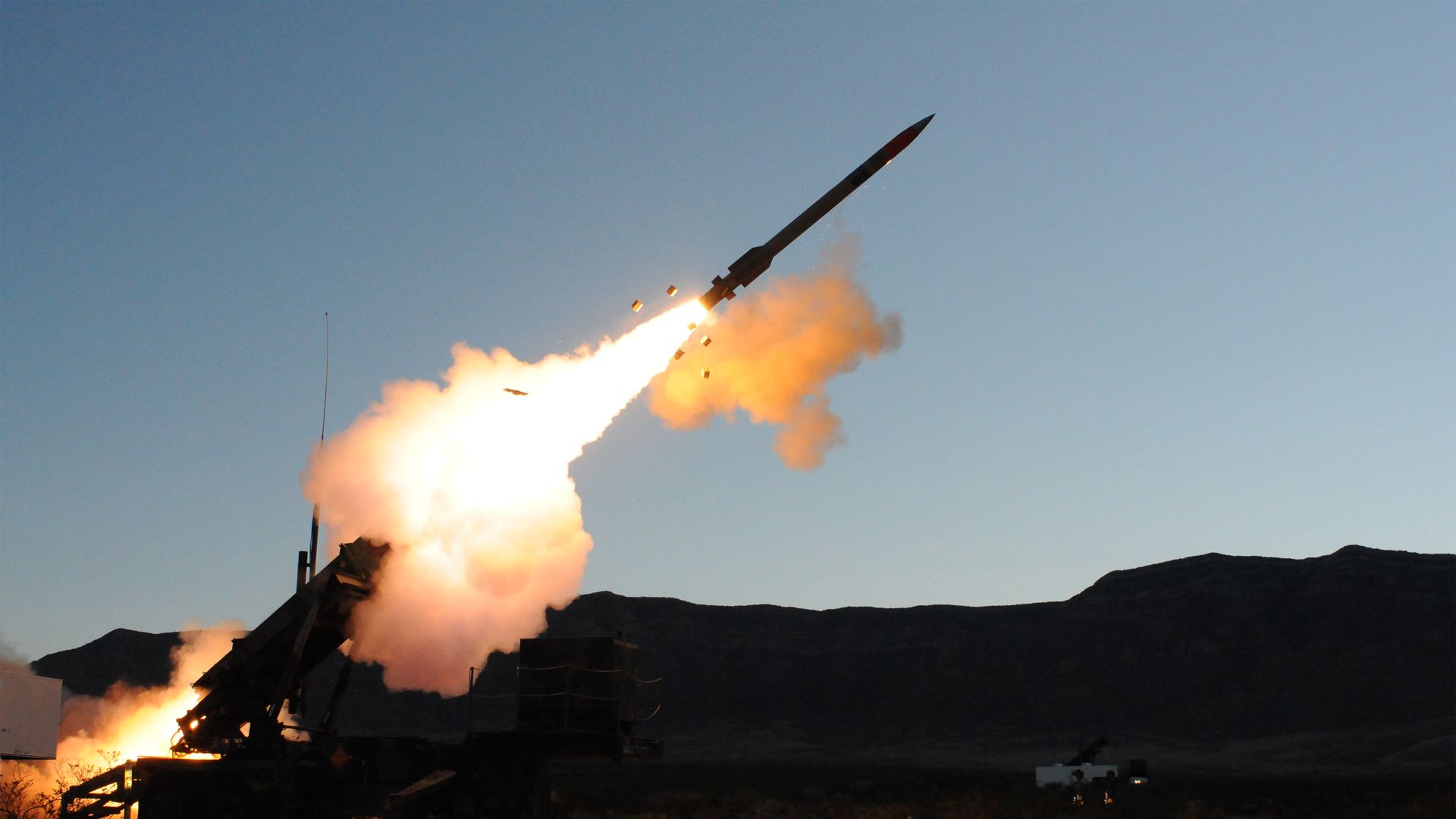
The U.S. military in recent weeks sent two additional Patriot missile batteries to protect oil and gas facilities in Saudi Arabia and Qatar, two U.S. officials and one regional source said.
Why it matters: The U.S. wanted to reassure both allies that it would protect their key energy facilities in case President Trump decides to resume major combat operations against Iran.
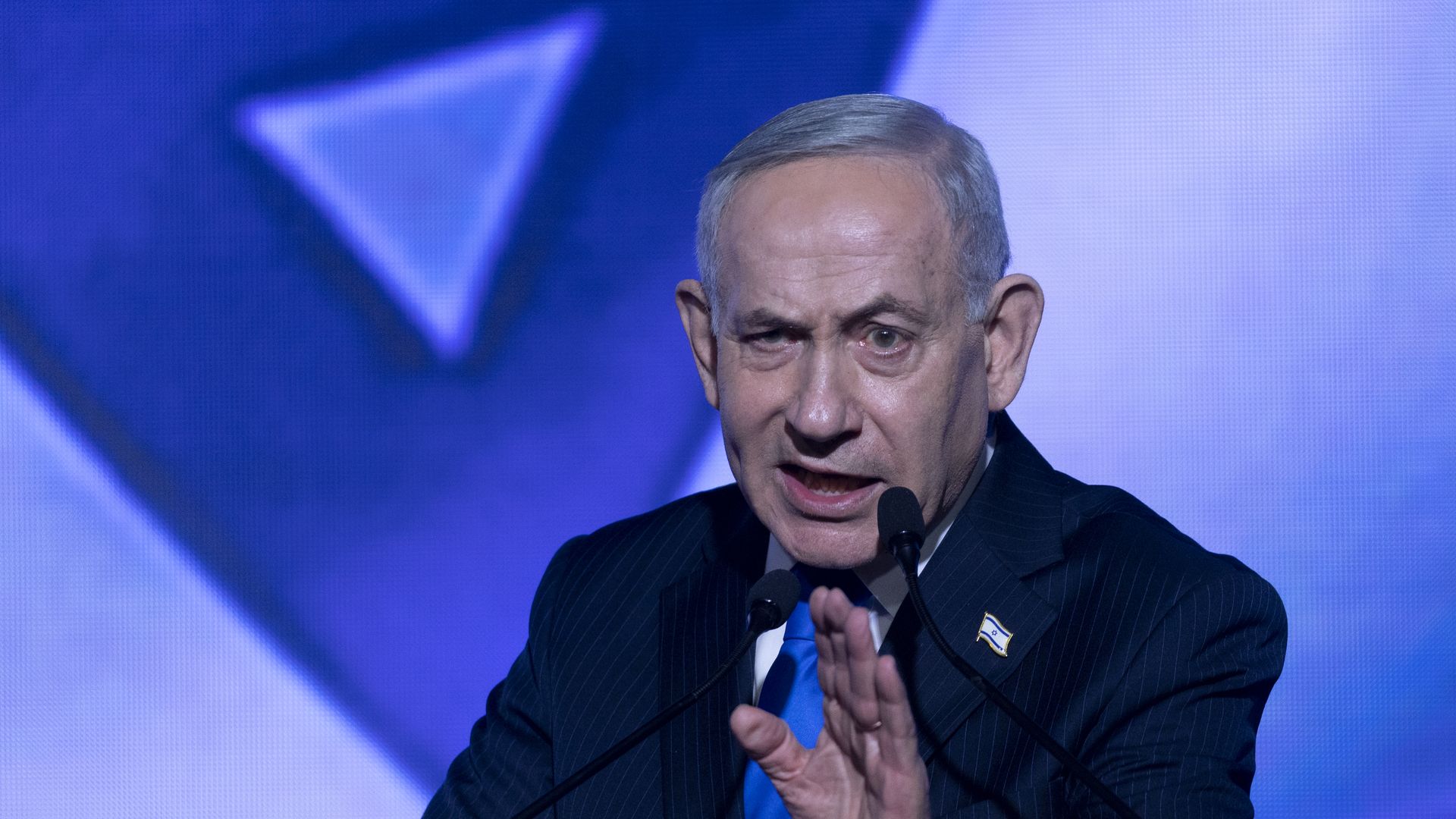
The initial investigation into the attempted hijacking of the FlyDubai flight from the UAE to Israel found that the co-pilot went through religious Islamic radicalization in recent months, Israeli Prime Minister Benjamin Netanyahu told Fox News Thursday.
Why it matters: Netanyahu's remarks, confirmed by an Israeli intelligence official and people who worked with the co-pilot, strengthen the possibility that the incident was a terrorist attack.
A U.K. Iranian dual national was arrested on suspicion of preparing to carry out terrorist acts in connection with an incident at an English air base used by the U.S., British counterterrorism police said Thursday.
The big picture: Tehran has denied any involvement in the suspected bomb plot at RAF Fairford, while U.K. Prime Minister Andy Burnham said there were "strong indications that Iran played a part" in it.
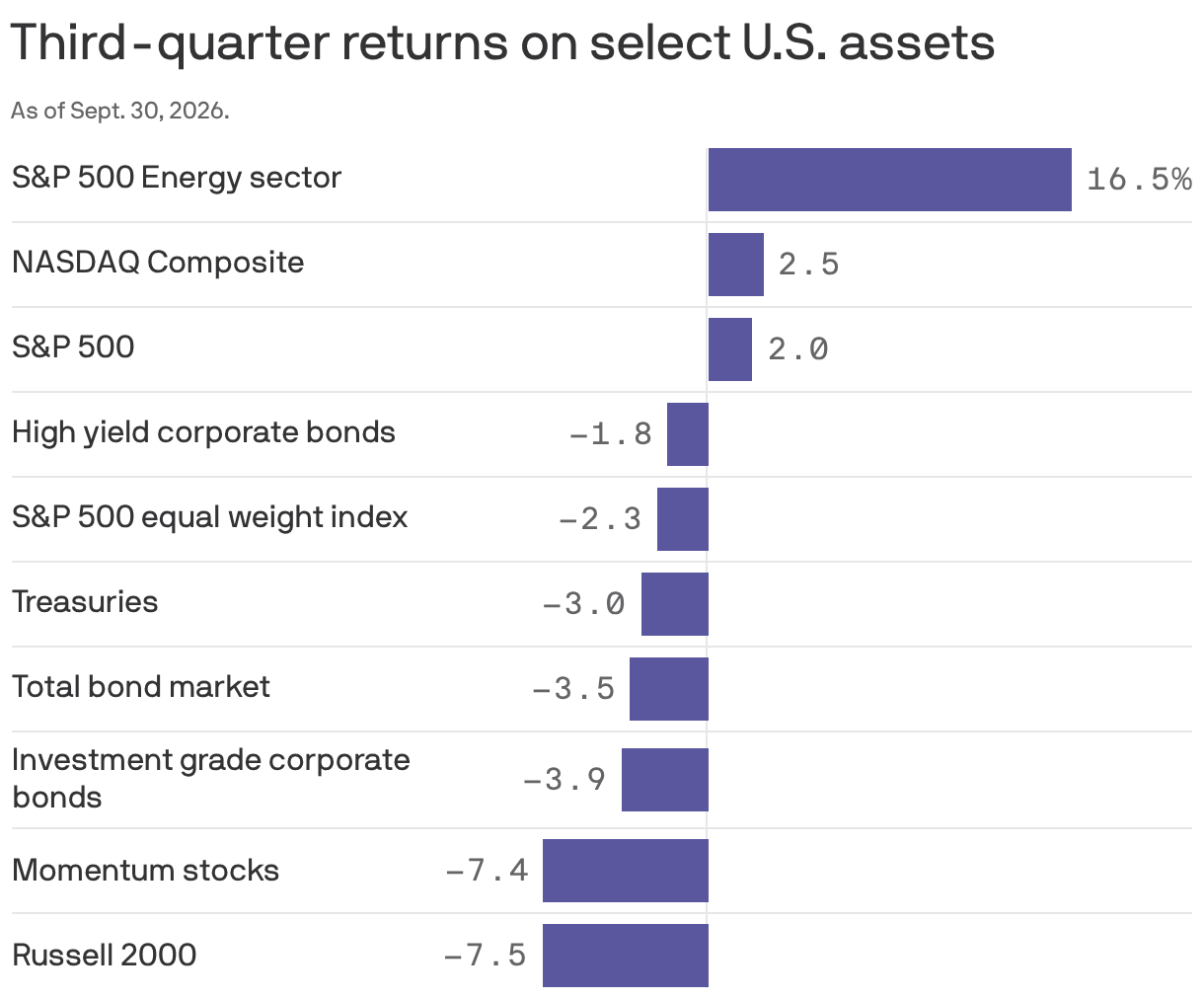
Data: FactSet; Chart: Axios/Matt Phillips; Note: Bond market figures reflect total returns for the Bloomberg U.S. Aggregate bond index and subindexes for U.S. Treasuries and U.S. investment grade and high yield corporate bonds. Momentum stocks reflects the iShares MSCI USA Momentum Factor ETF .
Energy stocks were some of the best-performing U.S. assets to own in the just-ended third quarter, as inflationary pressures related to the Iran war and irrepressible U.S. growth established themselves as key price-drivers.
Why it matters: The performance of oil-and-gas drillers, refiners and retailers was crucial to keeping broader indexes such as the S&P 500 in the black (+2%) during the three months that ended Wednesday.
China is making it clear that it wants to become a powerhouse on par with large Western pharmaceutical companies in the near future, and not just strike licensing deals for promising new drug candidates.
Why it matters: Some experts warn that big drug companies are prioritizing the short-term benefits of partnering with Chinese biotechs over the longer-term risk of China usurping the U.S. as the world's biopharmaceutical superpower.