Saturday's world stories

Axios Visionarios 2026: Leaders and artists on Latino identity, influence, and LA's future
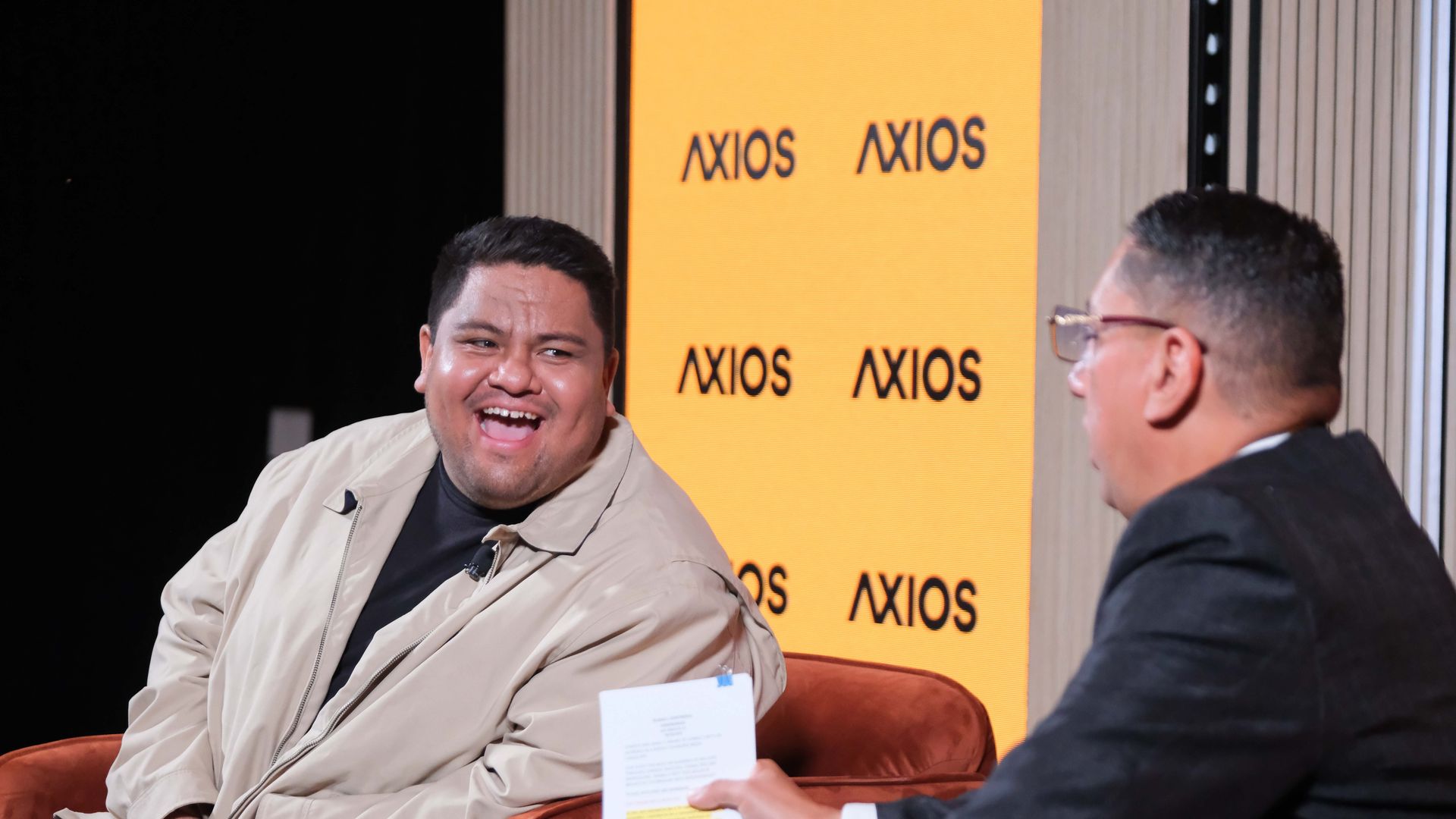
LOS ANGELES — Engagement and personal experience are the keys to connecting with Latino communities and ensuring their voices are heard in policy, leaders said at Axios and Noticias Telemundo's fifth annual Visionarios event on Sept. 30.
Why it matters: The event, five weeks before the Los Angeles mayoral and other consequential midterm elections, was held during Hispanic Heritage Month.
- Noticiero Telemundo 52 anchor Enrique Chiabra; Axios senior race and justice reporter Russell Contreras; The Race CEO Fabricio Drummond; and Astrid Galván, Texas editor, Axios Local, spoke with Los Angeles City Councilmember and mayoral candidate Nithya Raman; Julie Chavez Rodriguez, chief strategist for Democratic Mayor Karen Bass' reelection campaign; Latin Grammy- and Grammy-nominated singer-songwriter Lupita Infante; comedy creator, producer, writer and actor Leo González; and Ally Brooke, multiplatinum singer/songwriter, author, actress and philanthropist.
- Bank of America sponsored the event.
Catch up quick: Here are five key takeaways from the event:
1. Raman said having Latino leadership in her administration if she is elected mayor would be key.
- "There's no monolithic way in which you can serve the Latino community, but what I can commit to doing and what I will do with a lot of humility, because I don't know everything, is to make sure that I have the people around me who can help us serve Latinos in the city the way that they deserve to be served," she said.
- Raman, a democratic socialist, is an immigrant from the South Asian community and came to the U.S. as a child.
2. Chavez Rodriguez said a lot of the swing voters in the LA mayors' race this cycle are Latino, and undecided voters are "starting to tune in."
- Following ICE's 2025 raids in LA, safety has been a topic voters bring up, and Chavez Rodriguez said Bass was "forceful about" it at the time. "That was, you know, a very, I think, terrorizing impact on so many communities here, especially the Latino community," she said.
3. Infante said she's a bridge between her legacy — her grandfather Pedro Infante was a Mexican singer and actor — and the U.S., where her family immigrated.
- Her father, who died when she was 22, was also a singer and actor. "[O]nce he passed away is when I really realized, like, I think there's something for me here. I want to reach out and just connect again with my roots through music."
4. González is also looking for connection, and uses his comedic portrayals to connect with people like cashiers and restaurant workers.
- "I love customer service. I love pleasing," he said of his time working at Charleys Cheesesteaks in a mall food court.
- He's been tapping into the tougher moments of his life while writing a book. "I also know that the story in the book or of my life is also other people's stories," he said about having been a caregiver for his chronically ill mother.
5. Brooke rose to global fame with the girl group Fifth Harmony. A Mexican American from San Antonio, she didn't grow up speaking Spanish but now makes Spanish-language music.
- "It was hard … knowing how to sing Spanish, being very, very, very, very proud of who I am, where I came from, but also not knowing how to truly speak fluently was kind of a very interesting place to be in."
Content from the sponsor's segment:
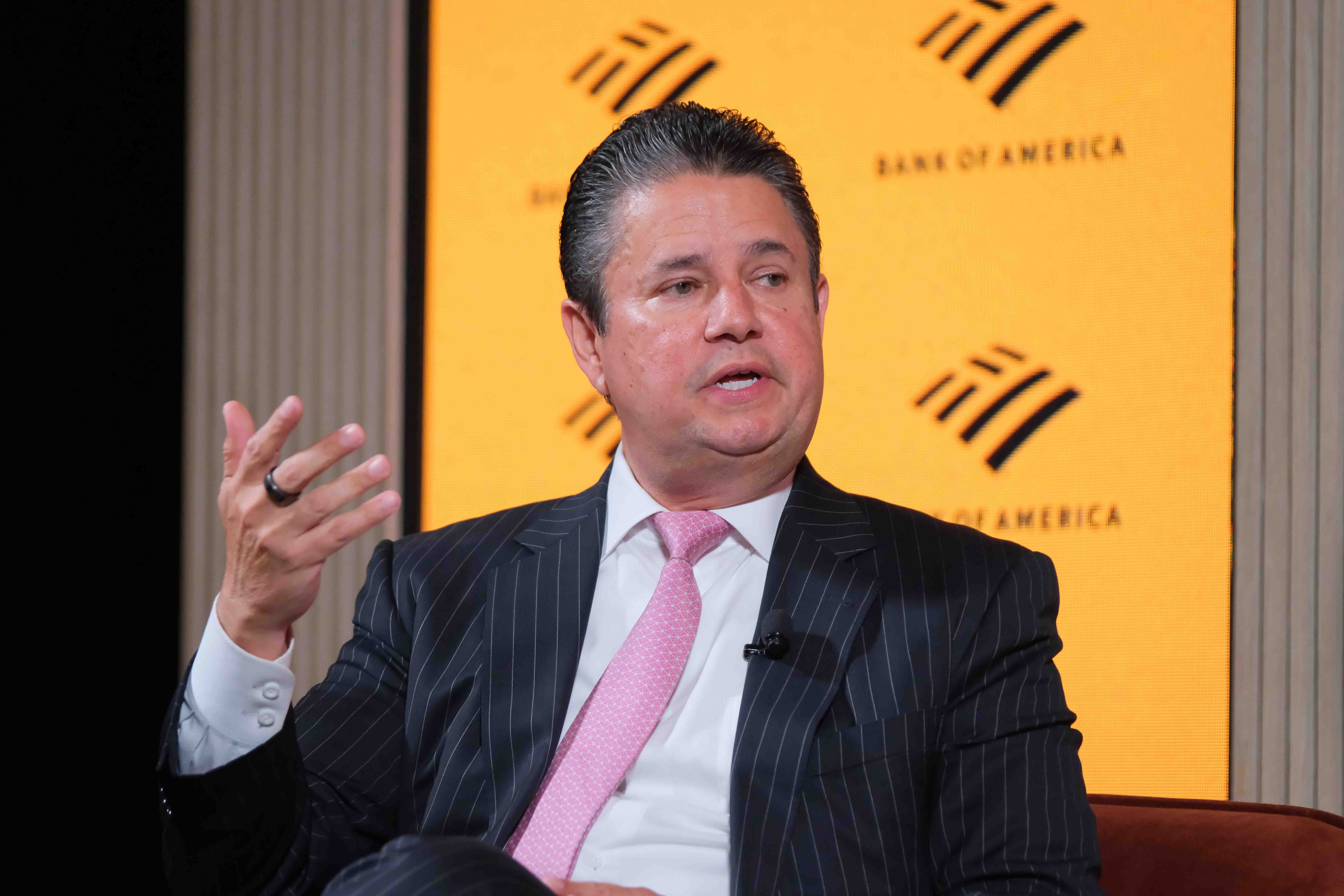
In a View from the Top conversation, Raul Anaya, head of local markets strategy and president of Bank of America in Los Angeles, said Latinos are driving growth in sports and culture.
- "I think it's time that companies stop thinking of Latinos as a cohort or as a segment but instead look at it as a growth engine," he said.
Go deeper: Watch the full event.