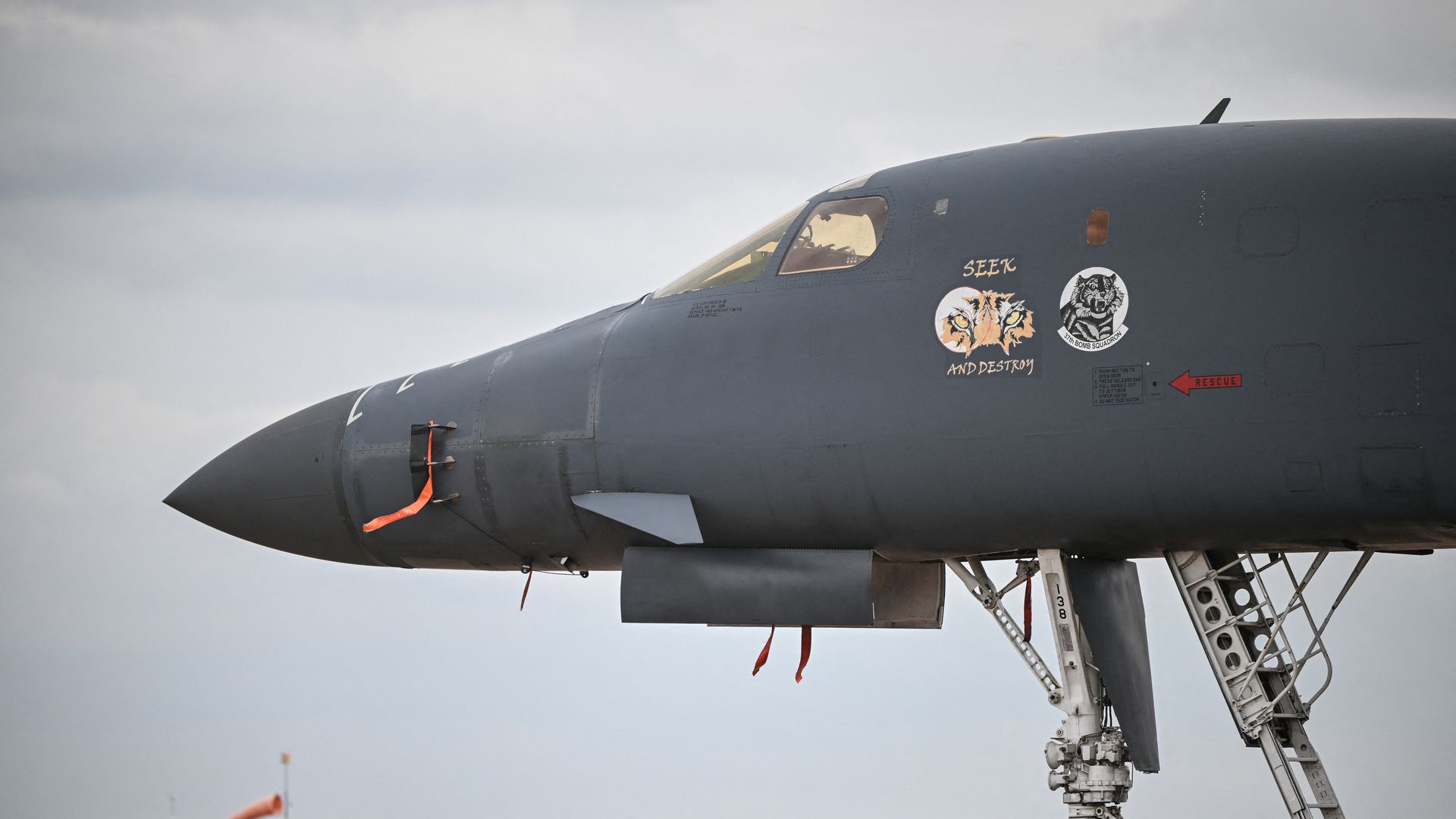
The U.S. military evacuated a dozen B-1 bombers from the RAF Fairford airbase in the UK over the weekend as a result of intelligence suggesting an Iranian drone attack, U.S. officials said.
Why it matters: Such an Iranian drone attack from British soil against the base could have led to the killing of U.S. service members and destroyed the strategic bombers.
States are taking on the stubbornly high fuel prices squeezing Americans ahead of the midterm elections, pushing through tax holidays and other tactics to offer relief while federal efforts have stalled.
Why it matters: With November 3 less than 30 days away, the political stakes of those price-lowering levers — even if the relief is only modest — are surging amid sky-high costs.
A suspected pneumonic plague case in Russia rattled health officials, the White House and social media over the weekend, stoking fears about what might happen if the disease spreads around the world.
Why it matters: Pneumonic plague can spread between people and can be deadly without rapid treatment, but it moves differently than COVID-19 and is highly treatable with modern medicine.
The euro fell to a 17-month low against the dollar on Monday as political and fiscal worries rattled European markets.
Why it matters: Rising borrowing costs and political instability are reviving concerns about strains within the eurozone — and whether the European Central Bank may eventually have to step in.
For millions of children, the school day starts on a diesel-powered bus with a driver behind the wheel. Now, school districts are struggling to afford both.
Why it matters: The Iran War is sending diesel costs higher just as districts are grappling with a yearslong bus driver shortage — a double whammy that can ripple into missed breakfasts, late classes and fewer school activities.
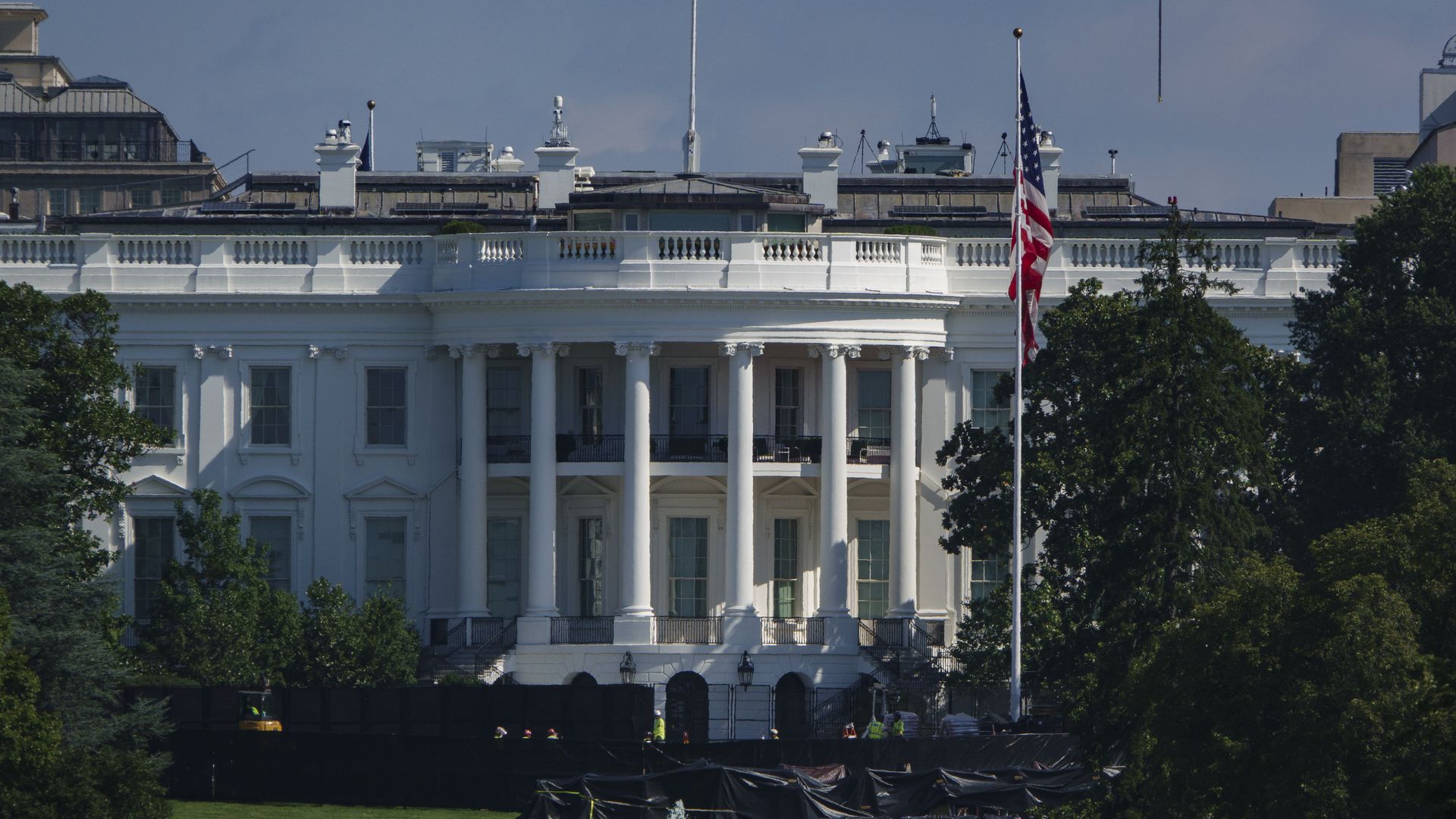
The White House is monitoring a suspected outbreak of pneumonic plague in Russia, raising immediate concerns for scientists, researchers and health officials worldwide.
Why it matters:Pneumonic plague is the most dangerous form of plague and can spread between people through respiratory droplets. Without treatment, it is nearly always fatal, but antibiotics can be highly effective when started quickly.
President Trump's top cabinet members huddled for hours at Camp David on Friday to discuss next steps in the Iran war and the Saudi-Houthi conflict in Yemen, three U.S. officials told Axios.
Why it matters: The highly unusual meeting was not announced by the Trump administration. The last time a similar meeting took place was in June 2025, just days before Israel went to war against Iran.
France is dealing with a major debt crisis and social unrest ahead of its presidential election next year.
Why it matters: Worries are rising about contagion in Europe and beyond, and the situation is drawing comparisons with the sovereign debt crisis that rocked the European Union in the 2010s.
"Government bond yields in France are spiraling out of control. Contagion to the rest of high-debt Europe is unfolding rapidly," Brookings' Robin Brooks wrote recently.
Latino voters, whose dramatic shift toward President Trump helped power his 2024 victory, are moving sharply back toward Democrats ahead of the midterms, two new national polls show.
Why it matters: Republicans built pieces of their 2026 strategy, including newly drawn House districts in Texas and Florida, around the assumption that Trump's historic Latino gains would endure. A reversal is complicating that bet in key races.
The White House is monitoring reports of a suspected plague case and related quarantines in Russia, a Trump administration official told Axios on Sunday.
Driving the news: Russian health authorities have taken precautionary measures in response to the death of a woman who worked at an anti-plague research facility, but have not confirmed that she contracted plague.
Two members of Iran's delegation to the UN General Assembly in New York were "kicked out" of the country on Saturday, several days after they were asked to leave, a U.S. official said.
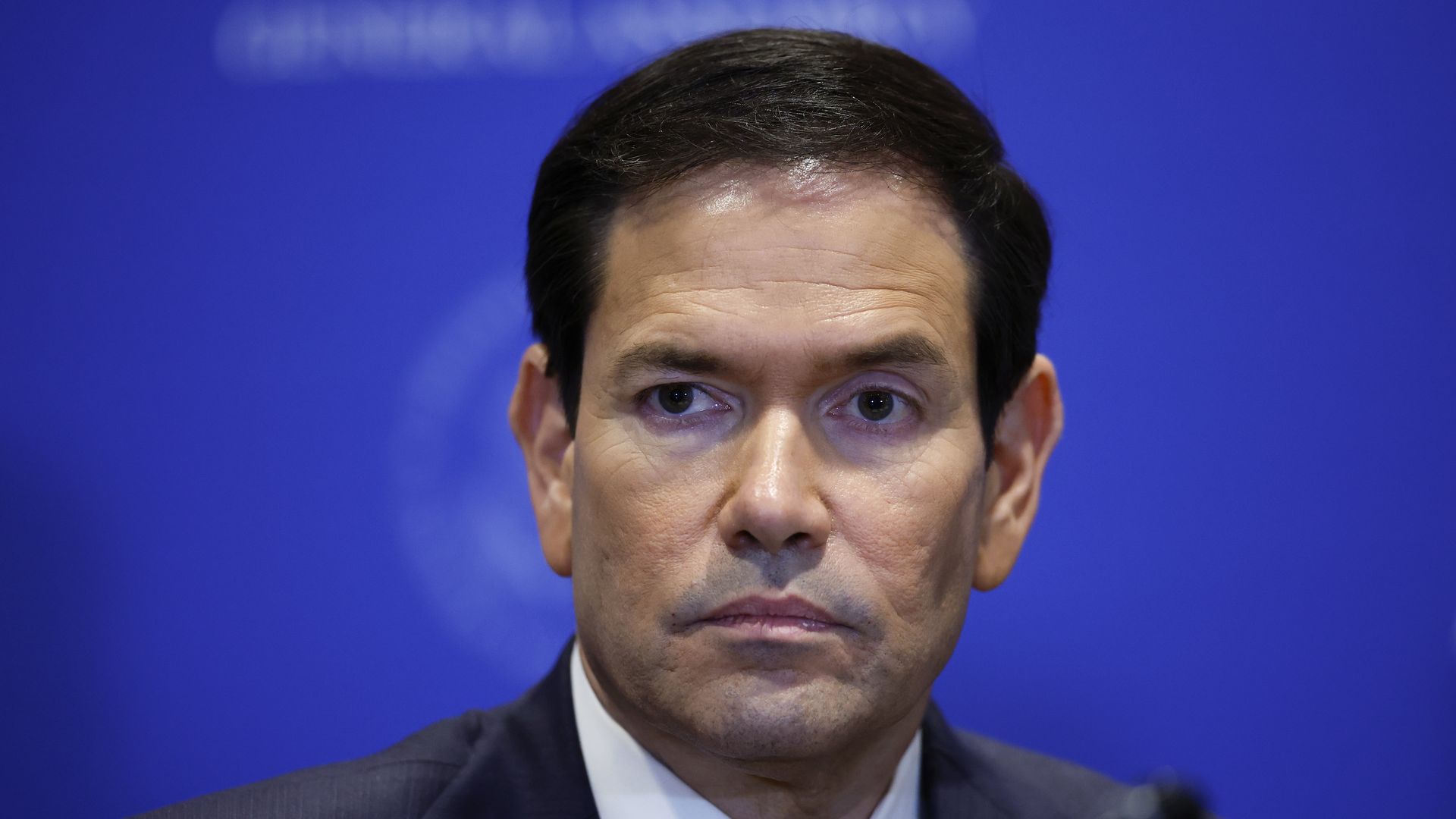
"Secretary Rubio means business. Two more members of the Iranian delegation were found still in New York long after the UN General Assembly had passed. They have now been kicked out of the country," the official said.
Yemeni government forces backed by Saudi Arabia launched a counteroffensive against the Houthis on Sunday in an effort to win back territory from the rebel group, the head of Yemen's presidential council said in a speech.
"We have exhausted all opportunities for deescalation with the Houthi militias," Rashad al-Alimi said.
Why it matters: One of the key objectives of the operation is to regain control over the Bab al-Mandeb Strait, a vital artery for global trade and Saudi oil exports.
When the Houthis took over territory on the Red Sea coast close to the strait, it gave them — and Iran, which backs them — powerful leverage over the U.S., its Gulf allies and the world economy.
Despite pleas from Saudi Arabia, the U.S. is not getting involved in direct combat against the Houthis for now. It is providing intelligence and targeting support, U.S. officials say.
Driving the news: The counteroffensive has been planned for many weeks by Yemen's internationally recognized government and Saudi Arabia.
Tens of thousands of ground troops loyal to the Yemeni government are participating.
The Saudi military is mainly providing air cover for Yemeni forces and conducting airstrikes against Houthi targets.
The goal is to retake the Yemeni capital of Sanaa, which has been under Houthi control for several years.
The Houthis continued launching missiles at Saudi targets over the weekend, including at facilities of state-owned oil giant Aramco.
The intrigue: President Trump is caught between wanting to help Crown Prince Mohammed bin Salman, his friend and ally, and avoiding getting entangled in a new front in the Middle East.
U.S. Central Command (CENTCOM) also had serious reservations about launching strikes in Yemen, viewing it as a distraction from its focus on Iran, a U.S. official said.
On Thursday, Saudi Defense Minister Prince Khalid bin Salman called Defense Secretary Pete Hegseth to brief him on the planned operation and ask again for U.S. airstrikes against Houthi targets, the official said.
A secondU.S. official said that the U.S. "is not going to take kinetic action for now," but stressed that could change if the operation runs into problems.
What to watch: On Friday, Trump's top cabinet members huddled for hours at Camp David to discuss next steps in the Iran war and the conflict in Yemen, Axios first reported.
It's unclear whether the meeting ended with new policy recommendations for the president regarding Yemen.