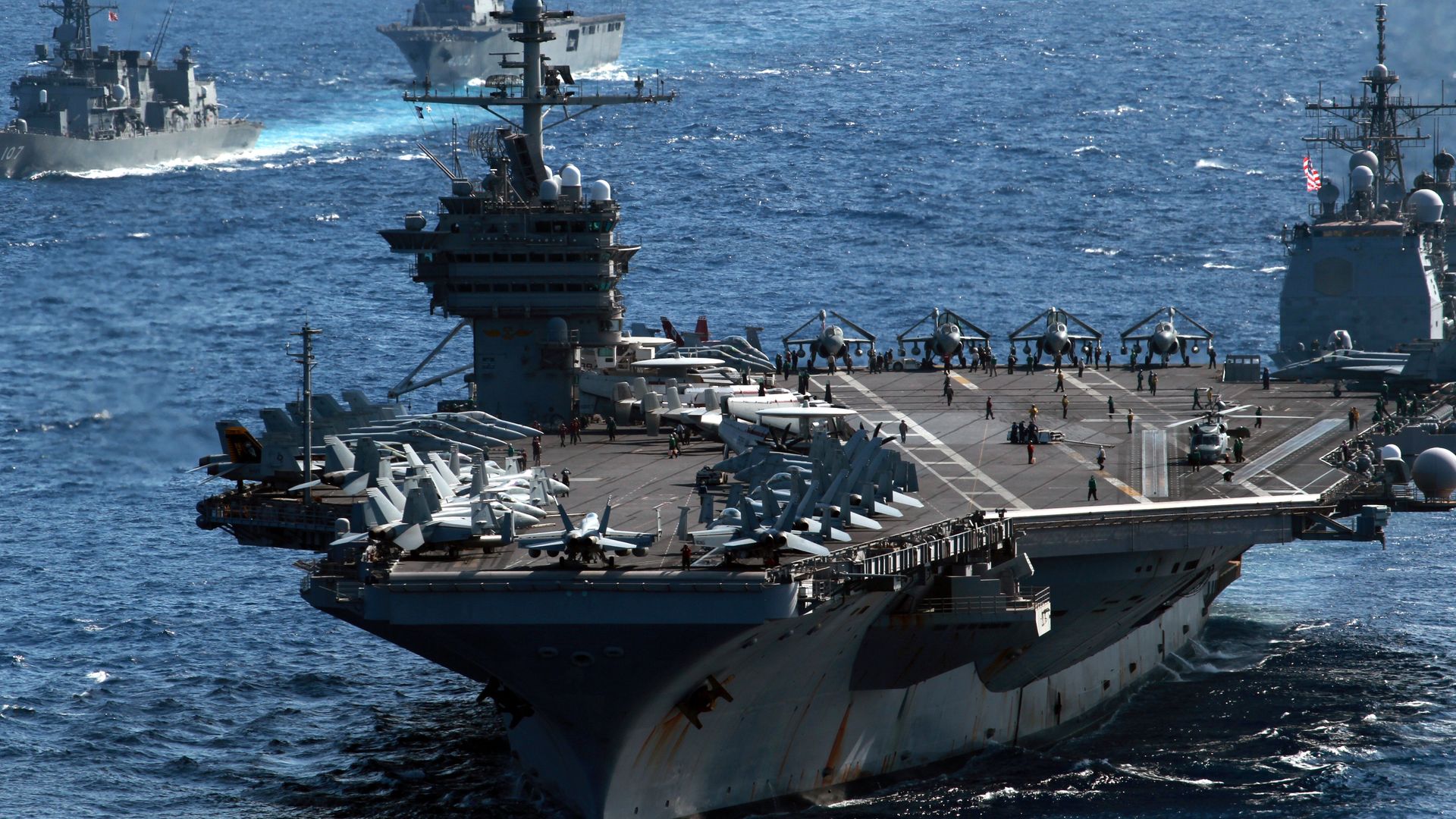
The USS George Washington's deployment from Japan to the Middle East to relieve the USS Abraham Lincoln will leave the U.S. without an aircraft carrier in the western Pacific — just as adversaries in the area are flexing their military power.
Why it matters:Temporary carrier gaps are not uncommon, but the absence of a striker ship in the Pacific highlights how the Middle East is once again dictating American military policy. It also has raised questions about how the U.S. can sustain a formidable presence in both regions.
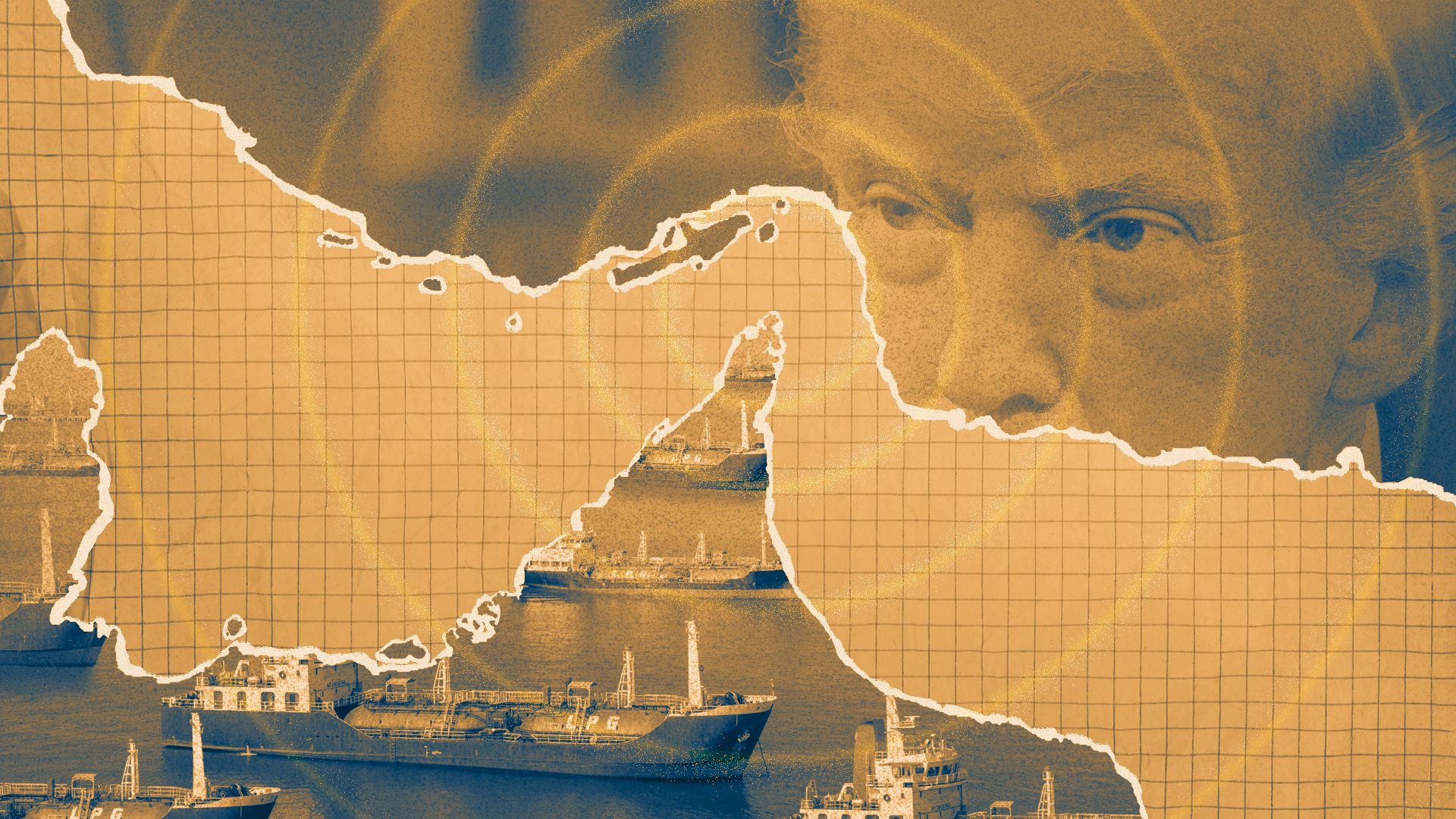
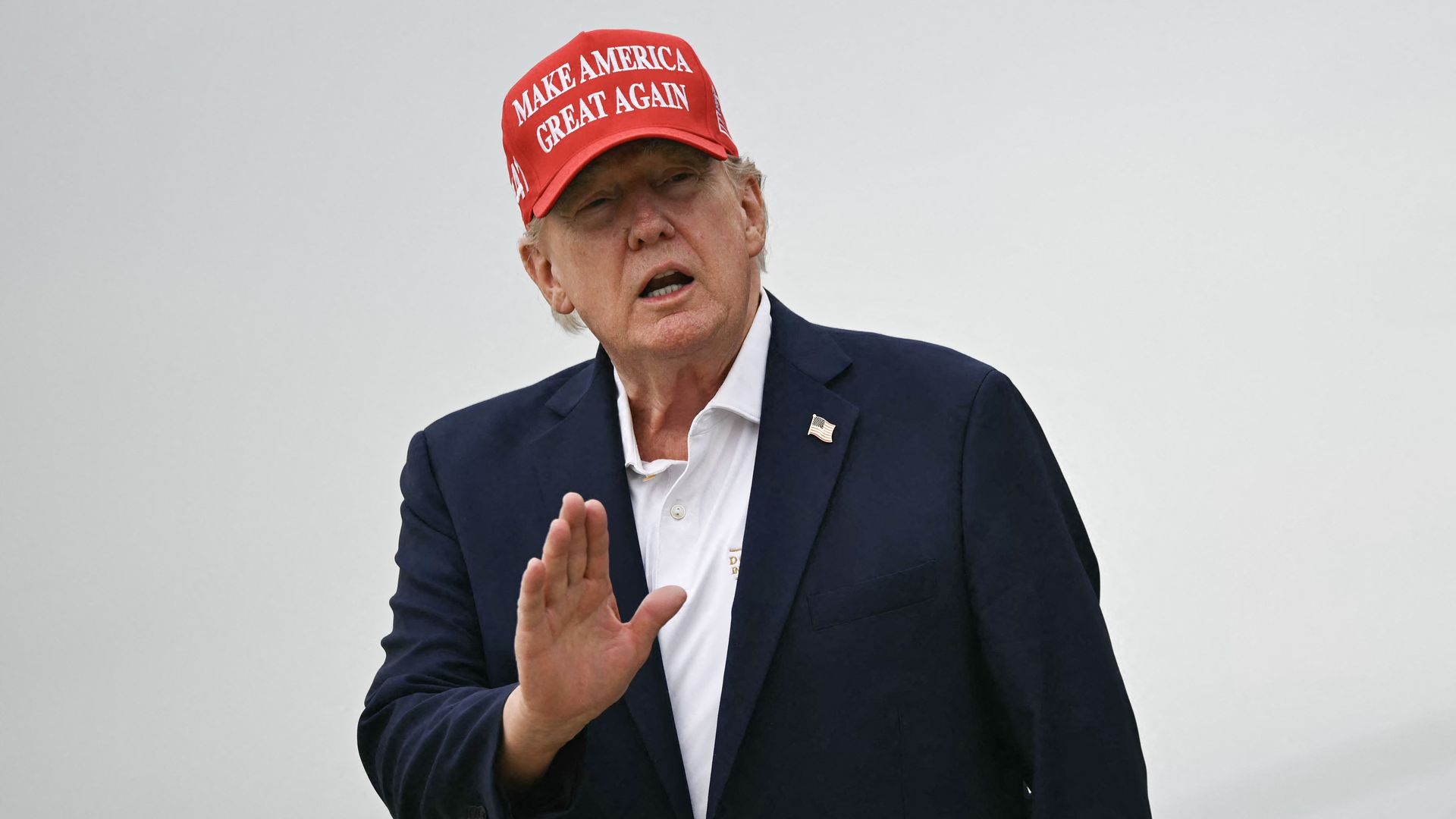
President Trump again floated taking over the Strait of Hormuz as a U.S. "territory" on Monday, as the critical waterway remains a main pain point of the protracted Iran war.
The big picture: Trump's comments come at a difficult time for the ongoing conflict, with stalled negotiations for a ceasefire and a memorandum of understanding between the U.S. and Iran expiring on Monday.
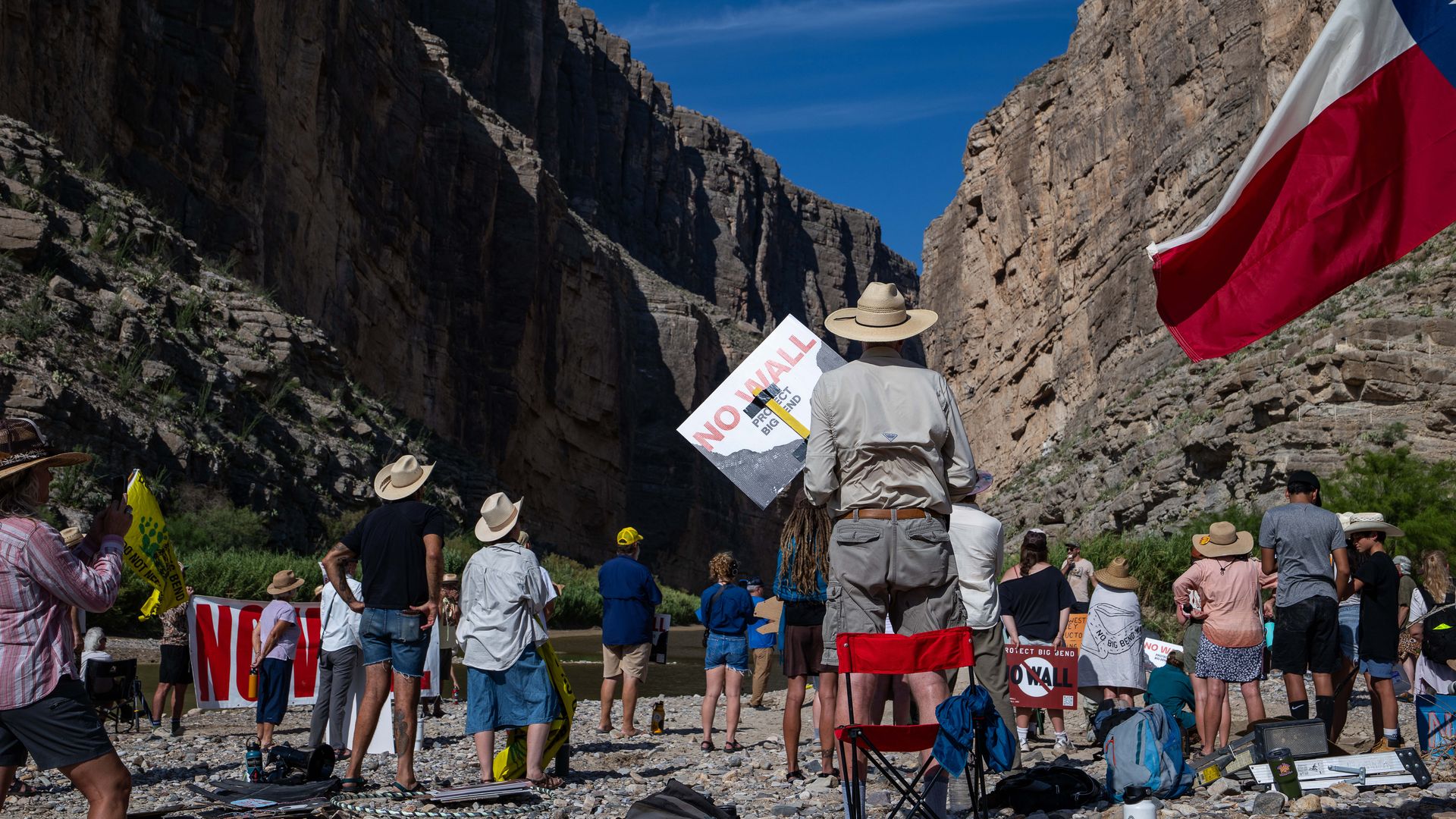
The Trump administration paused border wall construction at Big Bend National Park in Texas while U.S. Customs and Border Protection Commissioner Rodney Scott visits the site, Scott announced Monday.
Why it matters: The wall's construction inside the national park has been the subject of bipartisan pushback and criticism that the job has been rushed, and is damaging to the environment.
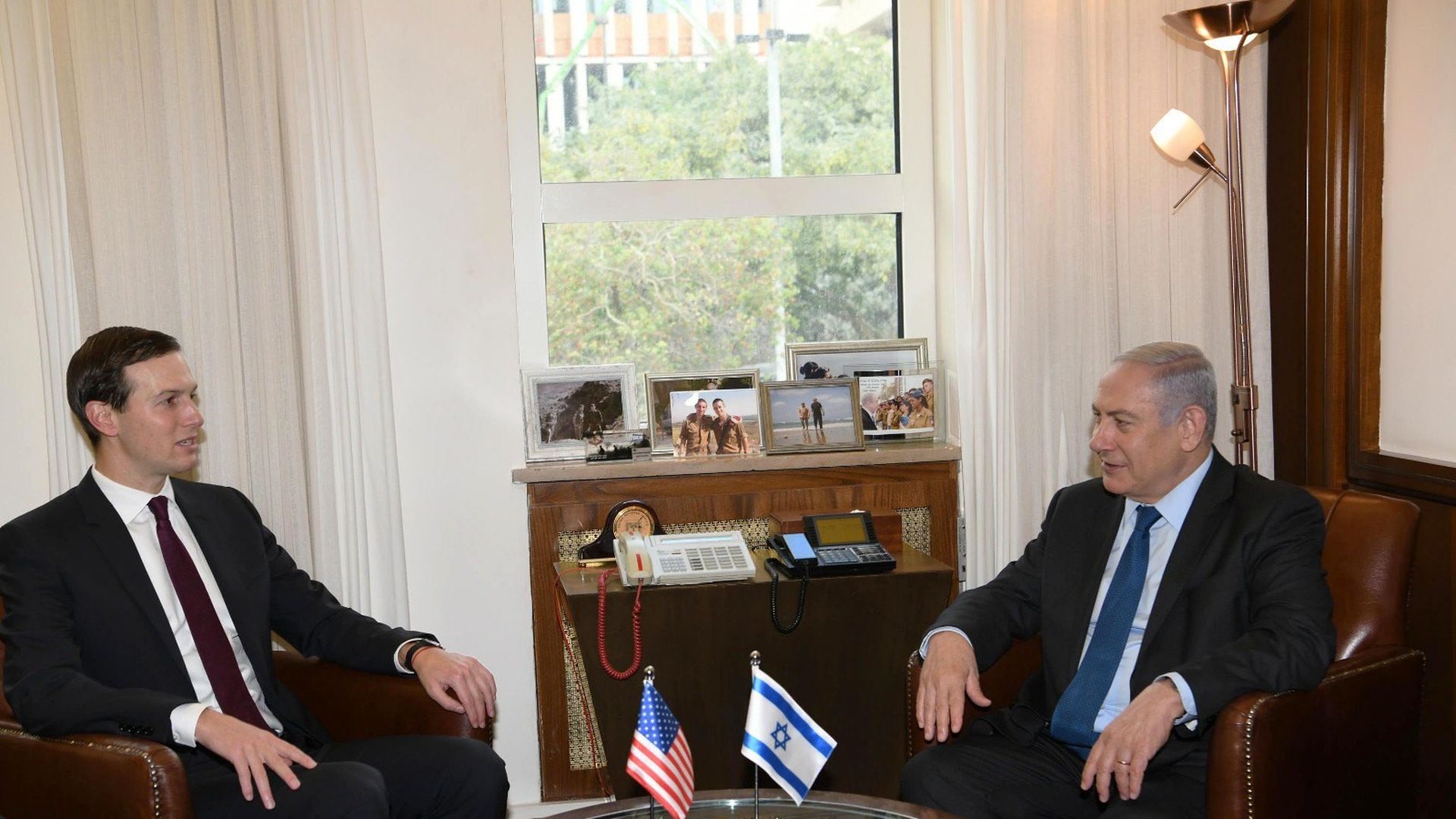
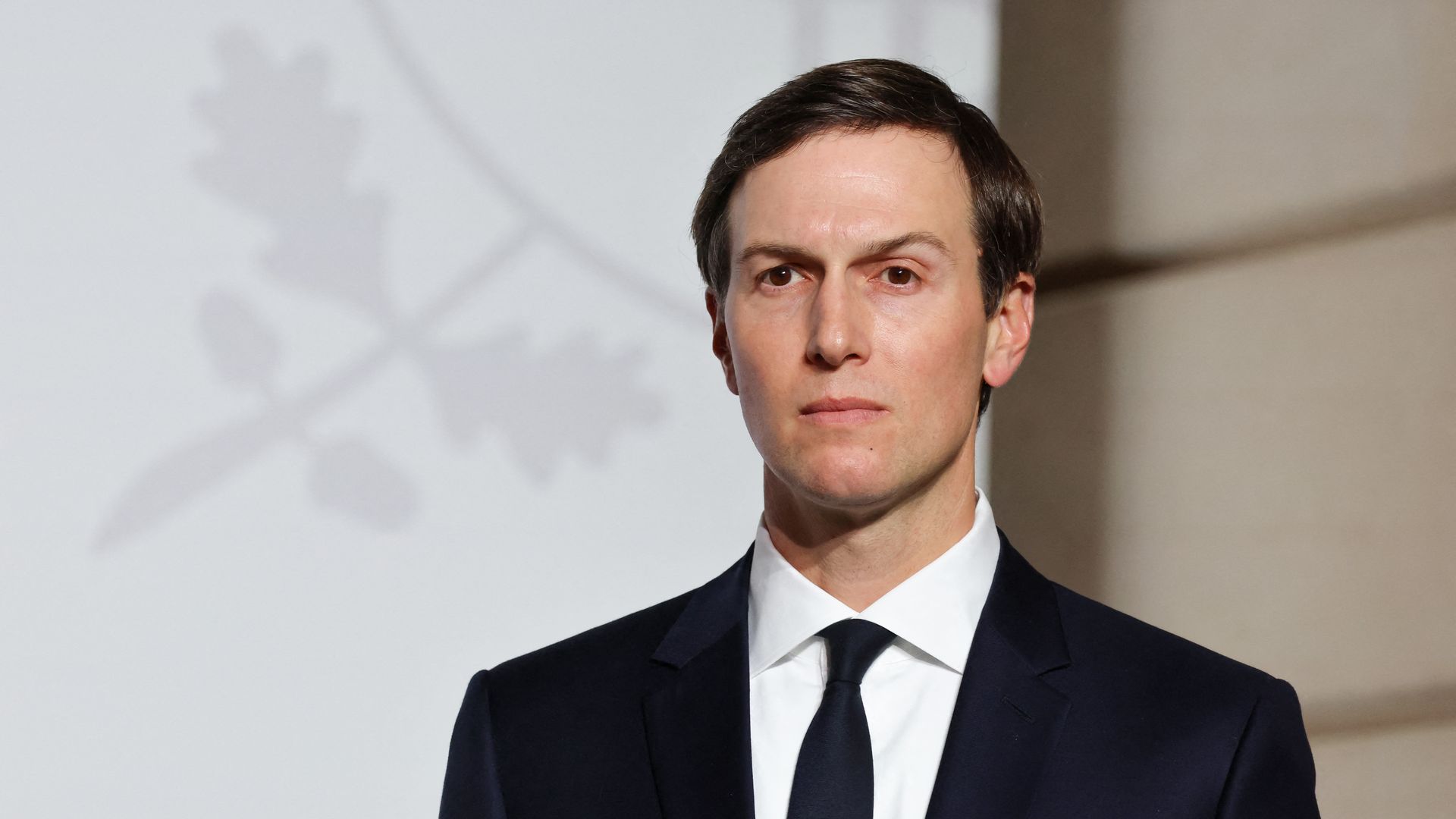
President Trump adviser Jared Kushner told Israeli Prime Minister Benjamin Netanyahu on Monday that the U.S. wants Israel to take "small steps" in Gaza to test whether Hamas' commitment to start disarming is genuine, a U.S. official said.
Why it matters: The four-hour meeting took place amid deep skepticism from Netanyahu about the U.S. plan for Gaza — and ahead of an October election that makes the Israeli leader reluctant to offer significant concessions on the politically sensitive issue.
China's economic weakness and its AI ambitions are putting competing demands on policymakers.
Reviving the economy means getting households to spend more, but competing with the U.S. in AI means turbocharging an already production-heavy economic model.
Why it matters: China's push to supercharge production even as domestic demand weakens leaves China's producers more reliant on foreign buyers and pressures industries abroad.
President Trump said Sunday he instructed Defense Secretary Pete Hegseth to "substantially reduce" U.S. military exercises with South Korea.
The big picture: Trump cited his "very good relationship" with North Korean leader Kim Jong-un for condemning the drills — and also noted on Truth Social that South Korea declined his request to help the U.S. denuclearize Iran.
Hamas leaders reaffirmed their commitment to disarm and demilitarize Gaza in a meeting with President Trump's adviser Jared Kushner in Egypt on Sunday, according to a source with direct knowledge.
Why it matters: Kushner used the rare direct meeting to press Hamas for tangible steps on disarmament, warning that Israel doesn't trust the group to follow through.
Extreme heat is testing Italy's cheese banks, the vaults that hold Parmigiano Reggiano while it ages for years.
Why it matters: It's an 800-year-old industry that employs thousands and generates about $5 billion a year — and it actually has something in common with one of the biggest questions troubling the trillion-dollar AI buildout.
In mid-May, U.S. negotiators trying to reach a deal with Iran to end the war ran into a problem: They couldn't tell if the people across the table actually spoke for the country's powerful Islamic Revolutionary Guard Corps (IRGC).
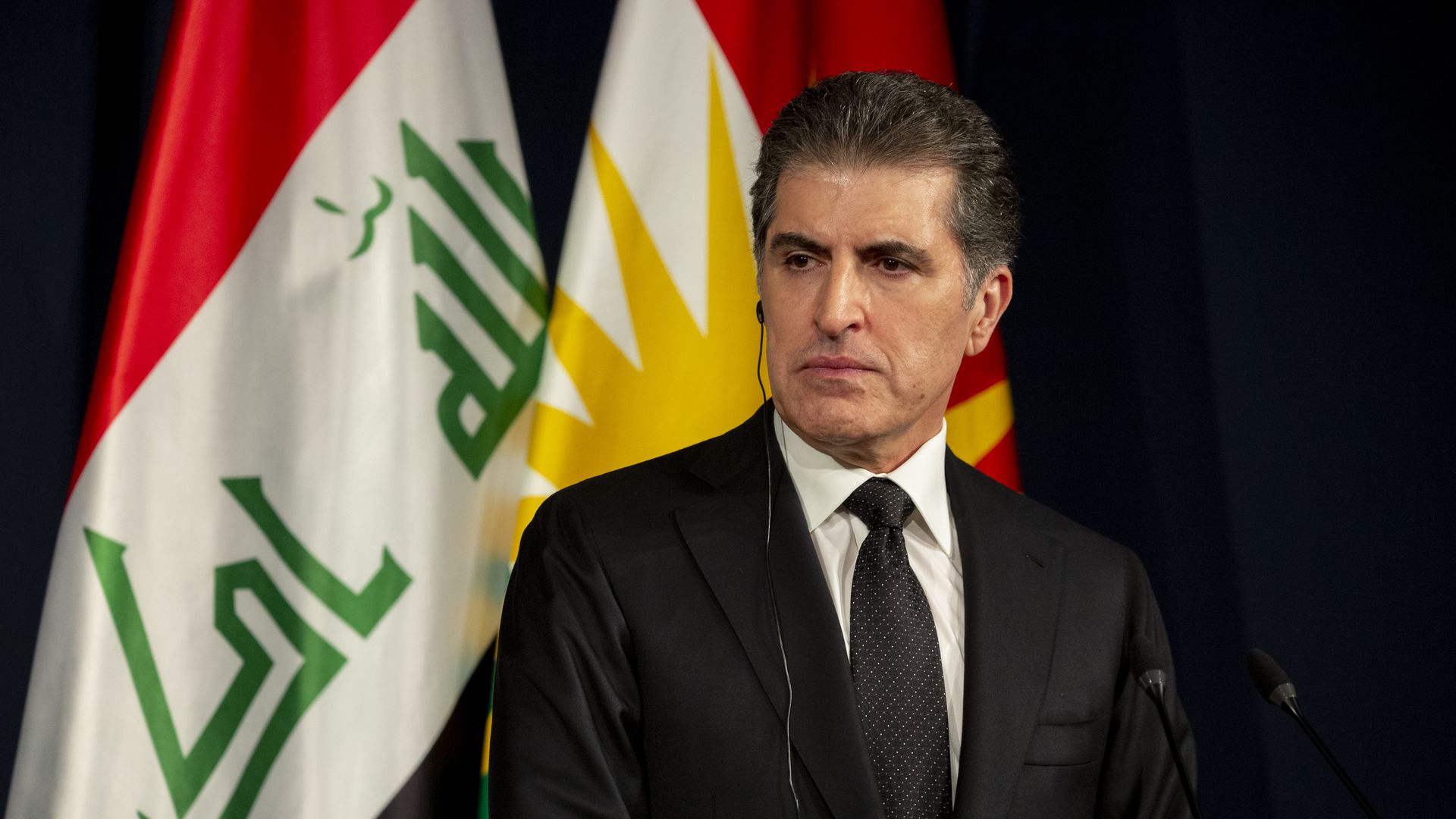
So Trump administration officials did something unconventional — they went around Iran's negotiators and reached out directly to IRGC leadership. The person they tapped for the backchannel was Nechirvan Barzani, the president of the Kurdistan region in Iraq, who had something very few others do: the trust of both U.S. and IRGC leaders.
Why it matters: The episode, which was detailed by three sources with direct knowledge and has not been previously reported, shows how tricky it's been for the U.S. to negotiate with a country where Washington isn't sure who exactly is in charge. The U.S. and Iran did reach a memorandum of understanding, but it quickly collapsed.