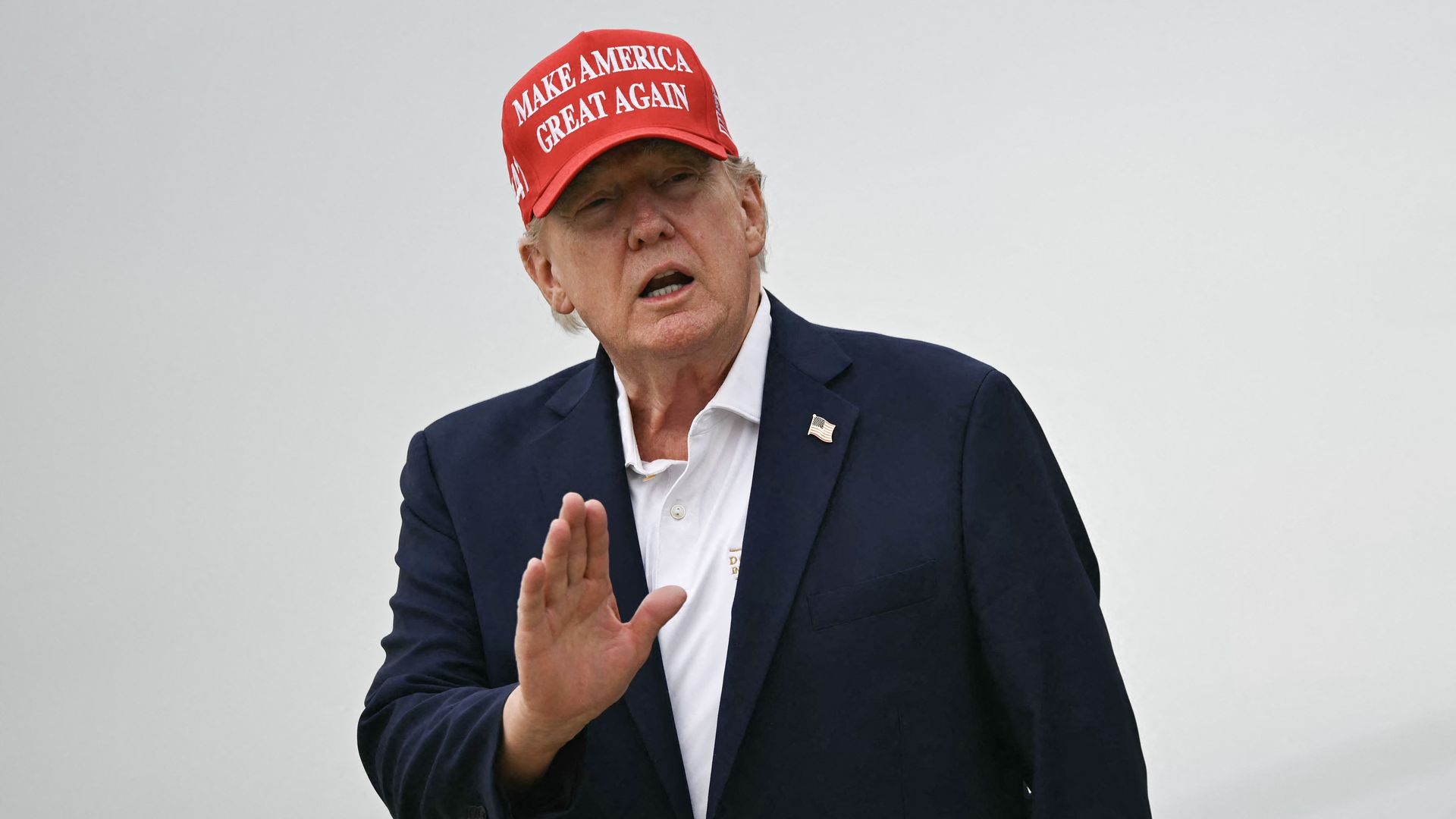
President Trump said Sunday he instructed Defense Secretary Pete Hegseth to "substantially reduce" U.S. military exercises with South Korea.
The big picture: Trump cited his "very good relationship" with North Korean leader Kim Jong-un for condemning the drills — and also noted on Truth Social that South Korea declined his request to help the U.S. denuclearize Iran.
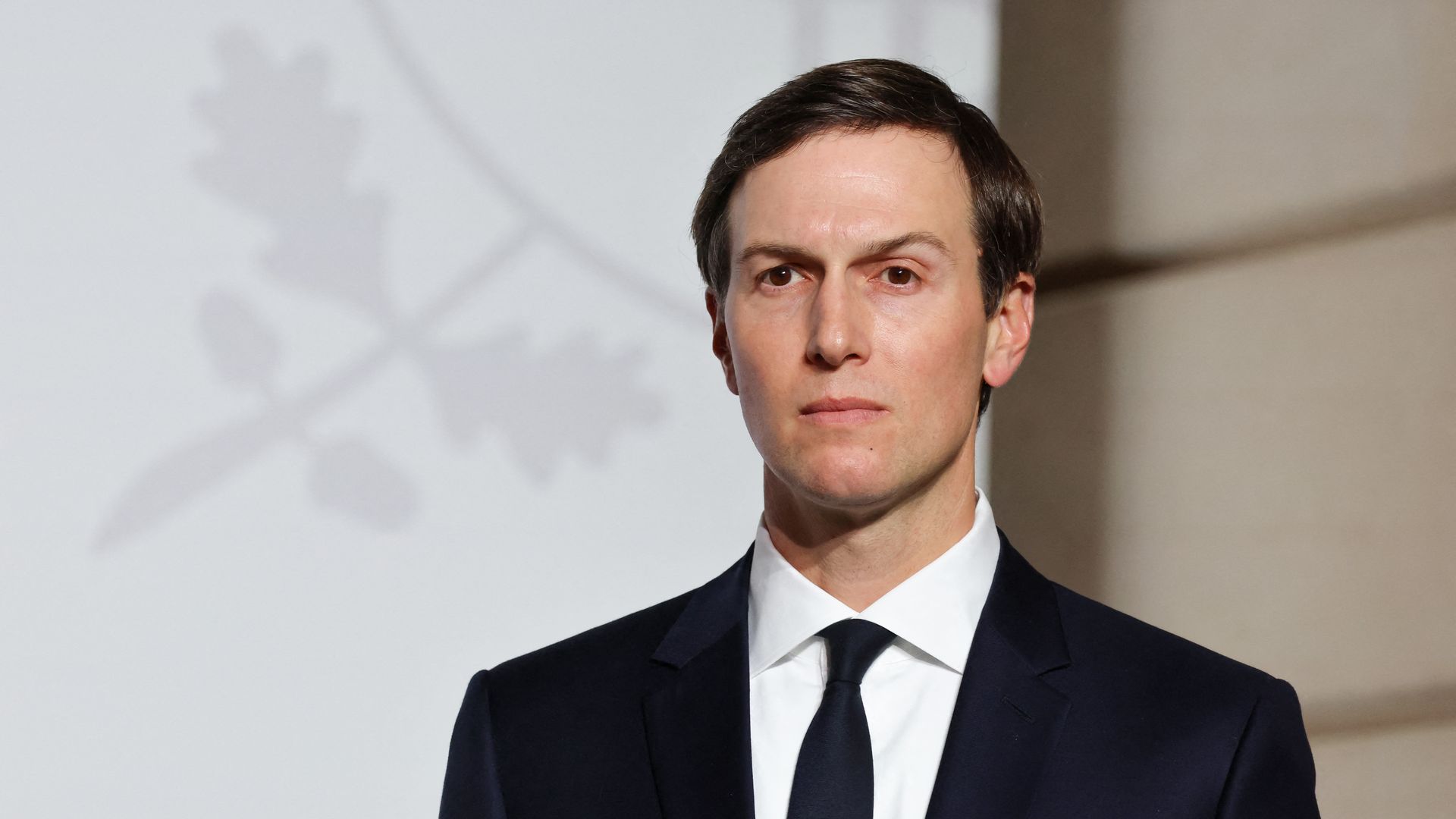
Hamas leaders reaffirmed their commitment to disarm and demilitarize Gaza in a meeting with President Trump's adviser Jared Kushner in Egypt on Sunday, according to a source with direct knowledge.
Why it matters: Kushner used the rare direct meeting to press Hamas for tangible steps on disarmament, warning that Israel doesn't trust the group to follow through.
Extreme heat is testing Italy's cheese banks, the vaults that hold Parmigiano Reggiano while it ages for years.
Why it matters: It's an 800-year-old industry that employs thousands and generates about $5 billion a year — and it actually has something in common with one of the biggest questions troubling the trillion-dollar AI buildout.
In mid-May, U.S. negotiators trying to reach a deal with Iran to end the war ran into a problem: They couldn't tell if the people across the table actually spoke for the country's powerful Islamic Revolutionary Guard Corps (IRGC).
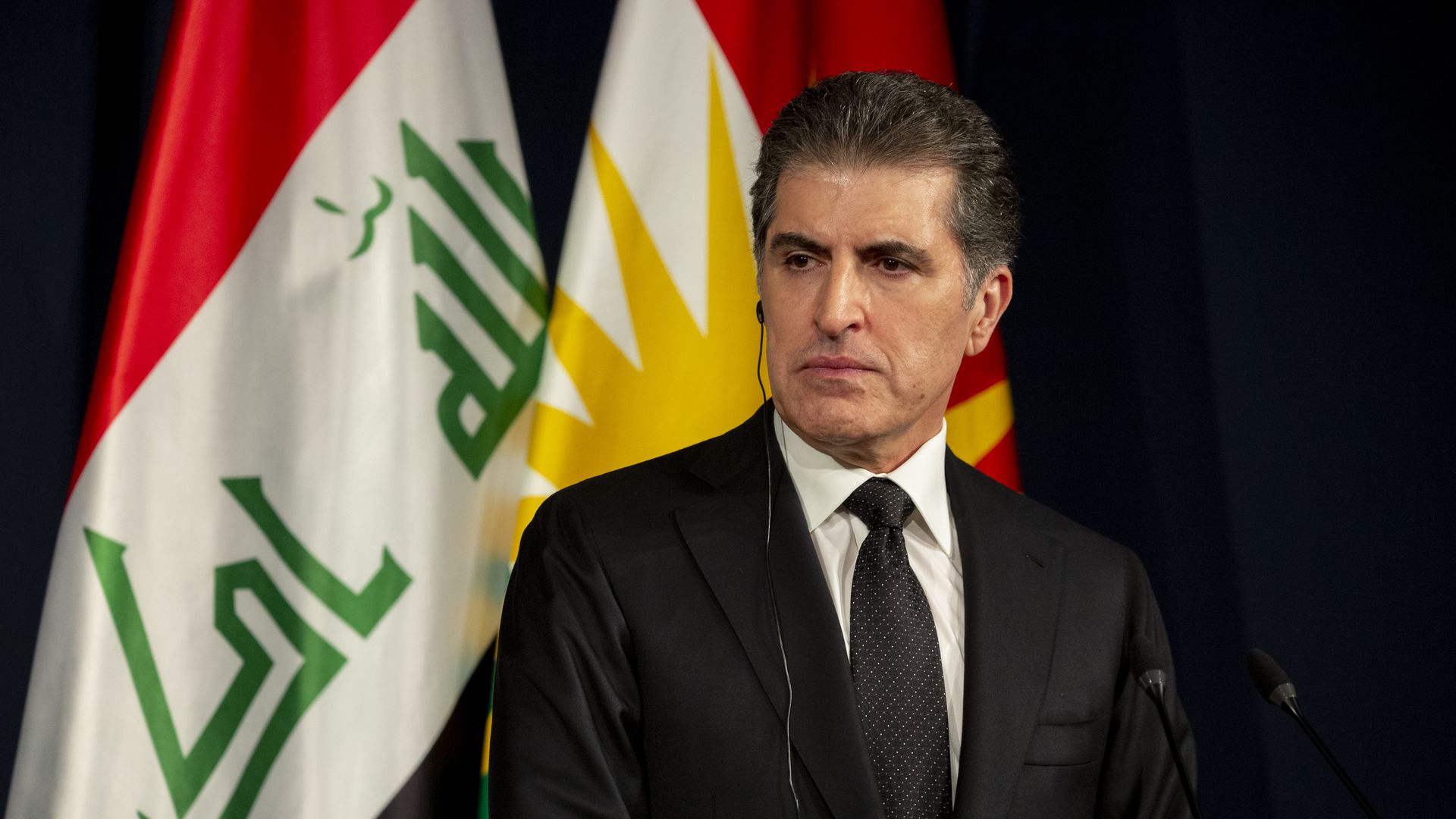
So Trump administration officials did something unconventional — they went around Iran's negotiators and reached out directly to IRGC leadership. The person they tapped for the backchannel was Nechirvan Barzani, the president of the Kurdistan region in Iraq, who had something very few others do: the trust of both U.S. and IRGC leaders.
Why it matters: The episode, which was detailed by three sources with direct knowledge and has not been previously reported, shows how tricky it's been for the U.S. to negotiate with a country where Washington isn't sure who exactly is in charge. The U.S. and Iran did reach a memorandum of understanding, but it quickly collapsed.