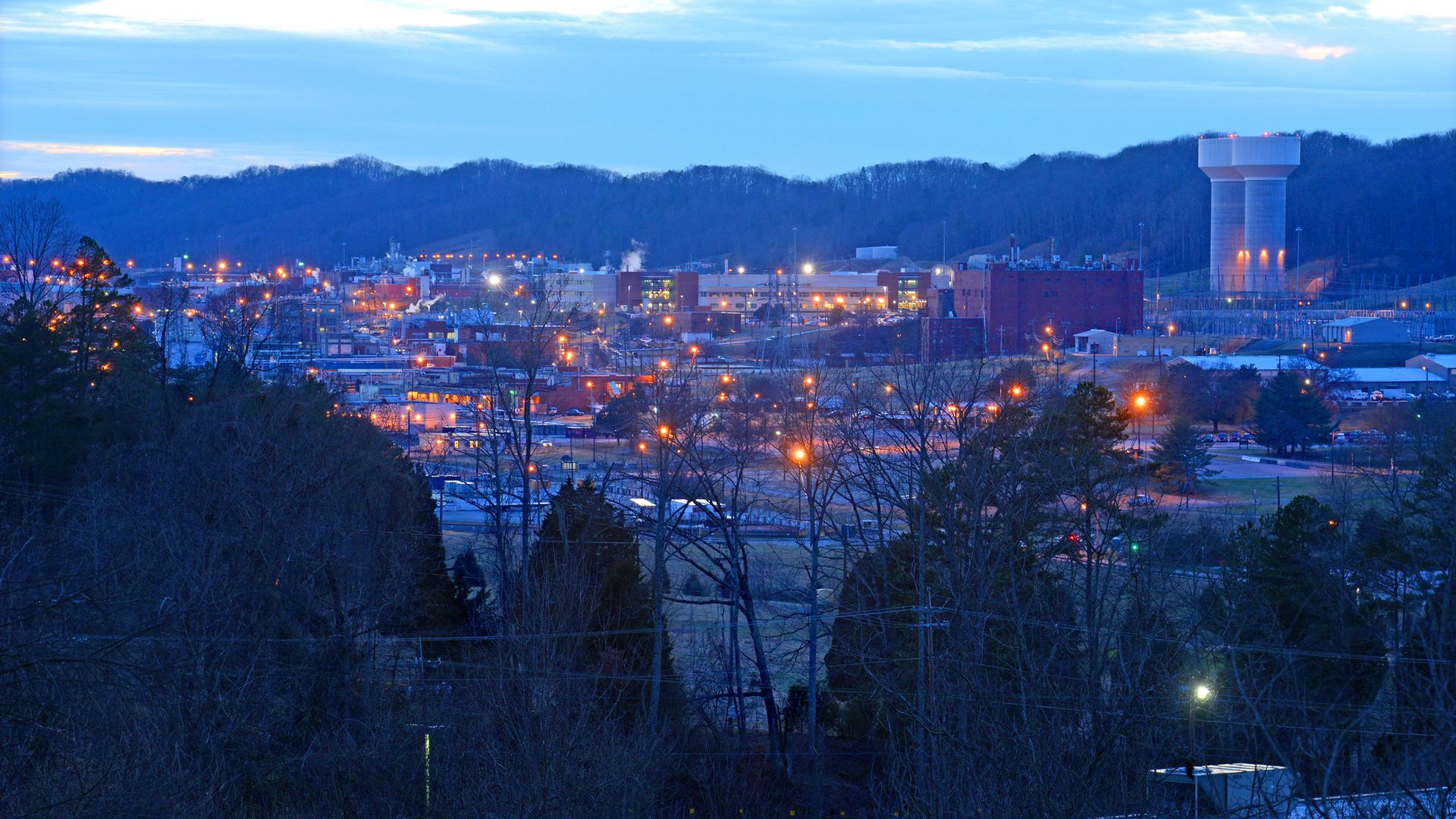
President Trump's envoys Steve Witkoff and Jared Kushner traveled to the national lab in Oak Ridge, Tennessee on Thursday for consultations with a team of technical experts that could play a role in nuclear negotiations with Iran, Axios has learned.
Why it matters: The White House is trying to reach a memorandum of understanding (MOU) with Iran to end the war and begin in-depth nuclear negotiations, and wants to have experts at the ready should those talks be launched.
The AI industry, battling concerns about its impact on jobs and energy costs, is accusing China-linked actors of using social media to fan opposition to the data centers powering America's AI boom.
Why it matters: As the U.S. and China race for AI supremacy, resistance to data centers is threatening the industry's massive buildout plans here — and AI leaders believe foreign actors are stoking the backlash.
The 1970s oil-shock playbook needs an update: The inflation costs remain, but the employment risks appear far smaller than they did 50 years ago.
Why it matters: As the Iran war continues, there are early signs of renewed strength in the labor market.
If energy disruptions pose less of a risk to jobs, the challenge for central banks shifts from managing stagflation risks to guarding against renewed price pressures.
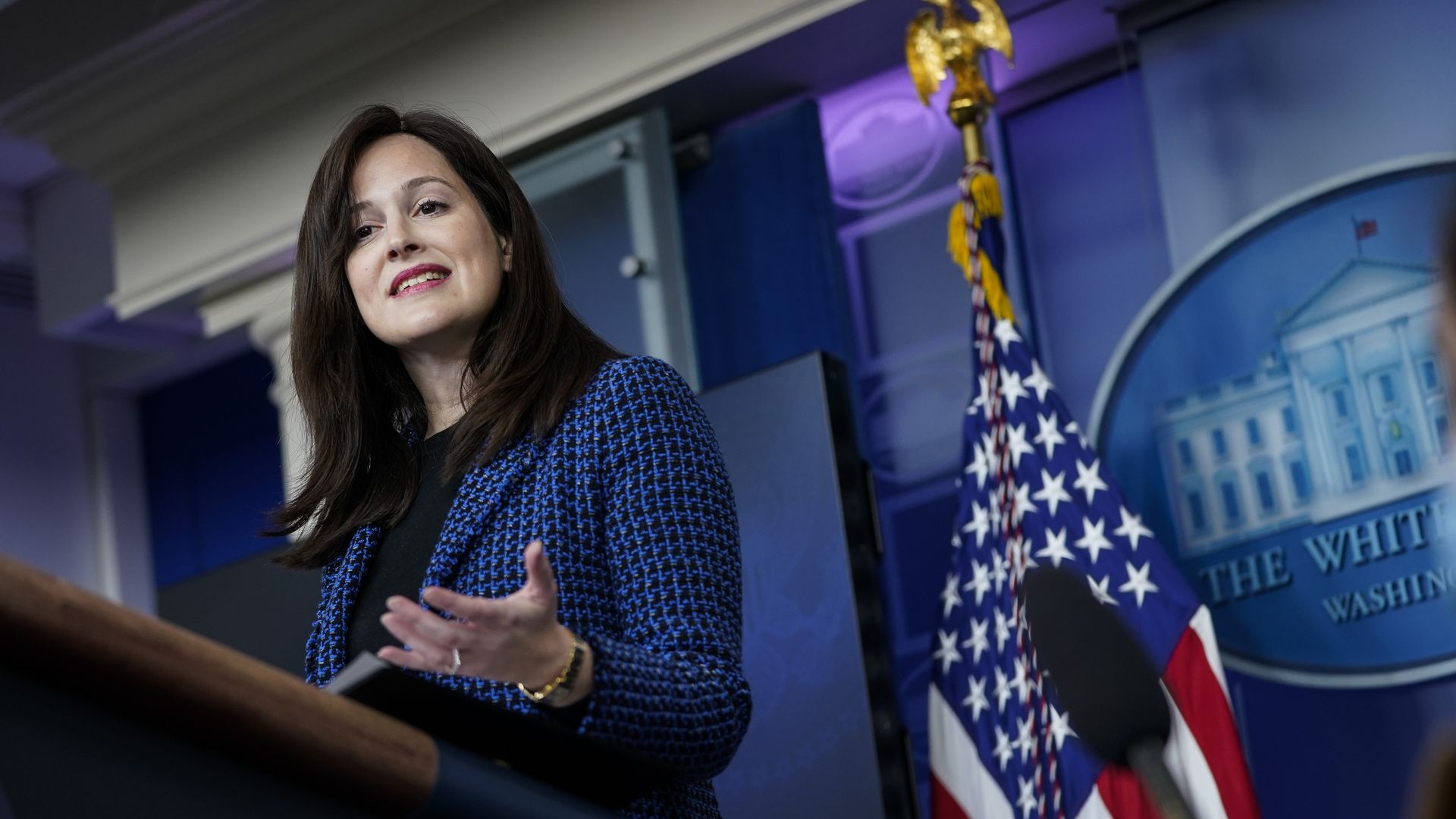
Anne Neuberger, the former U.S. deputy national security advisor for cyber and emerging technologies, has joined Andreessen Horowitz as a fulltime partner and the firm's first head of global affairs, Axios has learned exclusively.
Why it matters: This reflects the growing interconnectivity of tech and geopolitics, particularly as sectors like defense-tech become key to venture portfolios.
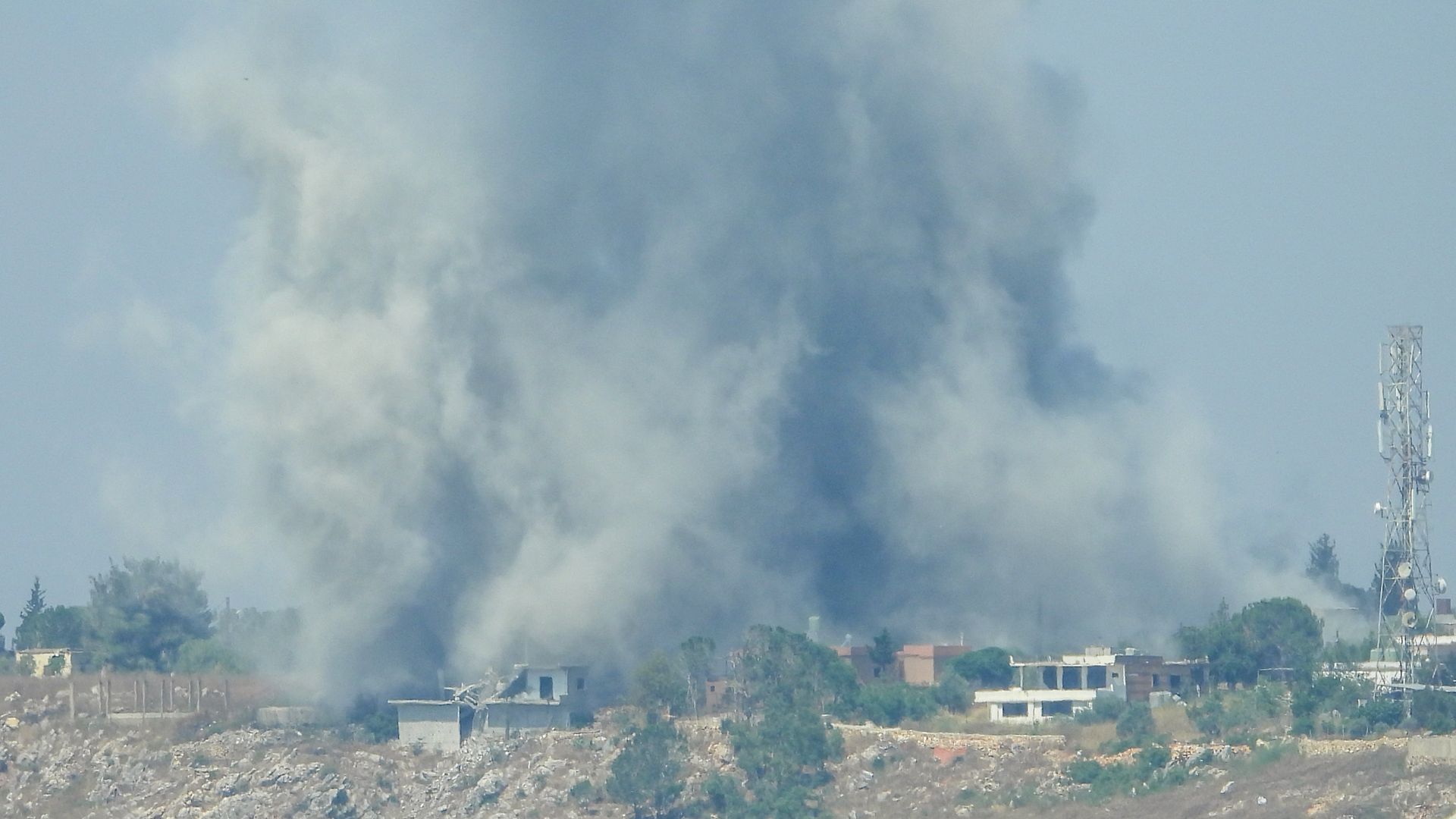
Israel and Lebanon agreed Wednesdayto a full ceasefire, contingent on Hezbollah halting attacks and withdrawing its operatives from the area south of the Litani River in Lebanon, according to a joint statement from the U.S., Israel and Lebanon.
The big picture: Hezbollah rejected the terms Thursday after the Shia militia had initially said it would agree to a full ceasefire. Without Hezbollah's agreement, the ceasefire could stay "on paper."
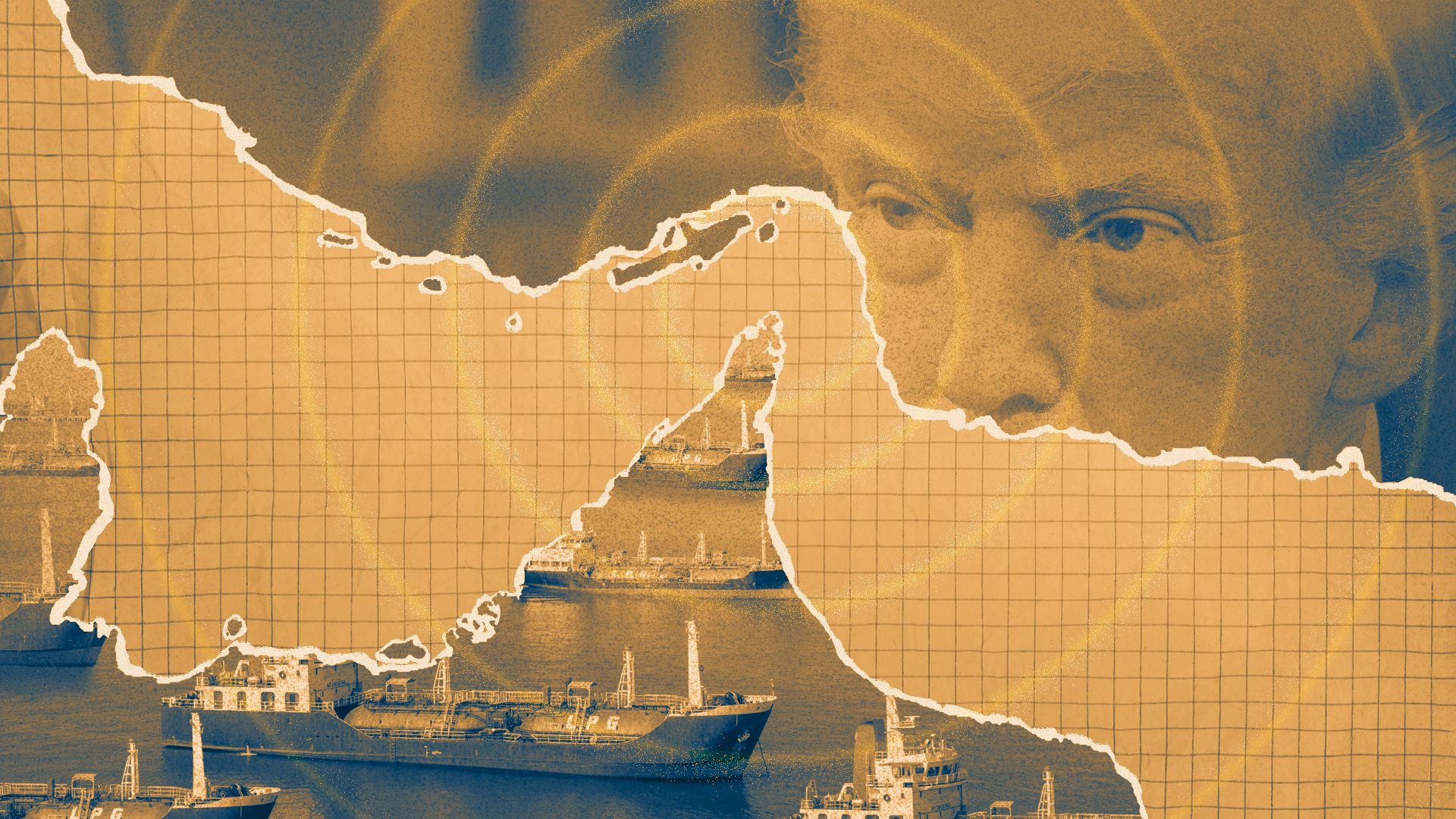
With summer driving season here, let's revisit two big questions: why isn't the global oil crisis even worse, and how long until economic damage from the Iran war gets even more acute?
Why it matters: There's persistent risk of much higher prices and expanding shortages.
California is losing people from suburbs year after year, revealing a deeper demographic shift reshaping America's most populous state.
Why it matters: If California's commuter engines keep shrinking, the state risks losing the diverse workforce that powers its economy — while shifting political clout to the states where those families relocate.
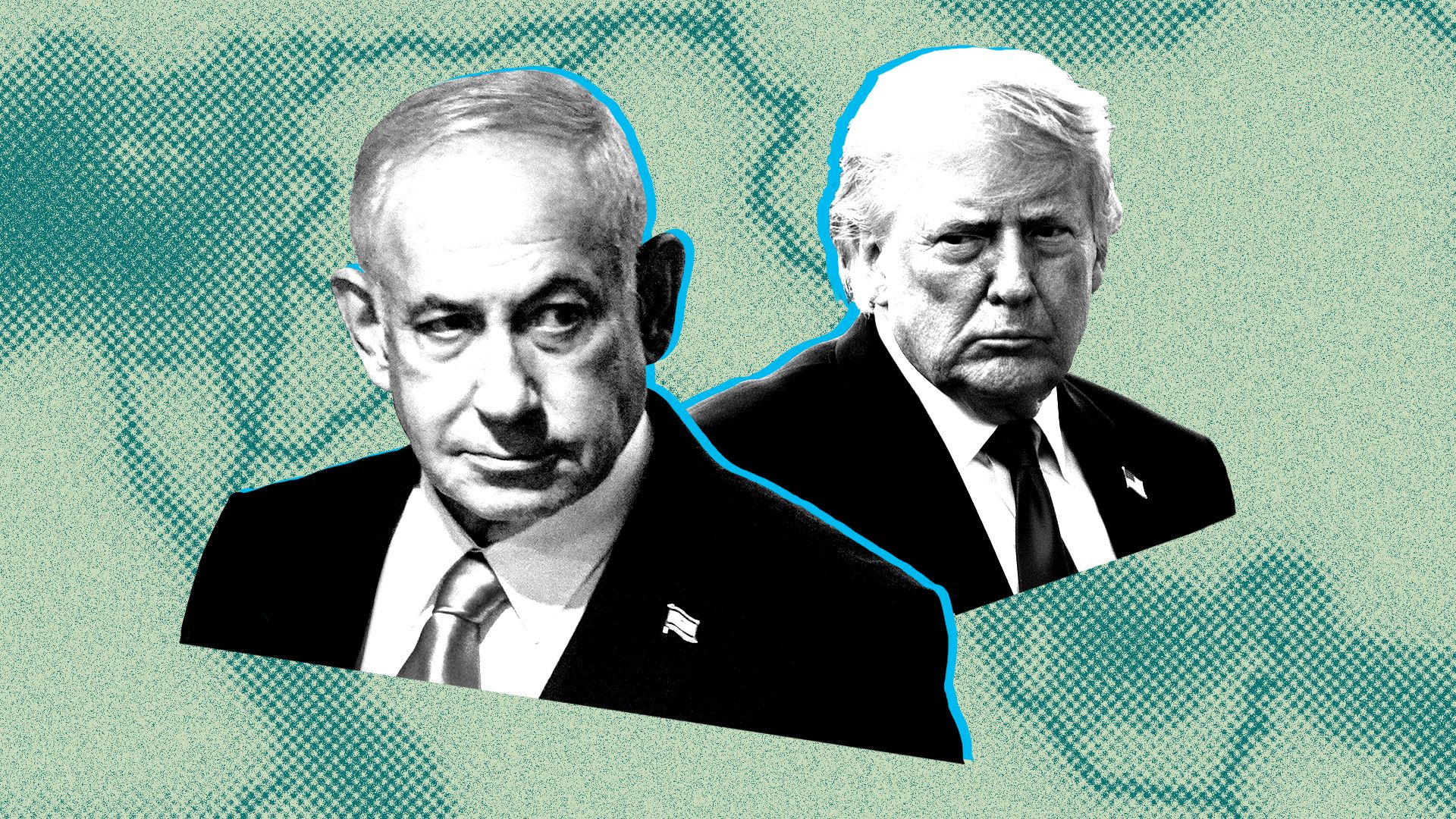
Israeli Prime Minister Benjamin Netanyahu's recent spat with President Trump over Lebanon underscored how his military objectives, and possibly his political survival, are dependent on a U.S. president who doesn't share his appetite for escalation.
Why it matters: Trump and Netanyahu have coordinated very closely on Iran and speak almost daily. But officials on both sides have been cognizant that there could be a point in time when the allies' interests and objectives diverge. Some in Netanyahu's camp worry that time is now.
As AI changes the way the world gathers information, some critics say that it is perpetuating stereotypes and erasing cultural nuances for Indigenous groups and people of color.
Why it matters: Most mainstream models are trained on the work of Western writers — particularly white men — and regularly mimic those values, writing styles, viewpoints and biases.
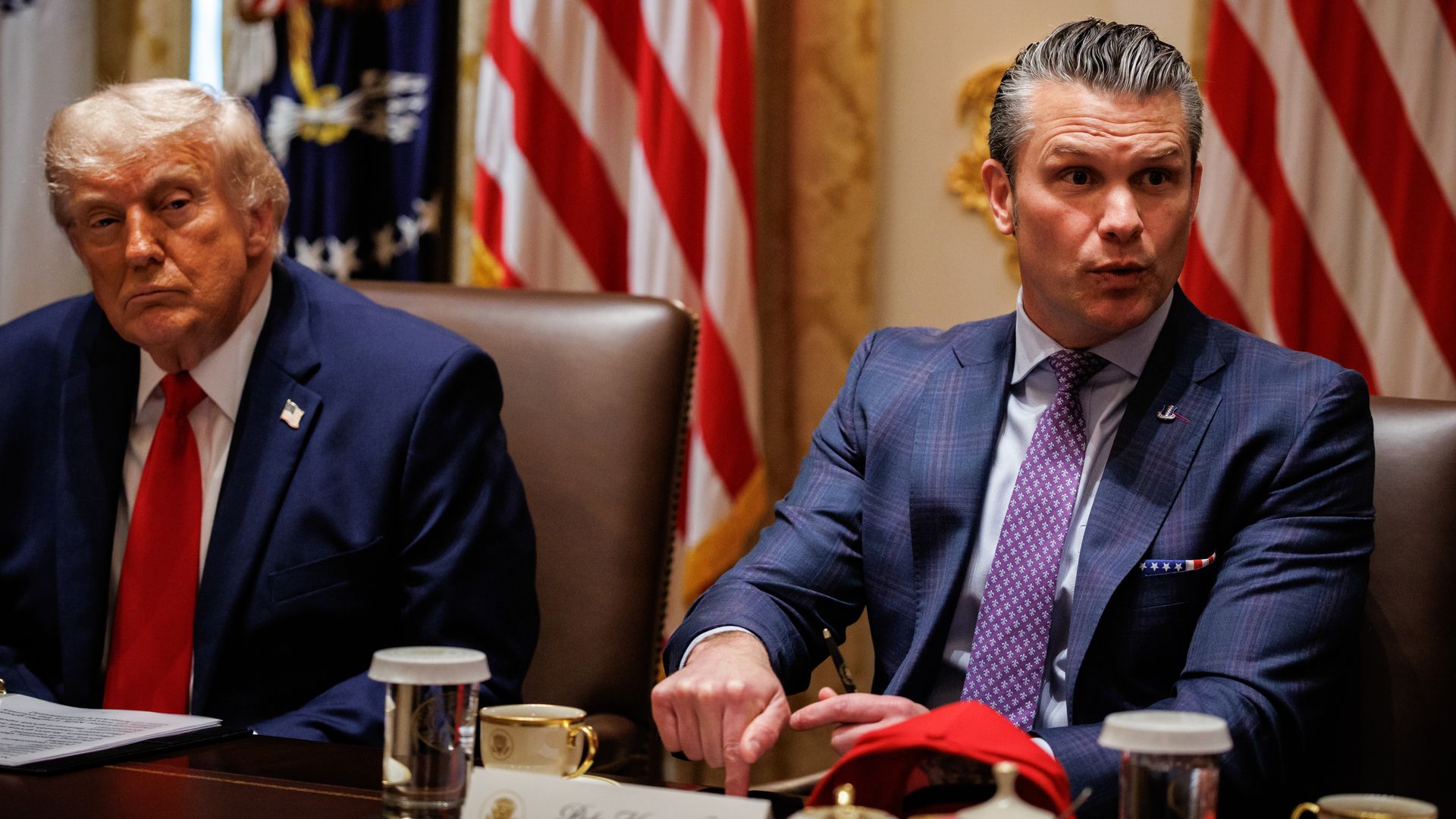
President Trump has expanded military operations across multiple regions during his second term, with U.S. forces targeting drug-smuggling boats in the eastern Pacific even as American and Iranian officials pursue a peace deal.
Why it matters: Trump's expanding military operations are testing whether his America First doctrine can accommodate a growing U.S. military footprint overseas.