The 1970s oil-shock playbook needs an update: The inflation costs remain, but the employment risks appear far smaller than they did 50 years ago.
Why it matters: As the Iran war continues, there are early signs of renewed strength in the labor market.
If energy disruptions pose less of a risk to jobs, the challenge for central banks shifts from managing stagflation risks to guarding against renewed price pressures.
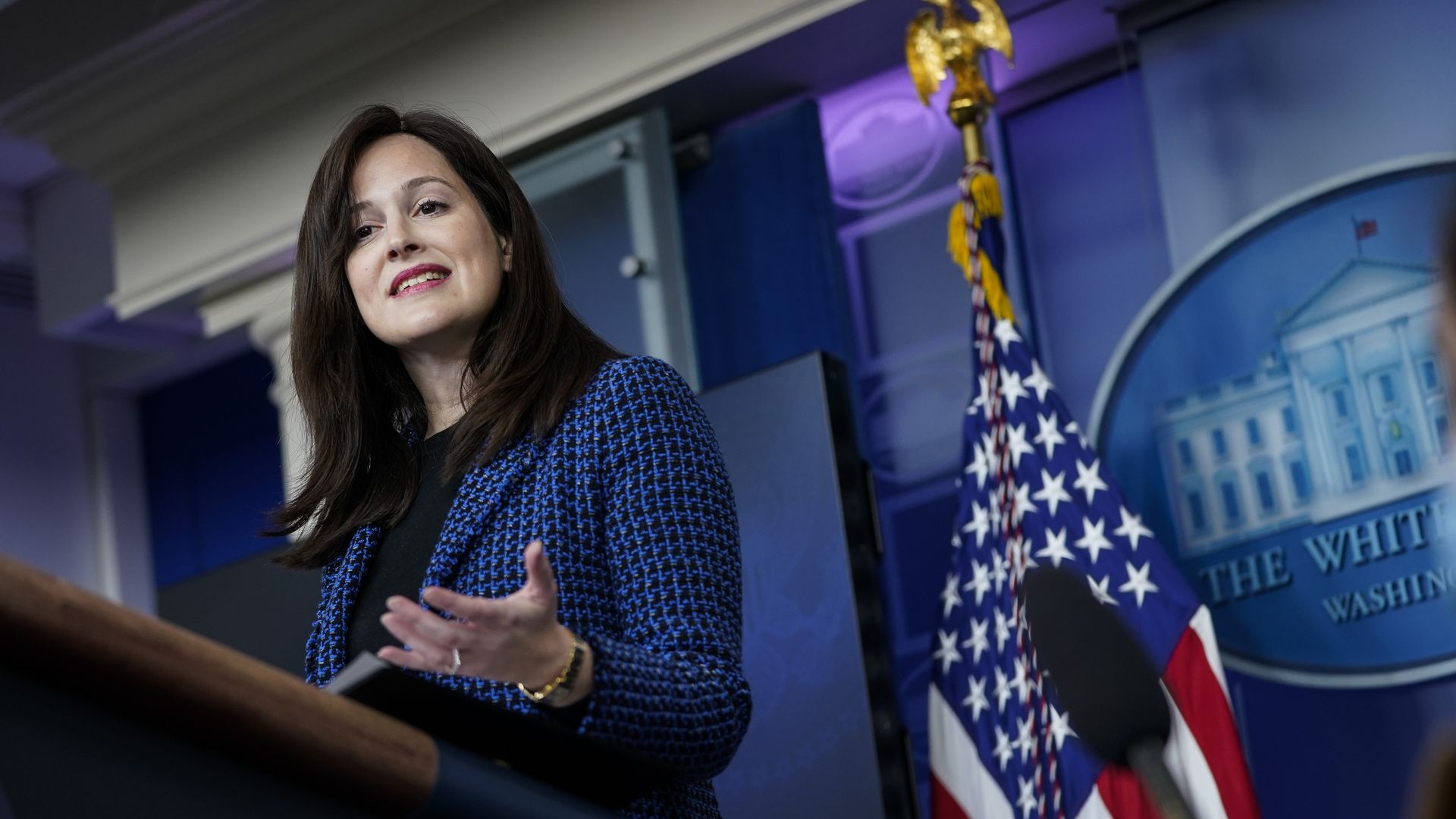
Anne Neuberger, the former U.S. deputy national security advisor for cyber and emerging technologies, has joined Andreessen Horowitz as a fulltime partner and the firm's first head of global affairs, Axios has learned exclusively.
Why it matters: This reflects the growing interconnectivity of tech and geopolitics, particularly as sectors like defense-tech become key to venture portfolios.
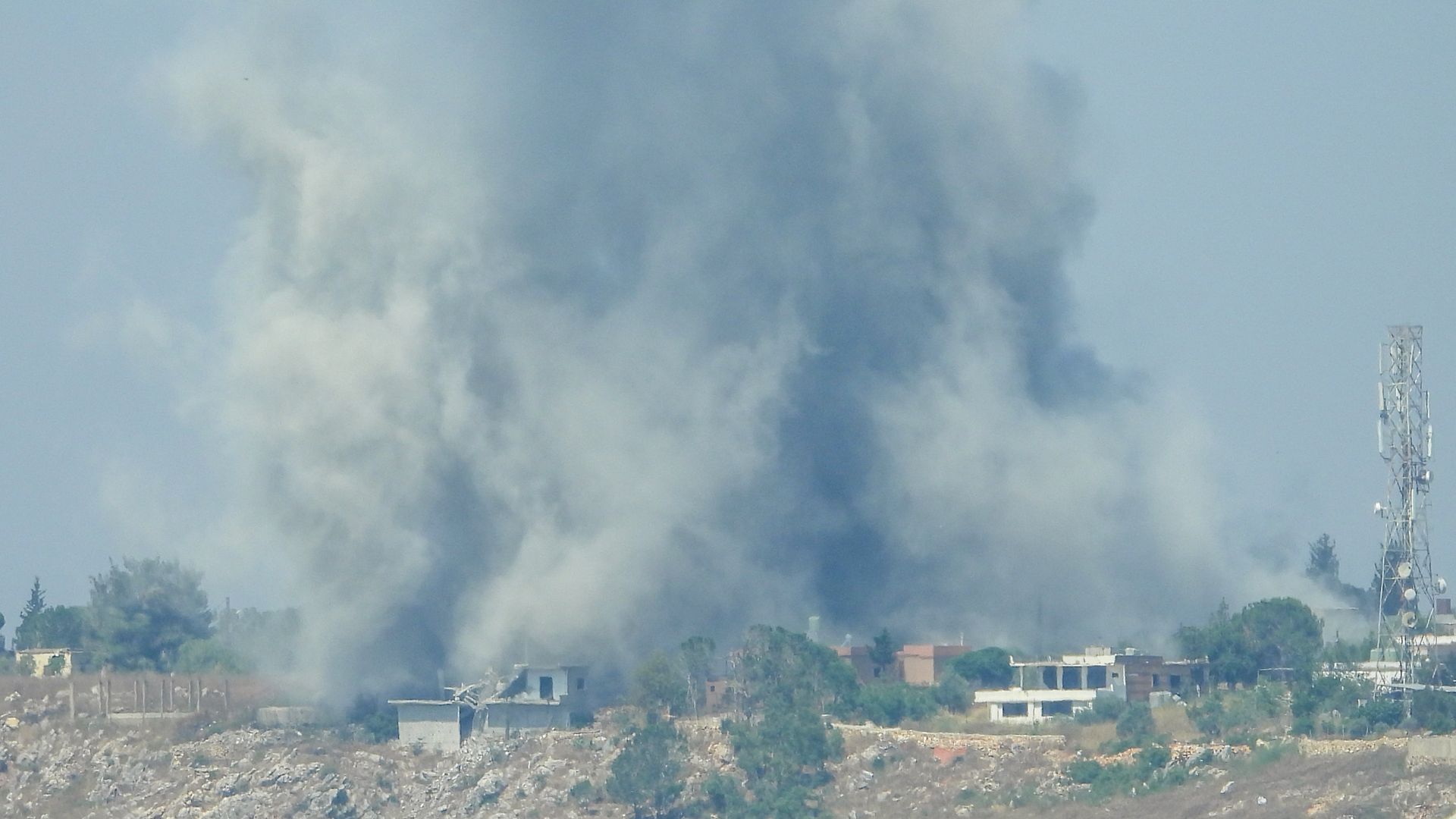
Israel and Lebanon agreed Wednesdayto a full ceasefire, contingent on Hezbollah halting attacks and withdrawing its operatives from the area south of the Litani River in Lebanon, according to a joint statement from the U.S., Israel and Lebanon.
The big picture: Hezbollah rejected the terms Thursday after the Shia militia had initially said it would agree to a full ceasefire. Without Hezbollah's agreement, the ceasefire could stay "on paper."
With summer driving season here, let's revisit two big questions: why isn't the global oil crisis even worse, and how long until economic damage from the Iran war gets even more acute?
Why it matters: There's persistent risk of much higher prices and expanding shortages.
California is losing people from suburbs year after year, revealing a deeper demographic shift reshaping America's most populous state.
Why it matters: If California's commuter engines keep shrinking, the state risks losing the diverse workforce that powers its economy — while shifting political clout to the states where those families relocate.
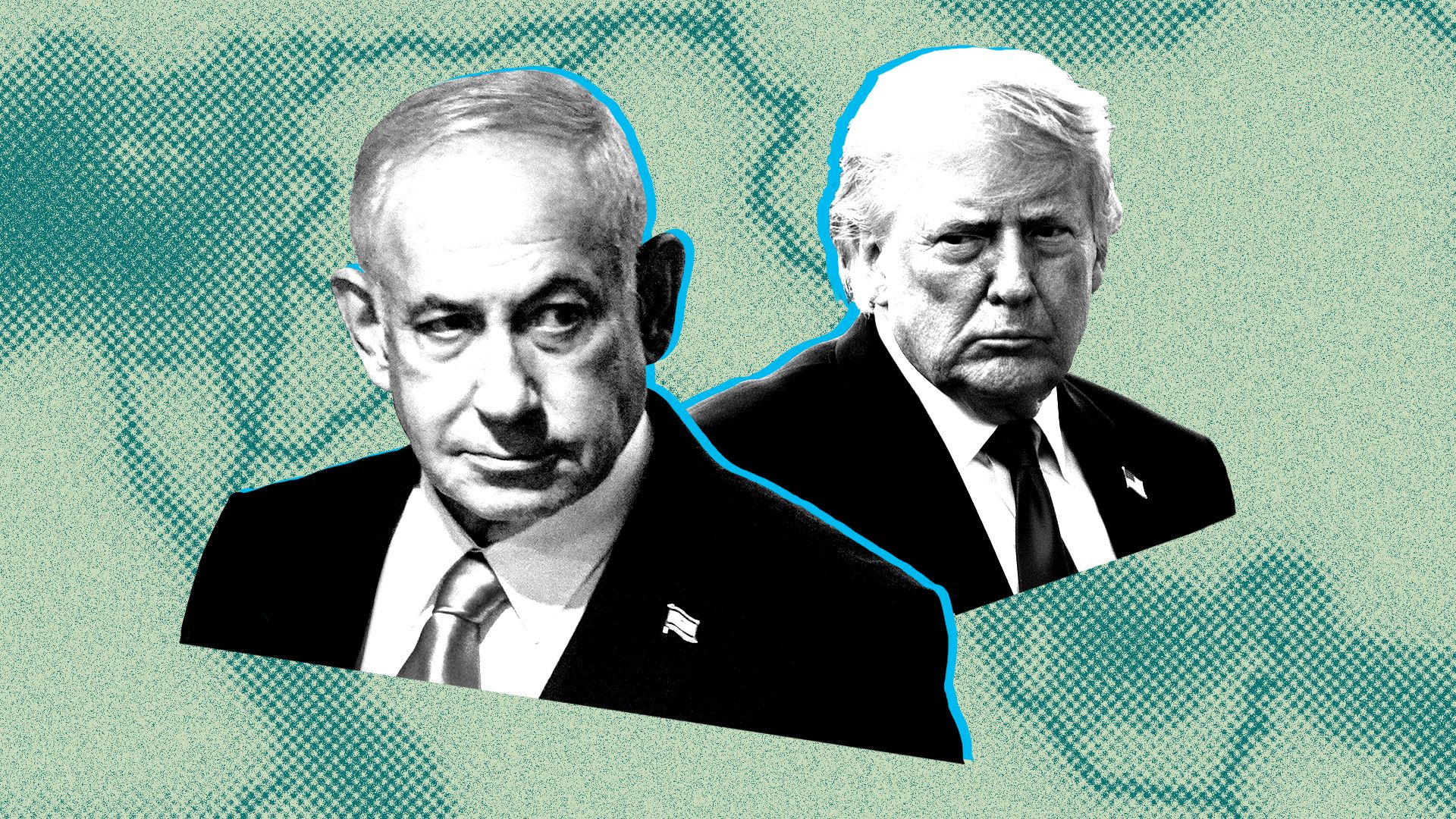
Israeli Prime Minister Benjamin Netanyahu's recent spat with President Trump over Lebanon underscored how his military objectives, and possibly his political survival, are dependent on a U.S. president who doesn't share his appetite for escalation.
Why it matters: Trump and Netanyahu have coordinated very closely on Iran and speak almost daily. But officials on both sides have been cognizant that there could be a point in time when the allies' interests and objectives diverge. Some in Netanyahu's camp worry that time is now.
As AI changes the way the world gathers information, some critics say that it is perpetuating stereotypes and erasing cultural nuances for Indigenous groups and people of color.
Why it matters: Most mainstream models are trained on the work of Western writers — particularly white men — and regularly mimic those values, writing styles, viewpoints and biases.
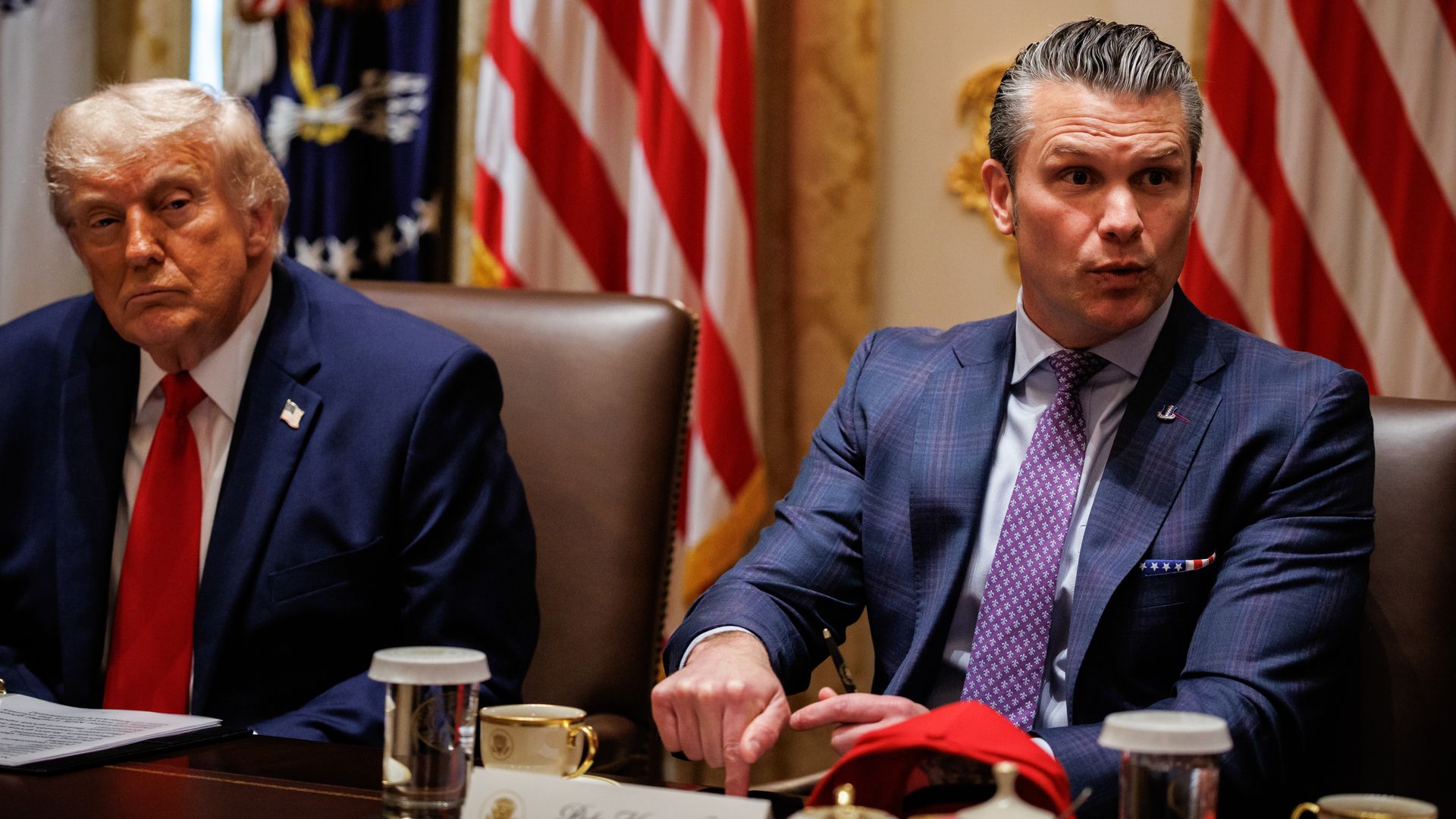
President Trump has expanded military operations across multiple regions during his second term, with U.S. forces targeting drug-smuggling boats in the eastern Pacific even as American and Iranian officials pursue a peace deal.
Why it matters: Trump's expanding military operations are testing whether his America First doctrine can accommodate a growing U.S. military footprint overseas.
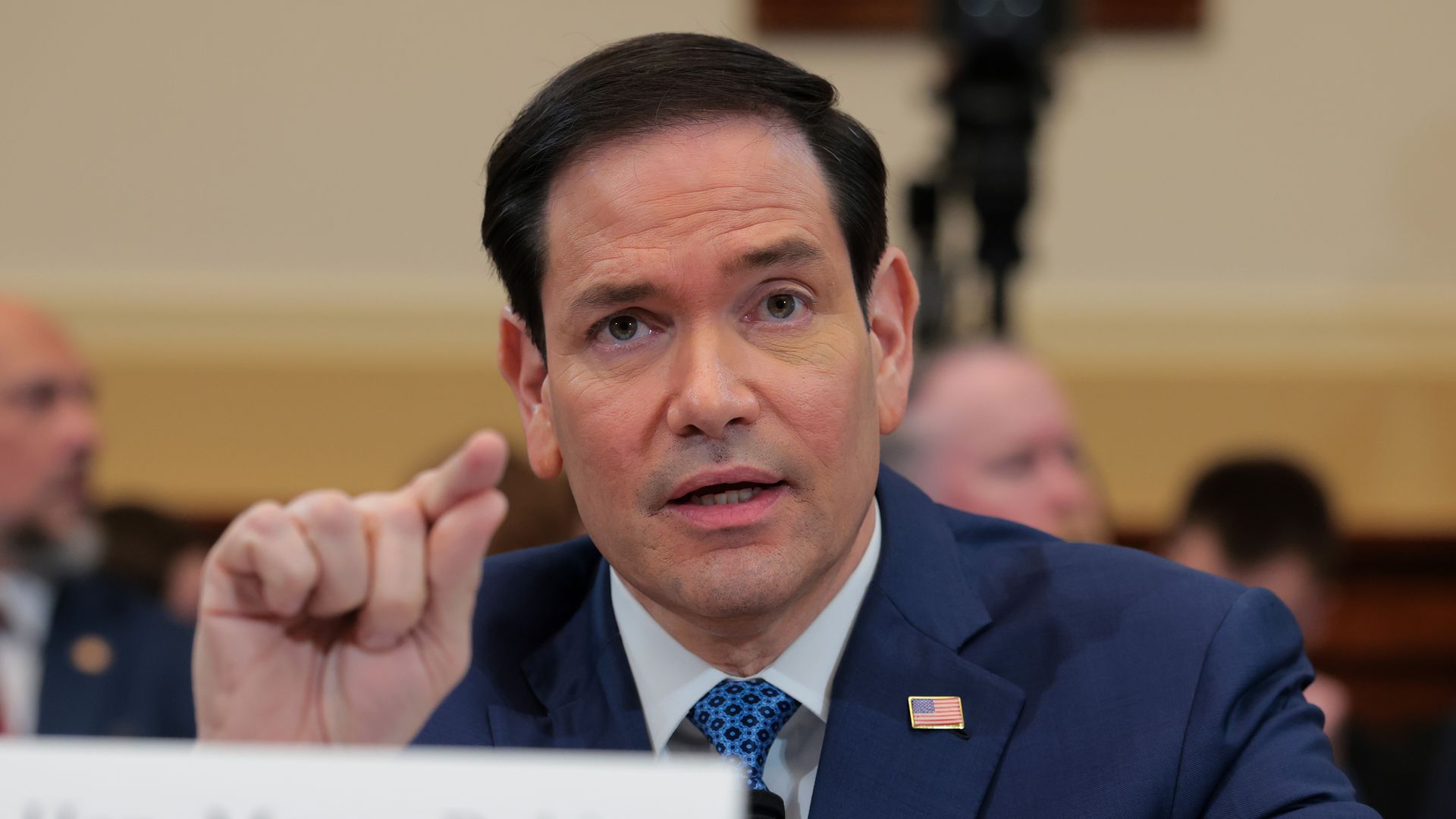
Greenland remains part of Denmark "for now," Secretary of State Marco Rubio said during a Wednesday House hearing — a nod to President Trump's repeated threats to take over the allied island.
The big picture: Rubio's comment comes after Trumprenewed his favored jab at Canada as the "51st State." Those musings reflect the Trump administration's broader assertion of global power that's antagonized friends and foes alike.
The Iran war has divided the global outlook into two tracks:
A modest slowdown if the conflict ends soon or a severe hit, with some economies near recession, if it drags on and the disruption deepens.
Why it matters: Either path leaves the global economy worse off than before the war, with slower growth and hotter inflation. The scenarios determine the scale of the damage.
DeepSeek is raising around $7.4 billion at around a $52 billion valuation from investors like Tencent and CATL, according to Bloomberg.
Why it matters: This is a reminder that America's AI trinity faces viable competition from China, particularly as enterprise customers try to control token costs.
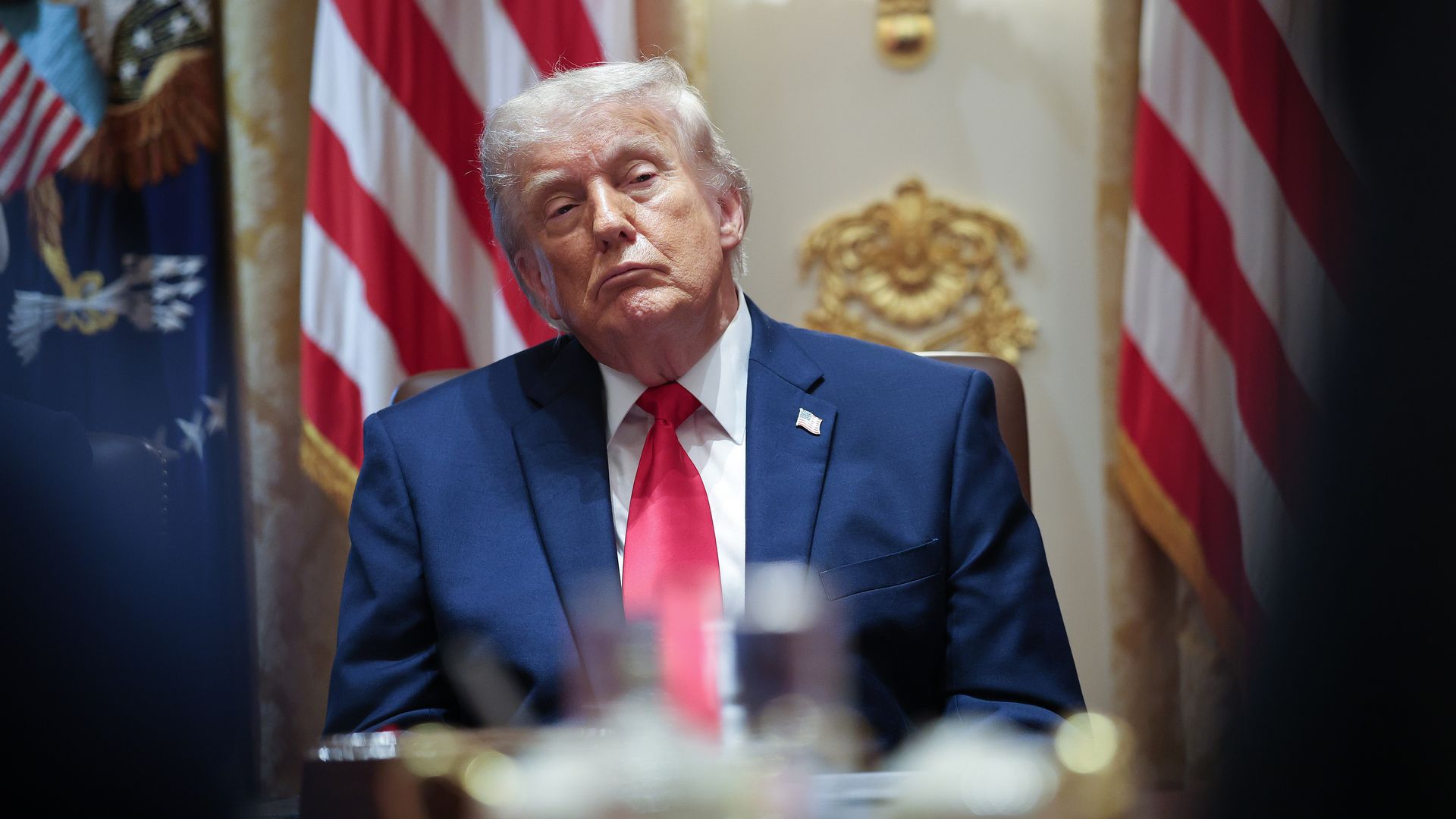
President Trump confirmed on Wednesday that he sharply criticizedIsraeli Prime Minister Benjamin Netanyahu over Lebanon during a tense call, as Axios first reported.
Why it matters: Trump's confirmation signals a widening dividebetween the two leaders, over both the fighting in Lebanon and the war with Iran.
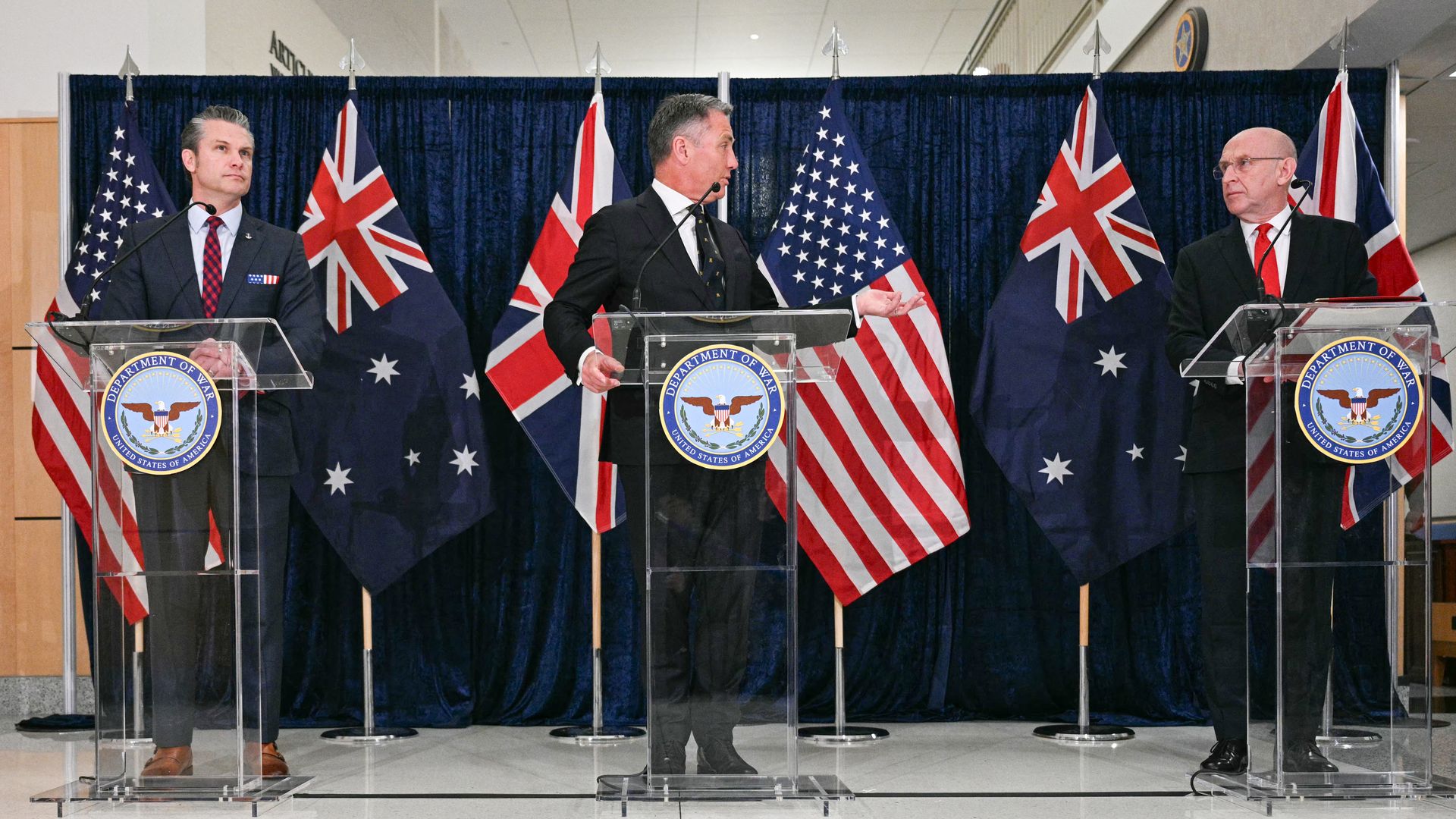
The U.S., U.K. and Australia will together develop interchangeable sensors and weapons for their uncrewed underwater vessels.
Why it matters: It's the first "signature" undertaking for AUKUS Pillar II, the autonomy, cyber, electronic warfare and quantum side of the trilateral pact so often associated with submarines.
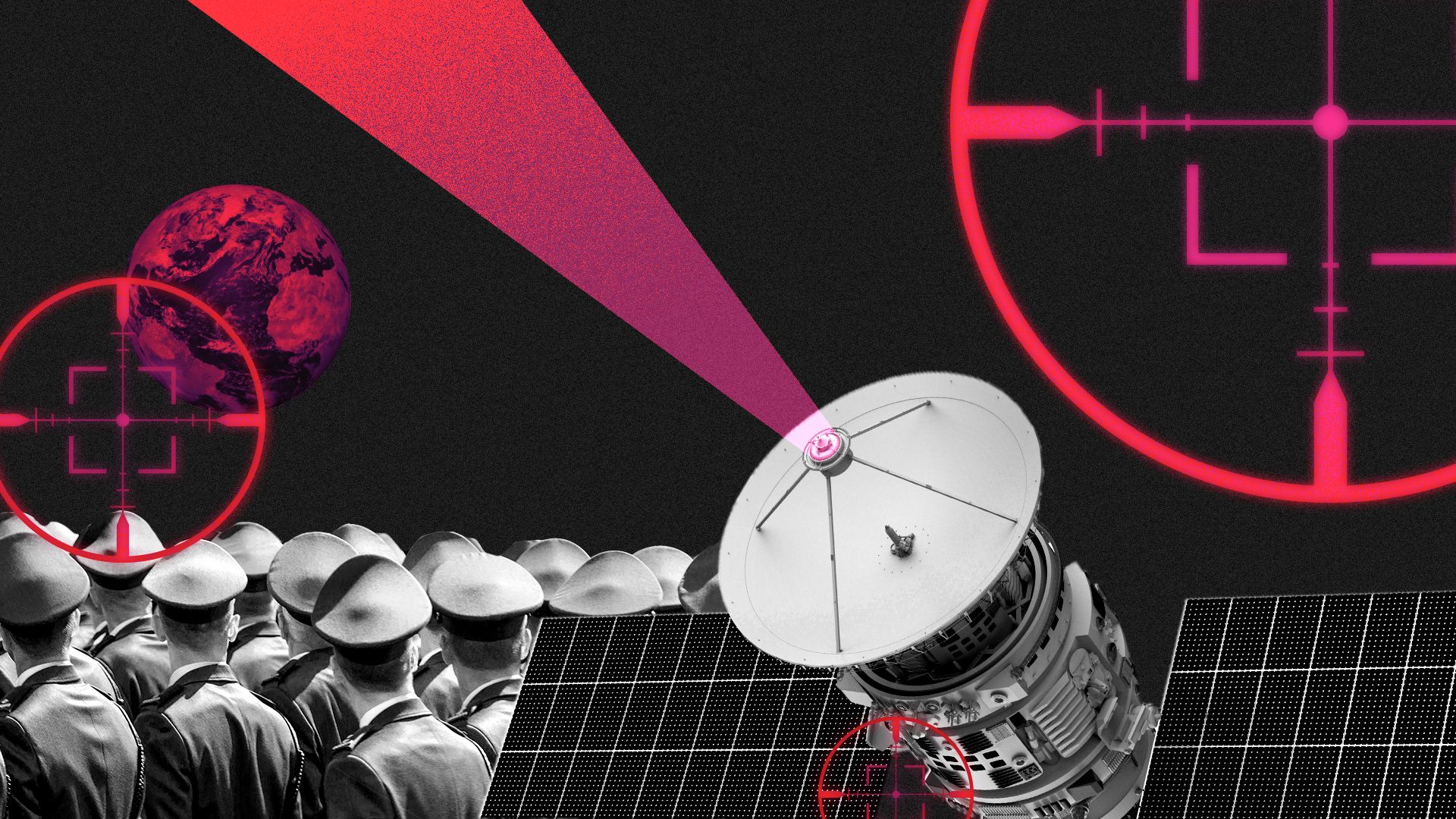
HSINCHU, TAIWAN — Taiwan's space agency wants to improve abilities to monitor Chinese maneuvers in space out of concern that acts of aggression could go undetected.
Why it matters: Space and satellites are essential to everyday life: financial markets, navigation, weather predictions, communication. They're also critical to military operations, enabling long-range strikes and surveillance.
But if a Chinese satellite "is doing some spooky things on our satellite, it's really hard for us to" actually observe it in time, a Taiwanese official told reporters during a tour of the Taiwan Space Agency's facilities and assembly line.
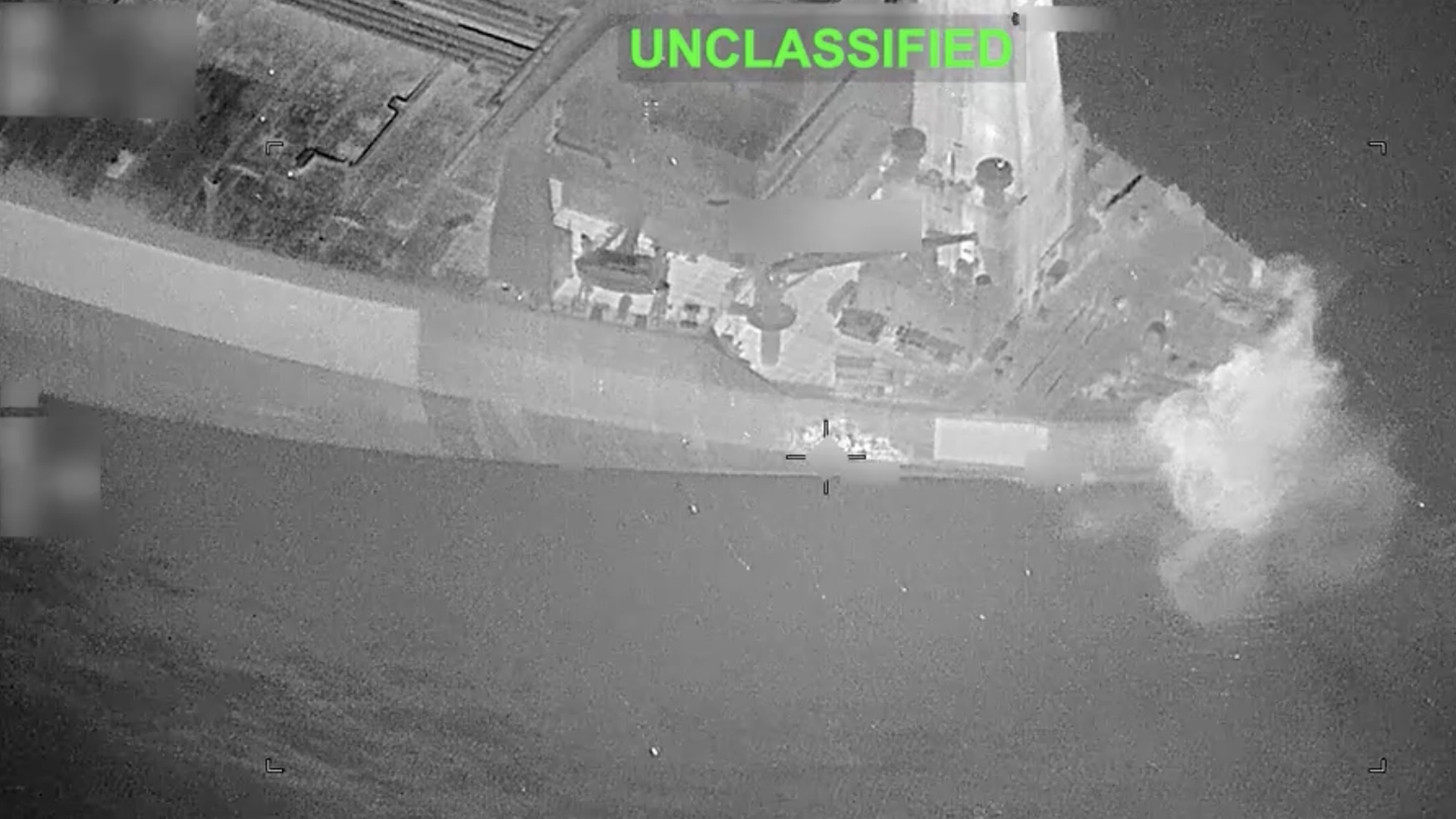
U.S. and Iranian forces exchanged strikes Tuesday as peace talks remained stalled and tensions escalated across the Middle East.
The big picture: The confrontation widened beyond direct exchanges, with U.S. forces intercepting Iranian missiles and drones and striking targets near the Strait of Hormuz.